New technologies may make driving a Porsche completely unsuccessful in the future (2 photos)
Innovations in car recycling
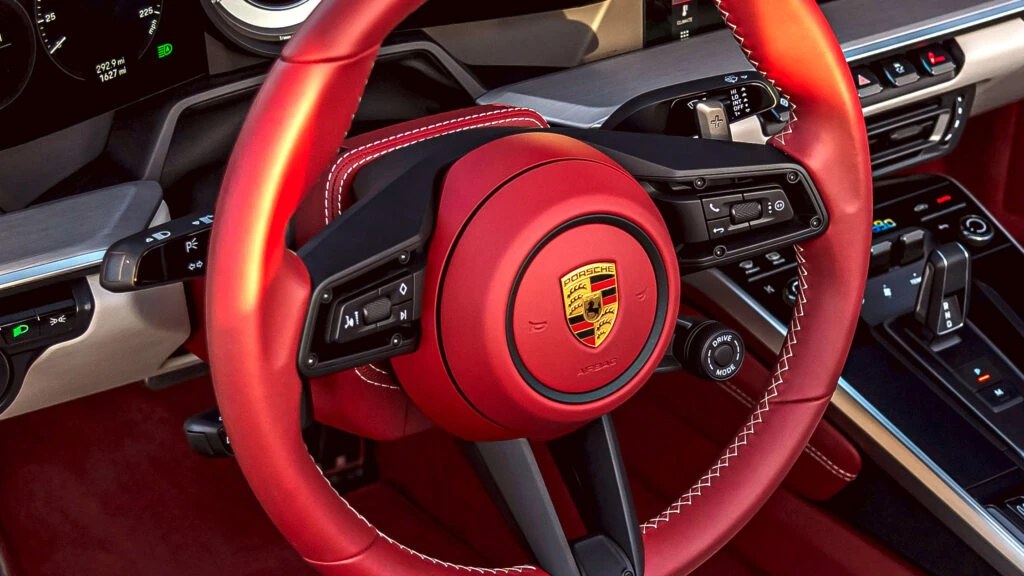
Porsche has developed new recycling methods for cars that have reached the end of their life cycle. The company has joined forces with chemical giant BASF and a technology company specializing in sustainable energy. The pilot project successfully transformed shredded plastic waste into foam for the production of steering wheels.
Historical context and new goals
A few years ago, Porsche said that 70 percent of the 911s produced since the 1960s were still in use. Now the company aims to ensure that even those cars that are at the end of their lives can continue to provide exciting driving on winding roads.
Modern recycling challenges
Recycling is nothing new to the automotive industry. End-of-life vehicles contain valuable metals that can be reused. However, the main challenge remains the disposal of other materials. In addition to metals, cars contain large amounts of plastic, foam and paint, which are much more difficult to recycle.
The problem of automotive waste
Currently, when car components enter an industrial shredder, what is known as automotive shredder residue is formed. This material is considered waste and is thermally processed, i.e. incinerated. Although this process generates energy, it is not environmentally friendly. 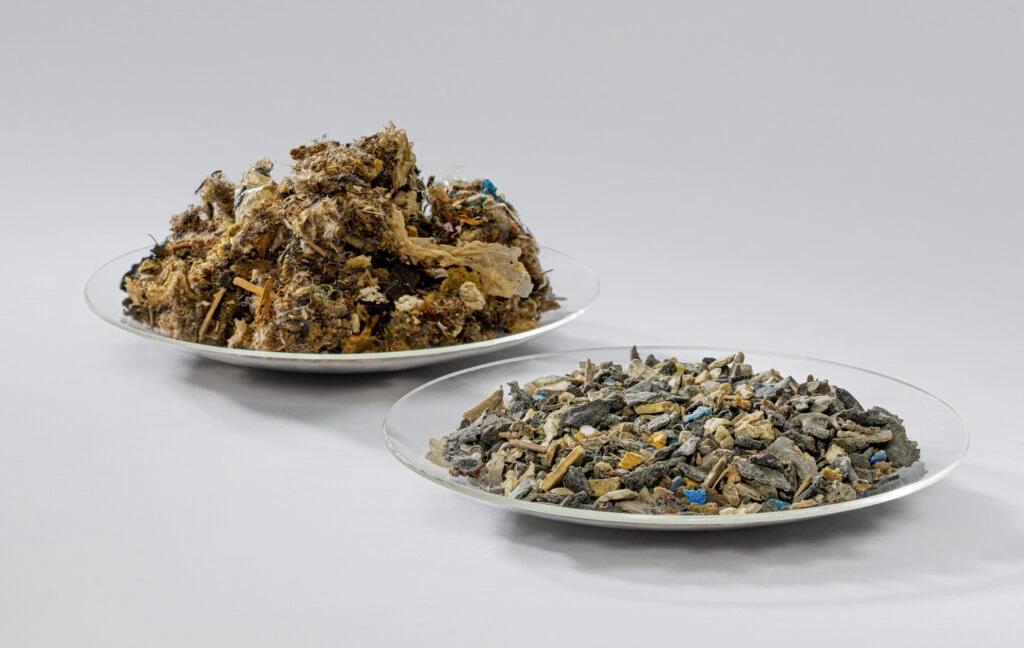
New recycling technologies
Porsche is aiming to increase the proportion of recycled materials in its cars, so together with BASF and BEST Bioenergy and Sustainable Technologies, it has developed new ways to process automotive shredder residues and integrate them into new vehicles. Using biological raw materials such as wood sawdust, the new chemical recycling process uses gasification technology to convert plastic waste into synthesis gas at high temperatures. The chemical expert, BASF, uses this gas to create new plastic.
Practical application
As part of a pilot study, Porsche used BASF polyurethane to produce foam for a batch of three-spoke sports steering wheels. The foam is not entirely made from recycled materials, as it still contains traditional fossil-based plastics, but it is a step in the right direction.
Implementation prospects
Porsche has not yet announced when exactly these technologies will be used in series production. However, if you ever manage to save up enough money to buy a new 911 Carrera, it would be interesting to feel that it contains elements of recycled materials, for example from the sporty GT3 RS.
This initiative demonstrates how traditional car manufacturers are adapting to the demands of a modern world where environmental responsibility is becoming increasingly important. The use of chemical recycling opens up new possibilities for reducing waste and creating a closed production cycle. Although the technology is not yet perfect, its development could significantly affect the future of the automotive industry, combining high quality standards with a sustainable approach to production.