Ford's bold plan to boost pickup sales is reminiscent of the risky strategies of 2008 (3 photos)
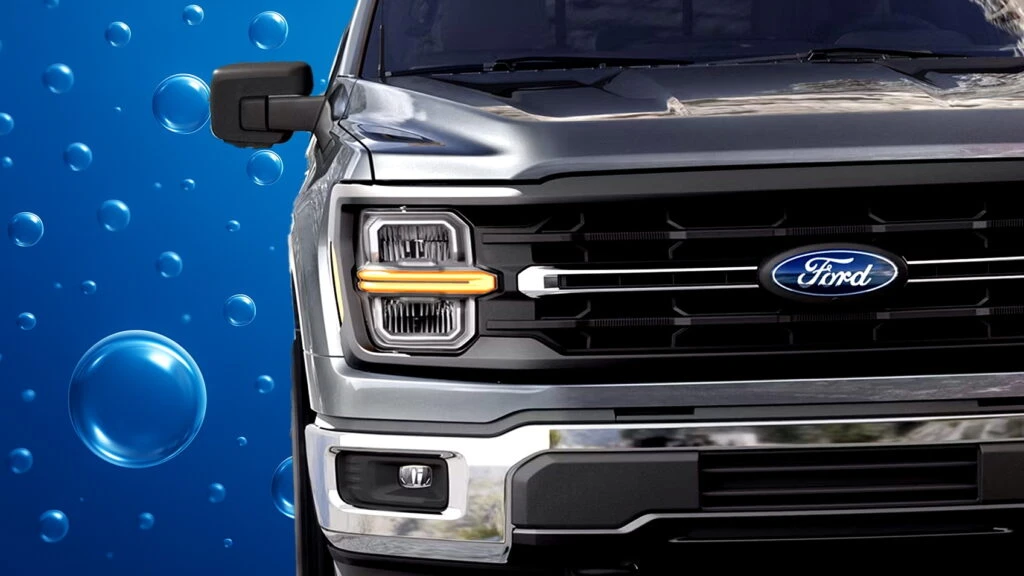
Ford’s strategy to boost F-150 sales
Ford is trying to boost sales of its F-150 pickup truck by appealing to buyers with poor credit. Through the end of September, customers with poor credit will receive the same interest rate as buyers with good credit. While F-150 sales have been up throughout 2025, they were down in August compared to last year.
The Importance of the F-150 to Ford
The F-150 is a key product for Ford, accounting for about 40% of the company’s annual production and ranking first in the national sales rankings. However, in August, F-Series sales fell 3.4%, forcing the company to take measures that may evoke associations with the 2008 financial crisis.
New credit policy
Ford is focusing not only on buyers with good credit histories, but also on those with lower credit ratings. During September, customers with weaker credit histories are receiving reduced interest rates that were previously available only to reliable borrowers. In addition, they can stretch the loan to 72 or even 84 months to make payments more affordable.
We only finance customers who we believe are creditworthy and have the ability to pay. We have run similar national programs in the past, offering preferential rates to customers who meet our credit criteria.
Timing of the program
This program comes at a time when borrowers with poor credit in the U.S. face average annual interest rates of up to 16%, while low-risk borrowers can get financing for as little as 5%. Ford’s temporary program significantly narrows that gap, opening up the possibility of a new pickup truck to those who previously couldn’t afford it. 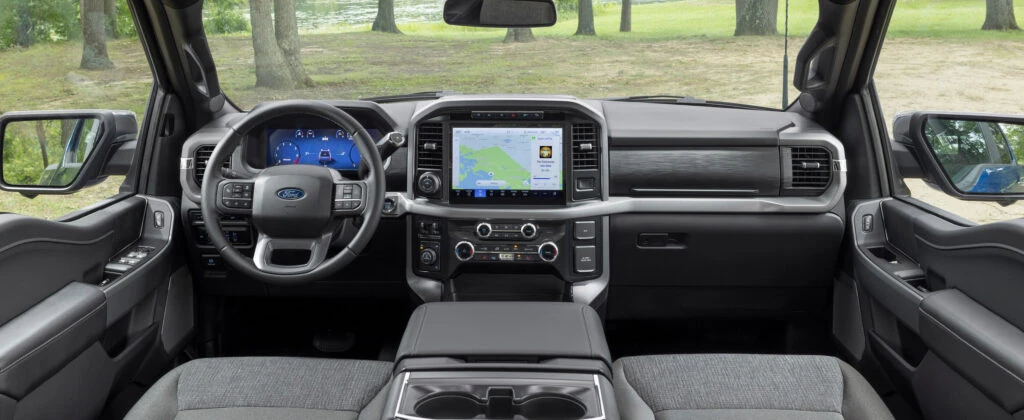
Financial Impact
A boost in September sales, supported by more affordable financing, could boost Ford's third-quarter results. The base pickup truck starts at nearly $39,000, but more fully equipped versions like the Raptor R can cost more than $115,000.
Credit Risk Concerns 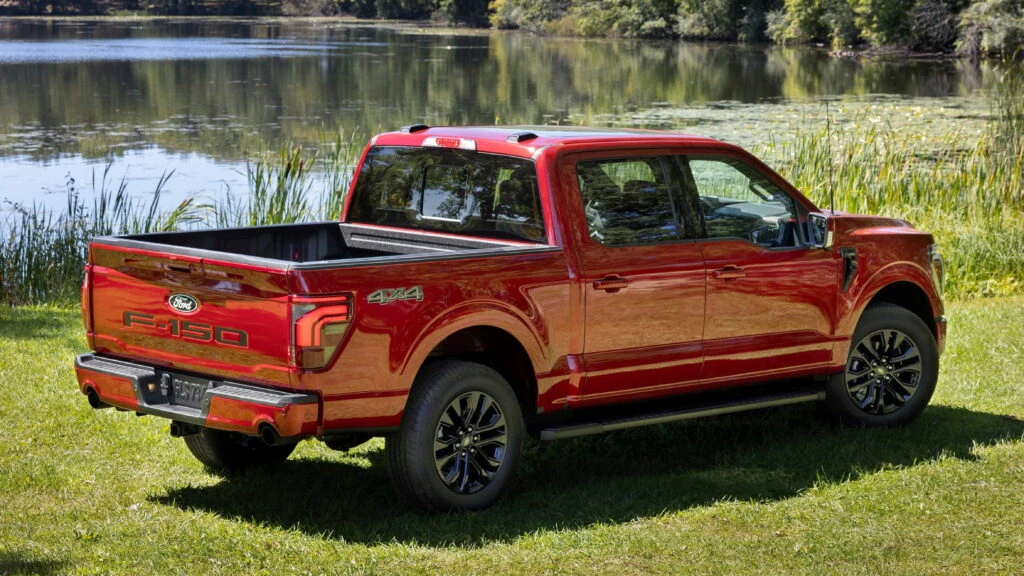
Ford’s move to make it easier for risky buyers to get financing coincides with a Consumer Federation of America report that shows a rise in auto loan delinquencies. This time, the problems with payments are not only affecting borrowers with bad credit, but also those with average credit ratings.
Ford’s strategy has raised questions because of possible analogies to the events of 2008, when reckless lending led to serious economic problems. However, the company insists that it carefully assesses customers’ creditworthiness and has implemented similar programs in the past. It is important to consider that modern financial institutions have stricter control mechanisms than before the crisis, which can reduce potential risks.