The Absurdly Uncomfortable Shoes of Medieval Women (16 photos)
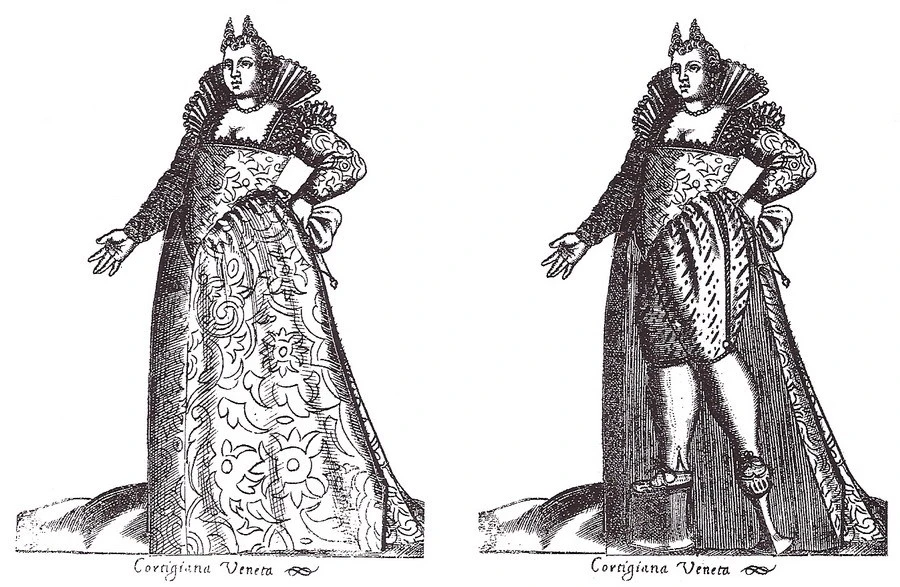
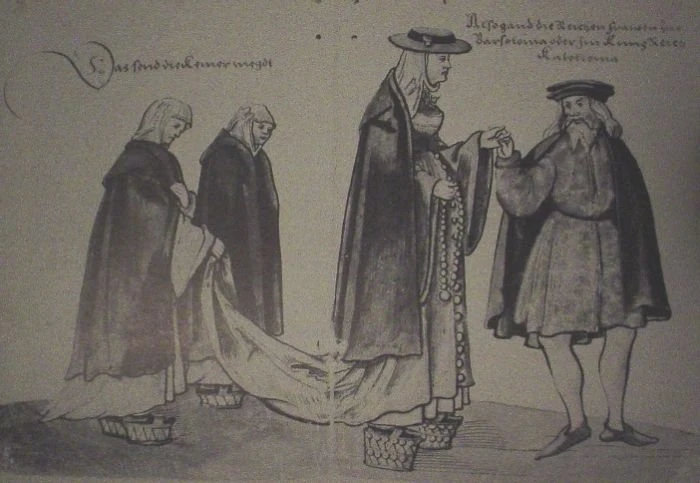
From the 14th to the 17th century, women across Europe wore platform shoes with towering soles known as chopines, zoccoli, or pianelle. Believed to have originated in Venice—partly inspired by similar footwear from Central Asia—these platforms were made of cork or wood and reached heights of up to 50 centimeters (nearly 20 inches), with some sources claiming they went as high as one meter (39 inches). 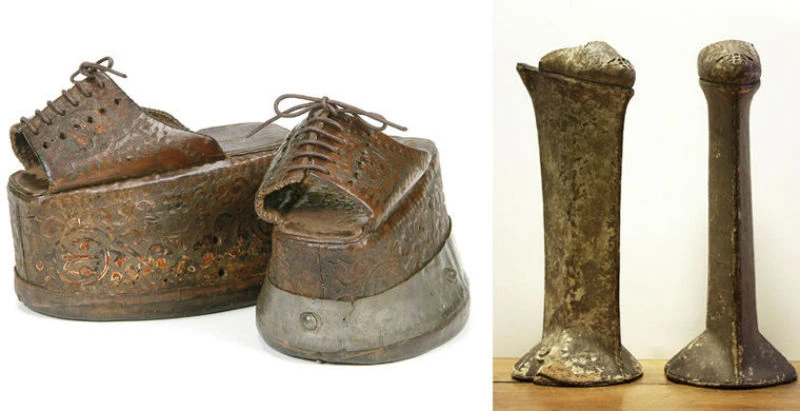
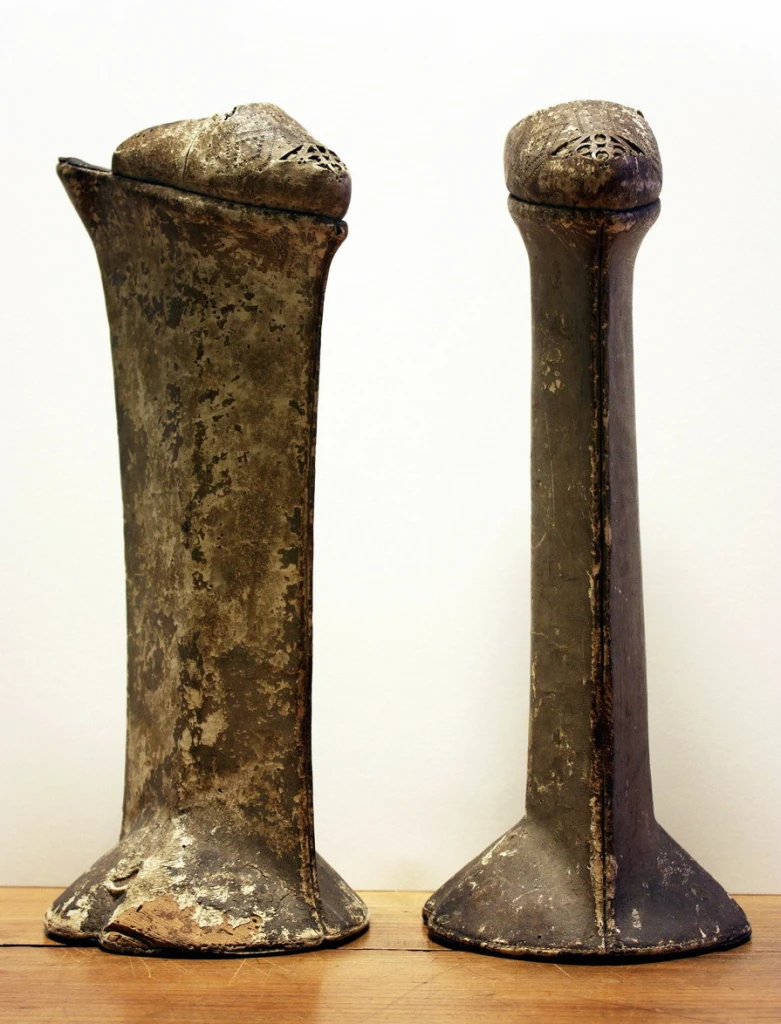
These shoes served a dual purpose: flaunting social status while keeping dresses and feet well above street mud and filth. They were worn by noblewomen and commoners alike. 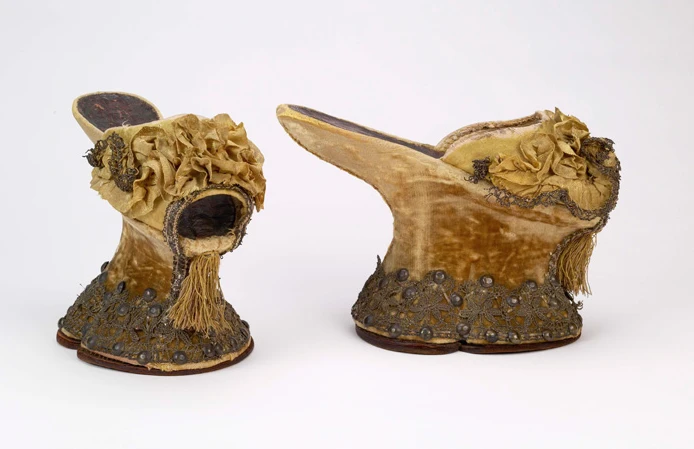
Some designs were lavishly extravagant. Crafted from wood and covered in fine silk or velvet, they were often embellished with silver lace, gemstones, and silk tassels. 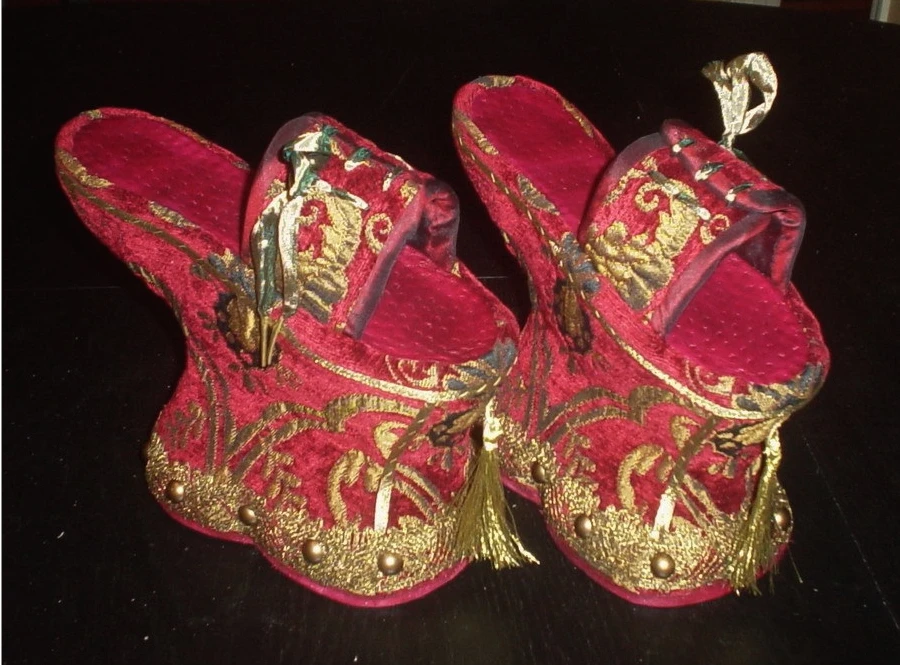
Putting them on and walking in them was incredibly awkward; wealthy women typically needed servants on either side to hold them up. 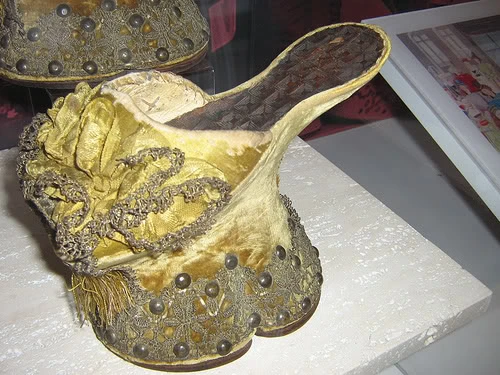
In Venice, these clogs were called
zoccoli
, mimicking the clacking sound they made with every step. 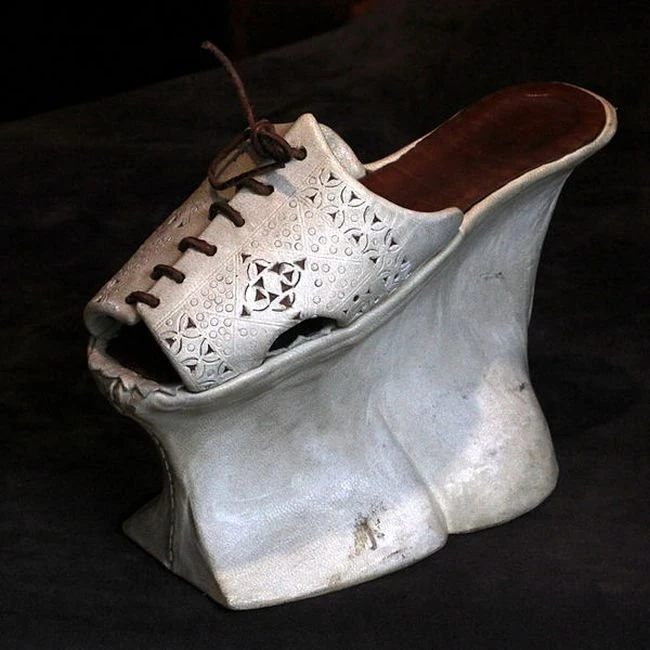
The Catholic Church condemned the footwear as scandalous and licentious. Today, the word
zoccola
(the feminine form of
zoccolo
, meaning "wooden shoe") survives in Italian slang as a slur for a prostitute. 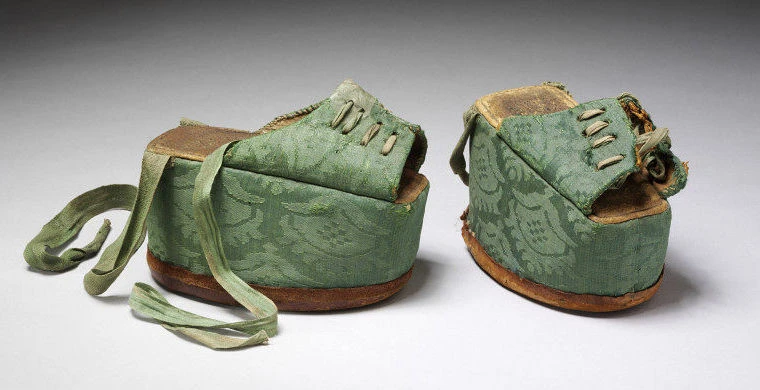
In Spain,
zoccoli
were practical, mostly rustic shoes designed to keep feet clear of mud and puddles. They were known as
chapín
(another name echoing the sound of walking). Because the footwear entered English as the "chopine," Spaniards maintain that platform shoes were actually their invention. 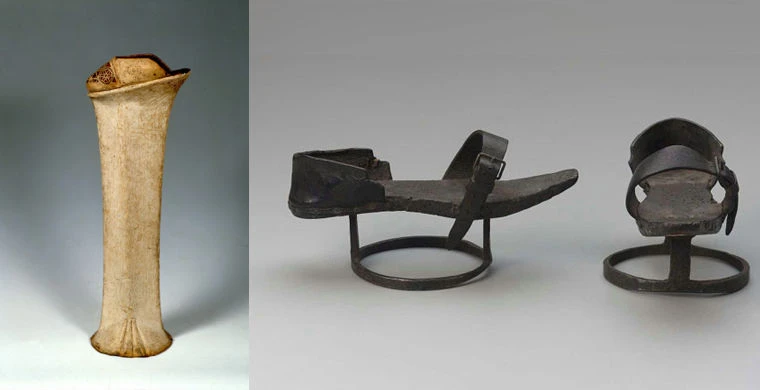
Like
zoccoli
, chopines were made from wood or leather, but they were worn by both men and women. Each region had its own style, complete with distinct carvings, toe shapes, and local names. In Cantabria, for instance, they were called
albarca
—and they are still worn there to this day. 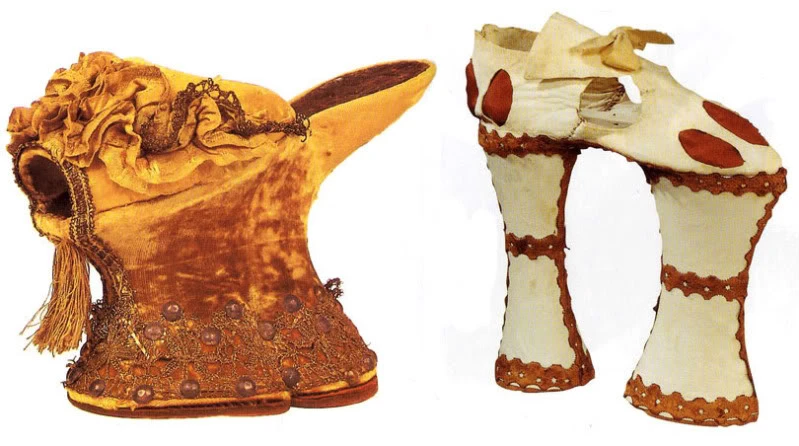
In Germany, chopines were dubbed
Dreckschuhe
—literally "dirt shoes." 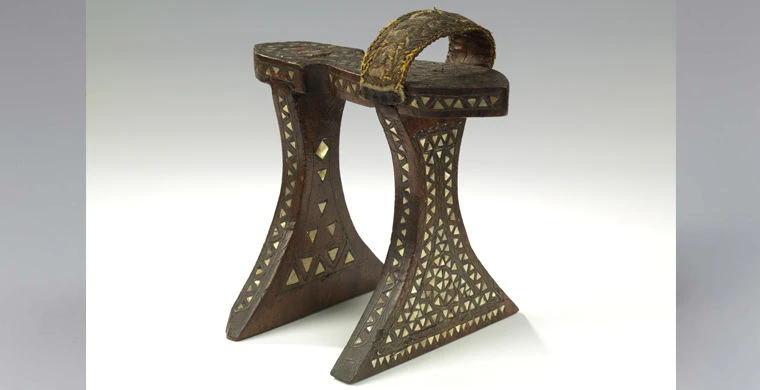
The chopine trend eventually reached England. If an English bride artificially boosted her height with chopines and her groom only discovered it after the wedding, he had legal grounds to call off the marriage if he felt deceived. 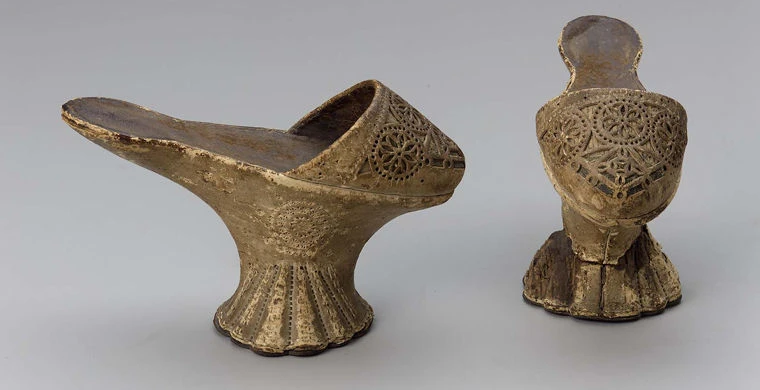
Platform sandals were also common in Turkey and Morocco. Initially used only in bathhouses, women in the East eventually began wearing them outdoors during wet weather, just like their European counterparts. 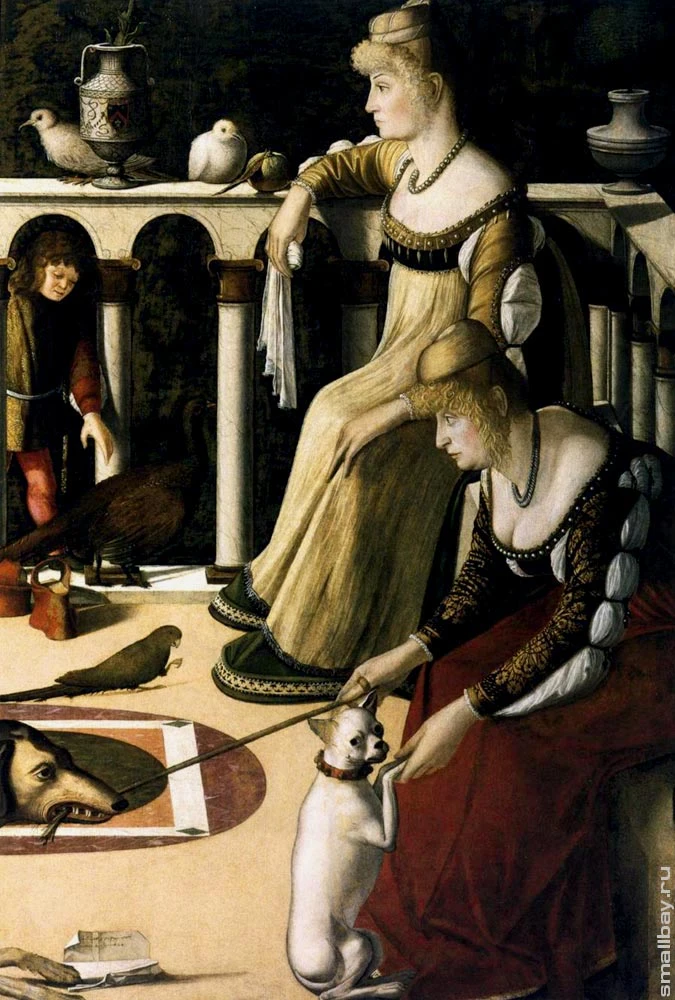
Vittore Carpaccio’s painting
Two Venetian Ladies
. Art critic John Ruskin was convinced that Carpaccio was commissioned to paint these women and found a subtle way to express his disdain for them:
“To indicate the satirical intention of the whole, a pair of lady's shoes are placed in the corner, which were the vulgarest and most absurd expression of female pride in the fifteenth and following centuries.” 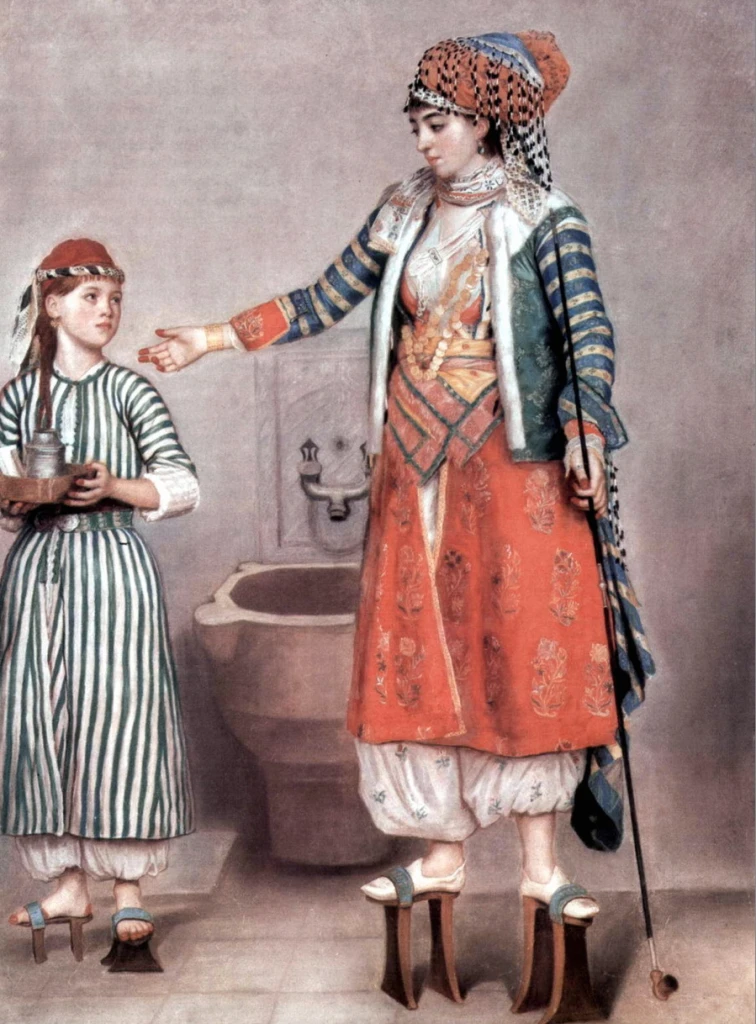
Jean-Étienne Liotard —
Two Turkish Women
. 
Platform footwear—whether crafted from leather, wood, or metal—spanned several centuries before falling out of fashion in the 17th century, when high heels took over. Legend has it that Venice officially banned chopines after a pregnant woman fell off her platform shoes and suffered a miscarriage. 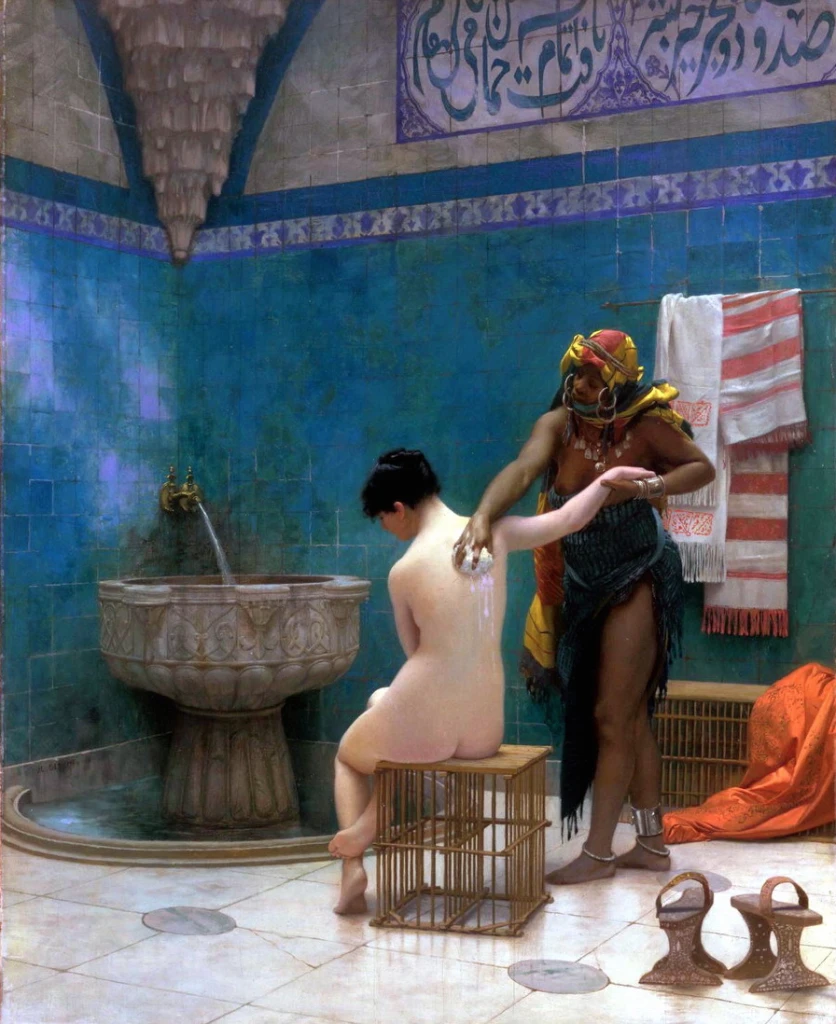
Jean-Léon Gérôme —
The Bath
. 
Platform shoes made a dramatic comeback in the 20th century thanks to Italian designer Salvatore Ferragamo. Authentic medieval chopines now survive in only a handful of museums around the world.