30 of the Best Tweets from the Weird History Account (31 Photos)
Weird History is a Twitter account dedicated to fascinating, bizarre, and amusing moments from the past. It is run by self-professed "know-it-all" Andrew Rader, a Canadian author and aerospace engineer who currently works at SpaceX. The account boasts over 180,000 followers and an endless treasure trove of topics! 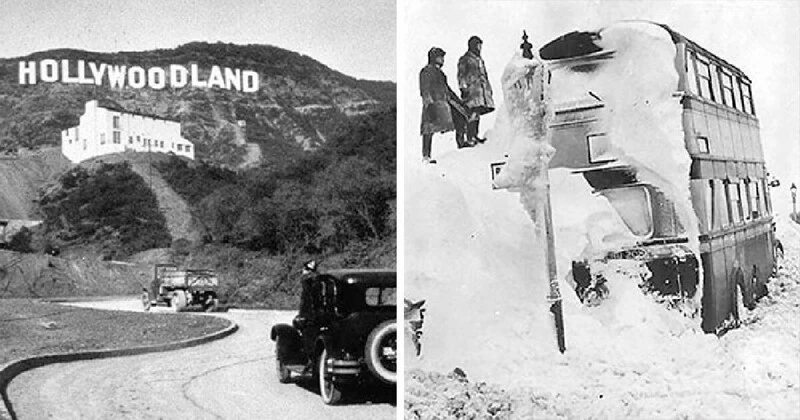
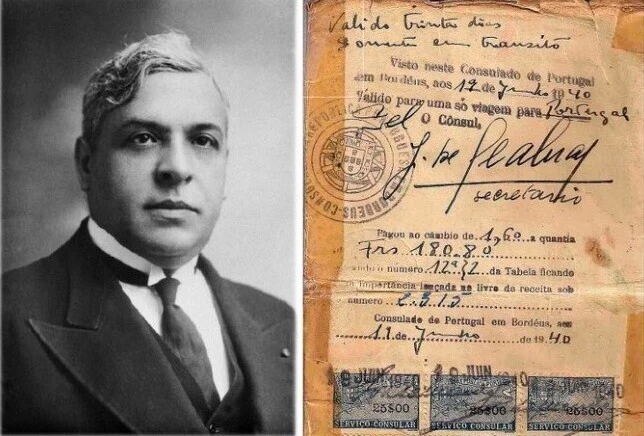
Aristides de Sousa Mendes may have saved more Jews during World War II than anyone else. Defying direct orders, he issued thousands of Portuguese visas and passports to refugees. 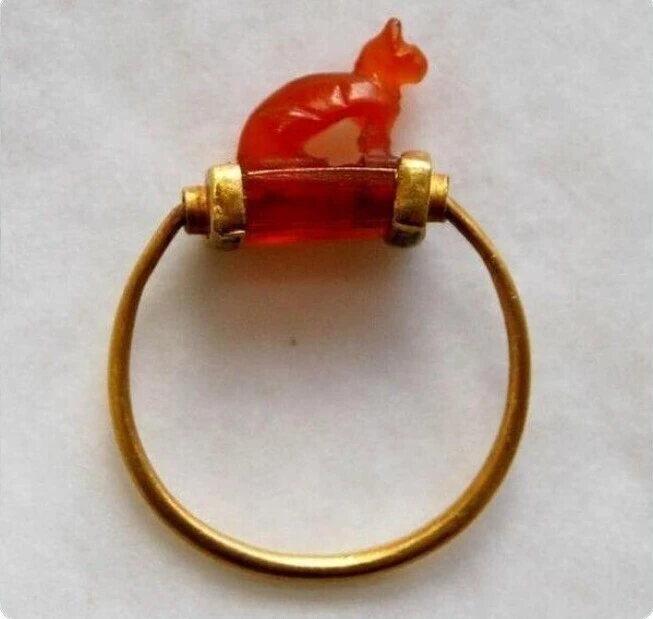
A 2,700-year-old "cat ring" from Ancient Egypt. 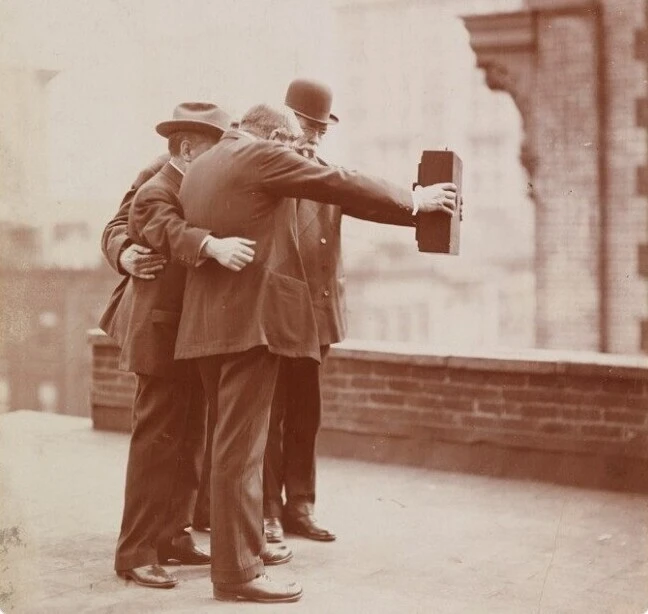
A selfie taken in 1920. 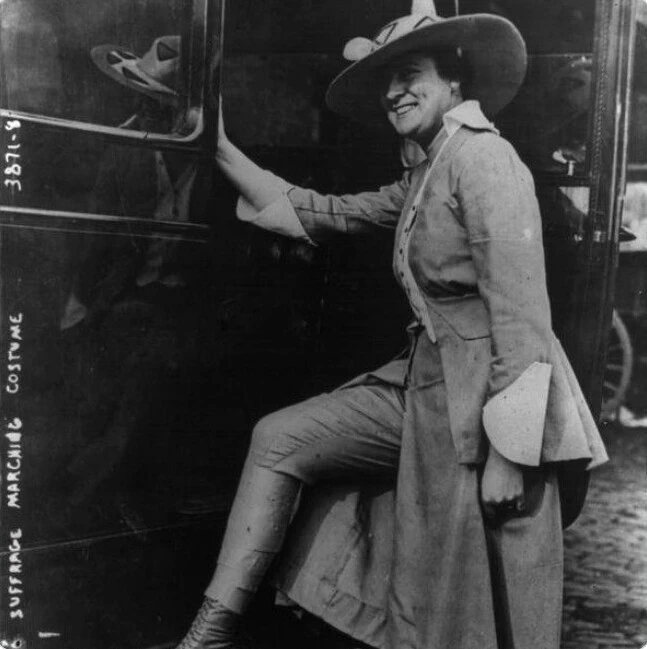
A suffragette showing off her trousers, 1916. Ahead of her time! 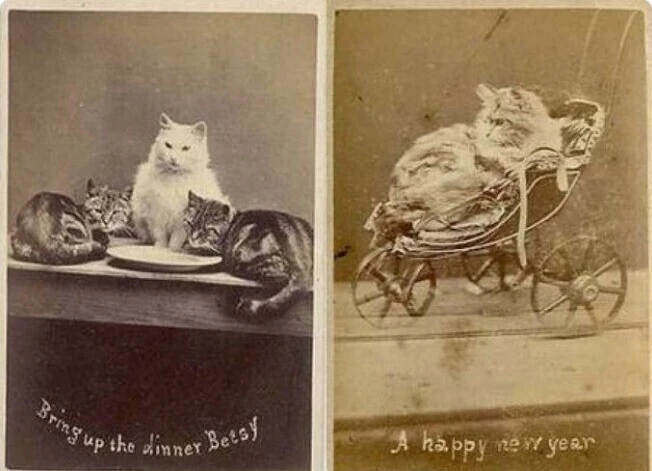
Funny cat photos were a sensation long before the internet came along. 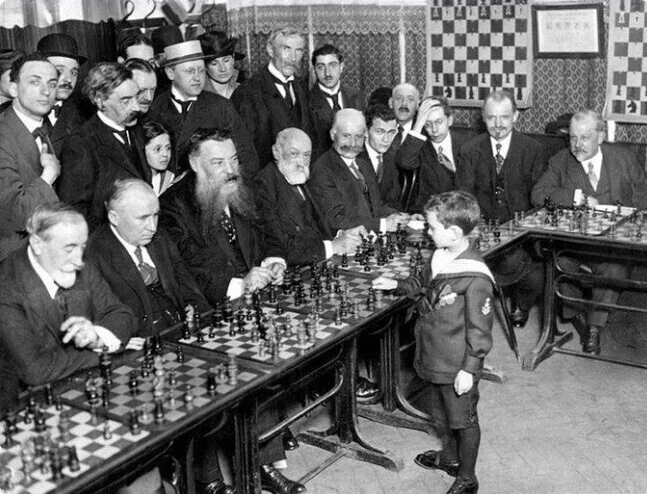
Eight-year-old Samuel Reshevsky taking on several seasoned masters simultaneously during a chess exhibition. France, 1920. 
Turns out Batman was already protecting the streets back in ancient Mesoamerica. 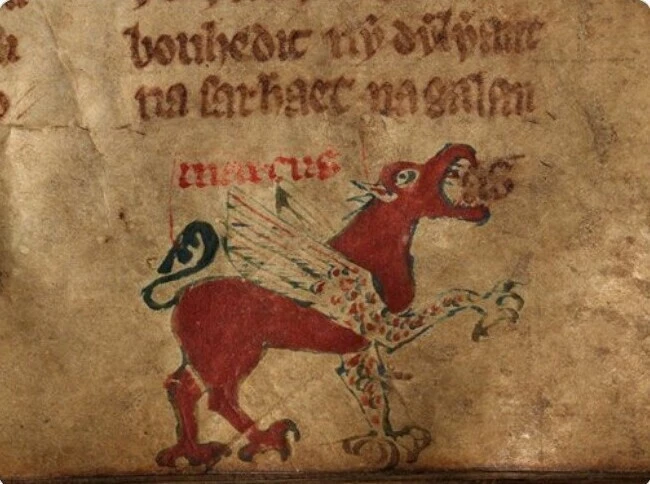
In medieval Wales, a woman had the legal right to divorce her husband if he had bad breath. 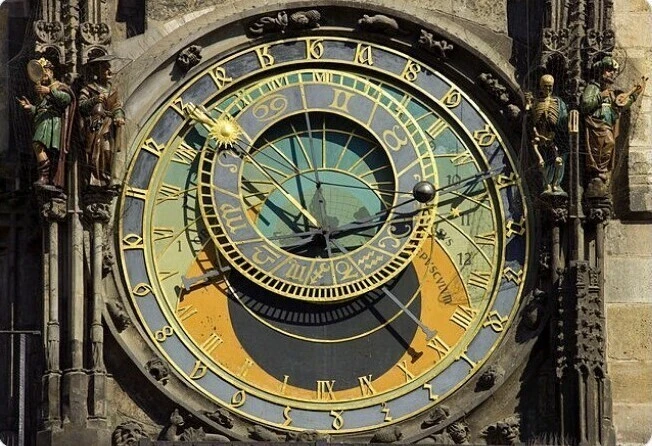
An astronomical clock that tracks the position of the Sun, the Moon, and the constellations of the zodiac. Installed in 1410, the Prague Orloj is the oldest working astronomical clock in the world. 
Arg-e Bam (the Citadel of Bam): a 1,500-year-old adobe citadel in Iran that looks like a life-size sandcastle. 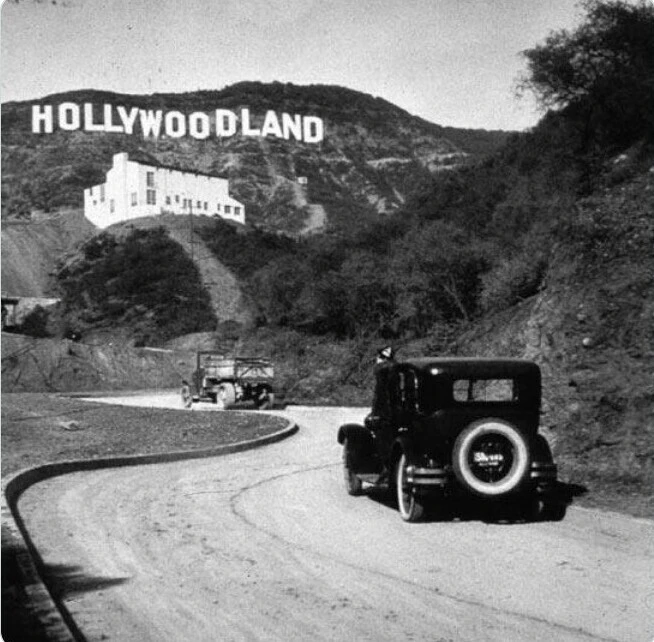
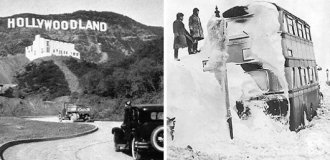
The last four letters were taken down in 1949. 
Timgad (Thamugadi), Algeria: the remnants of an ancient Roman colony in North Africa. 
Operation Babylift, 1975: over 3,000 South Vietnamese orphans were airlifted to safety. 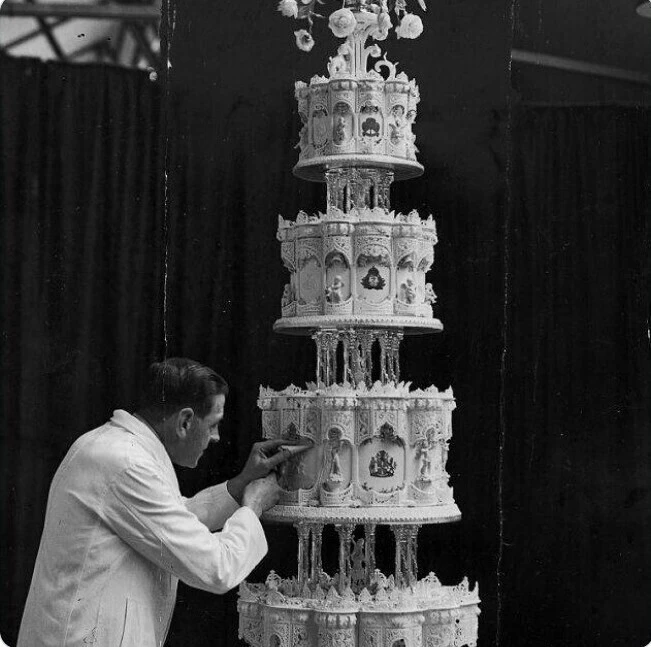
Queen Elizabeth II's wedding cake, 1947. 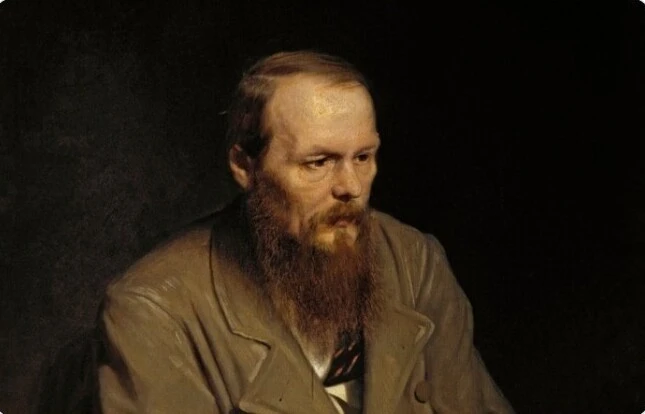
Fyodor Dostoevsky wrote his novel "The Gambler" to pay off crippling debts after blowing all his money at the roulette table. 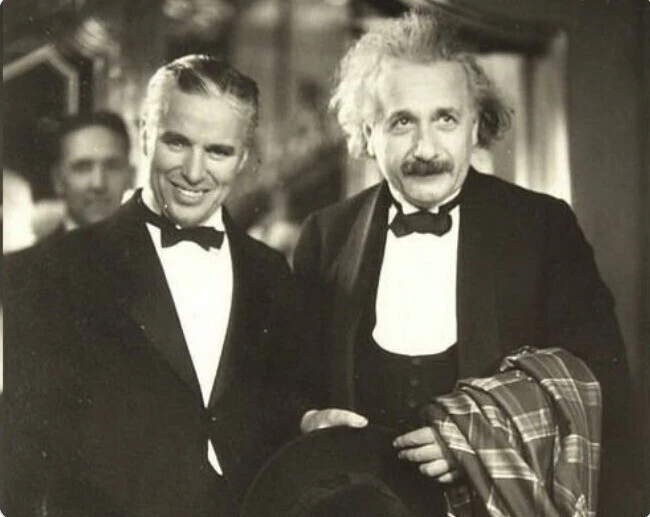
Charlie Chaplin and Albert Einstein at the film premiere of "City Lights," 1931. 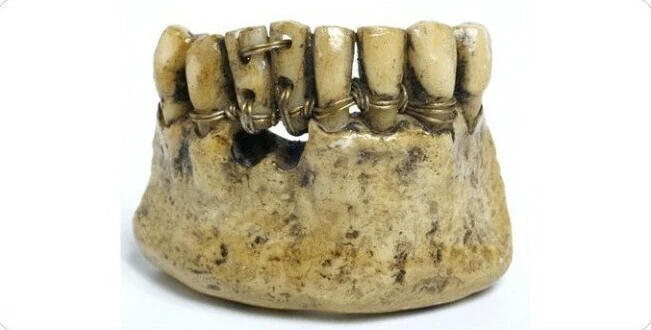
The handiwork of an Etruscan dentist from over 2,000 years ago. 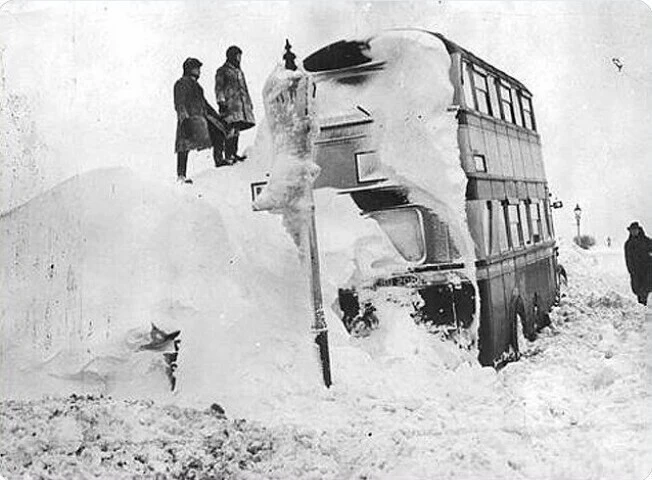
A snowy winter in London, 1947. 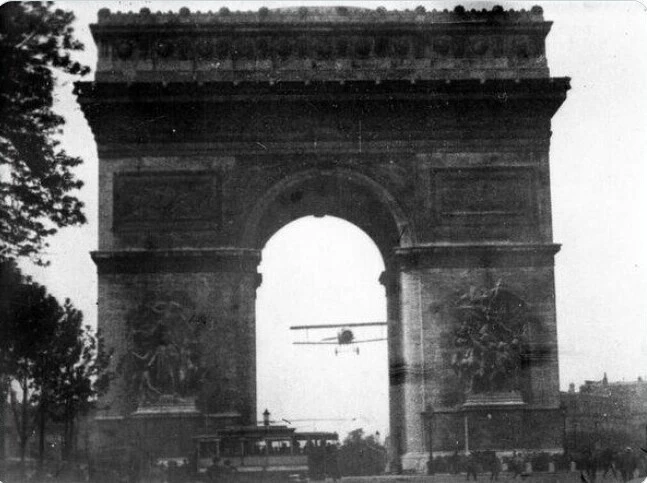
French aviator Charles Godefroy flying through the Arc de Triomphe. Paris, 1919. 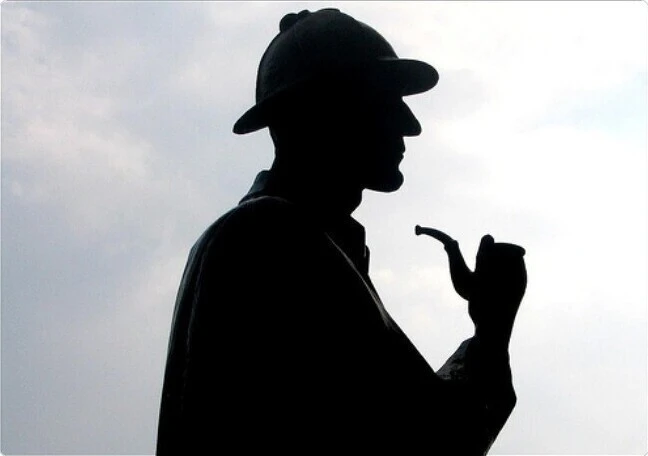
Fictional sleuth Sherlock Holmes was solving cases using fingerprinting 11 years before real-world police departments caught on. 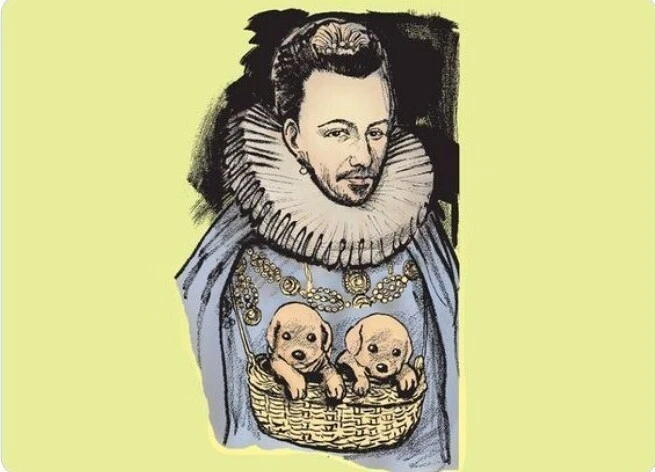
King Henry III of France reportedly kept around 2,000 lapdogs and was known to wear a basket of puppies around his neck. 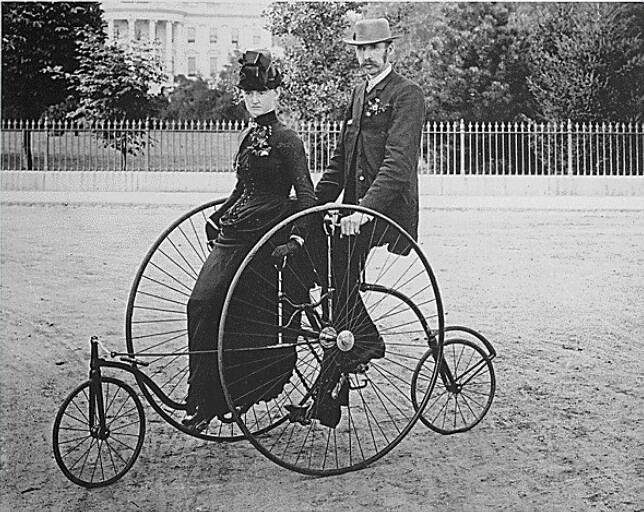
A couple on a tandem bicycle, 1886. 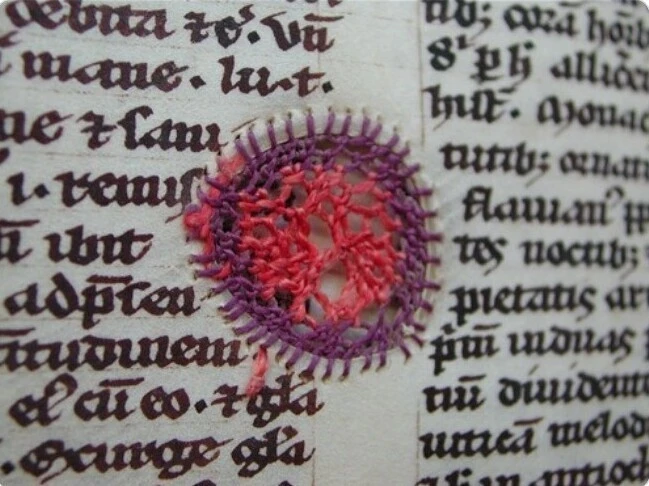
In the Middle Ages, worn and torn parchment pages were commonly repaired using needle, thread, and decorative embroidery. 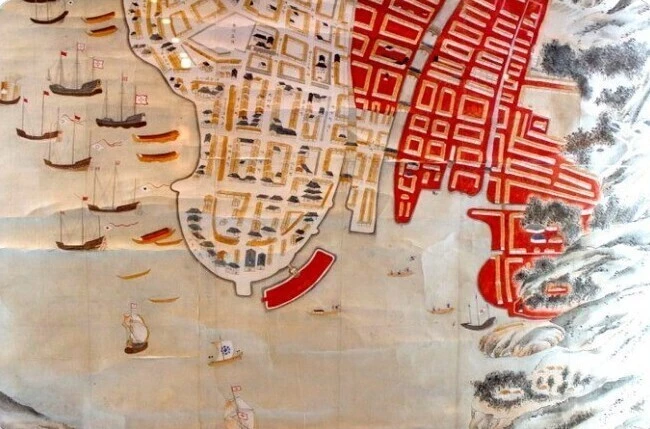
During Japan's two-century period of national isolation (1639–1853), the Dutch were the only Westerners permitted to trade in the country. When Japan finally opened up and sent its first envoys to Europe, the only Western language they knew was Dutch. Much to their surprise, they found that it wasn't particularly helpful. 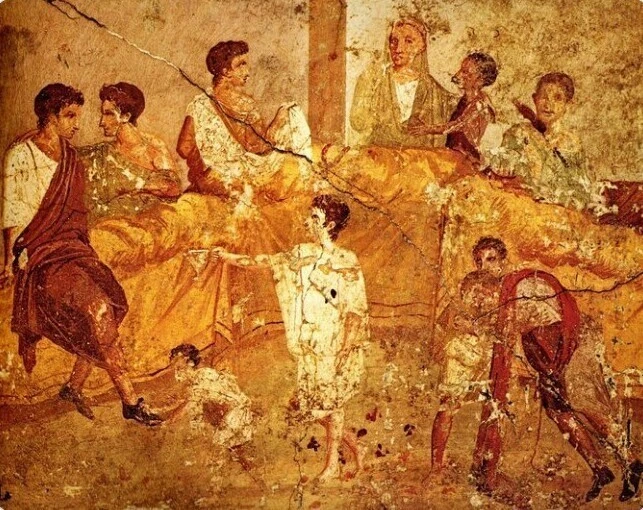
The ancient Romans had a holiday where masters waited on their slaves (Saturnalia). 
Children playing "building the Wall." West Berlin, 1962. 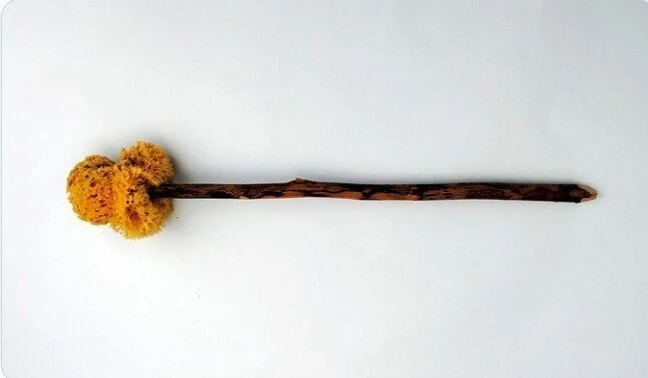
The ancient Romans did not have toilet paper; instead, they shared a communal sea sponge on a stick. 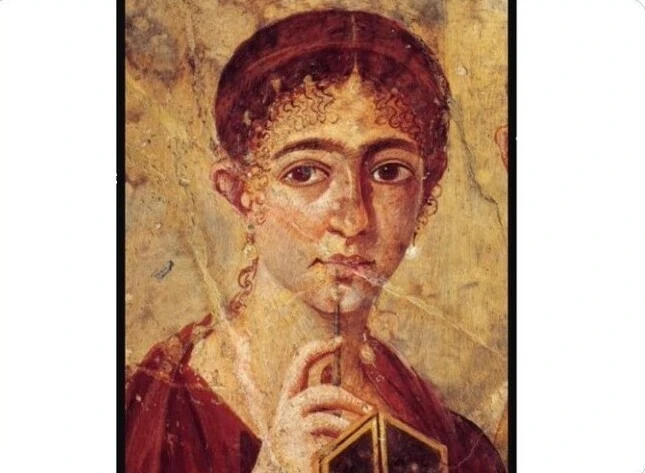
The ancient Greeks considered the unibrow to be the ultimate standard of beauty. 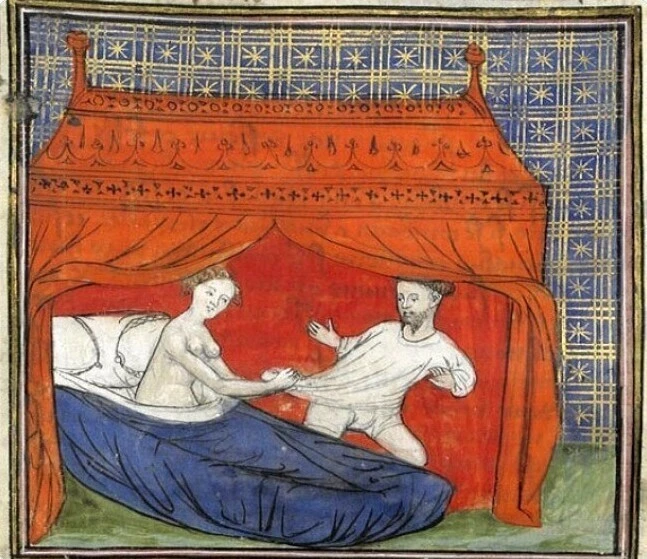
Medieval monarchs routinely brought their own beds along whenever they traveled. 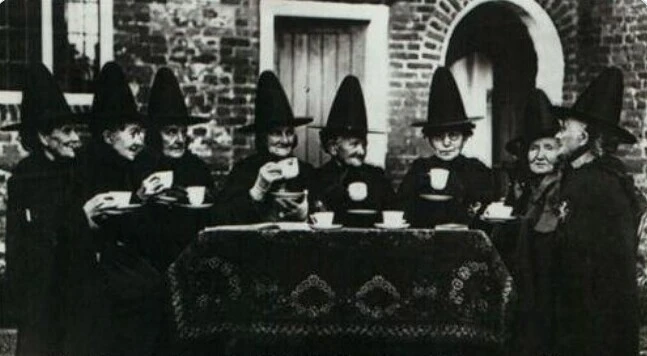
A ladies' Halloween tea party. Norfolk, England, 1929.