The Anatomical Venus: How 18th-Century Pathologists Learned Human Anatomy (12 Photos)
The Anatomical Venus is a life-sized wax model of a woman, traditionally adorned with real human hair and glass eyes. These figures were crafted specifically for public anatomical demonstrations in the late 18th century. Some were fully dissectible, opening layer by layer to reveal a fetus nestled in the womb, while others remained static, their inner organs permanently exposed in what can only be described as anatomical nudity. 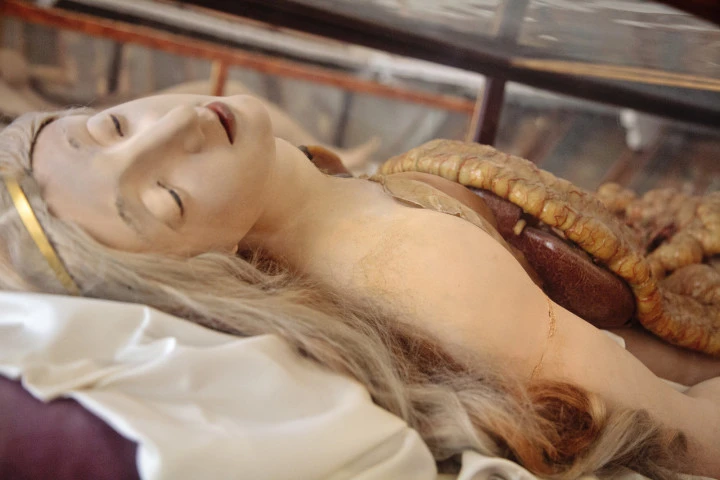
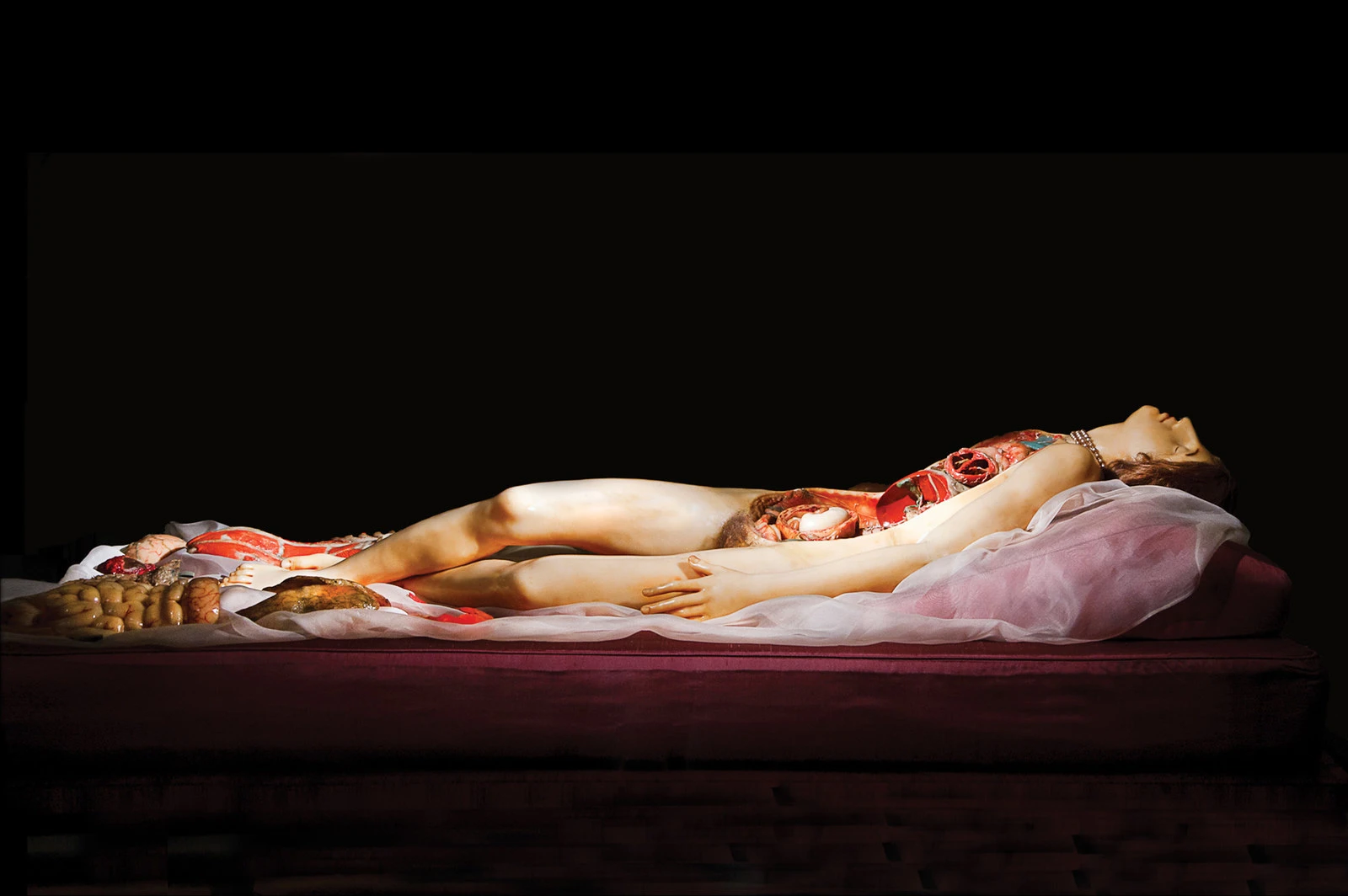
Joanna Ebenstein of the Morbid Anatomy Museum in Brooklyn traveled the globe documenting these wax models for her book,
The Anatomical Venus
. Speaking with BuzzFeed, she opened up about the obsession behind the project:
“In 2007, I set out on a month-long pilgrimage to photograph exhibits across major medical museums in Europe and the US, gathering material for an exhibition called ‘The Anatomical Theater.’ Of all the eerie and astounding artifacts I encountered throughout that trip, the Anatomical Venus was by far the most mesmerizing.” 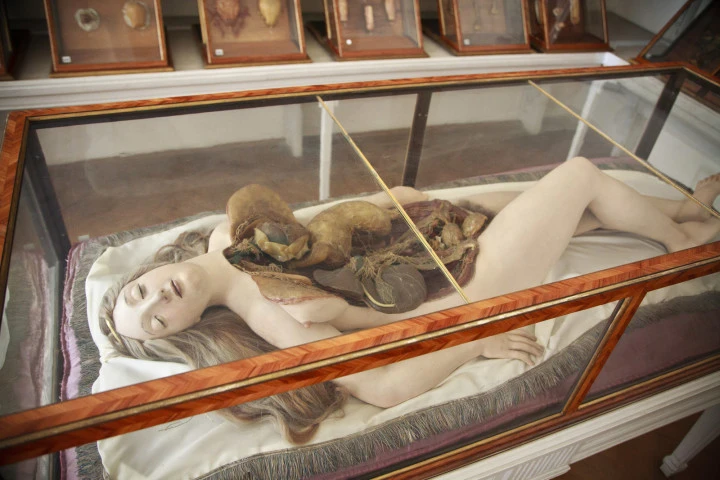
Crafted at the La Specola workshop between 1784 and 1788, this Anatomical Venus rests in its original rosewood and Venetian glass showcase at the Josephinum in Vienna.
“The very first was created around 1780 in Florence, Italy, where it stood as the centerpiece of a vast ‘wax encyclopedia’ of the human body at the Museum of Physics and Natural History—better known as La Specola. It was the world’s first truly public science museum, open to men, women, and children alike.” 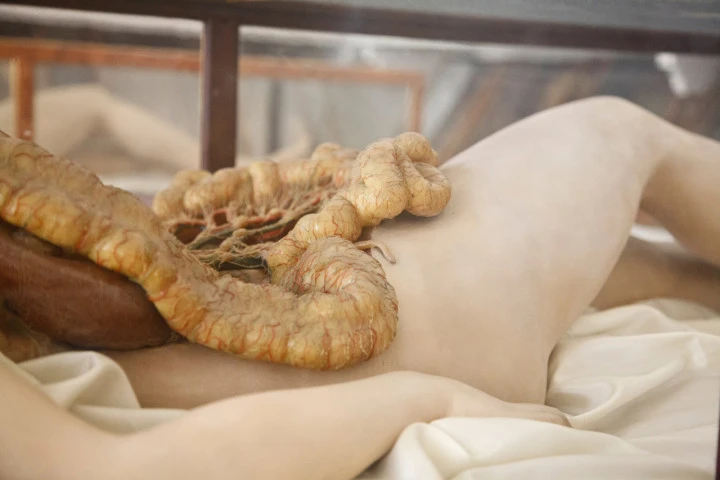
“The original Venuses were produced through a close collaboration between master sculptors and trained anatomists or naturalists. The finest examples emerged from the workshop of Clemente Susini, who directed the wax modeling studio at La Specola for decades.” 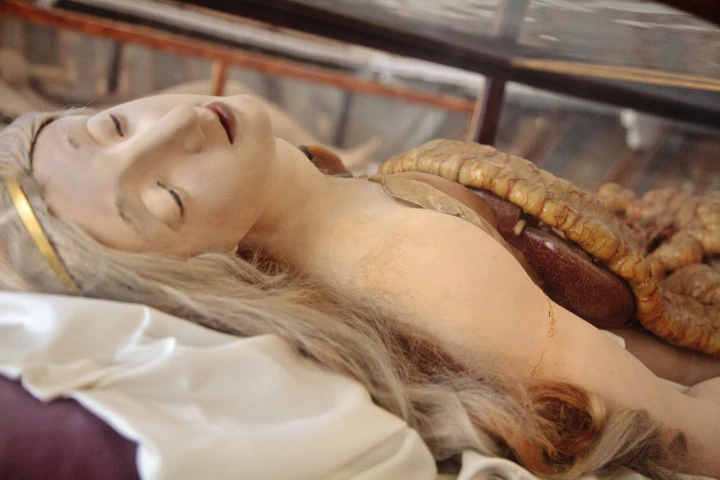
“The team would start by selecting plates from renowned medical atlases by anatomists like Vesalius, Albinus, or Mascagni. Cadavers and dismembered parts were then carted in from the nearby Santa Maria Nuova hospital to ensure every organ and subtle feature was rendered with pinpoint accuracy. The ultimate goal was to replace routine cadaver dissections, which were messy, foul-smelling, and ethically fraught.” 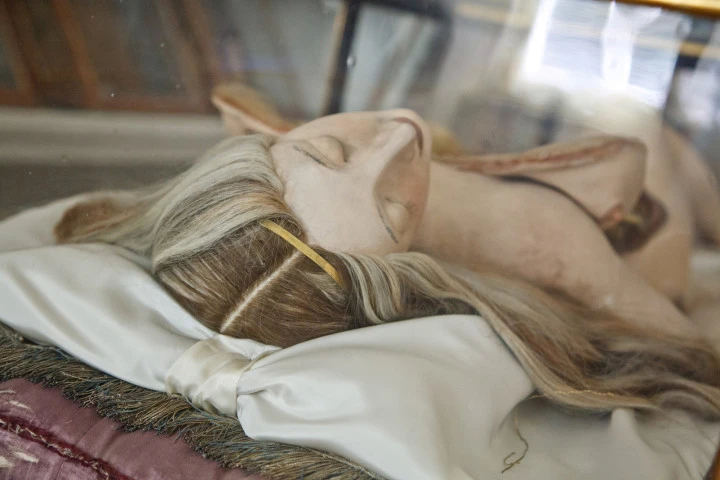
“The beauty of the Anatomical Venus was essential for enticing viewers into the pursuit of knowledge while distancing the experience from the grim reality of the grave, with which anatomy had always been intertwined. As Arnaud-Éloi Gautier d’Agoty—son of Jacques-Fabien Gautier d’Agoty, the printmaker behind the iconic 18th-century mezzotint ‘The Flayed Angel’—aptly put it: ‘To instruct men, one must seduce them through aesthetics; but how could anyone call an image of death pleasing?’” 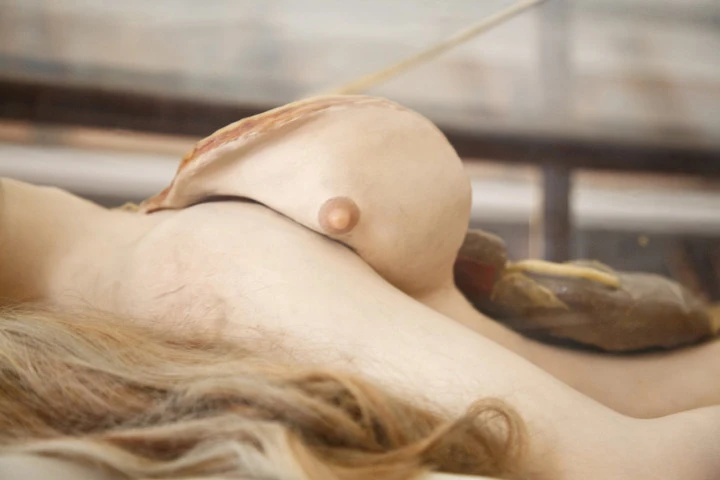
“The Anatomical Venus solved this dilemma by appearing lifelike, serene, and unmarred by blood, drawing directly on centuries of classical depictions of Venus, the goddess of love, beauty, and fertility.” 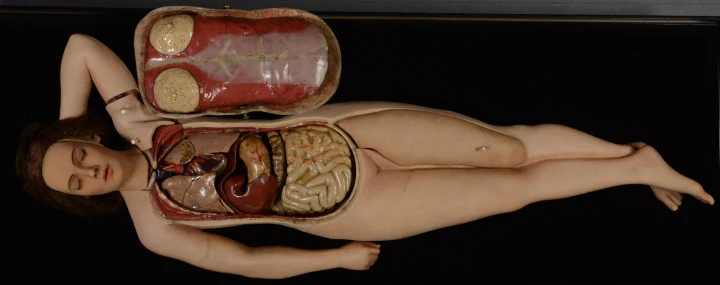
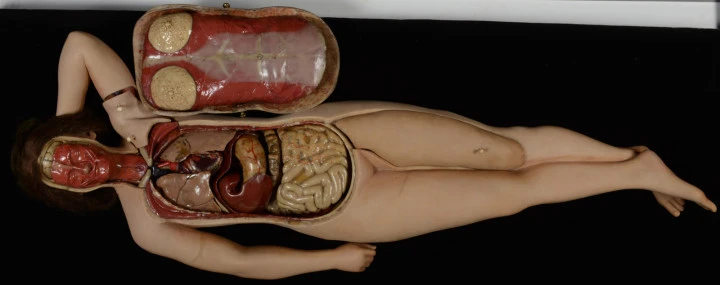
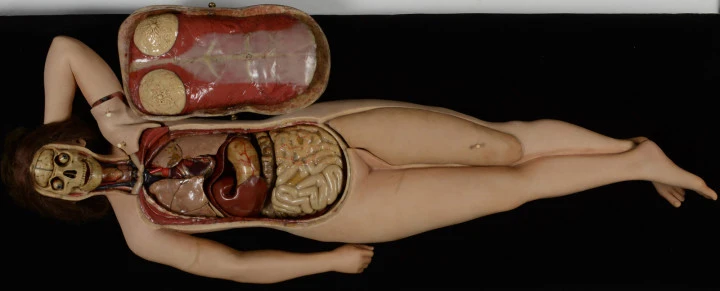
“Our modern cultural fixation on beautiful dead women leads many today to view the Anatomical Venus as strange, prurient, or sinister. It is almost impossible to see her now without the lens of everything that followed—horror cinema featuring dismembered starlets, sexually motivated violence, and silicone dolls.” 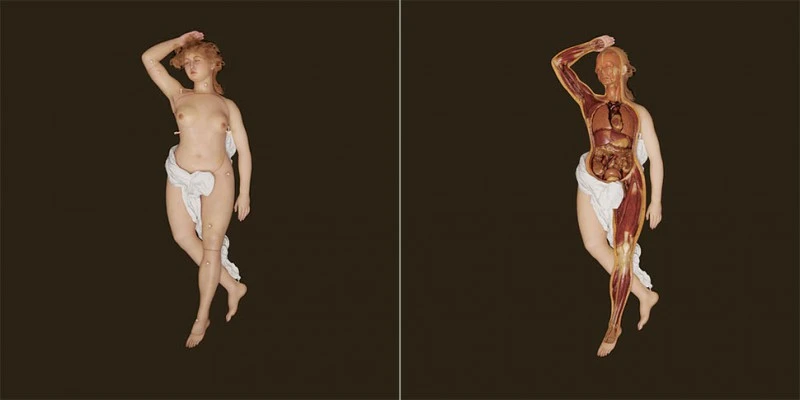
“I tracked down and photographed every Venus I could find, devoured everything from dense academic papers to yellowed museum catalogs, corresponded with private collectors, interviewed curators, and traveled to Italy to understand the Venus within her true historical and cultural milieu. The more answers I found, the more questions emerged. I feel as though I could spend the rest of my life following the trails that lead to and from the Anatomical Venus, and it still wouldn't be enough.” 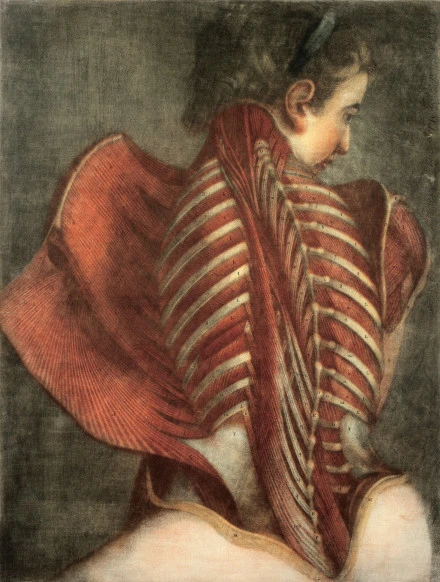
“The Flayed Angel” (1746), a color mezzotint by Jacques-Fabien Gautier d'Agoty.
Today, the Anatomical Venus occupies a fascinating space between scientific tool and high art—capturing both the mysteries of the human body and society’s enduring gaze upon female beauty. What do these figures evoke in you: curiosity, detached fascination, or a hint of unease?