The Life of Conjoined Twins Daisy and Violet Hilton (9 Photos)
When they came into the world, their mother believed it was divine retribution. In her eyes, God was punishing her for conceiving children out of wedlock. The newborn twin girls were far from what anyone would call ordinary infants: the right hip of one was firmly fused to the left hip of the other.
The mother was actually grateful when the midwife offered to buy the babies from her. Who could turn down such a deal? And so began the turbulent, dazzling journey of Daisy and Violet Hilton, the most famous conjoined twins of the 1930s. 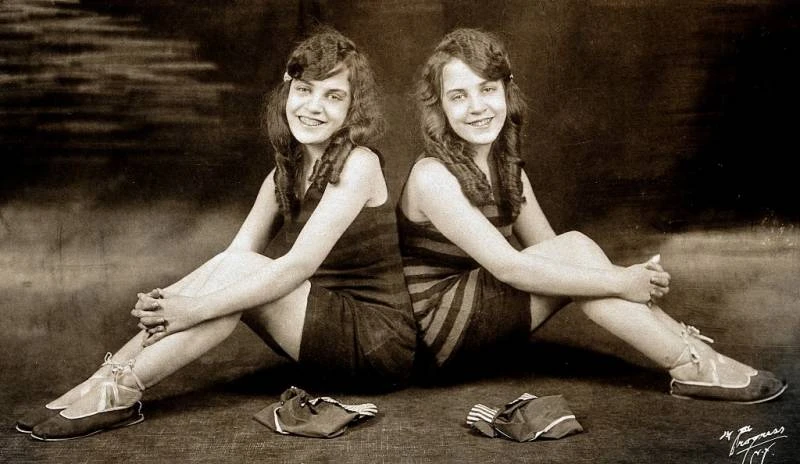
Living Dolls
The birth of conjoined twins is always a sensation. On February 5, 1908, in the English seaside town of Brighton, the delivering physician documented the infants' condition in detail for a medical journal. As it turned out, the girls were joined in such a way that surgical separation was impossible—at least one of them likely would not have survived the operating table.
What became of the twins' 21-year-old mother, Kate Skinner, after she sold her babies remains unknown. Daisy and Violet, purchased by midwife Mary Hilton, took their foster mother's surname and began performing before live audiences by the tender age of three. 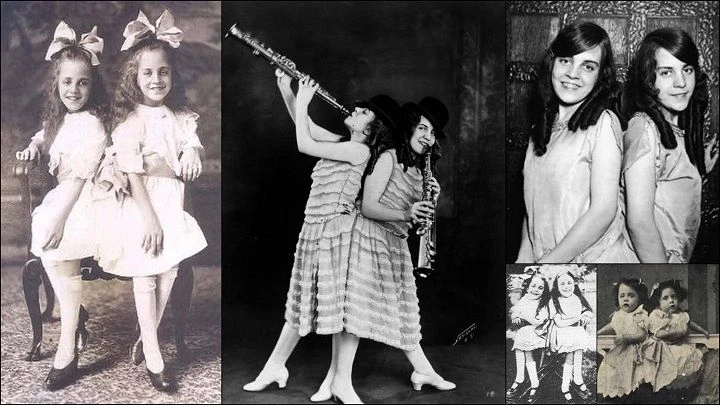
Charity had nothing to do with it; their new guardian saw them as an instant goldmine. At the time, traveling freak shows featuring people with congenital physical differences drew massive, paying crowds.
Promoters naturally exploited them ruthlessly. Yet quite a few performers managed to earn substantial fortunes, retiring in comfort and surrounded by loving families.
Daisy and Violet faced a far darker fate. They were treated as the outright property of their foster mother and her household. In their 1942 autobiography, the sisters described Mary Hilton as a domineering, cruel woman who subjected them to ruthless discipline and punished them for the slightest misstep.
To be fair, she also provided them with a solid education, teaching them to sing and play several musical instruments—arts in which they genuinely excelled. On stage, the little girls looked like charming living dolls simply sitting side by side, with matching blonde ringlets, pretty dresses, and dainty bows on their shoes.
Audiences were captivated watching the girls perform piano and violin duets. Their tours across the United Kingdom and Germany drew packed houses.
Not One Step Outside!
Australian audiences, however, were less receptive. Yet it was there that Mary Hilton’s daughter, Edith, found a husband. Edith's new spouse, Meyer Myers, proved to be a natural showman and threw himself into exploiting the talented twins. One day, he pitched an ambitious idea: why not take the girls to America? That was where the real money was waiting.
Entering the United States was no simple matter. US immigration authorities initially barred the family, claiming the foster daughters were physically "unfit." Mary Hilton then threatened to spark a media storm, and entry was finally granted. 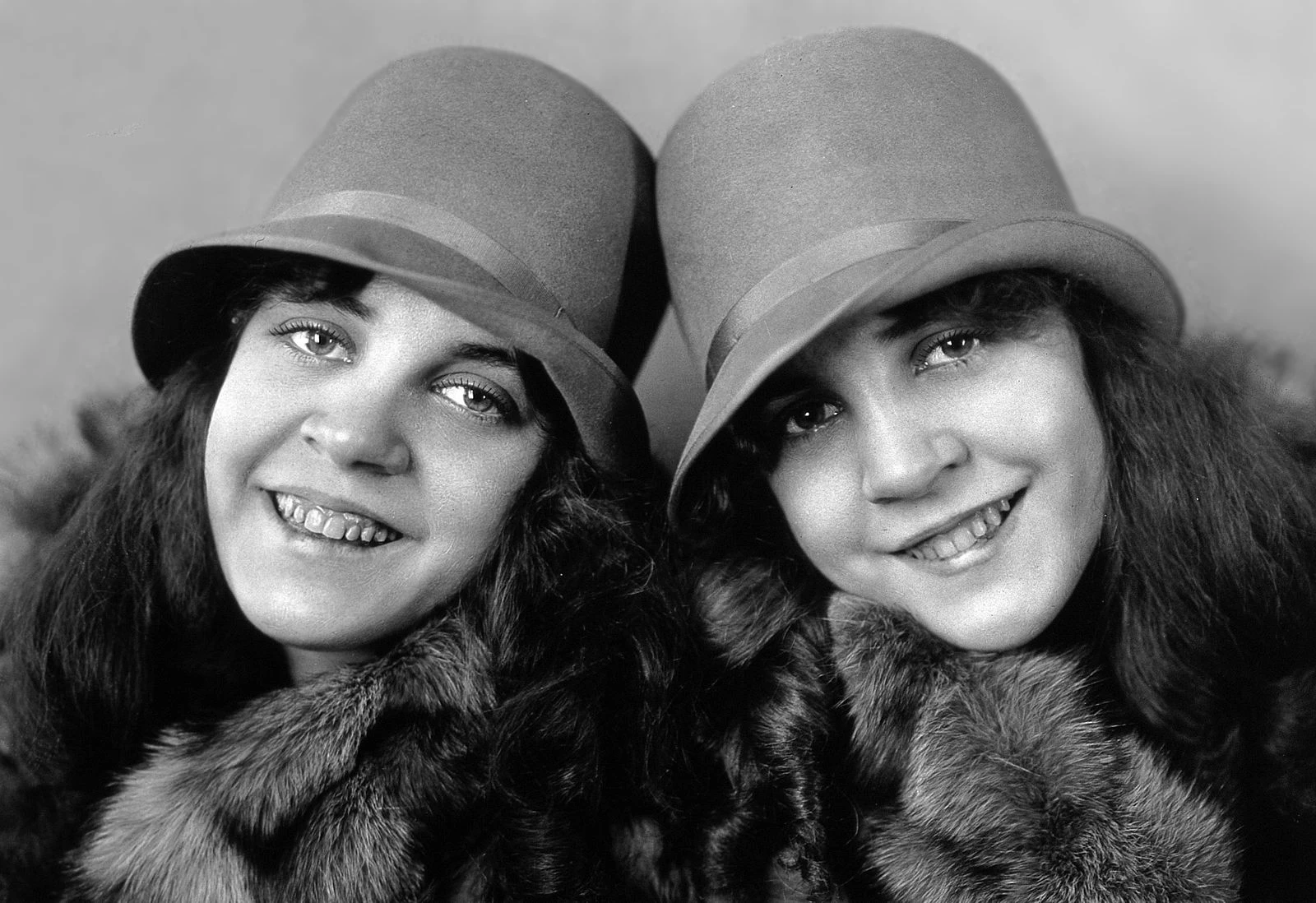
The gamble paid off handsomely. The twins were an overnight sensation in the New World, touring the country to thunderous acclaim. They pulled in $5,000 a week—an astronomical fortune at the time. Yet the girls never saw a single cent of their earnings; their foster family pocketed every penny.
When their taskmaster Mary Hilton died, life grew no easier. Control over the girls passed to her daughter, Edith. She and her husband proved to be even harsher wardens, keeping every aspect of the sisters' lives under strict lock and key.
If the girls dared show any sign of defiance, their handlers threatened to ship them off to an asylum for disabled children. They were not even allowed to step out onto the street, lest passersby catch a glimpse of them. After all, who would pay to see a show if they could look at the twins for free?
Farewell to Slavery!
Even so, their handlers could not completely isolate Daisy and Violet from society. Like it or not, the sisters were fixtures of show business, sharing stages with fellow performers. Their closest confidant became none other than the legendary illusionist Harry Houdini.
It was Houdini who urged the young stars to take their handlers to court and legally "divorce" them. By then, the sisters had reached adulthood, turning 23. Still, there is no telling how much longer they would have endured their captivity had chance not intervened. During one of their tours, the sisters grew close to their agent, William Oliver. 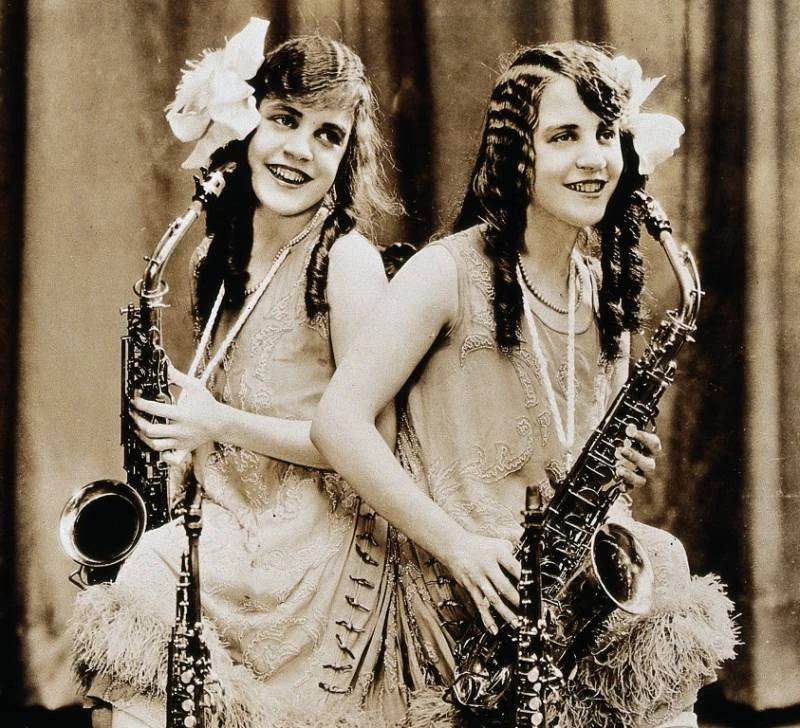
They spent so much time together that Oliver’s wife, Mildred, became fiercely jealous. When a postcard from the sisters arrived at their home signed with an affectionate "With love," Mildred flew into a rage and filed for divorce. In the lawsuit, the aggrieved wife demanded $250,000 from the sisters in damages. Panicked, the Myerses took the girls to see an attorney.
That was where the young women laid bare the unvarnished truth. The moment the Myerses stepped out of the room, the twins confessed how exhausted they were under their handlers' tyrannical rule. The details of their captivity stunned the attorney so deeply that he advised them to sue the Myerses immediately—and took on the case himself.
The court sided decisively with the sisters: it voided their contract and ordered the Myerses to pay them $100,000 in restitution. At long last, the twins gained their hard-won freedom, US citizenship, and the financial means to begin life anew.
Love for Three?
Once free, they made up for lost time with a vengeance. Gone were the matching dresses and identical blonde ringlets. The sisters embraced the latest fashions—each cultivating her own distinct style—bobbed and dyed their hair, and took up drinking, smoking, and partying. Their private lives became constant tabloid fodder, which only fueled their fame and lined their pockets. 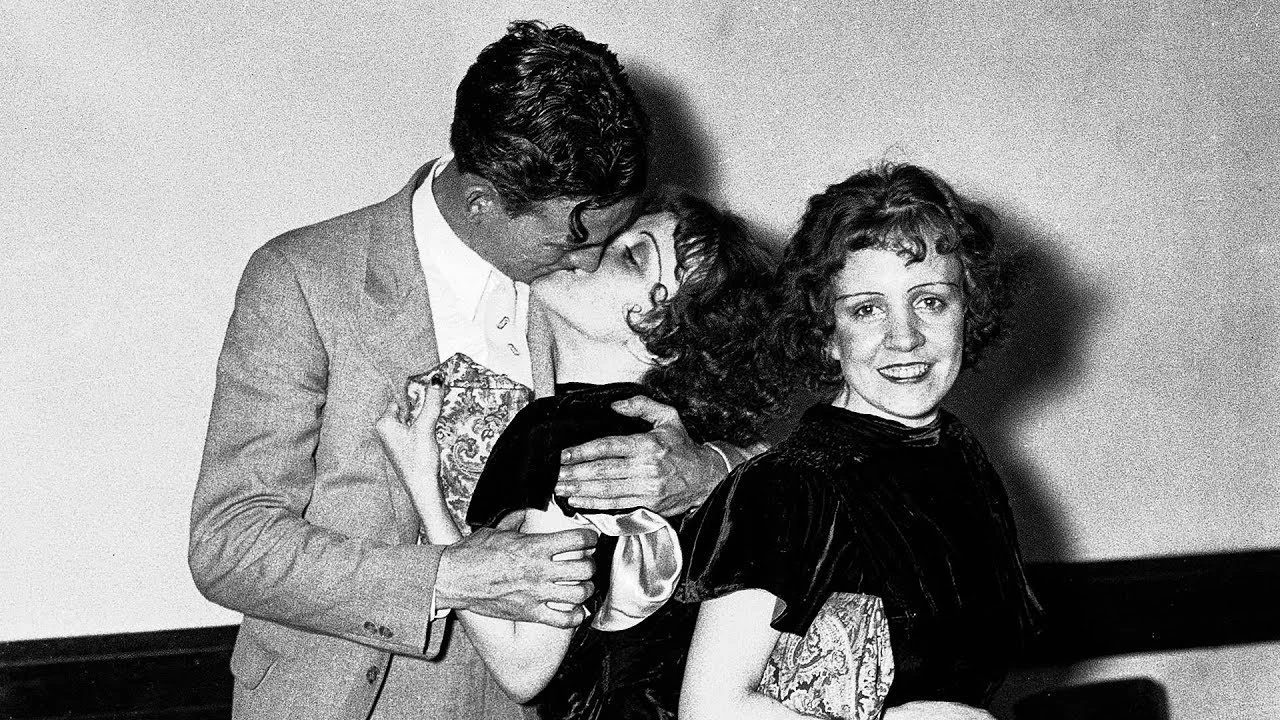
Rumors swirled about their whirlwind romances with various suitors. While intimate details were kept under wraps, the press reported that the sisters had a custom telephone booth installed in their lavish apartment to give each other a measure of privacy.
Whenever Daisy wanted a private moment with an admirer, she would step inside the booth while Violet sat outside polishing her nails. Harry Houdini himself had coached the sisters on the art of mental detachment whenever one of them entertained a gentleman caller. As the lovers whispered and giggled, the other sister would turn away, engrossed in a magazine. 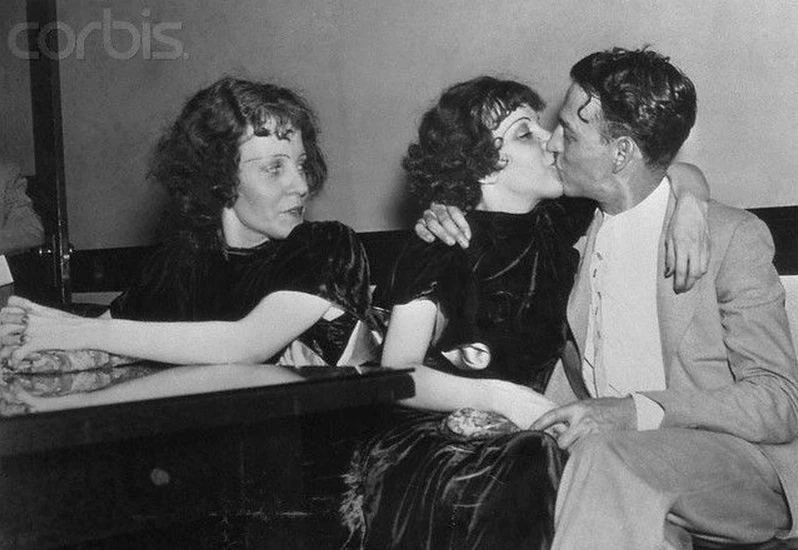
Both sisters even managed to walk down the aisle—and each time sparked a public scandal. In 1934, Violet announced her engagement to musician Maurice Lambert. Yet they never tied the knot: not a single US state would issue them a marriage license, citing violations of public morality. Ultimately, the groom lost his nerve and broke it off.
Then came Daisy's turn. She managed to legally marry actor Harold Estep. For reasons that were never made public, however, the union was annulled after just ten days. 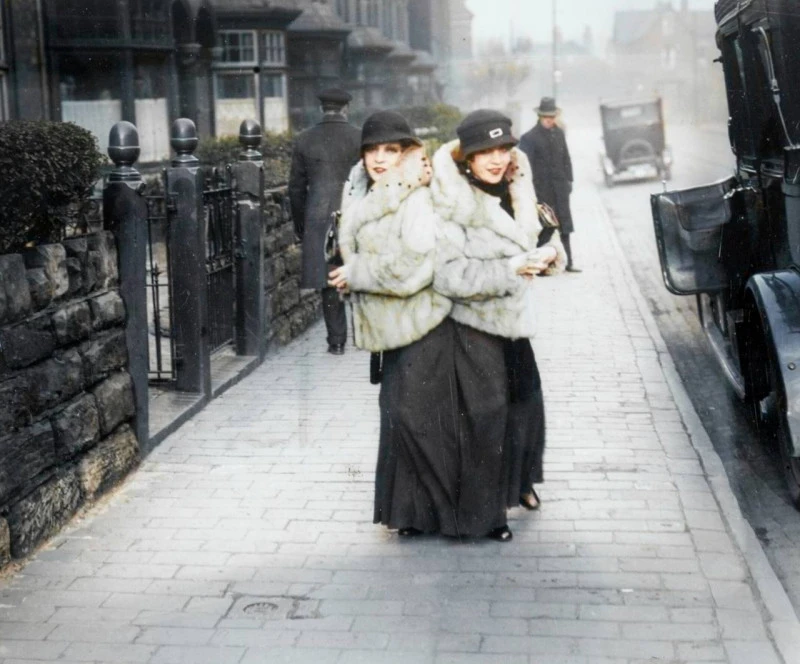
Daisy and Violet, Birmingham, England, 1932
A few years later, Violet set out to marry once more. The sisters' manager, Terry Turner, orchestrated an extensive publicity campaign hyping the romance between Violet and dancer James Moore. The wedding took place at the newly opened stadium in Dallas.
Yet barely two weeks later, the couple divorced. Violet later admitted that Moore was gay and that the spectacle had been staged purely to entertain the public. Audiences felt cheated by the stunt, and the sisters' popularity went into a steep decline.
No Hollywood Ending
Time was also working against them. The twins were getting older. By now, they were simply attractive, middle-aged women with pleasant singing voices; their physical condition no longer fascinated audiences the way it once had. On top of that, years of fast living had burned through their earnings, leaving them with little saved. 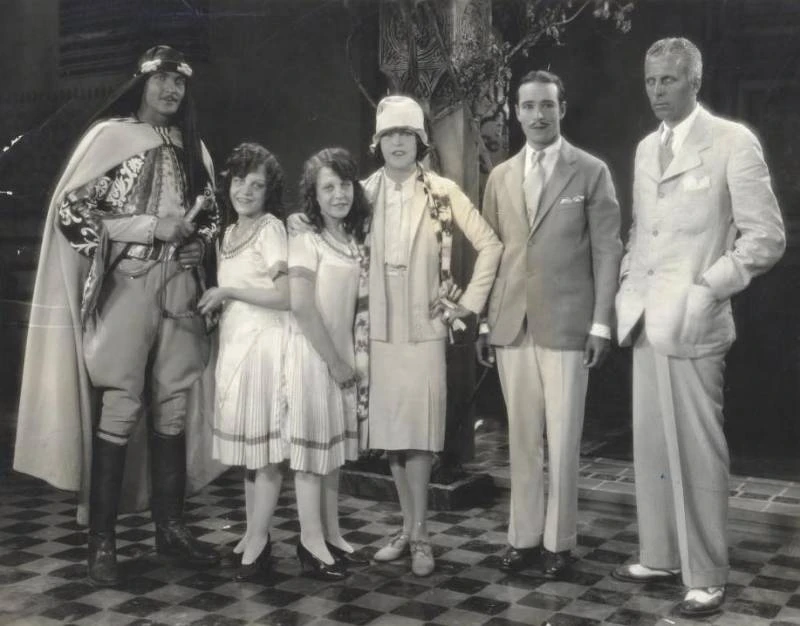
In 1951, the sisters attempted a comeback by starring in the movie *Chained for Life*. The film told the dramatic story of conjoined twins after one fatally shoots her sister's lover, confronting the court with an impossible dilemma: sending the guilty sister to prison meant incarcerating the innocent one as well.
Daisy and Violet sank all their remaining savings into the production, but it flopped at the box office. They clung to the hope of recouping some cash by screening it at drive-in theaters across the country. In 1961, at a drive-in in North Carolina, the movie played for the last time; the sisters' tour manager simply fled with all the box office receipts, leaving them stranded without a penny. 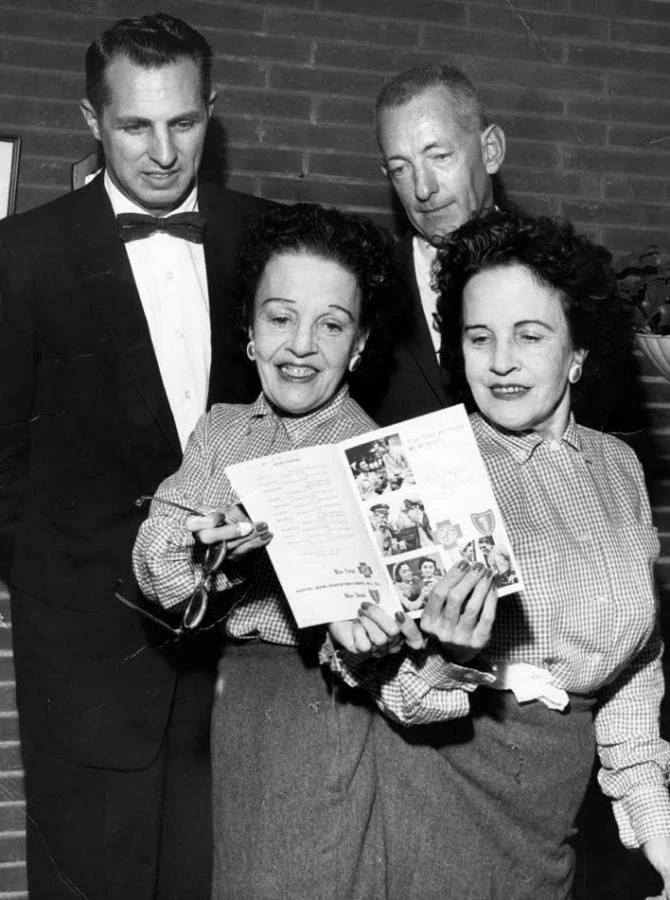
Fortunately, kindness came from an unexpected source. A grocery store owner in the nearby city of Charlotte offered the former vaudeville headliners a job. From then on, the sisters lived in a trailer and worked behind the counter, bagging and selling potato chips. Perhaps a faint hope of regaining their past glory lingered: every day, they arrived at work dressed and made up as though preparing to step under the stage lights.
No miracle arrived. Just before New Year's 1969, Daisy was stricken by the Hong Kong flu and passed away in early January. Violet followed a few days later. Their forever-joined bodies were discovered by police after the grocery store owner grew worried when his employees failed to report for work for several days. As they had wished, the sisters were buried together in a single coffin, with the cemetery plot paid for by local donors.