11 Habits That Reveal a True Genius (12 photos)
When most people hear the word "genius," they picture someone extraordinary and completely detached from everyday life. Yet psychologists assure us that many of history's greatest minds shared quirks and habits surprisingly common among ordinary people. Read on—you might just spot the traits of a true genius in yourself or someone close to you. 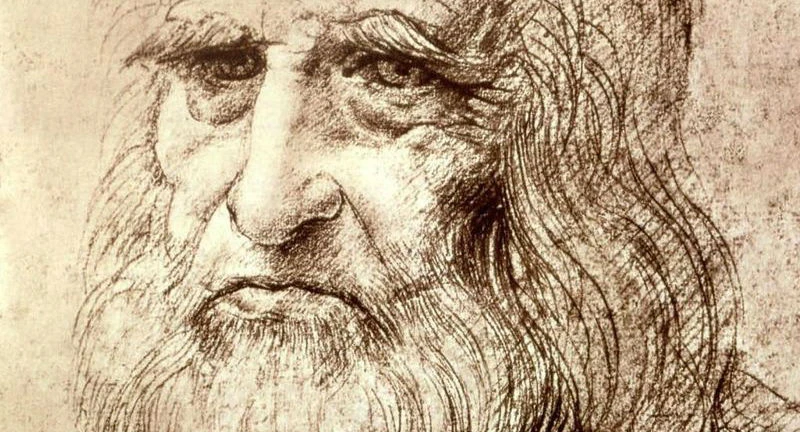
Minimal Sleep 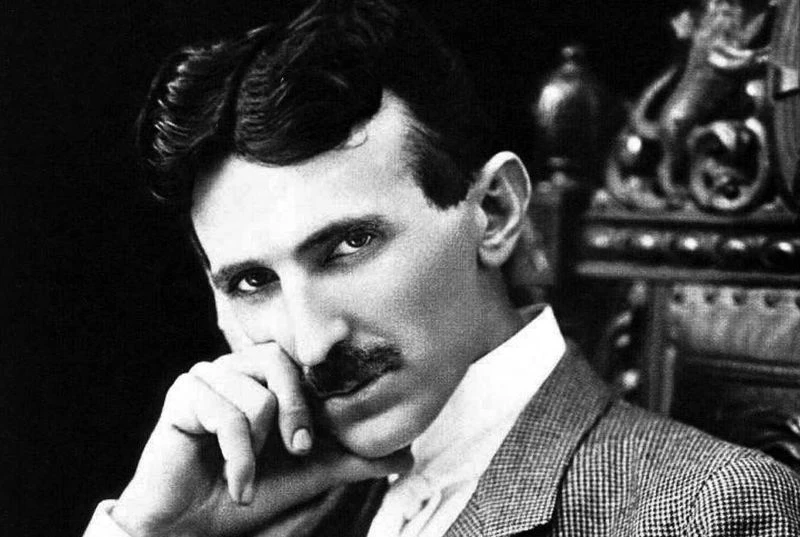
Nikola Tesla
Being a night owl isn't always a bad thing. While doctors unanimously recommend getting seven to eight hours of sleep a night, geniuses rarely follow the rules. Legendary inventor Nikola Tesla claimed he slept just two hours a day and would sometimes work for 84 hours straight. Historians note that Leonardo da Vinci practiced what is known as "ubermensch sleep" (or polyphasic sleep), napping for 20 minutes every four hours.
A Fondness for Cats 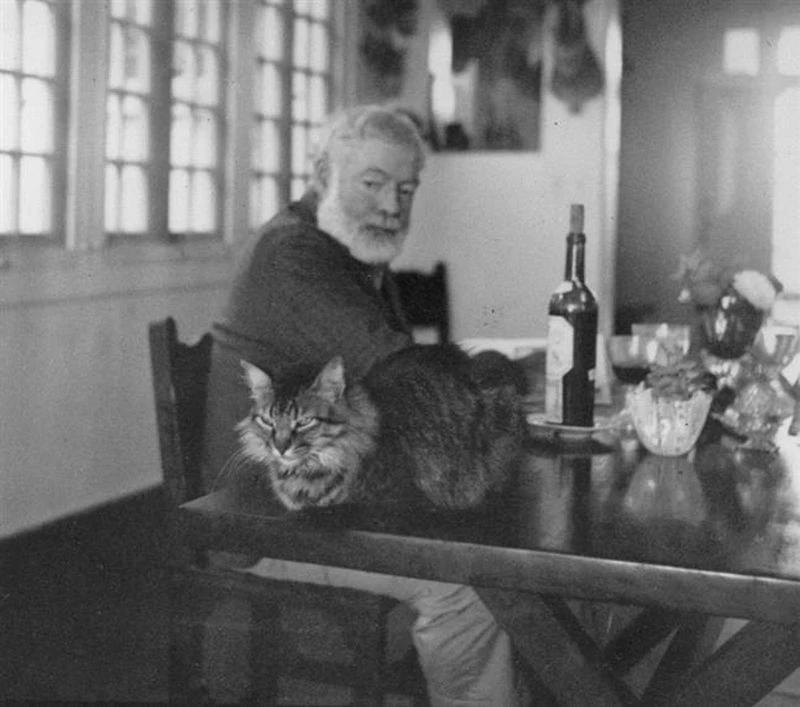
Ernest Hemingway
It turns out that highly intelligent and creative individuals throughout history have often been cat lovers. Feline enthusiasts included Salvador Dalí, Henri Matisse, and Ernest Hemingway. In fact, studies show that cat owners tend to have higher IQs and higher levels of education.
Messiness 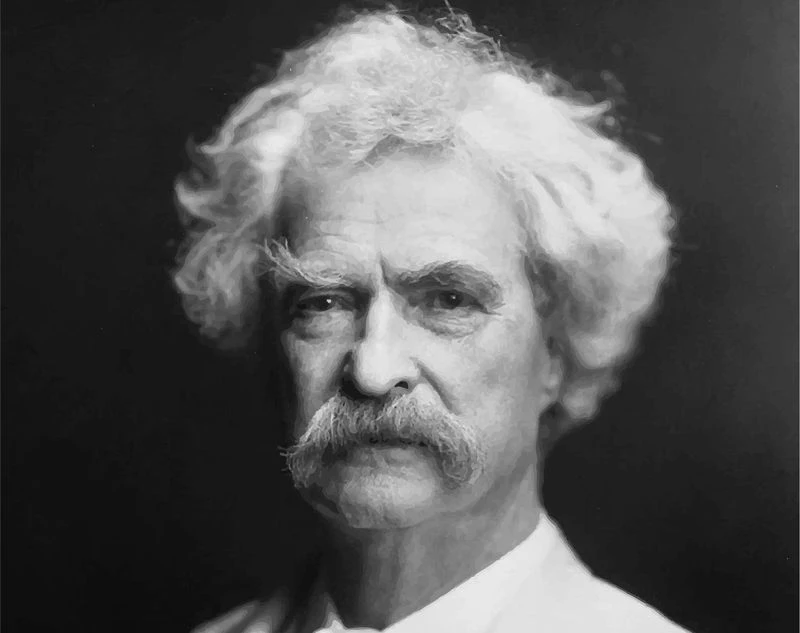
Mark Twain
The workshops and studies of brilliant minds often look more like junkyards. A recent psychological study revealed that a cluttered desk can actually spark creative thinking, with messy workers being far more likely to take on novel projects and challenges. Mark Twain, for instance, was notoriously untidy.
Illegible Handwriting 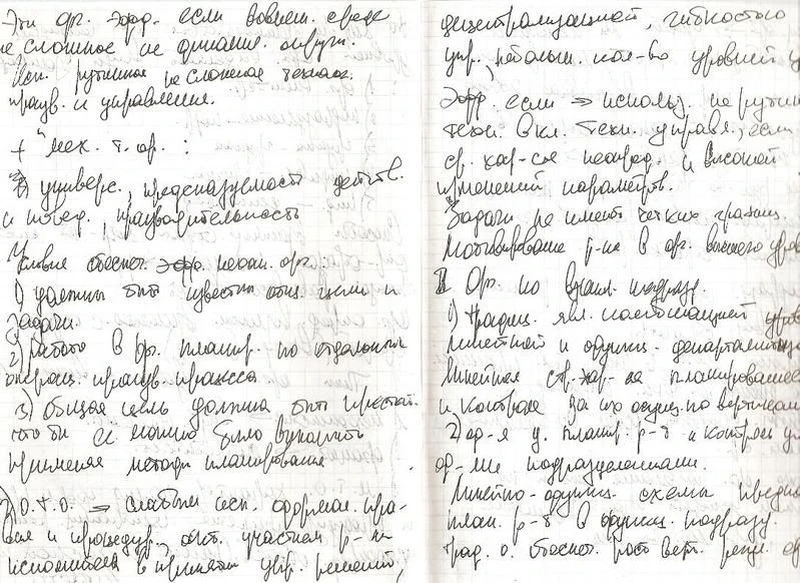
If someone tells you your handwriting is illegible, take it as a compliment. Studies show that gifted individuals often have terrible handwriting because their minds simply move faster than their hands.
An Athletic Physique 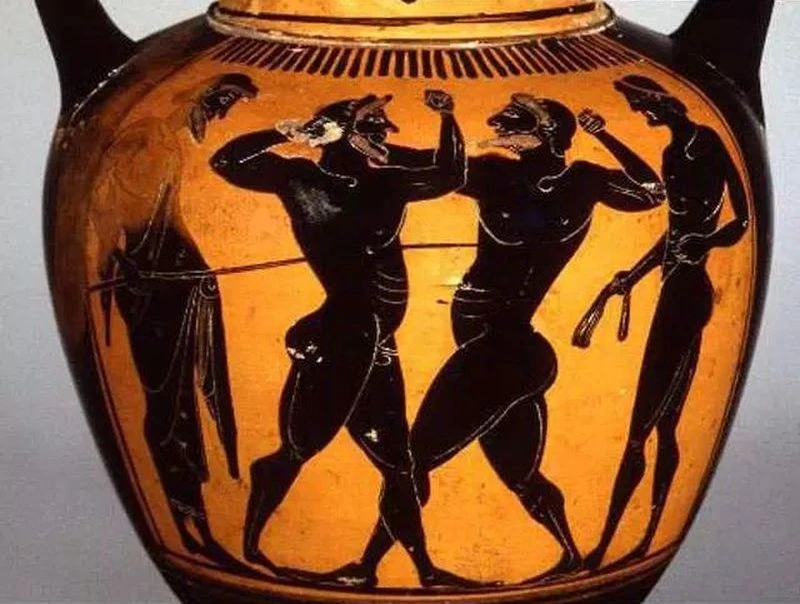
Pythagoras was a boxer
The stereotype of the "dumb jock" doesn't always hold up. Pythagoras, for example, was a boxer. It is no coincidence that Ancient Greece birthed both world-famous philosophers and the Olympic Games: the Greeks viewed an athletic physique as a hallmark of a great leader. Aristotle also believed that sports and games were closest to "contemplation," as they are enjoyed for their own sake rather than as a means to an end.
Morning Coffee 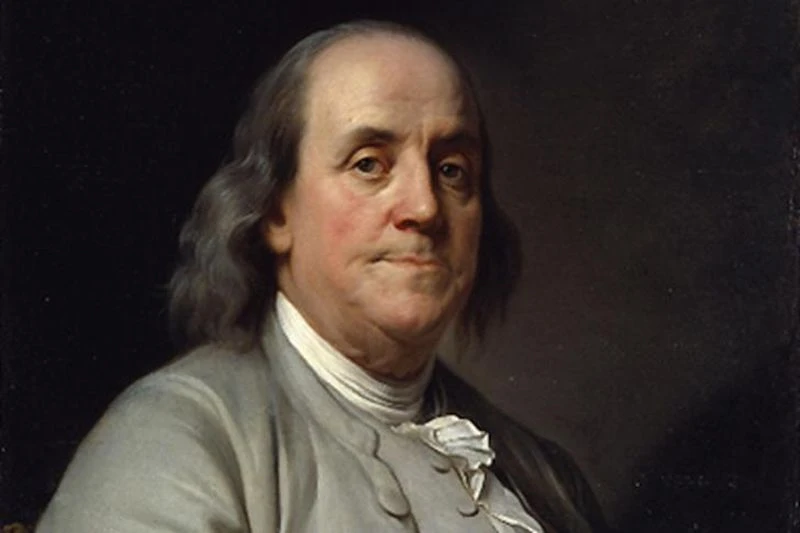
Benjamin Franklin
Beethoven was undeniably a musical genius, but he had very particular quirks: he personally counted out exactly 60 coffee beans for every single cup. Benjamin Franklin frequented coffeehouses in his spare time, while Honoré de Balzac famously wrote about his own coffee addiction.
A Need for Solitude 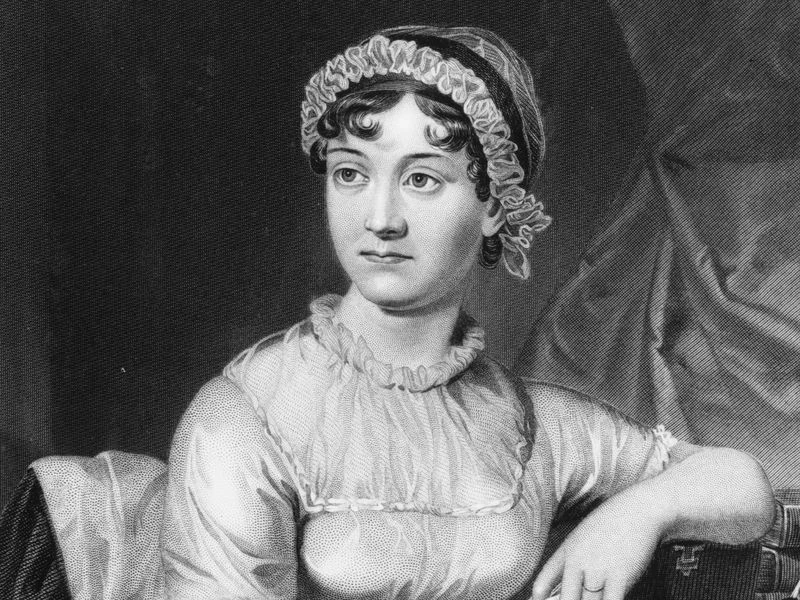
Jane Austen
Geniuses are almost all introverts, and many genuinely believed that truly great work can only be created in solitude. Author Jane Austen deliberately kept a door with squeaky hinges so she would be warned if anyone approached, preventing unexpected interruptions to her creative process.
Long Walks 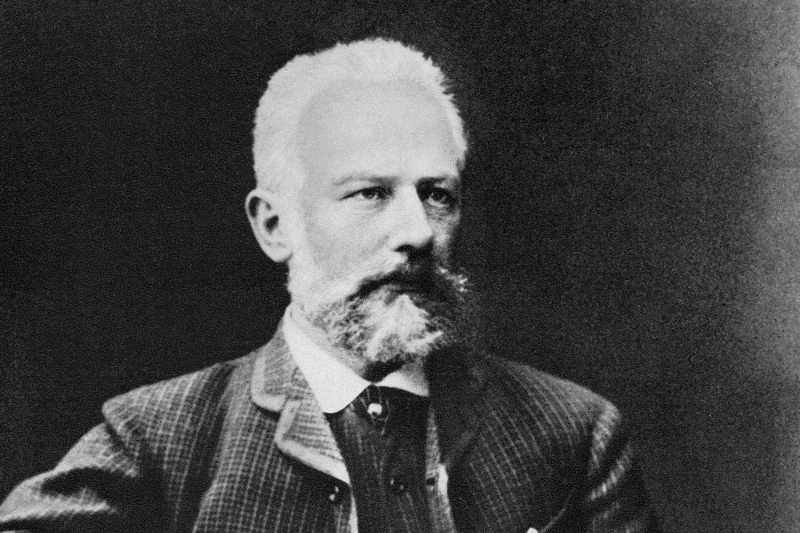
Pyotr Ilyich Tchaikovsky
Some of history's greatest thinkers, including Søren Kierkegaard and Charles Dickens, hit upon their best ideas while walking. Kierkegaard would rush straight home after his strolls to jot down his thoughts. Beethoven always carried a pencil and notebook on his walks. Tchaikovsky made a habit of walking for two hours every day and firmly believed he would fall ill if he missed a single walk.
Keeping a Journal 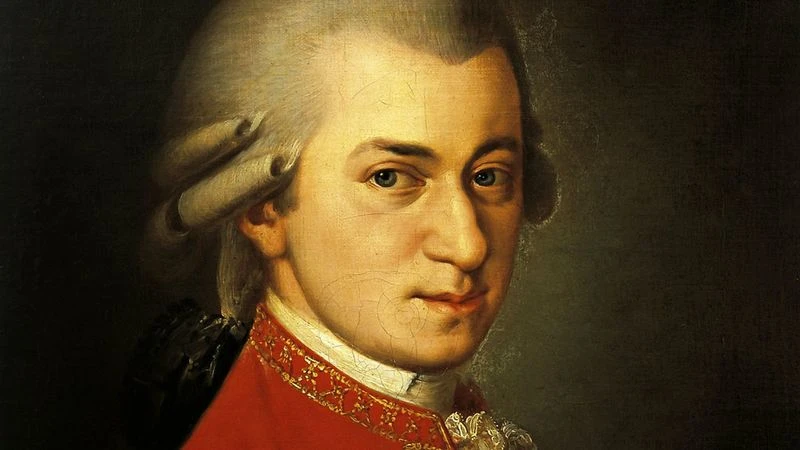
Wolfgang Amadeus Mozart
Leonardo da Vinci, Wolfgang Amadeus Mozart, Virginia Woolf, and countless other brilliant minds were known to keep journals of their thoughts and observations. French painter Eugène Delacroix once wrote of his diary:
"I am taking up my diary again after a long break. For me, it is a way to soothe the nervous excitement that has troubled me for so long."
A Passion for Music 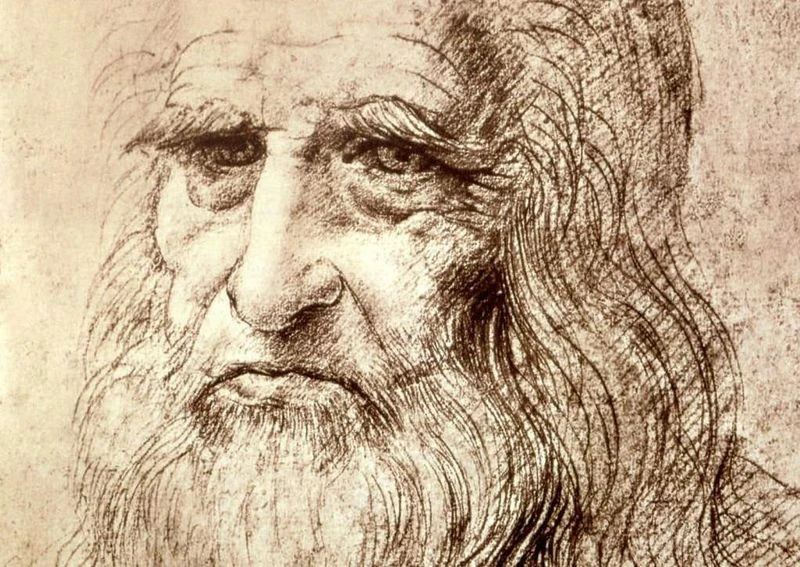
Leonardo da Vinci
Leonardo da Vinci played several musical instruments and even invented his own. Galileo played the lute, finding in music the inspiration for his philosophical writings.
A Love of Nature 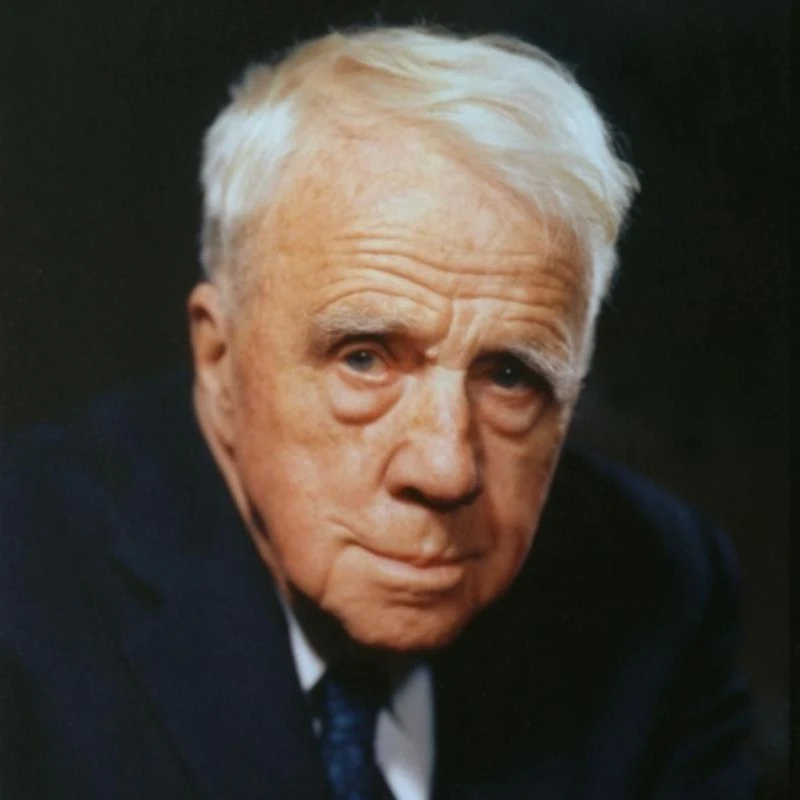
Robert Frost
Ralph Waldo Emerson, Henry David Thoreau, and Robert Frost held a deep reverence for nature. Some of their finest works were penned in solitude, out in the open air.