If humanity continues burning fossil fuels and pumping carbon dioxide into the atmosphere, global warming will eventually melt all the ice at the poles and atop mountain peaks. Earth currently holds more than five million cubic miles of ice, and scientists estimate it would take over 5,000 years to melt it all. Average global temperatures would soar from today's 14°C (57°F) to 26.6°C (80°F), driving sea levels up by 65 meters (216 feet). 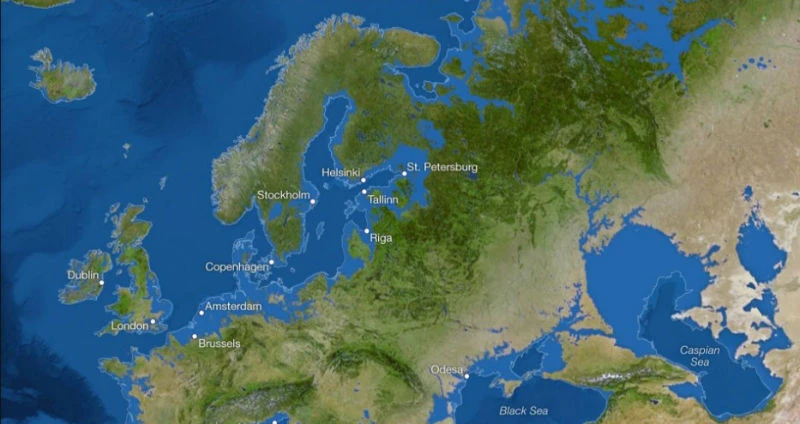
These maps show what the world would look like if all of Earth’s ice melted into the ocean. The current coastline is marked by a thin white line.
North America 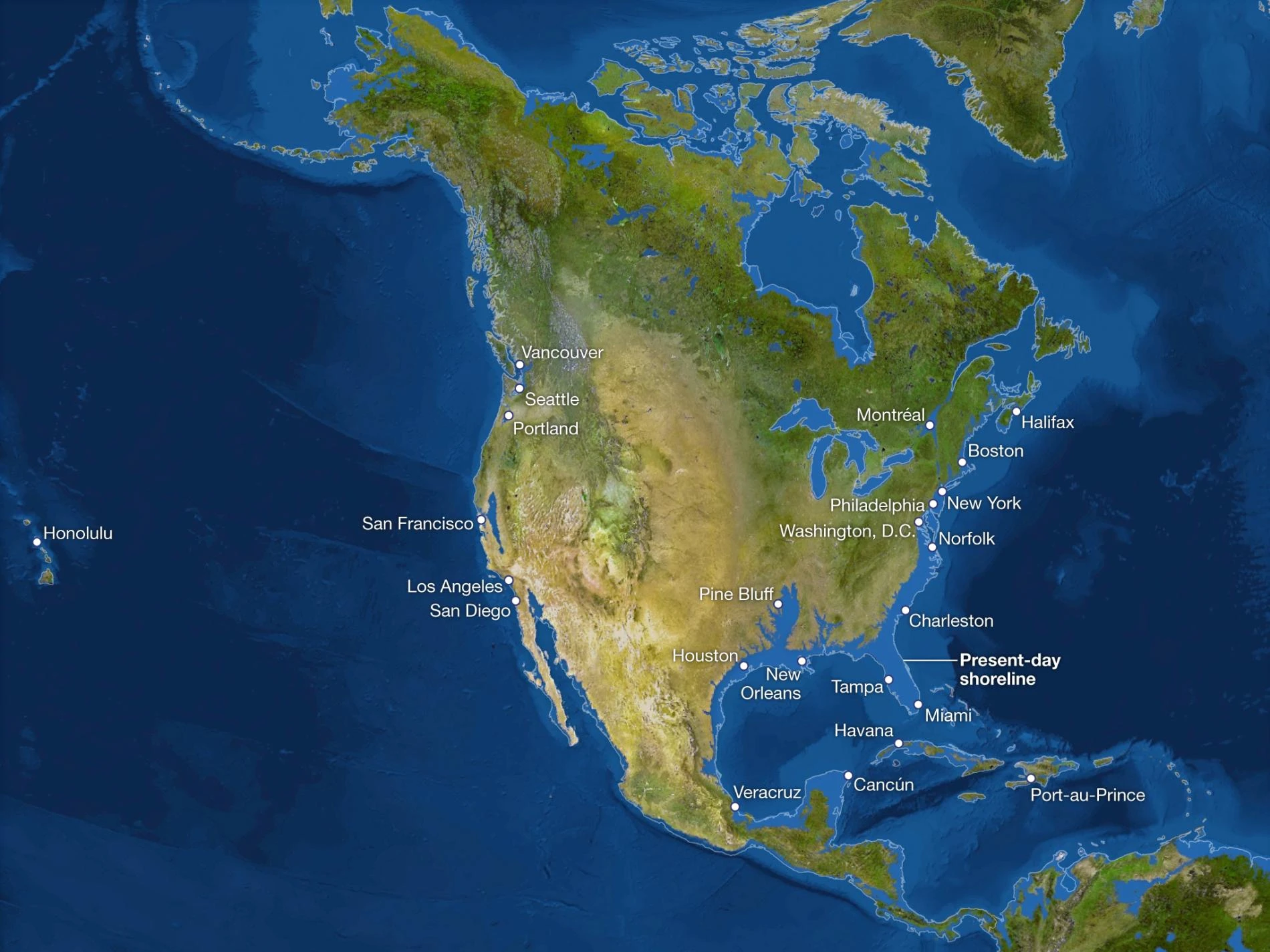
The entire Atlantic seaboard would vanish, along with Florida and the Gulf Coast. The hills of San Francisco would turn into a cluster of islands, and the Central Valley would become a massive bay. The Gulf of California would stretch far north, swallowing San Diego.
South America 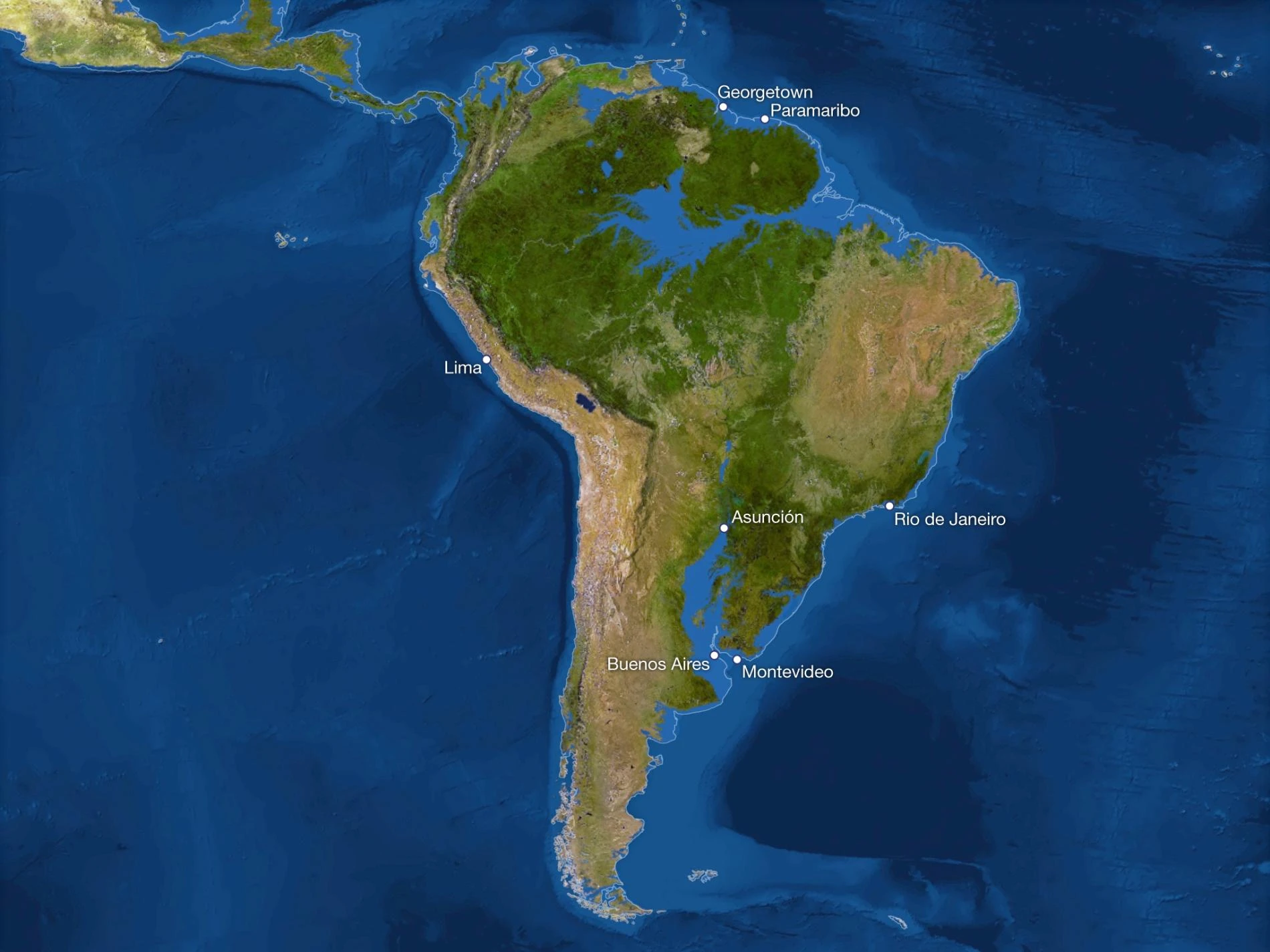
The Amazon Basin in the north and the Paraguay River Basin in the south would become inlets of the Atlantic Ocean, wiping out Buenos Aires, coastal Uruguay, and much of Paraguay. Only mountainous stretches along the Caribbean coast and in Central America would survive.
Africa 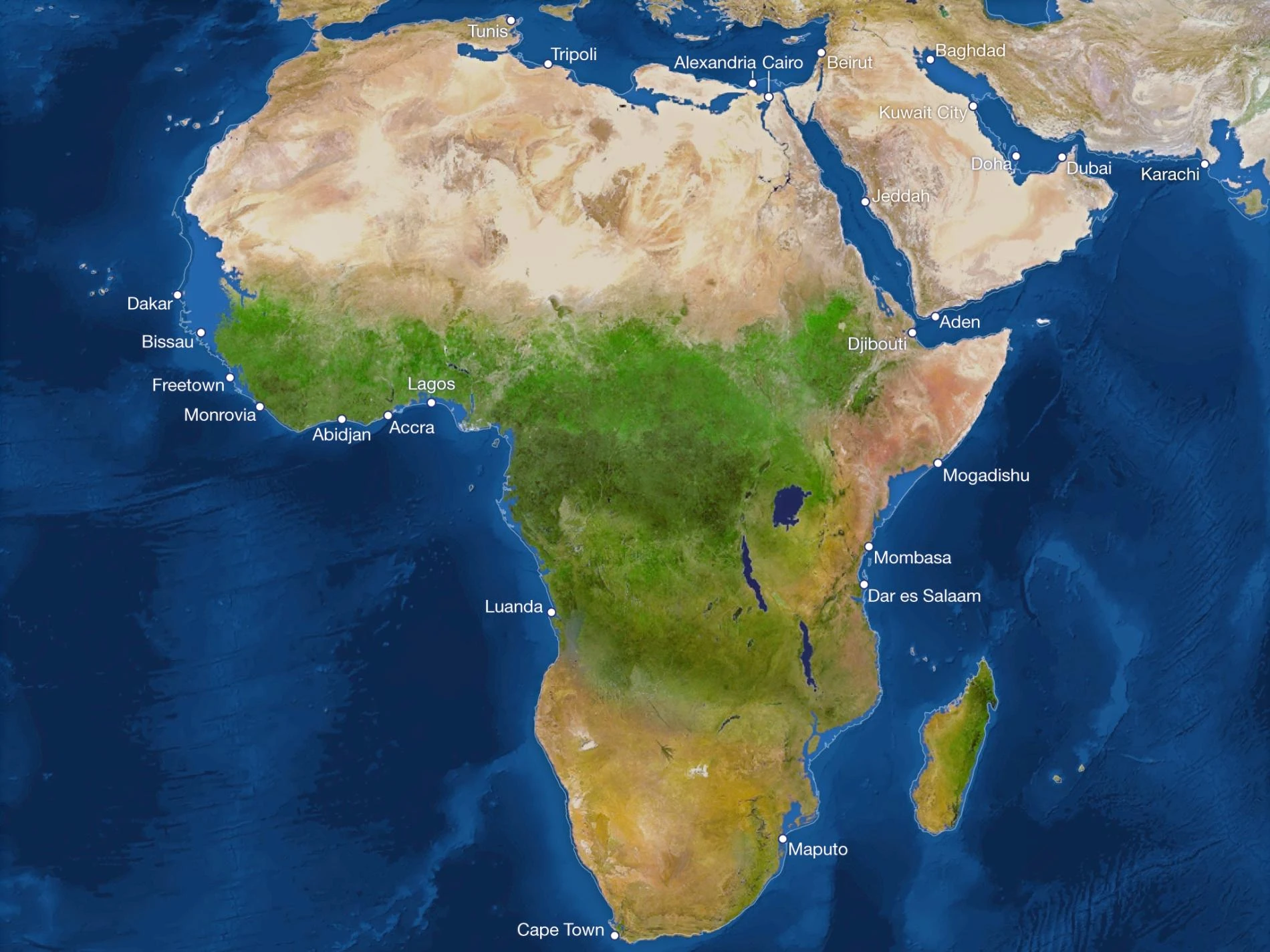
Compared to other continents, Africa would lose less land to the sea, but rising temperatures could render much of it uninhabitable. In Egypt, Alexandria and Cairo would be submerged by the expanding Mediterranean.
Europe 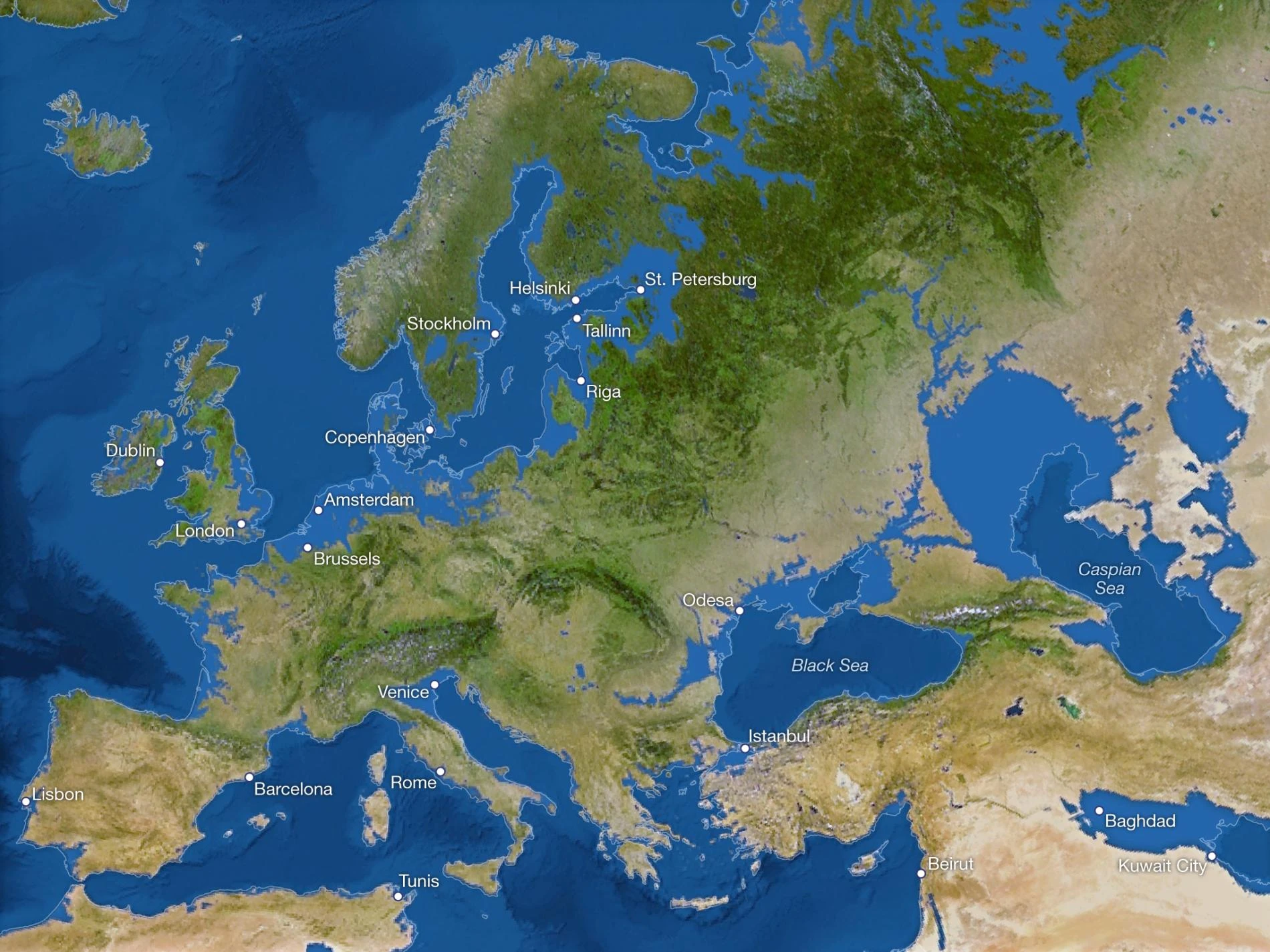
London would be nothing more than a memory, and Venice would be swallowed by the Adriatic Sea. Under this scenario, the Netherlands would have long been lost underwater, and most of Denmark would disappear as well. The rising waters of the Mediterranean would join forces with the Black and Caspian Seas.
Asia 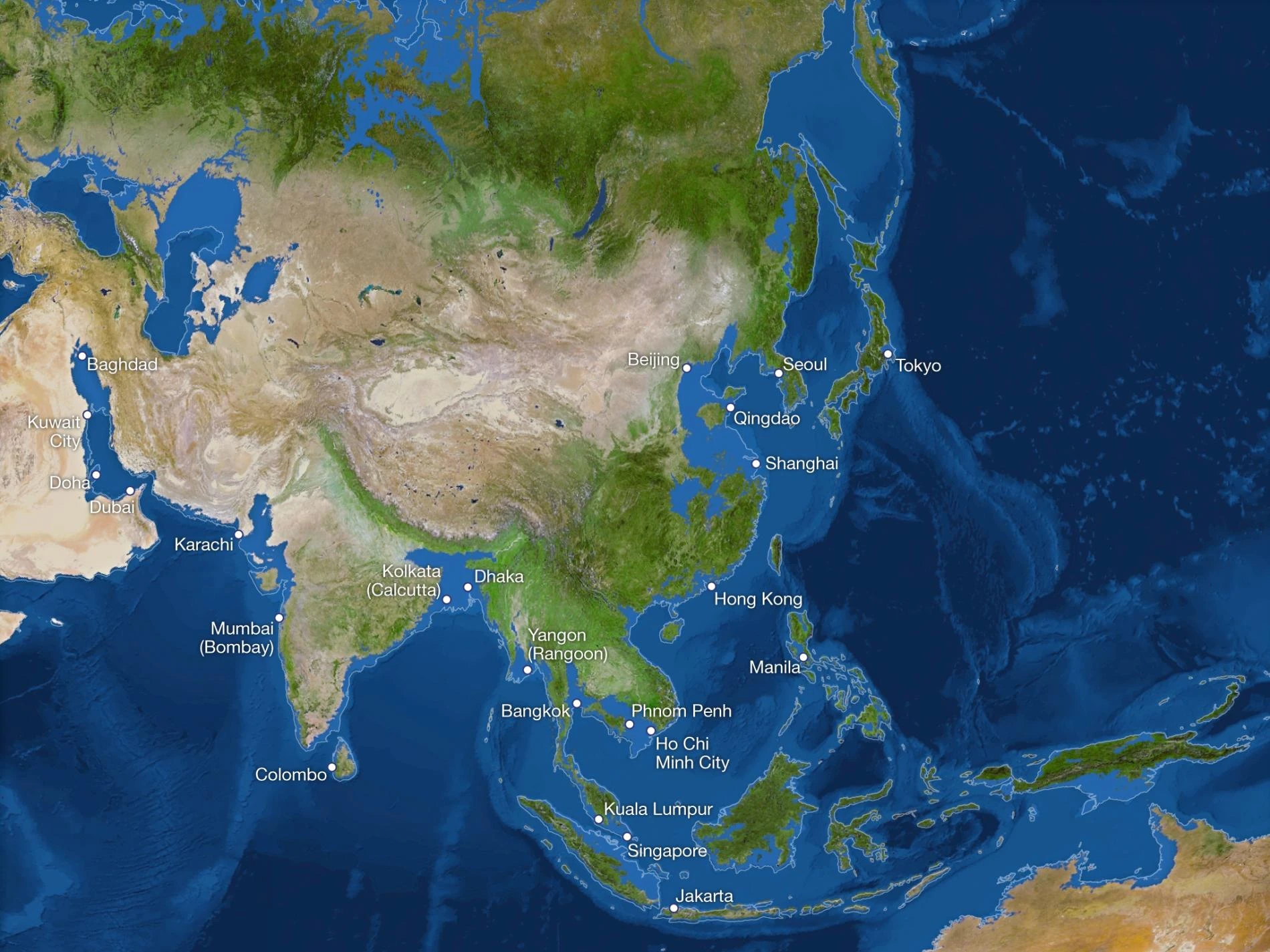
Land currently home to 600 million people in China would be inundated, as would all of Bangladesh—population 160 million—and most of coastal India. The flooding of the Mekong Delta would turn Cambodia's Cardamom Mountains into an isolated island.
Australia 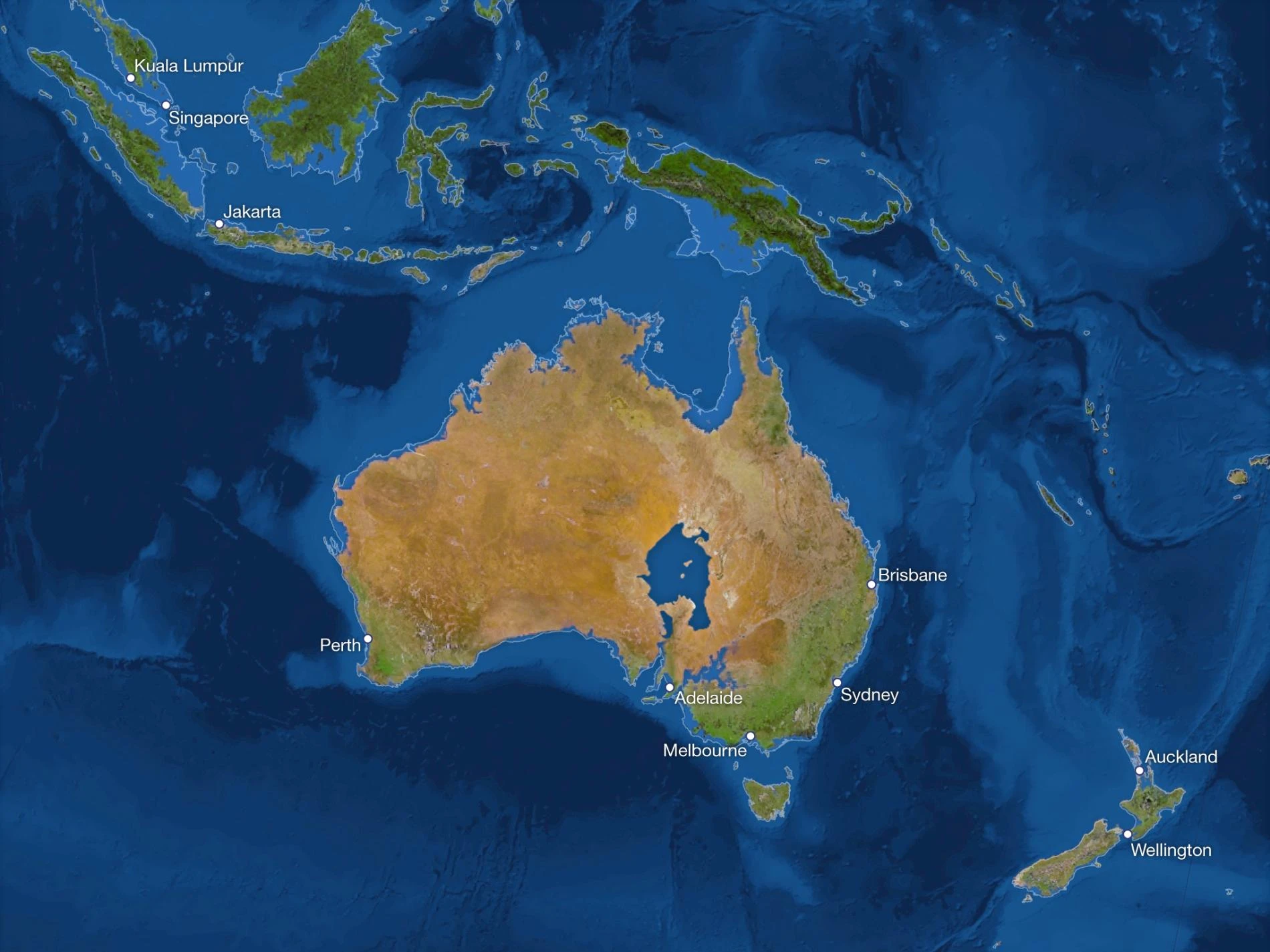
The continent, currently dominated by desert, would gain a new inland sea—but it would lose much of the narrow coastal strip where four out of five Australians live today.
Antarctica 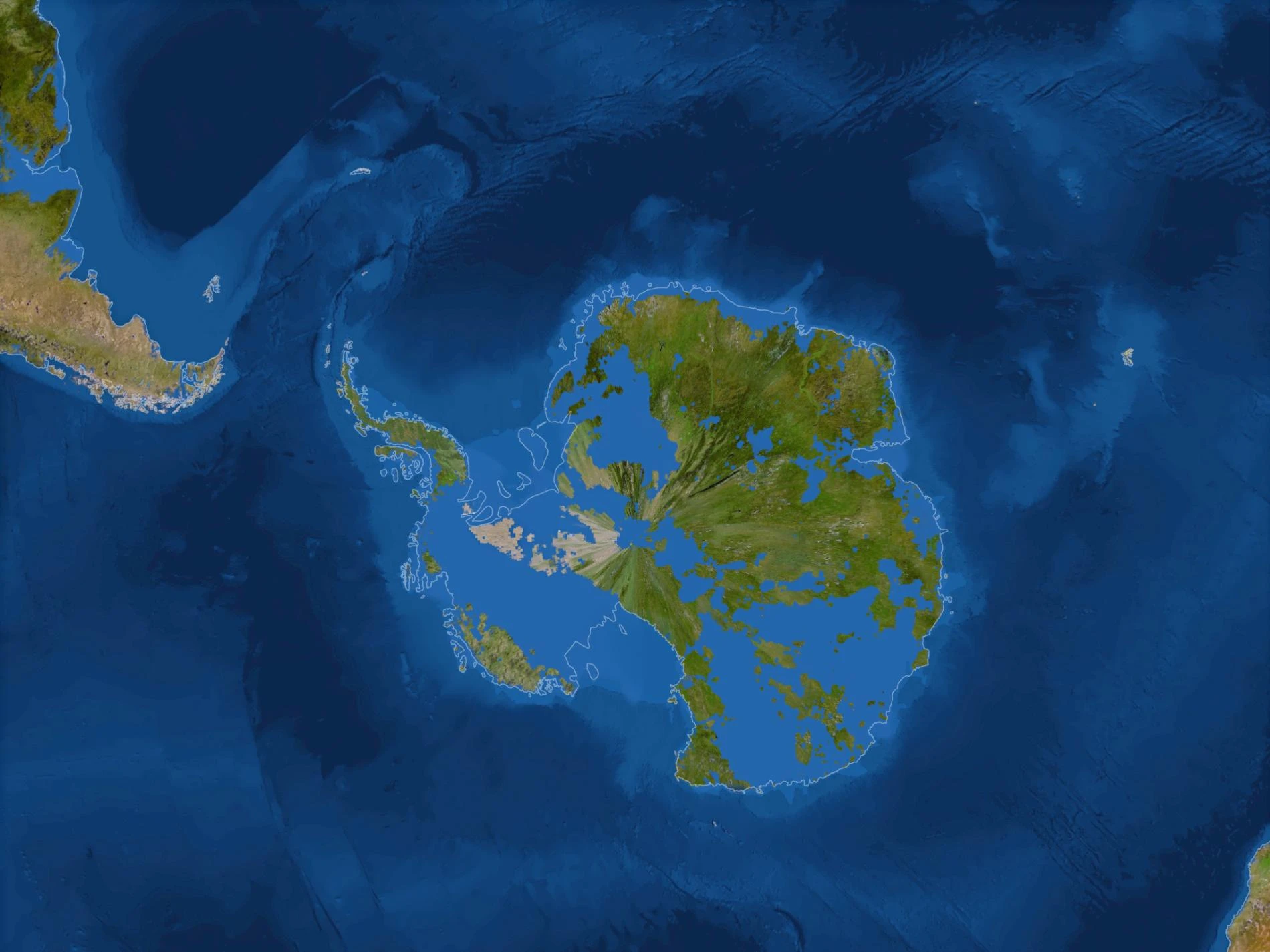
The East Antarctic Ice Sheet is so massive that it holds four-fifths of all the ice on Earth. Having survived earlier warm periods, it might seem indestructible. Recently, it even appears to be thickening slightly due to climate change: a warmer atmosphere holds more water vapor, which falls as snow over East Antarctica. Yet even this behemoth is unlikely to survive a return to an Eocene climate.
Like the Greenland ice sheet, the West Antarctic Ice Sheet was significantly smaller during past warm eras. It is particularly vulnerable because most of it rests on bedrock below sea level. Warming ocean waters are melting the ice sheet from beneath, causing it to collapse. Since 1992, it has been losing an average of 65 million metric tons of ice each year.
Add your comment
You might be interested in:













Spanish is easy, right?

Gray in the beard, a devil in the ribs (acting wild in

Techno music played on classical instruments

A sea breeze at sunset

A Chevrolet lost its rear axle while the driver was

In China, a unique method for clearing fallen leaves has

A cat falls in love with its owner’s new cactus

In Ecuador, a boy rides a llama to school every day

In the U.S., a drone delivered food to a monkey
