150,000 Years Upside Down: The Neanderthal Still Trapped in the Earth (7 Photos)
In 1993, a team of spelunkers exploring a karst shaft in the Altamura-Murge region near the Italian town of Altamura stumbled upon the nearly complete skeleton of an archaic hominin—one of the early members of the genus Homo that walked the Earth long before modern humans. 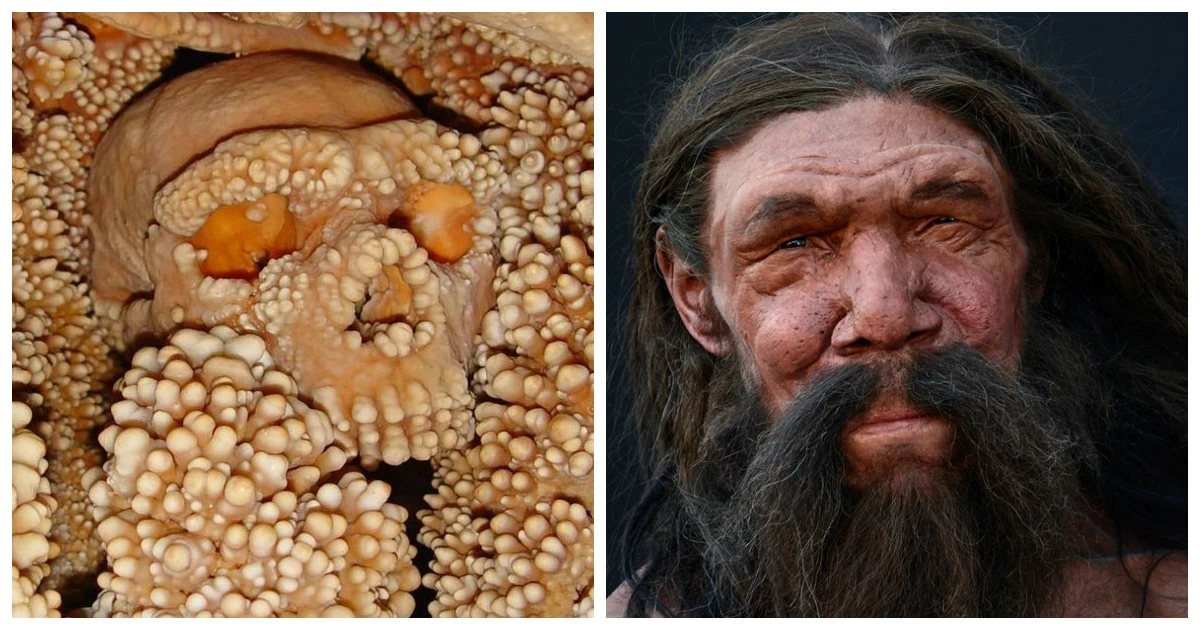
Normally, such finds are excavated and taken to a laboratory or museum for study under proper conditions. But when researchers tried to retrieve the skeleton, they discovered it had fused completely with the surrounding rock. 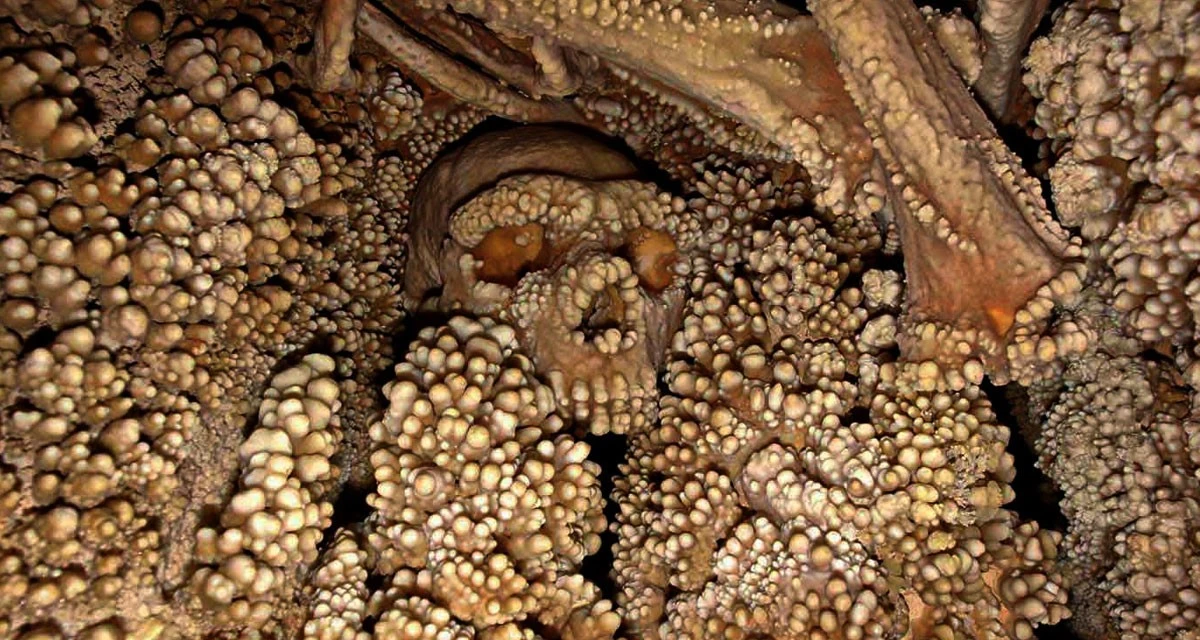
For millennia, mineral-rich limestone dripping from the cave ceiling had not only welded the skeleton to the grotto walls, but encrusted the bones in a thick calcite layer, giving the Altamura Man an eerie, ghost-like appearance. 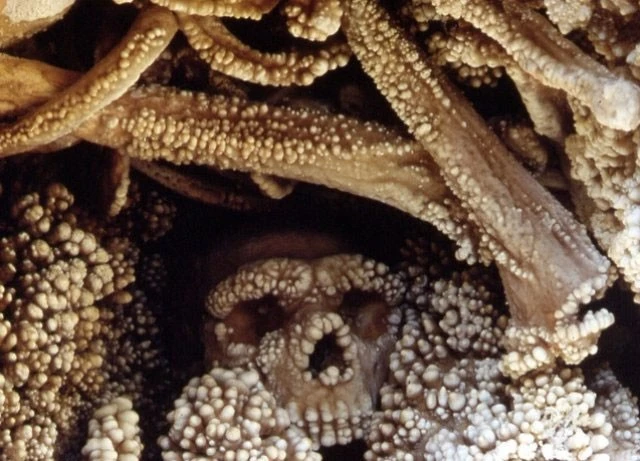
It is believed the unfortunate hominin fell down a natural shaft and became trapped, eventually starving to death. For years, scientists debated his age and species. The skeleton displays numerous Neanderthal features, particularly in the structure of the face and the back of the skull.
Yet there are also traits uncommon for Neanderthals. For example, his brow ridges were even more massive than those of classic Neanderthals. The skeleton's hard-to-reach position and the impossibility of moving it made analysis extremely difficult. 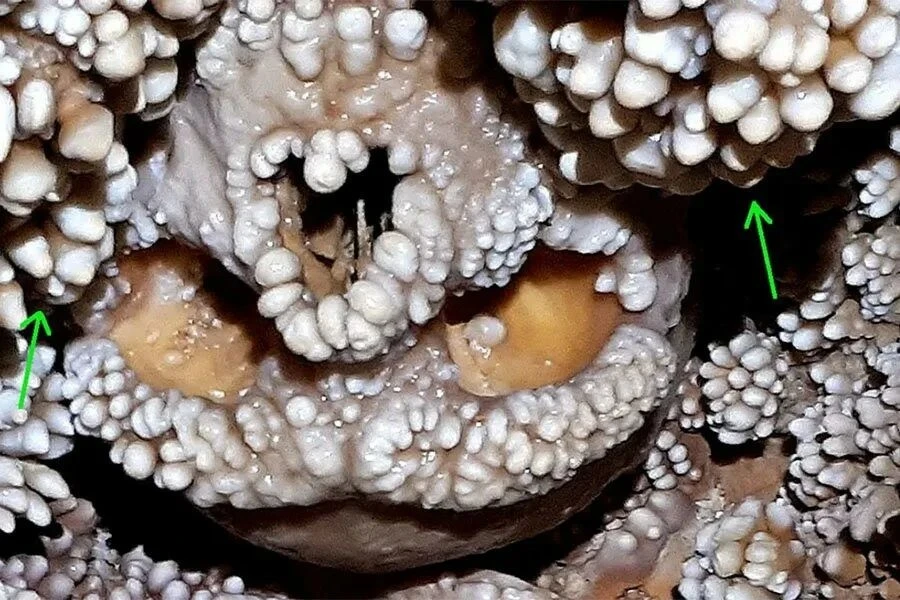
Recent studies, however, have settled all doubts. The Altamura Man is a Neanderthal who lived roughly 150,000 to 250,000 years ago. Moreover, researchers managed to extract DNA from a bone sample—making it the oldest Neanderthal DNA ever recovered. 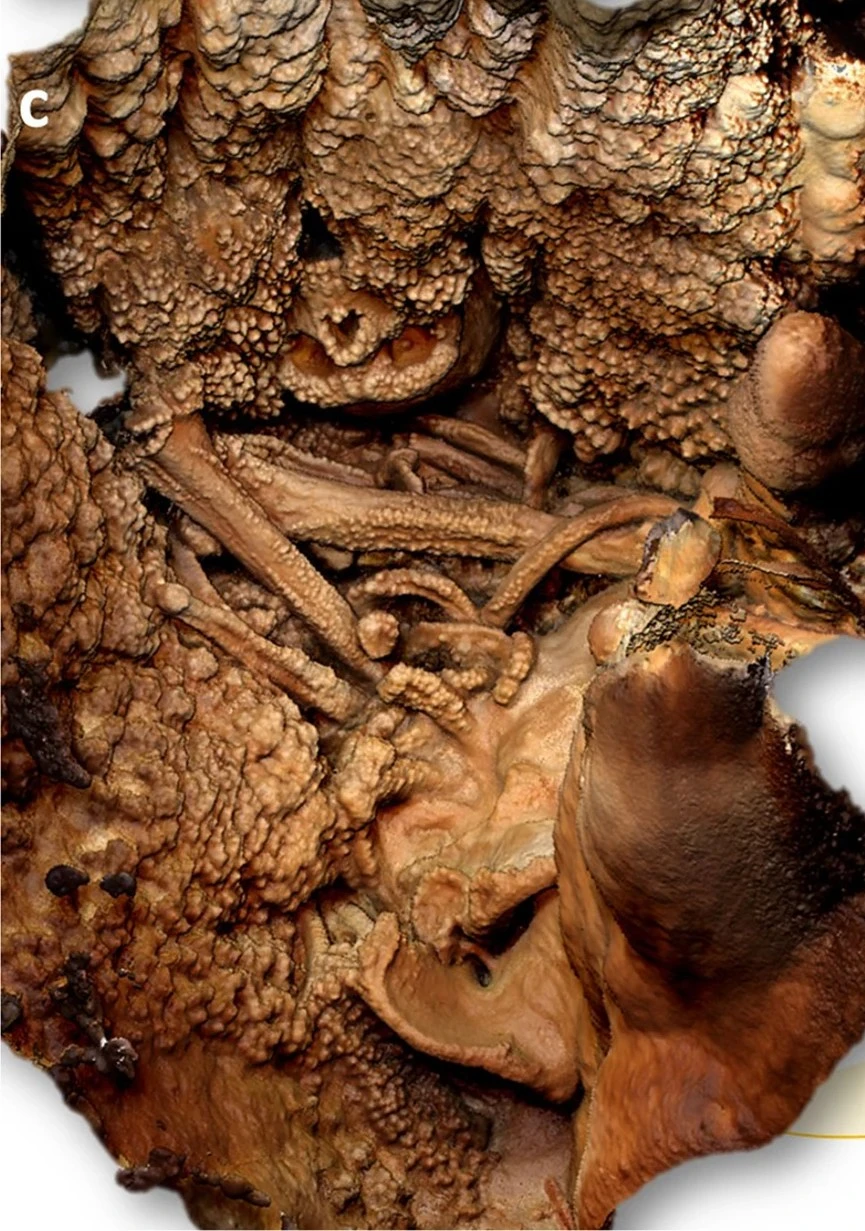
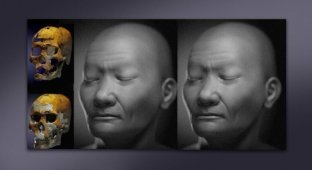
By combining DNA analysis with advanced photogrammetry and 3D laser scans of the encrusted skeleton, scientists created a hyperrealistic model showing what the Altamura Man likely looked like in life. 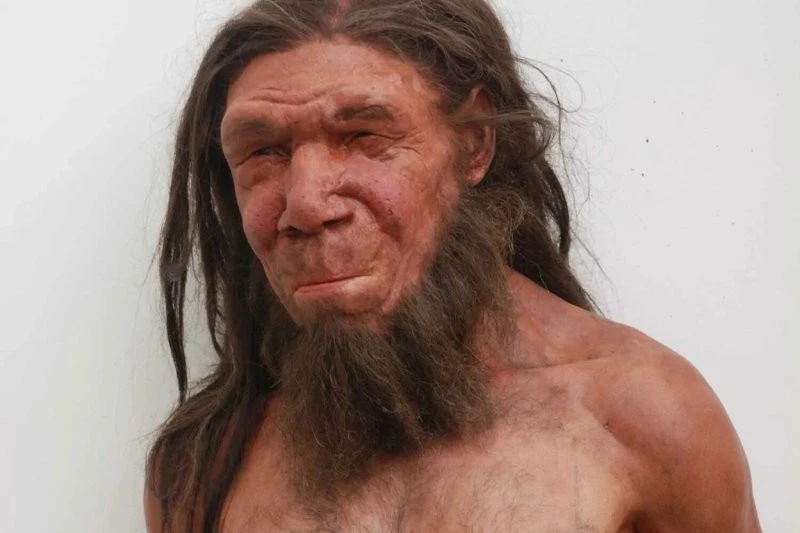
He is still there—deep inside the Lamalunga Cave, still upside down, still encased in his calcite shell. A dispute between Italian cultural authorities and researchers over whether or not to excavate him remains unresolved. Extraction could destroy the discovery, while leaving him in place limits how deeply he can be studied. 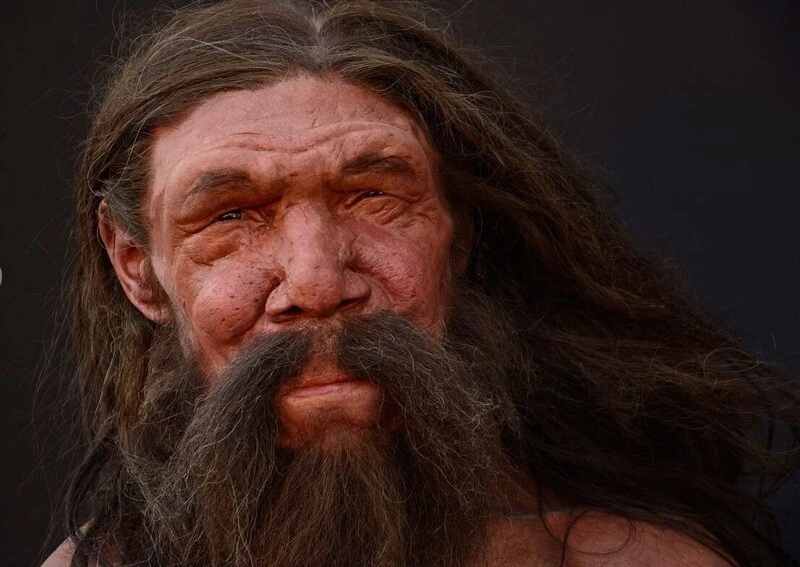
For now, scientists continue to study him non-invasively using portable X-ray devices, endoscopes, and laser scanners inside the cave, while using digitized data for museum exhibits. He remains perhaps the most complete—and yet most captive—Neanderthal in the world.