6 Subway Stations That Were Built but Never Opened to Passengers (7 Photos)
Deep beneath major cities lie underground platforms that commuters have never set foot on. Builders poured concrete, laid tile, and prepped grand halls for opening day—only for the lights to be turned off forever. The reasons vary widely: budget shortfalls, wars, tricky geology, or sudden shifts in urban planning.
October 2 marks Metro Builders' Day—a fitting opportunity to venture where ordinary commuters never go. Here is a look at six ghost stations around the world, from a magnificent grand hall with stained-glass skylights to a tiny platform built for just a single train car. 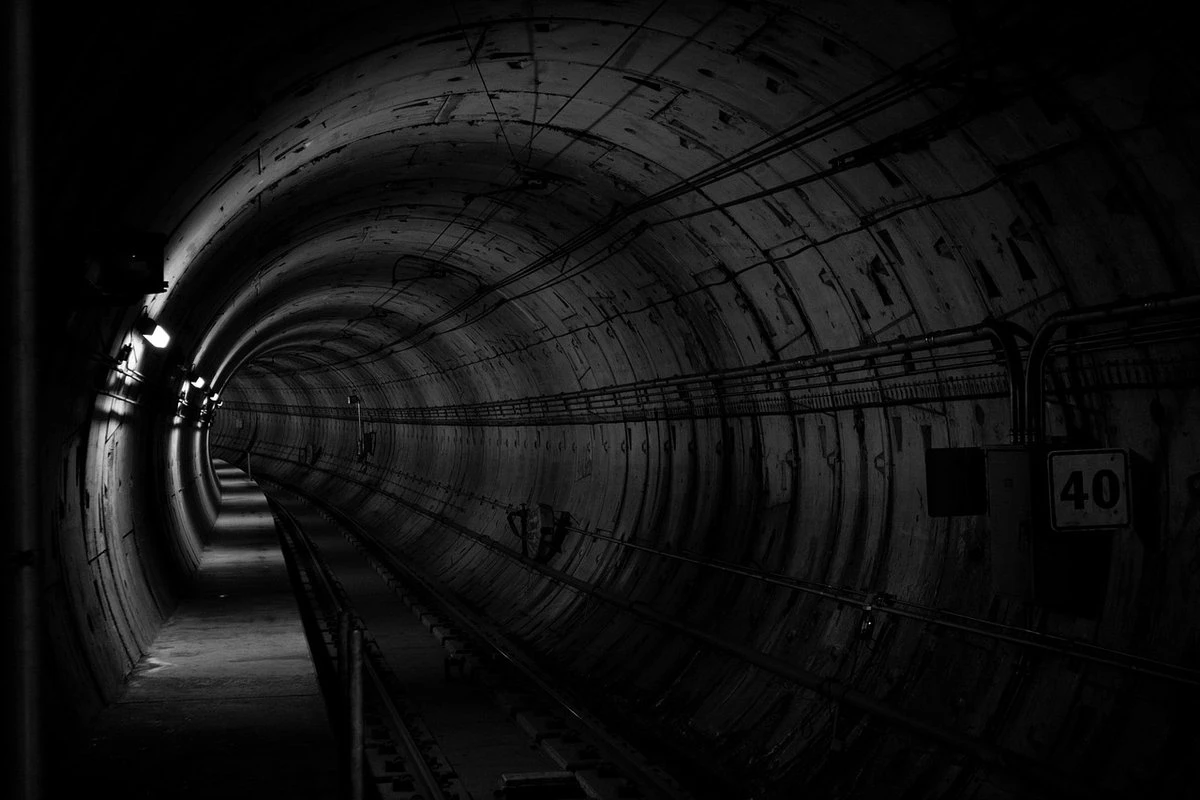
City Hall, New York City, USA
City Hall station opened on October 27, 1904—the same day New York City’s very first subway line made its inaugural run. Designed by architect Rafael Guastavino, it featured vaulted tiled ceilings, stained-glass skylights, and brass chandeliers, resembling a stately ballroom rather than a transit stop. However, the platform was built along a sharp curve in the tunnel, making it impossible for newer, longer train cars to dock safely. Combined with low foot traffic—just 600 to 800 passengers a day—the station closed its doors for good on December 31, 1945. 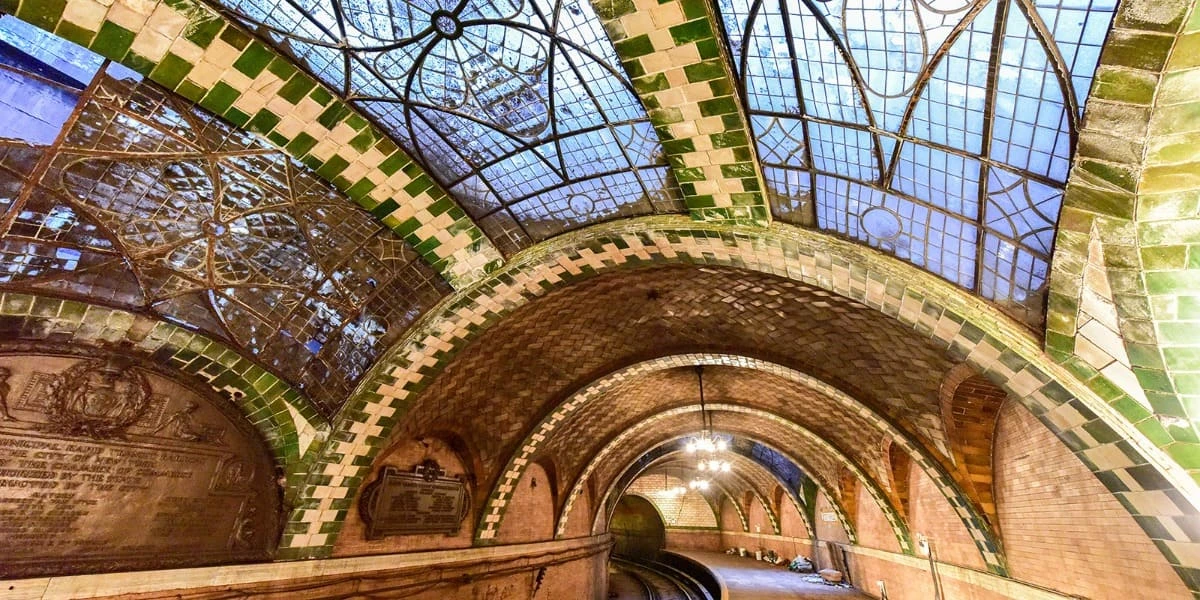
Designed as the crown jewel of the subway system, the station was in service for just 41 years.
Today, City Hall functions as a turnaround loop for the 6 train. Passengers who stay onboard after the last stop at Brooklyn Bridge–City Hall can catch a glimpse of the vaulted ceiling and chandeliers through the train window. A few times a year, the New York Transit Museum hosts exclusive guided tours; available only to museum members, tickets sell out within minutes.
Aldwych, London, UK
The station opened in 1907 under the name Strand, after the famous street above it. It was renamed Aldwych in 1915 to prevent confusion with another nearby Tube stop. Ridership was consistently low, with only a single track in service on weekdays and no Sunday service at all. By 1994, London Underground concluded that replacing its aging elevators wasn't worth the cost for such light traffic, closing the station permanently on September 30. 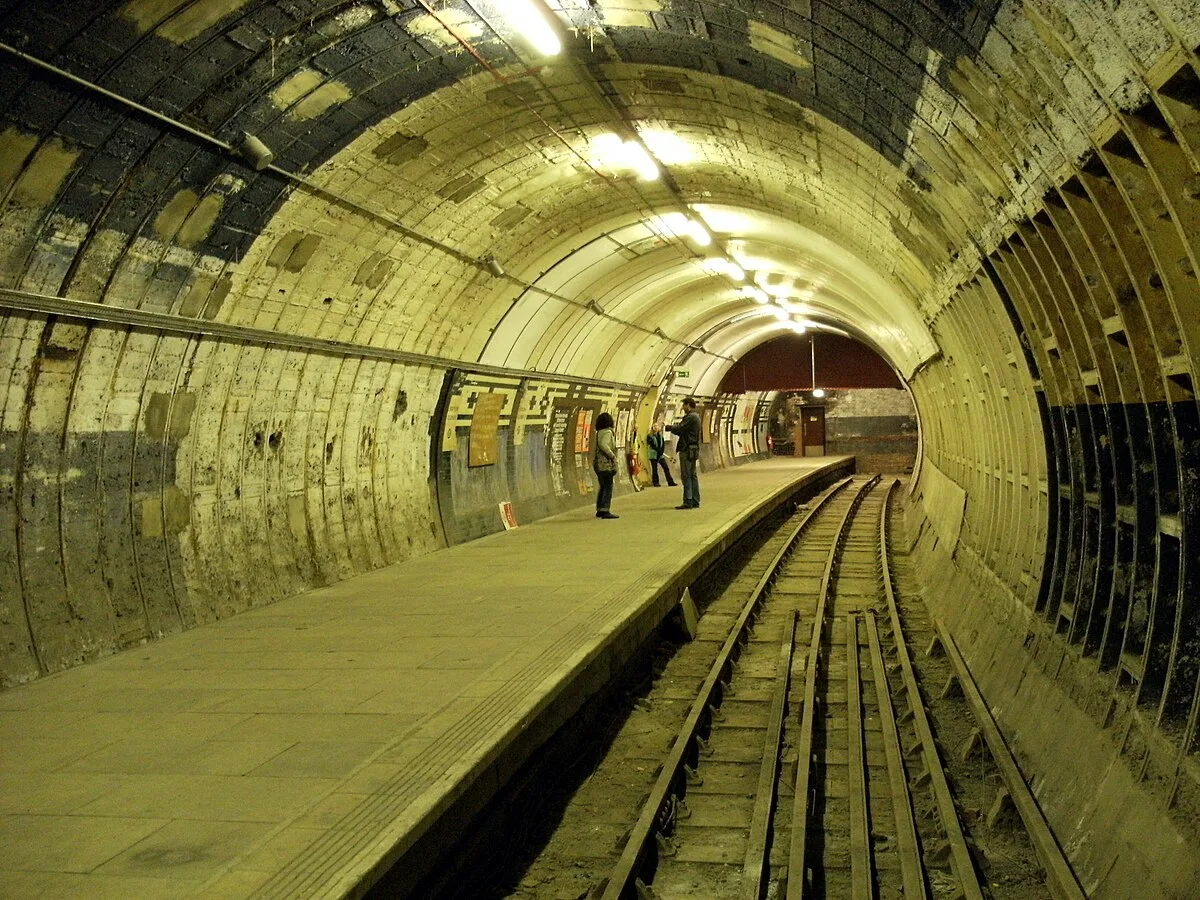
Closed due to high maintenance costs, the station went on to become one of British cinema's most iconic film locations.
Empty and frozen in time, Aldwych quickly became a favorite spot for filmmakers. It provided the backdrop for
V for Vendetta
,
28 Weeks Later
, and the Season 3 finale of
Sherlock
. Vintage 1940s advertisements still line the walls—the same ones that comforted Londoners sheltering here during World War II air raids. The London Transport Museum runs public tours of the station, though tickets are just as hard to secure as those in New York.
Haxo, Paris, France
Built in 1921 along a connecting link of the Paris Métro, Haxo station has never served a single passenger. The original plan called for Haxo to serve as a transfer stop between two lines, but transport officials later opted for a direct shuttle service instead. As a result, surface street entrances were never constructed. 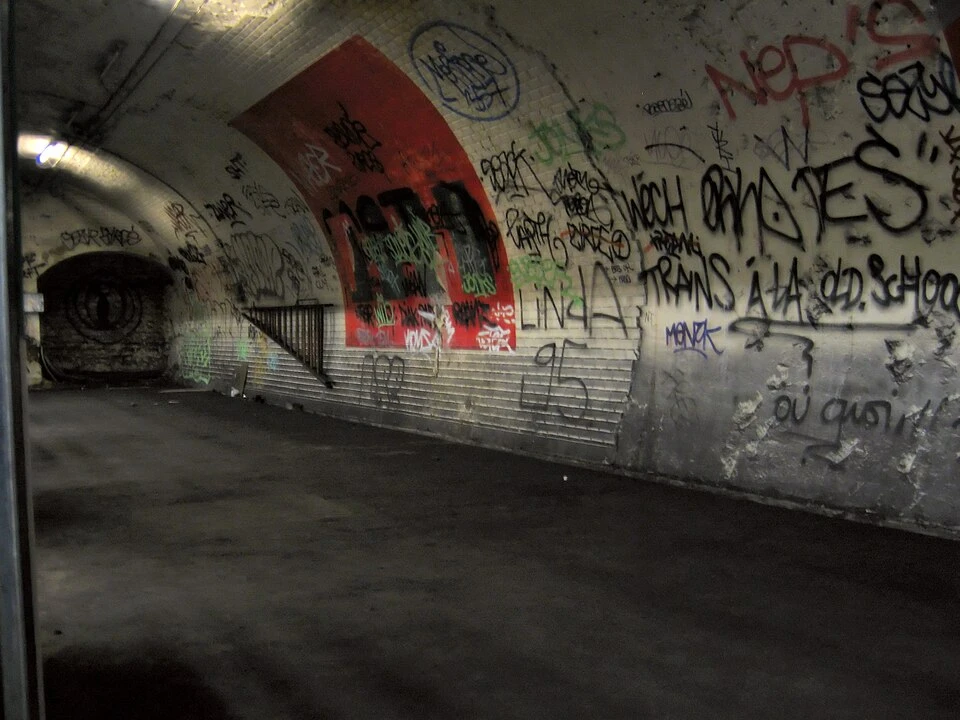
The station was never equipped with surface exits—it can only be reached by train.
Without a single staircase leading to street level, the platform is accessible strictly via the tracks. It has seen rare moments in the spotlight: in 1993, Paris transport authorities used Haxo to showcase the new MF 88 train model to the press. A commemorative plaque from the event still hangs in the tunnel.
Cincinnati, USA: The Subway System That Never Took a Single Passenger
In 1916, Cincinnati voters approved a $6 million bond issue to construct a 16-mile loop subway network. Construction began in 1920, but post-World War I inflation doubled the cost of materials, rapidly draining the budget. Funds ran out completely by 1925, and secondary financing never materialized. The project was officially scrapped in 1928—even before the Great Depression crushed any remaining hope of completion. 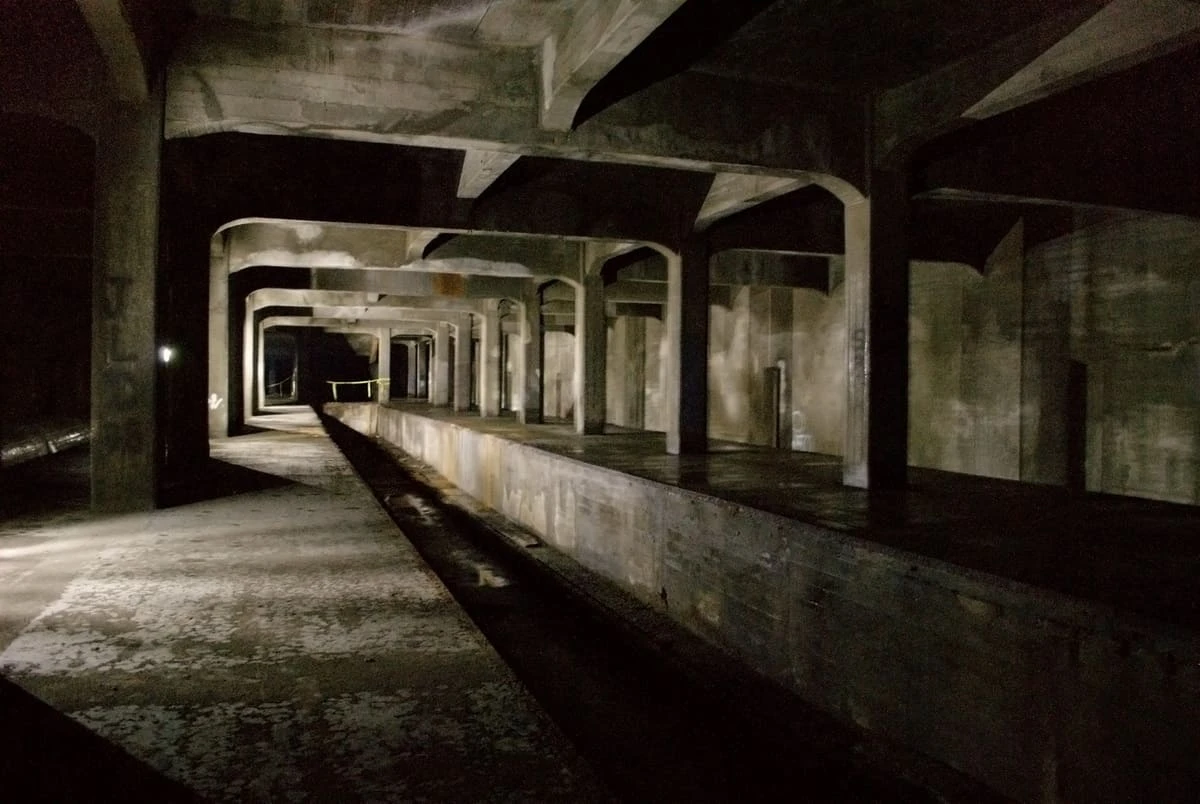
Cincinnati's completed platforms never saw rails or trains—only decades of total silence.
Today, over two miles of tunnels remain beneath Cincinnati, containing three fully constructed stations—Race Street, Liberty Street, and Brighton Corner. Complete with platforms and columns, they have never held track or trains. In 2008, the city evaluated two options: filling the tunnels for $19 million or spending $2.6 million to maintain them in stasis. The city chose the far cheaper option.
Kymlinge, Stockholm, Sweden
In the early 1970s, Stockholm urban planners envisioned Kymlinge as a bustling district of offices and government agencies. A station was added to the Blue Line to serve the anticipated workforce. However, development plans were canceled when part of the land was declared an environmental reserve, eliminating the need for the commercial hub. When the line opened in 1977, Kymlinge was left as a raw, unfinished shell—bare concrete stripped of signs and fixtures. 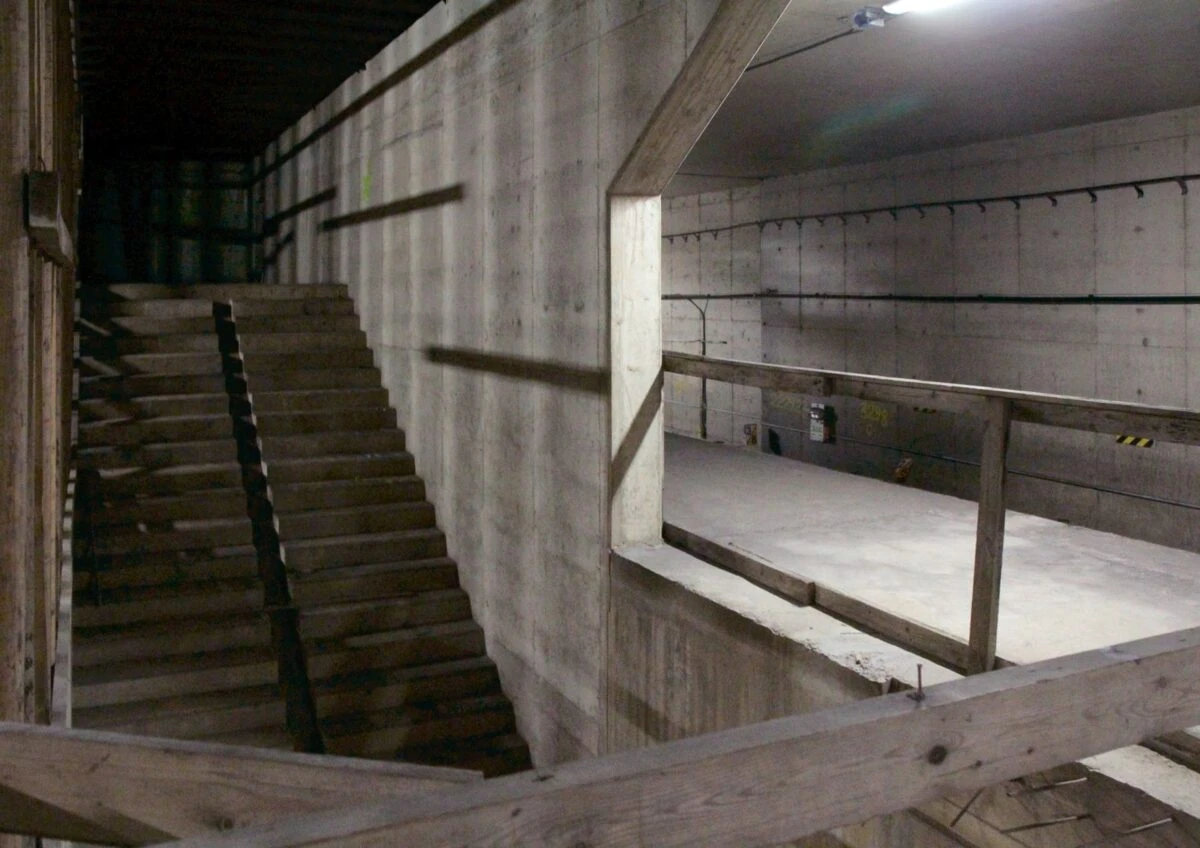
The unfinished station eventually birthed its own urban legend about a ghost train.
A dark joke took root among Stockholm locals:
“Bara de döda stiger av i Kymlinge”
(“Only the dead get off at Kymlinge”). Local lore tied the ghost station to the
Silverpilen
(Silver Arrow)—an unpainted, silver train rumored to haul unwitting night commuters into the unknown. Today, passengers riding the Blue Line toward Akalla can still catch a glimpse of the abandoned platform right after leaving Hallonbergen station.
Troitse-Lykovo, Moscow, Russia
Built in 2008, Troitse-Lykovo sits along the stretch between Strogino and Krylatskoye—the longest nonstop tunnel in the Moscow Metro at 4.1 miles. Fire safety codes mandated an emergency evacuation point along the route, so engineers built a technical service platform measuring just 85 feet long—enough for a single train car. 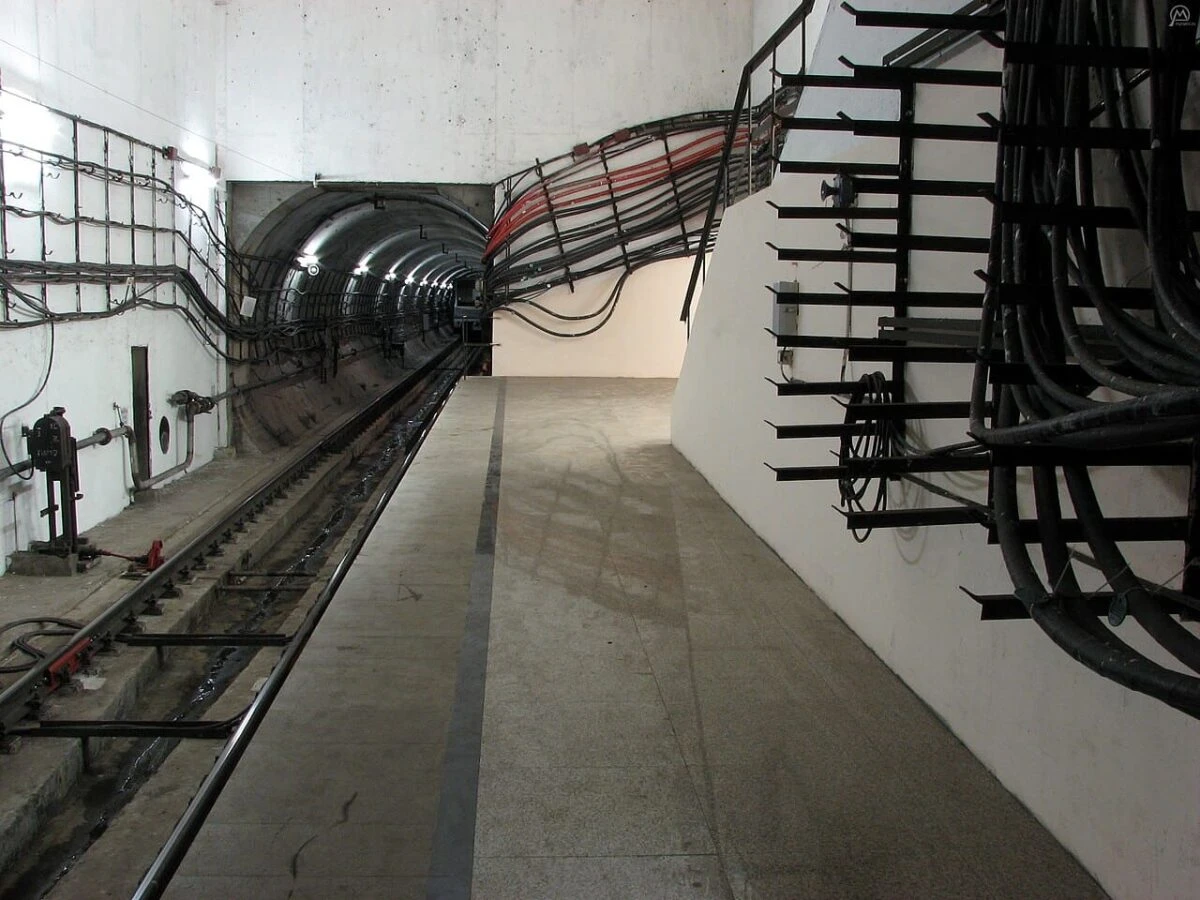
Built purely as an emergency measure, the station is so discreet that even local residents rarely know it exists.
The station is off-limits to commuters; maintenance crews access the platform directly via the driver's cab. Above ground, the entrance resembles an unassuming commercial kiosk, completely unnoticed by passersby. While engineers originally left room to expand Troitse-Lykovo into a full-fledged passenger station, the historic village overhead is a protected heritage site, making future expansion highly unlikely.
Which of these six ghost stations surprised you the most?