Six Fingers on Both Hands, Violet Eyes, and Other Unique Physical Traits of Real People (23 photos)
Every one of us has something that sets us apart, but some physical differences are so striking they draw fascinated looks from childhood—or remain hidden for a lifetime. Six fingers on a hand. A split tongue. Eyes of two different colors at once. Social media users have been sharing unique features of their bodies that most people never even knew existed, proving that the human body is far more diverse than it seems at first glance. 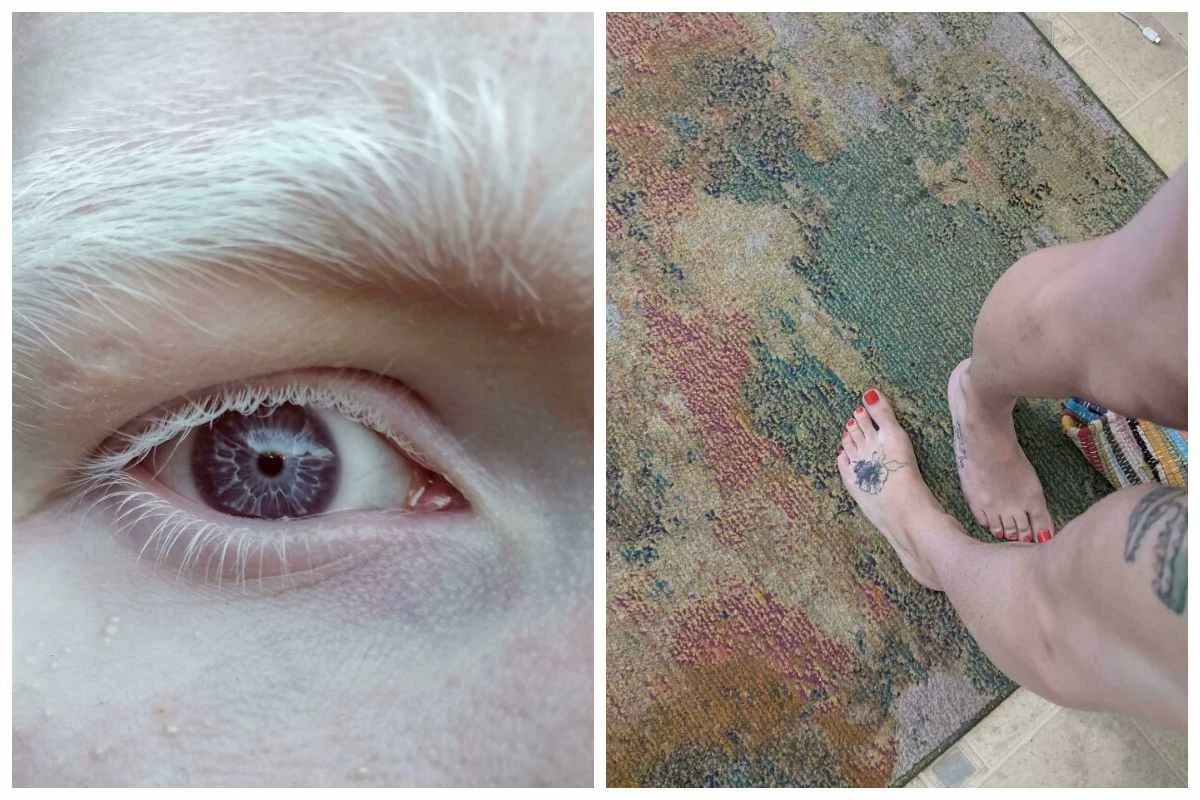
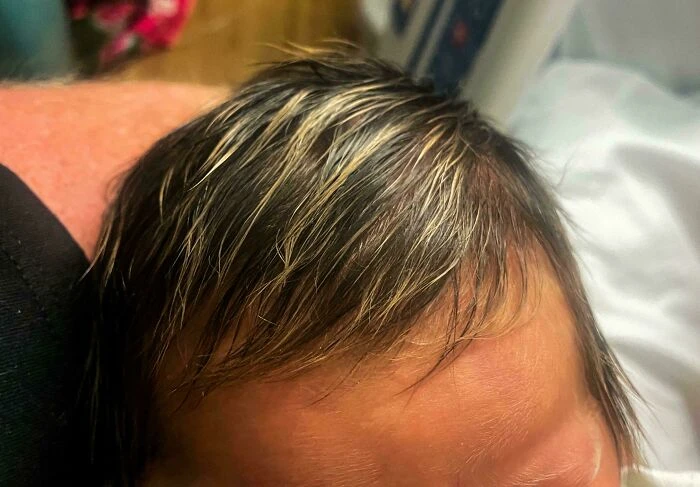
Blonde streaks in a newborn—a localized congenital melanin deficiency unrelated to albinism. 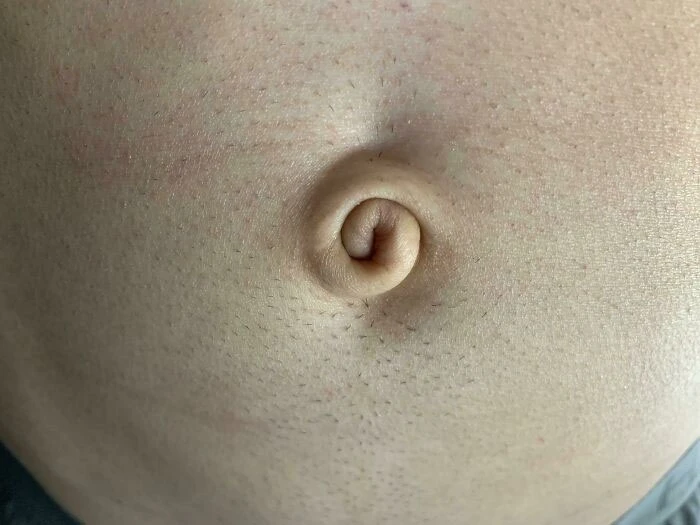
A spiral-shaped inverted belly button—one of the rarest anatomical variations of the navel. 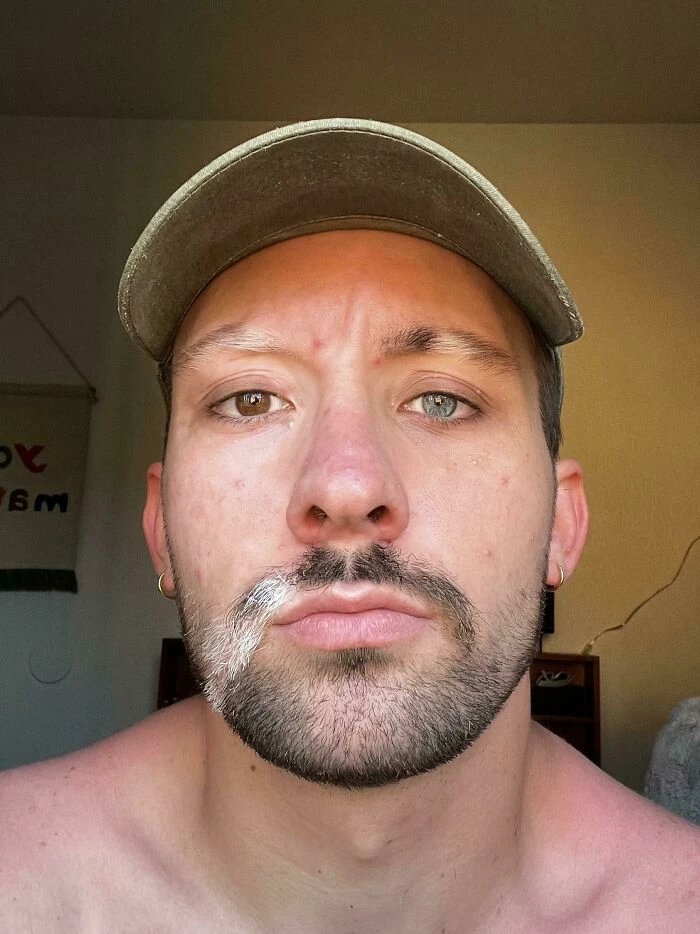
A combination of vitiligo and heterochromia—two independent pigmentation conditions—is extremely rare. 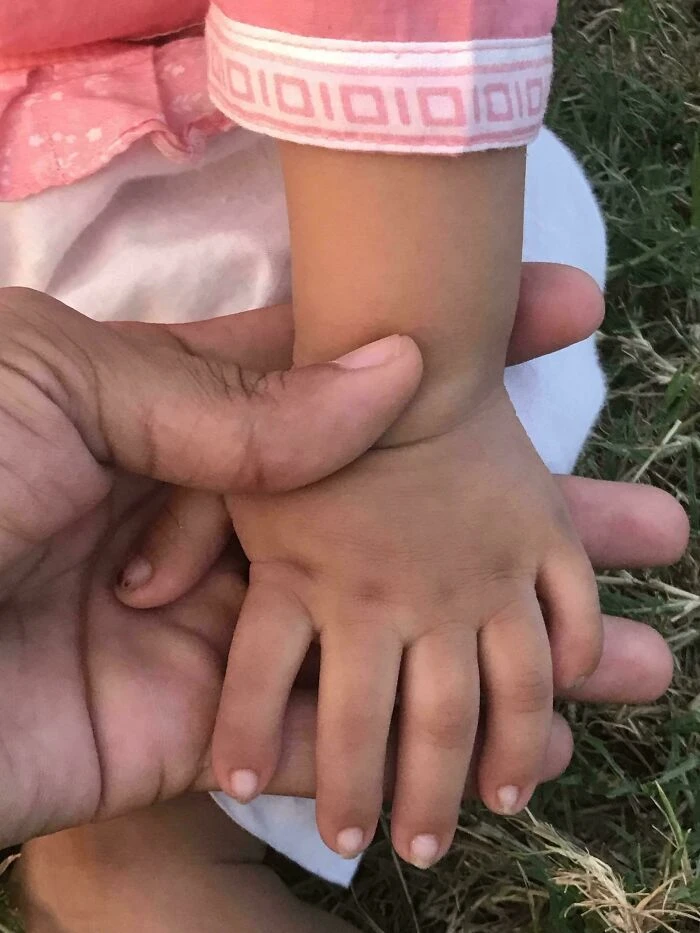
Polydactyly—having a sixth finger on both hands—is inherited in an autosomal dominant pattern and occurs in roughly 1 in 700 to 1,000 newborns. 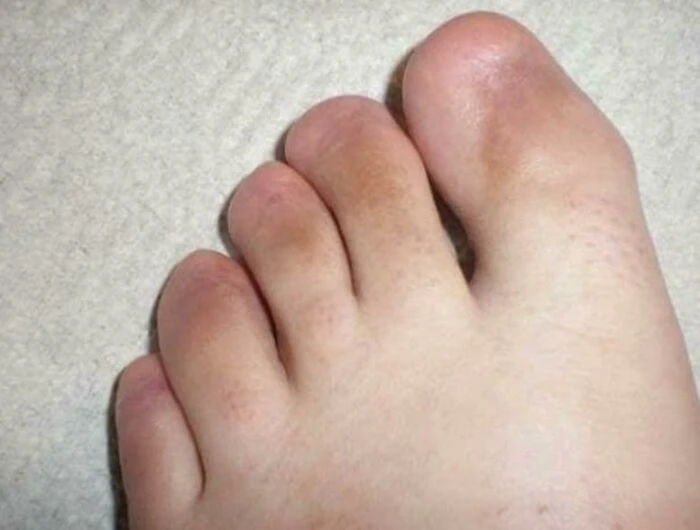
Nail-less feet: complete congenital absence of toenails (anonychia) is a rare genetic variation. 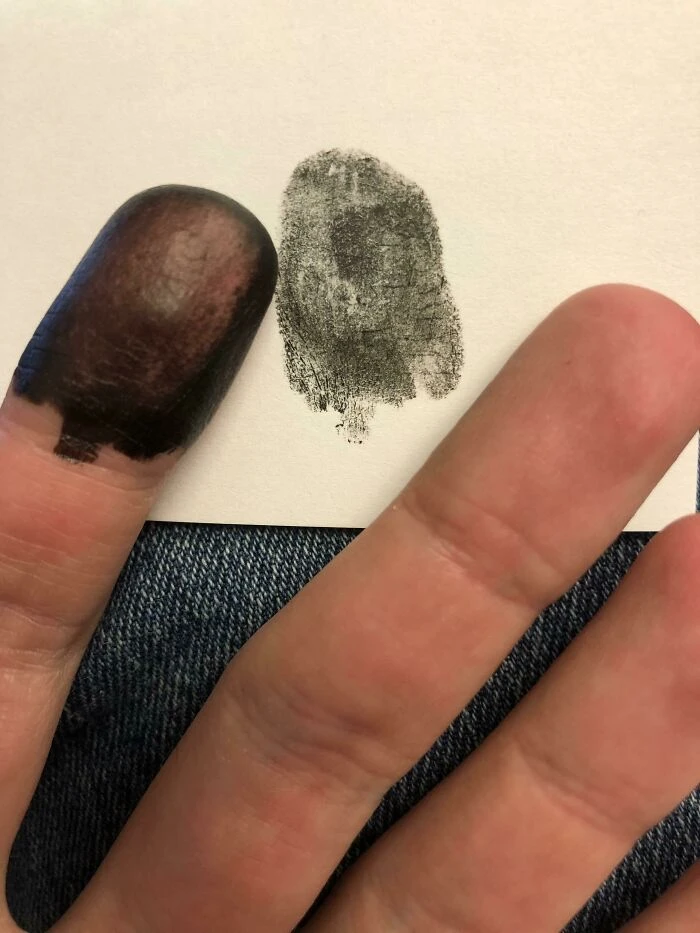
A person without fingerprints—adermatoglyphia is an exceedingly rare condition where the skin on the fingers is completely smooth. 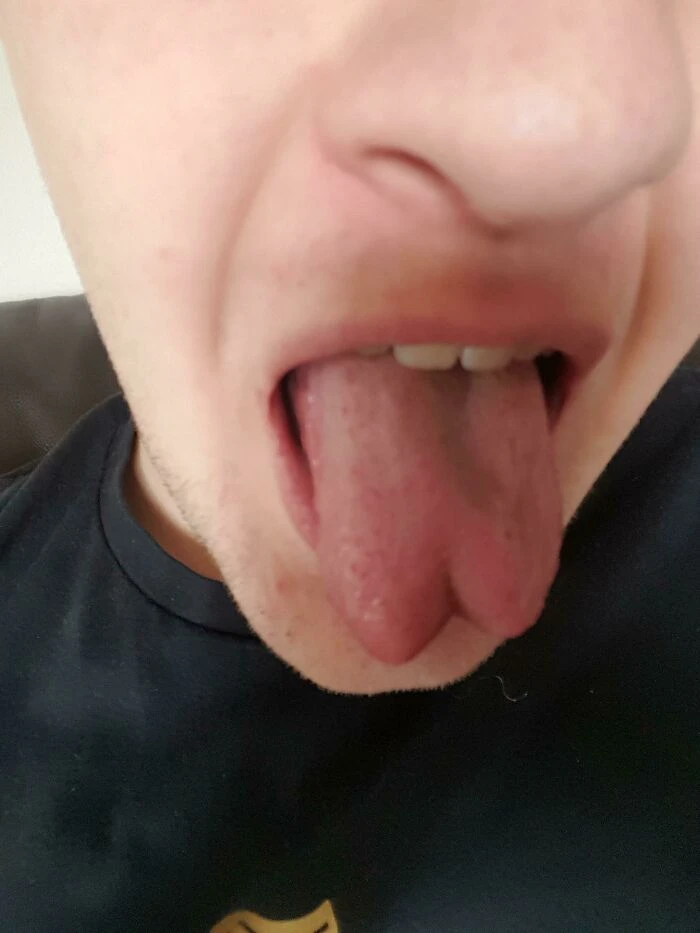
A split tongue tip—a congenital anomaly caused by incomplete tissue fusion during embryonic development. 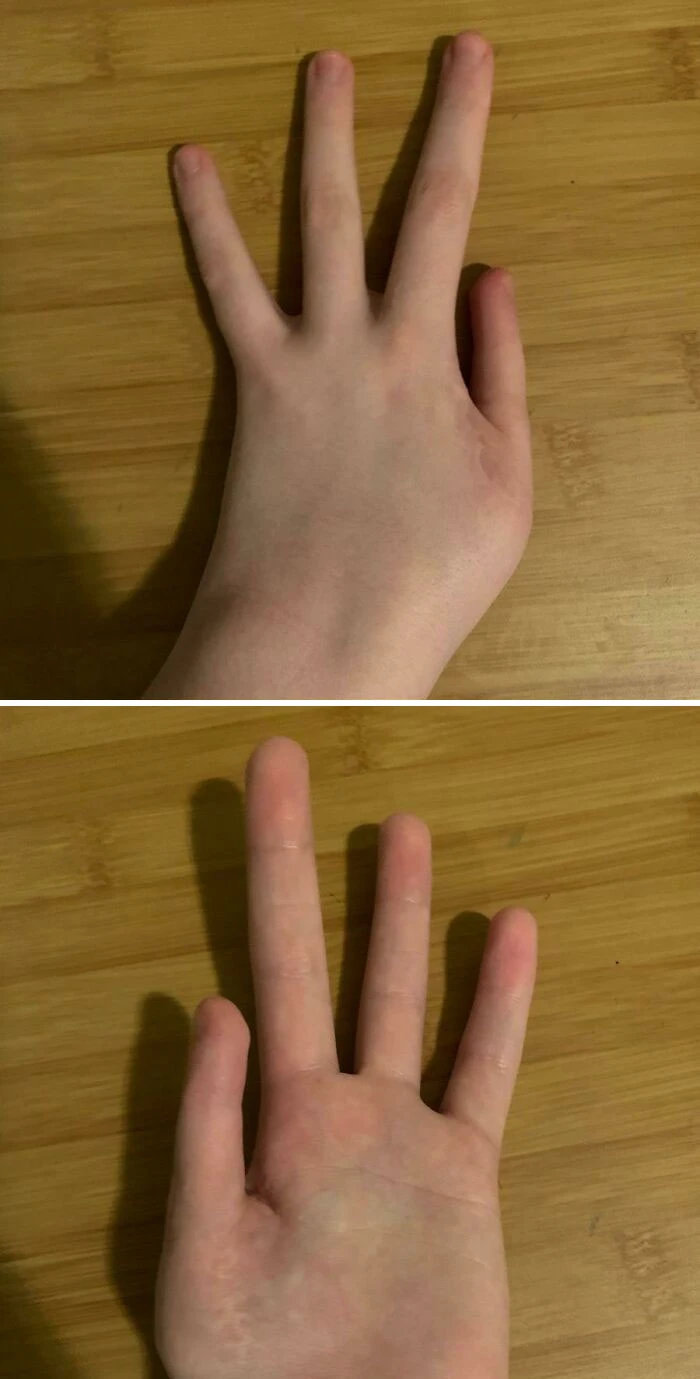
A four-fingered hand: one finger failed to form separately, merging its tissue into the thumb. 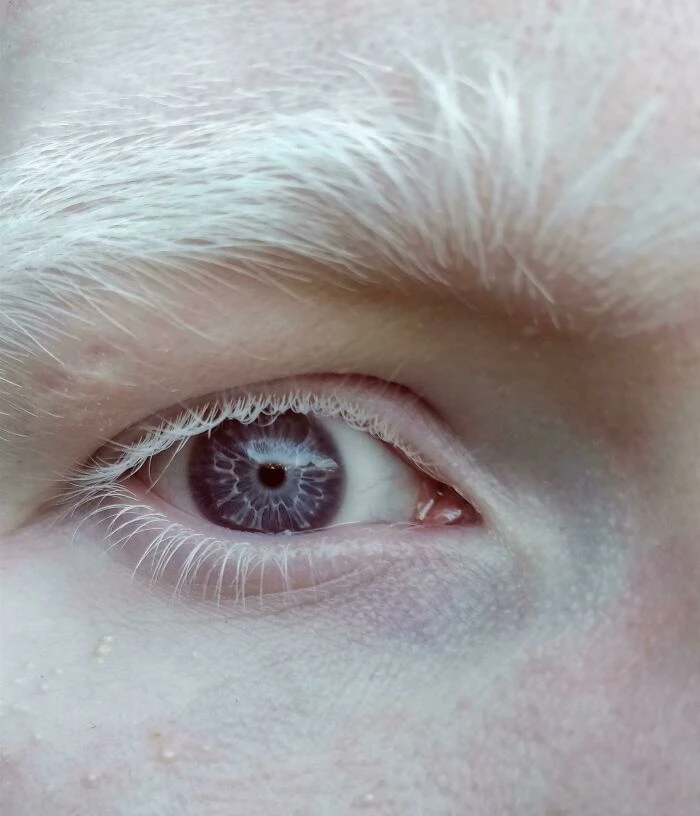
Violet eyes—an extraordinarily rare iris shade resulting from a unique combination of pigmentation and light scattering. 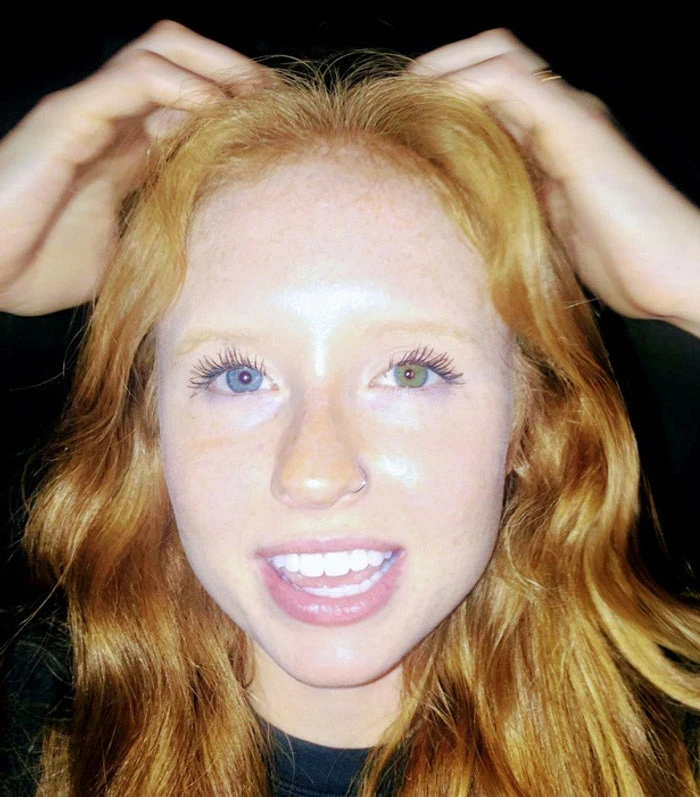
Red hair paired with heterochromia—the result of multiple rare genetic variations manifesting in a single person at the same time. 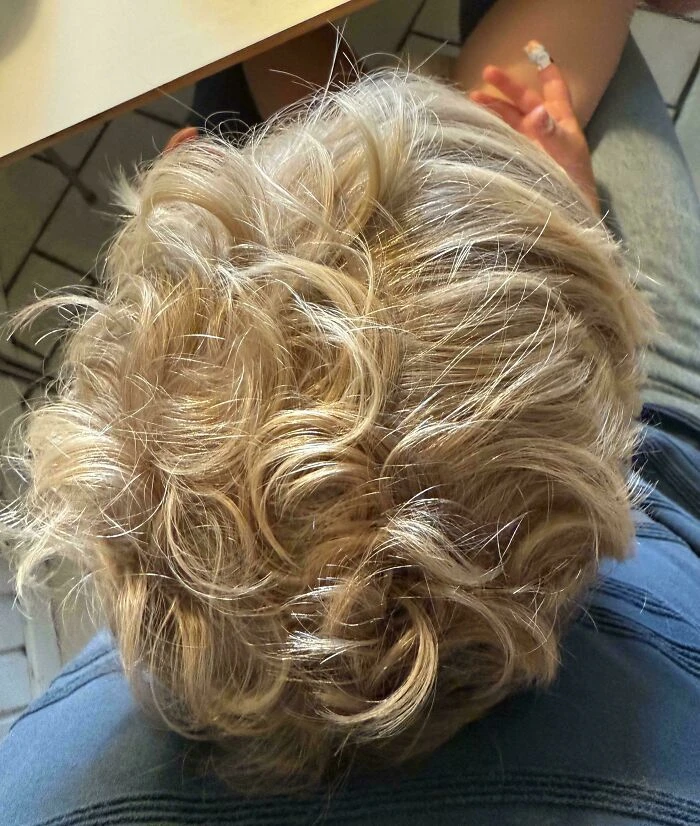
Hair neatly split between straight and curly—an unusual manifestation of mosaicism in hair follicle structure. 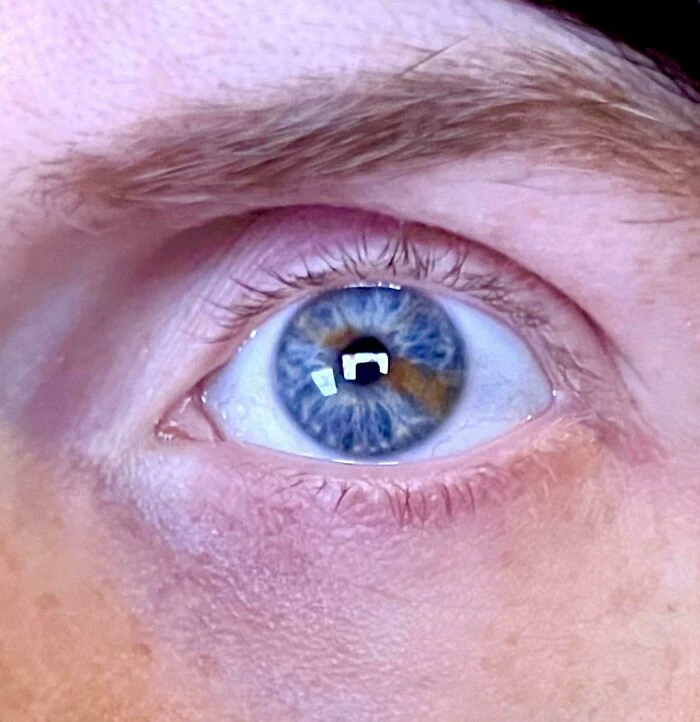
Sectoral heterochromia: part of the iris is a different color due to an uneven distribution of melanin during eye development. 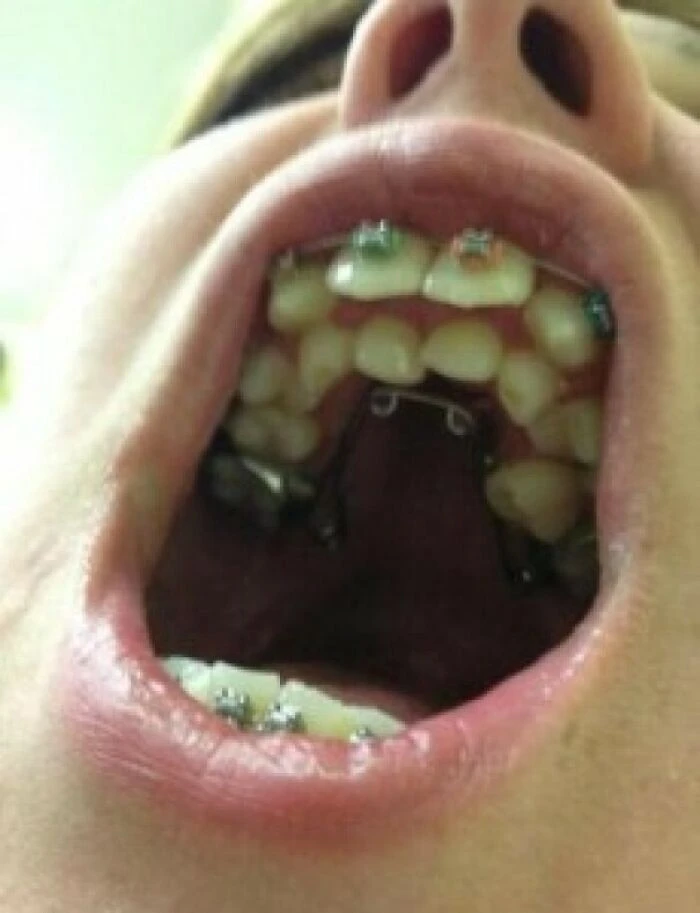
Hyperdontia—the presence of extra teeth beyond the usual 32. It affects about 1–4% of the population and most commonly involves the upper jaw. 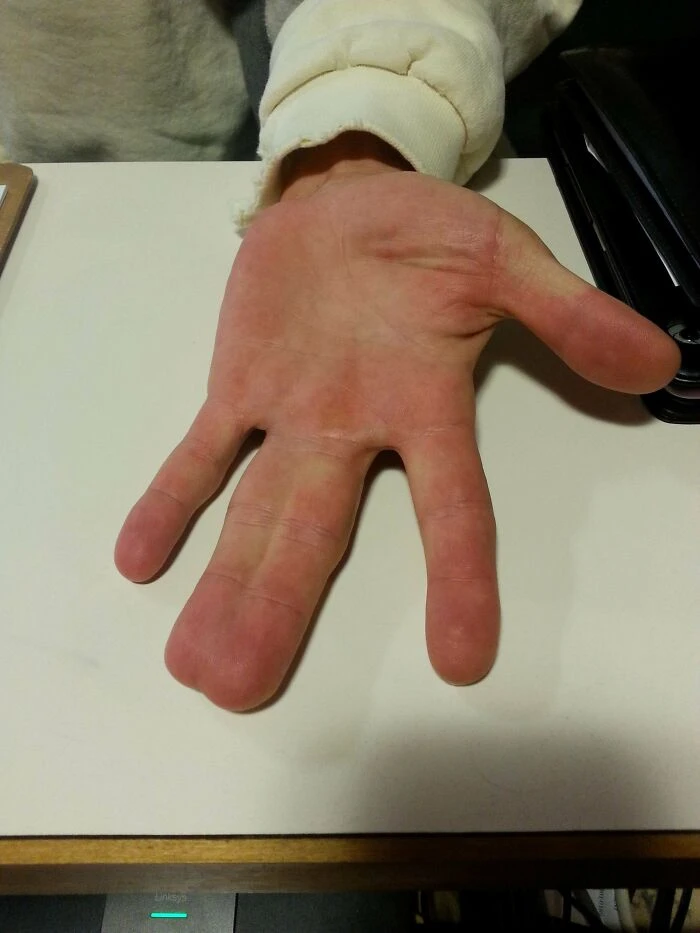
A four-fingered hand where the middle and ring fingers are fused—this is syndactyly, one of the most common congenital hand anomalies. 
Stubble growing on only one cheek—asymmetrical facial hair growth caused by uneven follicle activity. 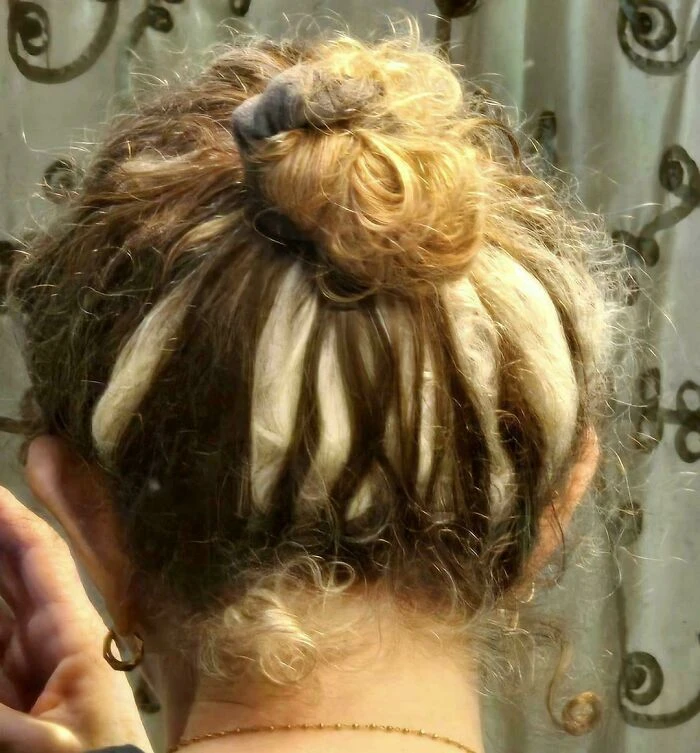
White locks caused by vitiligo completely lack melanin: the pigment cells in these follicles were destroyed by the immune system. 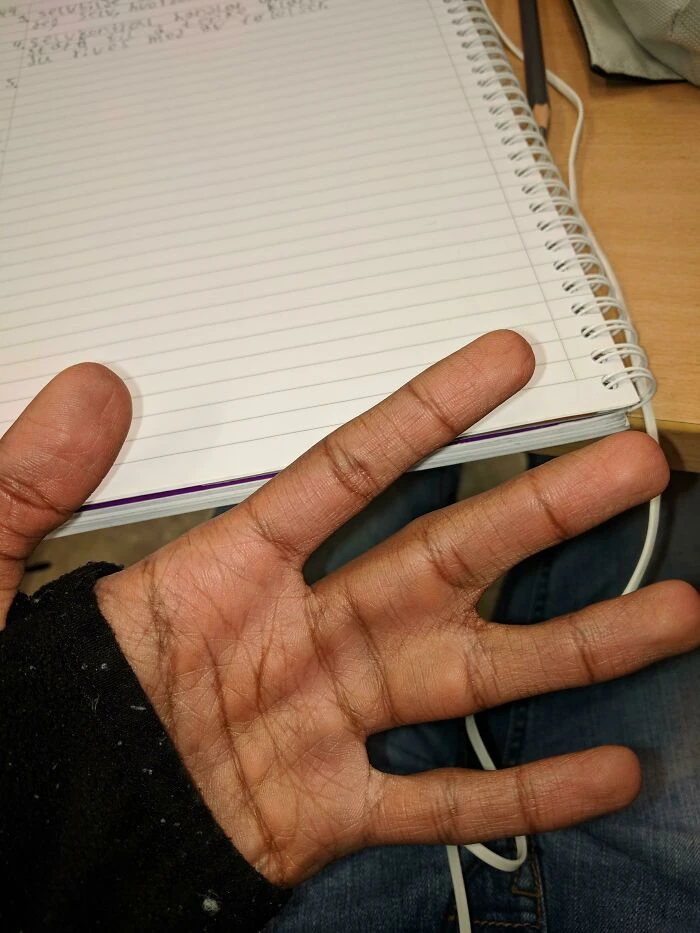
Syndactyly of the middle and ring fingers—partial or total fusion of two digits, occurring in about 1 in 2,000 to 3,000 newborns. 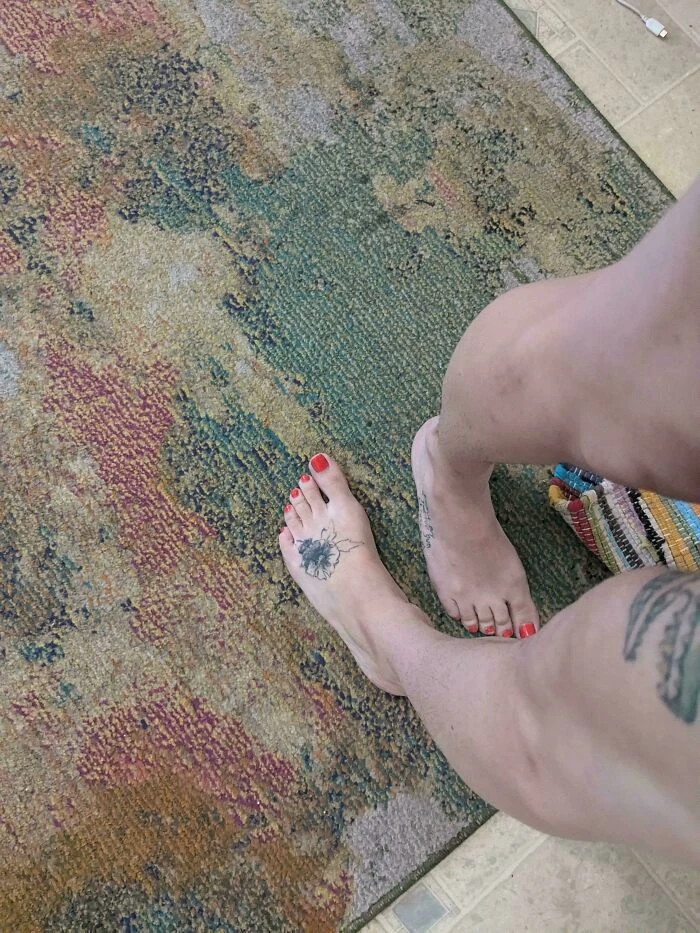
Joint hypermobility that allows a leg to turn 180 degrees—an extreme manifestation of congenital ligamentous hypermobility. 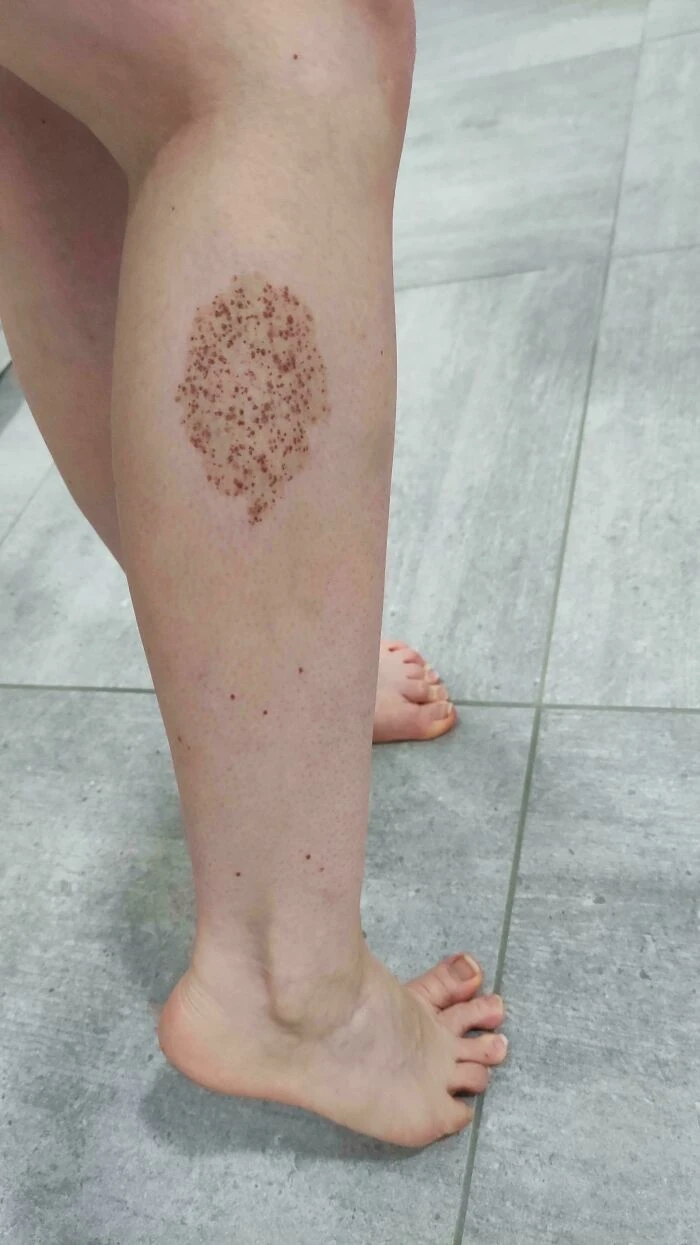
Nevus spilus—a speckled birthmark featuring darker spots within it. Found in 1–2% of people, it is a completely benign lesion. 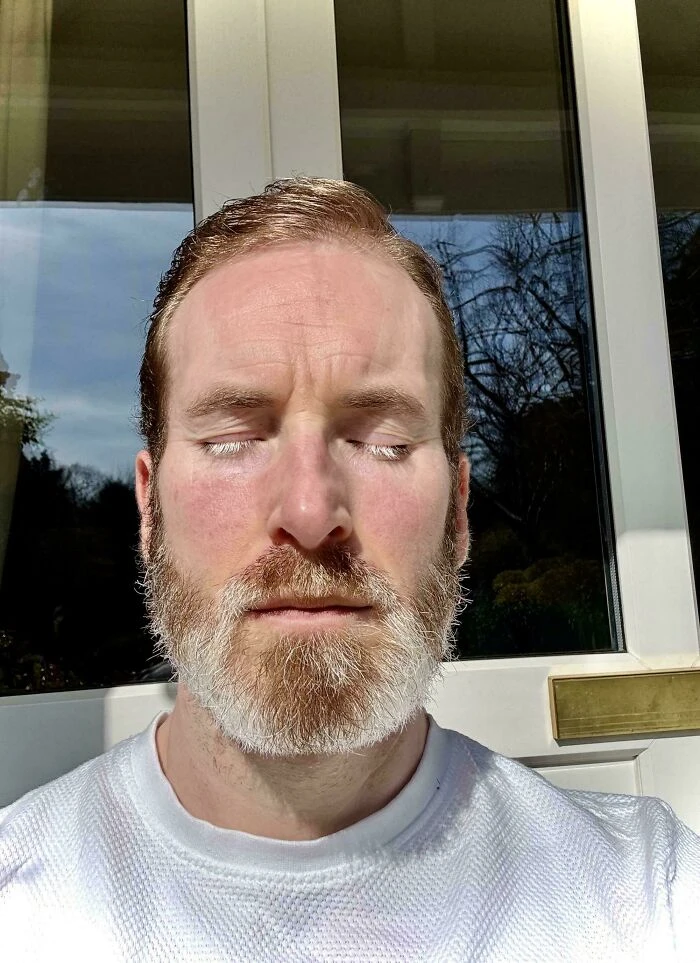
Vitiligo depigmented the eyelashes and beard: melanocytes in these areas have completely lost the ability to produce pigment. 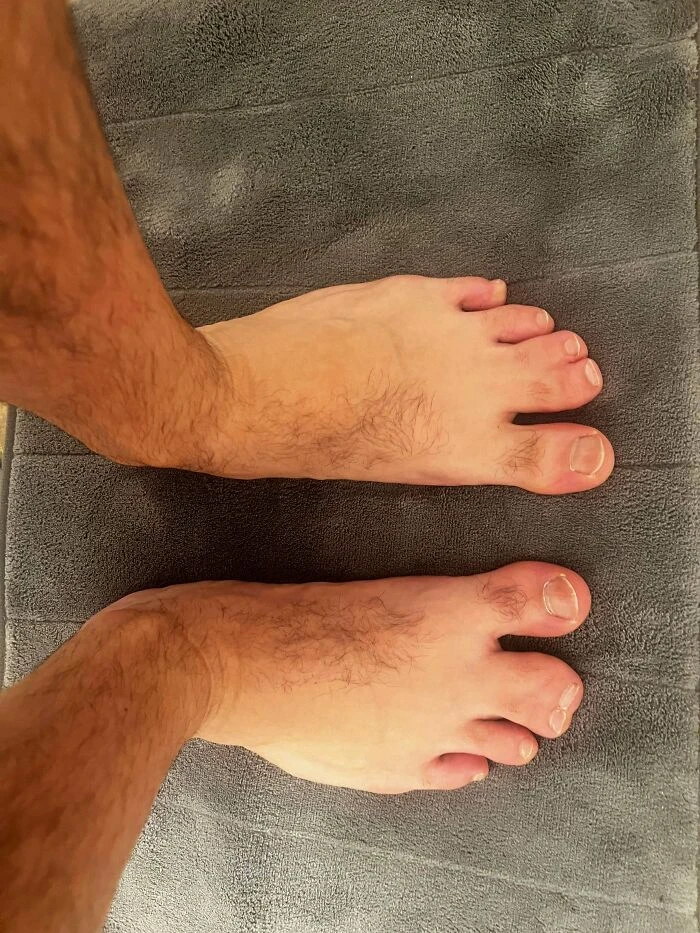
Webbed toes (foot syndactyly)—a common form of digital fusion that many people keep hidden their entire lives. 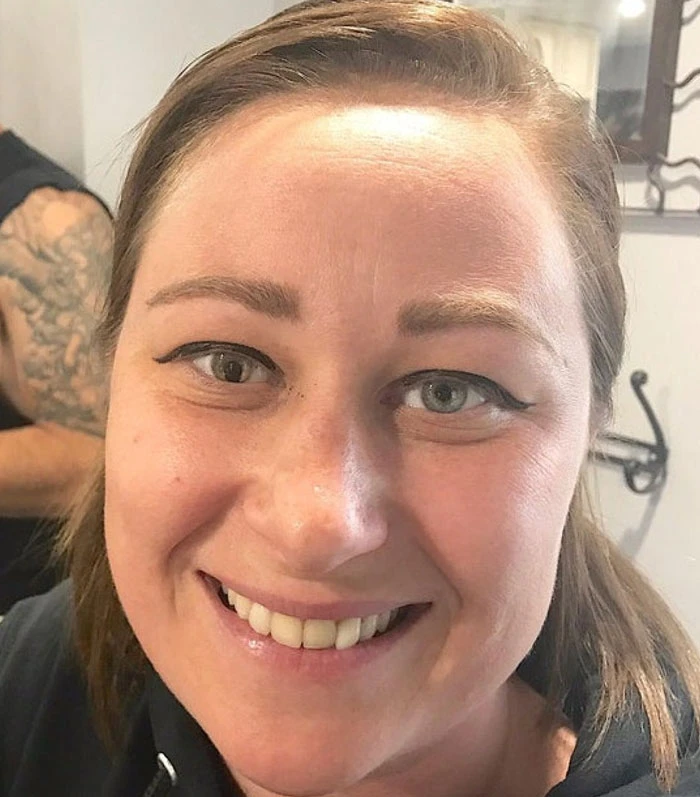
Two iris colors and a cat-eye pupil—a combination of heterochromia and iris coloboma, an exceptionally rare ocular condition.