Decades of Sticking to Their Guns: What's the Secret Behind the Staying Power of These 15 Rock Legends? (16 Photos)
Explaining success in rock music is simple enough. Explaining longevity, however, is a much tougher nut to crack.
Every new musical movement vows to destroy whatever came before it. Punk rock despised stadium anthems. Synth-pop challenged the supremacy of guitar riffs. Grunge made technical virtuosity uncool. Time and again, yesterday's rock heroes were written off as relics of a bygone era. 
Yet a select few artists flatly refused to fade away. Some radically reinvented themselves; others stubbornly stood their ground; still others built die-hard fanbases that couldn't care less about passing trends. Their paths differed, but they all solved the ultimate puzzle: how to survive when the music industry decides your time is up?
Here is a breakdown of the survival strategies of 15 rock legends.
1. AC/DC
Strategy: Change absolutely nothing
Few acts have ignored musical trends as completely as AC/DC. When punk exploded, they kept blasting hard rock. When synth-pop arrived, they turned a blind eye to synthesizers. Glam metal, grunge, nu-metal, and indie passed right by them without leaving a mark. Even the tragic death of frontman Bon Scott in 1980 couldn't throw them off course. 
Rather than evolving, AC/DC perfected their trademark formula. Malcolm Young’s rock-solid rhythm guitar, Angus Young’s wild blues solos, and songs built on foolproof riffs proved to be timeless.
What initially looked like pure stubbornness became their greatest strength. Every new generation discovers AC/DC, and they deliver precisely what listeners expect.
2. David Bowie
Strategy: Be the first to arrive at every new frontier
David Bowie rarely waited for the musical landscape to shift—he evolved with it, and more often than not, led the way. Glam, soul, Berlin-era electronics, New Romanticism, industrial rock—he arrived at every destination a moment before it hit the mainstream. 
Rather than riding a successful formula, Bowie treated his career as a perpetual experiment. He shed personas almost as quickly as the public got used to them. Not every incarnation was a commercial hit, but that missed the point. By refusing to be predictable, Bowie achieved the impossible: every generation discovered its own Bowie, and he always sounded ahead of his time.
3. The Cure
Strategy: Build an entire world, not just a sound
Unlike many of their peers, The Cure survived because they created an identity that transcended any single musical style. 
Robert Smith’s distinct voice, signature look, and lyrical worldview formed the core of a self-contained universe. Fans instantly recognized them whether the band was delivering bleak epics (like Faith and Pornography), shimmering pop hits ('Just Like Heaven'), or atmospheric masterpieces (Disintegration).
Trends came and went, but The Cure always sounded unmistakably like The Cure.
4. Genesis
Strategy: Read the room and adapt
Genesis could easily have become another casualty of punk rock. Instead, they recognized that the rules of the game had changed. 
The intricate progressive suites and fantastical lyrics of their early '70s albums gradually gave way to tighter, more direct songcraft. Meanwhile, drummer-turned-frontman Phil Collins emerged as one of the defining voices of '80s pop.
Music purists still argue over whether this was a betrayal of prog-rock ideals or a stroke of evolutionary genius. From a commercial standpoint, however, the verdict is clear: Genesis became a stadium-filling titan long after the prog peak had passed.
5. Aerosmith
Strategy: Survive yourselves first
By the late 1970s, Aerosmith looked like a lost cause. Severe substance abuse, fractured relationships, and plummeting record sales brought America’s greatest rock band to the brink of collapse, culminating in guitarist Joe Perry’s exit in 1979. 
Yet rehab, Perry’s return in 1984, and frontman Steven Tyler’s relentless drive earned them a second lease on life. Then came MTV. A legendary cross-genre hit with hip-hop icons Run-DMC and a string of slickly produced albums introduced Aerosmith to a whole new audience. They became one of the rare rock bands to experience two distinct eras of megastardom.
6. Fleetwood Mac
Strategy: Master the art of constant reinvention
Most successful bands dread lineup changes, but Fleetwood Mac practically thrived on them.
In the late '60s, they were a gritty British blues outfit fronted by guitarist Peter Green. By the early '70s, following Green’s departure, they shifted toward a polished, radio-friendly sound. 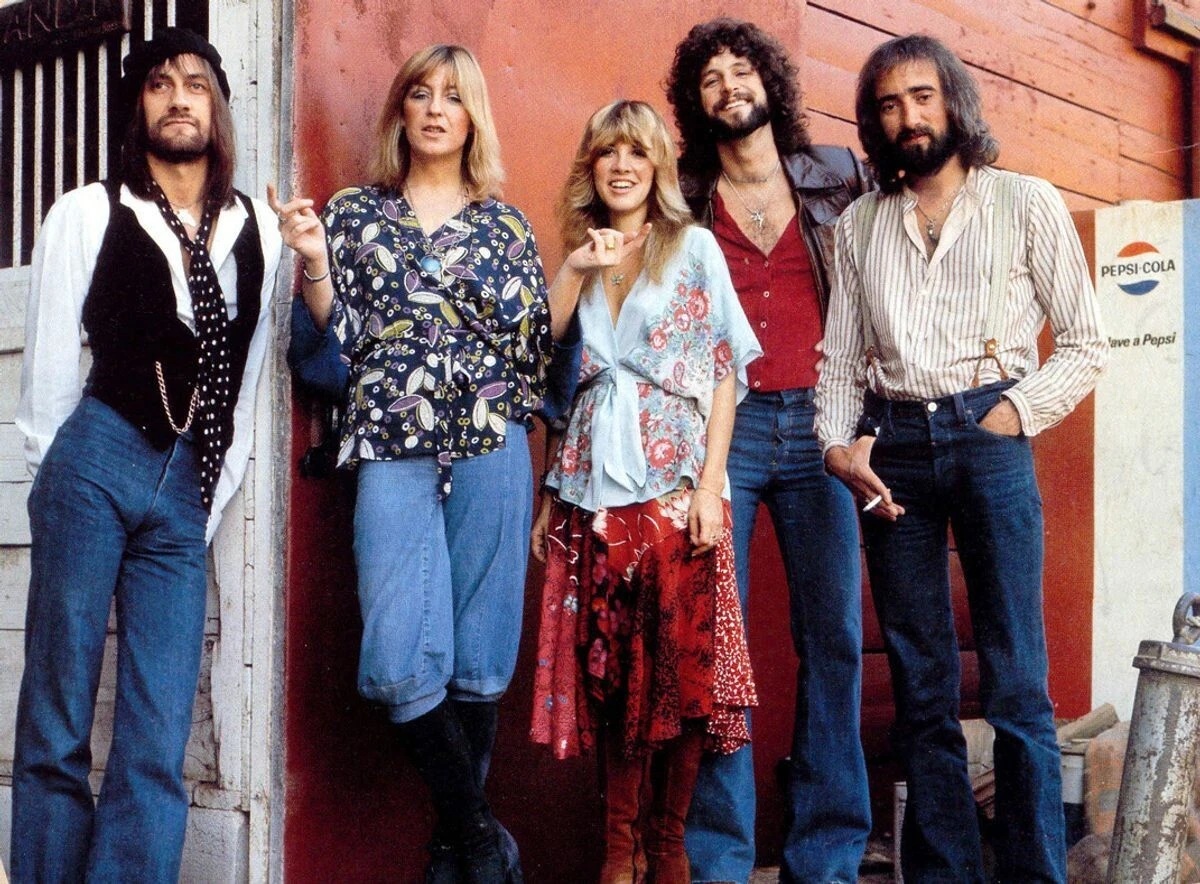
The ultimate transformation came in 1975 with the addition of Lindsey Buckingham and Stevie Nicks. The band completely reinvented itself as a California soft-rock powerhouse. Albums like Fleetwood Mac and Rumours channeled intra-band heartbreak into flawless pop-rock, elevating them into the biggest band on the planet.
Where other groups fractured when losing key members, Fleetwood Mac used turnover to launch themselves to even greater heights.
7. The Rolling Stones
Strategy: Become bigger than music trends themselves
By the early 1970s, The Rolling Stones had already weathered the British Invasion, psychedelia, and the tragic loss of guitarist Brian Jones. Next came glam, punk, new wave, grunge, and Britpop—each wave promising to sweep aside the old guard. 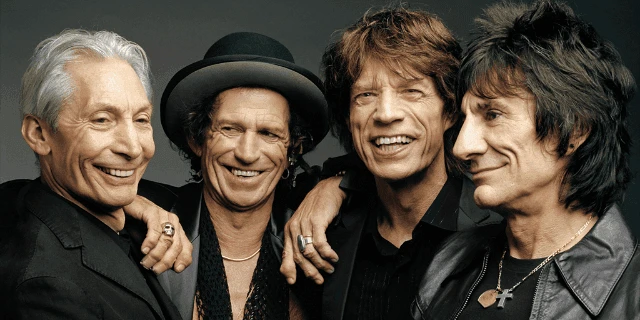
Remarkably, the Stones simply stopped competing with younger acts. Instead of chasing trends, they elevated themselves into a permanent cultural institution. Audiences no longer expected them to sound contemporary—they expected them to sound like the Rolling Stones. That remains their greatest achievement: becoming rock’s eternal gold standard.
8. Rush
Strategy: Evolve without losing your core identity
Canadian trio Rush was an easy target for punk-era critics. Their sprawling compositions, sci-fi lyrics, and staggering technical virtuosity embodied everything the new generation rejected. 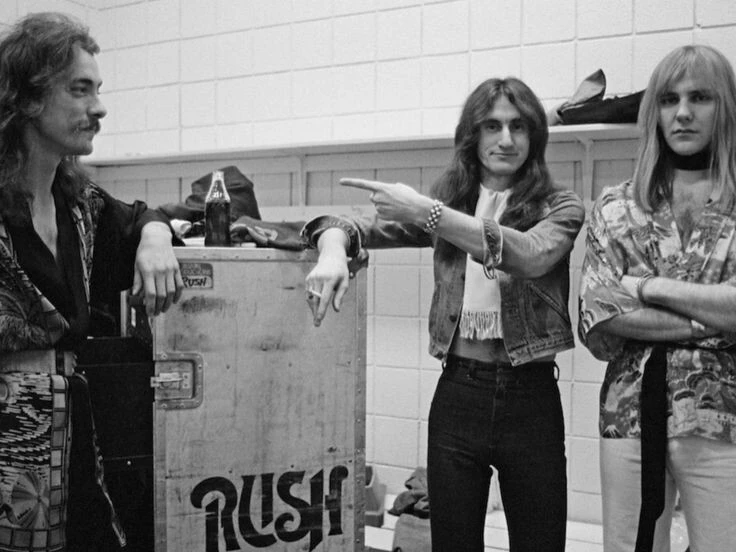
Rather than digging in their heels, Rush quietly adapted. Massive suites gave way to tighter song structures, while bassist Geddy Lee embraced synthesizers throughout the 1980s. Yet they never compromised their intellectual rigor or musical precision. When trends swung back toward heavy guitars, Rush evolved right along with them.
9. Queen
Strategy: Make unpredictability your trademark
Queen was impossible to box in. A single album could effortlessly blend hard rock, vaudeville, music hall, opera, and funk, while their next release might feature disco grooves or synth-pop. Somehow, Freddie Mercury and Brian May made these stylistic leaps feel entirely natural. 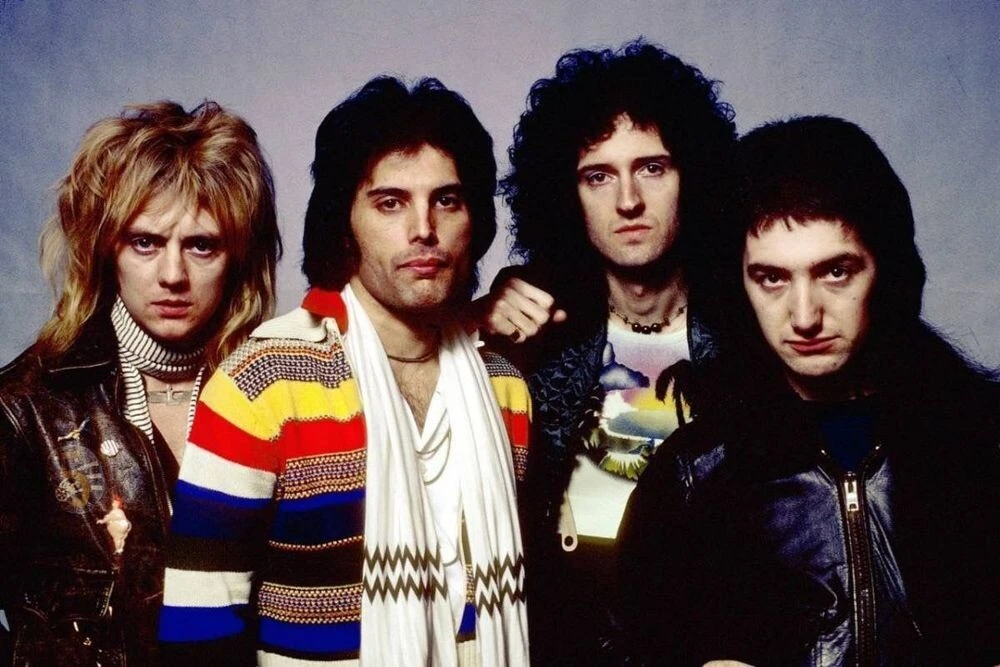
When punks dismissed them as bloated rock dinosaurs, Queen doubled down on ambition. Their refusal to respect genre boundaries ensured they would never be held hostage by a single trend.
10. Iron Maiden
Strategy: Build a loyal army and deliver what they crave
Iron Maiden largely bypassed mainstream radio and music industry machinery, focusing instead on cultivating one of the most fiercely loyal fanbases in rock history. 
They never chased radio hits or trendy producers. Instead, they doubled down on galloping guitar riffs, historical sagas, elaborate artwork featuring mascot Eddie, and theatrical live shows. Even in the 1990s, when grunge sidelined heavy metal, Maiden continued filling arenas across the globe.
11. Motörhead
Strategy: Become synonymous with rock 'n' roll itself
Lemmy Kilmister always insisted on one simple truth: Motörhead played rock 'n' roll.
Regardless of how critics categorized them, the band's core formula remained unchanged for four decades. Every record delivered distorted bass, thundering drums, razor-sharp riffs, and Lemmy’s gravelly roar. 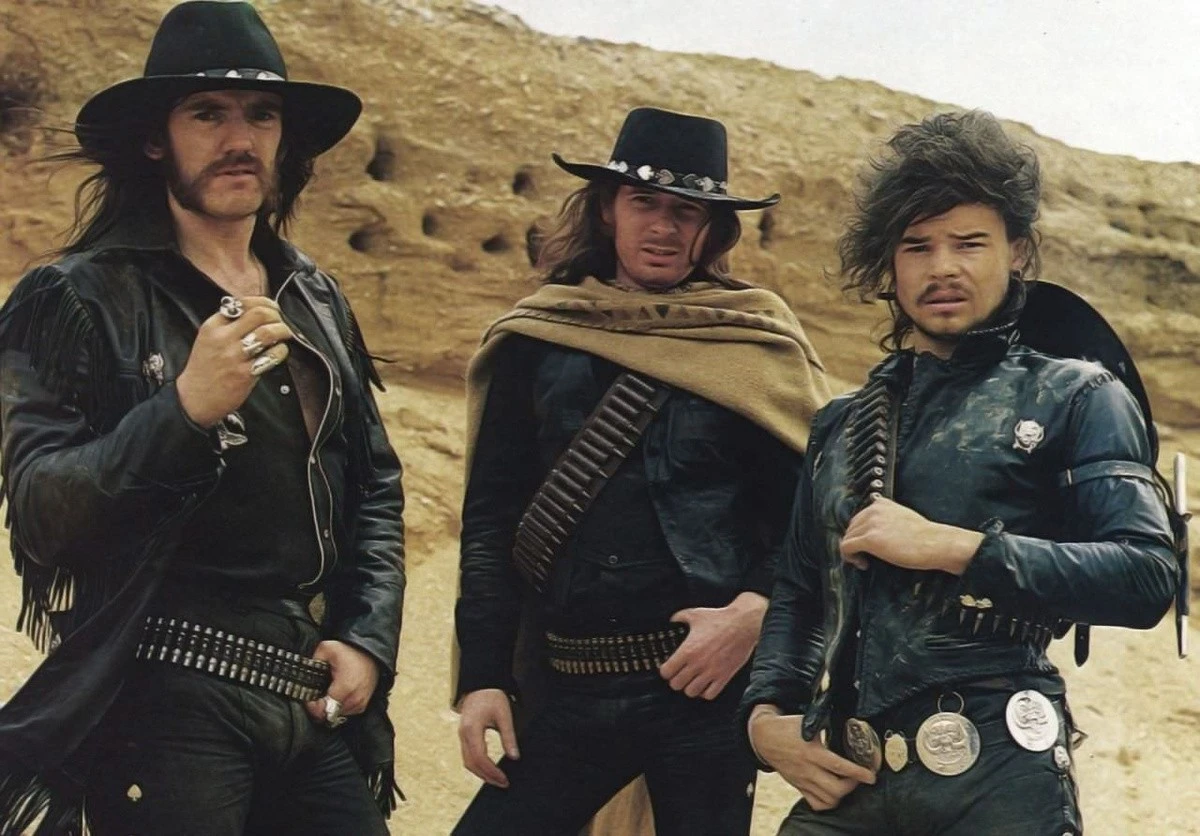
While countless bands scrambled to chase trends, Motörhead remained an unshakeable constant. That uncompromising authenticity earned them equal respect from punks, metalheads, and indie rockers alike.
12. Tom Petty & the Heartbreakers
Strategy: Pay zero attention to fashion
Tom Petty seemed completely immune to passing musical fads. As punk exploded, MTV reshaped pop culture, and grunge disrupted rock, Petty kept crafting flawlessly built songs rooted in classic American rock 'n' roll and folk. 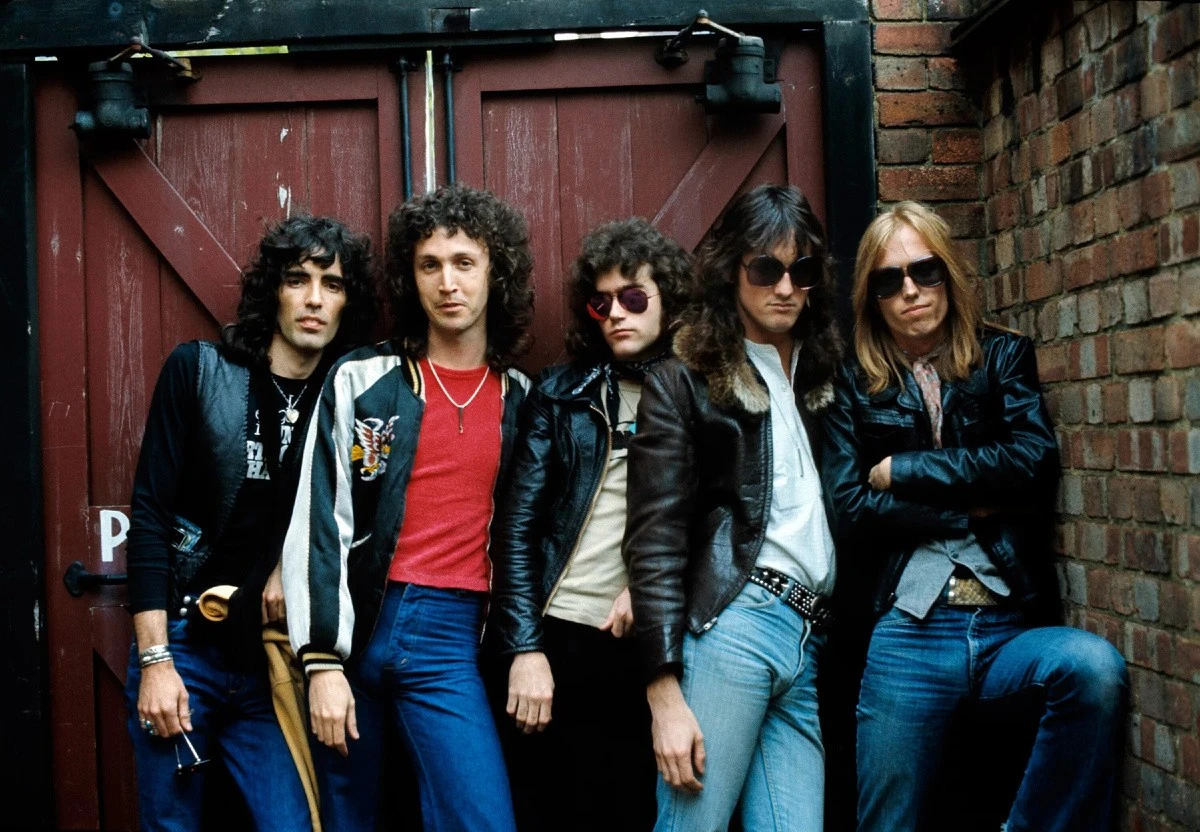
No dramatic shifts in direction—his strength lay in pure consistency. Sometimes the ultimate response to shifting trends is simply writing better songs than everyone else.
13. Tool
Strategy: Turn scarcity into your ultimate weapon
While most bands live in constant fear of fading into obscurity, Tool built a career by deliberately stepping out of the spotlight. Up to 13 years passed between their multi-platinum albums! They stubbornly kept their discography off streaming platforms until 2019 and rarely granted interviews. 
In almost any other industry, that would be commercial suicide. For Tool, it was a masterstroke. By creating an information vacuum, they fueled fan obsession with their existing catalog. When Tool finally returns with a new album or tour, it feels less like a standard product launch and more like a monumental cultural event.
14. ZZ Top
Strategy: Nail a signature visual identity
By the time MTV launched, ZZ Top had already been playing together for over a decade. Rather than abandoning their Texas blues-rock roots, they wrapped them in pulsating synths, sleek music videos, and an iconic visual aesthetic. 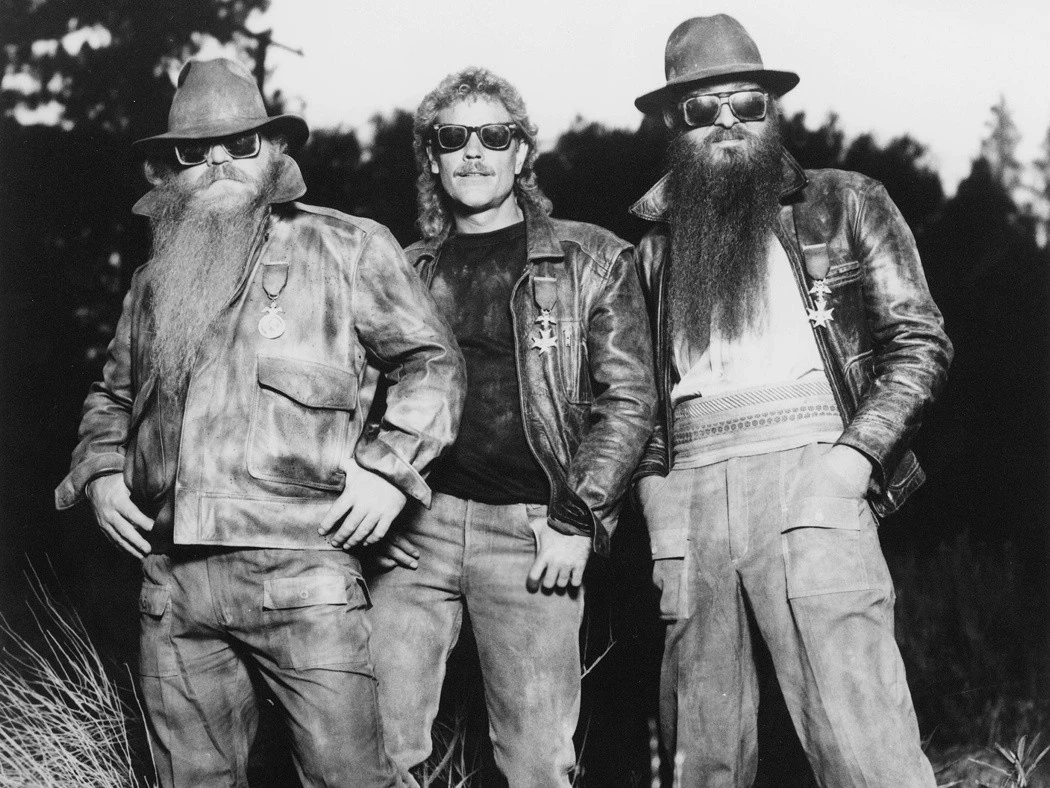
Matching waist-length beards, custom hot rods, and deadpan humor became just as legendary as their music. Their genius wasn't in changing who they were, but in packaging their identity perfectly for a new generation of video viewers.
15. Judas Priest
Strategy: Become the definitive benchmark
Rather than chasing mainstream validation, Judas Priest helped define the very essence of heavy metal. 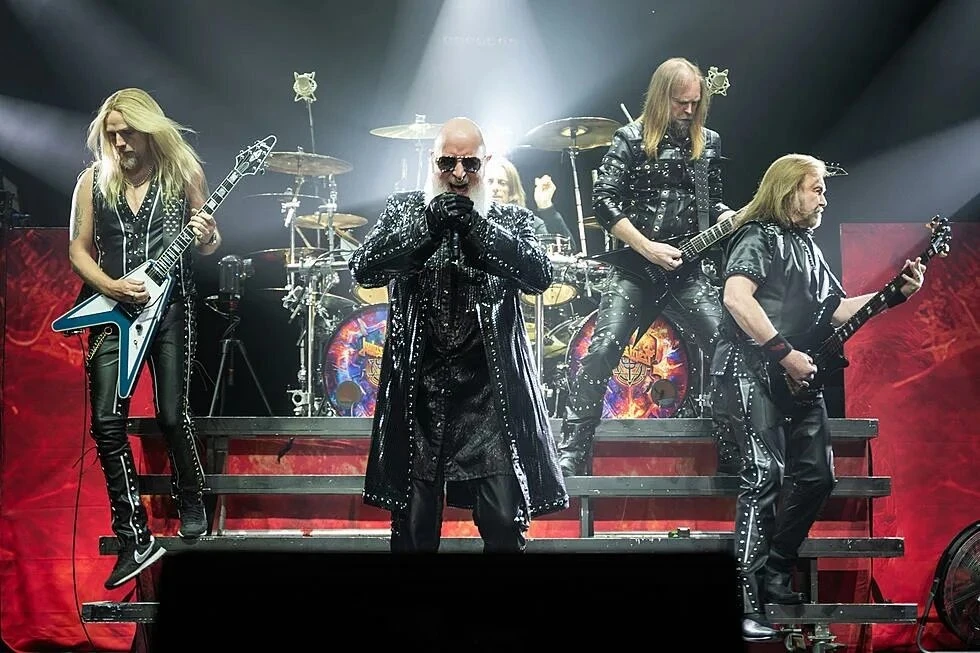
Leather and studs, a twin-guitar assault, and Rob Halford’s soaring operatic vocals set the blueprint for the genre. Surviving disco, new wave, grunge, and Britpop, the band remained uncompromisingly heavy. After all, since Judas Priest wrote the rules, they never had to follow anyone else's. Sometimes survival isn't about adapting—it's about becoming the standard by which everyone else is measured.