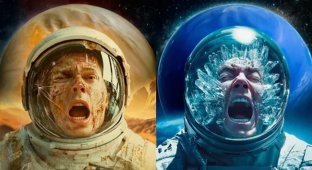
Grogu Included: The 8 Best Alien TV Shows in Television History (9 photos)
Humanity's fascination with aliens has long been driven as much by curiosity as by fear. In fact, TV shows about first contact and extraterrestrial civilizations have been around since the dawn of the medium. The range of approaches to the genre is staggering—spanning everything from a philosophical 1963 BBC series to an upcoming Alien prequel set on Earth for the very first time. According to Collider, these 8 series best capture just how varied on-screen aliens can be. Here is a look at what makes each show stand out and the behind-the-scenes stories that brought them to life. 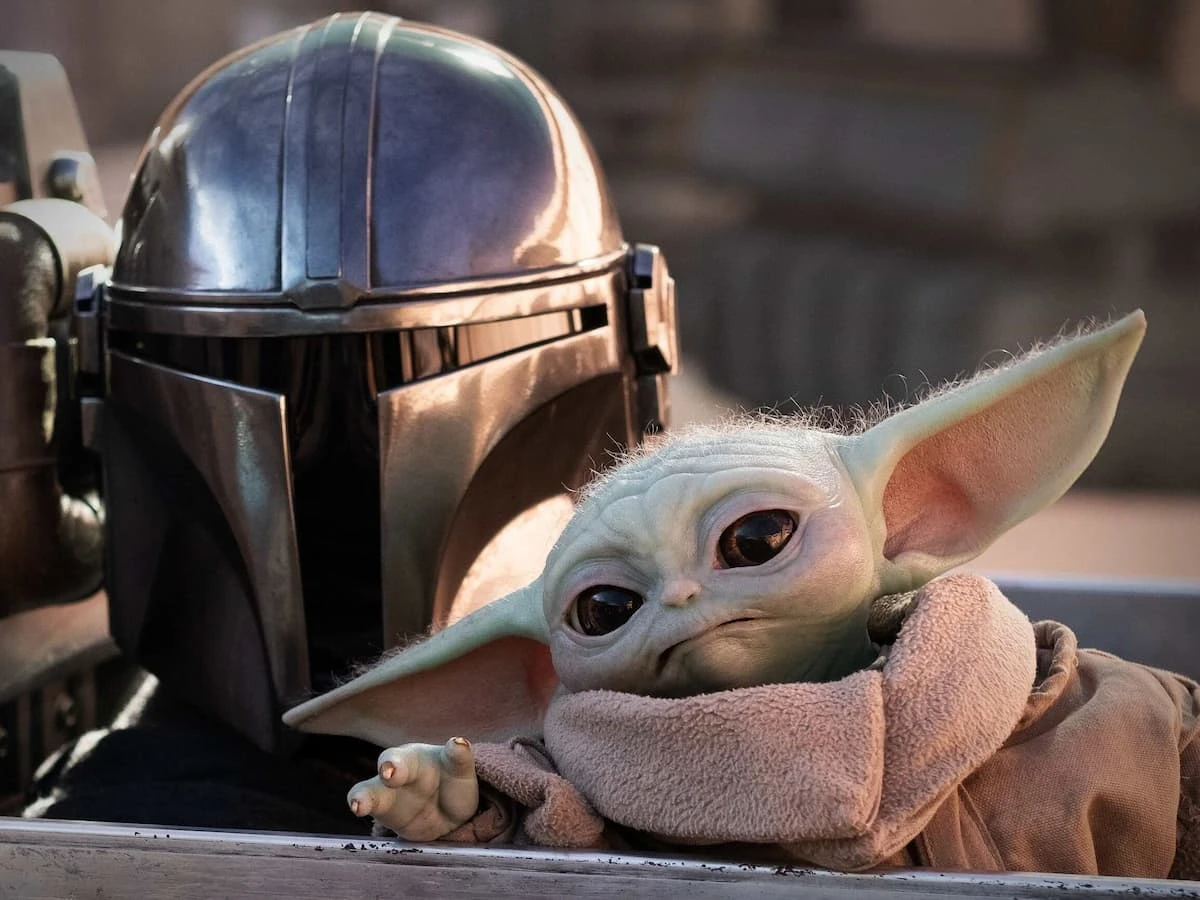
'Doctor Who': The Show That Outlasted Its Creators
The first episode aired on November 23, 1963—the day after President John F. Kennedy's assassination—and the premiere almost went completely unnoticed amidst the tragic breaking news. Created by Sydney Newman, the BBC's Head of Drama, the show centered on a time- and space-traveling alien known as the Doctor, intended to combine education with entertainment. 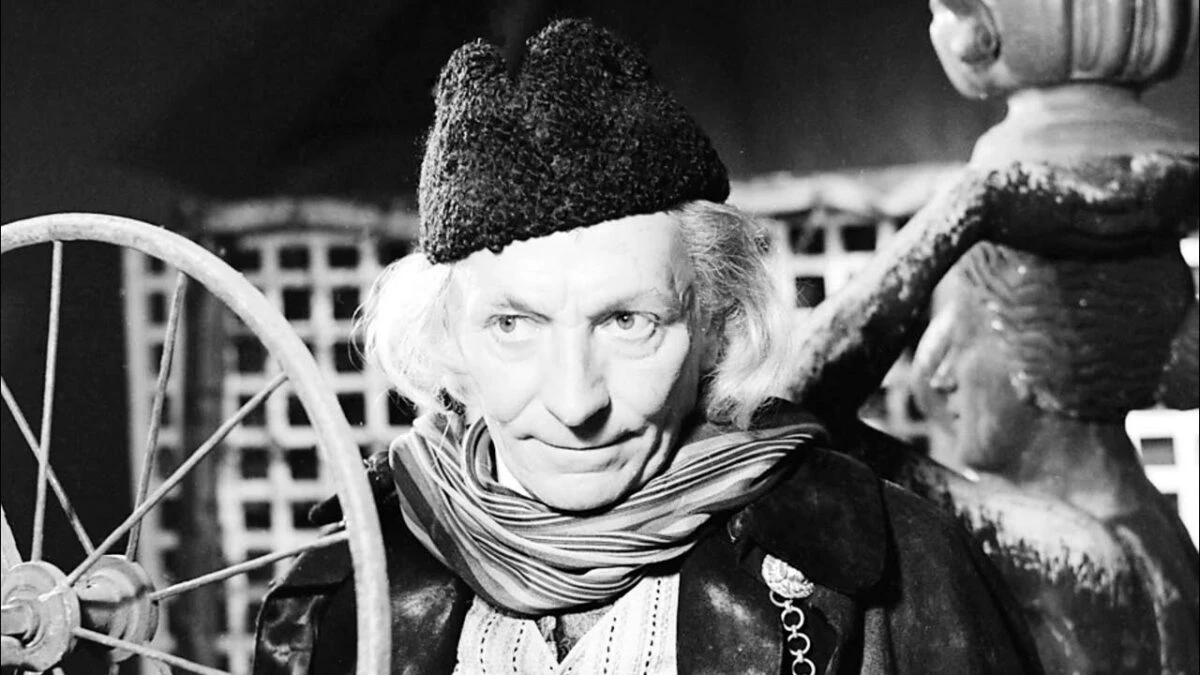
William Hartnell was the first actor to play the Doctor—a role that has since been passed down to over a dozen actors.
The show came close to cancellation after its first season, but viewers were captivated by the Daleks—mutant beings from the planet Skaro created by writer Terry Nation. Their explosive popularity saved the series. To handle replacing the lead actor, the writers turned recasting into a narrative device: upon death, the Doctor "regenerates," taking on a new body and personality. Thanks to this genius concept, Doctor Who has been running on and off for over 60 years, earning a Guinness World Record as the longest-running sci-fi show in television history.
'Star Trek: The Next Generation': How the Borg Became the Federation's Ultimate Nightmare
Premiering on September 28, 1987, and concluding on May 23, 1994, the series spanned 178 episodes over 7 seasons. Original Star Trek creator Gene Roddenberry developed the project, but passed away in 1991, leaving producer Rick Berman to helm the series to its conclusion. 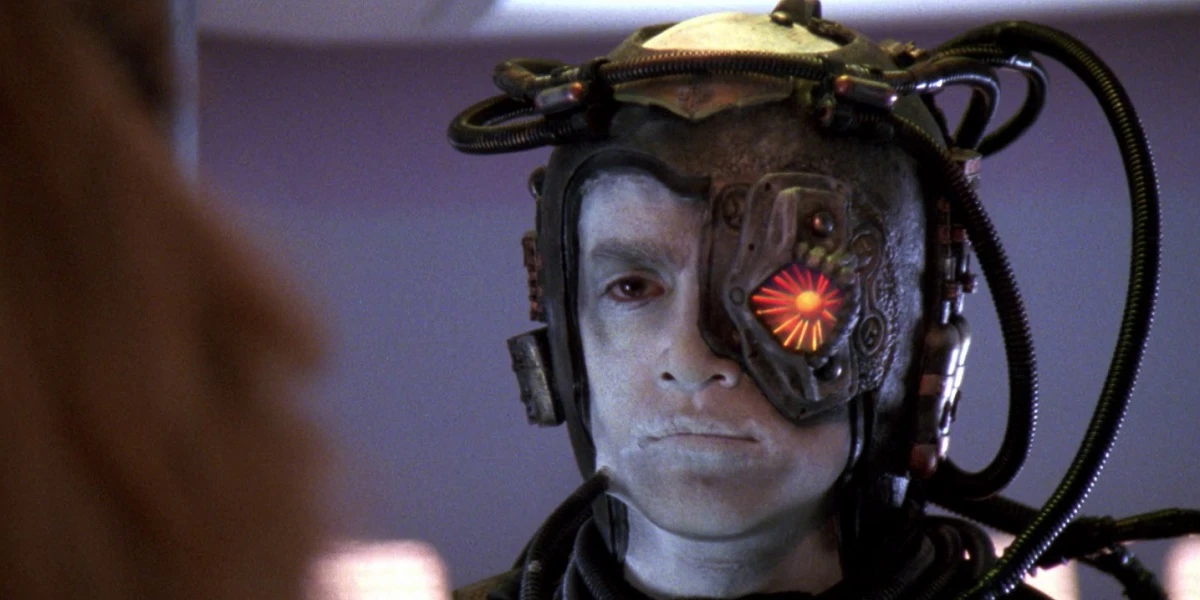
The Borg are cybernetically enhanced humanoids linked into a single collective mind.
Unlike the original 1966 series, where the Enterprise crew constantly discovered new alien species, The Next Generation leaned heavily into established galactic geopolitics. Its most iconic creation was the Borg—a terrifying species that assimilates entire worlds into its hive mind. The concept proved so popular that the Borg became central villains in Star Trek: Voyager. Viewers were equally captivated by Q, an omnipotent entity who tests humanity's potential out of sheer curiosity.
'The X-Files': 11 Seasons of Hunting for Proof of Alien Life
Created by Chris Carter, the series premiered on September 10, 1993, and concluded its 11th season in 2018. Carter flipped traditional tropes of the era by making the male FBI agent the believer in the paranormal and aliens, while his female partner served as the hardened skeptic. 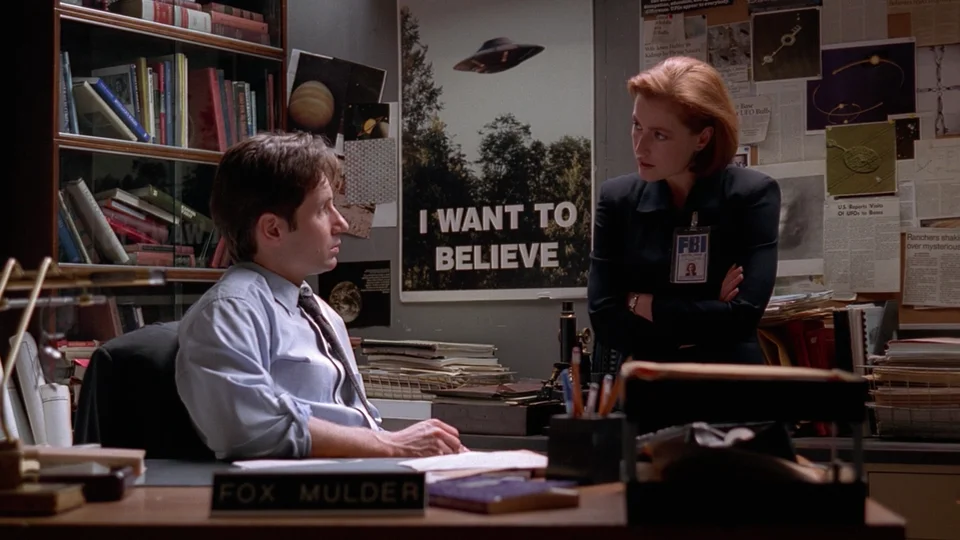
Fox Mulder's belief in extraterrestrials is driven by the childhood memory of his sister's disappearance.
FBI Agent Fox Mulder investigates unsolved cold cases tied to abductions, mutations, and a government conspiracy surrounding extraterrestrial contact. His obsession stems from personal tragedy: witnessing his sister vanish as a child, an event he believes was an alien abduction. Assigned to keep him grounded, Dr. Dana Scully uses science to balance his theories—though over time, she too begins to question the limits of rational explanation.
'Farscape': Aliens Brought to Life by Muppet Creators
Debuting on March 19, 1999, this American-Australian co-production was developed alongside Jim Henson's Creature Shop—the legendary team behind The Muppets. The premise follows astronaut John Crichton, who gets sucked through a wormhole to the far reaches of the universe, ending up stranded on a living bio-mechanical ship with a crew of alien fugitives. 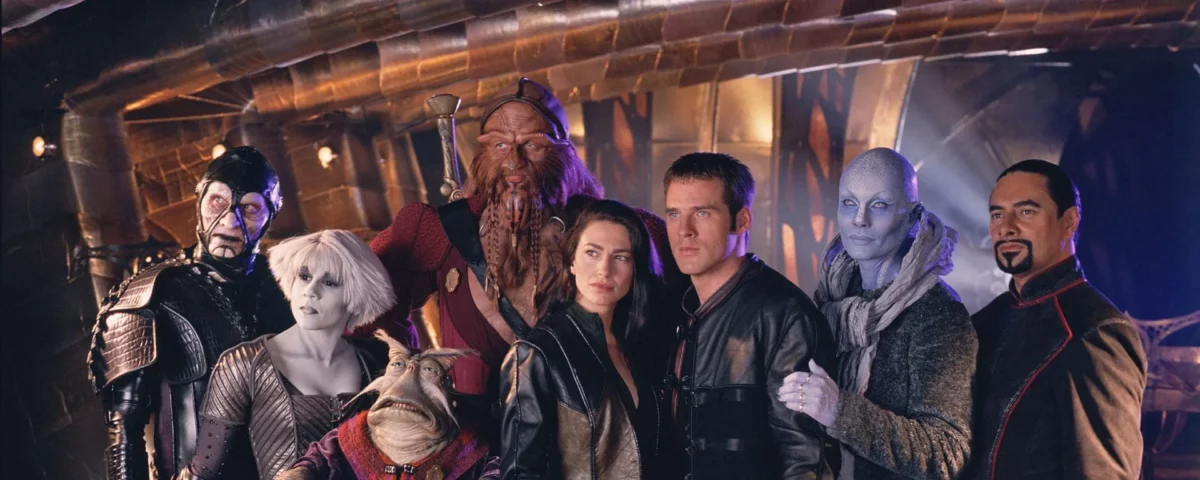
The alien designs were crafted by Jim Henson's Creature Shop, the same masterminds behind Sesame Street.
Rather than relying on CGI, the show's practical alien effects used makeup, prosthetics, and animatronics—a process documented in detail in the 2004 book "The Creatures of Farscape." Though originally planned for 5 seasons, the network abruptly canceled the show on a mid-arc cliffhanger after season 4. Fans were finally given closure in 2004 with the three-hour miniseries event "Farscape: The Peacekeeper Wars."
'Lost in Space': Original Child Stars Returned as Adults
Netflix rebooted the 1965 classic in 2018. The series follows the Robinson family on a mission to colonize a new world, only for their ship to crash-land on an alien planet in the year 2046. The core concept has deep roots, tracing back to the 1812 survival novel "The Swiss Family Robinson." 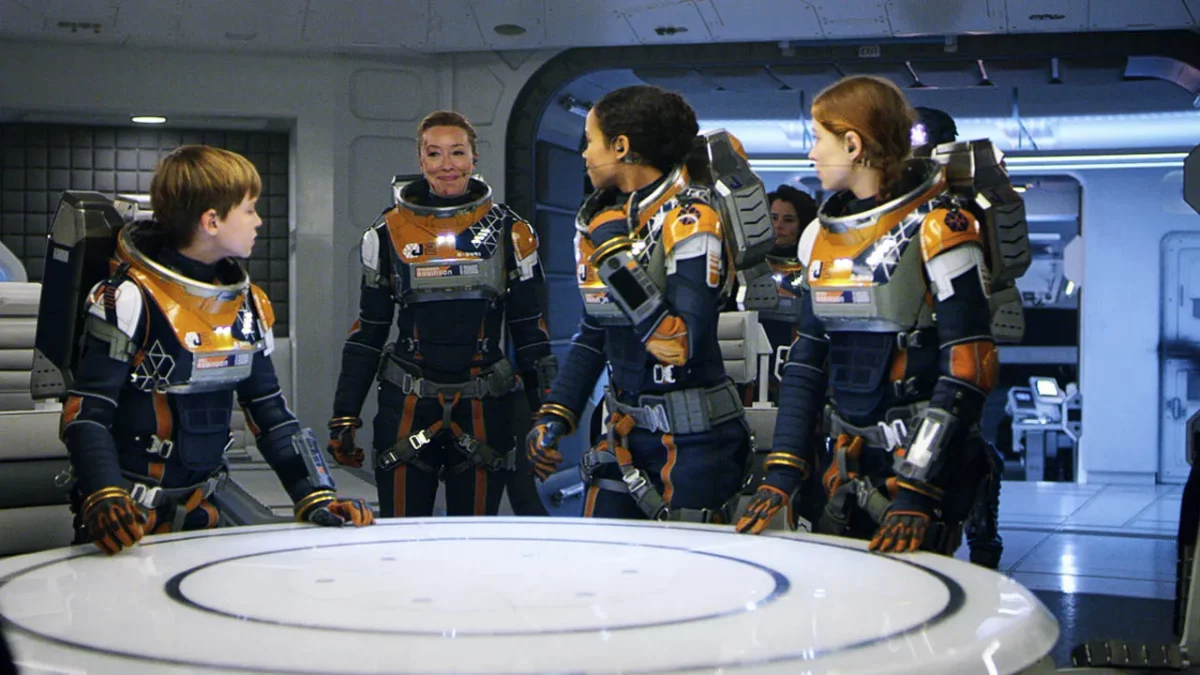
The Robinson family finds themselves stranded on an uncharted planet light-years from home.
The reboot paid a touching homage to its predecessor by bringing back Bill Mumy and Angela Cartwright—who played young Will and Penny Robinson in the 1965 original—for guest roles as adults. Instead of humanoid aliens, the show's primary extraterrestrial presence is the mysterious Robot, whose origin and motives unfold gradually across its 3-season run.
'The Mandalorian': The Puppet Saved by a Legendary Director
Created by Jon Favreau for Disney+, the flagship Star Wars series debuted on November 12, 2019. When a lone bounty hunter is hired to track down a mysterious 50-year-old target, he finds not a monster, but a green child of an unknown species—Grogu, who quickly became one of modern pop culture's most recognizable characters. 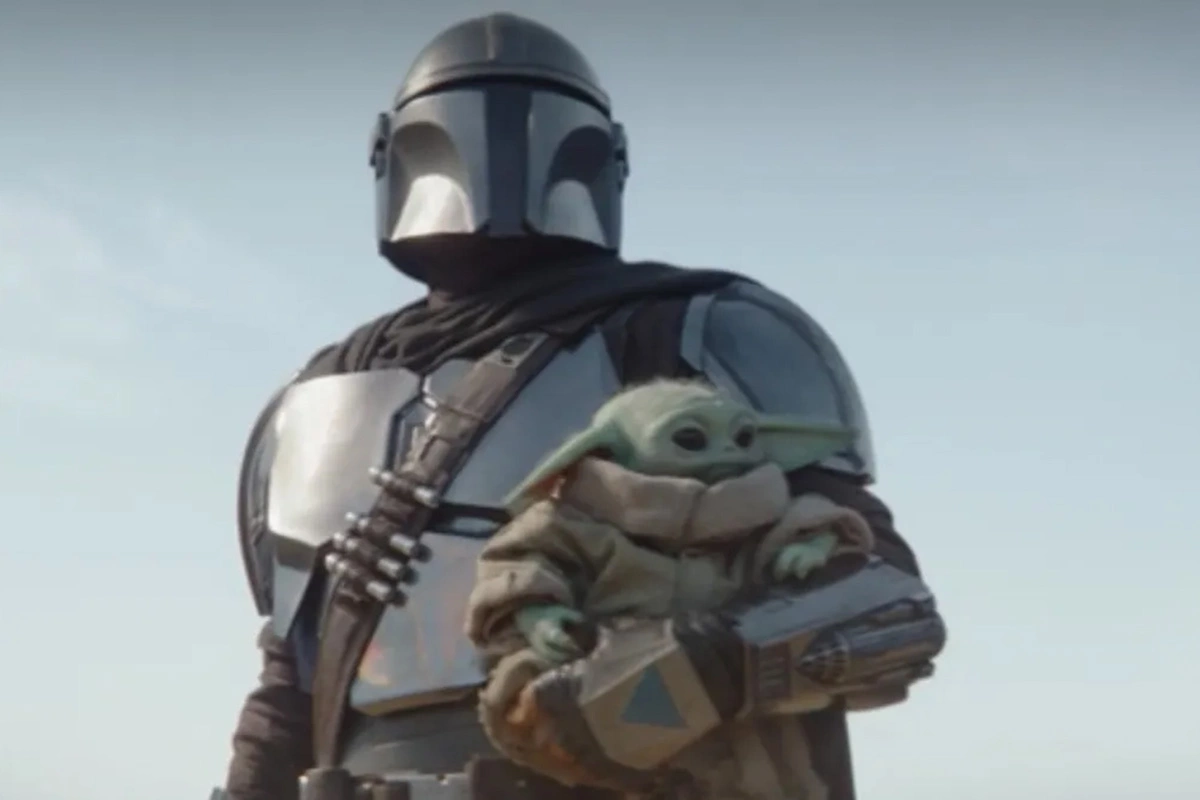
Grogu was originally brought to life as a physical animatronic puppet rather than a CGI character.
Concerned that the puppet might look unnatural on screen, the crew shot backup takes using blue screens for potential CGI replacement. When director Werner Herzog—who played the mysterious Client in Season 1—found out, he insisted on keeping the practical puppet, calling the crew "cowards" for considering CGI. The filmmakers listened, and the tangible Grogu became one of the show’s biggest triumphs.
'Resident Alien': An Extraterrestrial Hiding as a Small-Town Doctor
Adapted from Peter Hogan and Steve Parkhouse's Dark Horse comic book series, Syfy premiered this hit series in 2021. Sent on a mission to eradicate humanity, an alien crash-lands on Earth and assumes the identity of Harry Vanderspeigle, a small-town Colorado doctor he killed. 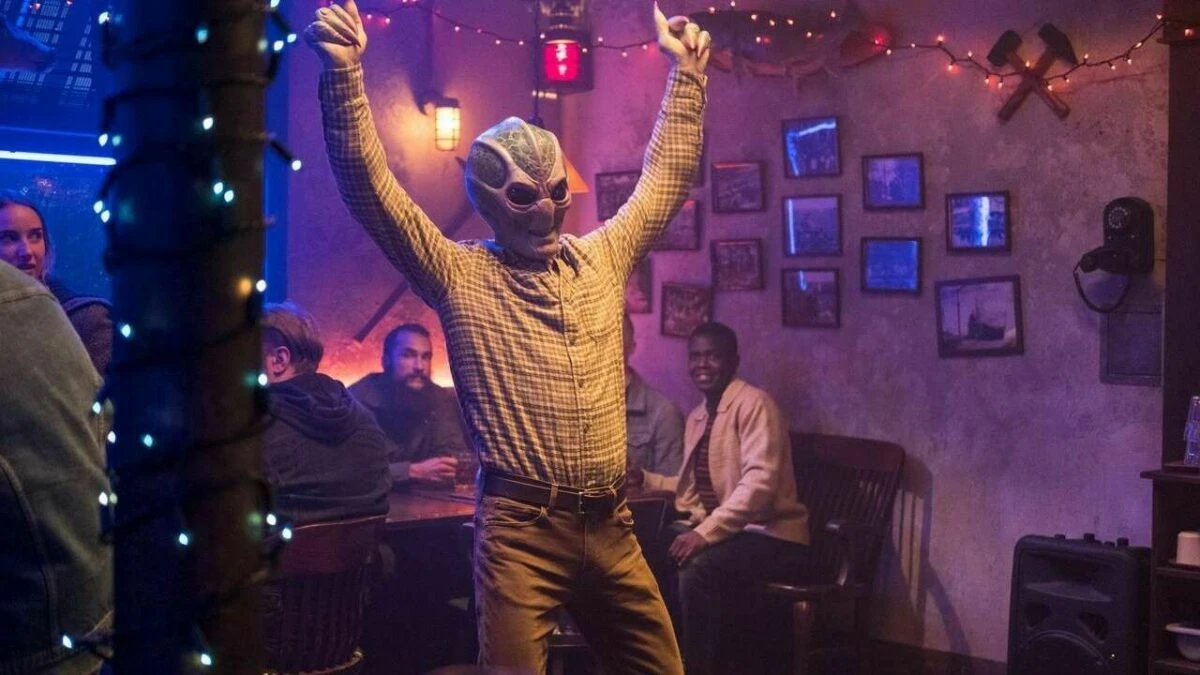
Alan Tudyk plays an alien forced to impersonate a human—only to slowly grow fond of them.
While searching for his lost device to complete his mission, the alien must treat patients, decipher bizarre human customs, and keep his true identity hidden from the locals. Over time, his genocidal directive takes a back seat as "Dr. Vanderspeigle" starts to question whether completing his original order is truly the right move.
'Alien: Earth': The Franchise Touches Down on Our Planet for the First Time
Serving as a prequel to Ridley Scott's 1979 sci-fi classic "Alien," this 2025 series takes place in 2092—30 years before the original movie. For the first time in the franchise's history, the terror unfolds on Earth rather than on a spaceship. Fargo creator Noah Hawley serves as showrunner, with Scott executive producing. 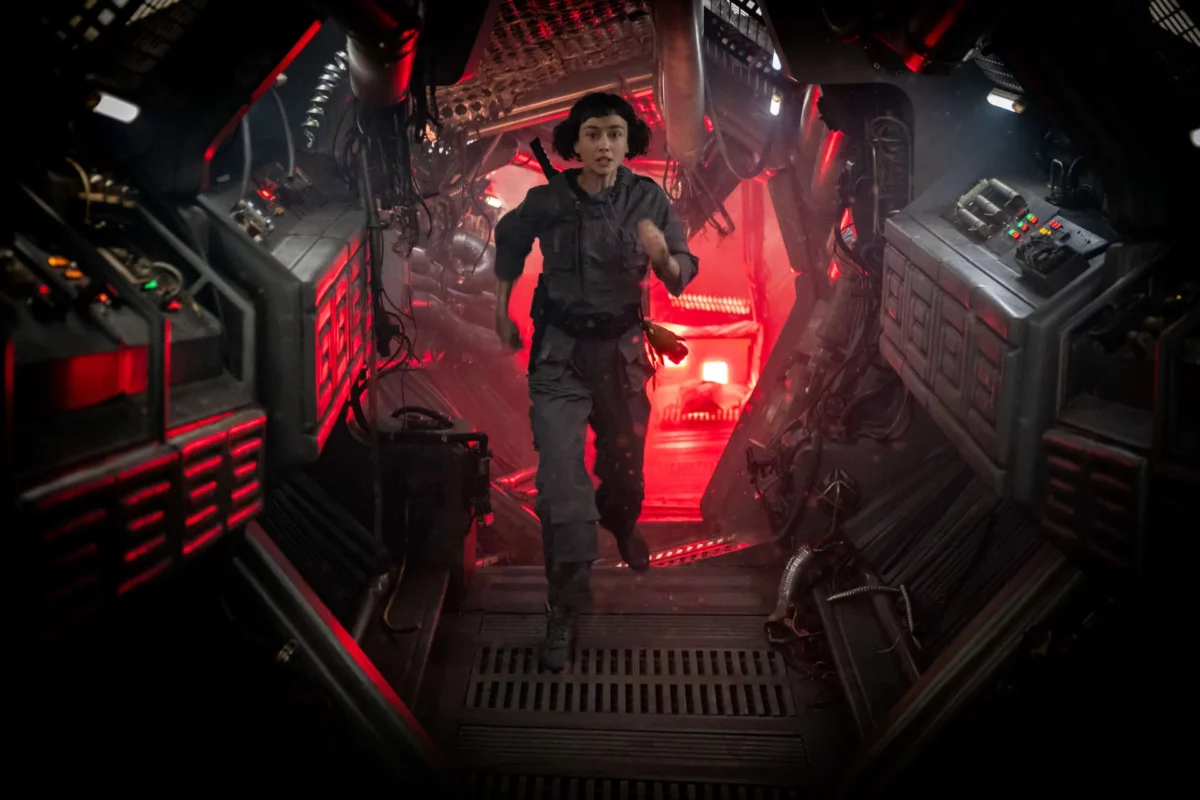
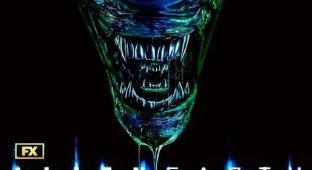
A spacecraft carrying extraterrestrial specimens—far more than just the iconic Xenomorph—crashes on Earth.
The crashed vessel carries more than just one monster; it holds a terrifying array of alien lifeforms, from winged predators to a creature resembling a giant eye. Alongside a squad of soldiers, Wendy—a hybrid possessing a human mind in a synthetic body—must confront the fallout of corporate greed trying to weaponize alien life for profit.
From the philosophical Doctor of 1963 to the corporate nightmare of 2092, aliens on television have served as far more than mere movie monsters. Which of these 8 takes on extraterrestrials did you find most compelling?
Based on a ranking by Collider.