What Popular Tourist Destinations Looked Like A Century Ago (21 Photos)
Some of the world's most iconic landmarks and historic cities were once completely ordinary, unrecognizable landscapes. These before-and-after photographs of popular tourist destinations reveal the dramatic transformations that have taken place over a relatively short period. 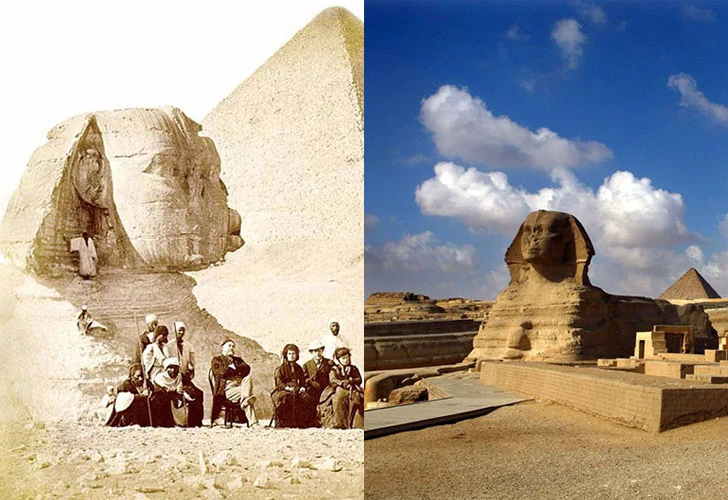
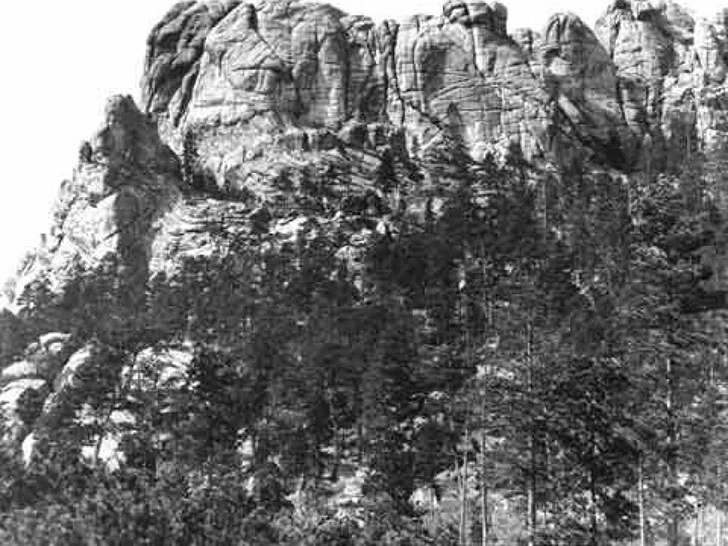
Mount Rushmore in 1905. The native Lakota people originally called the mountain "The Six Grandfathers." In 1930, it was renamed after Charles E. Rushmore, a New York attorney who led an expedition to the area in 1885. Construction of the monument began in 1927 and was completed in 1941. Although no workers died during construction, several later succumbed to lung diseases caused by inhaling granite dust. 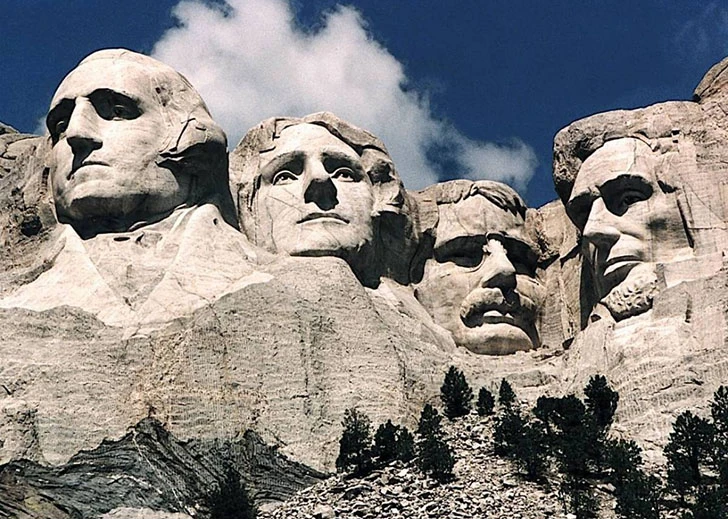
Mount Rushmore today. Carved into the granite face are the 60-foot heads of U.S. Presidents George Washington, Thomas Jefferson, Theodore Roosevelt, and Abraham Lincoln. 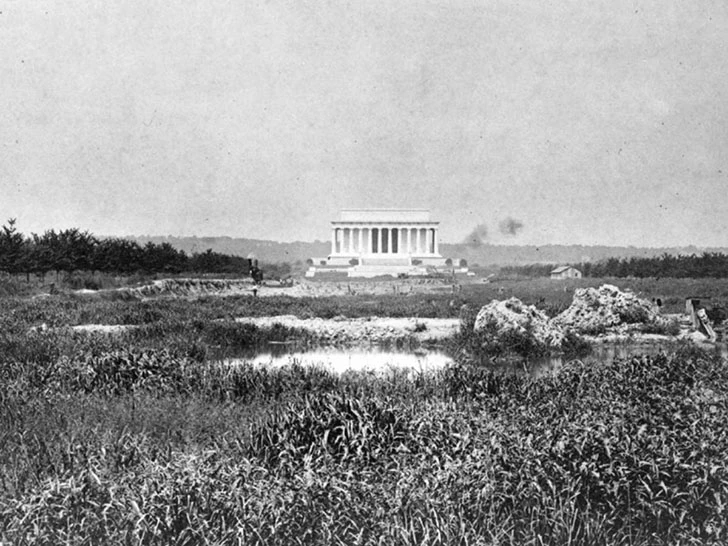
The Lincoln Memorial in 1917. At the time, no one could have imagined that six million people a year would visit the site by the 2000s. Located on the banks of the Potomac River, the memorial features a colossal seated statue of Abraham Lincoln flanked by two stone slabs inscribed with his Second Inaugural Address and the Gettysburg Address. The surrounding marshland was later transformed into an artificial reflecting pool. 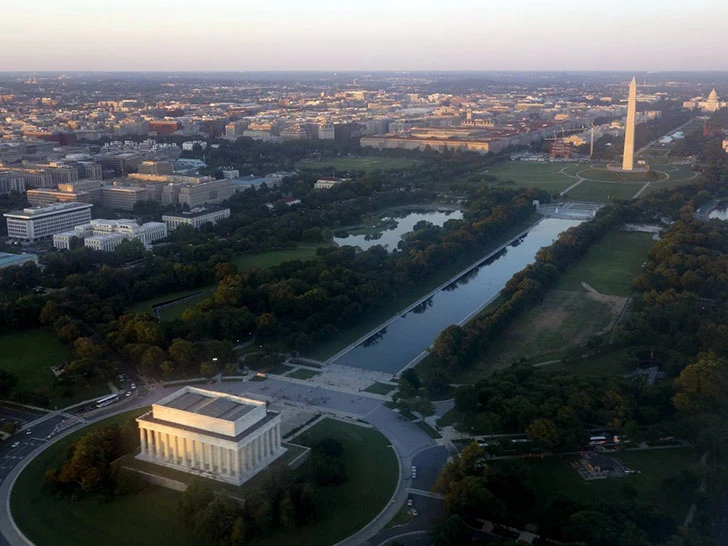
The Lincoln Memorial today. Situated in the heart of Washington, D.C., this landmark has served as the backdrop for countless historic protests, speeches, and debates—most notably Martin Luther King Jr.’s famous "I Have a Dream" speech in 1963. 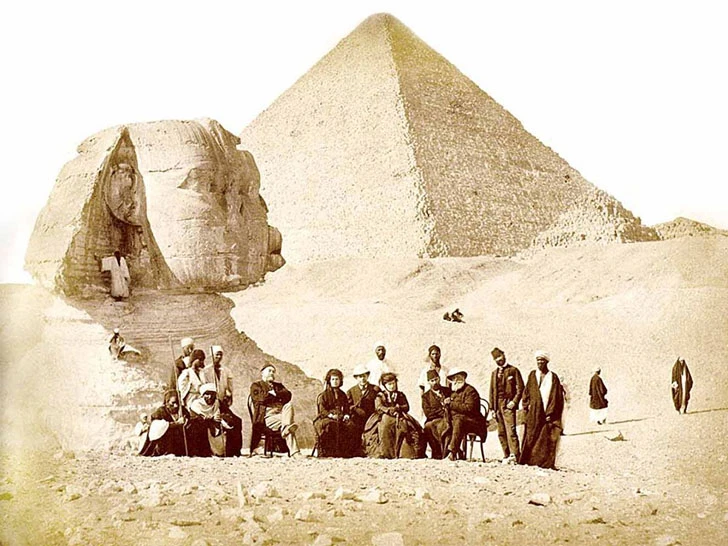
The Great Sphinx of Giza in 1871. Posing in the photograph are French Egyptologist Auguste Mariette and Emperor Pedro II of Brazil, alongside other members of their expedition. 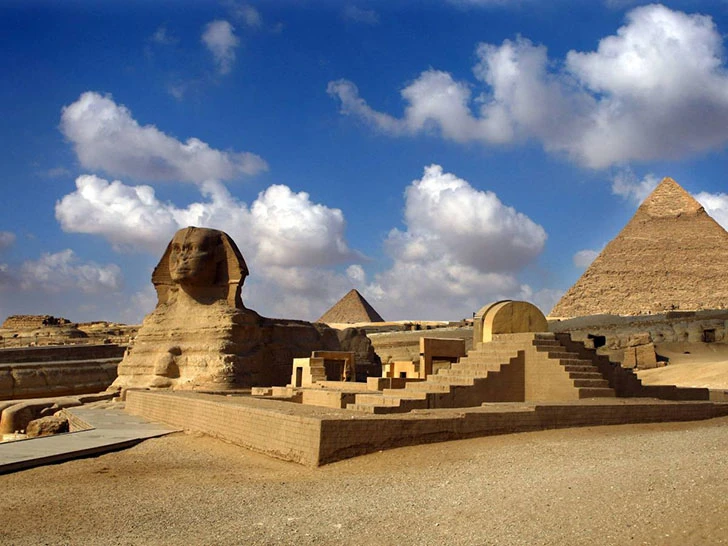
The Great Sphinx today. Over the centuries, the world's oldest known monumental sculpture has suffered damage (most famously losing its nose), been excavated, and immortalized worldwide. Carved directly from the bedrock of the Giza Plateau, it was fully unearthed by French researchers in the early 1900s. The prevailing theory is that it was built to represent Pharaoh Khafre (2558–2532 BCE). 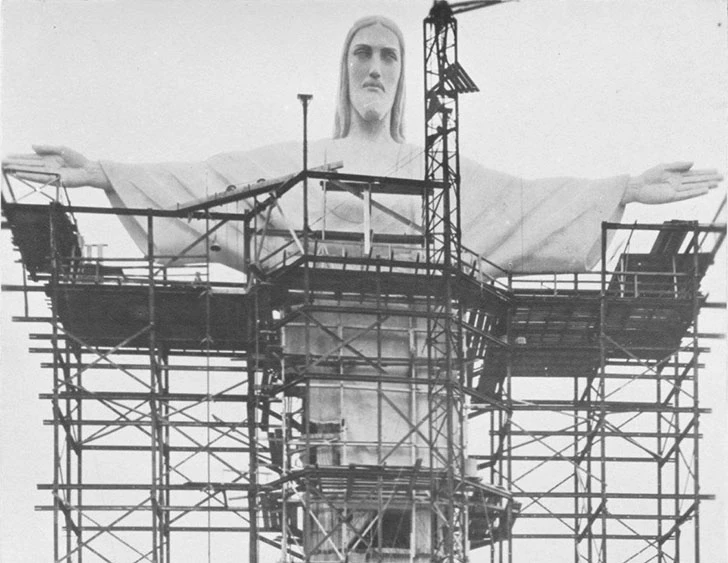
Christ the Redeemer in 1924. Standing 38 meters (125 feet) tall in Rio de Janeiro, the monument was constructed from reinforced concrete and soapstone. The massive religious sculpture was funded entirely through donations from Brazil’s Catholic community. Construction began in 1922 and took six years. 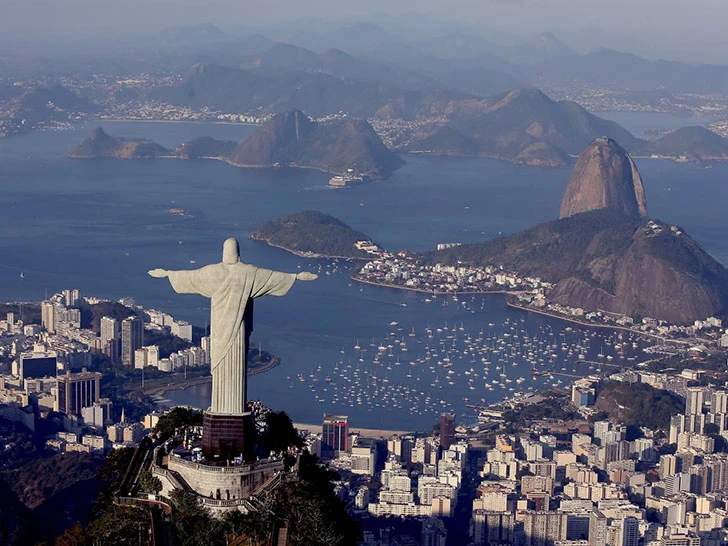
Christ the Redeemer today. The statue has been struck by lightning multiple times and was named one of the New Seven Wonders of the World in 2007. 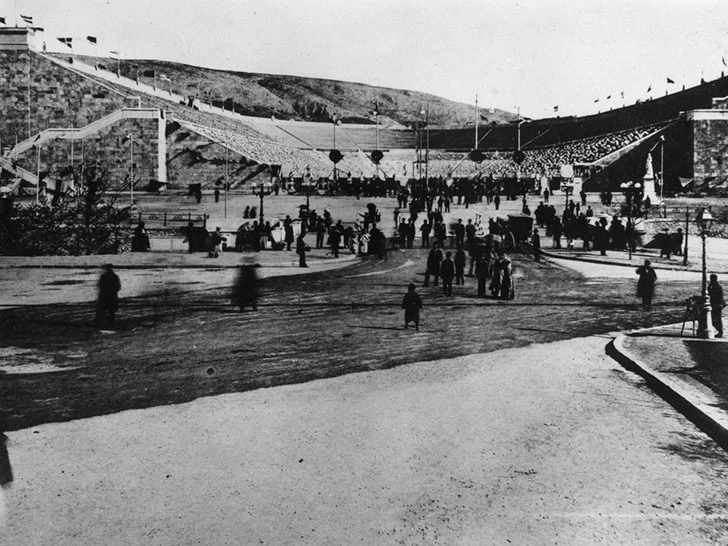
The Olympic Games in 1896. Originating in 776 BCE, the ancient Olympics were once held in honor of the goddess Athena. The Panathenaic Stadium in Athens, restored from the ruins of an ancient venue, is constructed entirely of marble and remains one of the world's oldest operating stadiums. In April 1896, it hosted the first modern international Olympic Games, featuring athletes from 14 nations. 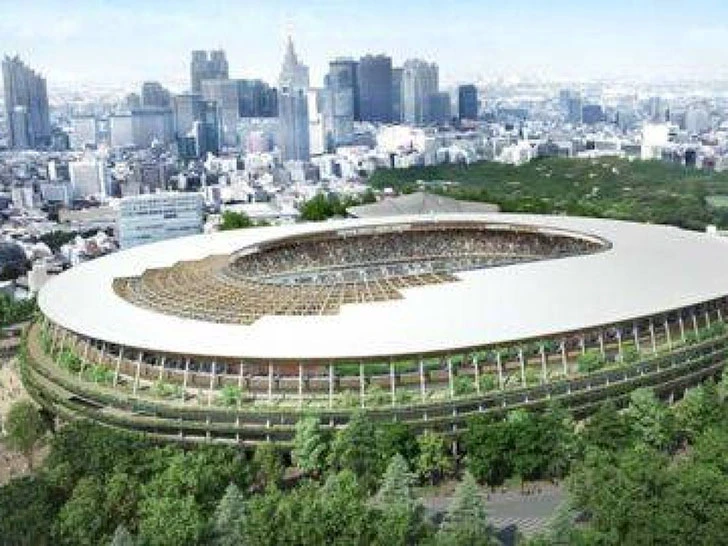
The Olympic Games today. Japan allocated $3 billion to host the 2020 Olympics. The sunken stadium in Tokyo accommodates at least 68,000 spectators, with athletes competing from more than 200 countries. 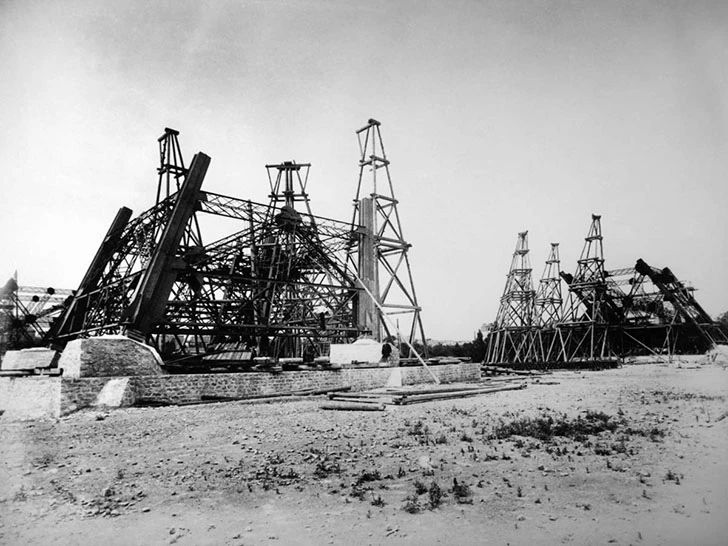
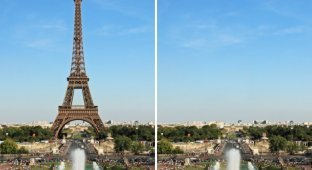
The Eiffel Tower in 1887. This engineering marvel was never intended to be permanent. Gustave Eiffel constructed the tower for the 1889 World's Fair, after which it was scheduled to be dismantled. It was originally rejected by Barcelona before finding a home in Paris. When Paris fell to Nazi Germany in 1940, French workers severed the tower's elevator cables, forcing German troops to climb all 700 steps to hoist their flag. 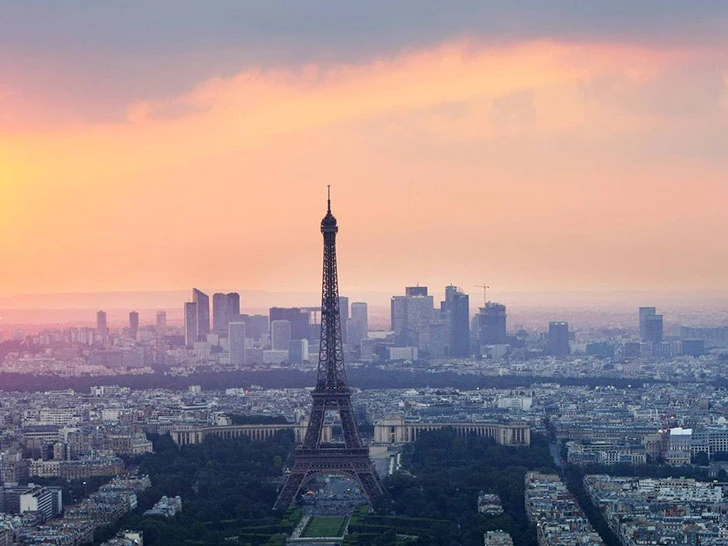
The Eiffel Tower today. Today, the Eiffel Tower attracts more ticketed visitors than any other landmark in the world, and at least 30 replicas of it exist across the globe. 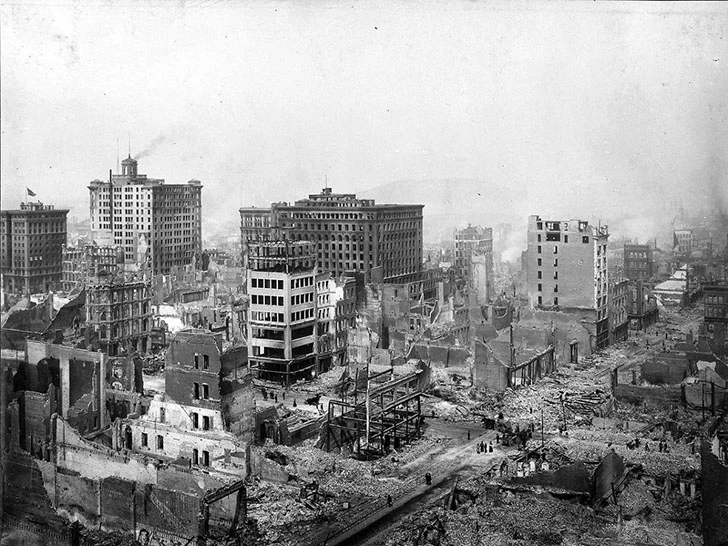
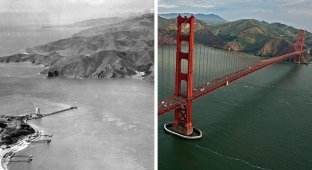
San Francisco in 1906. A devastating 7.8-magnitude earthquake struck the Bay Area that year, claiming more than 3,000 lives. At the time, San Francisco was the ninth-largest city in the United States. Roughly 80% of the city was destroyed, largely by fire, forcing countless residents to flee to Oakland and Berkeley. Financial losses from the disaster exceeded $400 million. 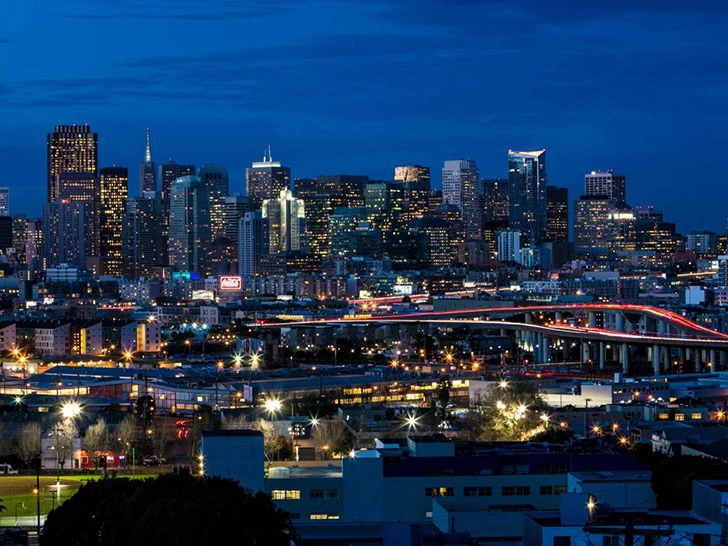
San Francisco today. With a population density of approximately 18,451 people per square mile, San Francisco is now the second most densely populated major city in the United States, trailing only New York City. 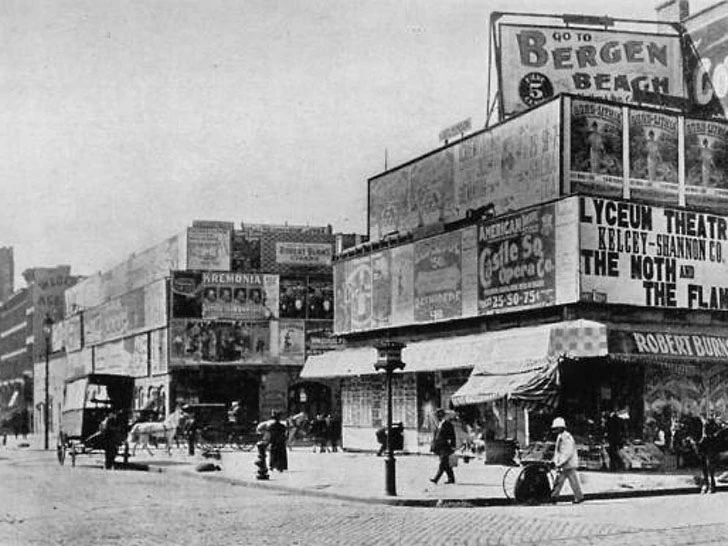
Times Square in 1898. Manhattan was first settled by the Dutch in 1624, and the area that is now Times Square served as a transportation hub. The surrounding land, used for keeping horses and livestock, became known as Longacre. In 1904, The New York Times moved its headquarters to a building on 42nd Street facing Longacre Square. Shortly after, a subway station opened at the location, and the square was renamed Times Square. Three weeks later, the area's first electric advertisement was mounted on the side of a bank at 46th Street and Broadway. 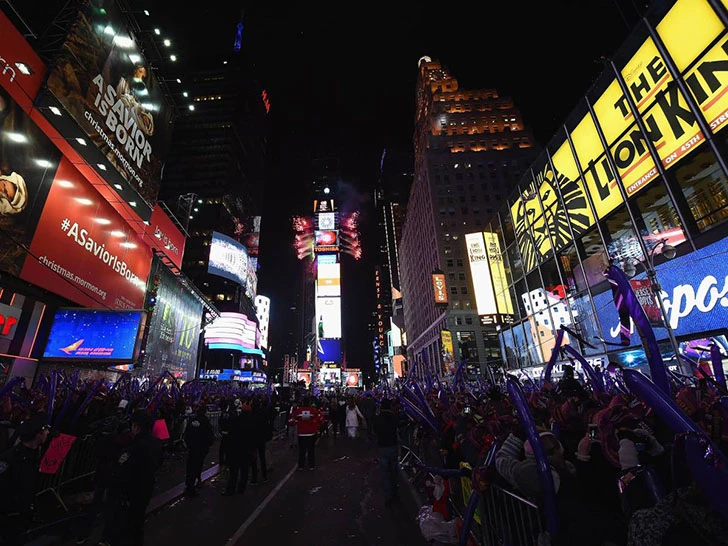
Times Square today. The area draws 50 million visitors a year, with foot traffic reaching up to 460,000 pedestrians per day during peak tourist seasons. 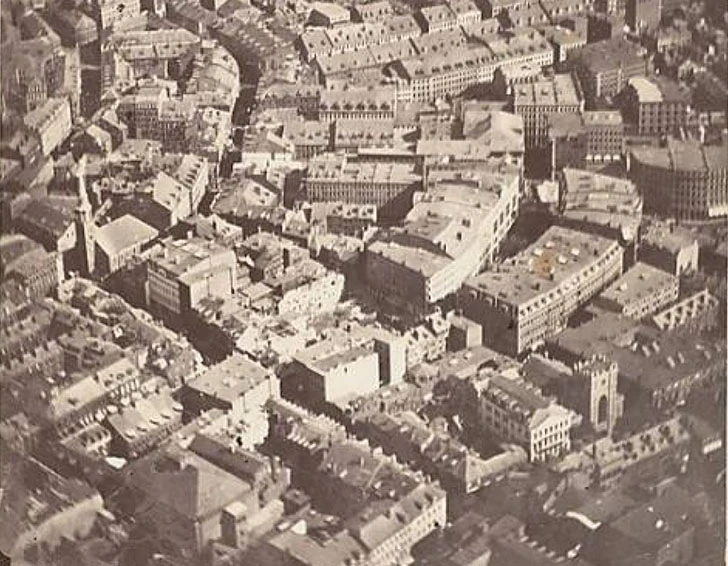
Boston in 1860. This is the oldest surviving aerial photograph in existence, taken by American photographer James Wallace Black on October 13, 1860, from a hot-air balloon at an altitude of 630 meters. The image captures two historic landmarks: the Gothic Revival-style Old South Church and the original Trinity Church, which was destroyed in the Great Boston Fire of 1872 and subsequently rebuilt. 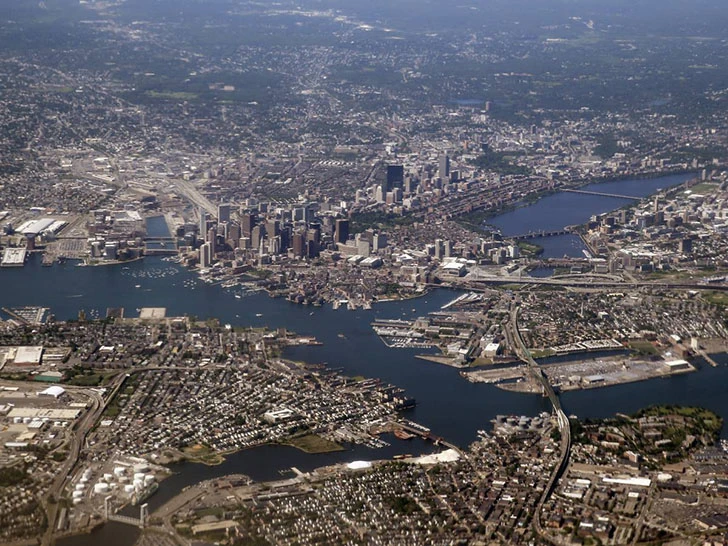
Boston today. Founded by Puritan settlers in 1630, Boston became home to America's first public high school, first subway system, and first public park. Bostonians are among the nation's top charitable donors and take immense pride in their city's status as a global hub for higher education. 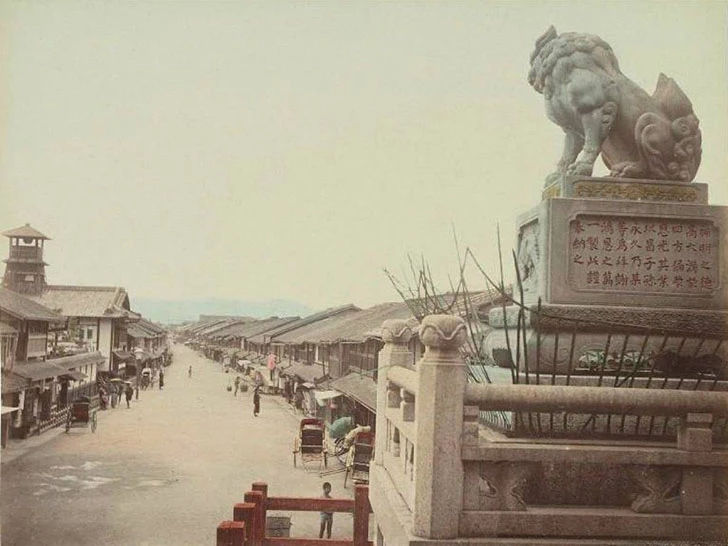
Kyoto in 1886. Shijo-dori street and its surrounding area have become some of Kyoto's most popular tourist destinations, rivaling Tokyo in its concentration of shops and restaurants. "Shijo" translates to "Fourth Avenue"—a street that has existed since Kyoto was Japan's capital under the name Heian-kyo, meaning the "Capital of Peace and Tranquility." 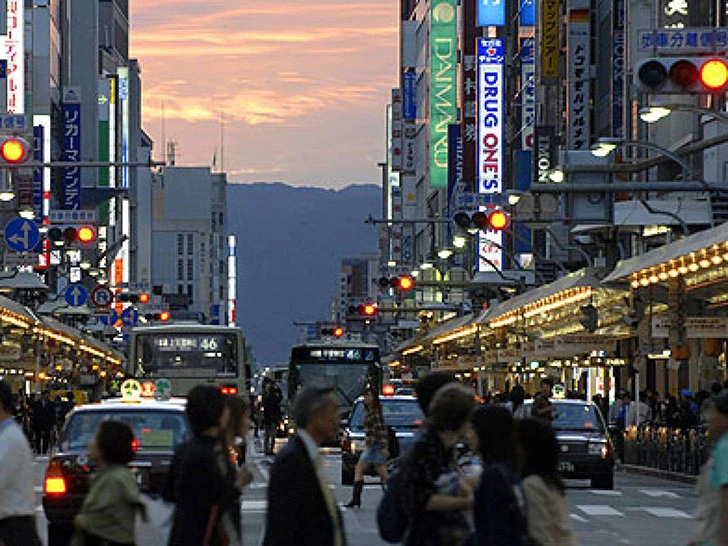
Kyoto served as Japan's capital for over a millennium, from 794 to 1868. Even today, many still consider Kyoto the country's true capital, despite the imperial throne relocating to Tokyo in 1868.