Hormones Working Against You: The Shocking Truth About Post-Diet Weight Gain (8 photos)
When we talk about weight loss, we rarely realize just how fiercely our bodies resist it. As a species, humans have almost no physiological defenses against gaining weight. Throughout human evolution, food was rarely abundant, so mechanisms to prevent weight gain were simply unnecessary. Starvation, however, was a constant threat. As a result, evolution equipped us with numerous survival tactics designed to store and preserve energy as fat.
When we try to shed pounds, our bodies pull out all the stops to fight back. Here is a breakdown of how this happens—and whether it is actually possible to negotiate with our own biology. 
Metabolic Adaptations During Weight Loss
Cutting calories triggers a cascade of adaptations across the body: metabolic, neurohormonal, and behavioral. Metabolic adaptations are changes in how we process energy, allowing the body to cut fuel consumption and slow fat loss to a crawl. 
The Four Components of Daily Energy Expenditure
Total daily energy expenditure comes down to four main factors:
Basal Metabolic Rate (BMR): The energy required to stay alive at complete rest—keeping the heart beating, lungs breathing, kidneys functioning, and body temperature stable. This accounts for roughly 60–70% of total daily calories.
Thermic Effect of Food (TEF): The calories burned digesting and absorbing what you eat, making up about 10% of overall expenditure.
Exercise Activity Thermogenesis (EAT): The energy burned during structured workouts. If you exercise regularly, this represents around 5–10% of daily output.
Non-Exercise Activity Thermogenesis (NEAT): The calories burned through non-workout daily movement, from cleaning the house to fidgeting or scratching your nose. This adds up to roughly 15%.
How Basal Metabolism Changes
When you restrict calories, all four components take a hit. Take basal metabolism first: losing weight involves shedding both fat and muscle. Muscle tissue is metabolically expensive, whereas fat tissue requires very little energy to maintain. It makes sense that having less body mass reduces your baseline calorie burn. 
However, the slowdown in metabolism is far greater than predicted—it drops disproportionately relative to actual weight loss. Research demonstrates that even when lean muscle mass is fully preserved (when only fat is lost), BMR drops more significantly than mathematical models predict. In short, the body actively squeezes efficiency out of basic biological functions to conserve fuel.
What Happens to the Other Components?
The thermic effect of food naturally drops simply because eating less food means burning fewer calories processing it.
Both exercise and non-exercise thermogenesis drop for several key reasons:
We subconsciously lower our intensity during workouts.
We move around significantly less in everyday life.
Enzyme activity shifts: enzymes responsible for oxidizing glucose and fats become more active, while those involved in glycolysis (breaking down glucose for rapid energy) slow down. This allows muscles to use energy far more efficiently. 
Muscle efficiency increases, but primarily during low-intensity movement when glycolysis plays a minor role. As exercise intensity ramps up, this efficiency advantage quickly fades. Interestingly, during subsequent weight regain, the process reverses, and muscle efficiency declines once again.
Hormonal and Neurological Rewiring
This metabolic slowdown is orchestrated by changes in the nervous and endocrine systems. When dieting, activity in the sympathetic nervous system—which drives energy expenditure and stress response—drops. Balance shifts toward the parasympathetic nervous system, which prioritizes energy conservation and storage.
Shifts in Hormone Production
Hormone levels undergo a major shift:
Thyroid hormone levels plummet, slowing down general energy production.
Leptin—the "fullness hormone" produced by fat tissue—drops sharply. Leptin signals the brain’s hypothalamus to suppress hunger and signal satiety. As body fat shrinks, leptin levels drop alongside it.
Overall, a caloric deficit reduces compounds that suppress appetite while boosting those that trigger hunger. 
Studies show that losing an average of 30 pounds (13.5 kg) triggers a statistically significant drop in satiety hormones—including leptin, peptide YY, cholecystokinin, and amylin. At the same time, levels of hunger-inducing hormones like ghrelin, gastric inhibitory polypeptide, and pancreatic polypeptide surge, driving a marked increase in self-reported appetite.
The Long-Term Consequences of Weight Loss
Crucially, even a full year after weight loss, circulating appetite regulators that promote weight regain fail to return to baseline levels. This means metabolic adaptations persist long after the diet ends—and the effect can last even longer after severe weight loss.
For example, a study following reality TV contestants who lost an average of 130 pounds (60 kg) revealed that six years later, their resting metabolic rate was still suppressed by roughly 500 calories per day—a massive metabolic penalty. 
In effect, the body continues hoarding energy long after dieting stops, guarding against a potential future famine. When someone finishes a diet and calculates their maintenance calories using standard formulas, they are often blindsided: standard formulas assume a normal metabolic rate, but theirs is suppressed. Believing they are eating at maintenance, they are actually eating in a surplus—and the weight comes right back.
To make matters worse, elevated hunger hormones linger indefinitely. Battling constant hunger year after year is virtually impossible; sheer willpower simply isn't enough. It is hardly surprising that up to 45% of people who lose weight eventually gain it all back.
Is There Any Way to Beat the System?
While you can counteract these biological defenses to some extent, it requires strategic planning and patience.
Diet Breaks and Cycling. Avoid continuous calorie restriction until you reach your goal. Instead, alternate between periods of calorie deficit and maintenance eating. Research shows that while this approach doubles the overall time frame, it leads to greater fat loss with half the metabolic slowdown. It also keeps hunger in check, improves diet adherence, and reduces mental fatigue.
A Temporary Calorie Surplus Post-Diet. Upon reaching a target weight, most people switch straight to maintenance calories. However, shifting into a slight calorie surplus for a short period may be more effective. This helps reset metabolic adaptations faster and restores spontaneous daily movement (NEAT), which partially offsets the extra calories. You might regain a small amount of fat initially, but long-term weight maintenance becomes significantly easier. 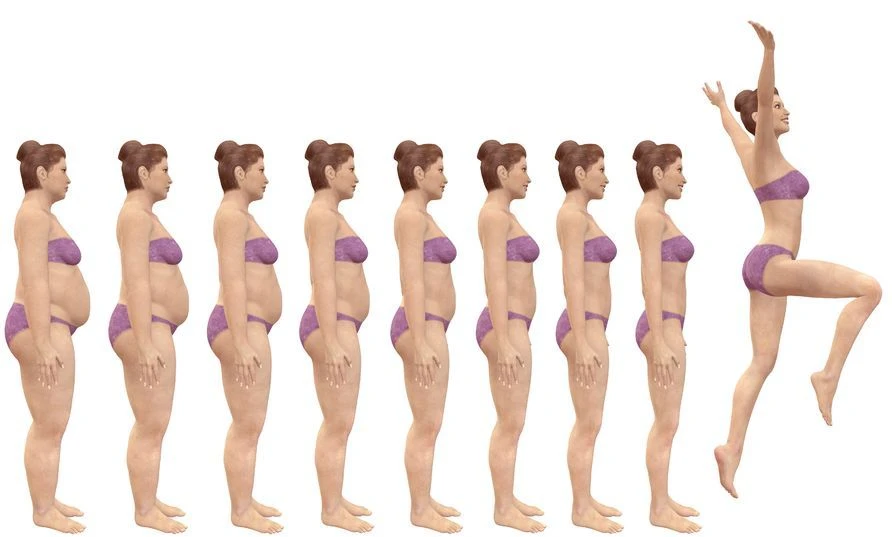
Transitioning into a surplus should be gradual rather than sudden. Calorie increases must be tailored individually, as people respond radically differently. In one study where participants consumed a 1,000-calorie daily surplus for eight weeks, weight gain ranged from less than a pound (300 grams) to over 9 pounds (4+ kg)—a more than tenfold difference. This variation stems from individual hormonal profiles, nervous system responsiveness, baseline activity levels, and genetics.
A Surplus for Muscle Growth. If your post-diet goal includes building lean muscle, a deliberate surplus is necessary. In this scenario, calories should be increased more noticeably and at a faster pace. 
Essential Rules for Success
Prioritize Strength Training: Stay active, but focus primarily on resistance training rather than excessive cardio to preserve lean muscle tissue.
Keep Protein High: Ensure adequate protein intake to support muscle recovery and promote satiety.
Control Your Environment: Minimize triggers that lead to overeating—for instance, avoid stocking up on high-calorie treats at home.
Staying vigilant after reaching your goal gives you a fighting chance at maintaining your weight for the long haul.
Shedding weight isn't just a battle of willpower—it is a full-scale physiological tug-of-war with your own biology. Winning requires more than simply eating less; it demands understanding how your body works and finding smart compromises with it. How do you deal with appetite spikes and plateauing progress? Do you have any go-to strategies that have worked for you? Share your thoughts in the comments below—your advice might be just what someone needs to keep going on their journey!