Protecting the internet from… shark attacks (7 photos)
The internet consists of millions of interconnected computers around the world. Yet despite all our technological advances, hardwired cables remain the most reliable form of communication. Lines of various types and sizes crisscross the land and stretch across the ocean floor—an environment that is far from safe for sensitive equipment. 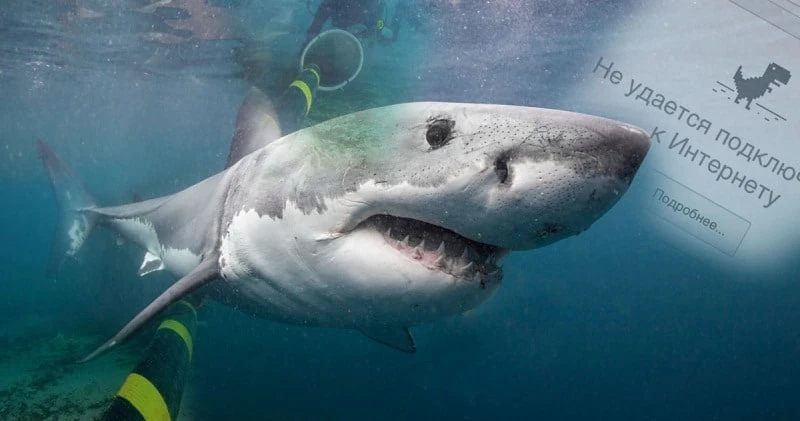
Undersea cables face plenty of threats: deep-sea currents, jagged rocks, corrosive saltwater, crushing pressure, extreme temperatures, and—believe it or not—sharks. For reasons known only to them, these deep-sea predators seem to harbor a deep hatred for subsea internet cables and go to great lengths to destroy them. 
It has been established that sharks don't bite these cables by accident—they target them deliberately. Since a single cable can connect millions of users, ranging from everyday citizens to banks and military agencies, the fallout from these toothy attacks is massive. 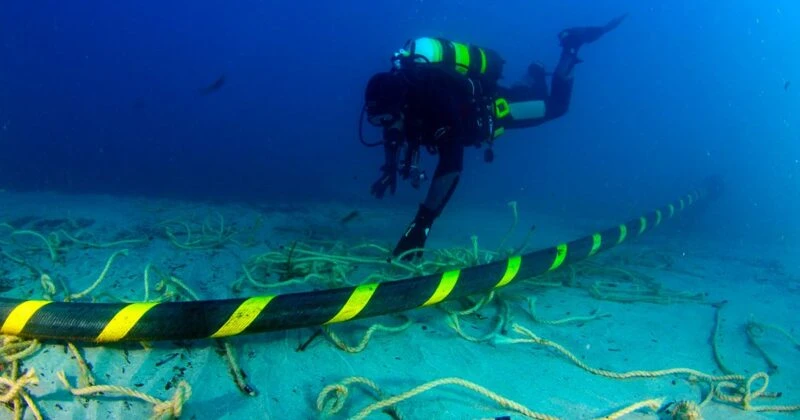
Consider what it takes: repair crews must pinpoint the exact location of the break, dig down through thick layers of sand and silt to reach the cable, and then meticulously splice it back together. Every single repair costs cable operators a small fortune, prompting them to invest heavily in understanding this destructive behavior and finding ways to prevent it. 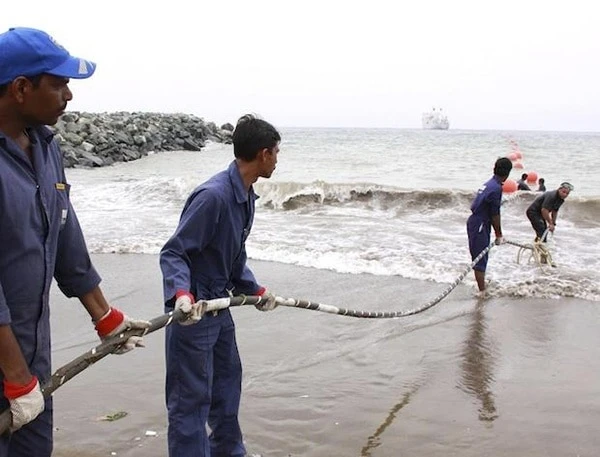
Scientists have yet to find a definitive answer, but leading experts suspect electromagnetic signals are to blame. Sharks somehow sense the electrical impulses running through the lines, mistaking them for the bio-signals of potential prey. 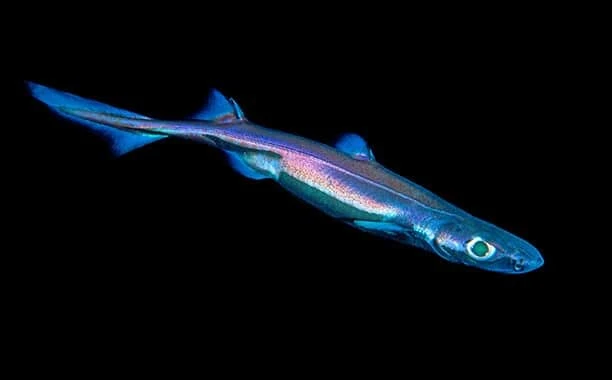
To safeguard the internet—or rather, the undersea cables that keep it running—telecom companies order custom cables wrapped in heavy-duty shielding. Currently, Kevlar-based armor is considered the gold standard of protection, though even that isn't always enough to stop a determined shark. 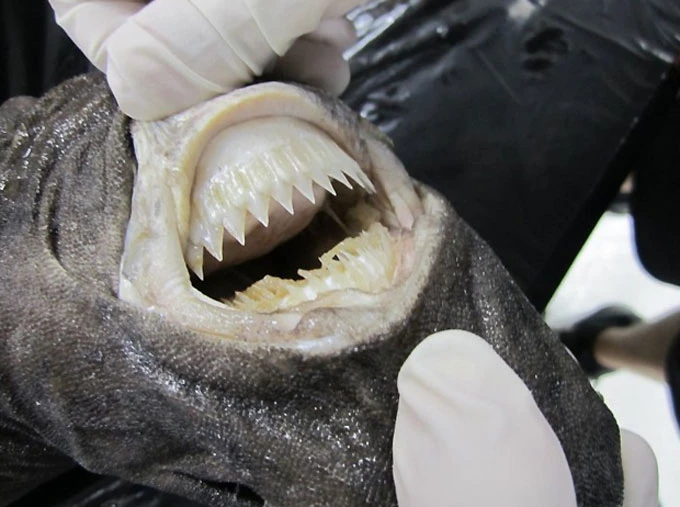
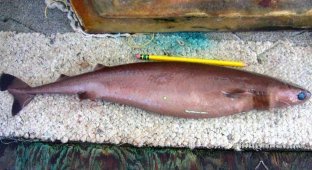
You might assume giant Great Whites or tiger sharks are causing all the damage, but that's actually not the case. Experts say large sharks cause minimal harm; the real culprits are cookiecutter sharks. No bigger than a housecat, these small fish are unmatched in sheer aggression and persistence. 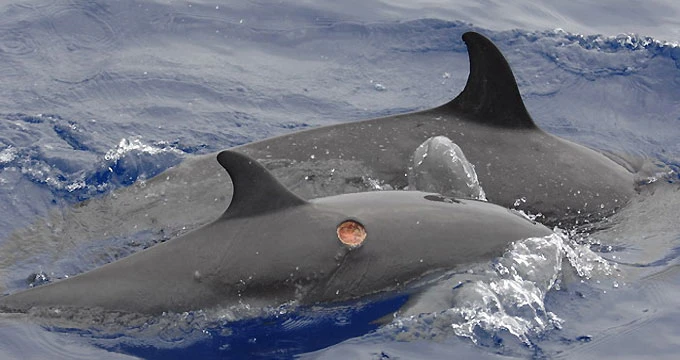
A cookiecutter shark bite mark on the back of a dolphin
Equipped with jaws reminiscent of the Xenomorph from Alien, cookiecutter sharks will attack virtually anything in their path. Whether it's a scuba diver, a seal, a cable, a whale, or even a submarine, these tiny terrorizers aren't picky about their targets. Their relentless rampage costs telecom companies millions of dollars every year.