Scotch Tape Can Do More Than Seal Boxes: 8 Surprising Uses (9 photos)
Scotch tape—the ubiquitous clear adhesive tape found in almost every household—was created back in 1930 in the laboratories of the American company 3M. Over its 90-plus years of existence, this simple invention has found dozens of unexpected uses beyond sealing cardboard boxes: people use it to stop minor bleeding, pull pet hair off clothes, and even create custom nail art. One ingenious application even helped scientists win a Nobel Prize in Physics. Here are 8 surprising ways to use Scotch tape that you probably didn't know about. 
Removing Pet Hair from Clothing
Dog and cat owners know the struggle all too well: pet fur clings to your outfit before you can even make it out the front door. A dedicated lint roller does the trick, but you don't always have one nearby, and wiping the fabric with a damp hand usually just smears the fur around. 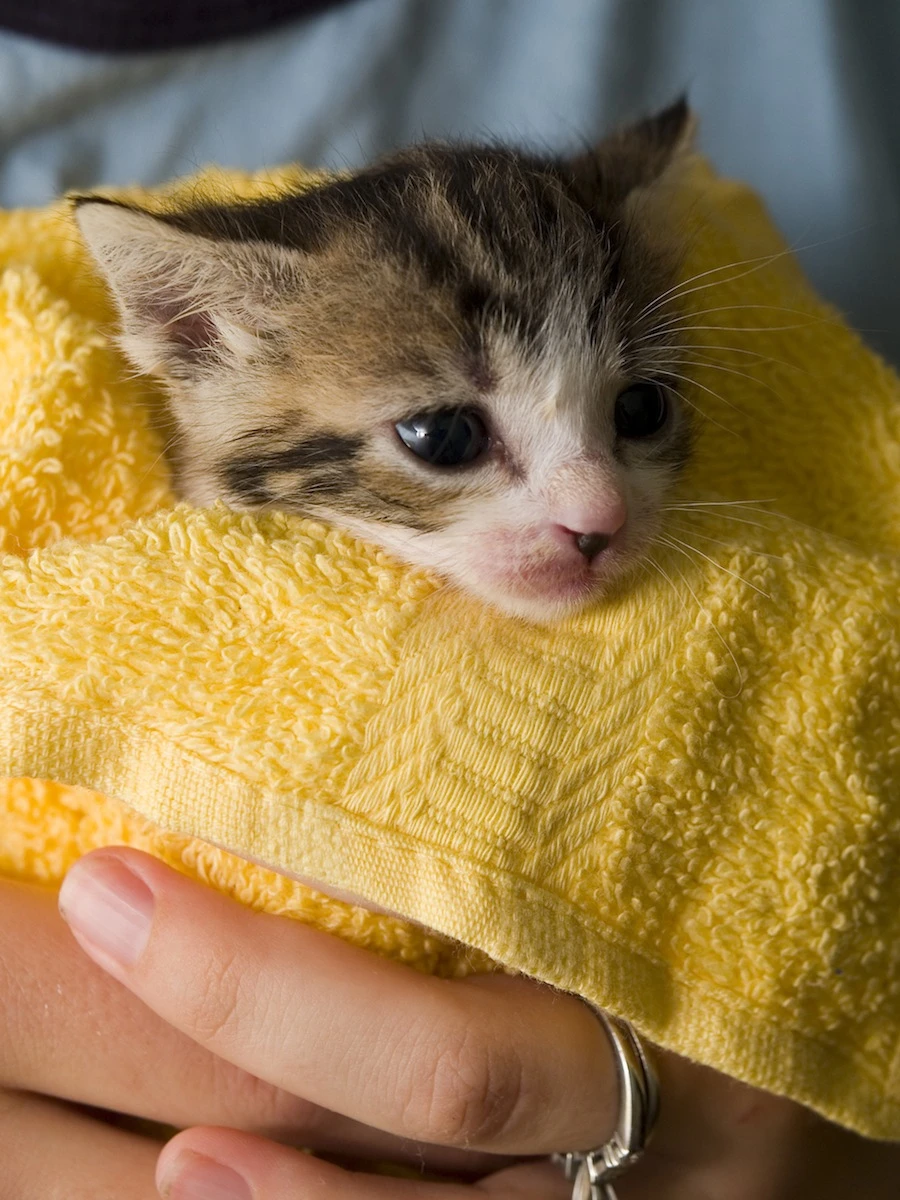
Adhesive tape strips away pet hair and fabric pills in a matter of seconds
Scotch tape works just as effectively as a lint roller. Simply unroll a strip, press the sticky side onto your clothes, and pull it off firmly—the hair clings right to the tape. You can use the same technique to gently pull fuzz pills off sweaters without damaging the fabric fibers.
Extracting Splinters
If a splinter hasn't embedded itself too deeply, you can remove it without picking at your skin with a needle. A swift pull with a strip of tape pulls the splinter out much faster and far less painfully. 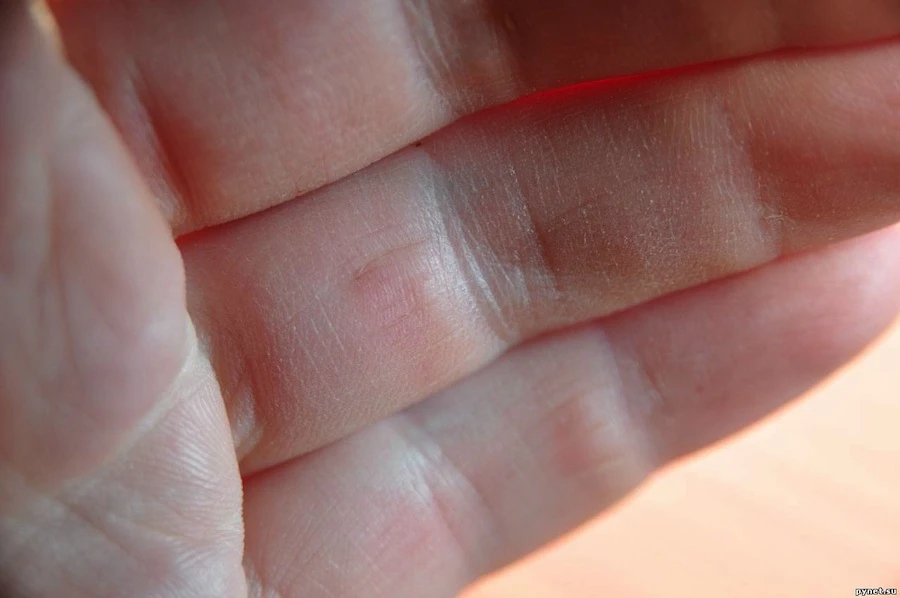
A quick pull with tape extracts a splinter cleanly without irritating the surrounding skin
Press a small strip of tape firmly over the entry point and pull it away quickly in the opposite direction from how the splinter went in. Don't pull slowly, or the splinter might snap and remain underneath the skin. Done properly, this trick leaves no small puncture wounds, unlike using a pin or needle.
Stopping Minor Bleeding
Small paper cuts or shallow nicks that bleed persistently happen all the time. In a pinch, tape can serve as a quick stand-in for a bandage if your first-aid kit is out of reach. 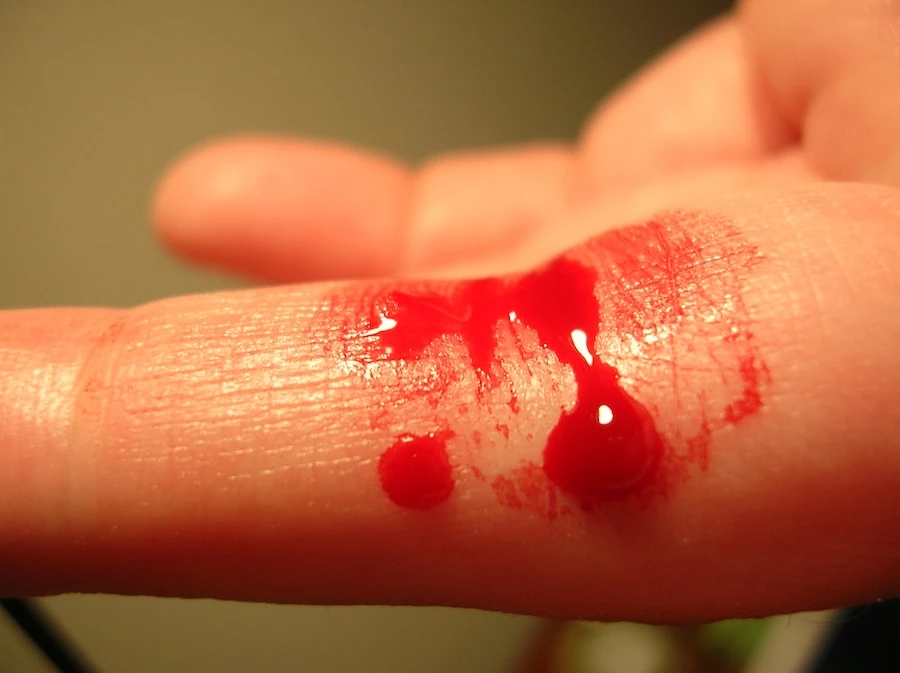
Applied over the pinched edges of a minor cut, tape temporarily acts as an adhesive bandage
Clean the cut, gently press the edges together, and cover the wound with a strip of tape—the bleeding usually stops quickly. Be sure to disinfect the cut properly once you have full supplies. Tape also works wonders against blisters: if new shoes start rubbing painfully against your heel, applying a strip of tape over the tender spot eliminates friction and stops a blister in its tracks.
Fixing Frayed Shoelace Tips
The plastic aglets on the ends of shoelaces inevitably break or wear out over time, making threading them through eyelets frustratingly difficult. 
Clear tape wrapped around a frayed shoelace tip acts as a durable replacement aglet
Wrapping a few tight turns of clear tape around a frayed lace end restores its neat shape and rigid feel, making it function like a brand-new aglet. Once repaired, the lace glides smoothly through shoe eyelets once again.
Creating Unique Sculptures
Artists have long embraced standard packing tape as a versatile sculpting medium. American artist Mark Jenkins pioneered this technique in 2003, creating life-sized transparent human figures out of tape and placing them in urban settings worldwide. 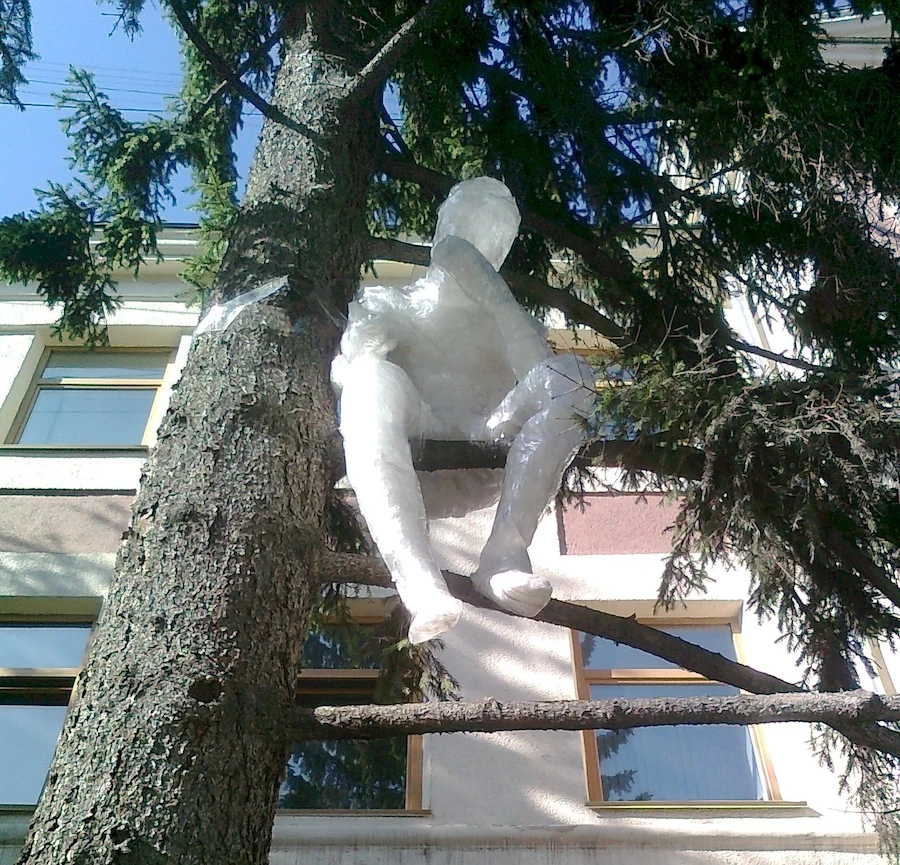
Layers of clear tape form a detailed, life-sized cast of the human body
A model is wrapped in plastic cling film so the tape doesn't adhere to clothing, and then built up with overlapping 6-to-8-inch strips of clear tape. Once enough layers are applied, the outer shell is carefully sliced open, removed, and taped or glued back together along the cut. This clever casting technique can be used on almost any object, not just people.
Creating Custom DIY Nail Art
You don't need a trip to the salon to get crisp geometric patterns on your nails. All you need is nail polish and low-tack tape that lifts off surfaces cleanly without pulling up underlying polish. 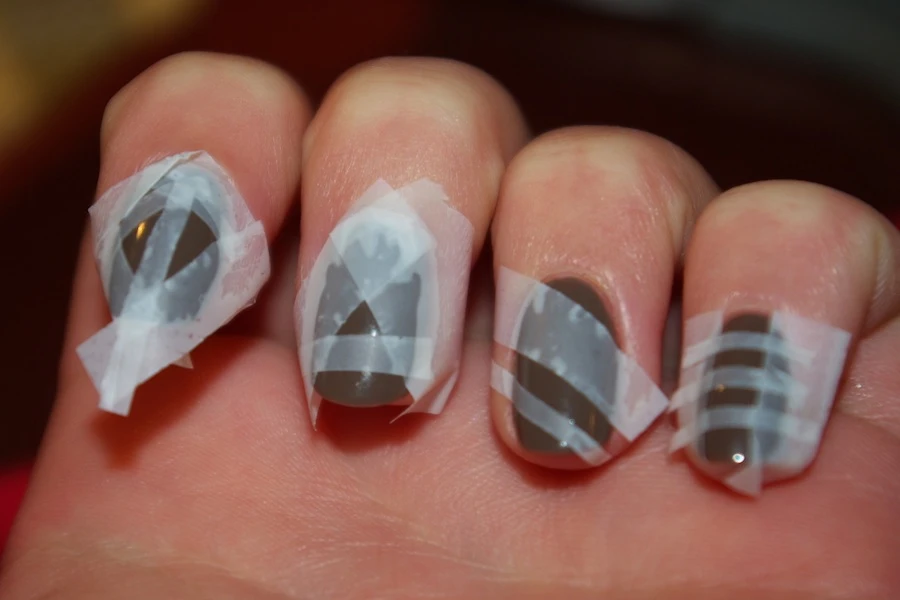
Shaped pieces of tape placed beneath a layer of polish yield crisp geometric nail designs
Paint your nails with a base color and let them dry completely. Cut small shapes out of the tape—such as squares, triangles, or sharp angles—and stick them onto your nails. Paint over the entire nail with a contrasting polish color, then use tweezers to peel off the tape strips once dry. The original base coat underneath is exposed, leaving behind sharp geometric designs.
Making Frosted Glass Clear
Frosted glass diffuses light because its surface is covered in micro-textures, making whatever is behind it appear blurry. 
The adhesive layer fills in micro-texture gaps on frosted glass, restoring transparency
The sticky adhesive layer of clear tape fills in those tiny surface irregularities, creating a smooth surface. Light stops scattering and passes straight through the pane almost as clearly as standard glass—and the effect lasts for as long as the tape remains stuck.
Isolating Graphene
Graphene is a single, atom-thick sheet of carbon. It is the strongest material known to science, yet completely transparent. In 2004, physicists Andre Geim and Konstantin Novoselov at the University of Manchester successfully isolated it for the first time, publishing their groundbreaking findings in the journal *Science*. 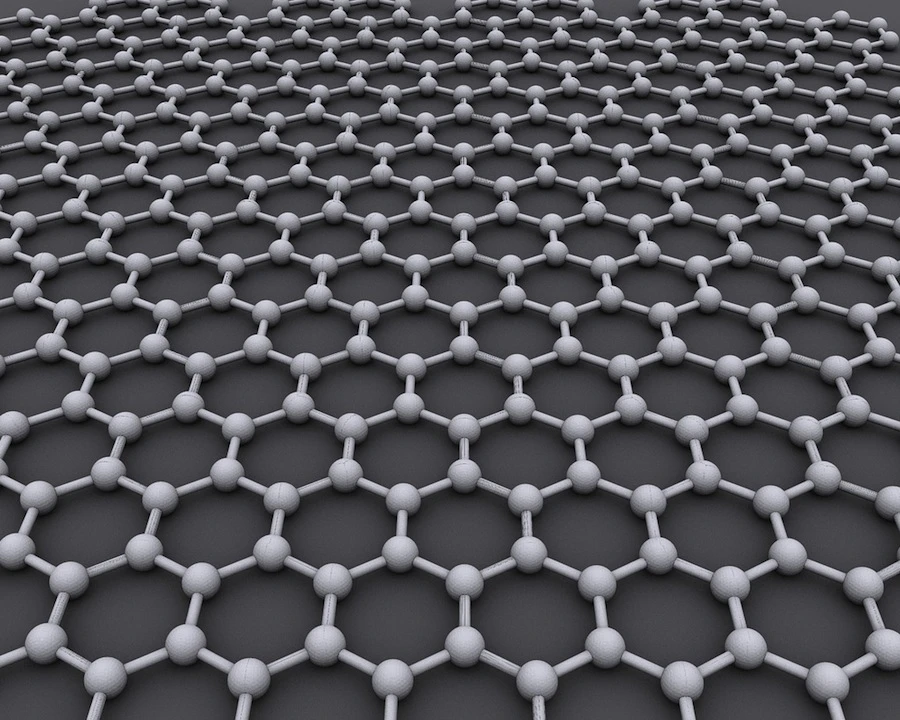
Adhesive tape pressed against graphite allowed researchers to isolate a single atomic layer for the first time
The researchers repeatedly pressed ordinary sticky tape against a piece of graphite and peeled it away, gradually flaking down the carbon layers until a single atom-thick sheet remained. Dissolving the tape in chemical solvents left behind pure graphene. In 2010, Geim and Novoselov were awarded the Nobel Prize in Physics for these experiments—a historic discovery achieved with little more than graphite pencils and Scotch tape.
Which of these unusual uses for Scotch tape surprised you the most?