Three Men Ventured Beneath the Chernobyl Reactor to Drain the Water. Here's What Happened to Them Next (10 Photos)
It is May 1986. Beneath the burning Reactor No. 4 lies a pool filled with radioactive water, with molten core material creeping steadily toward it. Three volunteers don scuba gear, dive into the murky black water, open the sluice valves, and... according to HBO's hit miniseries, die agonizing deaths two weeks later. 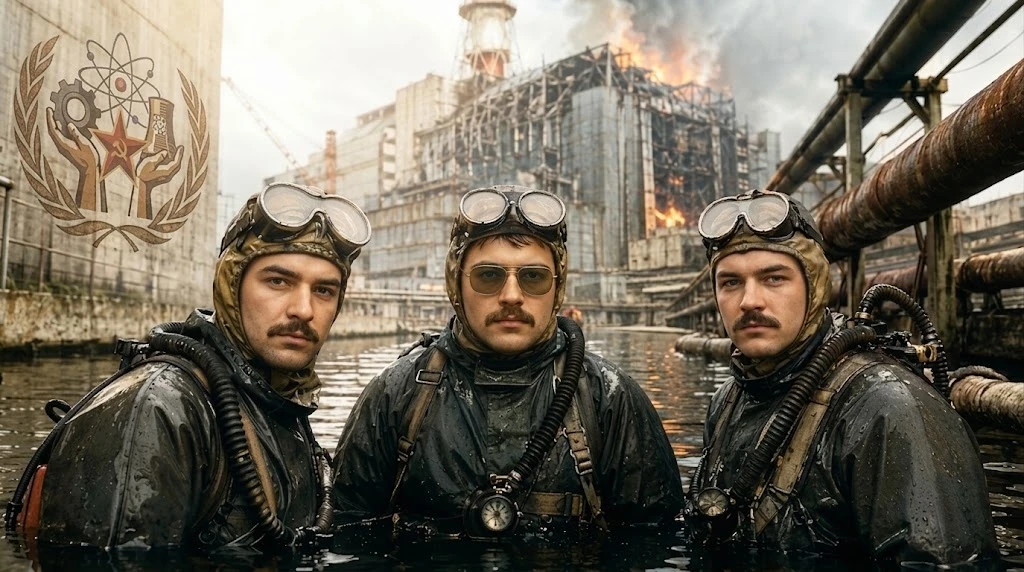
Dramatically moving. Tragic. To this day, schoolteachers share this story in history class.
There's just one problem: almost none of it is true.
Every man involved in that mission survived. In fact, two of them are still alive today.
Who actually went down into that basement, what did they really do, and how did their story actually end? Let’s take a closer look.
The Real Threat Beneath the Reactor
A few days after the explosion, it became clear that the greatest danger was no longer above ground, but below. And it was grave: a secondary explosion was looming that could have made the disaster infinitely worse.
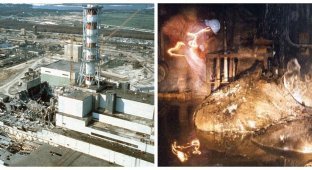
The reactor fuel had melted together with structural metal, concrete, and sand into a blistering lava-like mass that nuclear physicists call corium.
According to HBO, this is what the three hero engineers looked like. Here is what actually happened. 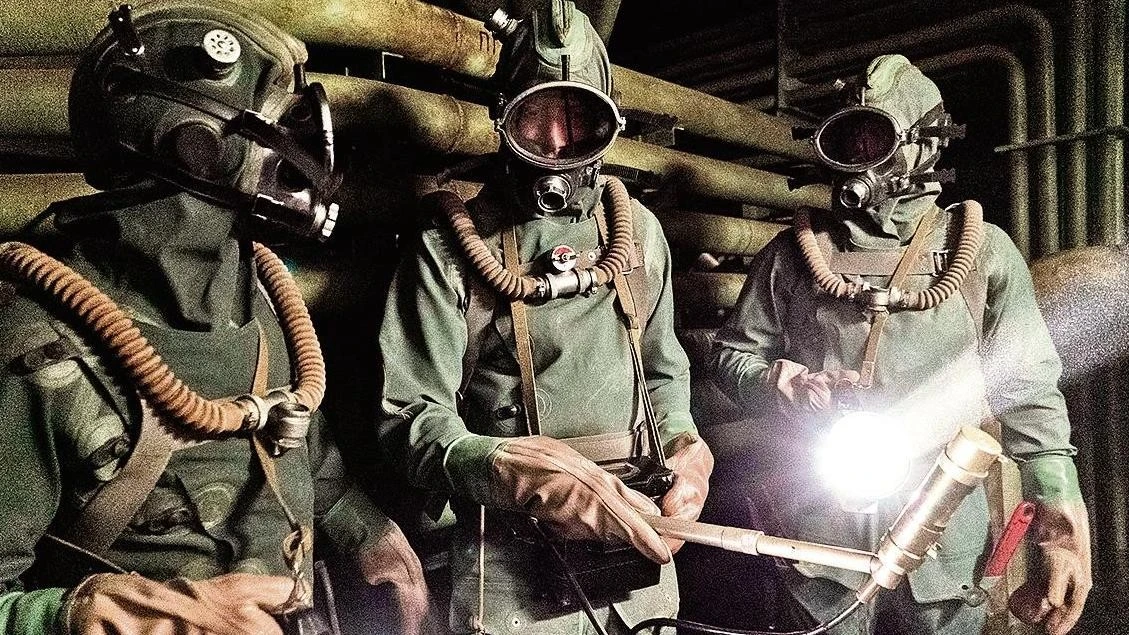
Reaching temperatures over 1,600 °C (2,900 °F), this radioactive "lava" seeped through service pipes and cracks into lower sub-chambers, solidifying as it moved. No one knew how far it would go.
Directly underneath the reactor was the bubbler pool—a standard safety system designed to condense steam in the event of a routine emergency. But nobody had planned for a catastrophe of this scale.
The scientists' calculations were grim. If the white-hot corium plunged into the flooded pool, the water would instantaneously flash into steam.
The result would be a catastrophic thermal steam explosion, blowing apart structural foundations and spewing a vast new plume of radioactive debris—right at the peak of cleanup operations, when personnel were already stretched to the limit. 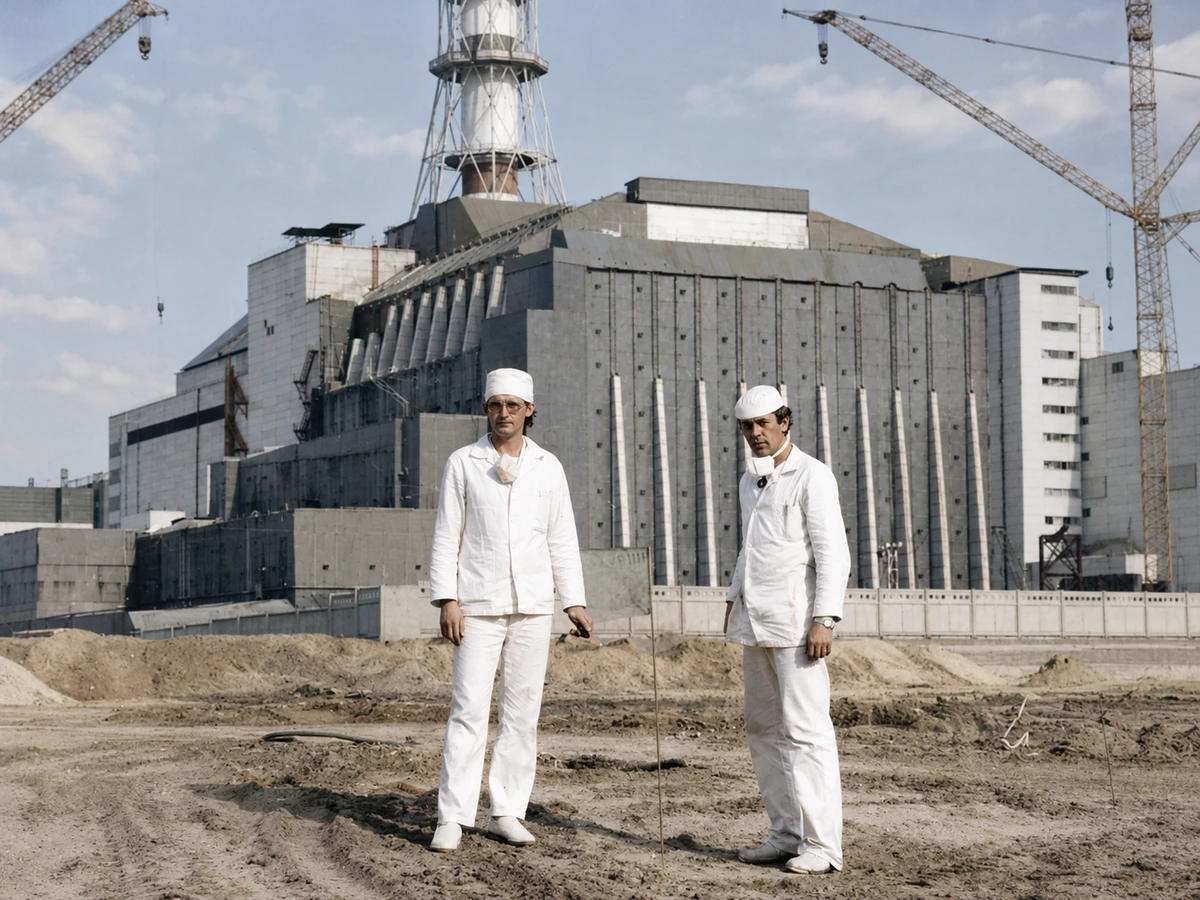
The threat of a steam explosion and a secondary fallout plume was very real. In reality, it was unlikely to level major cities hundreds of miles away, but in May 1986, nobody could accurately calculate the risk—and official fears were running high.
Fire brigades were pumping out water with heavy machinery, but to fully drain the pool using the plant's drainage system, two manual sluice valves in the lower basement had to be opened by hand.
Someone had to go down there.
Who Actually Went Down
There was no dramatic call for volunteers. There was just an active shift, an order, and a job to be done.
Alexei Ananenko 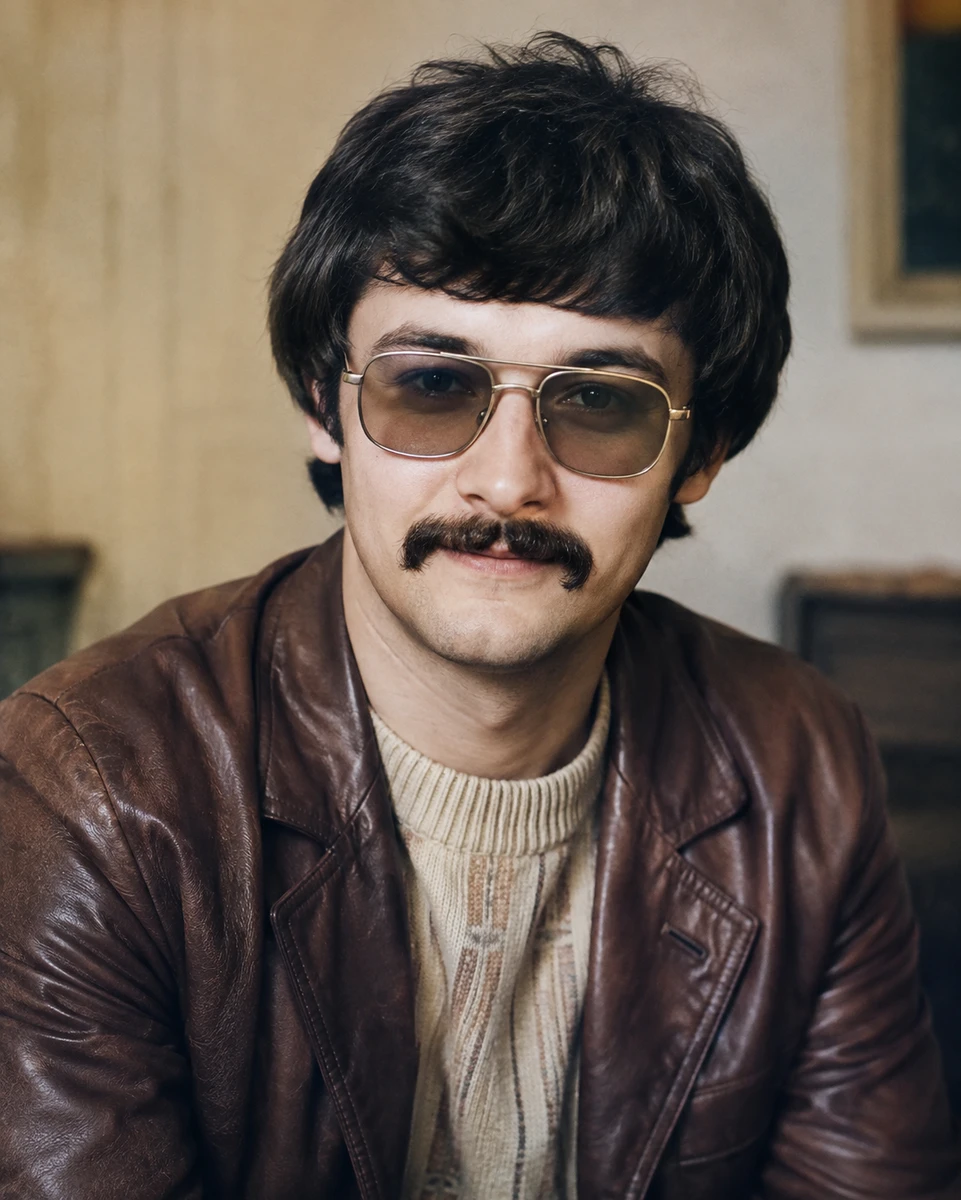
On May 6, 1986, ten days after the initial explosion, Alexei Ananenko—a 26-year-old senior mechanical engineer for Reactor Hall No. 2—received a phone call. He was told to head down to drain the bubbler pool. He was chosen for one simple reason: he worked on the maintenance team and knew the sub-levels of the reactor block like the back of his hand.
Ananenko called shift leader Boris Baranov and requested a second engineer, since there were two valves to open. Valeri Bespalov, a senior turbine engineer, was assigned to join him. Baranov decided to accompany them himself to provide assistance if anything went wrong. 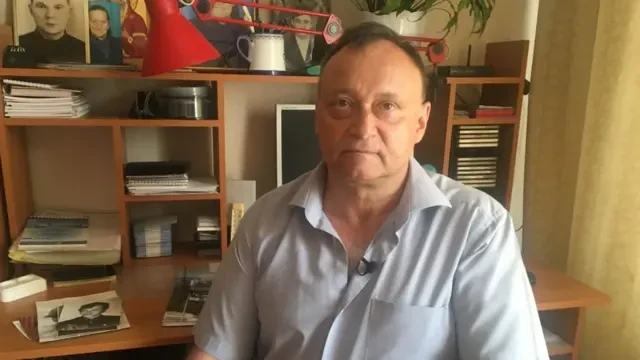
Alexei Ananenko today
Ananenko later explained matter-of-factly that he never felt he was walking to his death. He was sent because he possessed the specific technical knowledge required, and no one else could do it. Refusing, he noted, wasn't an option: "If I had refused, what kind of engineer would I be?"
They were chosen not because they were prepared to die, but because they knew exactly where to go and what to turn.
What the "Dive" Was Really Like
The media stuck the label "divers" on the trio forever. But they never actually dived into deep water. 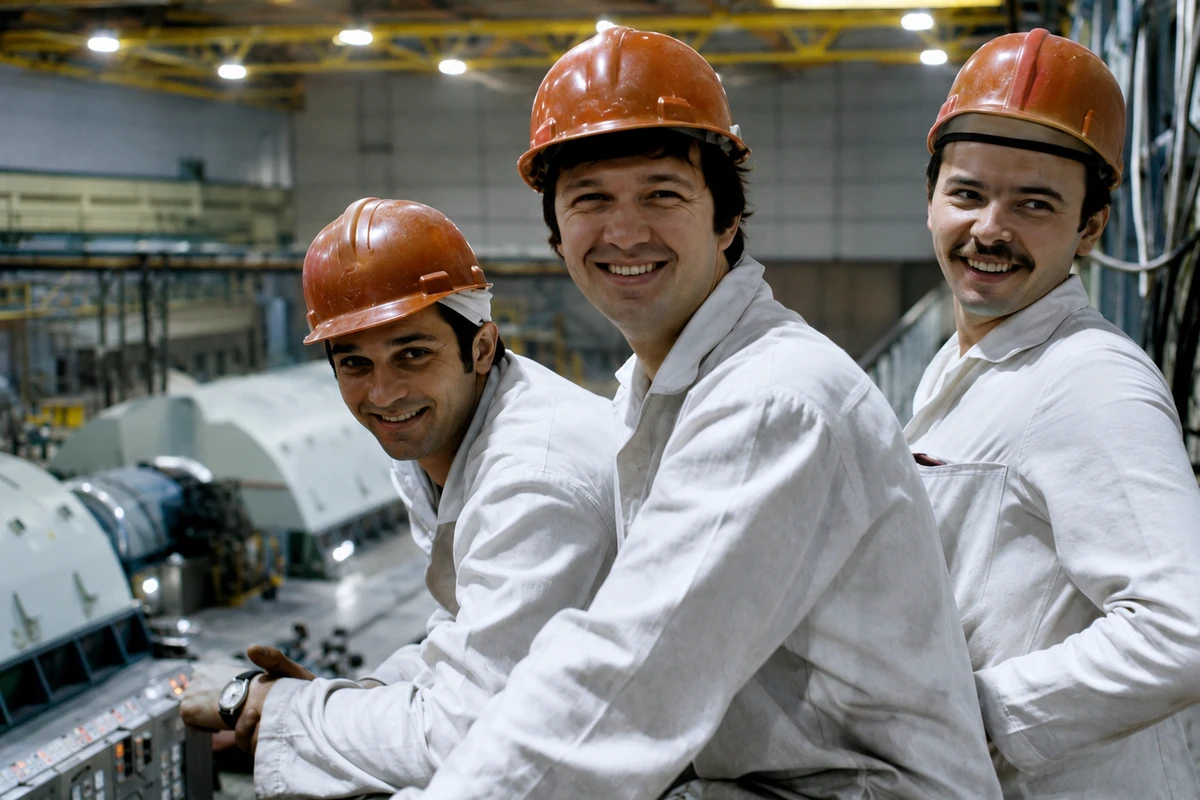
The engineers put on waterproof wetsuits—which were technically called diving suits, though no air tanks were provided. There was nowhere to swim anyway. Instead of scuba gear, they wore simple "Lepestok" paper dust respirators, standard Soviet masks designed to filter out dust and aerosols.
Ananenko carried two dosimeters: one clipped to his chest and another attached near his ankle to measure radiation at water level. He brought a flashlight, as the corridor's electrical lighting was destroyed, leaving the flooded passageway pitch-black. He also grabbed an adjustable wrench in case the valve handwheels were jammed.
The water turned out to be only knee-deep, as firefighters had already drained a large portion. Wanting to minimize contact with the water, the men balanced on a pipe running along the corridor wall above the water level. Walking along it was slow going—a loss of balance meant falling in—but it kept them away from the radioactive silt settled on the floor.
The valves turned easily by hand, making the wrench unnecessary. Listening to the rushing sound of water draining from the pool, they knew the mission was a success. They turned around and headed back.
The Real Effects of Radiation on the Men
Back at the surface, Ananenko turned in his dosimeters. He couldn't recall the exact readings later, noting that there was nothing astronomically high—a forgettable number, rather than a death sentence. As he reasonably pointed out, if the reading had been lethal, he certainly would have remembered it.
Still, it was no walk in the park. 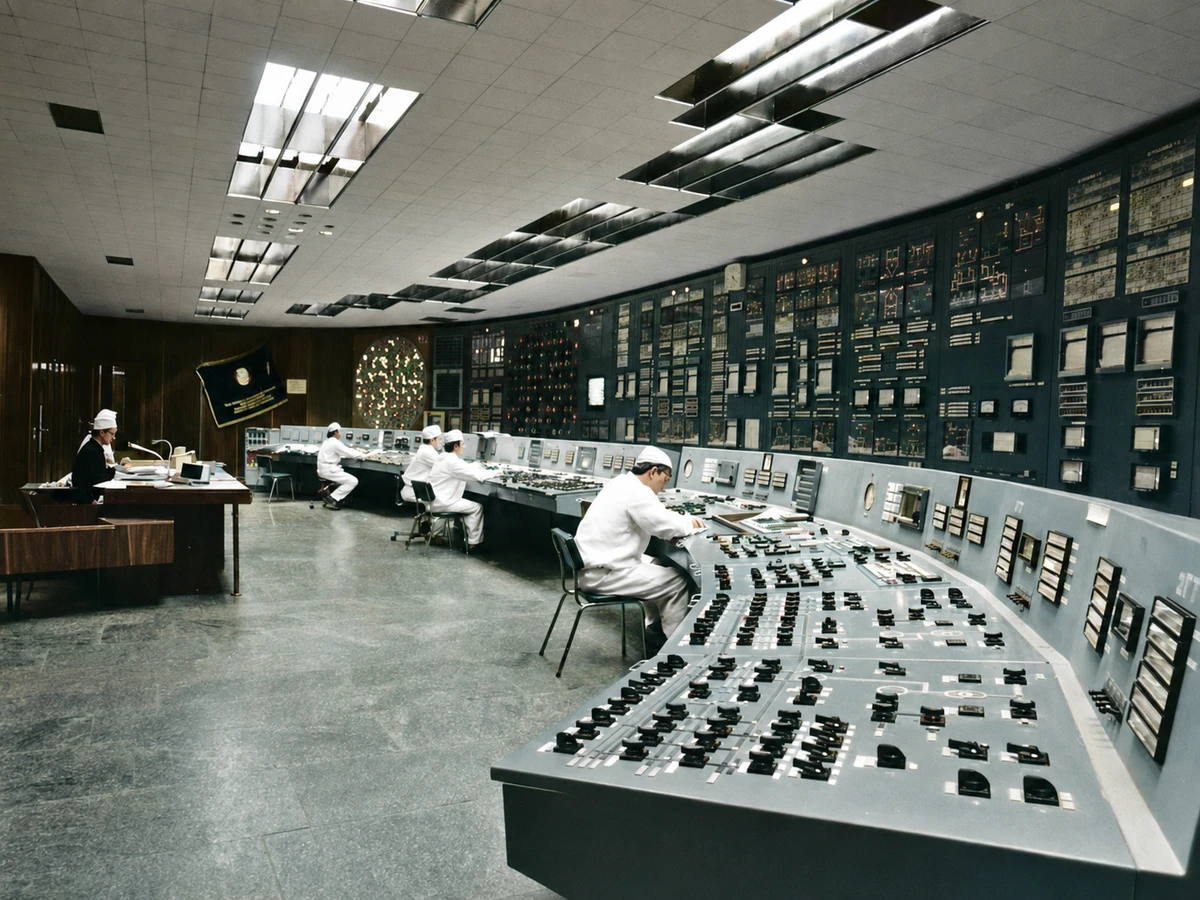
Bespalov recalled heading straight for the showers afterward. They scrubbed down, but the radiation monitor at the exit kept buzzing. They showered again, and it kept buzzing. As Ananenko dryly noted, waterproof suits offered zero shielding against penetrating radiation.
Dark spots later appeared on his legs—what liquidators dubbed "radiation tan." Over three years of cleanup work, Ananenko accumulated a total radiation dose of 92 rem. For context, the standard annual limit for nuclear plant workers is around 5 rem.
Crucially, however, none of the three developed acute radiation sickness. 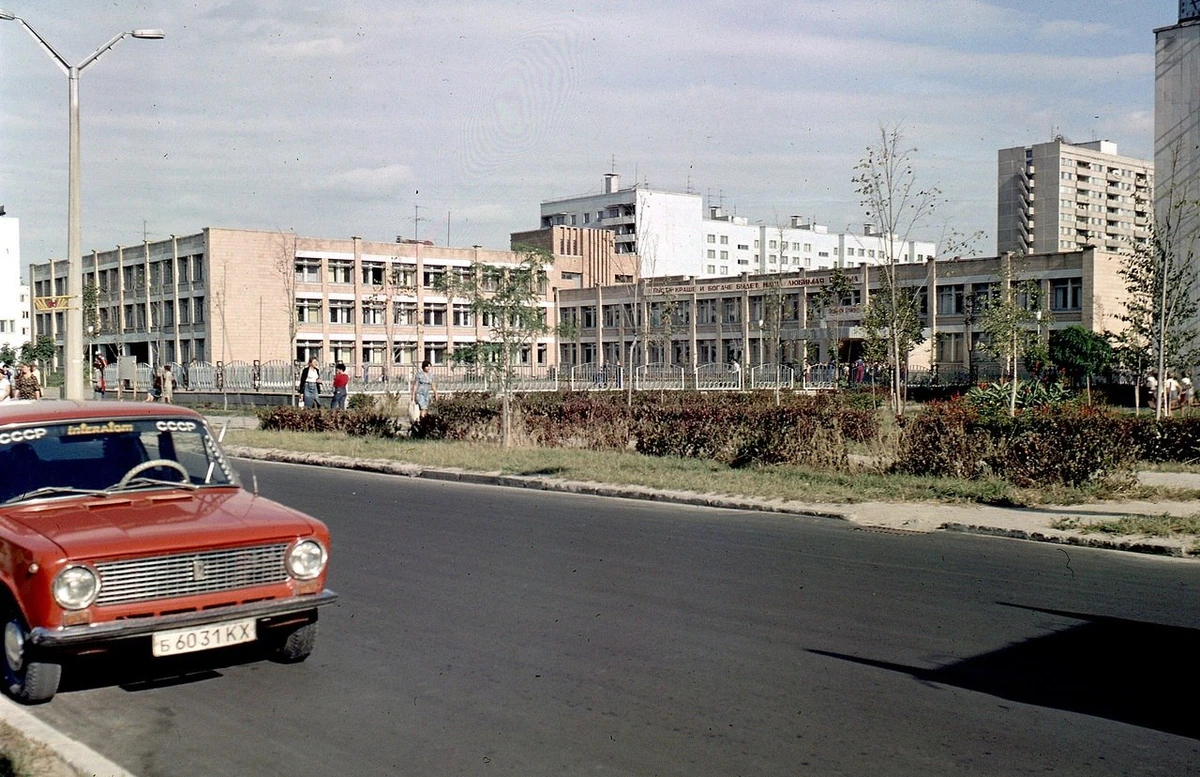
Pripyat before the accident
On May 16, 1986, ten days after the operation, Soviet news agency TASS published a feature by correspondents Vladimir Zhukovsky, Vladimir Itkin, and Lev Chernenko titled "Chernobyl: Address of Courage." The journalists' goal was clear—to capture the heroism and drama of the cleanup. In their retelling, men balancing on a pipe in knee-deep water became heroic figures navigating pitch-black flooded mazes, and a routine engineering task became a suicide mission.
What followed was a 30-year game of telephone.
The article was reprinted countlessly, with each retelling adding more sensational drama. The term "divers" morphed wetsuits into full scuba gear. Eventually, commentators added the trio to lists of men who had died of acute radiation sickness days after the mission. Nobody bothered to fact-check: why look for living heroes who, by all dramatic rules, were supposed to be dead?
In 2019, HBO condensed all these urban legends into a single scene complete with coerced volunteers, ink-black water, and failing flashlights.
Meanwhile, the real heroes of the legend were simply going to work every day.
Where Are They Now?
They simply carried on with their lives.
Boris Baranov continued working at the Chernobyl Nuclear Power Plant as a shift supervisor until the plant was permanently shut down in 2000. He passed away from a heart attack on April 6, 2005, in Kyiv at the age of 64, and was buried at the Lisove Cemetery. 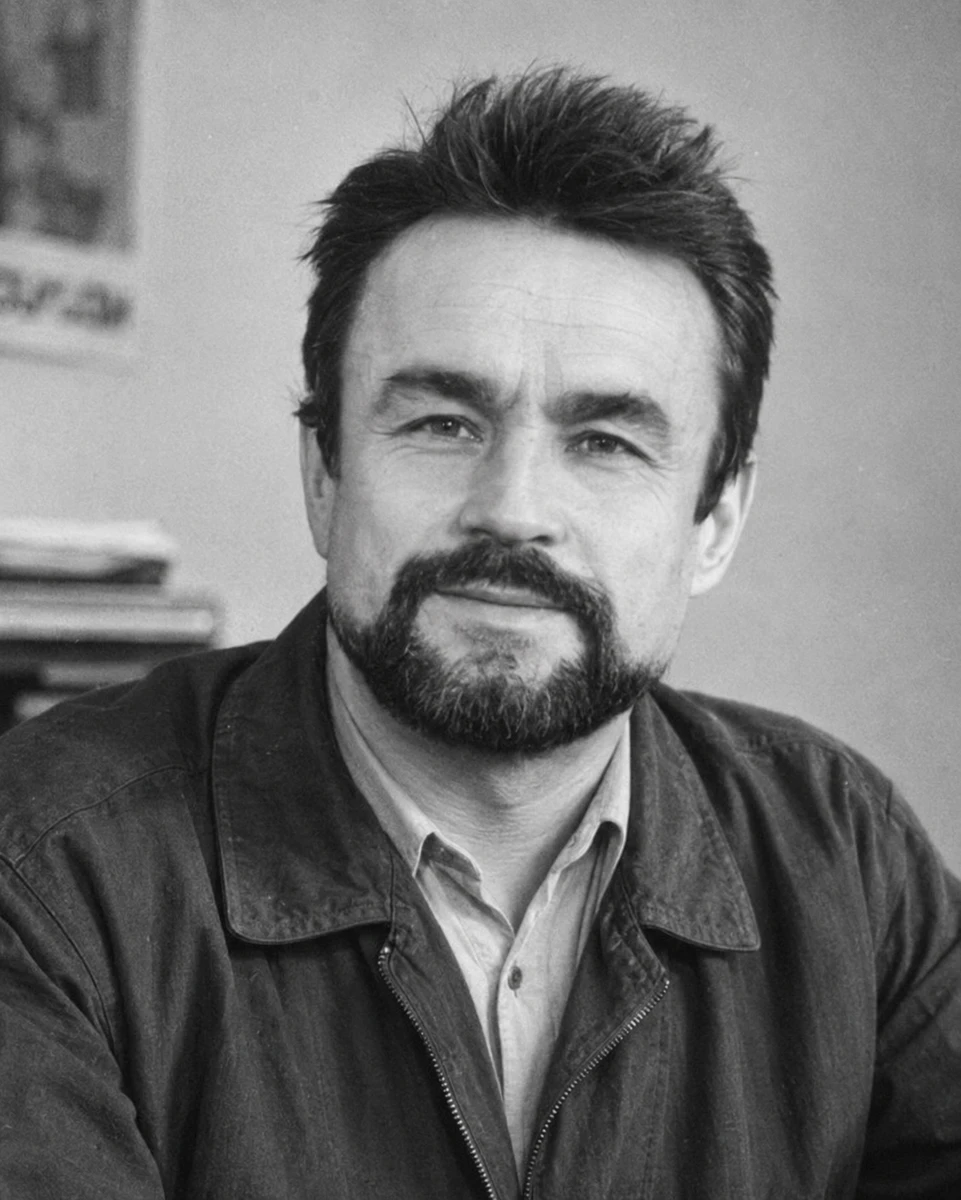
Boris Baranov
Valeri Bespalov continued working at the plant and later at Energoatom before eventually retiring.
Alexei Ananenko worked rotation shifts at Chernobyl for three more years until age 29, when he was medically discharged due to heart issues. He joined the State Committee for Nuclear Safety, where he spent sixteen years heading a department monitoring nuclear plant incidents. The man who was "buried" in 1986 spent half his career analyzing emergency responses elsewhere. 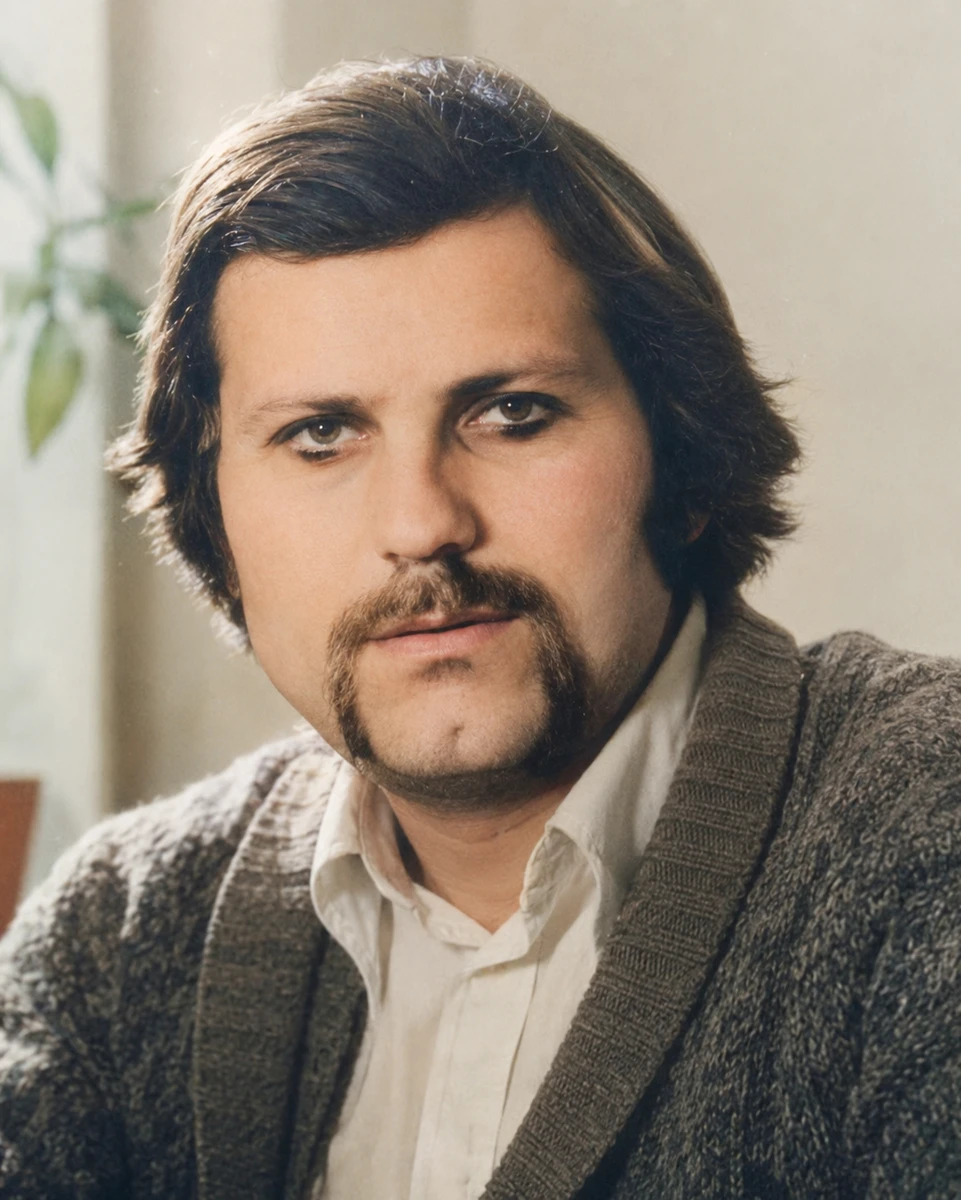
Valeri Bespalov
Ananenko and Bespalov were assigned apartments in the same residential district of Kyiv—Troieshchyna, inside high-rises built for Chernobyl personnel on Balzac Street. For decades, the two "dead divers" shopped at the same local grocery store, unrecognized by passersby.
The best summary of this story came not from a reporter or a screenwriter, but from a child living next door.
Ananenko's wife, Valentina, recalled in an interview that when the HBO series aired, a local school held a special lesson about Chernobyl.
The teacher recounted the heroic tale of the three divers who sacrificed their lives draining the pool. At that point, a young boy raised his hand and spoke up:
"That's not true, that man lives right next door to me."