"Playing Dead": True stories of people who tried to fake their own deaths for cash (15 photos)
The crime thriller
Just Play Dead
, starring Samuel L. Jackson and Eva Green, has hit theaters. The film follows a man who decides to vanish to claim a $30 million life insurance payout, dragging his wife into the scheme. While it sounds like pure Hollywood fiction, similar plots have played out in real life time and again. Here is a look at how real people tried to cheat death for cash—and the tiny slips that ultimately gave them away. 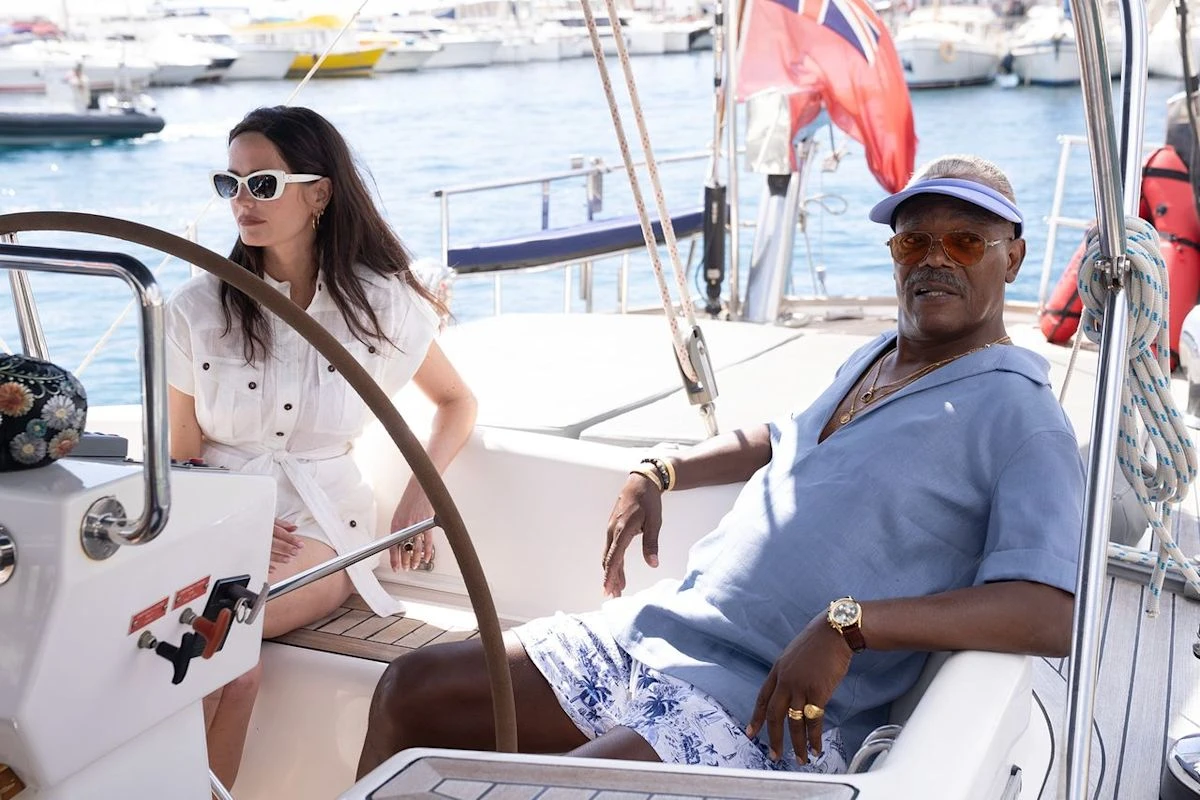
A movie plot that played out in real life
At the center of the film is mob boss Jack Wolf. Facing intense pressure from federal authorities, he decides to disappear by staging his own death. The plan is simple: pocket a massive life insurance payout while framing his wife's lover. But his wife, Nora, has her own agenda—and instead of playing along, she takes matters into her own hands. 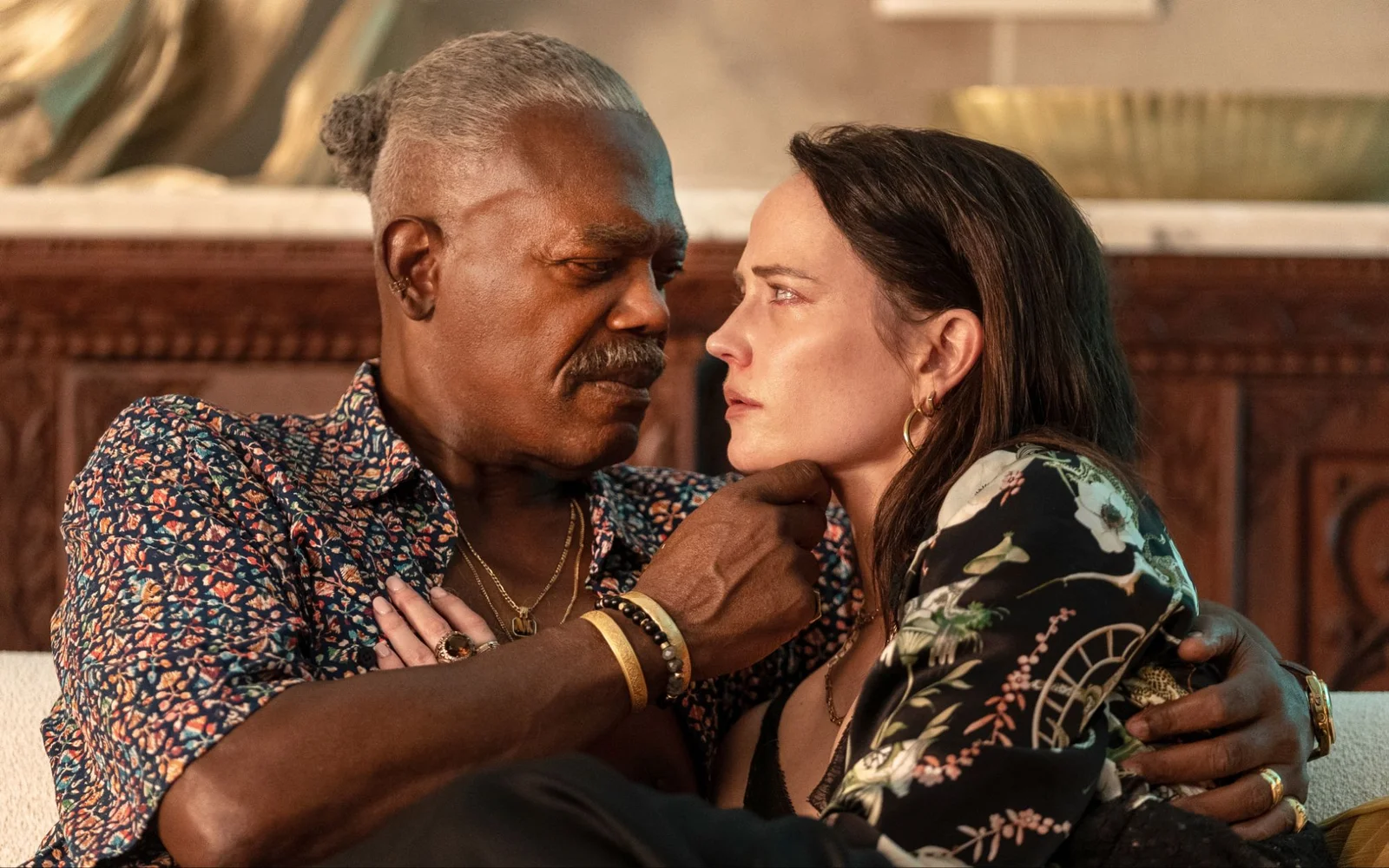
Samuel L. Jackson and Eva Green play a couple with two very different plans for the same scam
Directed by Martin Campbell (
Casino Royale
,
The Legend of Zorro
) and written by Dan Gordon, the film feels like high-stakes drama. Yet real life has never lacked people willing to fake their own demise for money. Almost all of them got caught over a single oversight—though each made a mistake uniquely their own.
John Darwin: Five years "in the grave" for $510,000
On the morning of March 21, 2002, John Darwin, a British prison officer from the coastal town of Seaton Carew, pushed his red canoe into the sea and paddled off along the coast. He never returned. Search teams found only his damaged canoe—there was no sign of Darwin. Thirteen months later, a court officially declared him dead. 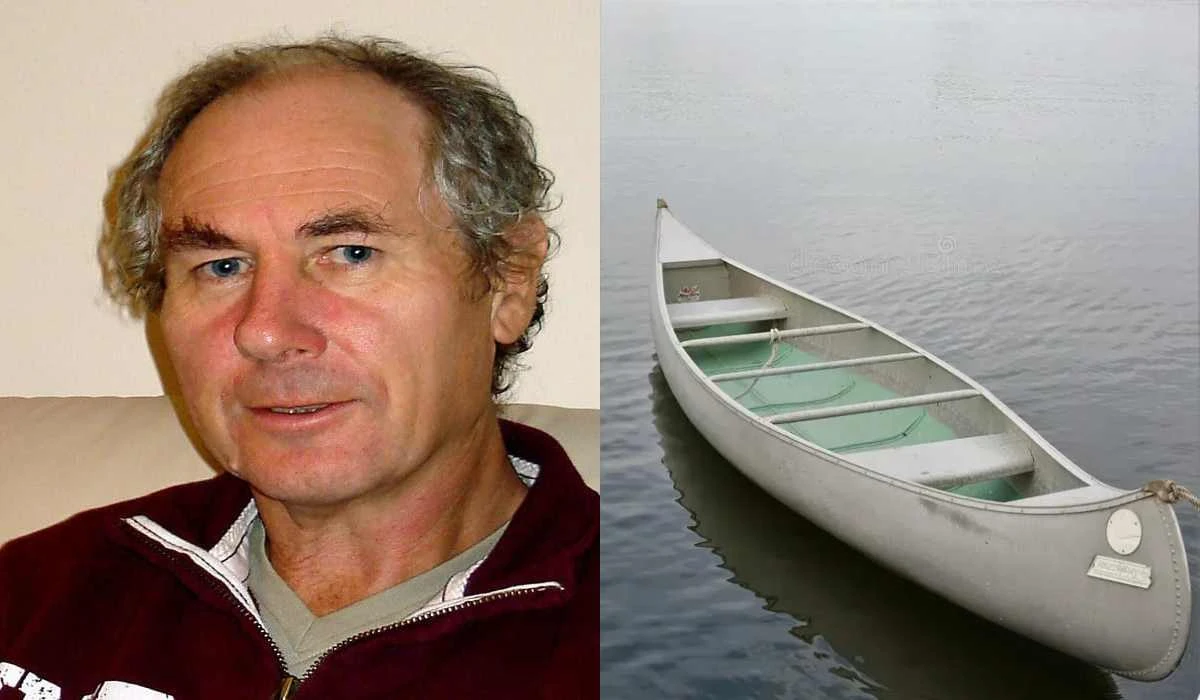
John Darwin: Presumed dead for five years until an online photo unravelled the entire scheme
His wife, Anne, filed a life insurance claim and collected $510,000. The couple used the money to pay off their mortgage and purchase property in Panama. All the while, John was alive and well: for five years, he split his time between hiding in a secret room right next door to his own sons in England and living under a fake identity with his wife in Central America. 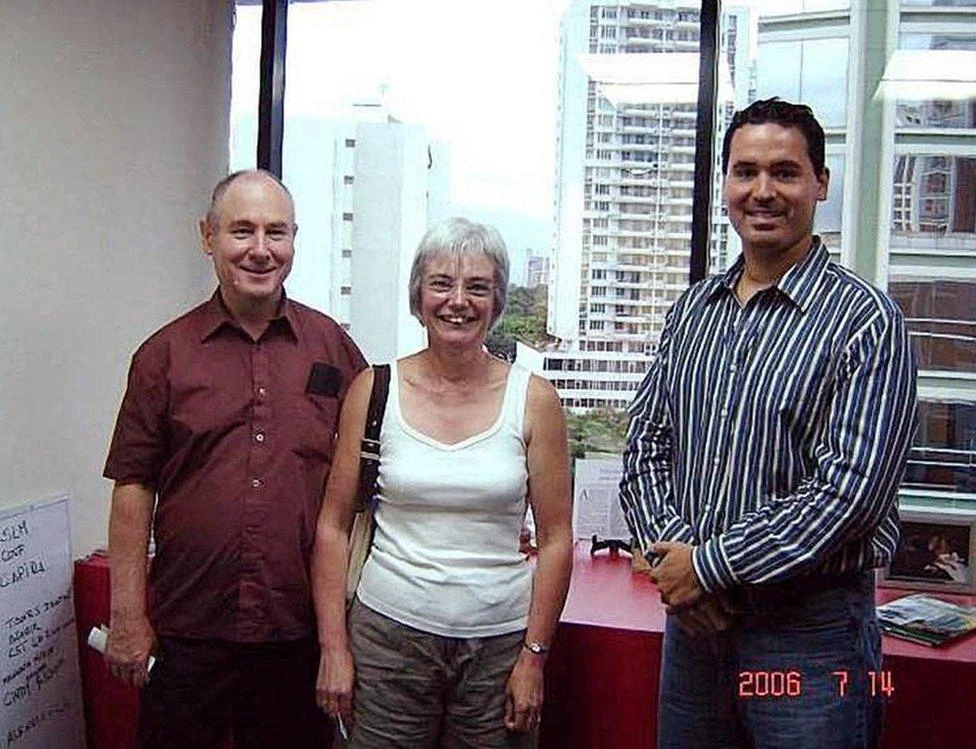
John and Anne Darwin with real estate agent Mario Vilar in Panama City, July 14, 2006. This photo on the "Move to Panama" website shattered her story of widowhood
The scam unravelled by complete accident. An acquaintance stumbled upon a 2006 photo online showing John and Anne posing alongside the director of a Panamanian relocation company. On December 1, 2007, Darwin walked into a London police station claiming he had amnesia. His sons learned their father was alive along with the rest of Britain—from the news headlines. 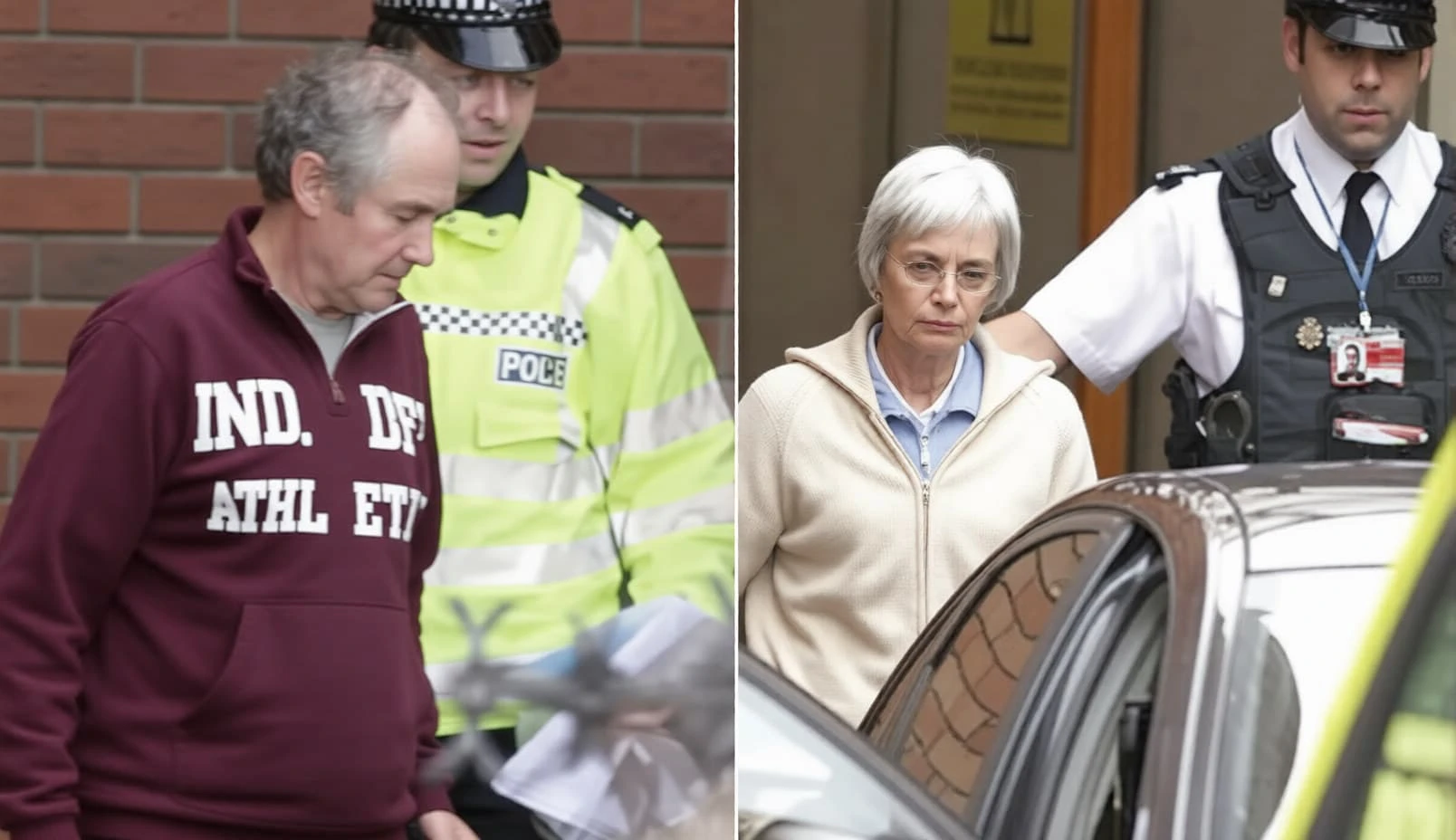
John Darwin following his arrest in December 2007, alongside Anne Darwin. Both received sentences of just over six years
Neither the court nor the public bought the amnesia story or his wife's claims of innocence. In 2008, John was sentenced to six years in prison for fraud, while Anne received six and a half years for money laundering and conspiracy. The couple later divorced, leaving most of the stolen funds unrecovered by the insurance company.
Marcus Schrenker: The plane crash witnessed by fighter jets
A similar sense of desperation drove American financial adviser Marcus Schrenker. By early 2009, the 38-year-old wealth manager from Indiana was facing a triple crisis: his wife had filed for divorce, state regulators were auditing his firm, and former clients were accusing him of embezzling their investments. Prosecutors would later establish that client claims against Schrenker exceeded $20 million. 
August 31, 2008: Schrenker and his wife, Michelle, pose in a dealership ad alongside a Lexus and his private plane—funded by defrauded investors
On January 11, 2009, Schrenker took off from Indiana in his single-engine turboprop Piper Malibu, heading for Florida. Flying over central Alabama, he radioed air traffic controllers, frantically claiming his windshield had imploded and that he was bleeding profusely. Shortly after, radio communication went silent. 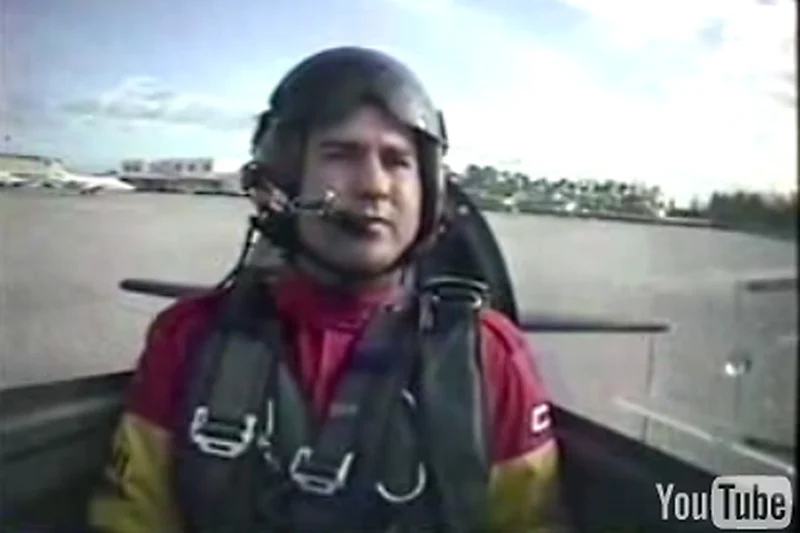
An experienced amateur pilot, Schrenker thought staging a plane crash would be as simple as describing it over the radio
In reality, Schrenker was already preparing to bail out. He put the plane on autopilot toward the Gulf of Mexico, opened the cabin door, and parachuted out into the night. A motorcycle he had stashed in nearby woods beforehand was supposed to help him make a swift getaway.
The plan failed to withstand scrutiny mid-air. Military F-15 fighter jets were scrambled to intercept the uncrewed aircraft, and the jet pilots reported that the plane was flying on autopilot, the cabin door was open, and the windshield Schrenker claimed was shattered was completely intact. The aircraft flew on autopilot for another 200 miles before crashing into a Florida swamp, narrowly missing a residential neighborhood. 
It was the pristine windshield that exposed the distress call Schrenker had radioed to controllers as a fake
Meanwhile, Schrenker rode his motorcycle to a campground near Tallahassee. Two days later, U.S. Marshals tracked him down inside a tent, bleeding from self-inflicted wrist slashes. He was hospitalized before being extradited back to Indiana for trial. 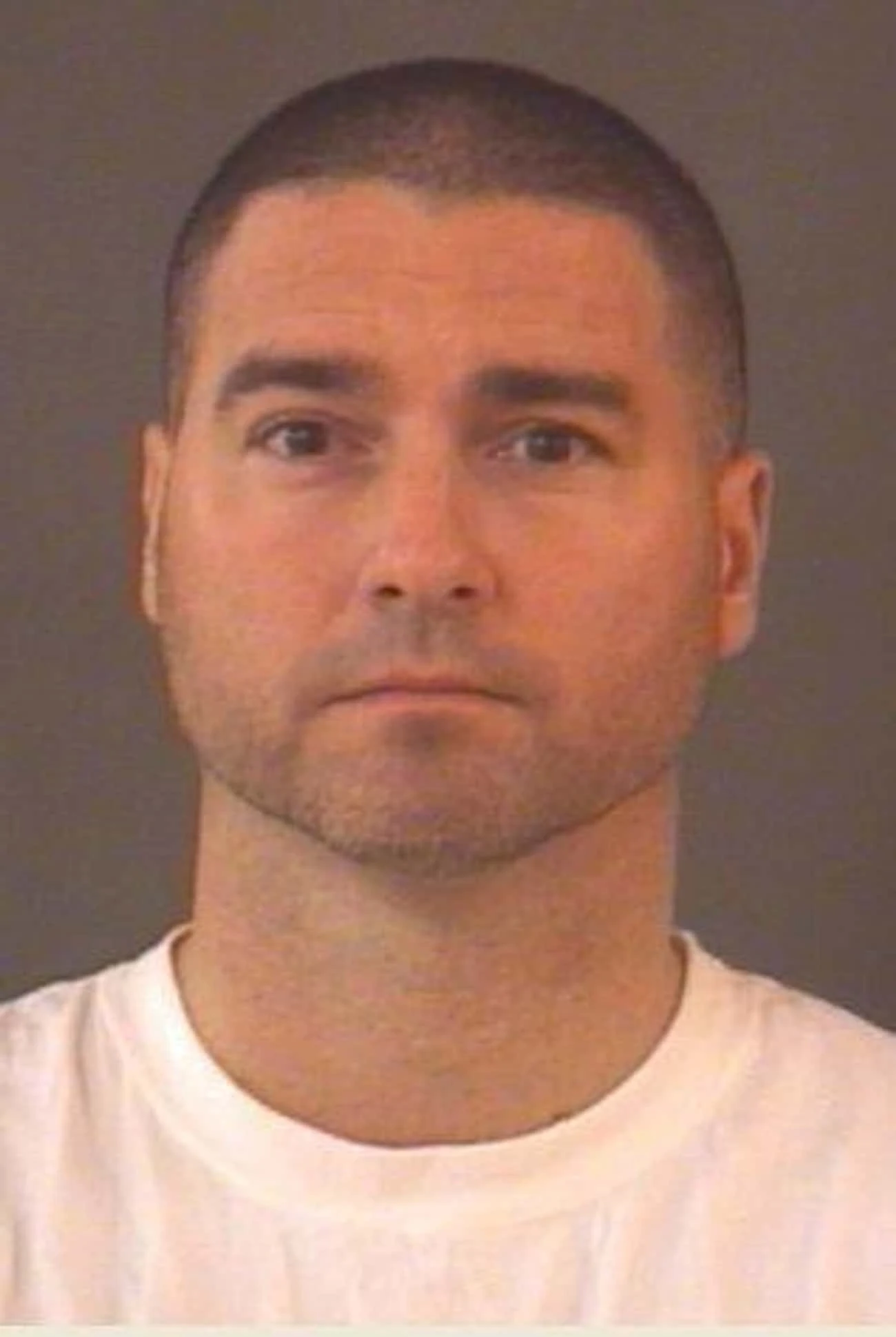
Instead of vanishing without a trace, Schrenker faced two federal cases, hospitalization, and over 14 years behind bars
Schrenker eventually pleaded guilty in both federal and state courts. A federal judge sentenced him to over four years in prison for making a fake distress call and intentionally crashing an aircraft. An Indiana state court added another 10 years for investor fraud, ordering the sentences to be served consecutively.
Samuel Israel III: The fake suicide on the bridge
Hedge fund manager Samuel Israel III founded the Bayou Group and spent ten years attracting investor capital on promises of consistently high returns. In reality, the fund operated at a loss from day one, its true numbers hidden behind a fake auditing firm Israel created himself. When the fraud unraveled, prosecutors discovered that over $450 million had passed through the fund, with Israel siphoning off vast sums for his personal lifestyle. 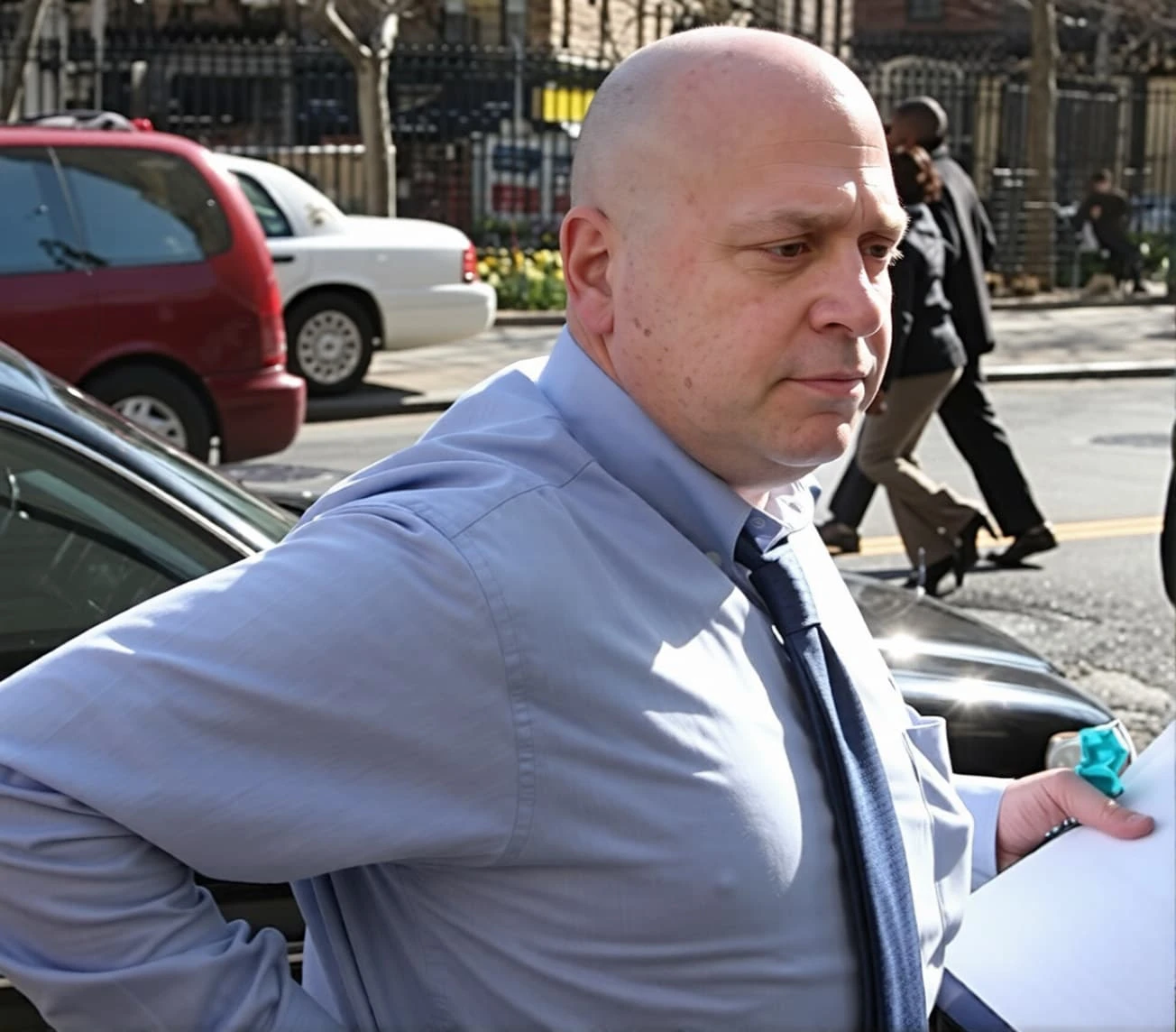
Samuel Israel III spent a decade convincing investors of steady returns from a hedge fund that was bleeding money from the start
In April 2008, a court sentenced Israel to 20 years in prison and ordered him to forfeit $300 million. He was scheduled to report to prison on June 9. That morning, his SUV was found abandoned on the Bear Mountain Bridge north of New York City. Scrawled in the dust and pollen on the hood was the phrase "Suicide is painless"—a line from the theme song of the TV show
M*A*S*H
, where characters stage a fake suicide. 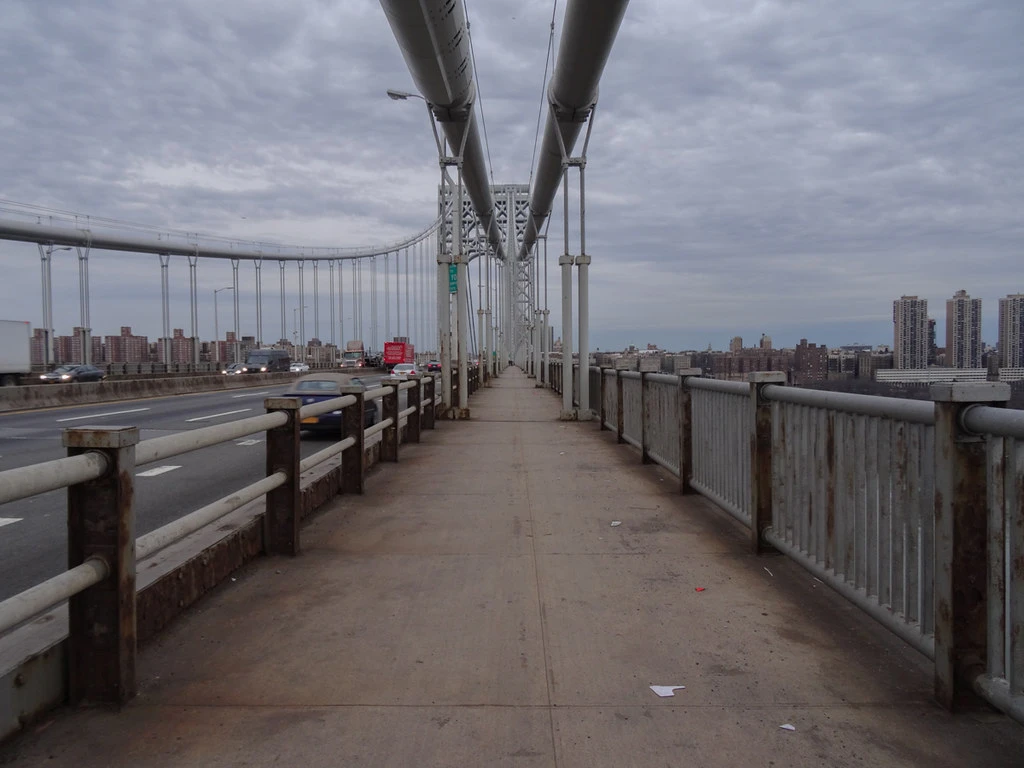
Israel's abandoned SUV was found on this bridge over the Hudson River in June 2008, leading authorities to suspect he had jumped
Police spent days dragging the river beneath the bridge, but turned up nothing. Suspicion mounted when Israel's girlfriend, Debra Ryan, told investigators she had helped him pack an RV and load a scooter into it the night before he vanished. It became clear the financier had not jumped; he was preparing to run. A nationwide manhunt under alias identities soon followed. 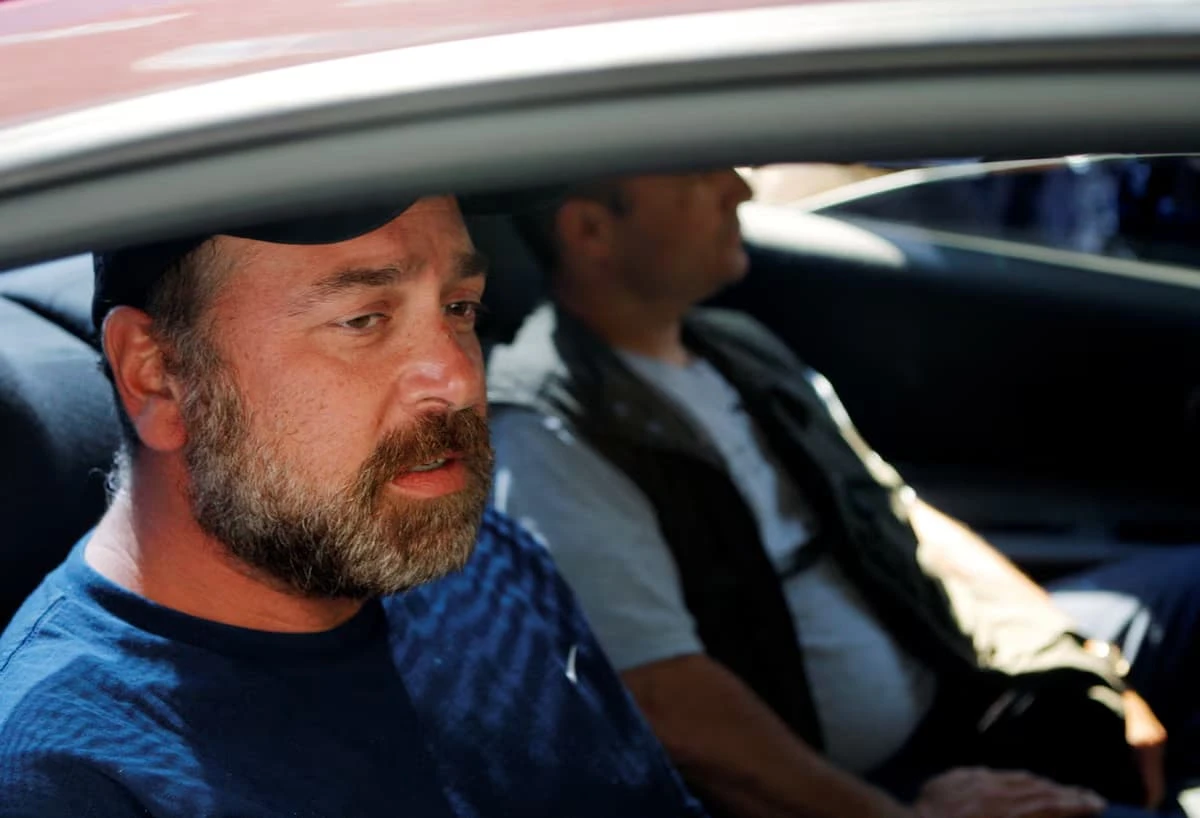
Israel spent nearly a month living in an RV at campgrounds before deciding to surrender to authorities
For nearly a month, Israel successfully hid out, living in his RV at campgrounds across Massachusetts. On July 2, 2008, he rode his scooter up to a police station in the town of Southwick and surrendered while on the phone with his mother. He later admitted in court that he had attempted a real overdose while on the run, but survived and decided not to push his luck any further.
For fleeing justice, the court tacked two additional years onto Israel's original sentence, while his girlfriend received three years' probation for aiding his escape. In total, Israel received a 22-year sentence—far longer than if he had simply turned himself in on the appointed day.
Julian Harvey: Insurance paid in blood
Not everyone who set out to defraud an insurance company stopped at faking documents. In November 1961, American sailor Julian Harvey took out a substantial life insurance policy on his wife, Dene, before taking her on a Bahamas sailing trip alongside the family of eye surgeon Dr. Arthur Duperrault. 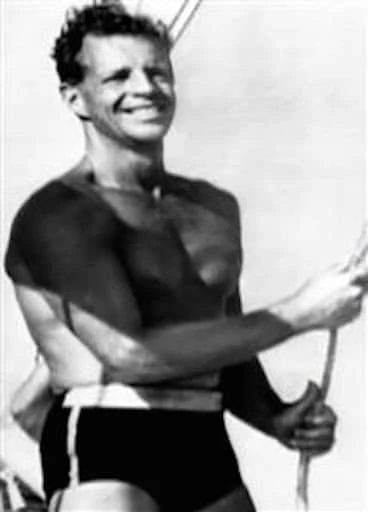
Julian Harvey—the killer who insured his wife prior to the ill-fated voyage
During the trip, Harvey drowned his wife, intending to pass it off as a tragic accident and collect the payout. The plan unraveled when Dr. Duperrault caught him in the act. Determined to leave no witnesses behind, Harvey murdered everyone on board, leaving only Duperrault's 11-year-old daughter, Terry Jo, to sink with the yacht. 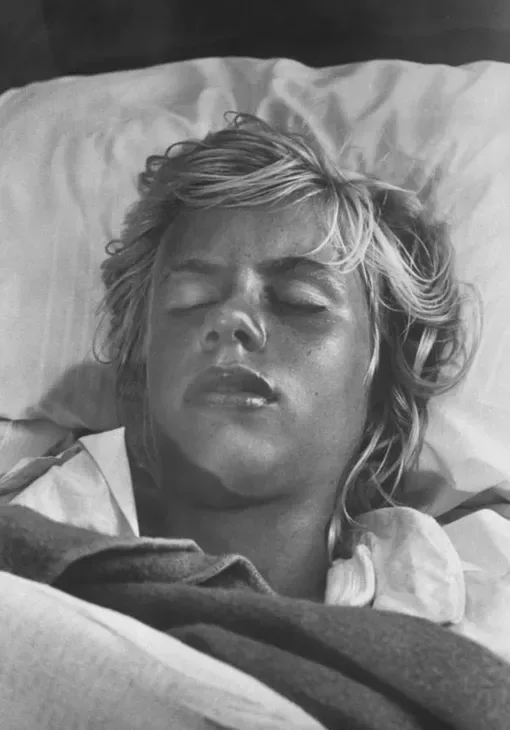
A photograph of the rescued girl made the cover of LIFE magazine, capturing the world's attention
Against all odds, Terry Jo survived. She spent three grueling days alone on a small cork float in the Atlantic Ocean without food or water until a passing freighter rescued her. Her incredible story of survival after the massacre of her family made headlines around the world.
How fake deaths fall apart
All of these cases share a common thread: the schemes were unravelled not by sophisticated forensic technology, but by sheer coincidence or careless blunders. A single online photo exposed John Darwin. Alert fighter pilots foiled Marcus Schrenker. Samuel Israel discovered that vanishing without a trace is nearly impossible when you leave a trail of hundreds of millions in stolen cash. 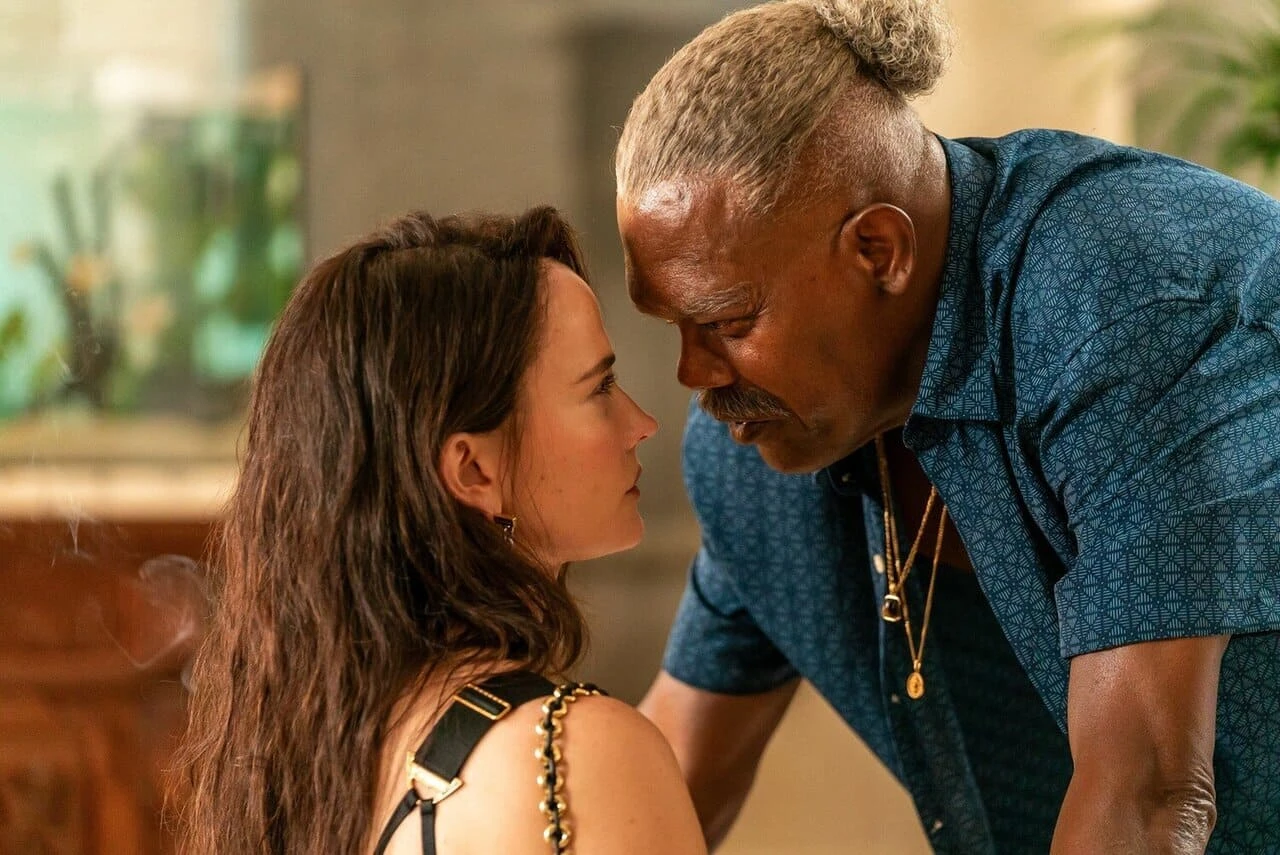
Just like in real life, the movie characters' master plan doesn't fall apart during a dramatic chase, but over a single oversight impossible to foresee
Legally, faking death for financial gain is prosecuted as fraud and forgery, adding extra prison time on top of whatever punishment the offender was trying to avoid in the first place. The characters in
Just Play Dead
are hardly the first to think they could outsmart the system this way. But as history shows, the odds are rarely in their favor.
What do you think is the single biggest mistake people make when trying to fake their own death?