How Many Civilizations Have Actually Existed on Earth? (14 Photos)
The capital of one of humanity’s earliest empires has never been found. Clay tablets tell the story of Akkad, and the names of its rulers are well documented, yet the city itself still cannot be placed on a modern map. 
If an entire imperial capital can simply vanish, how many more chapters of our past lie buried beneath earth or water?
Enigmas like this inevitably conjure up legends of Atlantis, Hyperborea, and subterranean realms. They are often bundled into lists of twelve civilizations said to have predated our own.
Yet behind one name lie tangible ruins; behind another, ancient folklore; and behind a third, the fertile imagination of a solitary author...
Hyperborea: A Vacation Beyond the North Wind 
The ancient Greeks placed the land of the Hyperboreans beyond the realm of Boreas, the god of the north wind. Its people were linked to Apollo and said to live extraordinary lifespans—essentially a sun-blessed paradise in the very quarter from which bitter winter gales blew.
While classical texts confirm the existence of the legend, no archaeological trace of a Hyperborean state has ever been found. Mercator’s map showing four polar landmasses merely reflected old lore and conjecture; a neatly drawn coastline on an antique chart does not mean anyone ever surveyed it with instruments.
The Maya: A Calendar Outlasting Kingdoms 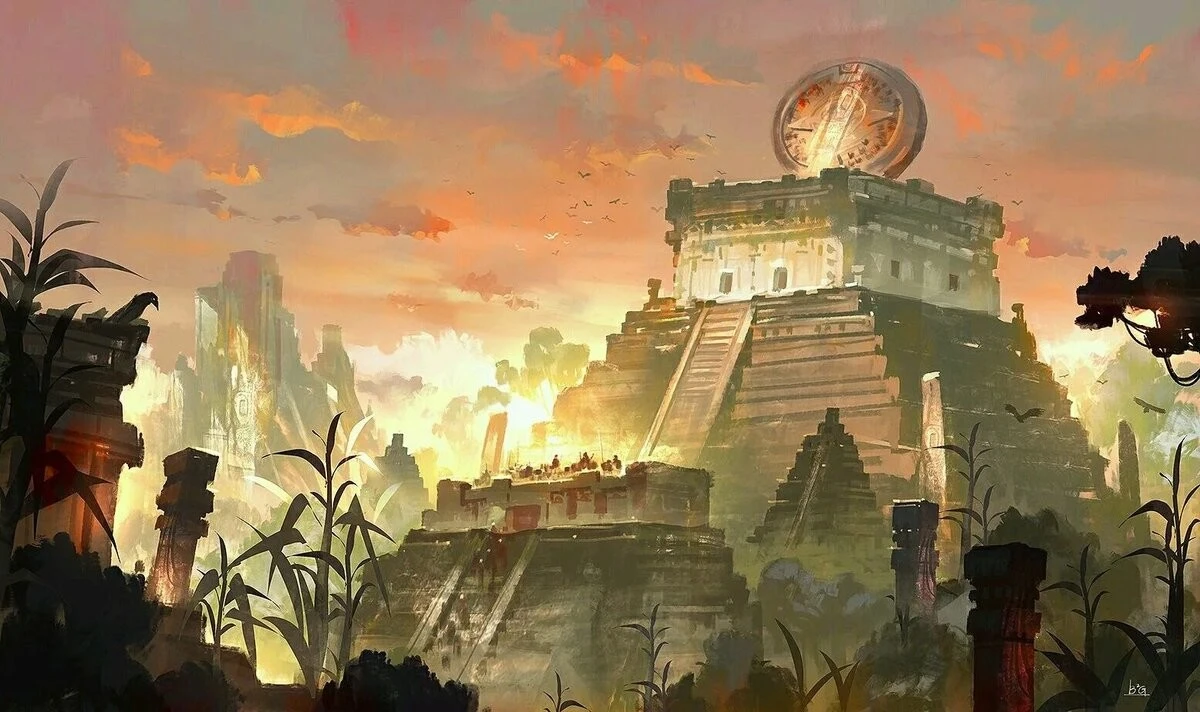
The Maya left behind cities, inscriptions, and codices. They grasped the concept of zero, devised complex calendars, and tracked the cycles of Venus. Generations of skywatchers recorded their findings and passed down their knowledge—an astonishing feat that needs no comparison with modern computers to impress.
Between the 8th and 10th centuries, many cities of the southern lowlands fell into decline. Scholars point to a mix of warfare, political turmoil, prolonged droughts, and resource depletion, with each region following its own trajectory. Meanwhile, other centers endured, and millions of Maya descendants thrive today. The myth of an entire people’s total disappearance was simply tacked on much later.
Atlantis: The Island with the Longest Search for an Address 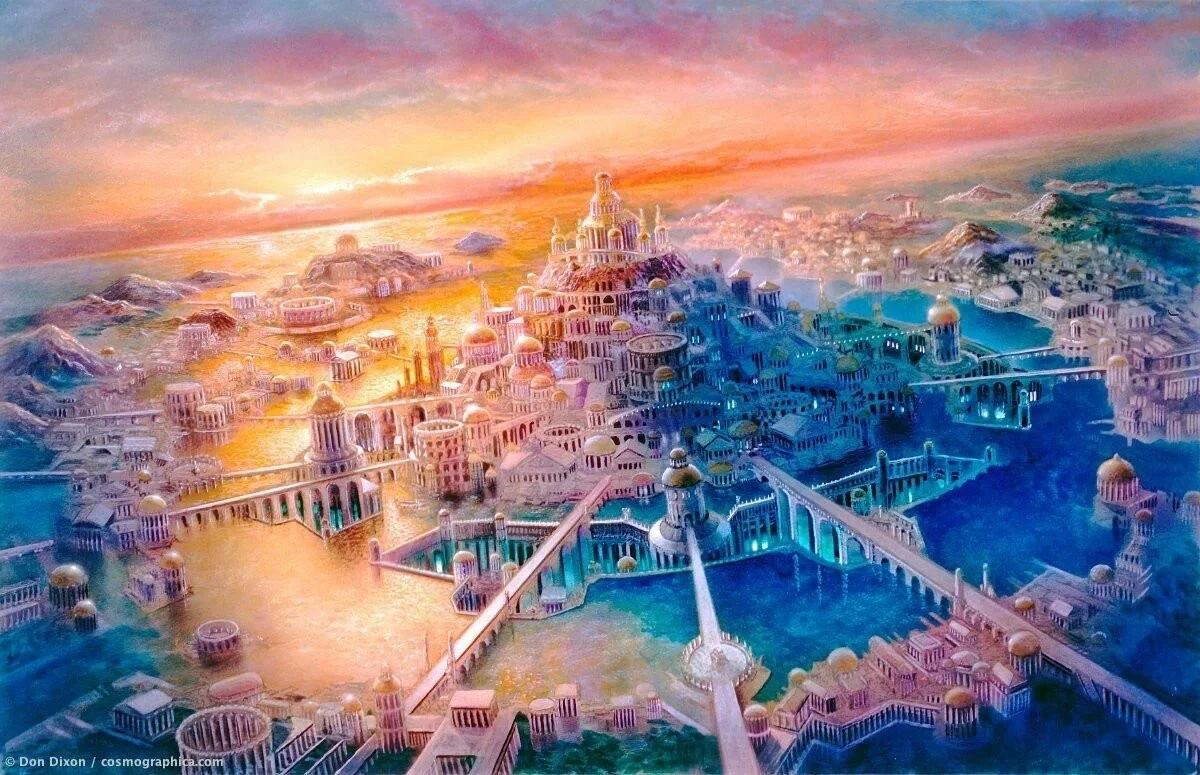
Plato introduced Atlantis in his 4th-century BCE dialogues
Timaeus
and
Critias
. Set beyond the Pillars of Hercules, this mighty realm boasted a capital of concentric rings of land and water. After an ancient war, the island was swallowed by earthquakes and floods—a ready-made backdrop for generations of adventure fiction.
In the dialogues, the tale is framed as an ancient historical account. Yet no independent confirmation of such an empire has ever surfaced. Any submerged ruin requires rigorous dating and a verifiable link to Plato’s text; otherwise, Atlantis will keep drifting wherever the latest striking photo of the seabed happens to be taken.
Kumari Kandam: When the Sea Truly Reclaims the Land 
Tamil tradition contains tales of southern lands swallowed by the sea and ancient gatherings of poets. Over time, these legends became associated with Kumari Kandam, a sunken ancestral continent. In these narratives, the vanishing coastlines carried away an entire foundational chapter of their culture.
Roughly 20,000 years ago, global sea levels were about 120 meters lower than they are today. As the ice sheets melted, vast coastal plains were submerged. Yet this does not prove the existence of a lost Tamil supercontinent bridging India, Madagascar, and Australia. Submerged sites must be studied individually on their own merits before claiming half an ocean as lost territory.
Tiwanaku: High-Altitude Stonemasons 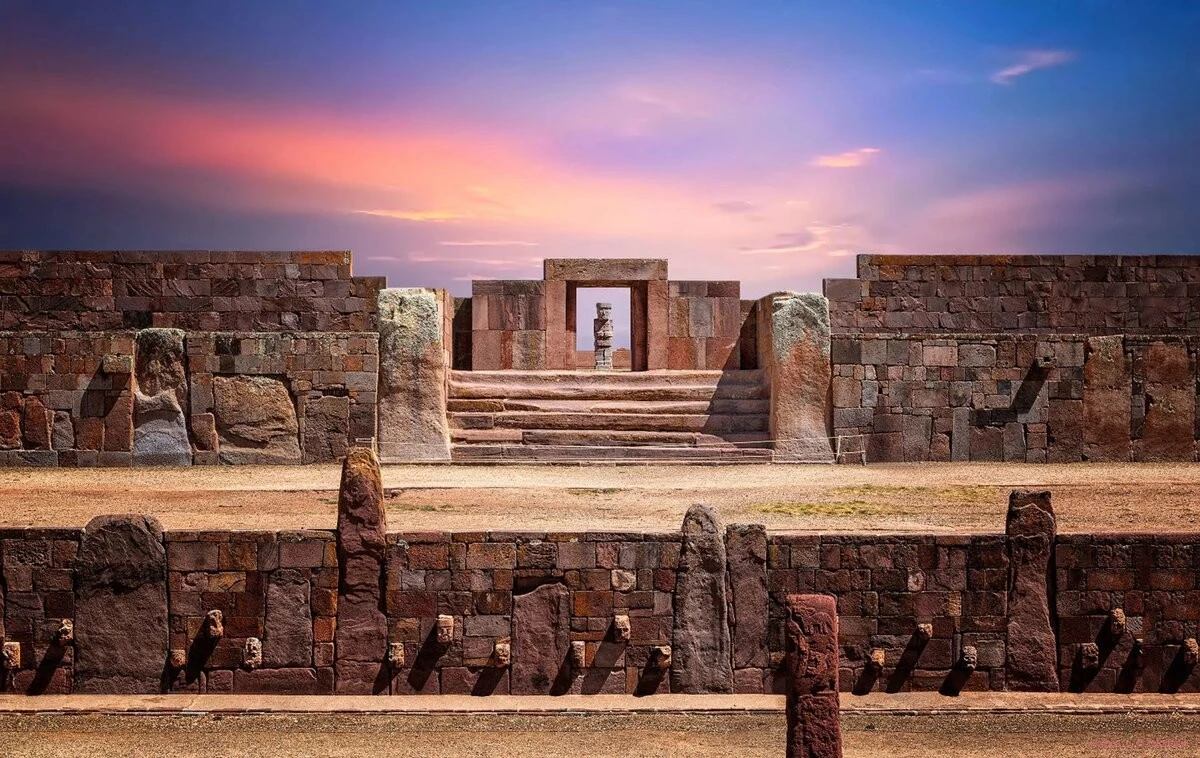
Perched some 3,800 meters above sea level in modern Bolivia stands Tiwanaku, a major pre-Columbian urban center. It flourished during the first millennium CE, long before the rise of the Inca Empire. The neighboring complex of Puma Punku is renowned for megaliths carved with intricate joints, sockets, and repeating motifs. Looking at that masonry, one can only marvel at the sheer dedication of its builders.
The precision of the stonework sparked sensational theories of lost high-tech machinery. Yet experimental archaeologists using stone tools have demonstrated how these ancient craftsmen worked. While mysteries remain, fringe claims dating the complex to 15,000 BCE flatly contradict all established archaeological timelines.
Mu: The Continent Invented by Books 
The legend of Mu sprang from 19th-century attempts to decipher Maya monuments and explain perceived similarities among distant cultures. James Churchward popularized the idea in his 1926 book, claiming a lost Pacific motherland once home to tens of millions, supposedly revealed to him in secret ancient tablets.
He provided zero verifiable evidence for his claims. Proponents credited Mu with everything from the Easter Island moai to Nan Madol, ignoring the rich indigenous histories of both sites. Architectural similarities prove little either: pyramids are inherently stable structures, and people around the globe did not need a sunken engineering academy to figure out how to pile stones.
Agartha: A Civilization One Floor Down 
Agartha tucks an entire civilization inside the hollow Earth. In esoteric lore, this subterranean world boasts enlightened rulers, sprawling cities, and sometimes its own central sun. The concept gained traction in Europe through 19th-century occult writings, notably those of Alexandre Saint-Yves d’Alveydre.
Geophysicists study the planet’s interior using seismic waves. Their data reveals a solid mantle, a liquid outer core, and a solid inner core—completely ruling out vast, habitable hollows inside the Earth. The gulf between a real cavern system and a sun-lit inner world is simply too wide for a mythical entrance in Tibet to bridge.
Akkad: An Empire Found, a Capital Still Missing 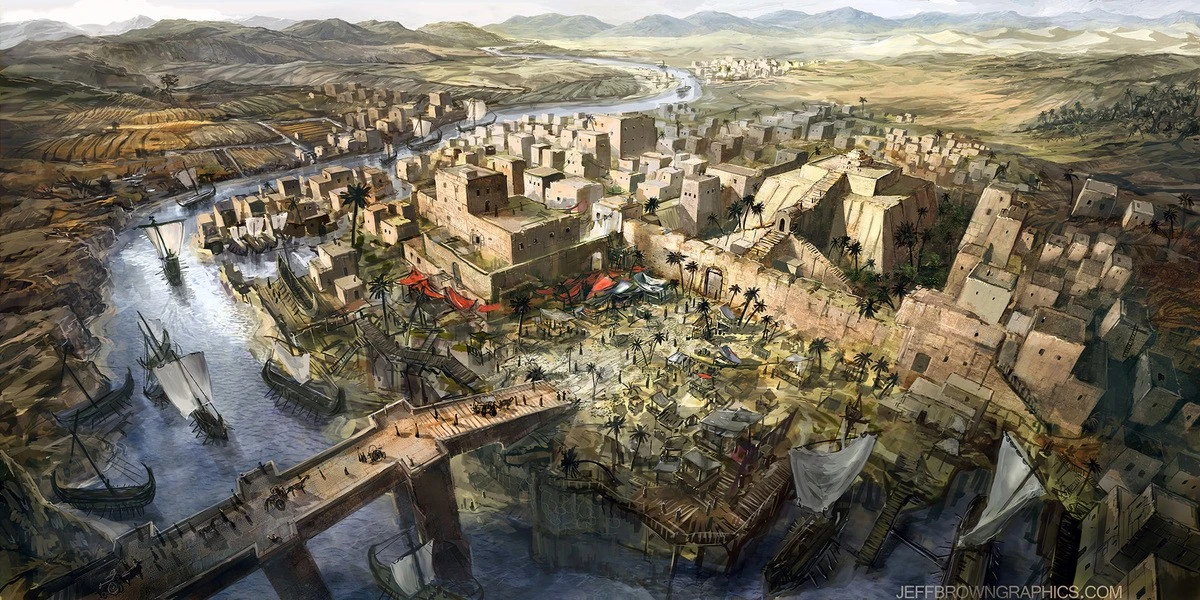
In the 24th century BCE, Sargon of Akkad united much of Mesopotamia, forging one of humanity’s first great territorial empires. Inscriptions and cuneiform archives provide rich detail about its society, even though the city of Akkad itself remains undiscovered.
The empire collapsed near the end of the third millennium BCE, undone by internal revolts, foreign invasions, and quite possibly severe climate shocks. Yet after the dynasty fell, Mesopotamian life marched on, and the Akkadian language remained in use for centuries. The state crumbled, but its administrative legacy outlived its rulers.
Avalon: The Isle Where Arthur Was Carried 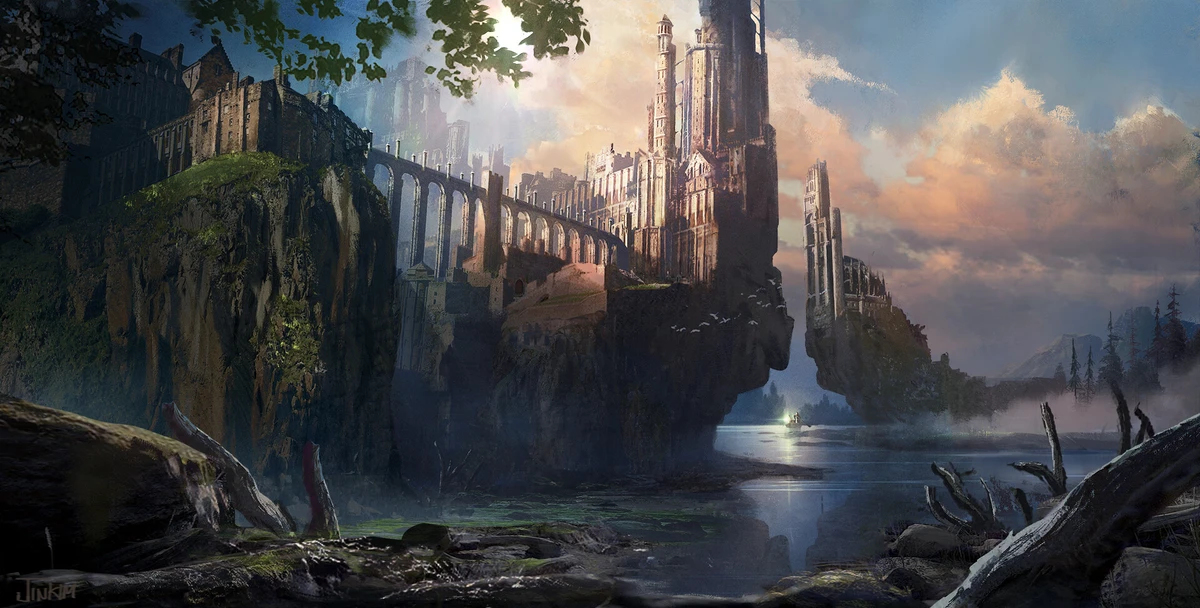
In the 12th-century writings of Geoffrey of Monmouth, Avalon is linked to the forging of King Arthur’s sword and the healing of his mortal wounds. Over time, it blossomed into a mystical isle of apple orchards, sorcery, and the promise of a hero’s return. In myth, it is an otherworldly paradise; in archaeology, no such realm has ever existed.
Glastonbury eventually claimed the legend’s earthly address. In 1191, local monks announced they had discovered the tomb of Arthur and Guinevere, forever tying the abbey to the myth. Modern research has thoroughly debunked their find, but it illustrates brilliantly how an abbey could spin a legend powerful enough to outlast its own stones.
Shambhala: A Hidden Realm and a Spiritual Path 
In Tibetan Buddhism, Shambhala is tied to the Kalachakra teachings and an enlightened lineage of kings safeguarding sacred wisdom. Depicted as a hidden pure land, popular adventure novels often reduce it to a secret valley waiting to be found over the next mountain pass. For practitioners, however, the allegory runs far deeper than any physical expedition.
Western interpretations frequently layered in tales of occult super-technology. Yet no archaeological site has ever been identified as Shambhala, and spiritual scriptures provide no GPS coordinates. While the promise of ancient, transcendent wisdom continues to fascinate, reducing this sacred archetype to a collapsed physical empire misses the point.
Iram: The Wealth Swallowed by the Sands 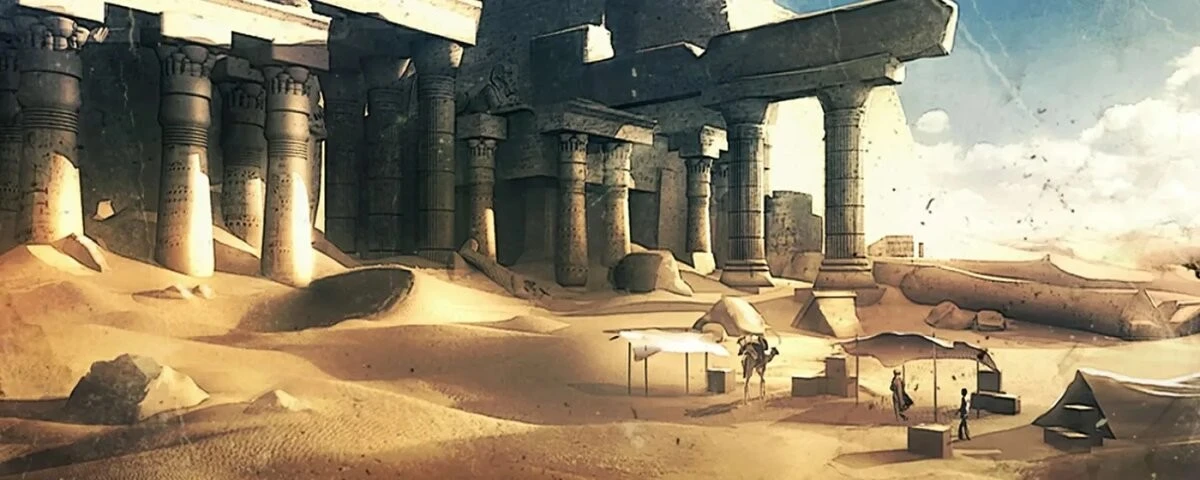
Mentioned in the Quran in connection with the people of ‘Ad and renowned for its towering pillars, Iram was transformed by later folklore into a glittering desert metropolis. Its fabled wealth and sudden ruin cast it as an Arabian Atlantis. Yet even the name requires caution: it may refer to a tribe or a geographical region rather than a specific city, and there is no solid archaeological basis for dating such a kingdom.
The Shisr oasis in Oman, an ancient hub of the frankincense trade, has famously been linked to the lost city of Ubar, which in turn sparked comparisons with Iram. However, unearthing a remote desert trading post does not validate every detail of a grand myth. Its true value lies in demonstrating how wealth and power once traversed the unforgiving desert.
Sumer: Civilization Leaves Behind Rough Drafts 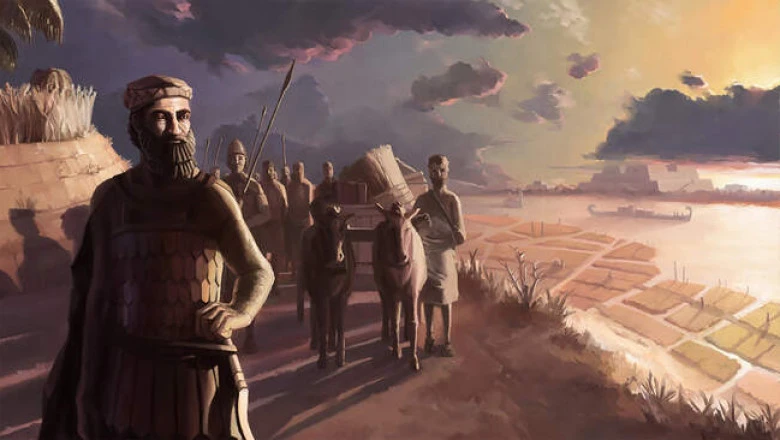
The cities of Sumer rank among the world's earliest urban societies.
By the late 4th millennium BCE, Uruk had grown into a massive urban center with one of humanity's earliest writing systems. The gradual evolution of its settlements and economy is clearly visible in the archaeological record. Claims that advanced civilization appeared out of thin air simply ignore the sweat and ingenuity of countless preceding generations.
Sumerian tradition records monarchs with fantastical lifespans and reigns spanning millennia, particularly before the Great Flood.
The Sumerian King List weaves mythical folklore together with genuine historical dynasties, making it foolish to take its numbers literally. Yet alongside tales of near-immortal rulers, down-to-earth administrative archives survive—painstakingly tabulating grain yields, livestock, and daily rations.
What Is the Real Total? 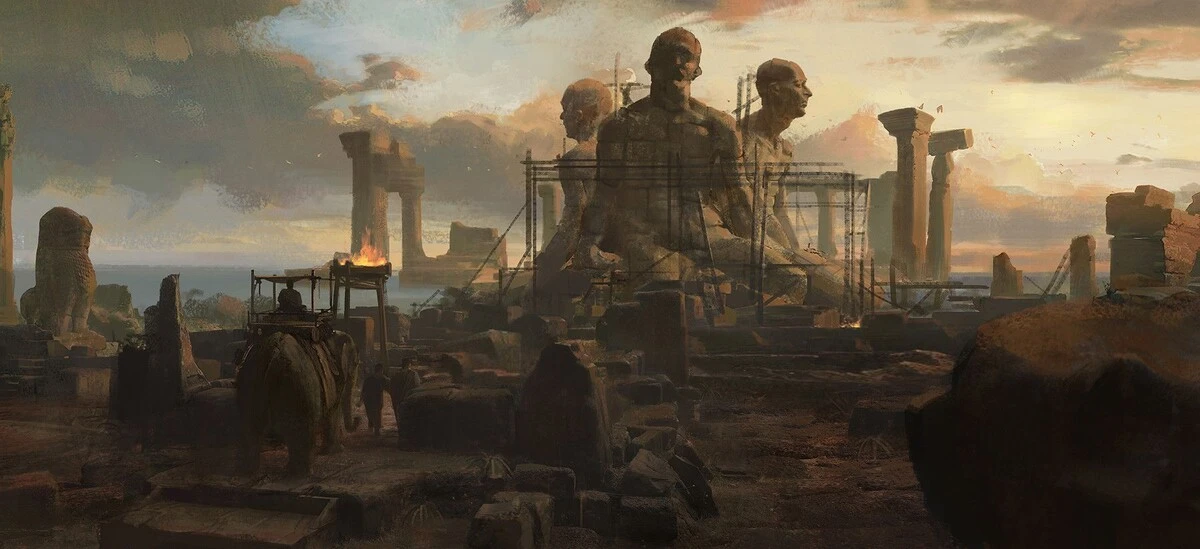
There is no universally accepted count of human civilizations; everything hinges on whether one tallies independent cradles of civilization, cultural spheres, or specific states.
The popular lists lump four genuine historical societies—the Maya, Tiwanaku, Akkad, and Sumer—together with mythical realms and dubious speculations, while leaving out ancient Egypt, China, and the Indus Valley altogether. It is hardly a definitive ledger of human history.
Archaeologists continue to discover lost cities, and the sea still yields submerged settlements. Yet there is no credible evidence for twelve vanished super-civilizations that preceded our own. What the past truly demonstrates is just how fragile complex societies can be: sometimes an entire empire leaves behind only ledgers of rations, while the location of its capital remains a mystery for millennia.