The 10 Most Dangerous Cars in Automotive History (11 photos)
A car is one of those things that should be as safe as humanly possible. Unfortunately, that isn't always the case. Whether due to sheer bad luck or shortsighted engineering, certain models ended up posing a threat to the very people driving them. 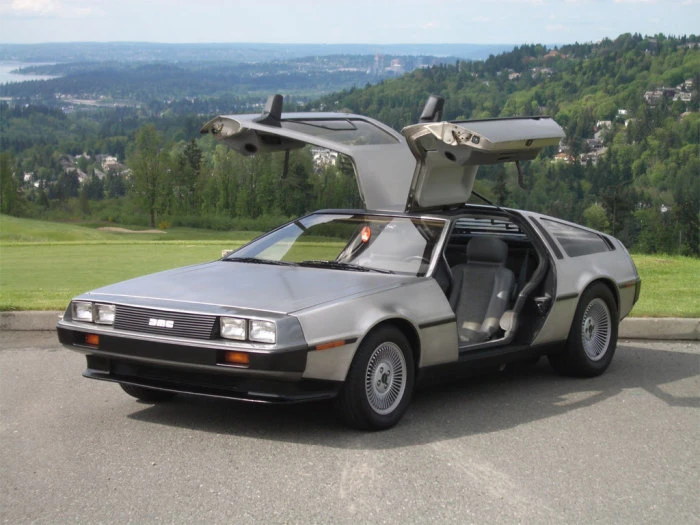
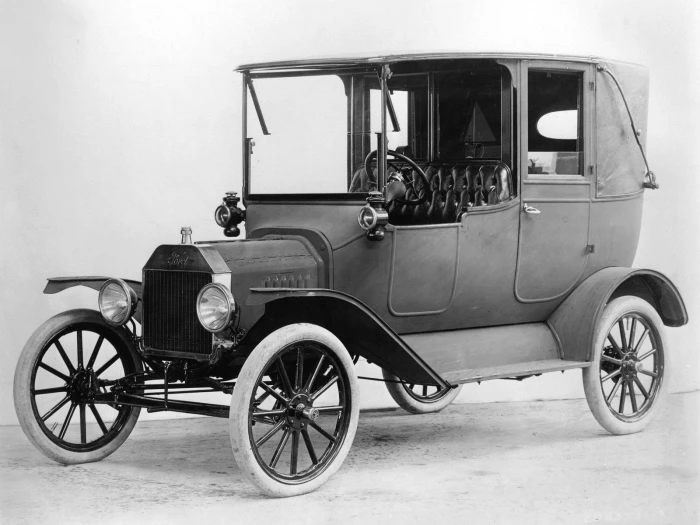
Ford Model T
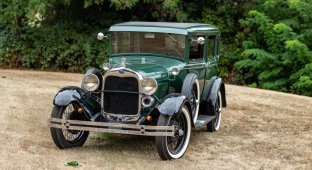
The 1908 Ford Model T is a genuine legend and a true automotive icon. Yet, despite its storied past, this antique is also one of the most dangerous cars ever built. Part of this was simply down to the era—vehicle safety was still in its infancy. Nevertheless, the Model T lacked almost every feature modern drivers rely on to stay safe on the road. 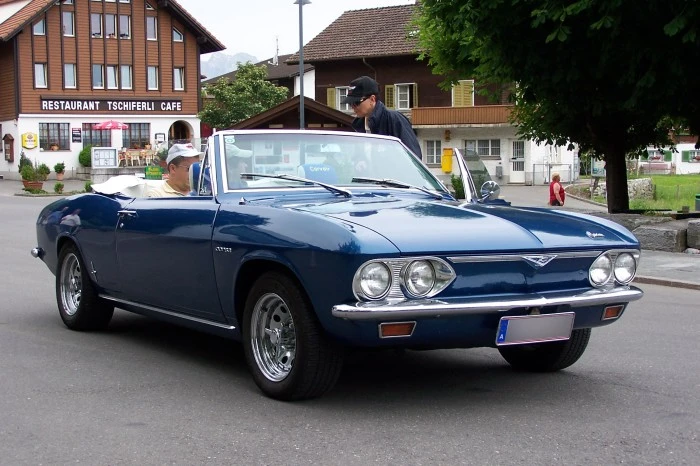
Chevrolet Corvair
In the early 1960s, automotive safety standards were still virtually non-existent. As a result, many models lacked even basic safety features. The Chevrolet Corvair was a prime example. Compromised by a flawed rear suspension and a rear-engine layout, the car earned a notorious reputation for unpredictable handling and dangerous rollovers. 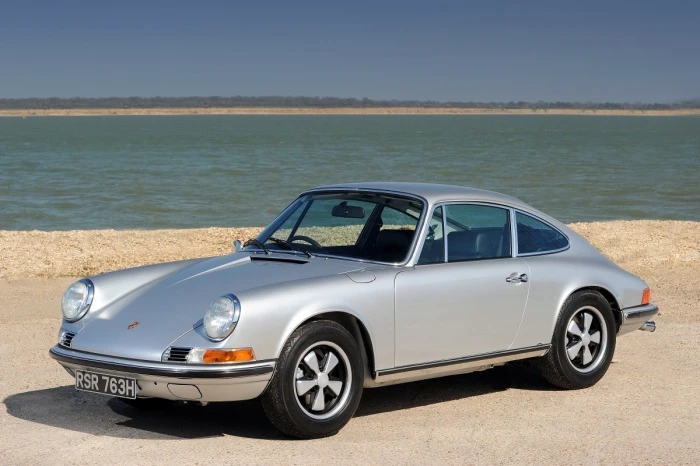
Porsche 911
It might be hard to believe, but even the legendary Porsche 911 line didn't always boast stellar safety credentials. Models from the 1970s suffered from notorious weight distribution issues, making them dangerously prone to sudden loss of control at high speeds in the hands of inexperienced drivers. 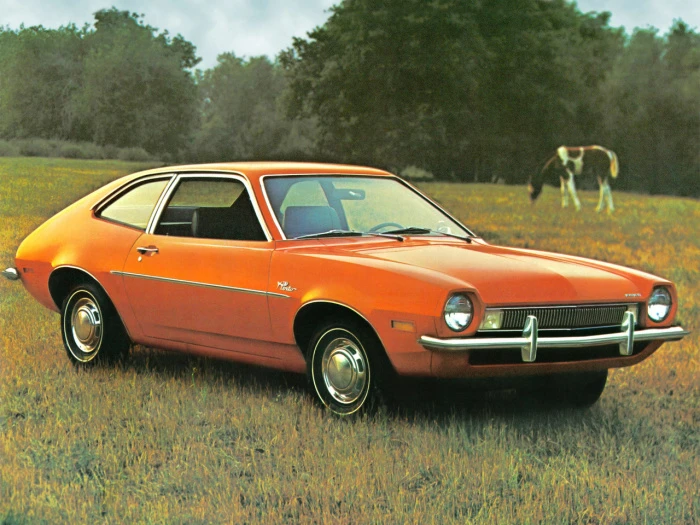
Ford Pinto
During the 1970s, Detroit automakers were locked in a cutthroat battle to cut costs and beat out foreign competition. Trying to cut corners led to disastrous results, giving birth to compromised vehicles like the Ford Pinto. The car suffered from severe safety flaws, most famously a fuel tank positioned to rupture and explode in rear-end collisions. 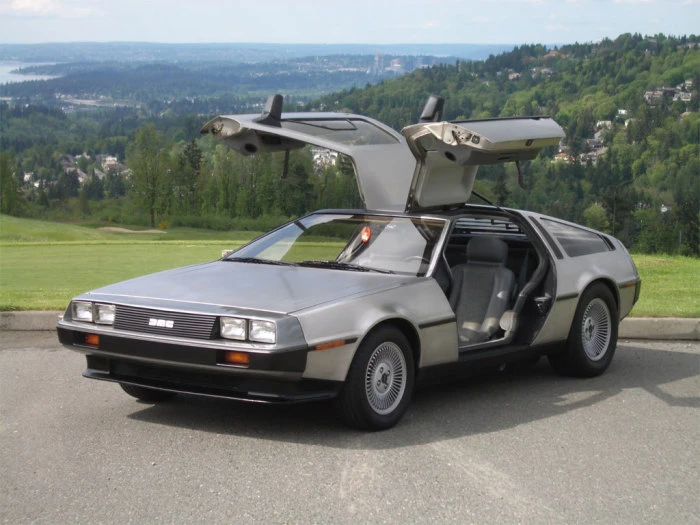
DeLorean DMC-12
Made iconic by *Back to the Future*, the DeLorean DMC-12 was actually one of the biggest flops—and safety hazards—of its decade. Beyond fragile build quality, its signature gull-wing doors were impossible to open if the car flipped onto its roof, effectively trapping occupants inside. 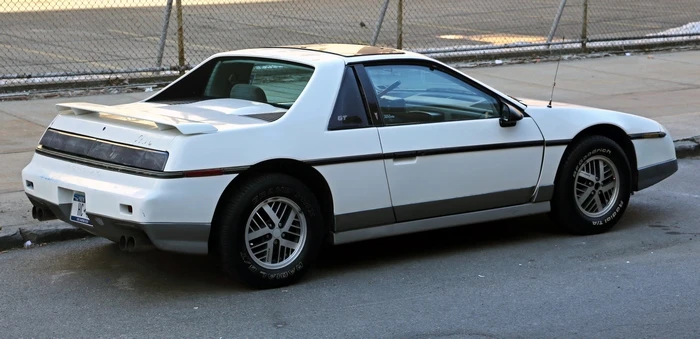
Pontiac Fiero
The Pontiac Fiero was supposed to redeem the brand's reputation. Unfortunately, early models gained notoriety for a very different reason. Often dubbed a rolling bonfire, the Fiero was infamous for engine fires caused by a series of glaring design flaws and faulty components. 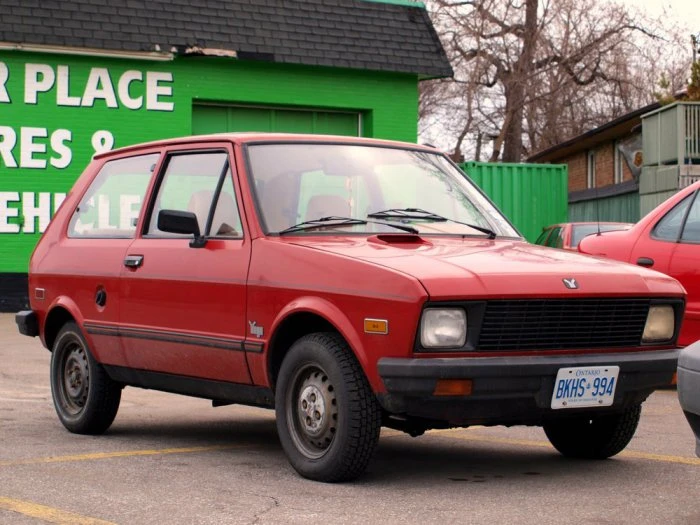
Yugo GV
The Serbian-built Yugo GV hit global markets nearly 15 years after its domestic launch. By then, the car wasn't just hopelessly outdated—it failed to meet even basic contemporary safety standards. To make matters worse, it was also one of the worst polluters on the road. 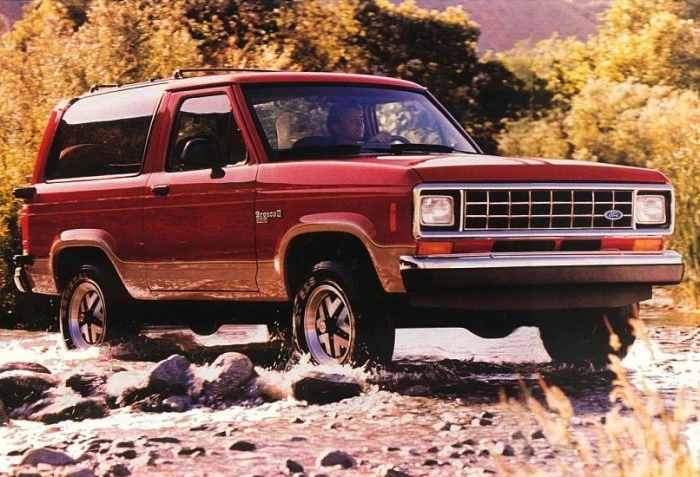
Ford Bronco II
The Ford Bronco II was wildly popular in its day, riding the high wave of the SUV boom. Unfortunately, it proved to be a death trap on wheels. Due to a high center of gravity and narrow track width, it was dangerously prone to rolling over during routine evasive maneuvers, causing dozens of fatalities every year. 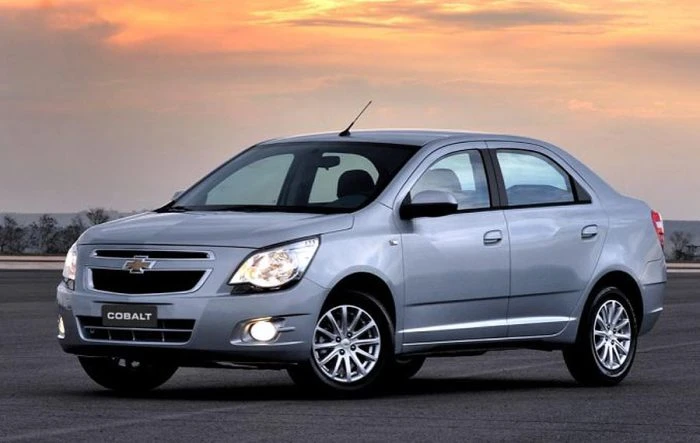
Chevrolet Cobalt
The Chevrolet Cobalt found itself at the center of a massive corporate scandal for its manufacturer. Its main engineering flaw was a defective ignition switch that caused the engine to randomly shut off while driving—disabling power steering, brakes, and airbags—a fatal issue that went unaddressed for years. 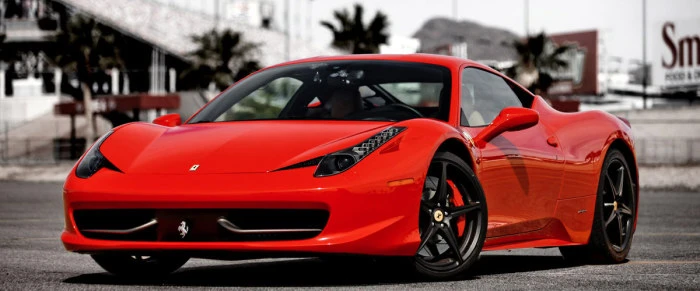
Ferrari 458 Italia
Another supercar prone to spontaneous combustion was the Ferrari 458 Italia. Worst of all, the risk of fire stemmed from flammable adhesive used near the engine bay. The defect was so persistent that it required a high-profile recall and a complete redesign of the affected components.