Princess Deokhye: The Korean royal whose life was darker than any fairytale (16 photos)
In the real world, a princess's story rarely ends happily ever after. Case in point: the tragic fate of Deokhye, Korea's last princess. Pawned in political mind games, she endured the full weight of betrayal, isolation, and despair—not during the Dark Ages, but in the modern 20th century. 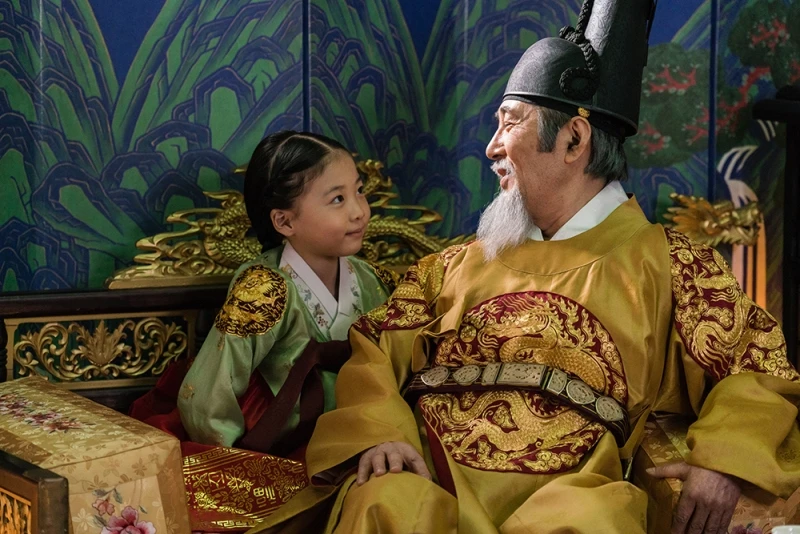
Born into Royalty
Princess Deokhye (also spelled Tok Hye) was the youngest daughter of Emperor Gojong, the 26th monarch of the Joseon Empire. Her mother, the concubine Lady Yang, gave birth to her in 1912 and was subsequently granted the royal title Boknyeong. This officially acknowledged the newborn as a royal princess, despite her mother's humble standing at court. 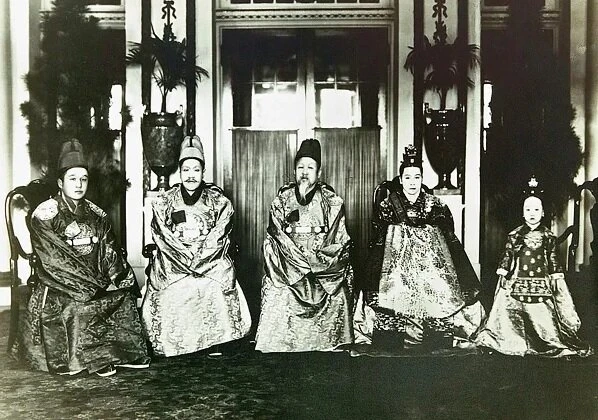
The Joseon Imperial Family. Princess Deokhye is pictured far right.
For years, Emperor Gojong paid little mind to his young daughter. Until age five, she wasn't even included in the official royal family register. Courtiers treated her with slight disdain, referring to her informally as Boknyeong-dang or ongju. Rather than grand titles, these address forms served as subtle reminders of her concubine lineage.
An Unwanted Royal
The public offered her little sympathy either. The Korean people still mourned Empress Myeongseong (Queen Min), who had been brutally assassinated by Japanese agents in 1895. As the daughter of a low-ranking concubine, the young princess commanded little public respect. It wasn't until 1917 that Emperor Gojong stepped in, personally ensuring the Japanese Governor-General registered her in the official royal registry, formally recognizing her as a princess. 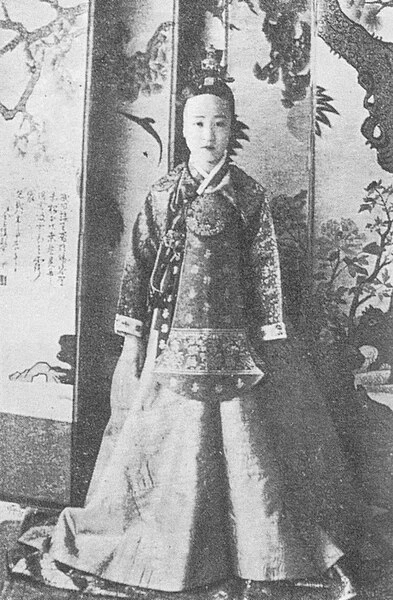
Young Princess Deokhye in 1923
Eventually, the emperor grew deeply devoted to his youngest daughter. Deokhye lived in Changdeokgung Palace, isolated without playmates her own age. Observing her quiet, somber nature, her father created a kindergarten right inside the palace for children of noble families. For the first time, the reserved princess made friends and felt less alone. Yet even an emperor’s love could not shield her from the storm on the horizon. 
Emperor Gojong
When Deokhye turned seven, dark clouds gathered once more. Tensions between Korea and Japan reached a boiling point, threatening total control over the peninsula. In an attempt to secure her future, the emperor secretly arranged a betrothal for his daughter. However, Japanese officials—who held significant sway in Korean affairs—discovered the plot and thwarted the engagement. Her prospective groom, Kim Jang-han, was permanently banished from the royal court.
Under Japanese Occupation
Just months later, tragedy struck again. Emperor Gojong fell gravely ill and died suddenly in his palace on January 21, 1919, leaving his young daughter vulnerable. Rumors quickly swept the nation that his death was no accident—many suspected he was poisoned by Japanese authorities looking to solidify their grip on Korea.
Political chaos and infighting gripped Korea. As factions warred for power, Japan entrenched its authority, marking its third major consolidation of control over the Korean Peninsula. This era was governed by the official slogan Naisen Ittai ("Japan and Korea as One"). 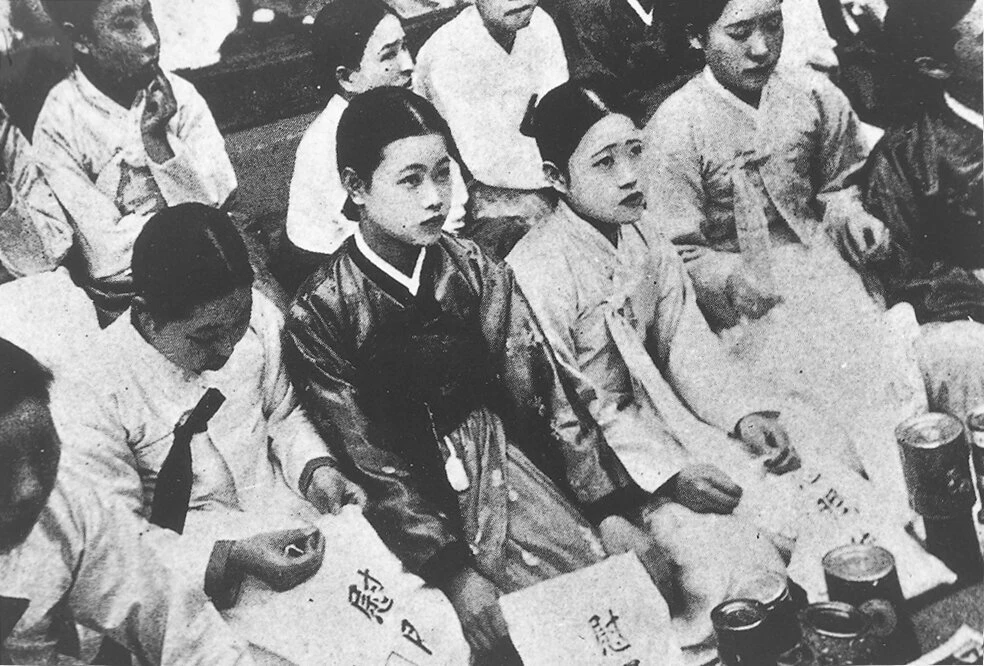
Young Korean teenage girls drafted as "comfort women" for military brothels
Severe repression followed. Protests were brutally suppressed, Korean newspapers and publishing houses were shuttered, and citizens were forced to adopt Japanese names. Cultural and religious heritage was systematically suppressed. Korean men were drafted into forced labor or the Imperial Japanese Army, while young women were forced into military brothels as "comfort women."
Childhood in Exile
The imperial family posed a threat to the occupiers, serving as potential rallying points for a desperate public. In 1925, 13-year-old Princess Deokhye was torn from her mother and dispatched to Japan under the guise of pursuing an elite education. Despite promises that she would return, they proved empty. In Tokyo, she lived in a gilded cage—treated with superficial respect, but in reality, a political hostage. 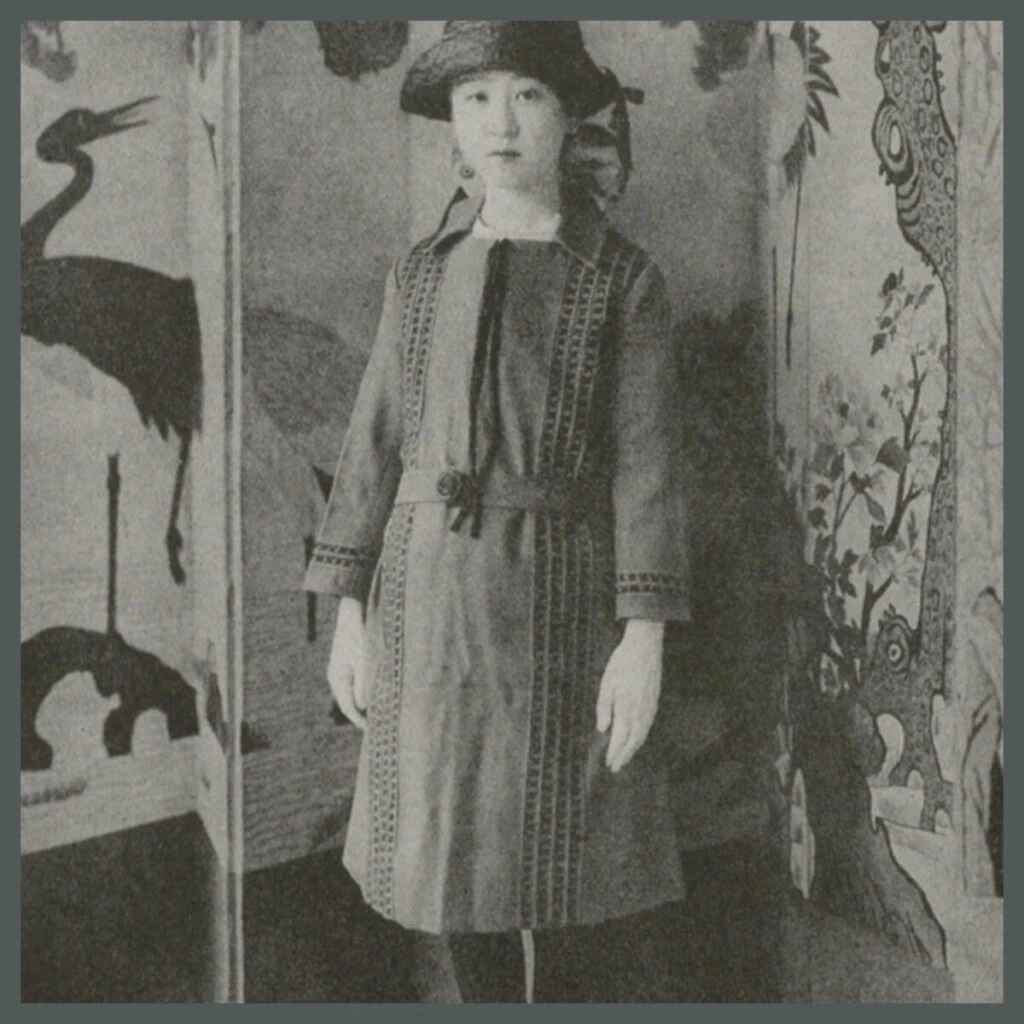
The Japanese authorities used her as a symbol of Korean subjugation, attempting to show that even royalty had acquiesced to Japanese rule. Deokhye was forced to assimilate—learning Japanese, wearing kimonos, and adopting foreign customs. Yet she quietly resisted, clinging to her identity and refusing to embrace Japanese culture. It was her silent defiance against an occupying force. 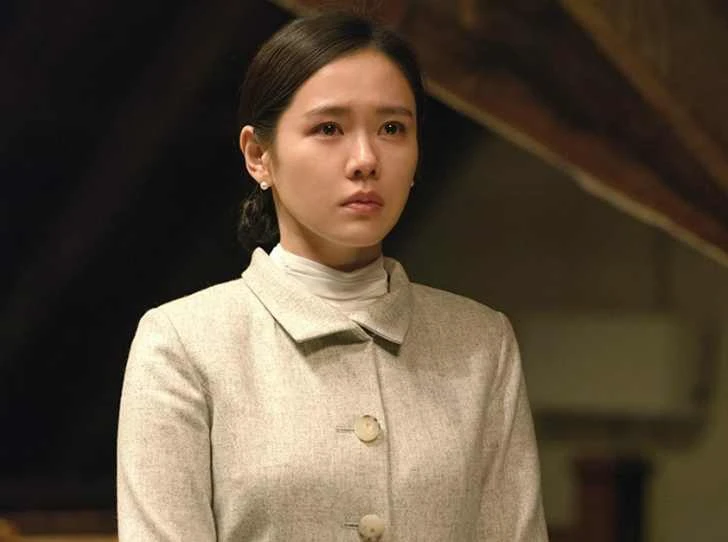
Still from the film "The Last Princess"
Friendless in a foreign land, Deokhye withdrew deeper into herself. Five years later, tragedy struck again: her mother passed away. She was granted brief leave to return to Korea for the funeral, unaware of the cruelty that awaited her. On arrival, officials barred her from attending the funeral service on a flimsy pretext, claiming her attire failed to meet official protocol standards.
Cracks in Her Sanity
Years of exile took a devastating toll on her mental health. Relentless stress, severe homesickness, and the harsh realization of her helplessness triggered a profound psychological breakdown.
By the spring of 1930, she began sleepwalking, wandering aimlessly through the house at night. Sent to Tokyo for medical evaluation, doctors diagnosed her with dementia praecox (schizophrenia). Her condition rapidly deteriorated until she frequently lost awareness of her surroundings. 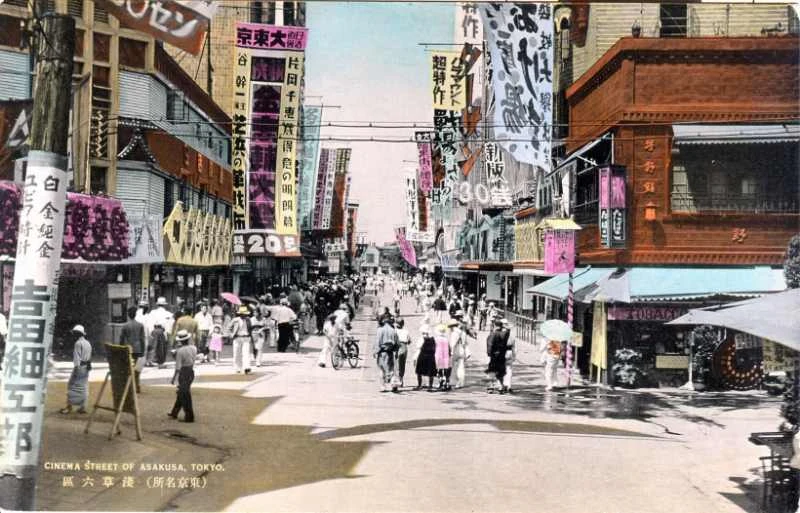
Tokyo in the 1930s
Japanese doctors prescribed fresh air and rest. Her breakdown suited the occupation authorities, effectively sidelining a royal heir from politics. She was moved into a Tokyo residence with her older brother, Crown Prince Yi Un. Being with family helped her stabilize, and to the dismay of her political handlers, her symptoms receded within a year.
An Arranged Marriage
Yet the imperial family was not permitted peace for long. In 1931, Empress Teimei of Japan arranged a marriage for the Korean princess, pairing her with Japanese aristocrat Count Takeyuki So. Deokhye desperately sought to delay the nuptials by citing poor health, but could only stall the ceremony by a few months. 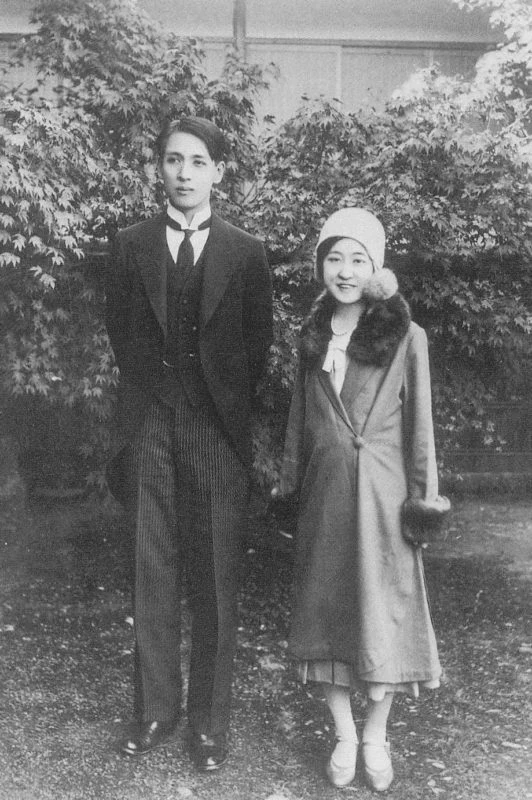
Princess Deokhye with her husband, Takeyuki So
On August 14, 1932, Deokhye gave birth to their only child, a daughter named Masae. While her life seemed to stabilize on the surface, the marriage was cold and devoid of affection. Though distant unions were common among high nobility, the emotional strain proved overwhelming for Deokhye's fragile psyche.
Takeyuki was not inherently cruel; though prone to extramarital affairs, he provided his wife and daughter with financial comfort. However, a deeper rift divided them: Takeyuki was a staunch Japanese nationalist who relentlessly tried to impose his cultural ideology on his family. 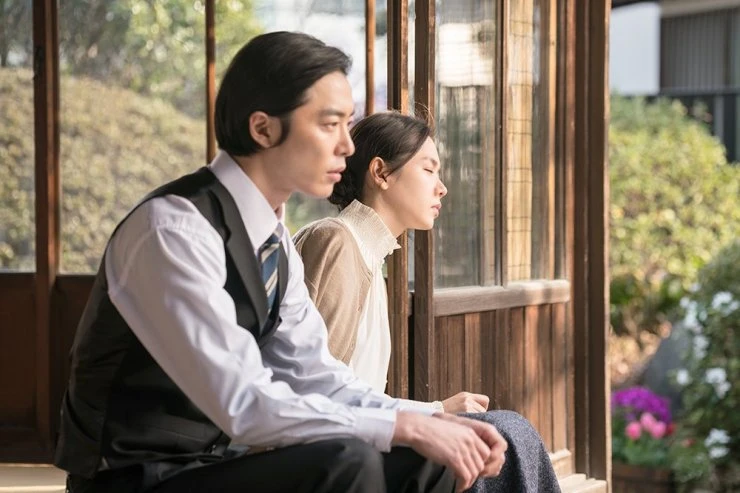
Still from the movie "The Last Princess"
He demanded they wear kimonos, speak exclusively in Japanese at home, and adhere strictly to Japanese customs, arguing it would make life easier in exile. Practical as that might have been, Deokhye fiercely guarded her heritage, taking pride in her identity as a Korean.
Years of Torment
She refused Japanese clothing and holidays, giving her daughter the secret Korean name Jeong-hye. By 1933, constant psychological stress precipitated a severe relapse. Her sleepwalking returned, accompanied by catatonic episodes. Unable to care for herself, she was assigned a full-time caregiver and separated from her daughter. 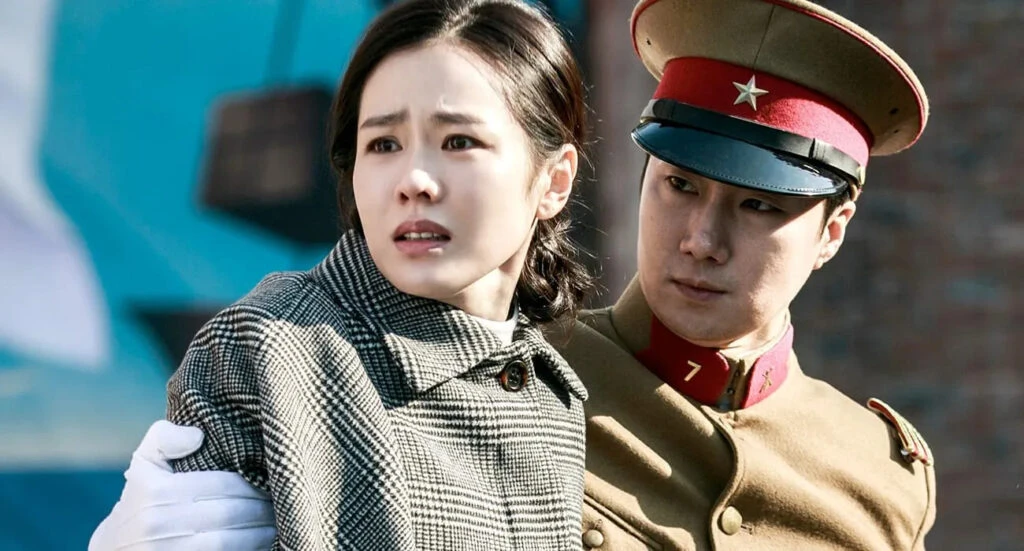
Still from the movie "The Last Princess"
With no signs of recovery, Deokhye was committed to a mental asylum, where she would remain for fifteen long years. Meanwhile, Masae was raised strictly as Japanese by her father's family, kept entirely in the dark about her mother's plight. 
Inside the psychiatric hospital
Deokhye was finally released through the relentless efforts of a loyal former maid from Korea. Upon reuniting with her family, she was heartbroken to find her daughter fully assimilated into Japanese culture—a shift she was powerless to undo.
Divorce, Isolation, and Madness
Japan's defeat in World War II brought independence to Korea and stripped the Japanese nobility of their titles. The political foundation of the marriage collapsed. The couple separated, officially divorcing in 1953. Takeyuki remarried soon after, Masae lived her own life, and Deokhye was left abandoned in a country she despised—bereft of family, homeland, or hope. 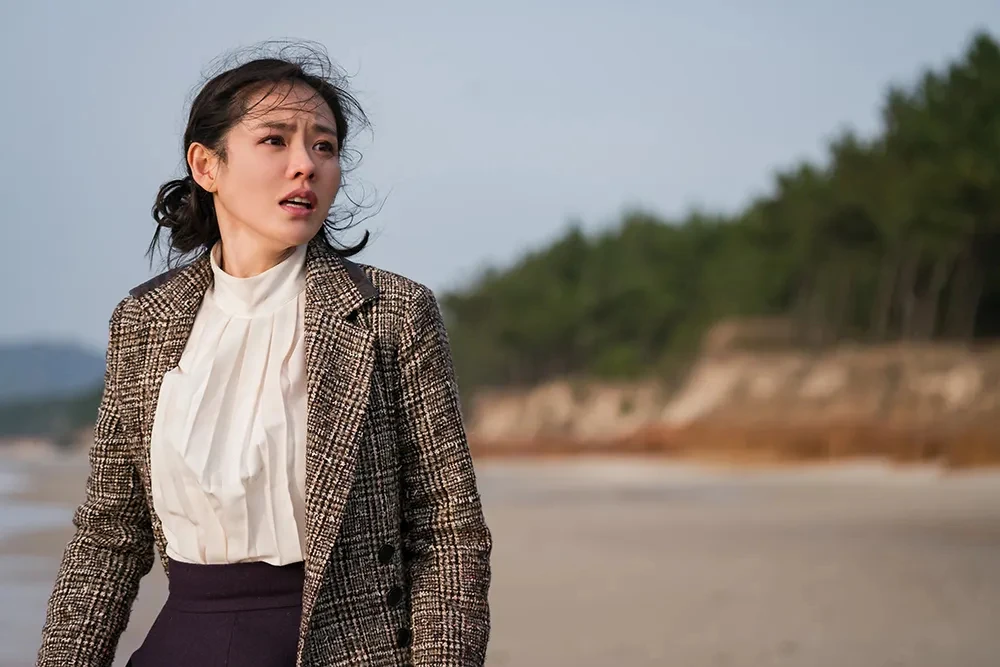
Still from "The Last Princess"
In 1956, tragedy delivered its final blow: Masae took her own life after struggling with identity issues and her parents' divorce. The loss shattered Deokhye completely. Her mental state collapsed—she stopped recognizing people and even forgot her own name. She spent years in institutional care, her condition oscillating between brief lucidity and total withdrawal. Her illness wasn't merely medical; it was rooted in profound trauma and lifelong exile.
The Long Journey Home
Fearing political complications, successive South Korean governments barred her return for years. It wasn't until 1962, largely due to the efforts of reporter Kim Eul-han, that Princess Deokhye finally set foot on native soil after 37 years in exile. She returned to a nation split in two, with no trace of her former empire remaining—a broken, infirm woman returning to a world she barely recognized. 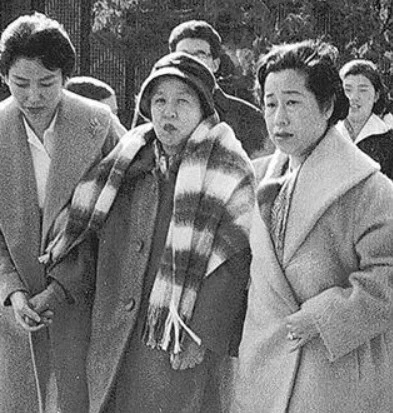
The Princess returns home, 1962
Her homecoming was fraught with emotion. Stepping onto Korean soil, she wept openly and briefly recalled long-forgotten royal court etiquette. She spent her remaining years in Nakseonjae Hall at Changdeokgung Palace, where she was born—no longer a grand imperial residence, but a quiet sanctuary filled with ghosts of the past. There, she lived out her days away from the public eye. 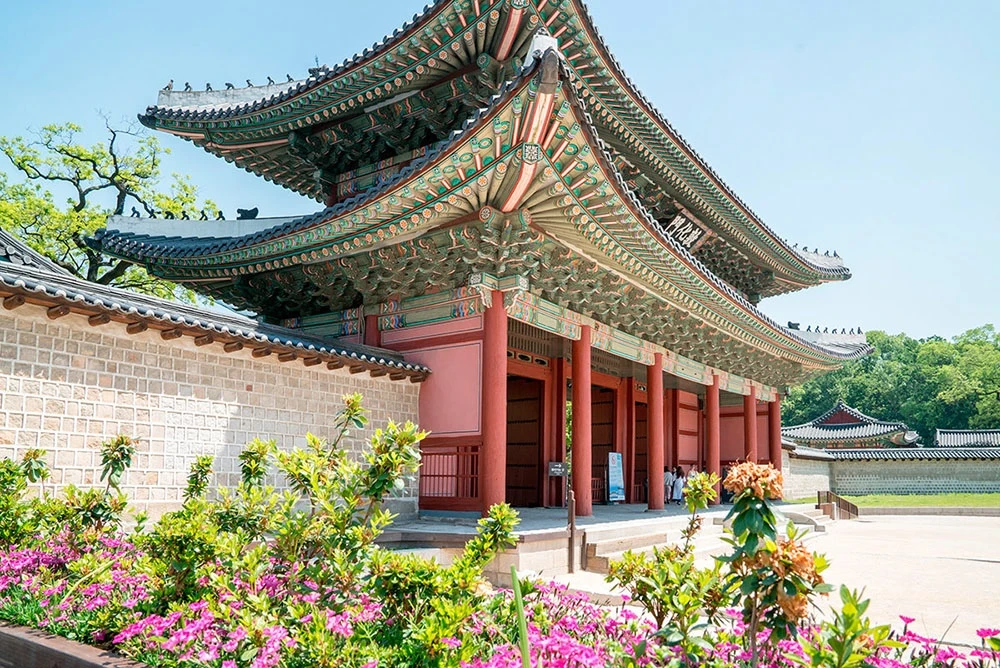
Changdeokgung Palace in Seoul
Despite a warm welcome, her final years were clouded by ill health and isolation. Suffering from severe asthma and dementia, she rarely left her quarters. On April 21, 1989, Princess Deokhye passed away at Sugang Hall in Changdeokgung Palace at the age of 76—never finding the happy ending typically reserved for fairytales.
Her Legacy
Today, Princess Deokhye's life stands as a poignant emblem of Korea's tragic history under Japanese rule. Her struggles mirror an entire nation's pain—the loss of sovereignty, forced cultural erasure, and separation from home and family. 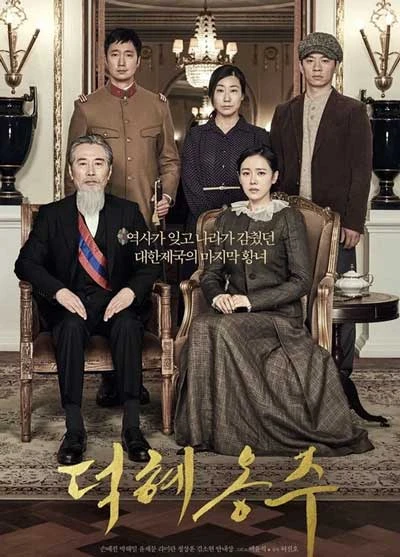
Princess Deokhye/ The Last Princess
Her memory remains deeply cherished in Korea. Her life inspired the 2016 film "The Last Princess," introducing her story to a new generation. While taking cinematic liberties, the movie resonated deeply with audiences, celebrating a figure who remained fiercely devoted to her country. Her legacy serves as a solemn reminder of the true cost of lost independence.
Princess Deokhye's journey is a story of quiet resilience amid unbearable heartbreak. Could her life have turned out differently if Korea had remained independent? Share your thoughts in the comments below!