Kitchen Hacks: 30 Tips That Will Change the Way You Cook (31 photos)
You might think there’s not much left to learn in your own kitchen after decades of cooking. As it turns out, there's plenty. Home cooks from around the world are sharing game-changing tricks that completely transformed their approach to food—simple, slightly unexpected, and remarkably effective. Frozen ginger instead of fresh, yogurt instead of marinade, kitchen shears instead of a knife. Here are 30 of our favorite discoveries. 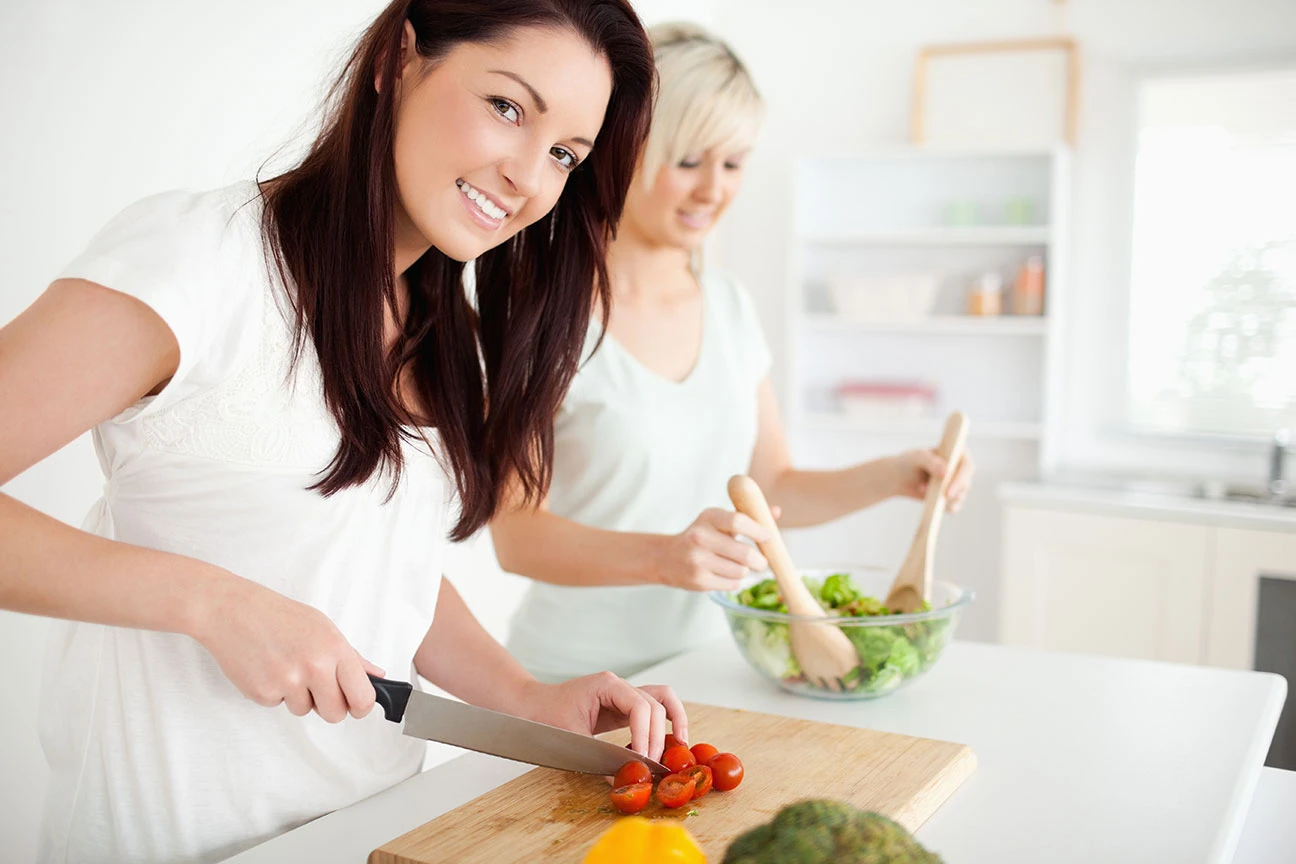
No. 1. Add beans and lentils to almost anything 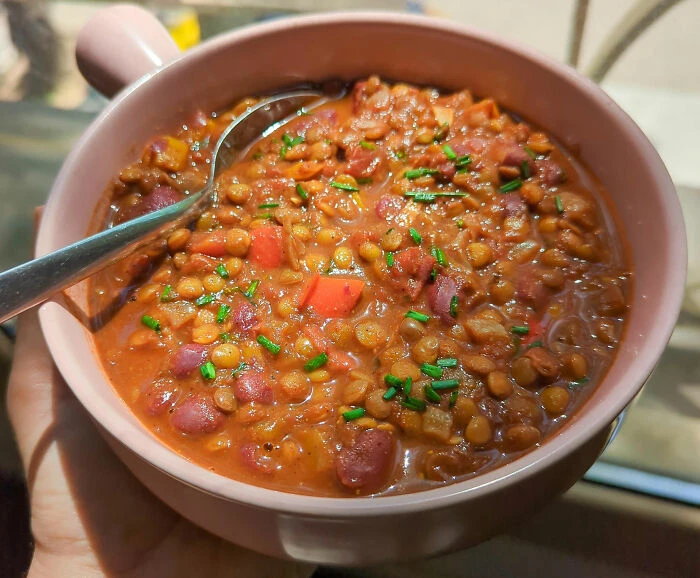
Beans and lentils are the most underrated way to make meals more filling without breaking the bank
Add beans or lentils to almost any dish. They make meals more filling and budget-friendly while boosting fiber content—especially great if you’re looking out for gut health.
No. 2. Kitchen shears instead of a knife 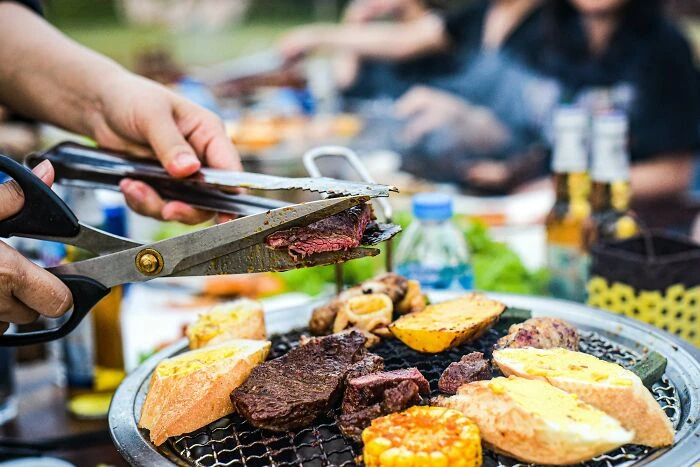
Kitchen shears are a staple in Korean cuisine for cutting meat right at the table
Scissors are a standard tool in Korean cooking, used to snip meat right off the grill effortlessly. Try using them to slice homemade pizza or cut up cooked chicken, and you’ll never want to go back to a knife.
No. 3. Yogurt as a chicken marinade 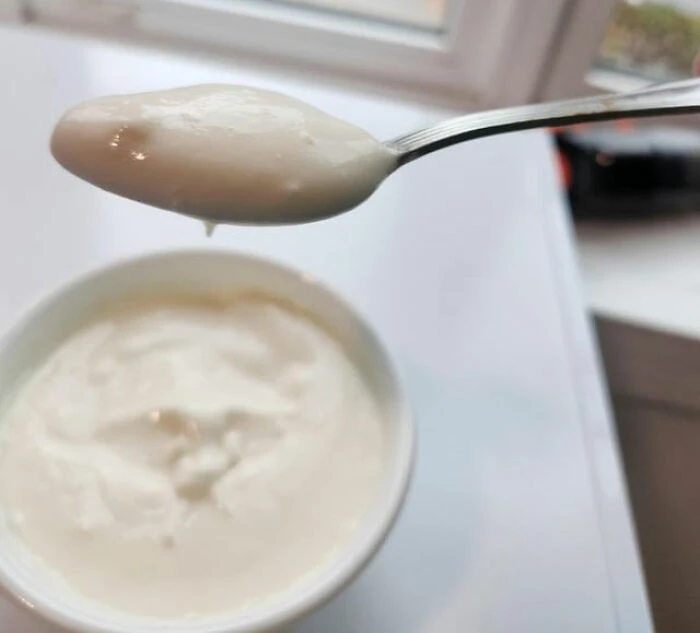
Yogurt tenderizes chicken fibers—especially chicken breast, which easily dries out
Marinate your chicken in plain yogurt for a few hours. The lactic acid gently breaks down the muscle fibers, yielding far more tender meat than almost any other marinade. It works wonders on lean chicken breast.
No. 4. Roast corn right in the husk 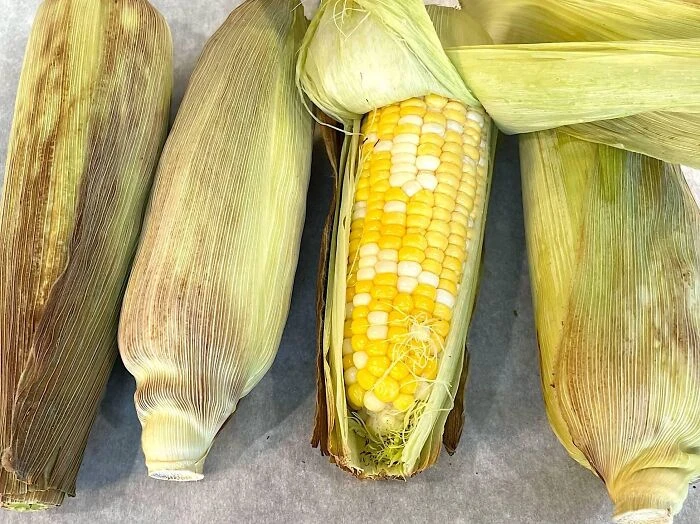
Roast corn right in its husk—no prep work required, and the kernels stay juicy
There's no need to shuck corn before cooking. Roast ears whole in their husks—they trap moisture and keep the kernels juicy. Once cooked, the husk slips right off, and the flavor is far superior to boiled corn.
No. 5. Freeze bread pre-sliced 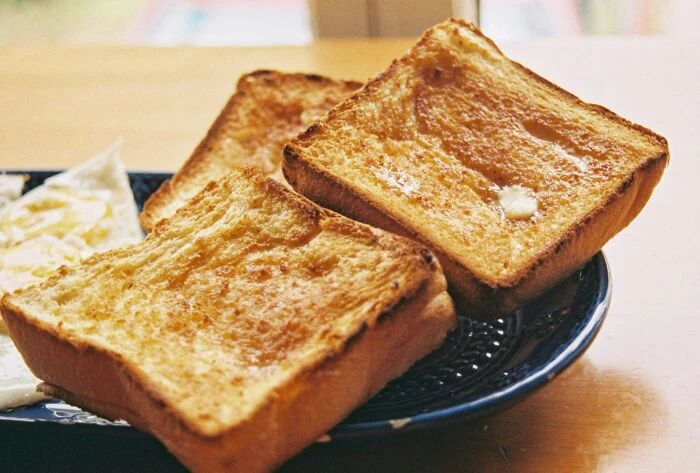
Slice and freeze your bread—your toast will always be fresh, and mold is never an issue
If you're the only one in the house eating a specific loaf of bread, slice it up and put it in the freezer. Frozen slices pop straight into the toaster and toast up perfectly, meaning no more wasted bread.
No. 6. Smart freezing for veggies and sauces 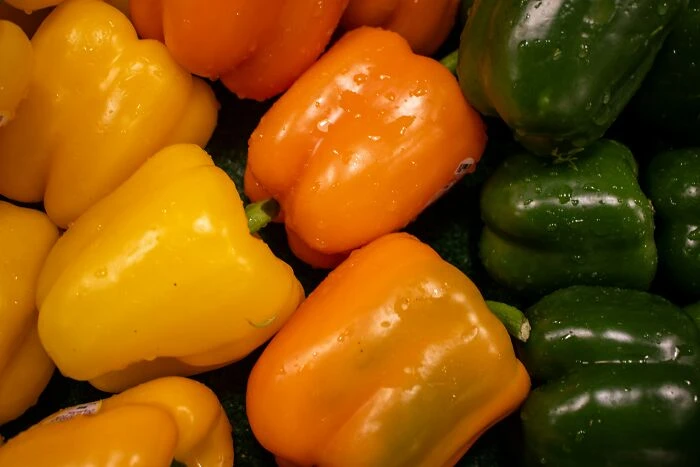
Flash-freeze chopped peppers on a baking sheet before bagging them—zero waste
Chop bell peppers, lay them out in a single layer on a baking sheet, and freeze them. Then transfer them to freezer bags by color. That way, you can pull out as much or as little as you need. A quick tip: raw carrots don't freeze well this way—they turn to mush unless you blanch them first. Tomato paste from a large can also freezes nicely in dollops on a tray, while leftover sauces can be frozen in ice cube trays.
No. 7. Peel garlic with the flat side of a knife 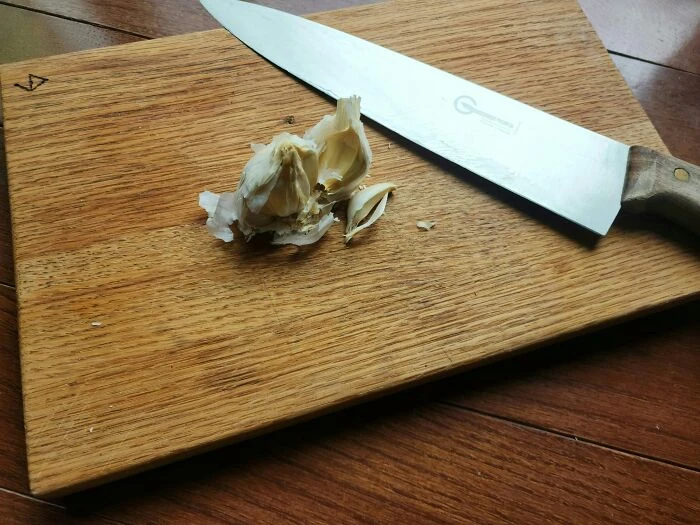
One smash with the flat side of a knife, and the garlic skin slips right off
Don't waste time picking away at garlic paper. Lay the clove on a cutting board and press down firmly with the flat side of a chef's knife. The skin splits open and slips off effortlessly in seconds.
No. 8. Acid, dryness, and mise en place 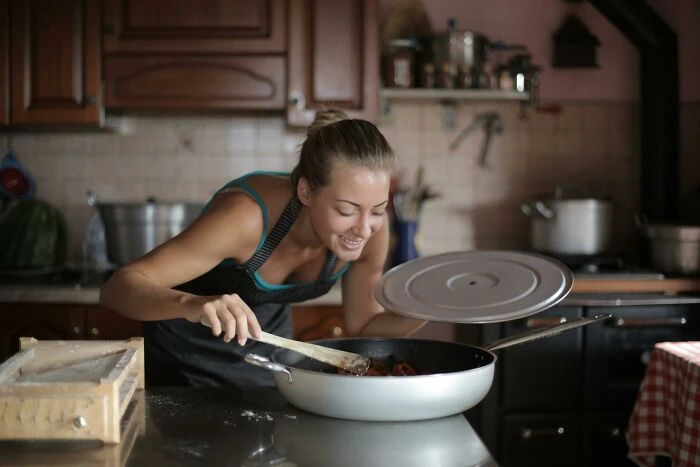
Mise en place is a pro technique: having all your ingredients measured and prepped before cooking starts
A few golden rules all at once: 1. Don't forget acid—lemon juice, vinegar, or tomatoes elevate dishes where salt and fat alone fall short. 2. Pat veggies dry before searing: damp vegetables steam rather than roast or fry, making a huge difference in texture. 3. Clean as you go, and prep all your ingredients before firing up the stove. This is called
mise en place
("everything in its place")—a chef technique that makes cooking faster and much less chaotic.
No. 9. Rectangular storage containers 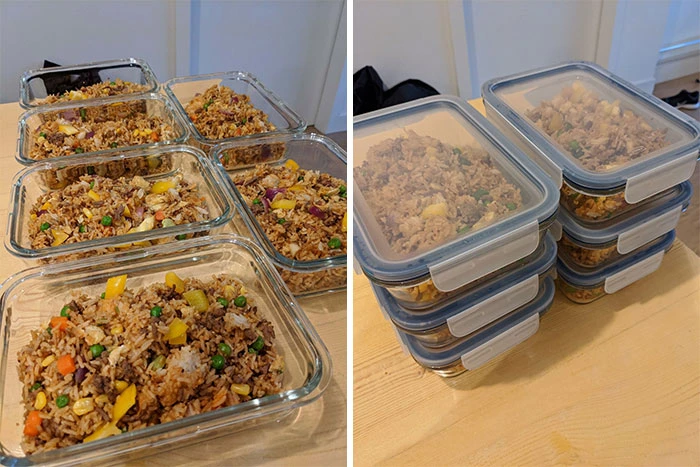
Rectangular containers stack seamlessly, instantly freeing up fridge space compared to round ones
Store leftovers in square or rectangular containers instead of round ones. They nest together neatly in the fridge and freezer with no wasted space between them, giving you significantly more room.
No. 10. Regrow scallions from scrap roots 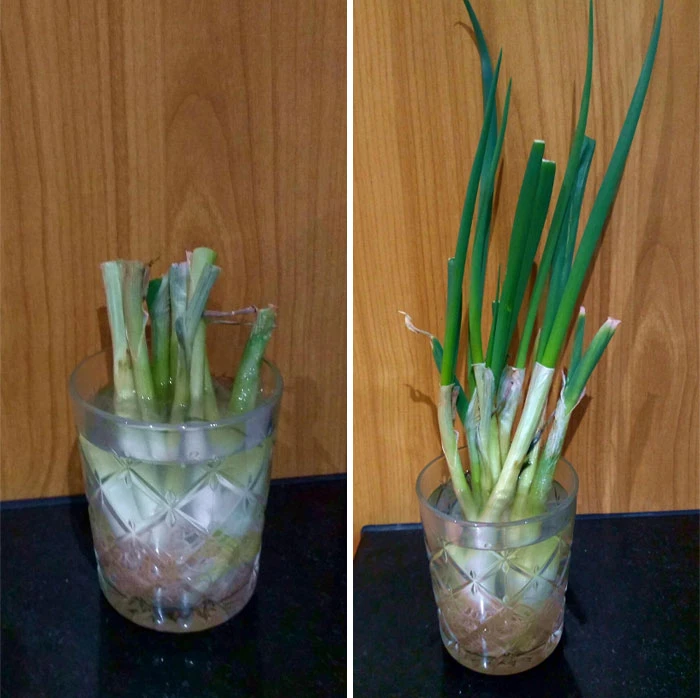
Plant scallion roots in soil, and they will keep growing back again and again
Don't throw away scallion ends. Place the white root bottoms in a small jar of water or plant them in soil, and they will sprout back up. The first new growth will be thick like standard green onions, while subsequent regrowths yield delicate, chive-like stems.
No. 11. How to build a sandwich without losing toppings 
Lay a slice of deli meat across both slices of bread so toppings stay firmly inside
Place two slices of bread side by side and lay a wide slice of deli meat flat across both. Add your fillings on top, then fold the sandwich closed. The meat wraps around the seam, locking the contents inside so nothing spills out when you take a bite.
No. 12. Minced garlic ice cubes and cooking with broth 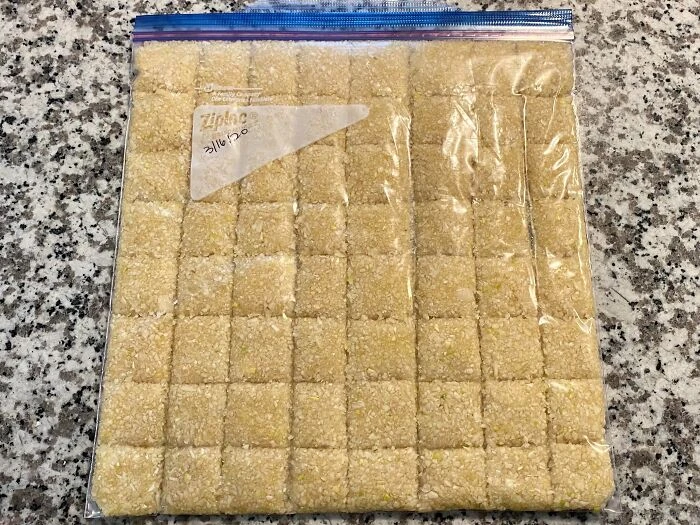
Minced garlic frozen in ice cube trays means perfect portions are always within reach
Mince a big batch of garlic, pack it into ice cube trays, and freeze. You can pop out pre-portioned amounts whenever a recipe calls for it. Plus, a bonus tip: cook rice, soups, and stews in stock or broth instead of water. The depth of flavor is night and day.
No. 13. Drizzle chicken juices on rice before freezing 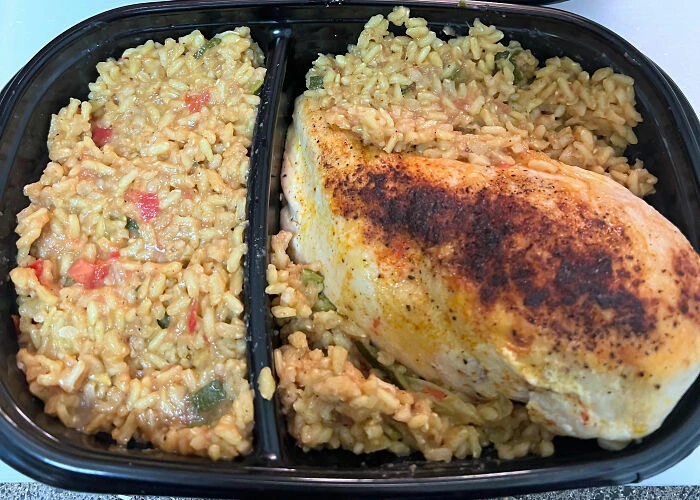
Adding chicken pan juices to rice before freezing keeps it moist and fluffy when microwaved
When meal-prepping chicken and rice for the freezer, spoon a little roast chicken drippings over the rice before freezing. When reheated in the microwave, the rice steams back to life fluffy and flavorful rather than drying out.
No. 14. Melt butter in the pan, dip the bread 
Dip your bread into melted butter in the pan to prevent tear marks and get a uniform crust
When making grilled cheese, don't spread cold butter onto soft bread—it tears the slice. Instead, melt the butter right in the skillet and press the bread slices directly into it on both sides. It’s faster, cleaner, and guarantees an even, golden crunch.
No. 15. Speed up caramelized onions with water 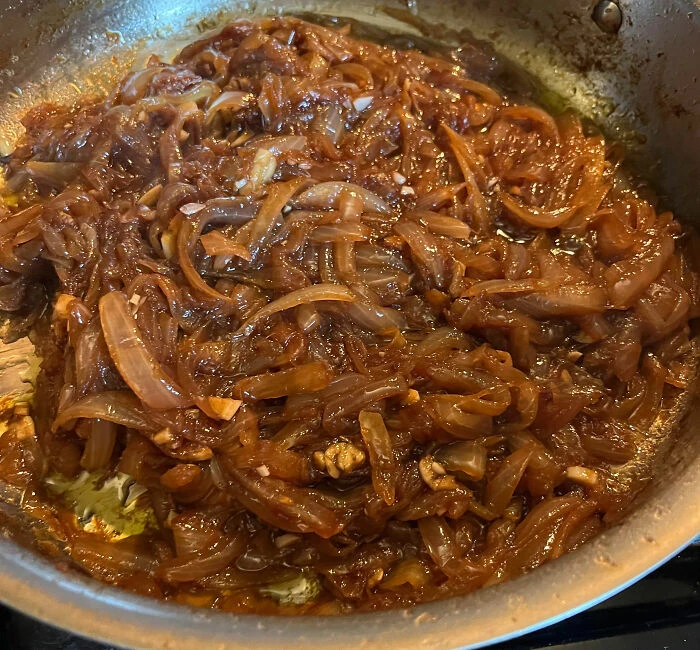
Adding water cuts onion caramelization time in half without burning
Splash a bit of water into your pan as onions cook, letting it evaporate before adding a splash more. Repeat 2 to 3 times, lowering the heat as they turn golden brown. This cuts caramelization time in half without sacrificing rich flavor or risk of burning.
No. 16. Keep ginger root in the freezer 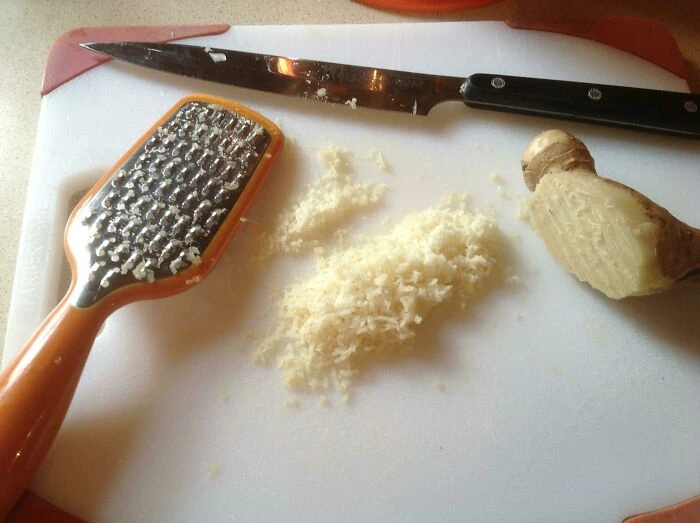
Frozen ginger grates smoothly without peeling and tastes just like fresh
Store fresh ginger root whole in the freezer. Whenever a recipe calls for it, grate the frozen ginger skin and all using a microplane—the peel disappears seamlessly. Pop the rest back in the freezer with zero mess or waste.
No. 17. Oven-bake bacon in batches and freeze 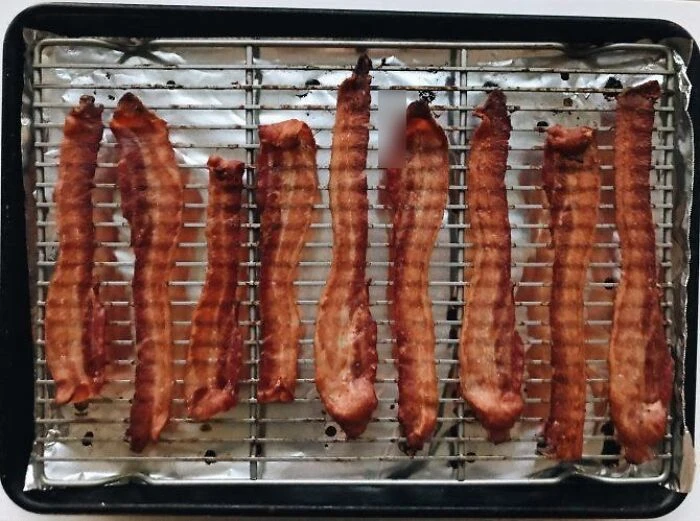
Bake a whole pack of bacon in the oven at once with zero grease splatter
Lay an entire pack of bacon on a baking sheet and bake it in the oven. Once cool, freeze the cooked strips flat on parchment paper before transferring to a freezer bag. When you want bacon, just zap a few strips in the microwave for seconds—no grease splatter or stovetop mess required.
No. 18. Make brown sugar as needed 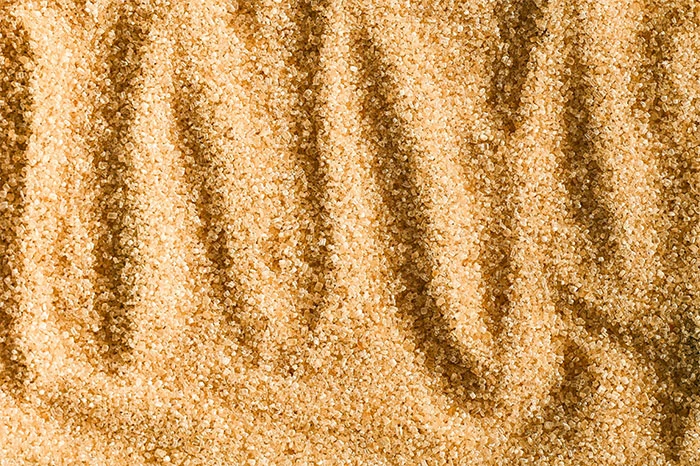
White sugar and molasses make a homemade brown sugar substitute that never goes hard
Brown sugar is simply granulated white sugar mixed with molasses. Store-bought brown sugar constantly hardens into a rock. Keep white sugar and a jar of molasses on hand instead, mixing them right into your recipe. Need a darker, richer sugar? Just up the molasses.
No. 19. Warm milk and butter for mashed potatoes 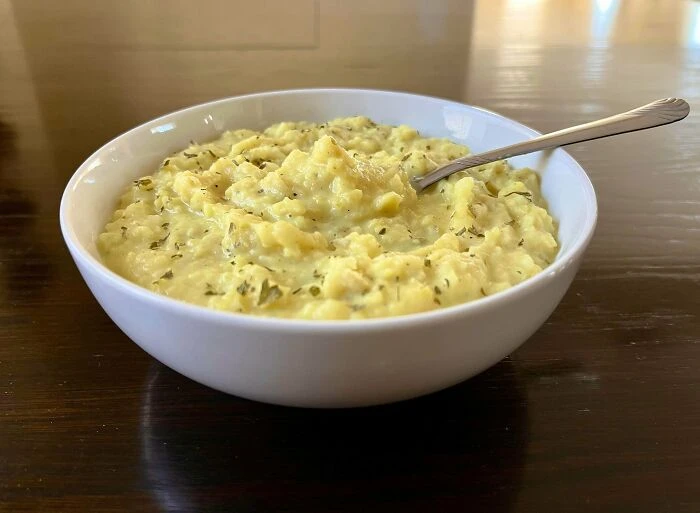
Warm milk and butter yield fluffy mashed potatoes instead of a gummy mess
Adding cold dairy directly to hot potatoes turns starch into a gummy, gluey mess. Heat your milk and melt your butter before stirring them into mashed potatoes—they'll turn out irresistibly light and fluffy.
No. 20. Date your leftover container lids 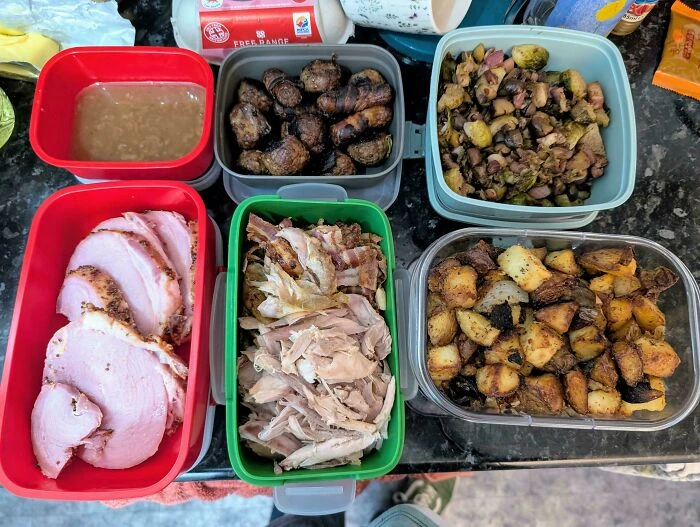
Writing a single date number on the lid makes it instantly clear when leftovers were prepped
Use a dry-erase marker to write a single number on leftover container lids—the day of the month it was cooked. It's a simple glance to see if food is still good or needs discarding. And don't forget the two-hour room temp safety rule!
No. 21. Cook spaghetti in a skillet 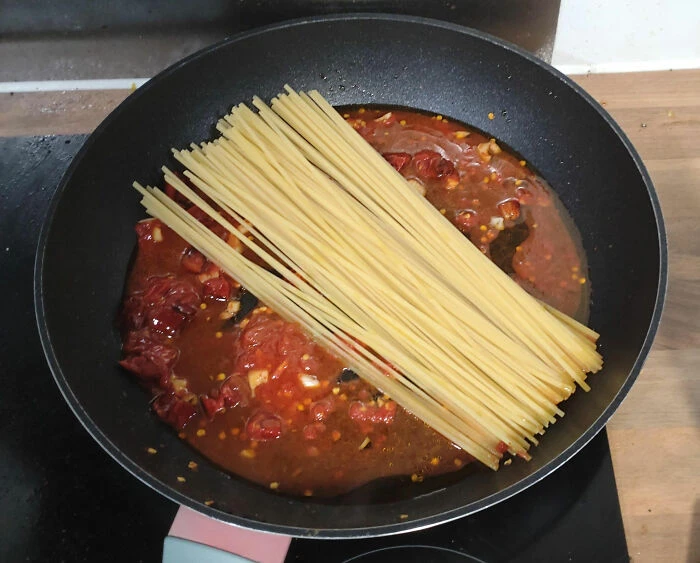
A wide skillet boils water faster and cooks long pasta more evenly than a tall stockpot
Boil spaghetti in a shallow skillet rather than a deep stockpot. It takes significantly less water, comes to a boil in minutes, and keeps long noodles fully submerged for even cooking.
No. 22. Salad spinners make all the difference 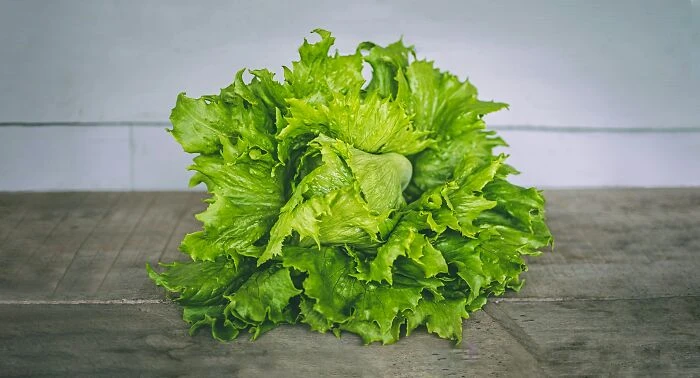
A salad spinner is an affordable gadget that leaves greens restaurant-level crisp
Chop salad greens and soak them in cold water, then spin them dry in a salad spinner. Removing every drop of excess moisture leaves greens crisp and helps dressing cling properly—making a night-and-day difference compared to basic rinsing.
No. 23. Use a kitchen towel to drain grated potatoes 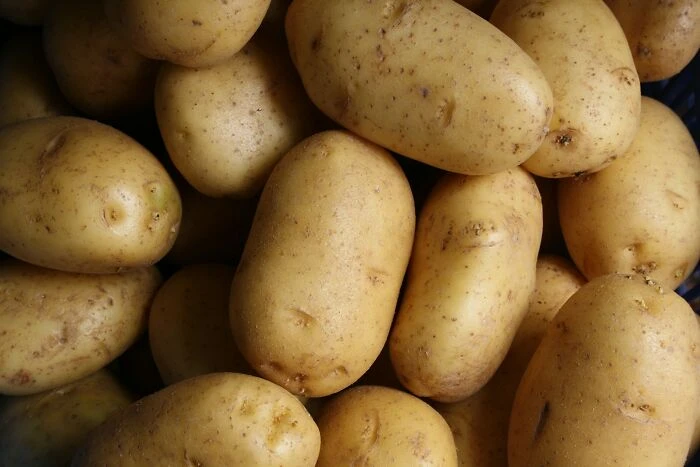
A clean kitchen towel squeezes out far more liquid from shredded potatoes than a colander
Hash browns and potato pancakes require thoroughly dried potatoes to get crispy. Wrap shredded potatoes in a clean kitchen towel or cheesecloth and wring out the liquid. It extracts far more water than a strainer ever could, guaranteeing ultra-crispy results.
No. 24. Slow cookers, sous-vide, and mandolines 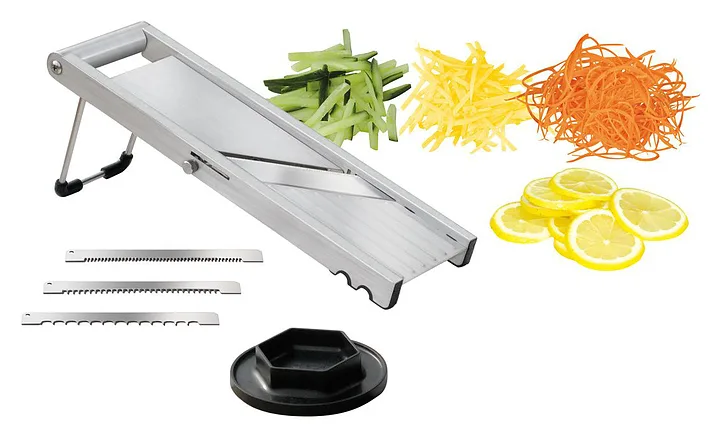
A mandoline slicer is a game-changer, but always use the hand guard
Three kitchen tools that fundamentally transform cooking: a slow cooker or multi-cooker (hands-off convenience), a sous-vide precision cooker (consistent temperature, restaurant results), and a mandoline slicer for paper-thin precision. Always use the safety guard with a mandoline—the blades are notoriously unforgiving.
No. 25. Bouquet garni over dried herbs 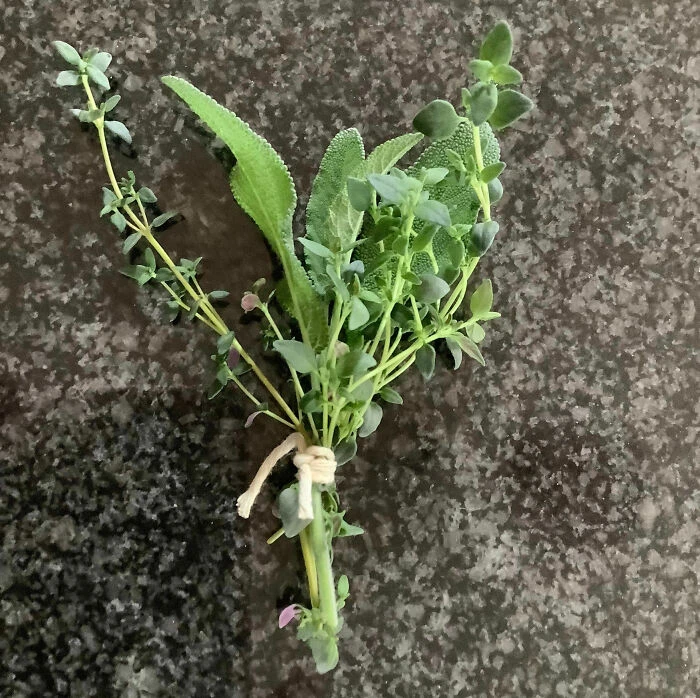
A fresh herb bouquet garni lends soups and stocks far deeper flavor than dried herbs
Swap dried spices for a classic bouquet garni: bundle fresh parsley sprigs, thyme, and bay leaves together with twine or cheesecloth and simmer them in your broths and stews. The aromatic richness and depth of flavor are second to none.
No. 26. Bagged salad kits save time 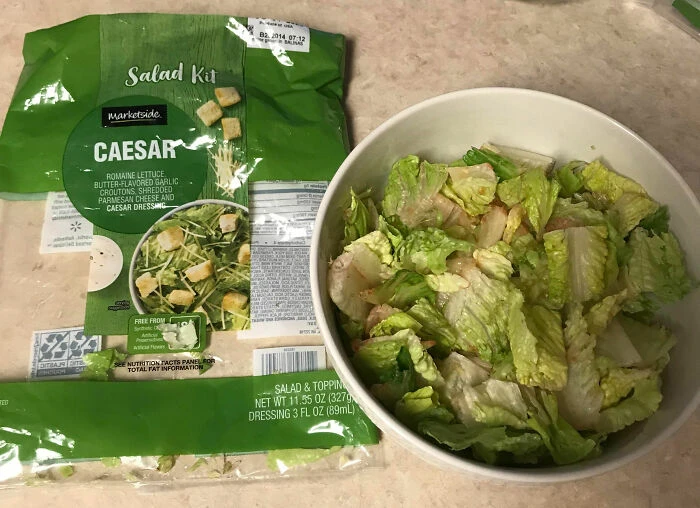
Bagged salad kits deliver a fresh vegetable side in under a minute with zero prep work
Bagged salad kits aren't lazy—they're smart time-savers. Dump the bowl, toss with the included dressing, and you have a nutritious vegetable side in under a minute. It’s an easy fix if you struggle to hit your daily veggie goals.
No. 27. Lay out all your ingredients first 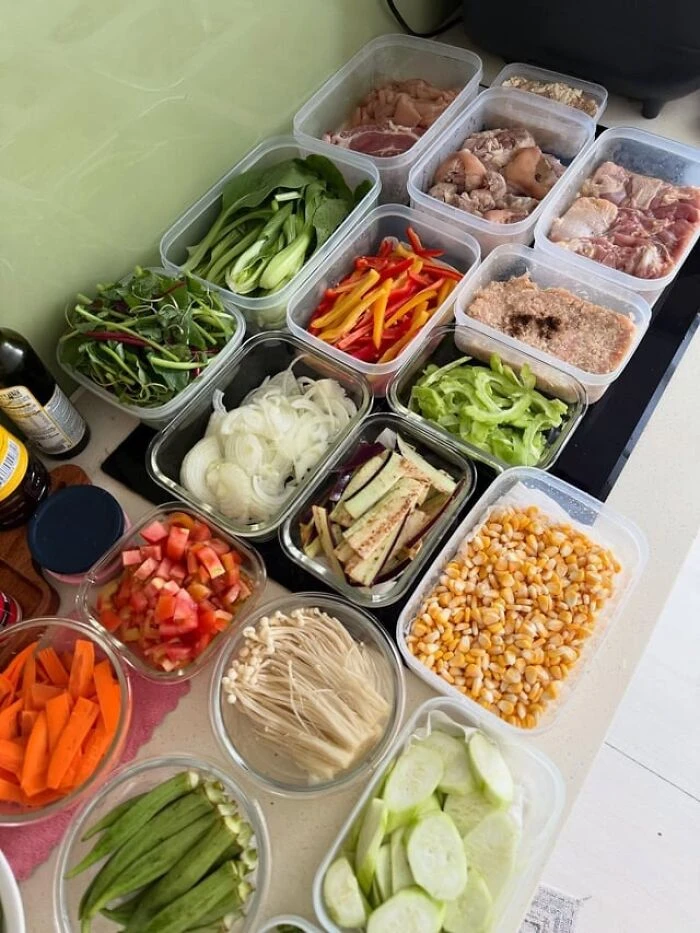
Laying out all ingredients beforehand prevents mid-recipe grocery runs
Before turning on the heat, pull out every single ingredient and confirm you have enough—liquids included. Nothing ruins a recipe faster than realizing mid-fry that you're out of cooking oil or short on flour.
No. 28. Microplane unpeeled garlic 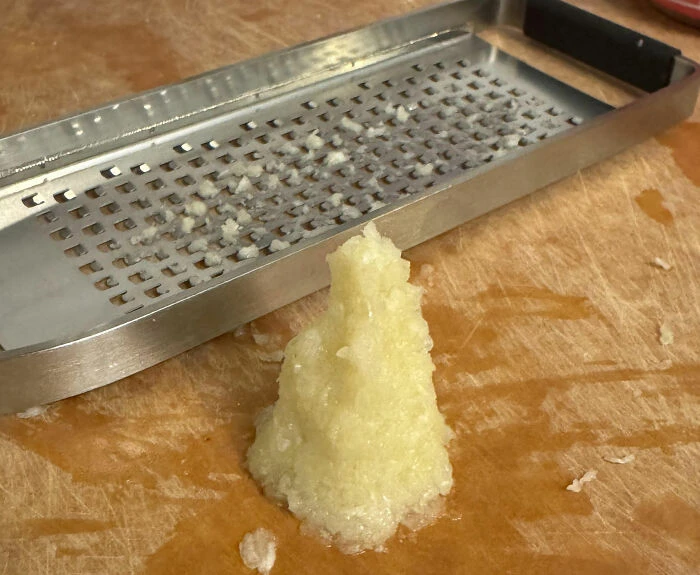
Grating unpeeled garlic on a microplane leaves the skin behind and keeps your hands odor-free
Grate garlic cloves skin-on directly over a microplane grater. The fine teeth shred the clove into a paste while catching the papery skin, leaving it safely in your fingertips. No tedious peeling, and no lingering garlic smell on your hands.
No. 29. Mayo instead of butter for grilled cheese 
Mayo spreads smoother than butter and produces an extra-crispy, golden crust
Slather mayonnaise on the outside of your bread instead of butter before grilling. Mayo spreads effortlessly without tearing soft slices and browns into an insanely golden, crispy crust. Many consider this simple swap their single favorite kitchen discovery.
No. 30. Tap hard-boiled eggs with a spoon before boiling 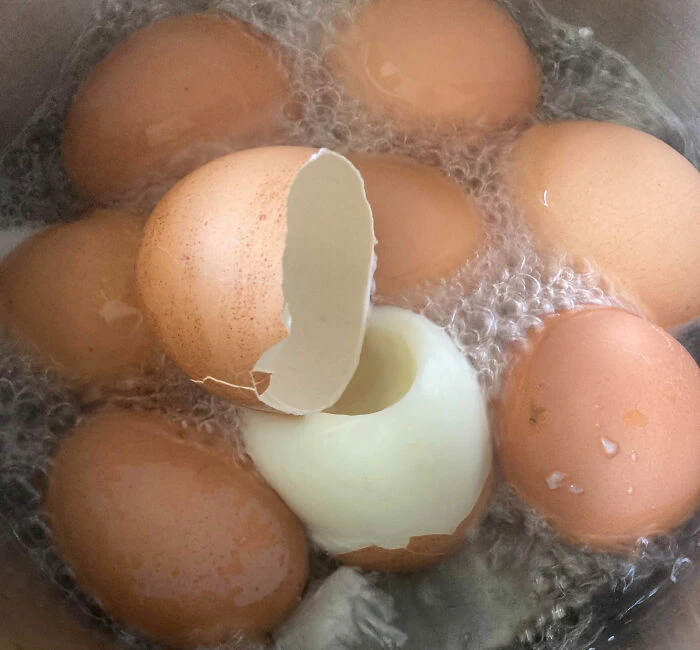
Gently tapping eggs with a spoon before cooking makes shelling them a breeze
Before dropping eggs into boiling water, give the rounded bottom a light tap with the back of a spoon until you hear a tiny snap. This breaks the delicate inner membrane air pocket, letting the shell peel off smoothly without tearing up the egg whites.
All these tips have one thing in common: they require no fancy ingredients, expensive gadgets, or culinary degree—just curiosity and a willingness to try something new. Which one will you be testing out first?