Inside Oketz: How Dogs Serve in the Israeli Military (20 Photos)
Among the Israel Defense Forces' (IDF) many elite units, Oketz stands out as the most unique. Meaning "sting" or "bite" in Hebrew, its name captures its exact purpose. Oketz is a specialized counterterrorism K9 unit where dogs serve alongside human soldiers. 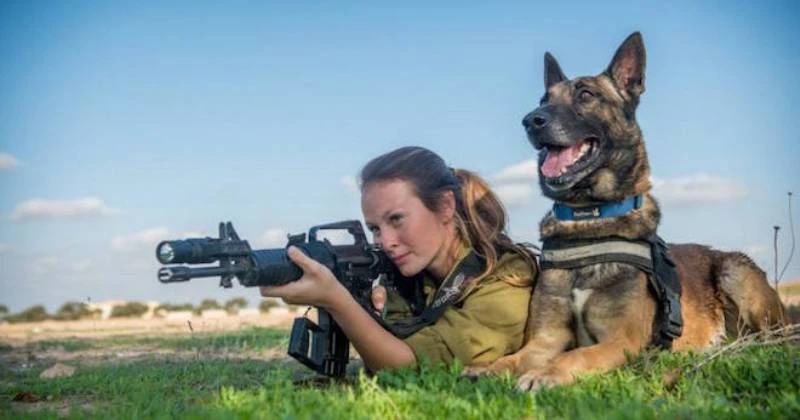
The primary mission of Oketz handlers and their canine partners is supporting assault teams during counterterrorism operations. Operating on the front lines, these teams tackle some of the most dangerous assignments. The dogs lead attacks, detect explosives and weapons, spot hostiles in crowds, and flush enemies out of vehicles, tunnels, and barricades. 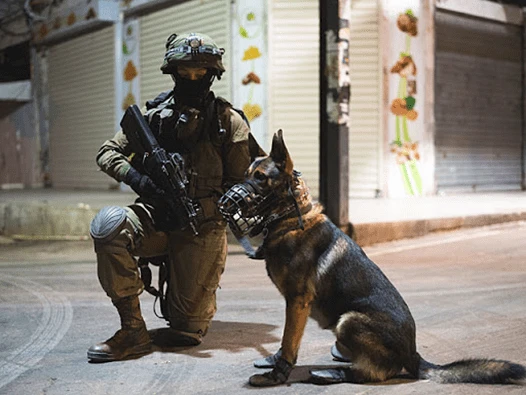
The unit also plays a key role in search-and-rescue operations. These dogs locate survivors trapped under rubble, deliver food, water, and medical supplies, and help establish communication with victims. 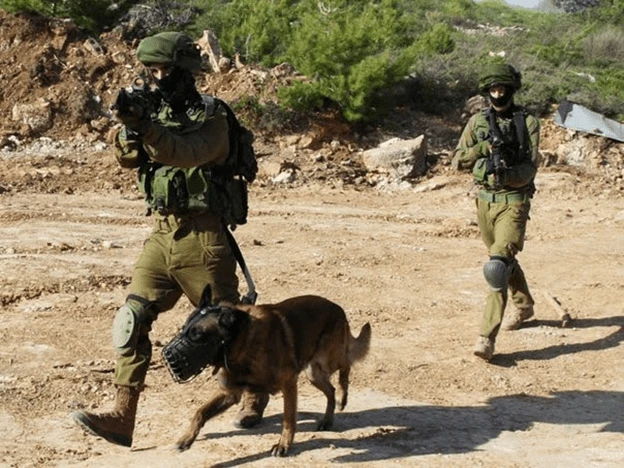
Israel's history with military dogs dates back to 1939, starting with the Haganah underground defense organization in Mandatory Palestine. The battalion itself was formed alongside the State of Israel in 1948 under the secret designation Unit 7149. For decades, its very existence remained classified. 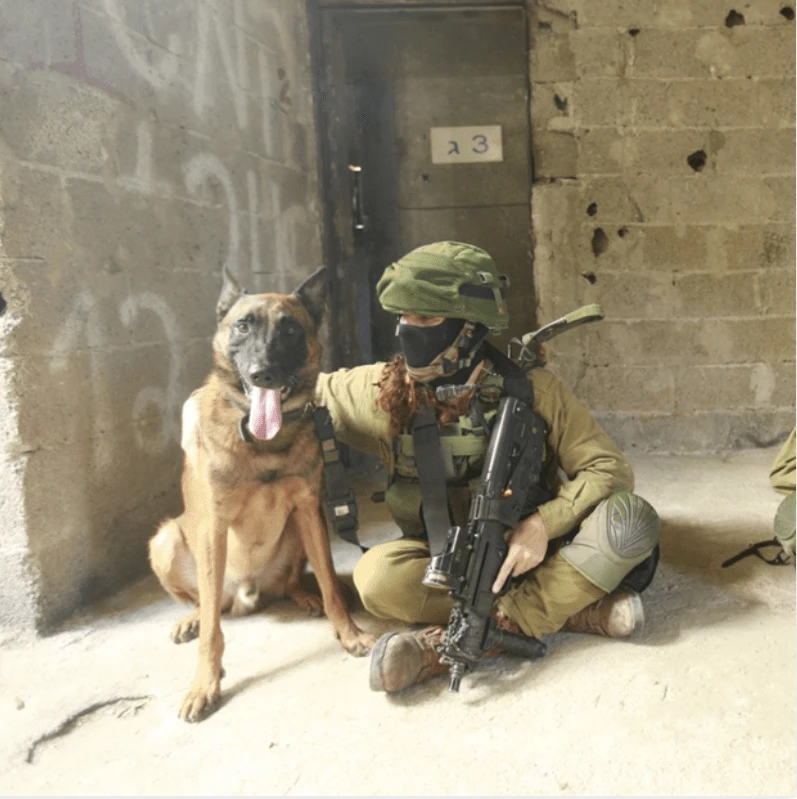
In 1974, the unit was integrated into the IDF Infantry and Paratroopers Command, officially adopting the name Oketz. The unit remained shrouded in secrecy until 1980, when its role in a high-profile hostage rescue operation at Kibbutz Misgav Am brought it into the public eye. 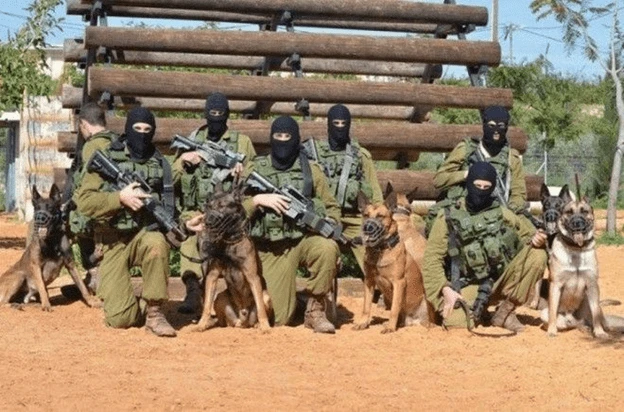
Today, Oketz comprises four specialized companies: Search and Rescue, Tracking, Counterterrorism, and Bomb Disposal. Each company works with specific dog breeds best suited for its operational profile. 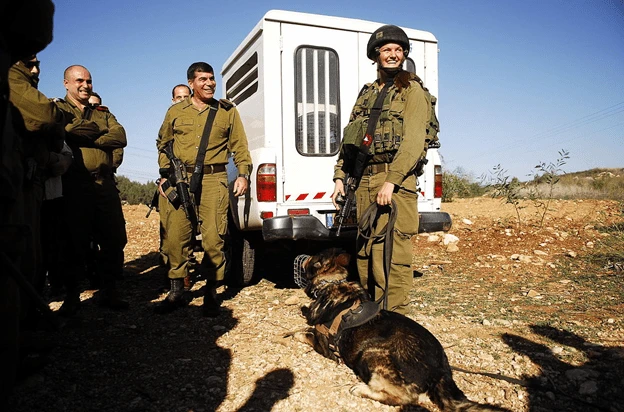
The Search and Rescue company locates victims trapped beneath collapsed structures. This unit relies primarily on Labradors, carefully chosen for their temperament. The most critical requirement for these rescue dogs is a complete lack of aggression toward humans. 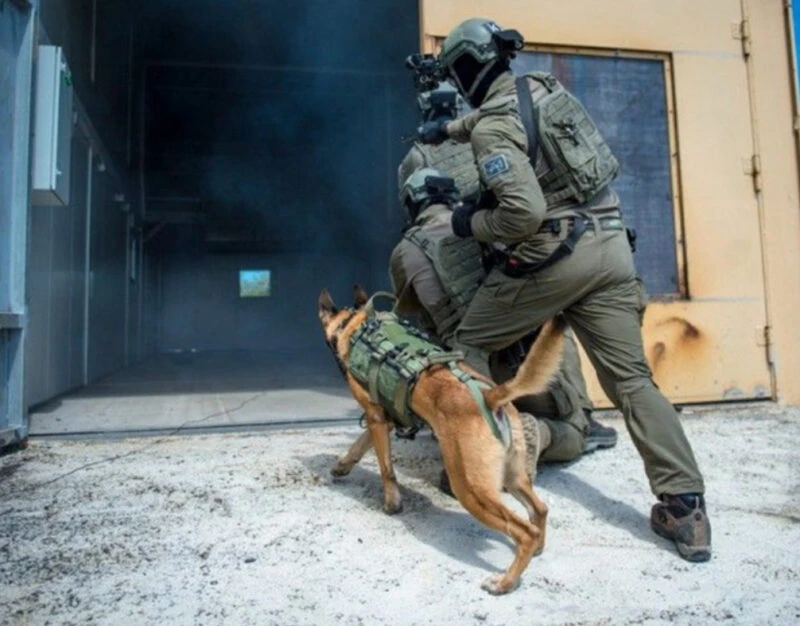
The Tracking company is responsible for tracking, pursuing, and apprehending suspects. Its dogs fall into two categories: tracking dogs and attack dogs. Tracking dogs can pursue a target for up to six kilometers and pin them down until operators arrive. Attack dogs are trained for high-intensity takedowns and, when necessary, neutralizing threats. 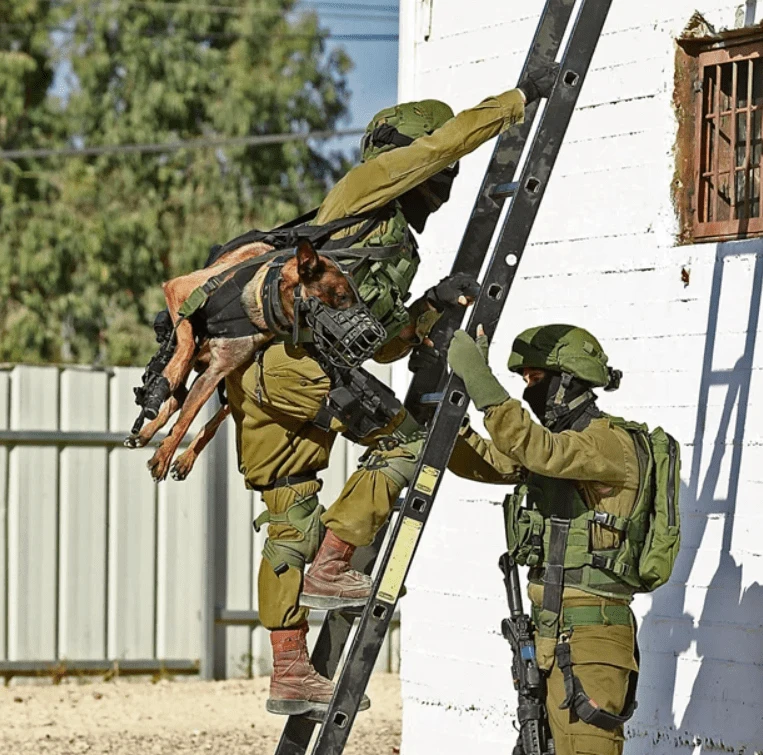
The Bomb Disposal company detects explosives, ammunition, weapons, and narcotics. Deployed at checkpoints, these dogs inspect vehicles and individuals. Smaller breeds are often preferred here, as they can easily maneuver into tight spaces inside vehicles or squeeze into fully loaded cargo vans. 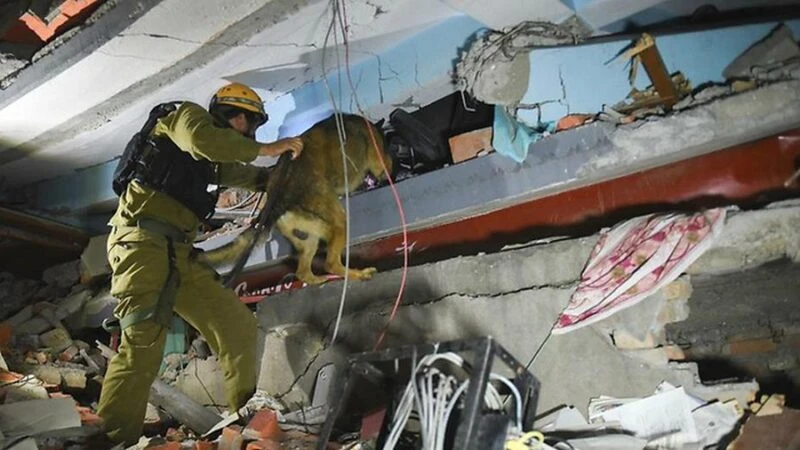
Explosive detection dogs deserve special mention: they lead military formations, scouting for mines and IEDs. Taking the greatest risks, they enter buildings ahead of human troops. German and Belgian Shepherds—renowned for their strength, endurance, and exceptional sense of smell—are the breeds of choice for this role. 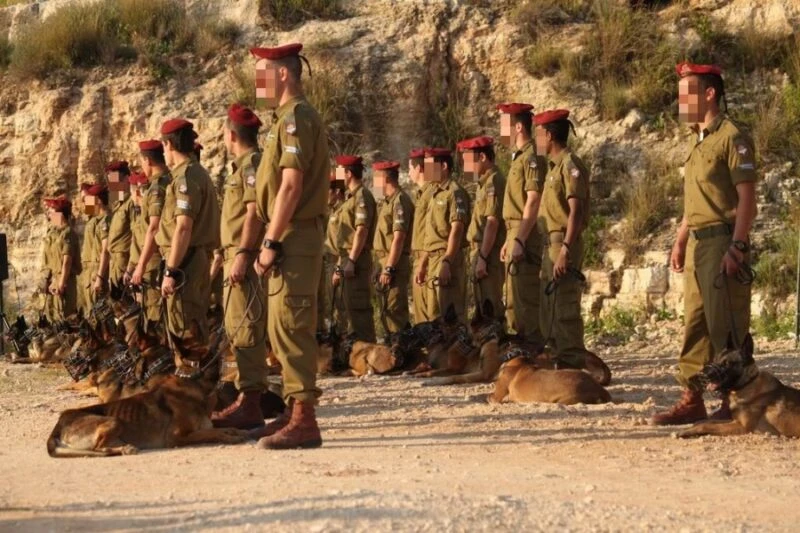
The Counterterrorism company features the most powerful and aggressive dogs, including Rottweilers, Dobermans, and German Shepherds. These dogs storm buildings and vehicles alongside assault troops during hostage rescue missions. Their rigorous training enables them to breach enemy strongholds first and neutralize high-value targets or commanders. 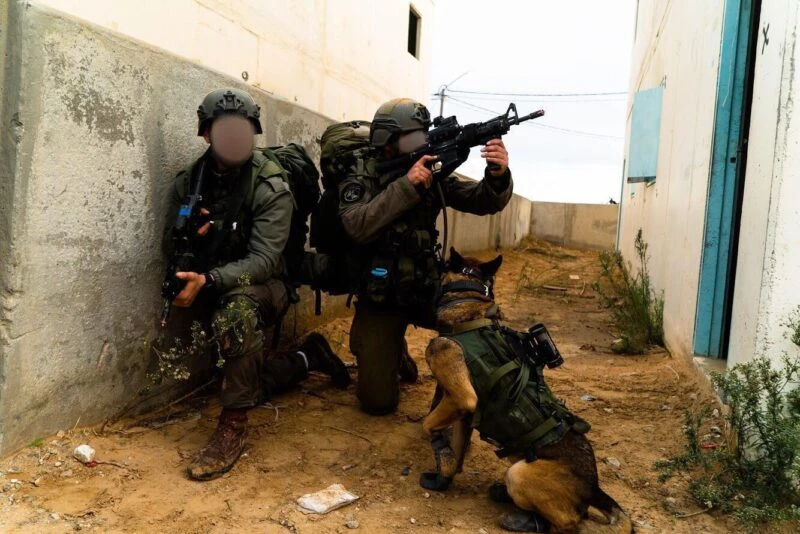
During a raid, a dog is sent in first, followed immediately by the breach team. Once the threat is neutralized and the area secured, the handler enters to retrieve the dog. This tactic saves lives: the sudden breach of a fierce, powerful dog creates immediate shock and confusion, forcing insurgents to instinctively fight off the animal while losing situational awareness. 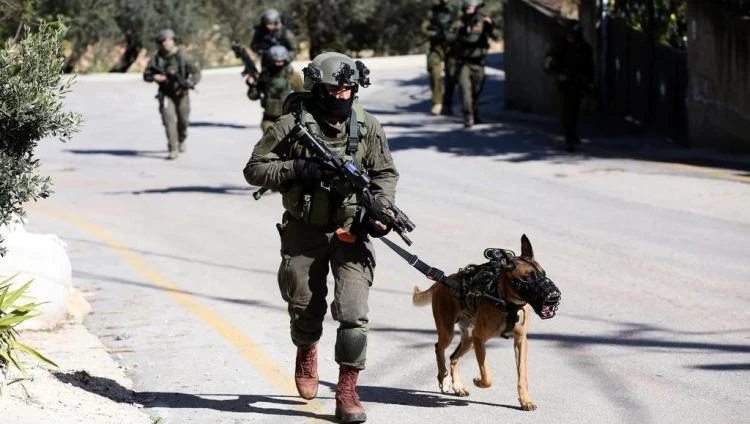
On many occasions, these dogs have located insurgents hiding inside buildings that assault teams might have missed. However, mishaps do occur. Sometimes a dog may turn on friendly operators because they are also armed. Despite extensive training, combat chaos can trigger instinctual reactions even in the best-trained animals. 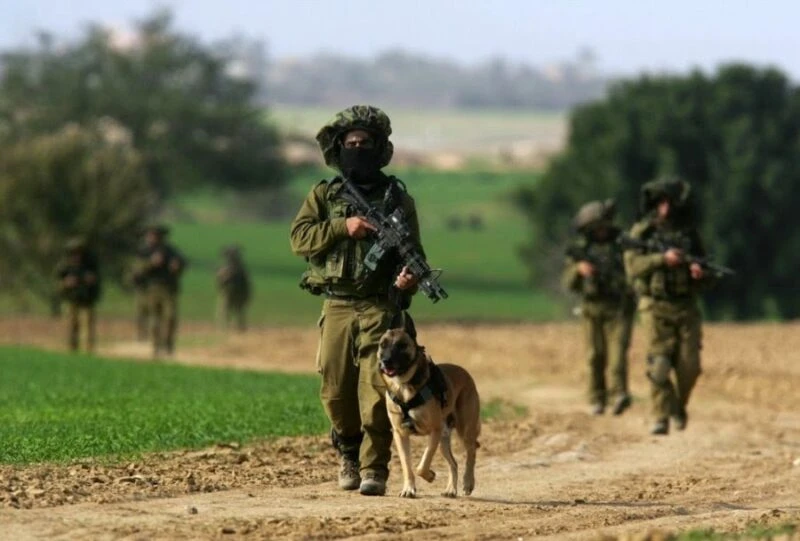
The unit's deterrence factor is heightened by regional cultural nuances. In Islamic tradition, dogs are considered ritualistically unclean, giving rise to a belief that being bitten before death jeopardizes entry into paradise. As a result, checkpoints staffed with K9 units see significantly fewer suicide attack attempts. 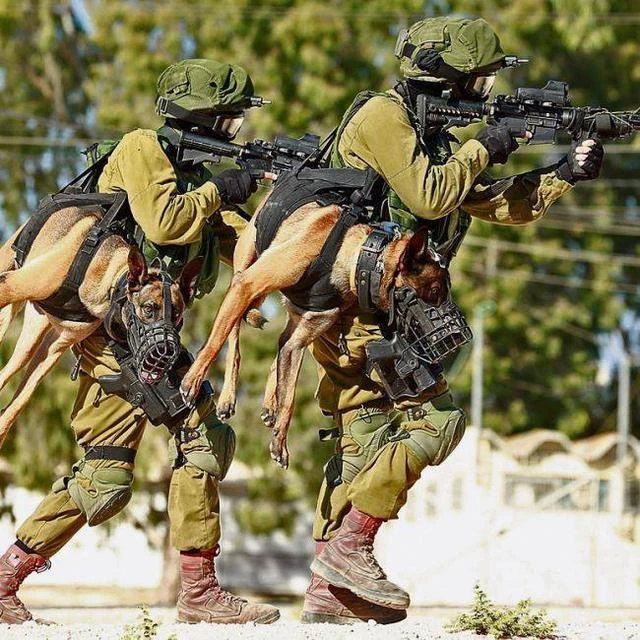
Today, Oketz maintains a force of about one hundred active dogs. Their military service lasts roughly seven to eight years. Depending on their health and temperament, retired military dogs may transfer to the police force to perform similar duties, such as searching for missing persons, narcotics, or weapons. Attack dogs, however, are retired completely and never reassigned due to the potential risks involved. 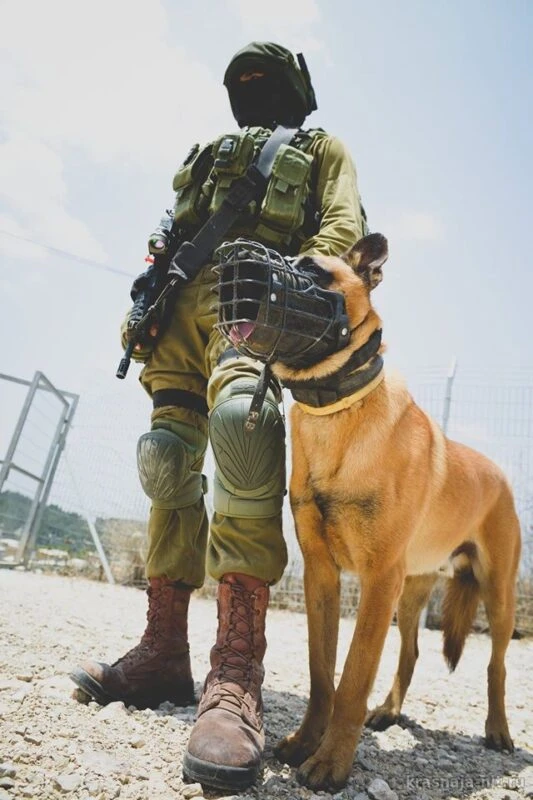
Puppies selected for Oketz are sourced from specialized breeders in Europe, primarily Germany and the Netherlands. Purchased between three and six months of age, individual dogs can cost up to $15,000. Military handlers rigorously evaluate each candidate against demanding physical and psychological criteria. 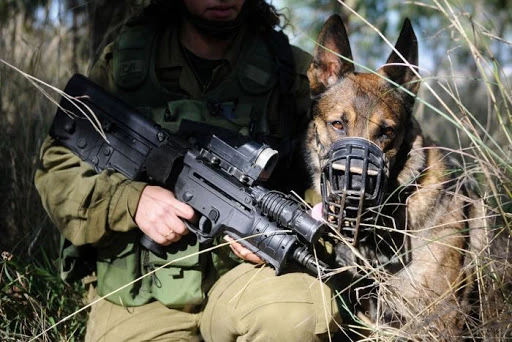
Dogs that pass the selection process undergo a full year of intensive training before entering active duty. Search-and-rescue and detection dogs are also spayed or neutered prior to deployment. 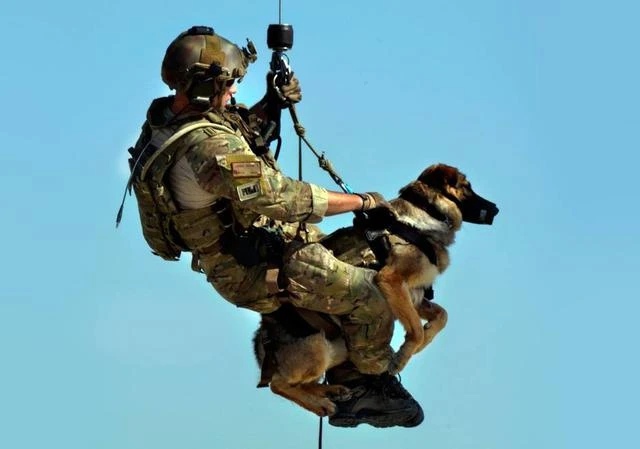
Human handlers are recruited from elite units like Duvdevan and the IDF Paratroopers Brigade. Candidates complete a yearlong training regimen and must meet strict physical and tactical standards. Since 2004, the unit has been open to female soldiers as well. 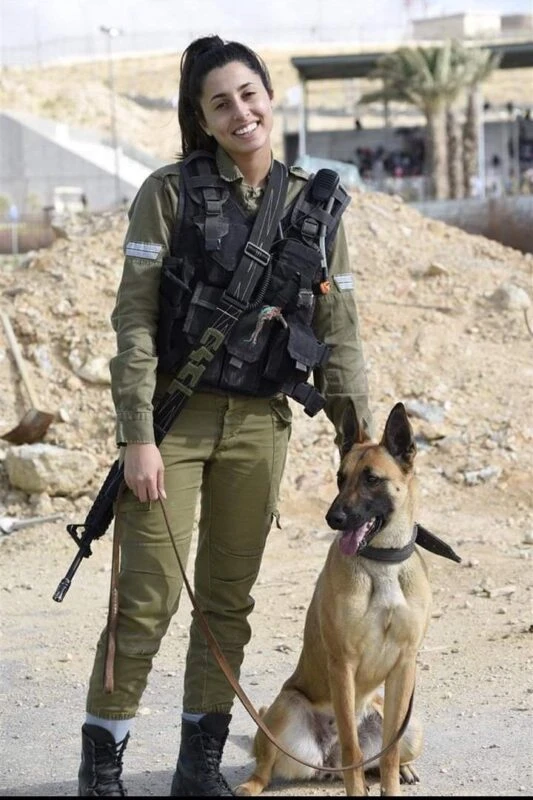
The dogs are housed in modern individual enclosures measuring six square meters. Each unit includes separate feeding and designated bathroom areas equipped with advanced ventilation. The floors are covered with specialized non-slip, easy-to-clean ceramic tiles. 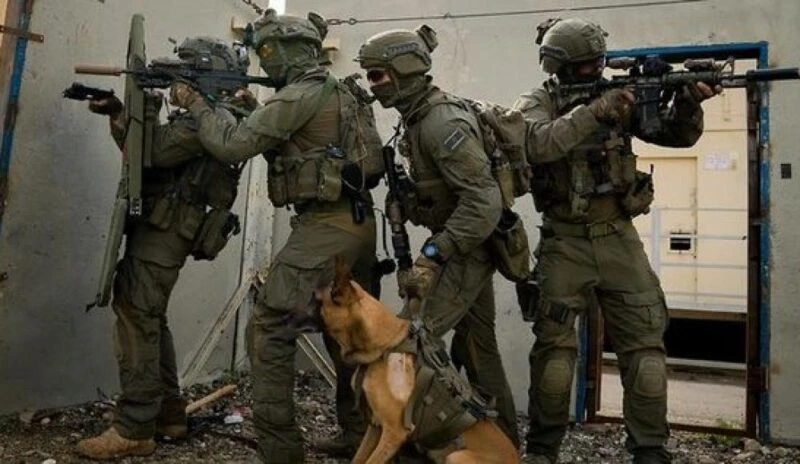
Oketz operates its own fully equipped veterinary clinic capable of performing complex medical procedures, including dental surgery. The facility even features a specialized canine fitness center complete with a swimming pool. 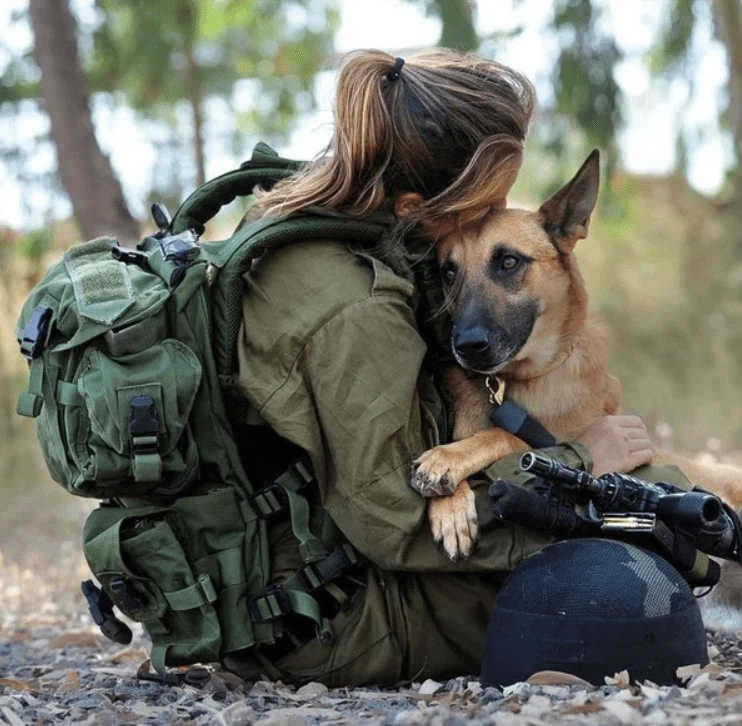
Fallen dogs and retired veterans are laid to rest at a military canine cemetery established in 2004, receiving full military honors. It is a fitting tribute: over the unit's history, many of these dogs have saved dozens of human lives.