Cats with white paws are everywhere, and we can’t help but adore their cute little "socks." For scientists, however, these markings raised an intriguing question: why are white paws almost nonexistent in the wild, yet so ubiquitous among domestic cats? The answer turned out to be complex, but fascinating. 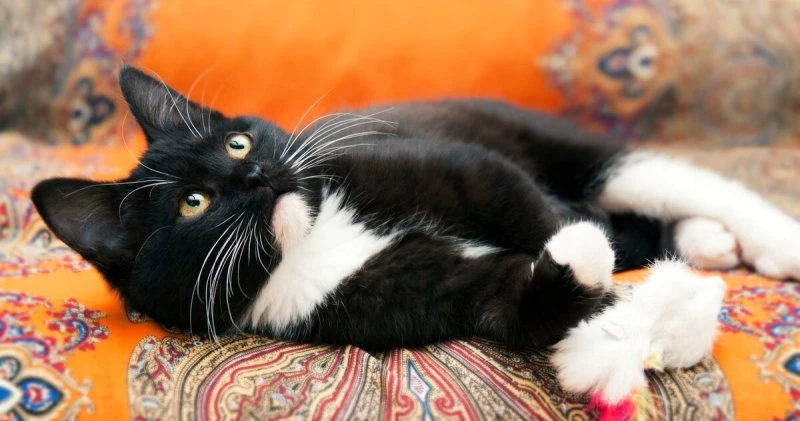
White paws are a trait of modern domestic cats that is extremely rare in the wild. Yet the groundwork for this charming mutation was laid 10,000 years ago, when humans first began domesticating wild felines. Now, felinologists—scientists who study cats—have unraveled the mystery behind our pets' iconic "white socks." 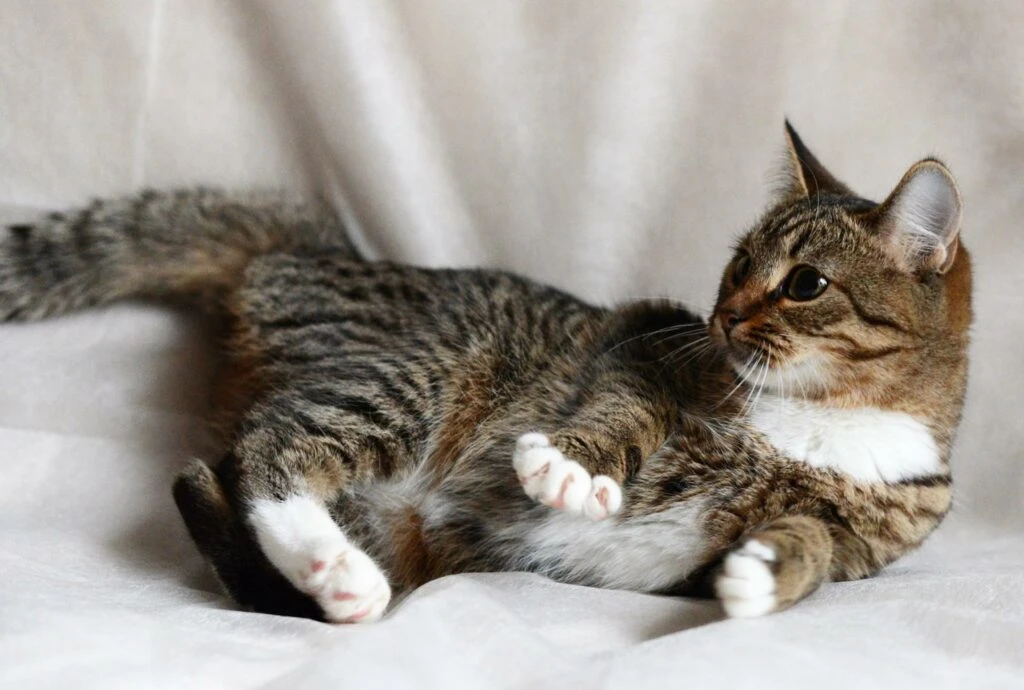
A Hazardous Trait
Dr. Leslie Lyons, a professor at the Feline Genetics Laboratory at the University of Missouri’s College of Veterinary Medicine, believes that domestication itself led to the proliferation of cats with white paws. Humans first formed a close relationship with cats when agriculture took off. Early farmers built storehouses for their crops, which quickly became prime targets for rodents.
Thus began a mutually beneficial partnership: humans got protection for their grain supplies, while cats secured a stable food source and a comfortable life. The ancestors of today’s domestic cats can still be found in the wild, inhabiting the forests and mountains of Europe, Africa, and Asia. Zoologists even discovered a population thriving in an unlikely spot: the slopes of Mount Etna, an active volcano in Sicily. 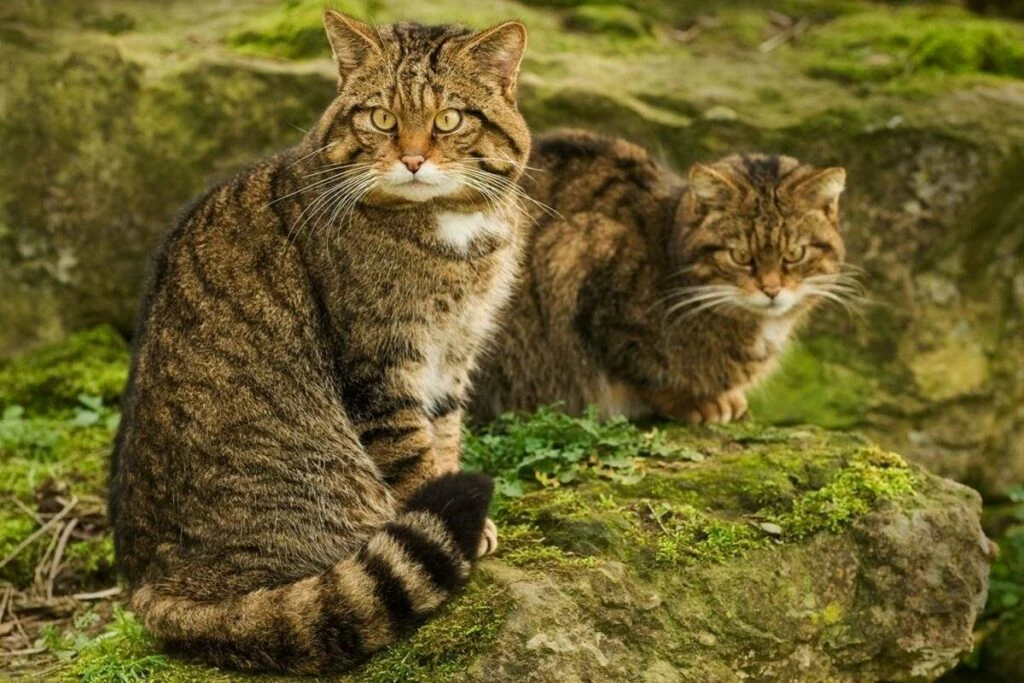
Scottish wildcat
Wild cats rely on natural camouflage to hide from larger predators. This survival trait is especially crucial for kittens, which remain helpless for weeks after birth. Thousands of years ago, however, a genetic mutation occurred, causing cats to occasionally be born with white paws. While this eye-catching pattern compromised their camouflage and lowered their chances of survival in the wild, it caught the eye of humans.
Early Selective Breeding
Felinologists believe that the earliest domesticated cats were those with white paws. It is hard to say exactly why ancient humans welcomed these specific animals into their homes. Perhaps even back then, rugged hunters and farmers found the white paws endearing. In doing so, humans created an evolutionary filter of their own. Interestingly, this phenomenon isn't unique to cats: distinct coat patterns that are rare in the wild are common across dogs, cows, pigs, poultry, and even pet rats. 
Studies show that coat patterns are determined during the embryonic stage. The cells responsible for fur color originate as neural crest cells along the embryo's spine. As the embryo develops, these pigment cells migrate downward, spreading across the body. Where the cells cluster, distinct patches of color form—creating "white socks," facial masks, or spots on the sides, back, and head. If the cells spread completely around the embryo and merge, the result is a solid-colored kitten.
So if your cat sports white paws, you can thank the unwitting selective breeding of our distant ancestors. However, don't confuse natural markings with vitiligo. This rare condition, which affects both humans and cats, can alter a pet's coat color even later in life.
Add your comment
You might be interested in:













17 Photos That Will Stop You in Your Tracks (18 Photos)

Behind the Camera on 'Back to the Future' (45 Photos)

What Would Happen to a Human on Every Planet in the Solar

22 Examples of Pure Design Genius That Deserve a Huge

The Sexual Customs of the Vikings: Why an Older Partner Was

Stunning Views of the Martian Horizon from 400 Kilometers

20+ Fascinating Photos of Rare and Unusual Sightings (40

50 Incredible Treasures People Rescued From the Trash (51

Hard to Believe Your Eyes: 20 Unreal Photos With
