They didn't wear crowns, but they wielded power that monarchs could envy. Their whispers influenced political decisions, and their smiles shaped the fate of states. Court favorites were more than just mistresses: they became advisors, schemers, patrons of the arts, and symbols of their eras. We've compiled the stories of four women whose influence on European thrones is difficult to overestimate—from the 15th-century French court to Versailles on the eve of the Revolution. 
Agnès Sorel: The Path to the Throne
Agnès Sorel was born around 1422 in the village of Fromenteau, in the Touraine region, to a family of modest nobility. From a young age, she impressed those around her with her beauty and keen intellect. In 1431, she was accepted as a lady-in-waiting at the court of Isabella of Lorraine, wife of René the Good, King of Naples and Anjou.
It was at Isabella's court that Agnes received a true education: etiquette, reading, writing, and the basics of history and philosophy. A few years later, the lady-in-waiting met the French King Charles VII, who was 20 years her senior. The monarch fell in love with the beauty, and their lives changed forever. 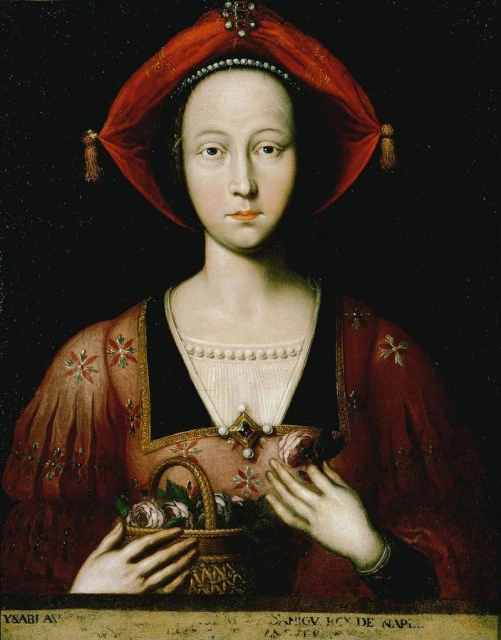
Agnes Sorel – the favorite who became the first official mistress of the French king
Charles VII made Agnes an official lady-in-waiting and presented her with the Château de Beaute-sur-Marne, earning her the nickname La Dame de Beaute – Lady of Beauty. From then on, courtiers were obliged to accord the favorite royal honors, and she herself received a voice in the country's governance. Contemporaries called Agnes the most beautiful woman of the fifteenth century, and the Pope once said he had never seen a more beautiful face.
Agnes Sorel: Power and Death
Agnes's influence on the king provoked mixed feelings among courtiers. Many disliked the monarch consulting a woman on matters of state. But it was the favorite who eradicated nepotism at court: key positions began to go not to relatives of nobles, but to truly capable individuals. Agnes also played a role in the Hundred Years' War—she openly supported the expulsion of the English from France, for which contemporaries compared her to Joan of Arc. 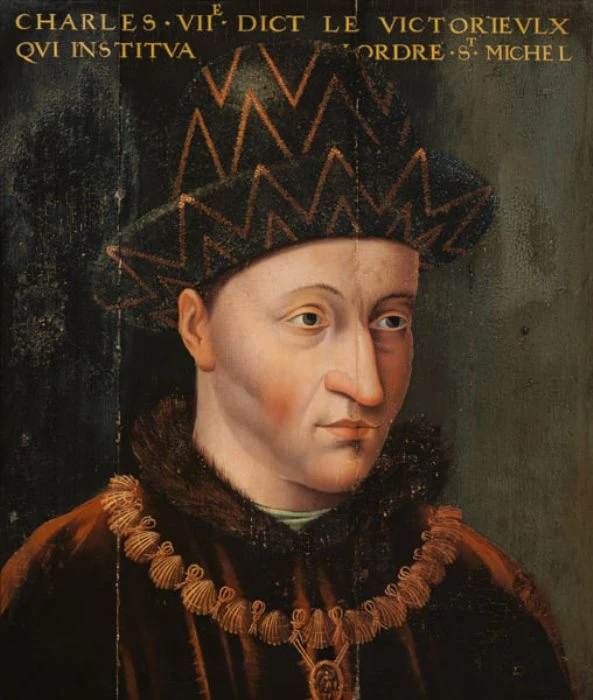
King Charles VII
The favorite had plenty of enemies. The nobles were irritated that the king openly recognized the three daughters born to Agnes and awarded them the title of filles de France—"daughters of France," which was usually reserved for legitimate royal children. The Dauphin Louis, the future King Louis XI, especially hated the favorite: he insulted Agnes so openly that he was temporarily banished from court. 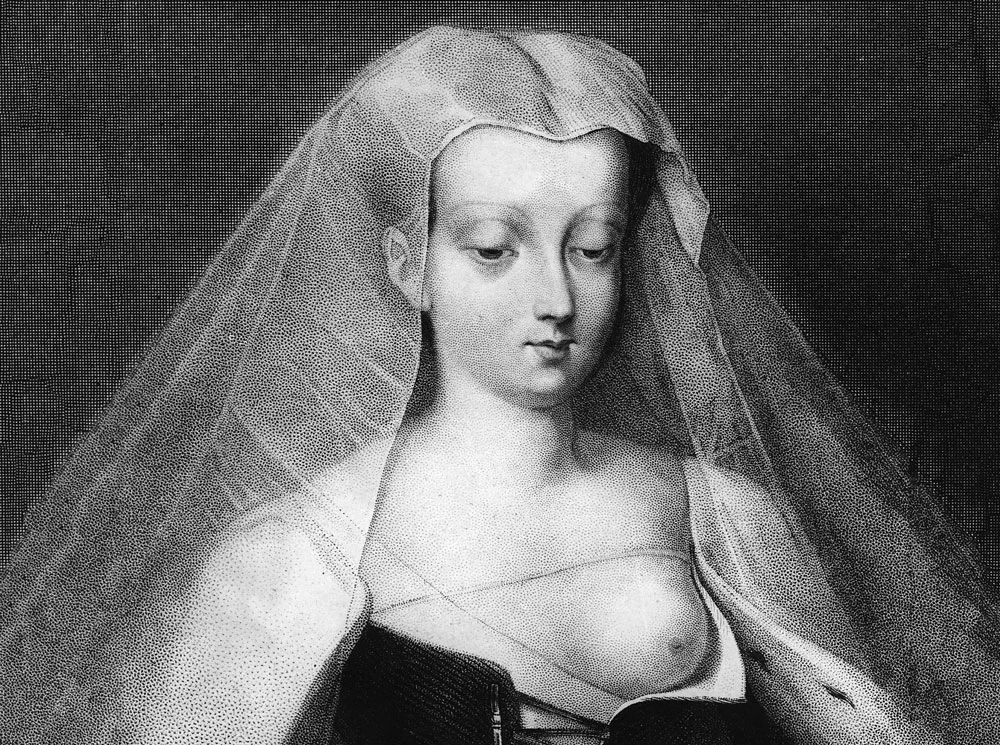
Agnès Sorel's death was shrouded in mystery for many years.
In 1450, Agnes Sorel was expecting her fourth child when she died suddenly. Contemporaries suspected the royal adviser, Jacques Coeur, of poisoning her, and rumors ascribed the death to him for centuries. But this theory was not confirmed: Coeur was acquitted, and the accusation was considered an attempt to discredit him. Only the 2005 exhumation put an end to this story: French forensic expert Philippe Charlier discovered high levels of mercury in the mistress's remains. The poisoning could have been intentional or accidental: mercury was often included in cosmetics during Agnes's time.
Gabrielle d'Estrées: From Courtesan to Favorite
Gabrielle d'Estrées was born on December 23, 1573, in the Château de Coevres, Picardy. Her father was Antoine d'Estrées, the chief of the royal artillery, and her mother was Françoise Babou de la Bourdaisière, a lady-in-waiting known for her numerous affairs. Contemporaries jokingly called the mother and her daughters "the seven deadly sins"—so controversial was their reputation.
According to legend, at 16, Gabrielle's mother sold her to King Henry III for six thousand écus. But the king disliked the girl: she reminded him of his own wife. Gabrielle's fate then tossed her from one noble patron to another—among them, the wealthy financier Sebastian Zamet and the Duke of Guise are mentioned. 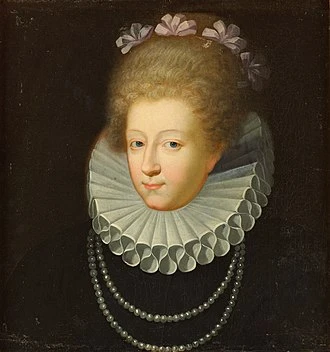
Gabrielle d'Estrées in her youth, before meeting King Henry IV
In 1590, Gabrielle met King Henry IV—she was then seventeen. To legitimize his beloved's presence at court, the monarch arranged her marriage to the aristocrat Nicolas d'Amerval de Liancourt: the wedding took place on June 8, 1592, and the union was dissolved in early 1595. During this time, Gabrielle bore Henry three children: a son, César (1594), a daughter, Catherine-Henrietta (1596), and a son, Alexander (1598).
Gabrielle d'Estrées: The Queen Without a Crown
It was she who convinced Henry IV to convert to Catholicism in 1593. This paved the way for the monarch's accession to the throne, and on February 27, 1594, he was officially crowned. His favorite accompanied Henry on military campaigns, conducted his correspondence, and even lived in camp right next to the battlefield during her pregnancy. 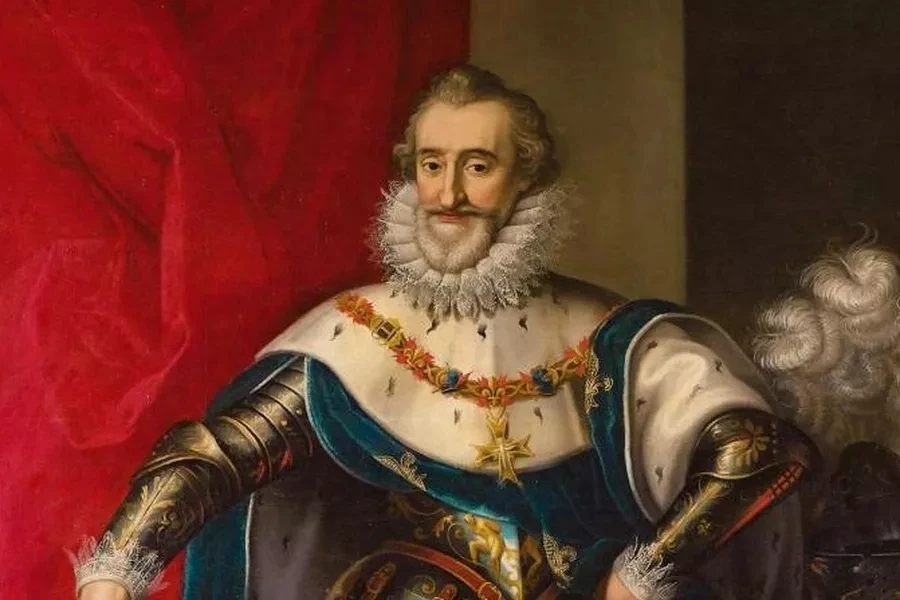
King Henry IV of Bourbon
Gabrielle insisted on the king's divorce from the childless Margaret of Valois, and the marriage was finally annulled in 1599. In March of that year, Henry presented his lover with a coronation ring—a sign that she would soon become Queen of France. But on April 9, four months into her new pregnancy, Gabrielle suffered an attack of eclampsia. She gave birth prematurely to a boy and died the following day, April 10, 1599, in Paris. 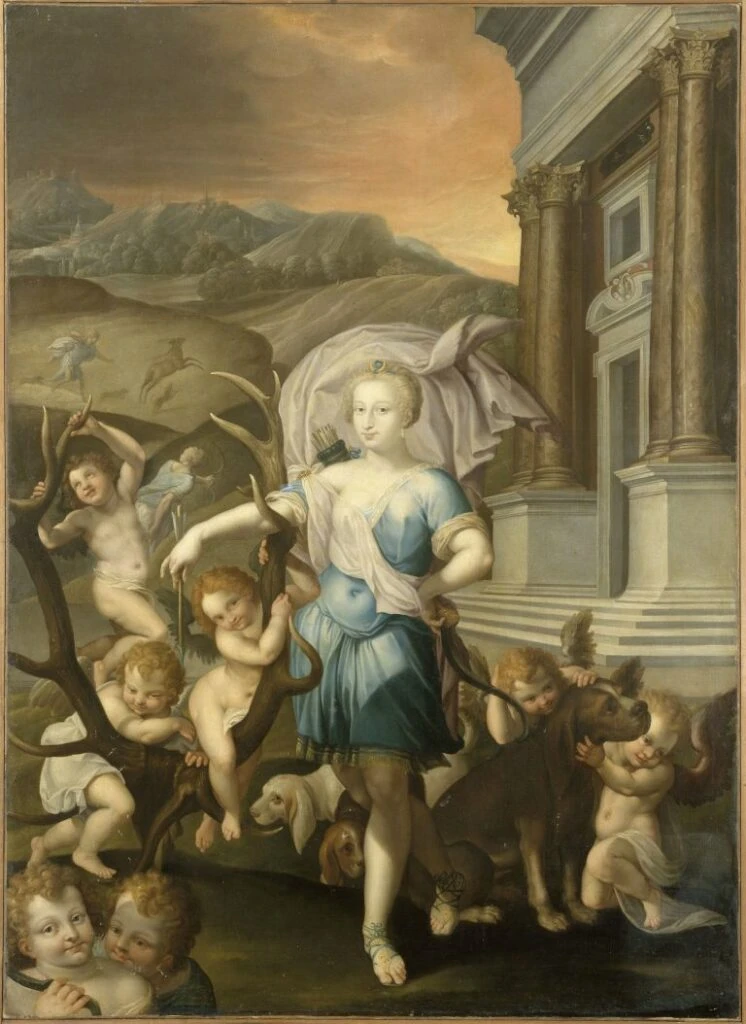
Gabrielle d'Estrées as the goddess Diana
Upon learning of his lover's death, Henry IV ordered her burial with royal honors—no other favorite of the French monarchs had ever received such an honor. Rumors circulated that Gabrielle had been poisoned: the courtiers who were preparing the king's marriage to Marie de' Medici were said to have eliminated the favorite, who was about to become queen. No evidence of poisoning was ever found. However, in 1600, Henry did indeed marry Marie de' Medici, and she ascended the French throne.
Anna Constantia von Cosel: The Path to the Throne of Augustus
Anna Constantia von Brockdorff was born on October 17, 1680, in Depenau. Her father was the Danish colonel Joachim von Brockdorff, a member of a noble Holstein family. In 1694, the girl was assigned to the court in Gottorp, where she served Sophia Amalia, daughter of the Duke of Holstein-Gottorp. There, Anna Constantia was taught music, manners, and the basics of science. 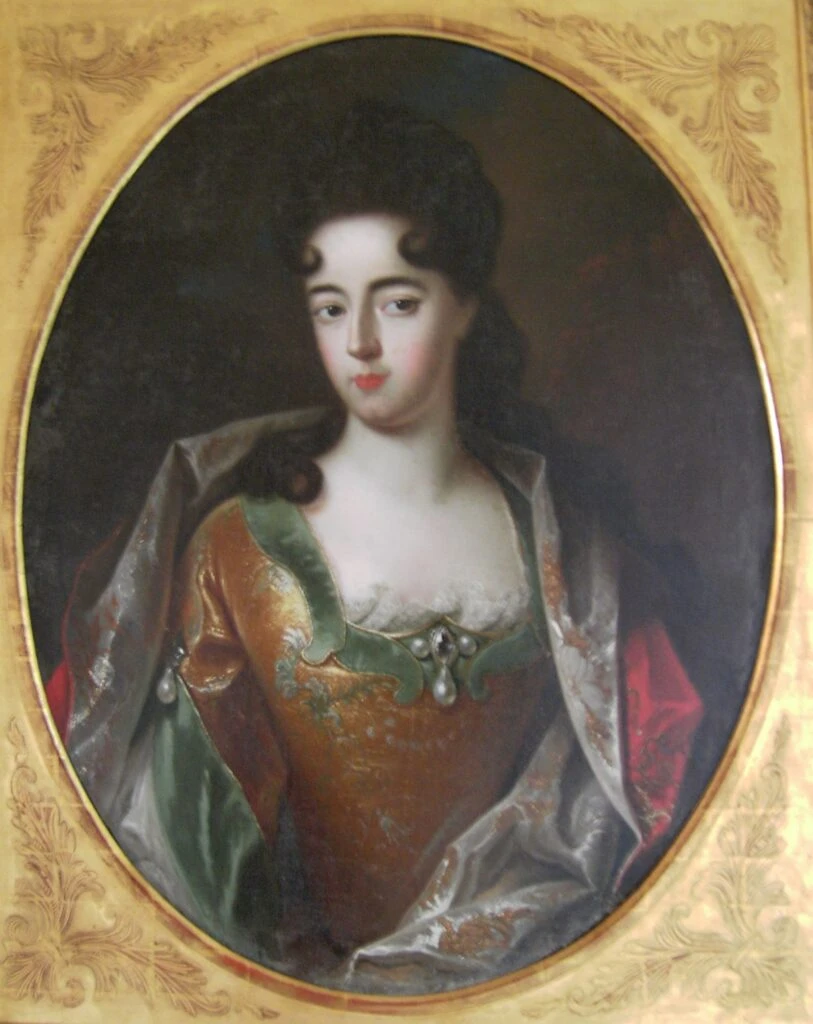
Anna Constantia von Cosel
Her sharp intellect and independent nature quickly turned those around her against her. The lady-in-waiting became pregnant out of wedlock and flatly refused to reveal the father's name. This sparked a wave of condemnation at court, forcing the young woman to leave Gottorp and move to Dresden. Subsequently, on June 2, 1703, Anna Constantia married Baron Adolf Magnus von Hoym. However, their marital bliss was short-lived: just a year later, the baron demanded a divorce, and they were officially divorced in 1706.
While still in the divorce proceedings, in 1705, Anna Constantia met the Elector of Saxony and King of Poland, Augustus II the Strong, who immediately fell in love with her. For the sake of his mistress, the monarch broke off his long-standing relationship with Princess Lubomirska and gave a written promise to marry Anna after his wife's death. In February 1706, he granted his beloved the title of Countess of Cosel.
Anna Constantia von Cosel: Exile and Imprisonment
The Countess bore Augustus three children, but was not content with simply being his beloved—she desired real power. Taking advantage of her position, Anna Constantia interfered in state affairs and openly opposed Augustus's conversion to Catholicism, as she herself professed Protestantism. This outraged the Catholic nobles: the king had once promised to convert to Christianity for the sake of the Polish crown, but never kept his word. 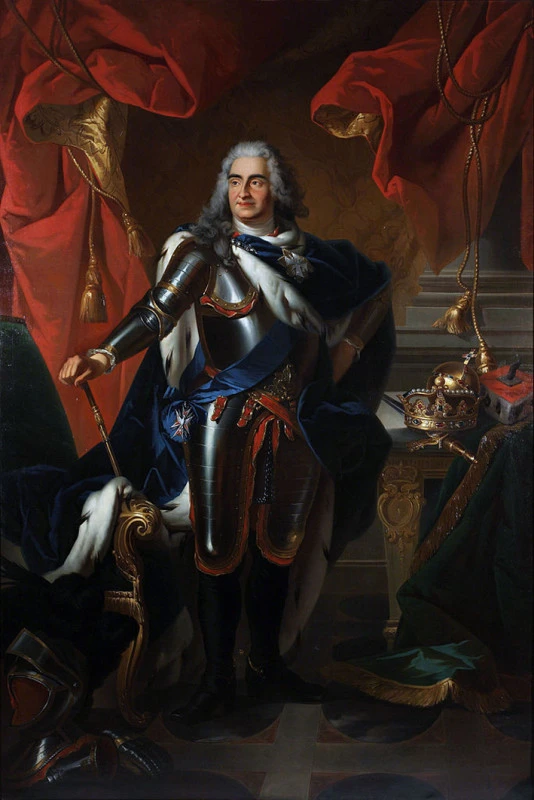
King Augustus II
Over time, rumors of an impending coup began to circulate at court, and the king's feelings for his favorite noticeably cooled. In 1713, Augustus expelled Anna Constance from Poland and ordered her to settle in Pillnitz Castle. Two years later, she returned without permission and gave a relative a letter from the king promising marriage—essentially compromising evidence against the monarch. Augustus considered this treason. 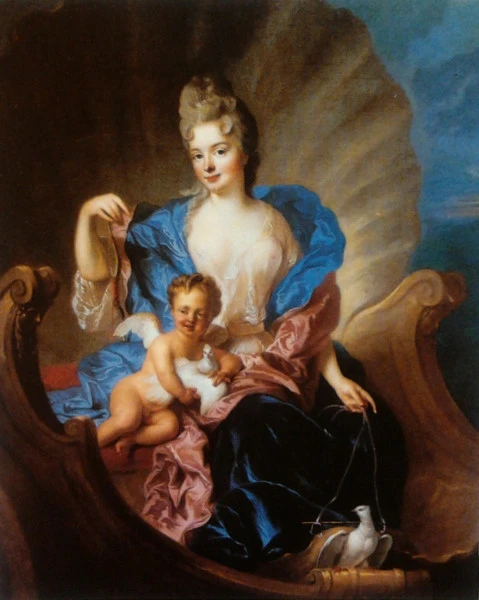
Anna Constantia with her son Friedrich Augustus
In 1716, the former favorite was arrested and imprisoned in the fortress of Stolpen. There she spent the rest of her life—almost 50 years—without even attempting to escape, although she had one opportunity during the Silesian Wars. Anna Constantia von Cosel died in Stolpen on March 31, 1765, at the age of 84.
Jeanne du Barry: From Commoner to Favorite
Jeanne du Barry, née Jeanne Bécu, was born on August 19, 1743, in the French provinces. Unlike the other heroines in this article, she did not belong to a noble family: her mother was a seamstress, and her father, presumably, was a Franciscan monk. Her childhood was spent in hardship, and in her youth, Jeanne worked as a milliner and a saleswoman in a fashion boutique. 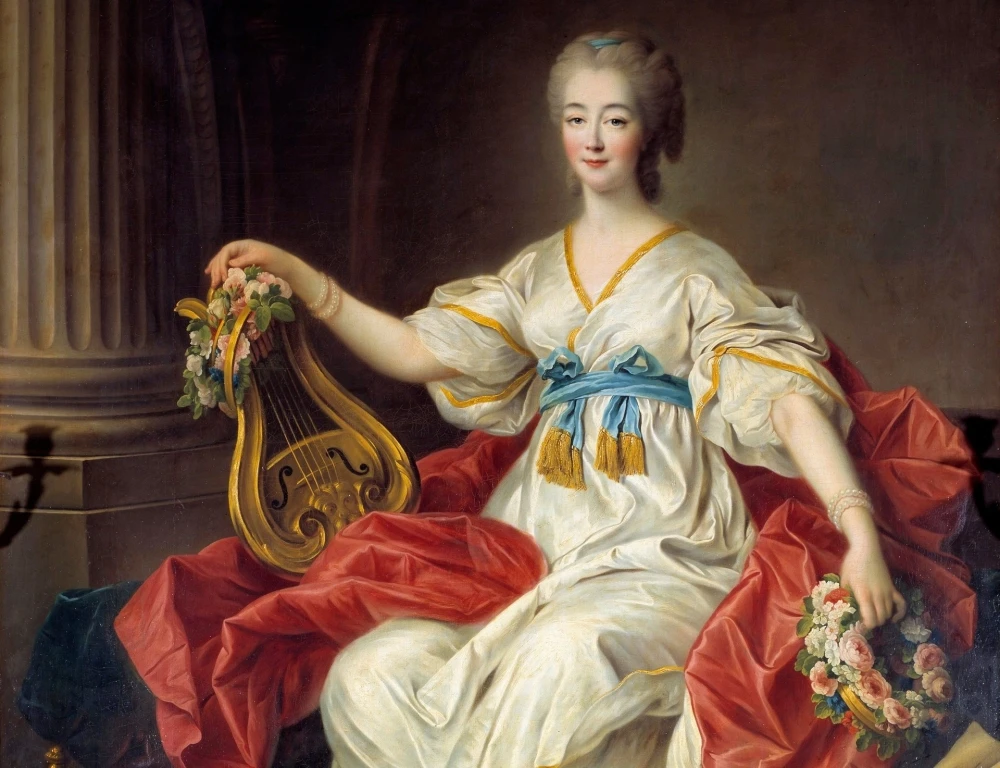
Jeanne Du Barry
Her tenacity and charm helped Jeanne enter wealthy Parisian society. She became a popular courtesan and eventually met King Louis XV. On September 1, 1768, to justify her presence at court, the king married Jeanne to the younger brother of his confidant, Guillaume du Barry. The favorite was officially presented to court on April 22, 1769.
The head of the diplomatic department, Étienne François de Choiseul, opposed the king's rapprochement with the former courtesan. He tried to find incriminating evidence against Jeanne and even accused her of conspiracy, but his efforts backfired: the king was unconvinced, and Choiseul himself was dismissed and exiled.
Jeanne du Barry: Power, Mercy, and the Guillotine
Jeanne's position at the court of Louis XV only grew stronger. The king granted her the official status of maîtresse déclarée—"recognized favorite," which provoked the indignation of the courtiers but did not undermine her position. Du Barry acted like a queen: she commissioned luxurious gowns, hosted balls, and maintained numerous servants. At the same time, contemporaries noted her gentle and good-natured nature. The favorite often begged the monarch for clemency for the convicted. For example, thanks to her intercession, the king commuted the death sentences of a young woman who had concealed her pregnancy to prison, as well as of an elderly couple accused of murdering a bailiff. 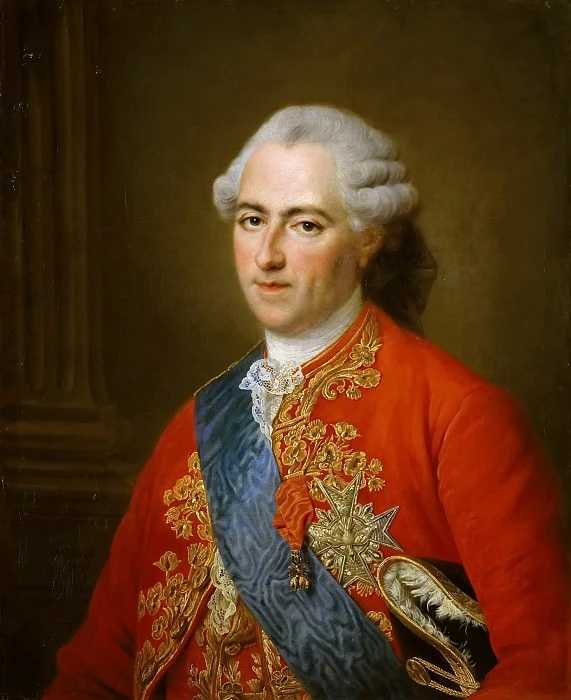
King Louis XV
Louis XV died of smallpox on May 10, 1774, at Versailles. The new queen, Marie Antoinette, did not tolerate Jeanne at court and sent her to a convent on the outskirts of Paris. The former favorite spent about a year in captivity, but soon her name resurfaced again—this time during the French Revolution. 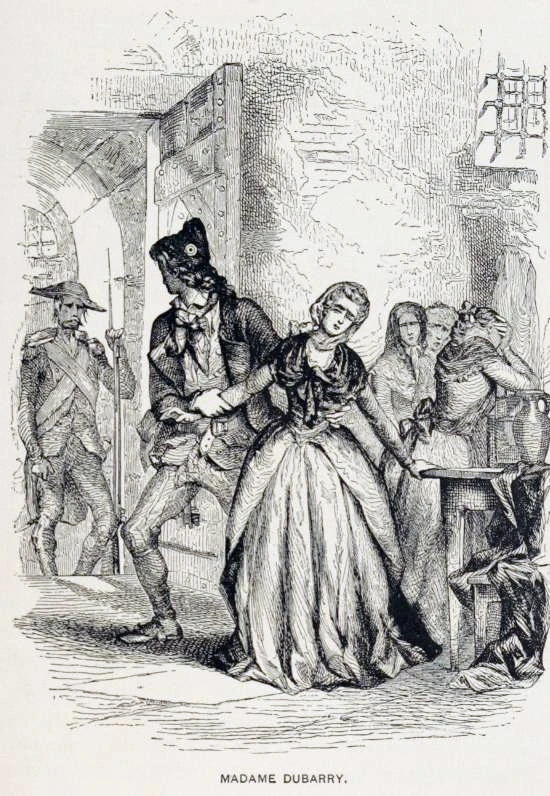
Jeanne du Barry is led to execution
In 1793, du Barry was arrested on charges of ties to monarchists and counterrevolutionary activity. The tribunal sentenced her to death, and on December 8, 1793, the 50-year-old favorite was executed on the Place de la Révolution in Paris. According to eyewitnesses, before the guillotine, she desperately begged the executioner, Henri Sanson, for a reprieve: "One more minute, Monsieur Executioner!" – this phrase went down in history as a symbol of the final moments of a passing era.
These women managed to transform the personal affections of monarchs into a source of real power, changing political decisions, destinies, and even the history of Europe itself. Where is the line between love and ambition? Are these favorites victims of circumstance—or did they shape their own destinies?
Add your comment
You might be interested in:
















Persistence in achieving a goal

A biker prevented a hit-and-run driver from escaping

Not everyone is having fun on the amusement ride

Absolute perfection

17 Photos That Will Stop You in Your Tracks (18 Photos)

Young women, Dancing and George Michael: nothing superfluous

The cutest lunch delivery ever

What Would Happen to a Human on Every Planet in the Solar

Toyota Celica ST165 on a rally track
