Fountain of Youth on a Plate: Experts Reveal Foods That Lower Your Biological Age (15 photos)
It might sound hard to believe, but you can turn back your biological clock by three years in just two months. Scientists say a diet rich in leafy greens, berries, and vegetables can significantly lower your biological age. A recent study conducted by British researchers proves that what we eat directly impacts the aging process. The eight-week trial involved middle-aged adults following a tailored diet—and every single participant ended up "de-aging" by three years. Read on to find out which foods can help turn back the clock. 
During the eight-week study, participants stuck to a plant-forward, whole-food diet while steering clear of ultra-processed foods and alcohol. Their biological age was measured using an epigenetic clock before and after the trial. The results were striking: every single participant reduced their biological age by an average of 3.23 years.
Here are the key foods that can help turn back the hands of time.
Dark Leafy Greens Keep Your Mind Sharp 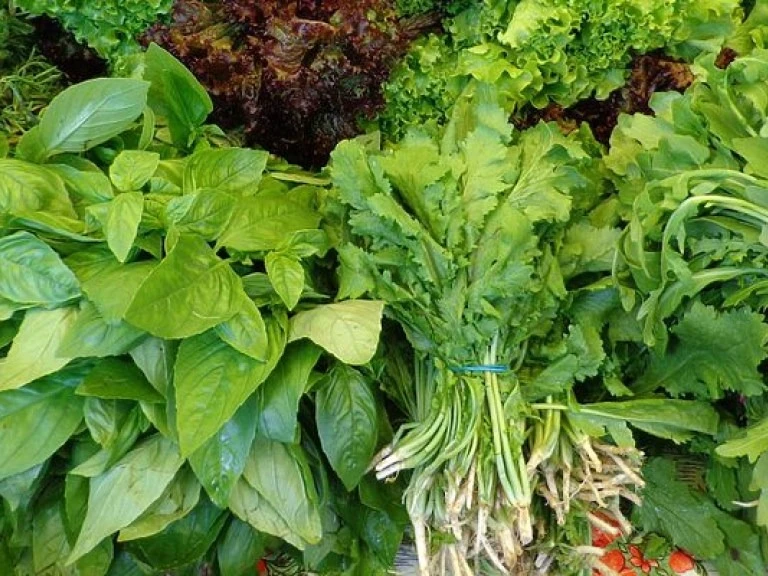
Aim for two 65-gram servings of greens daily. Kale, Swiss chard, and spinach are especially beneficial, loaded with folate and essential nutrients. Leafy greens help reduce the risk of age-related cognitive decline. Romaine, iceberg, and similar lettuces were excluded from the trial because they are far less nutrient-dense than darker greens.
Mushroom-Powered Antioxidants 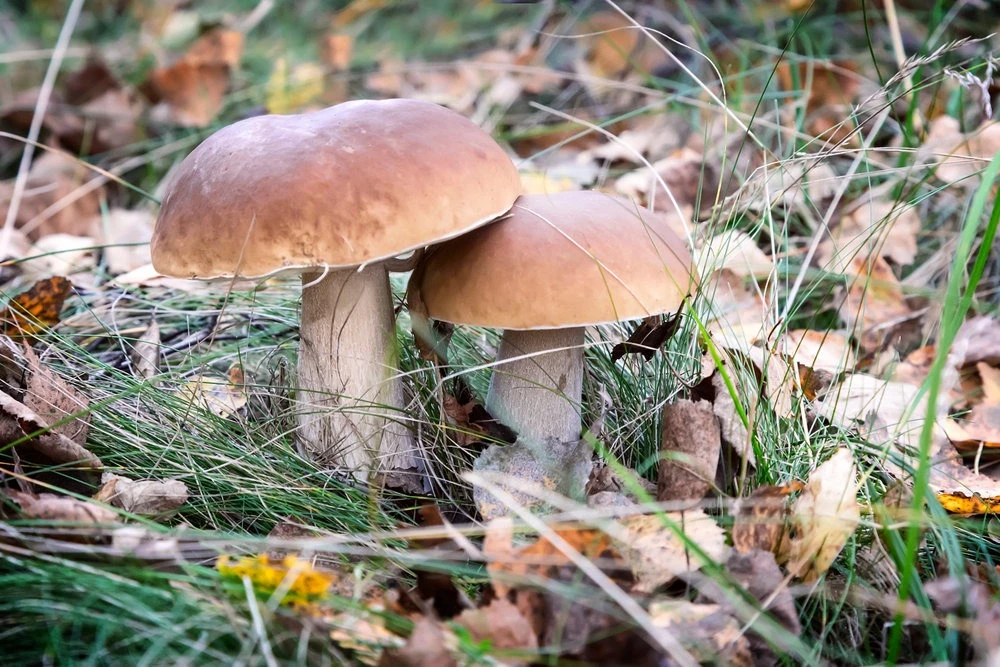
All edible mushrooms are packed with vital nutrients that combat biological aging. Research from Penn State College of Medicine confirms that mushrooms are rich in antioxidants that help fight signs of aging.
Turmeric Boosts Overall Body Function 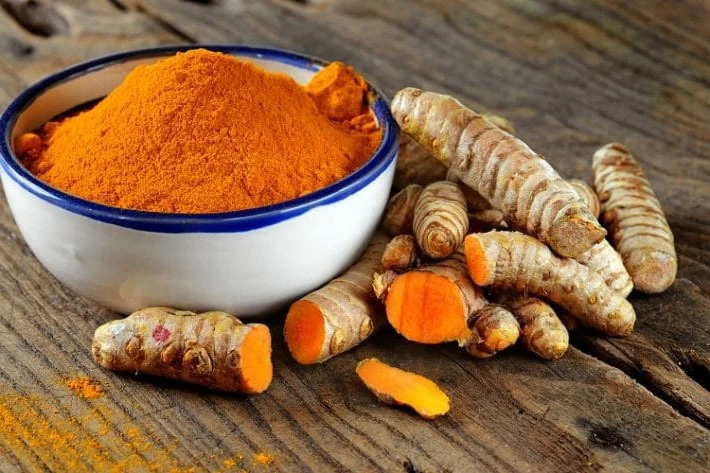
Curcumin, the active compound in turmeric, plays a key role in fighting anti-aging processes. Try adding half a teaspoon of this spice to your meals every day. Combining turmeric with black pepper and a touch of healthy oil can boost curcumin absorption by a staggering 2,000%.
Green Tea Promotes Cellular Health 
Drink two cups of green tea or three cups of oolong tea daily, letting it steep for ten minutes. Steeped tea unleashes powerful anti-aging compounds that support cellular health and revitalize the body.
Tomatoes Prevent Skin Aging 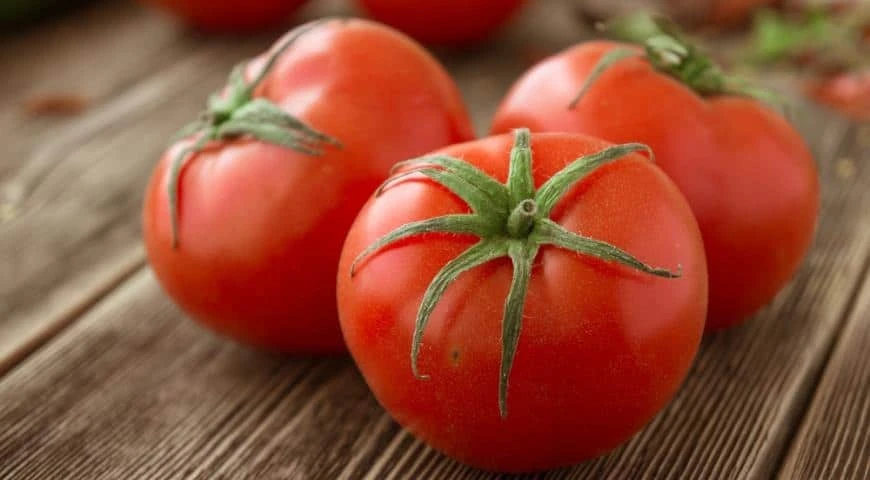
Tomatoes are rich in lutein, a nutrient that positively impacts biological age. Lutein is also found in peppers and grapes. Additionally, tomatoes are packed with lycopene—the antioxidant responsible for their red color—which helps shield the skin against aging.
Rosemary Supports Genetic Balance 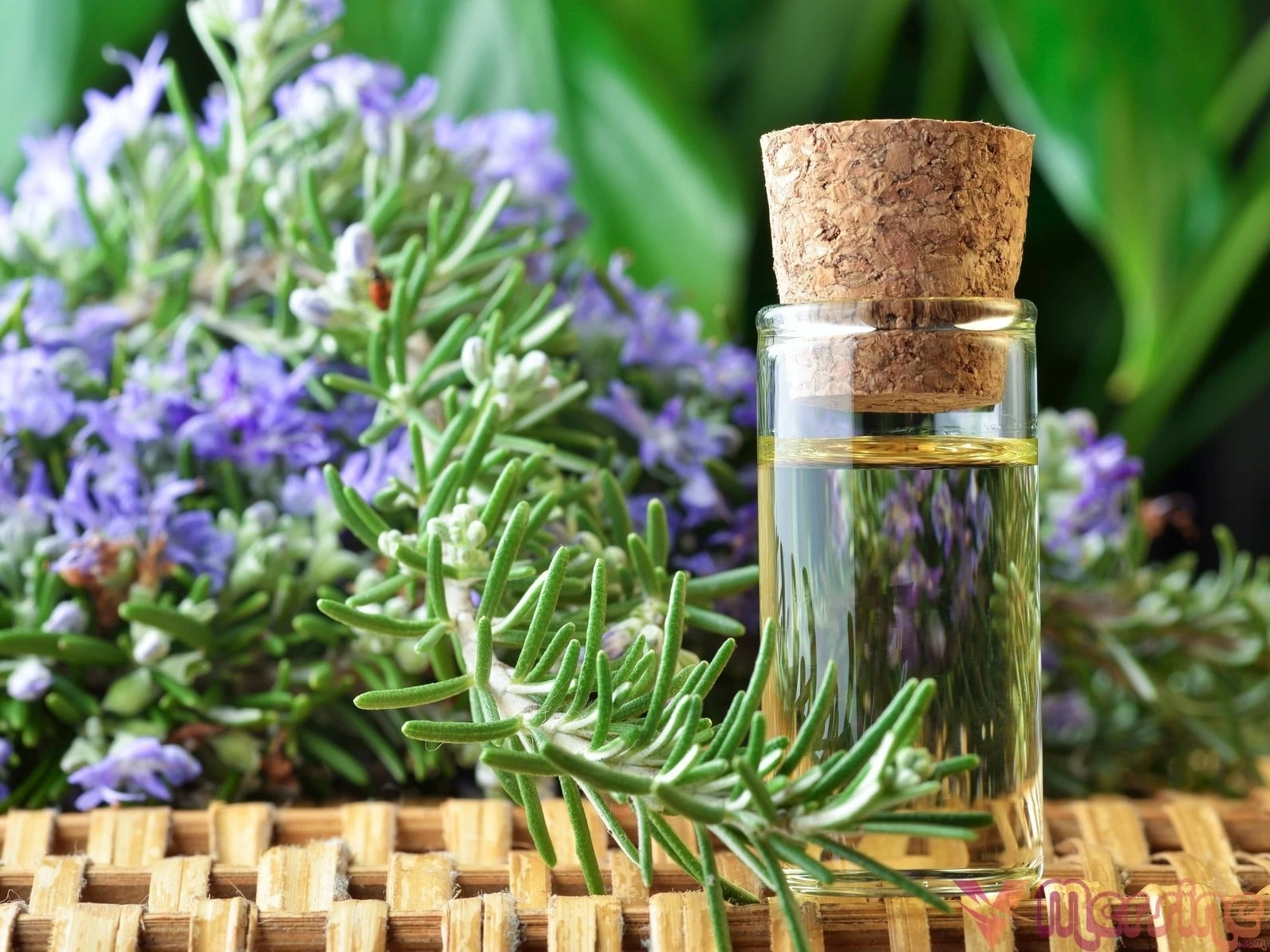
Experts recommend adding half a teaspoon of fresh or dried rosemary to your food daily. It pairs exceptionally well with fish, chicken, and vegetables. Even a tiny pinch of this aromatic herb helps maintain genetic balance.
Garlic Boosts Gut Health 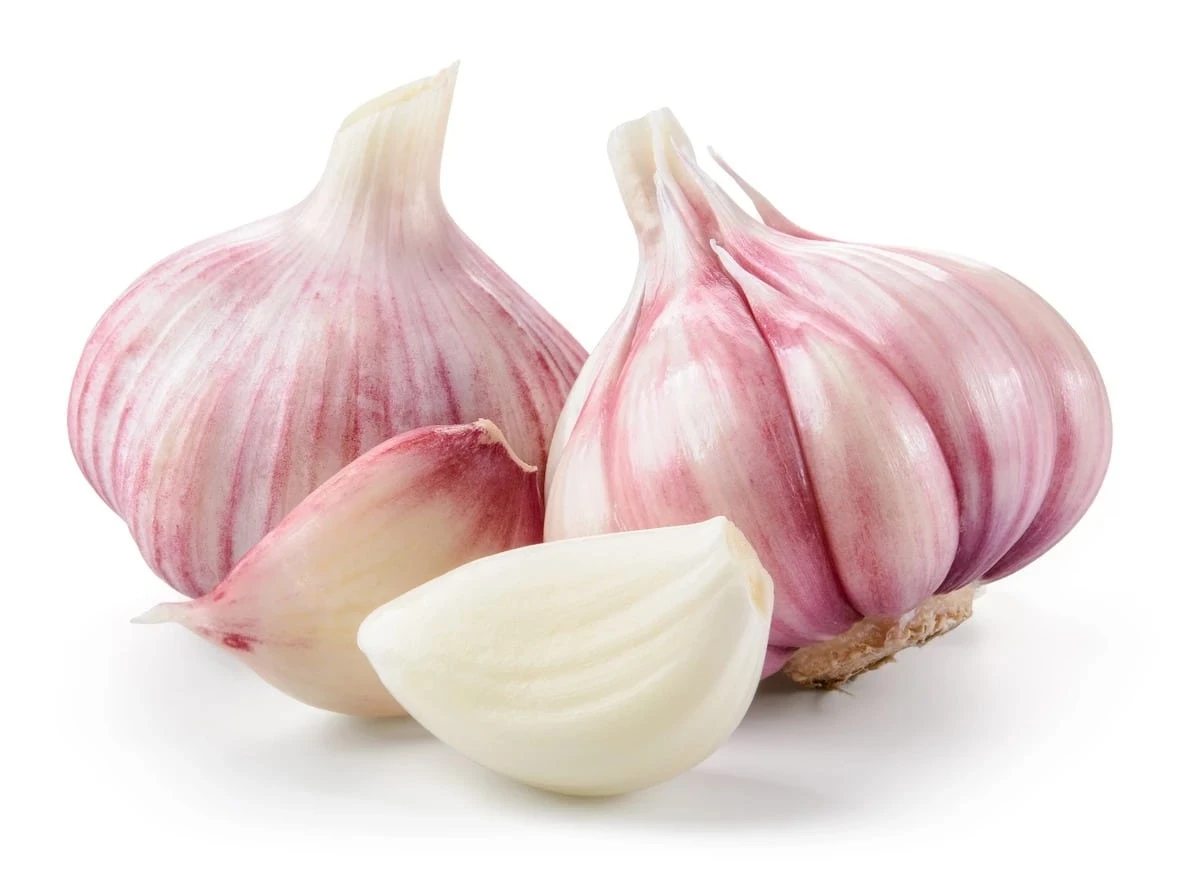
Garlic is another staple of an anti-aging diet, packed with the powerful phytonutrient allicin. Just two cloves a day will do the trick, though eating more brings even greater benefits. Like onions, garlic acts as a prebiotic that fosters a healthy gut microbiome, which is key to slowing down biological aging.
Apples Turn Back the Clock 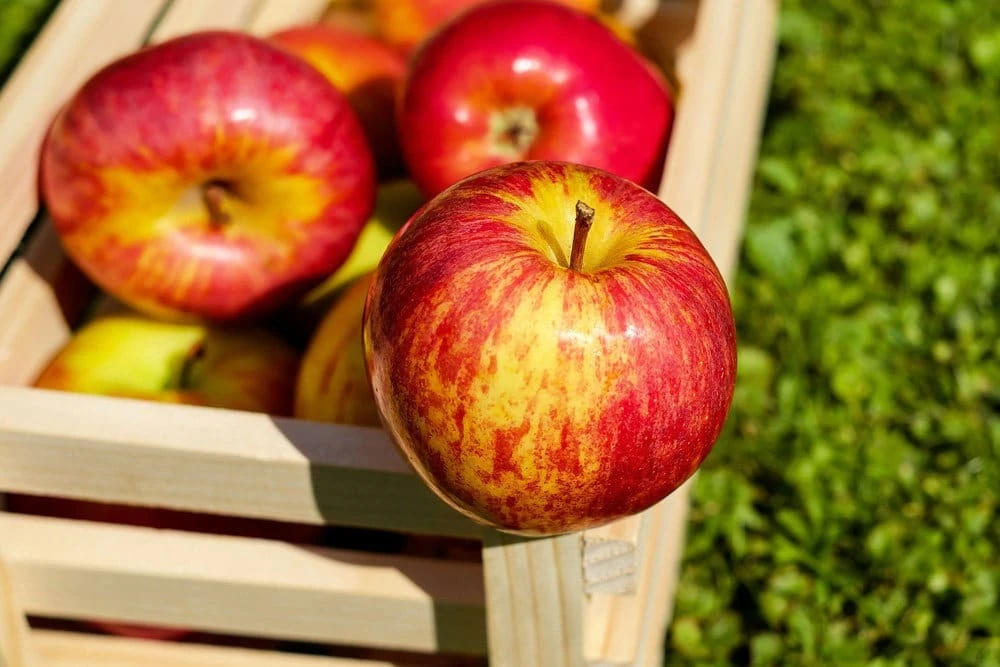
Apples are fantastic for anti-aging and make a great addition to your daily diet. Be sure to eat them with the skin on: the peel contains quercetin and other polyphenols that help regulate gene expression and reverse aging. Avocados, mandarins, clementines, elderberries, and pomegranates offer similar anti-aging perks.
Eggs Strengthen Cellular Integrity 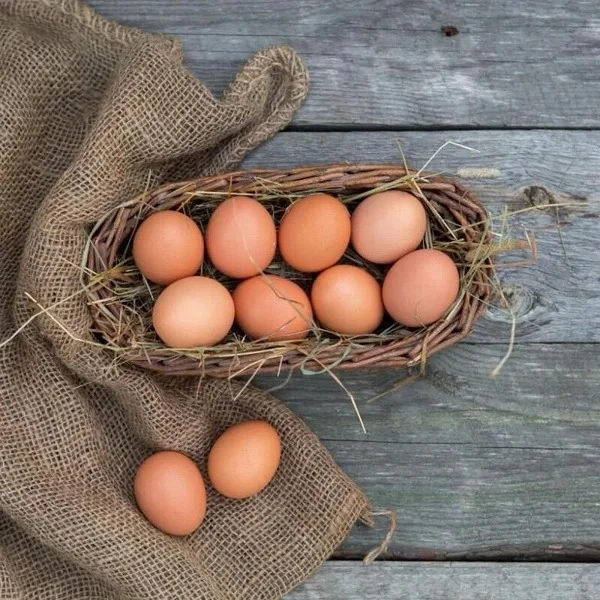
Eggs are loaded with choline, a nutrient crucial for cellular structure and DNA function. Eating 5 to 10 eggs a week helps meet your body's choline needs, keeping cell membranes healthy and resilient.
Berries Protect Against Metabolic Decline 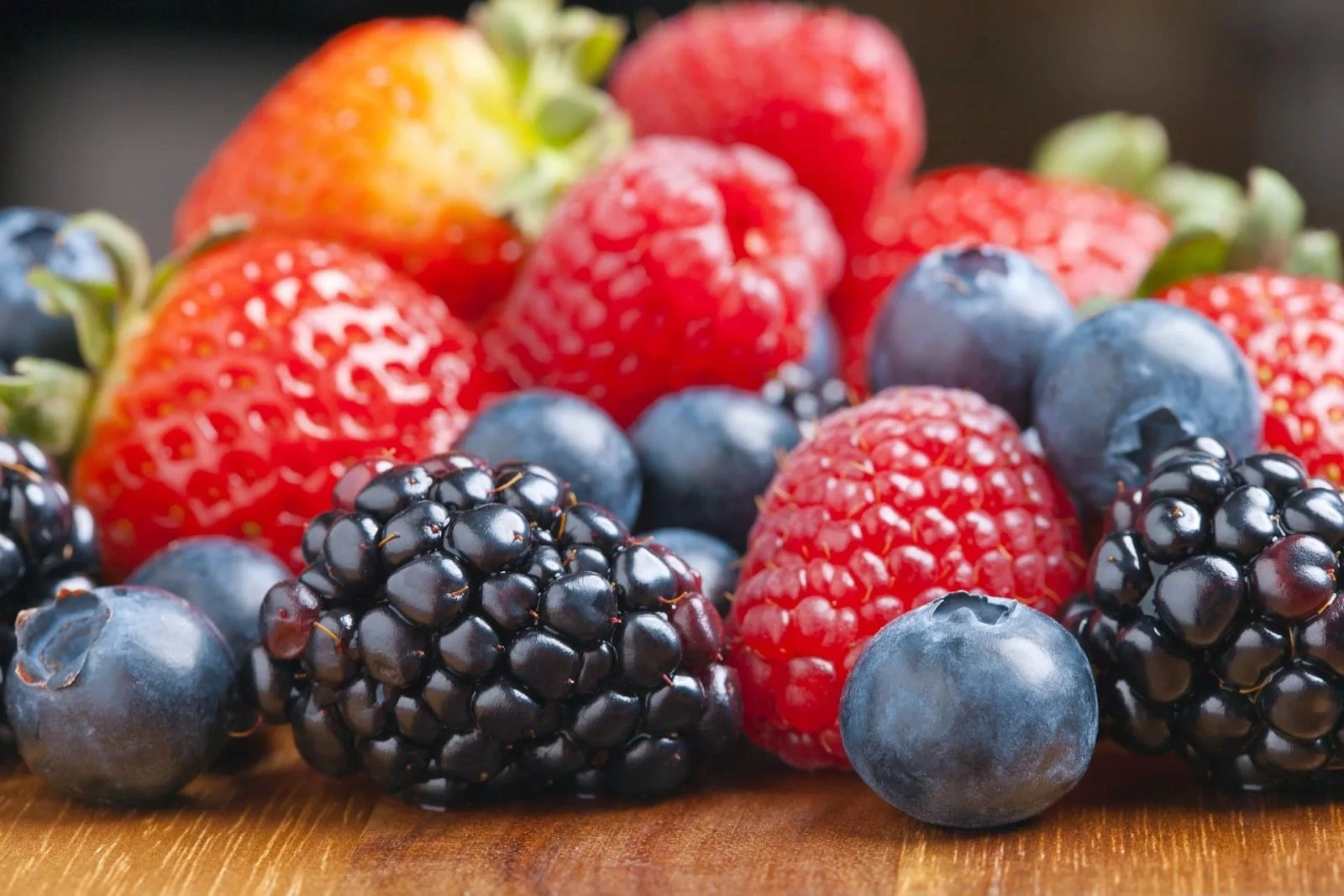
Strawberries, raspberries, blueberries, and other berries are nutritional powerhouses; try to eat at least a handful every day. Packed with vitamins and plant compounds, berries derive their vibrant red and purple colors from antioxidants that help prevent age-related metabolic disorders.
Broccoli Fights Inflammation and Cancer 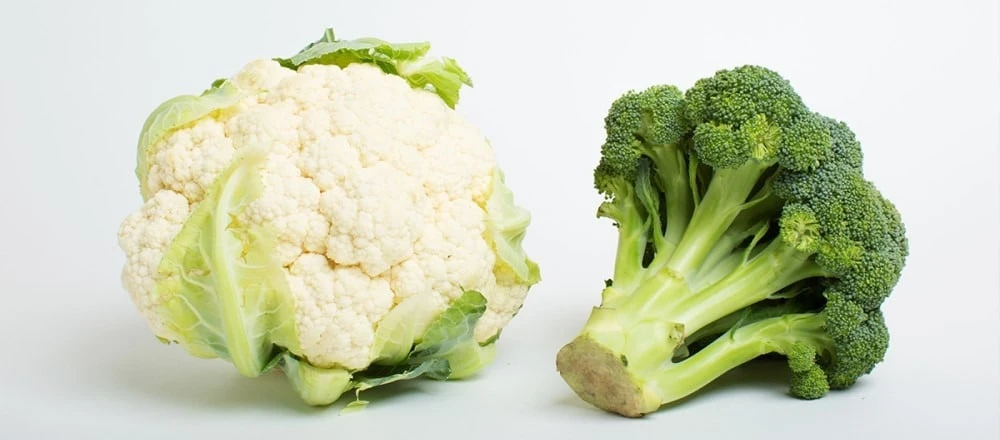
Broccoli, cauliflower, Brussels sprouts, and Napa cabbage contain sulforaphane, a sulfur-rich compound with impressive health benefits. Cruciferous vegetables are also rich in glucosinolates, which reduce inflammation and help lower the risk of certain cancers. Radishes, turnips, and watercress provide similar benefits.
Nuts and Seeds for Optimum Health 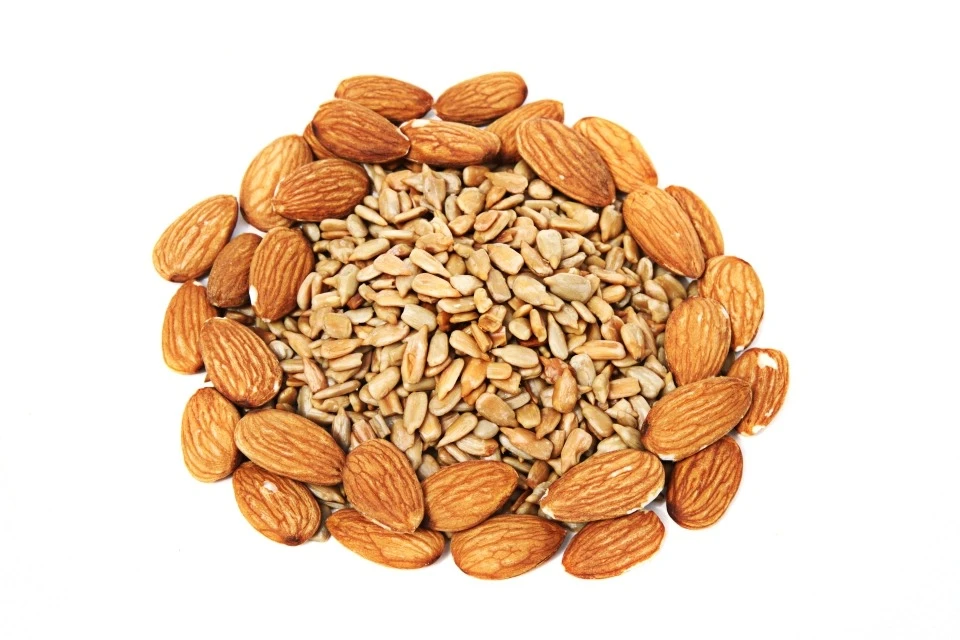
While most nuts and seeds are good for you, three stand out above the rest: sesame, pumpkin, and sunflower seeds. They are packed with essential nutrients, including omega-3 fatty acids, B vitamins, and antioxidants. Nutritionists recommend eating four tablespoons of seeds daily, or two to three tablespoons of seed oil.
Cutting Out Alcohol, Sugar, and Processed Foods 
Although red wine contains the antioxidant resveratrol, health experts advise limiting alcohol intake—or cutting it out entirely. To stay young, it is also essential to cut back on sweets and processed foods. Extensive research confirms that sugary and ultra-processed foods spike blood sugar levels and accelerate aging.
In addition, experts recommend avoiding dairy and keeping grains and legumes to a minimum. To maintain healthy blood sugar levels, try eating all your meals within a 12-hour window between 7:00 AM and 7:00 PM.
Beets for Healthy Blood Vessels 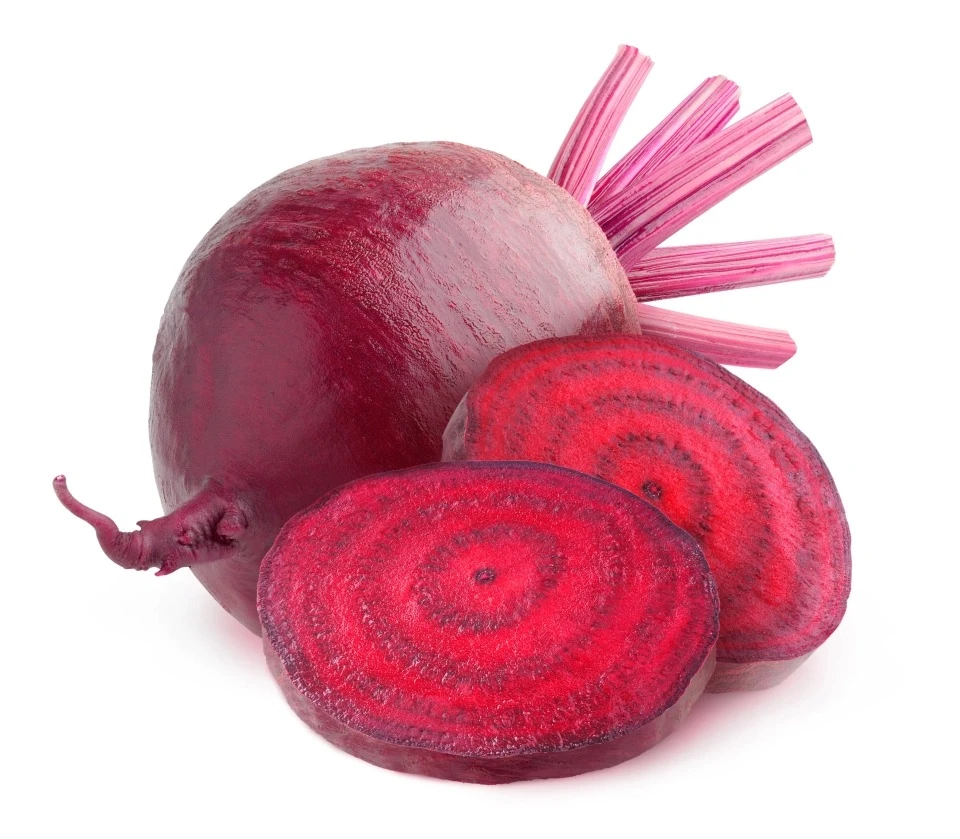
Beets are incredibly beneficial for your cardiovascular system. They are loaded with essential minerals, including potassium, sodium, phosphorus, calcium, magnesium, copper, iron, zinc, and manganese. Beets are also rich in dietary nitrates, which convert into nitric oxide in the body to regulate blood flow and support brain health.
It’s not just the roots that are healthy—beet greens are packed with nutrients too. Experts view beets as a natural multivitamin and recommend eating three 75-gram servings a week. They are also rich in methionine, an amino acid shown to help lower biological age.
A balanced diet is the key to feeling great and staying young. Science has proven that eating the right foods really can turn back the clock.
Many people believe that eating healthy is expensive and difficult, but in reality, a nutritious diet is affordable and accessible for everyone.