Harmful Advice? Popular TikTok Skincare Hacks That Could Ruin Your Skin (8 photos)
TikTok is packed with advice for almost every situation—from home cleaning to parenting tips. However, not all viral hacks are as safe or effective as they claim to be. In fact, experimenting with your skincare routine can be particularly risky. Leading UK aesthetic doctor Dr. Ahmed El Muntasar is warning users about the dangers lurking behind popular social media trends. Read on to find out why following TikTok skincare advice might do more harm than good. 
Dr. Ahmed El Muntasar is one of the UK’s most experienced aesthetic practitioners. He is on a mission to raise awareness about how dangerous viral TikTok beauty hacks can be, using his platform to explain the damage DIY skincare remedies can cause.
Scrolling through TikTok, it can be difficult to distinguish solid medical advice from random, untested ideas. Here are several home skincare hacks that could end up doing serious damage to your skin.
Aspirin Face Masks 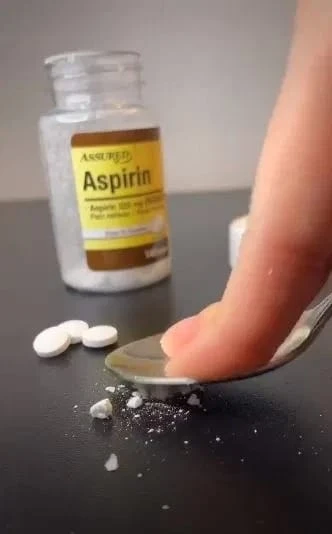
This trend is blowing up on TikTok, but Dr. Ahmed warns that it's extremely dangerous. In one viral video, a creator demonstrates making a face mask from crushed aspirin tablets. She applies the mixture of powder and water to her skin, leaves it on for 10 to 15 minutes, and then washes it off, claiming it clears up breakouts. 
The expert notes that while aspirin does have anti-inflammatory properties, it should strictly be taken orally. That's the only intended way for it to help tackle systemic inflammation—slathering crushed pills directly onto your face won't yield miracle results. Chemically, aspirin is similar to salicylic acid, which is widely known for its exfoliating properties.
However, the concentration in aspirin tablets is far too harsh for your skin. Over-the-counter salicylic acid skincare products rarely contain more than 2%. Higher concentrations act as chemical peels and should strictly be applied under medical supervision.
Makeup Wipes 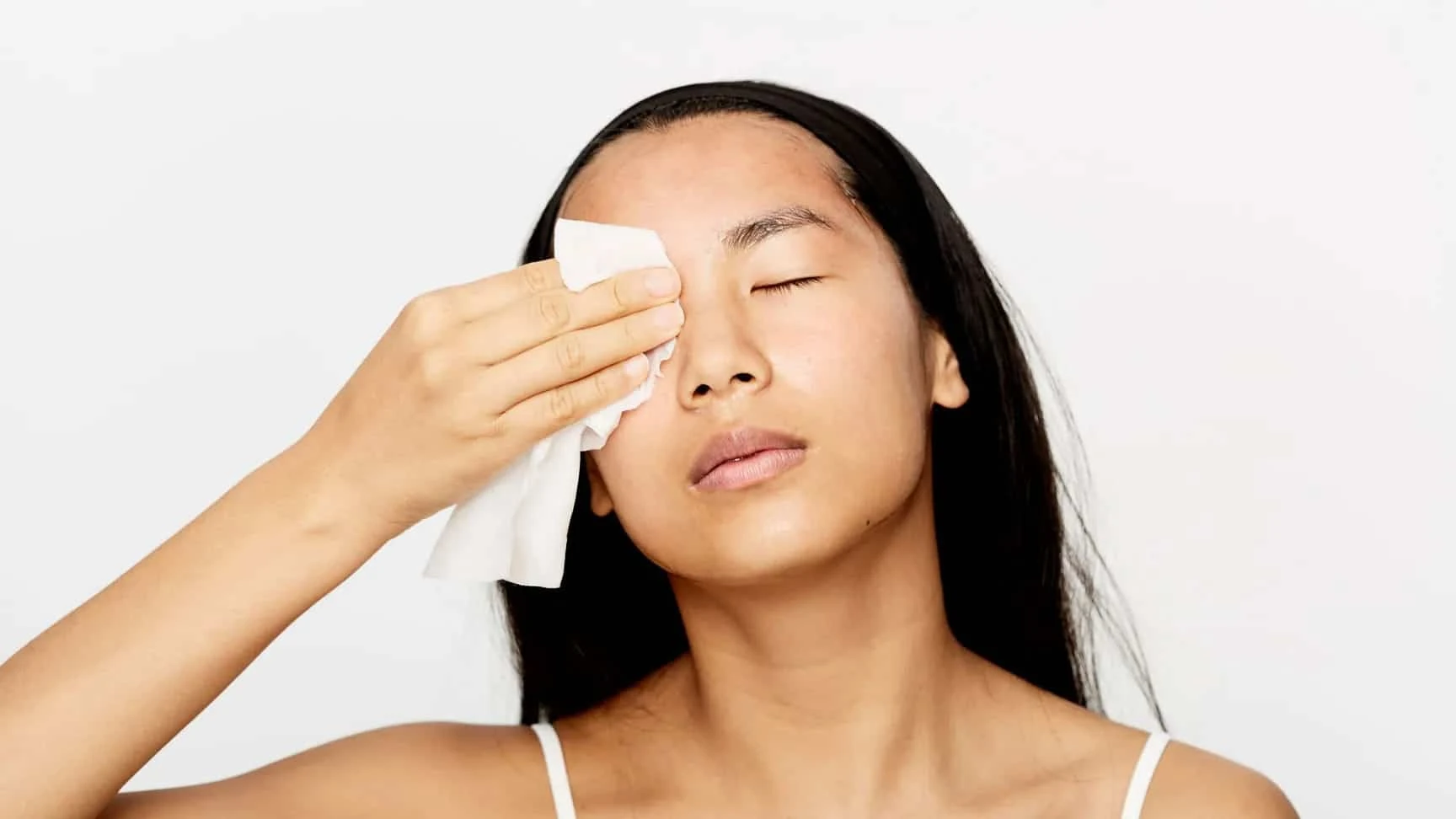
Despite how popular makeup wipes are, Dr. Ahmed strongly advises against using them. They merely spread cosmetics around rather than deep-cleansing your skin. To properly clear out your pores, you should use micellar water instead.
Using Ice for Acne 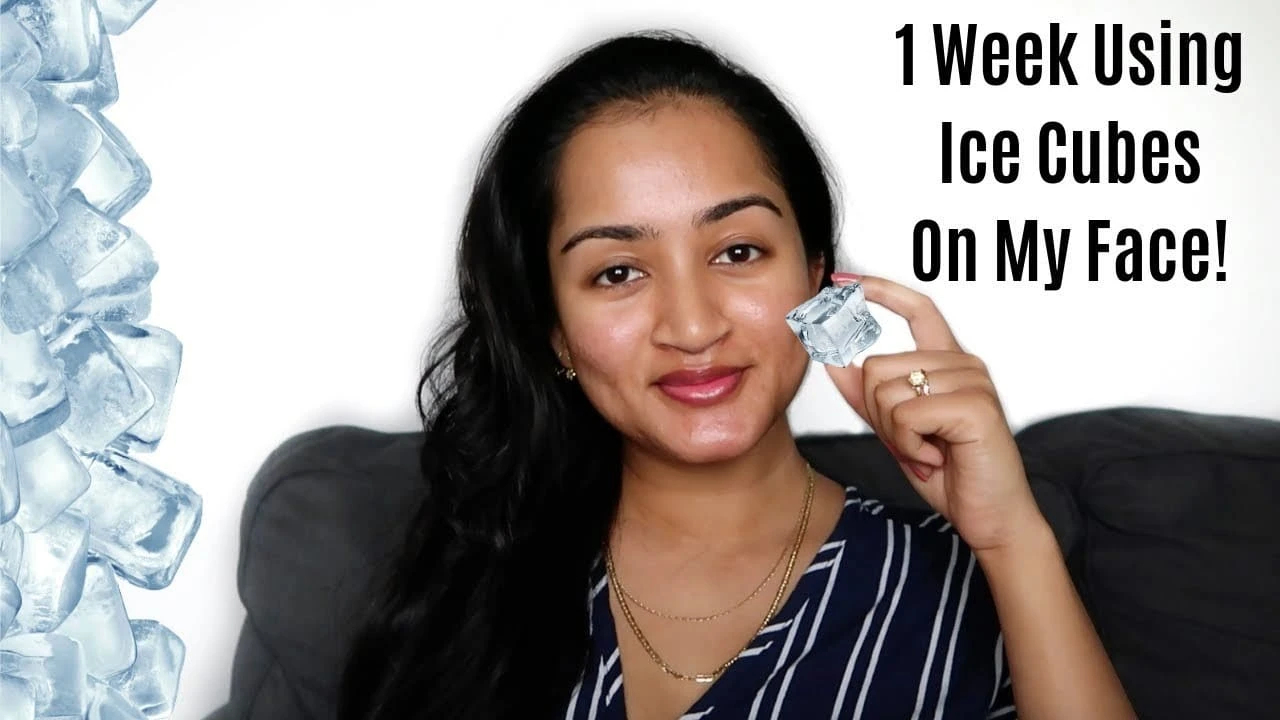
Another dangerous technique for treating breakouts is using ice. In one TikTok clip, a creator claims rubbing ice cubes over her face for five minutes reduces redness, calms inflammation, and shrinks pores. She also recommends avoiding face washing in the shower and always using a separate, clean towel for your face. Dr. Ahmed agrees on using a dedicated face towel, but reassures that washing your face in the shower won't harm your skin. 
Another user claims she tried countless skincare products, but only ice cubes managed to reduce her acne. The British doctor explains that while the cooling effect of ice can bring down swelling and inflammation, it isn't an acne treatment. It's just frozen water, meaning the pimples will still be there. While ice won't necessarily damage your skin, it offers little benefit and won't actually clear up acne.
Applying Products Directly with Droppers 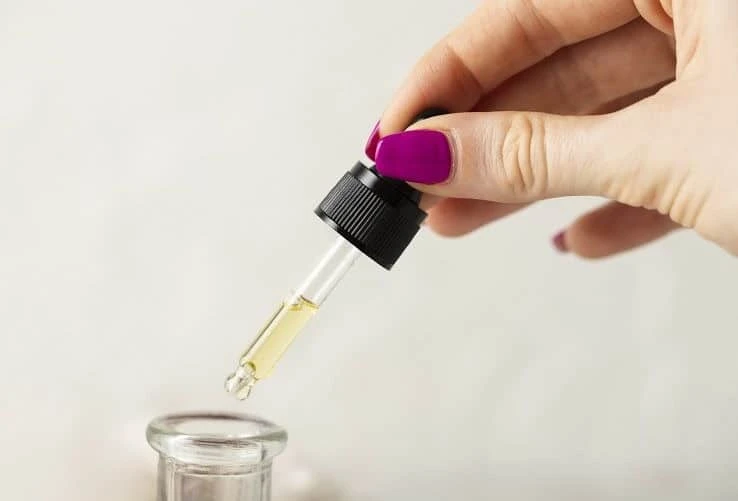
In almost every skincare video on TikTok, users take a full dropper of product and apply it directly onto their face. While it looks satisfying on camera, Dr. Ahmed warns that the dropper should never touch your skin. Bacteria from your face will transfer into the bottle and multiply inside the product. It’s far better to apply serum onto clean fingers first.
Turmeric for Dark Spots 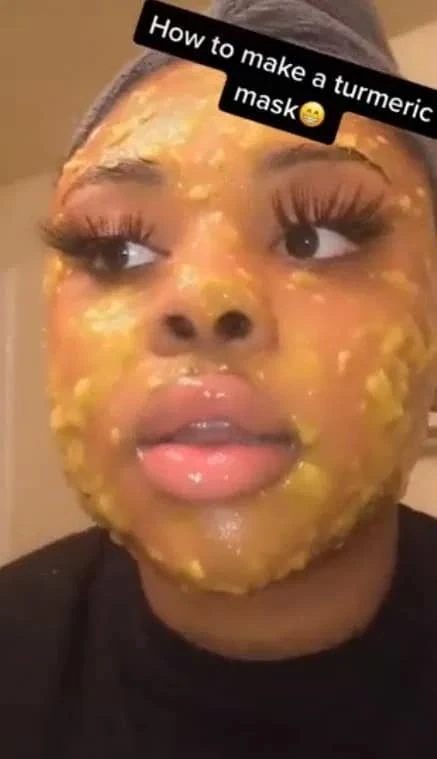
One widespread trend involves using turmeric to mask hyperpigmentation, freckles, and acne scars. In one video, a woman mixes the spice with honey, mashed banana, and lemon juice to create a face mask. She spreads the paste over her skin, leaves it for 15 minutes, and washes it off.
According to Dr. Ahmed, while this method is relatively harmless, it won't give you the results you want. Turmeric has mild astringent properties, which can temporarily blur dark spots and even out skin tone. However, the effect is short-lived, and your skin will return to normal later that day.
Hyperpigmentation is caused by hormonal shifts that increase melanin production, which is exacerbated by prolonged sun exposure. Dr. Ahmed recommends applying sunscreen daily, adding that Vitamin C and retinol are far more effective at combating the issue.
Meanwhile, a British woman decided to test out trendy cosmetic treatments for herself. The journalist shared her experience, detailing both the results and side effects of her glamorous experiments with her readers.