Why Drinking Water with Coffee Isn't a Whim—It's a Necessity (6 photos)
In many coffee shops, a cup of coffee comes served with a glass of water. Some believe it helps unlock the beverage's full flavor, while others are convinced it's merely a centuries-old tradition. While both points have merit, there is an even more compelling reason to chase your coffee with water—one rooted in how our bodies process it. 
Most of us can easily name the classic coffee drinks brewed from whole beans: Americano, cappuccino, espresso, and latte. True connoisseurs could list dozens more. Yet despite this variety, all bean-based coffees share essentially the same chemical composition—the difference comes down to taste and preparation. 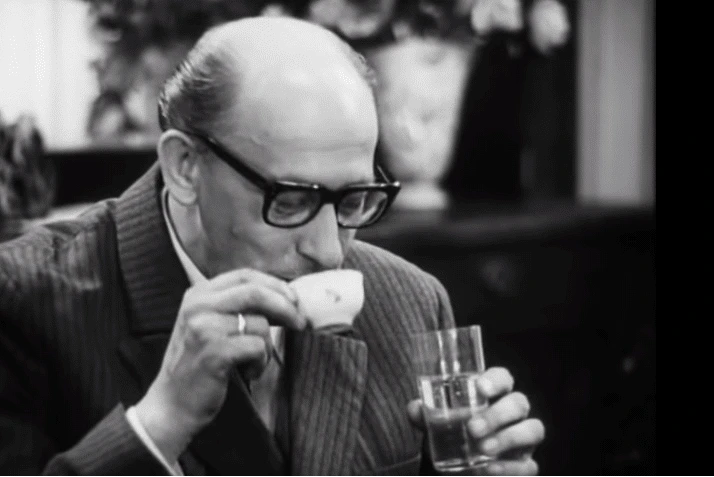
Freeze-dried or instant coffees, on the other hand, are a completely different story. They differ from whole-bean coffee not only in taste but also in how they affect the body. When coffee is brewed from whole beans, the entire bean is ground—including the caffeine-rich outer shell. Caffeine is an alkaloid known for its distinct stimulating effect. Inside the bean itself lies another key compound: theobromine.
Instant coffee relies almost exclusively on the inner part of the bean, which is packed with theobromine. The caffeine-rich husk is stripped away during processing and used to manufacture pharmaceuticals and energy drinks. So, when you drink freshly ground coffee, you consume both caffeine and theobromine, which affect the body in distinctly different phases. 
First, the caffeine kicks in, delivering that familiar surge of alertness we expect from a morning cup. It dominates for about 25 minutes before theobromine takes over. Caffeine constricts blood vessels throughout the body—except in the kidneys, where it dilates them instead. This leads to a mild spike in blood pressure and a diuretic effect.
As caffeine fades and theobromine takes effect, alertness gives way to drowsiness. Sometimes, this crash is accompanied by a dull, aching sensation in the lower back near the kidneys. This happens because the physiological effect flips: systemic blood vessels dilate, while renal vessels constrict. 
To help offset this stress on the kidneys and restore normal blood circulation, experts recommend following every sip of coffee with a sip of water. By doing so, we unwittingly aid our kidneys in coping with the physiological strain.
Instant coffee works quite differently because it contains very little caffeine—usually no more than 10%. However, it is loaded with theobromine. As a result, you might skip the energy boost entirely and head straight for fatigue. Long-haul truck drivers are familiar with the infamous "30-kilometer effect": about 30 kilometers after pulling over for a cup of instant coffee, overwhelming sleepiness sets in. This period of drowsiness lasts about half an hour, and theobromine is directly to blame. 
During short rest breaks, drivers frequently opt for instant coffee, inadvertently triggering drowsiness instead of stamina. Health professionals advise either sticking to freshly brewed whole-bean coffee or skipping coffee altogether in favor of a glass of plain water, which is far better for hydration and alertness than freeze-dried coffee. Another solid alternative is tea: while it contains less caffeine, it is completely free of theobromine.
There are two additional health benefits to drinking water alongside coffee. First, taking a sip of water helps dilute the concentration of caffeine in the body, which can be crucial for individuals with heart conditions. Second, coffee is notorious for staining teeth and contributing to tartar buildup. Alternating sips of water washes away coffee residue before it can stain your enamel. 
And what about taste? Many believe that chasing coffee with water enhances its flavor profile. Foodies will be glad to know that this isn't a myth. A sip of water cleanses the palate between drinks or bites, clearing away residual flavors so that every sip of coffee tastes as vibrant as the first.