History isn't just dates and the names of rulers. It's objects that people held in their hands thousands of years ago. This collection isn't just museum pieces. Each one represents a frozen moment: someone's fear, someone's pride, someone's faith, or an everyday concern. Pharaoh's gold and fishermen's pottery, demons in makeup and saints on pulpits, samurai armor and octopus traps. Discover objects that aren't mentioned in textbooks, but which tell the story of humankind more thoroughly than any chronicle.
1. Mayan male figurine, 650–800 CE, Haina Island, Yucatan, Mexico. On display at the Art Institute of Chicago 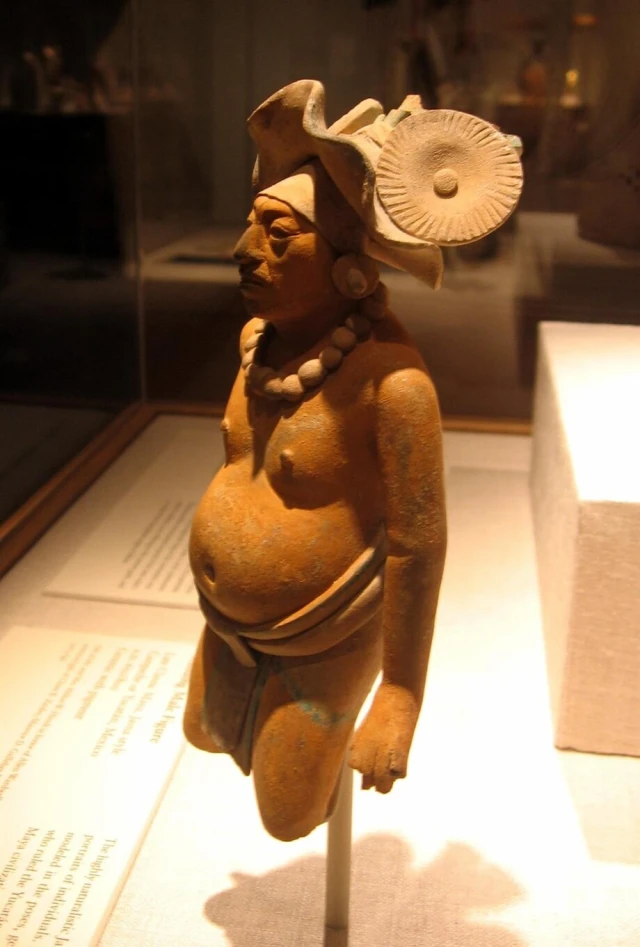
2. In 19th-century Paris, some streets were paved with wood instead of stone to reduce the noise from horse-drawn carriages. 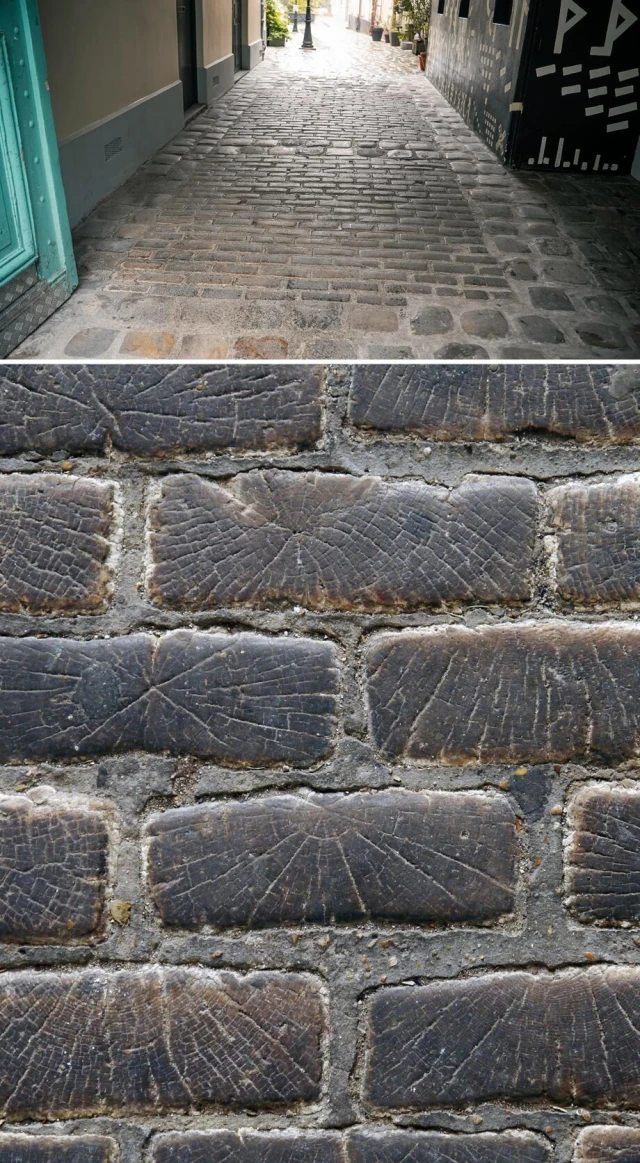
The photo shows the Passage Saint-Maur, where a few of the city's last wooden paving stones still remain.
3. Brass head of the Ooni (king) of Ife, Nigeria, circa 1300. 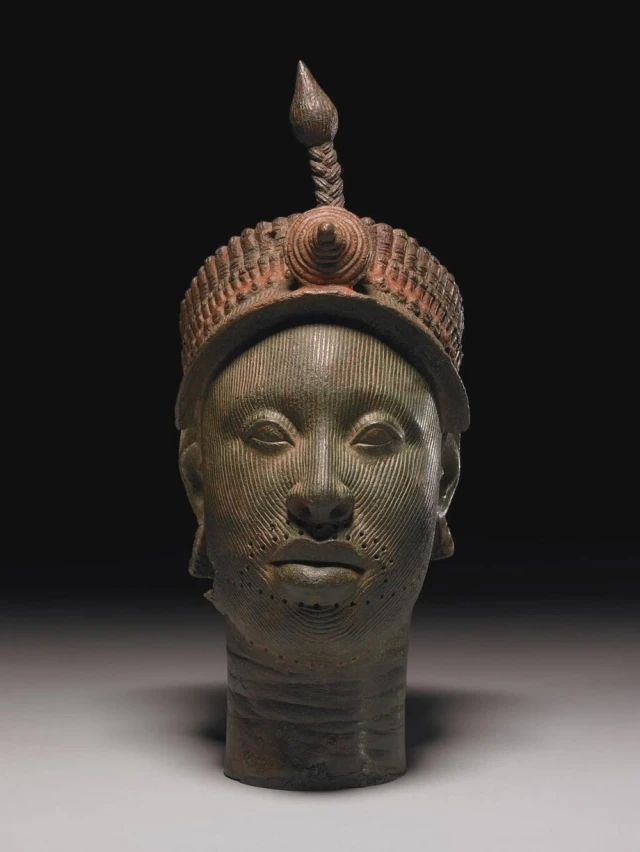
4. Ceramic pillow in sancai glaze. China, Tang Dynasty, 618–907 CE. 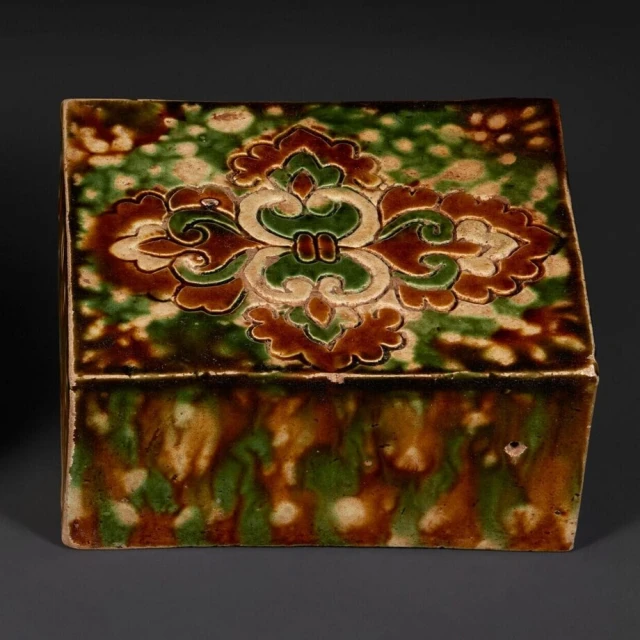
5. Tatami armor (folding). Japan, Edo period, 1760 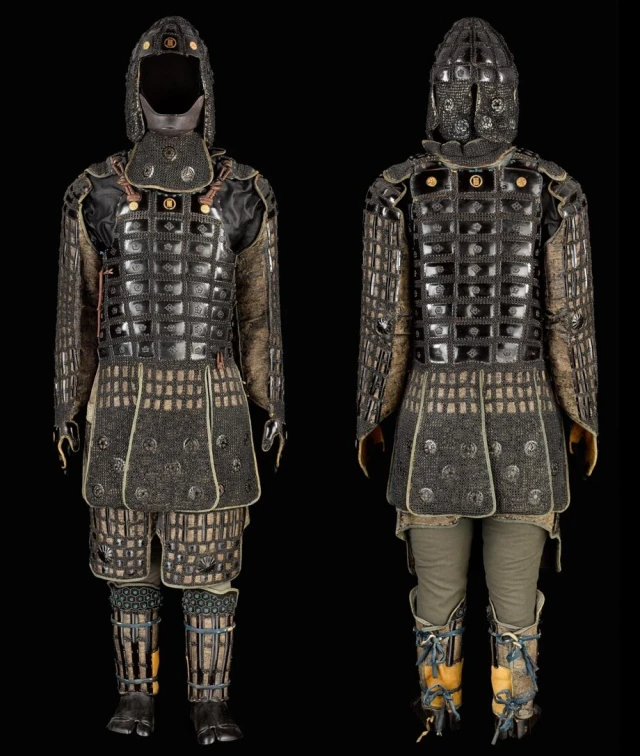
6. A demon applies makeup, transforming into a beautiful woman. Qing Dynasty, 1894 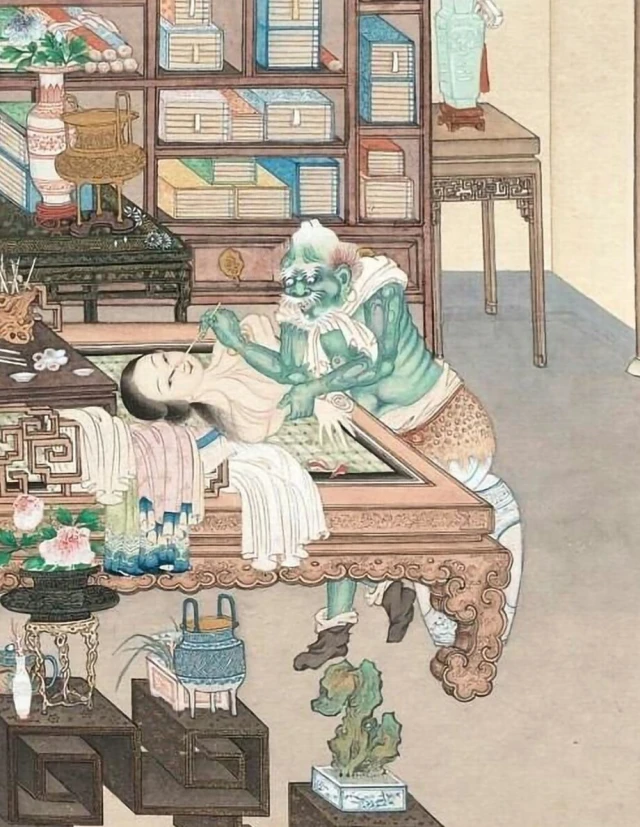
7. Iron stirrups with gilded animal heads. Tibet, 16th-18th centuries 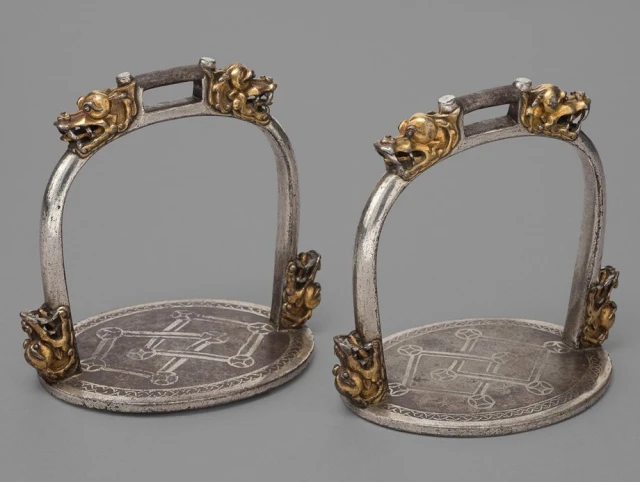
8. Jade hookah base with lapis lazuli inlay. India, Mughal Empire, circa 1700 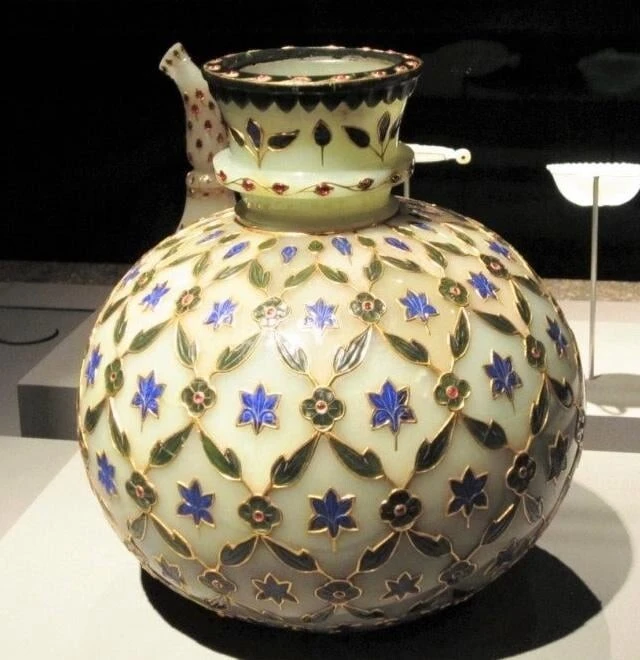
9. Pulpit in the Pieve (parish church) of Sant'Andrea, Italy – Giovanni Pisano's masterpiece, completed in 1301. 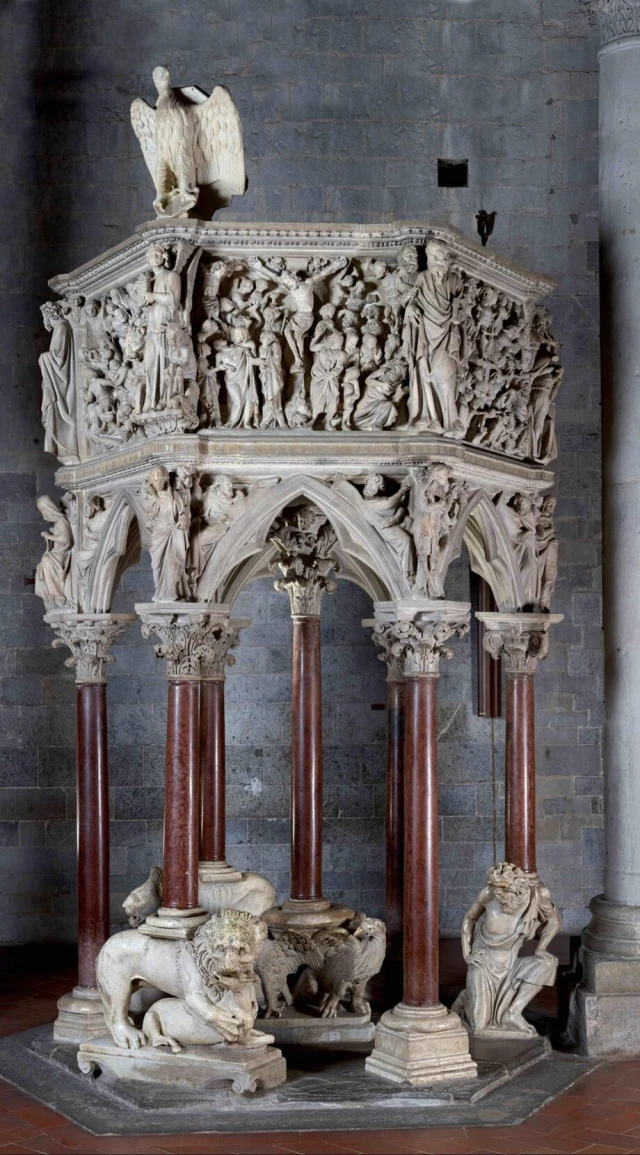
Along with the pulpit in the Pisa Baptistery (1260) and the pulpit in Siena Cathedral (1268), these highly innovative works are often described as Proto-Renaissance.
10. Ceramic octopus traps found in the Seto Inland Sea (Seto-Naikai), Japan, Yayoi period, 300 BCE – 300 CE. 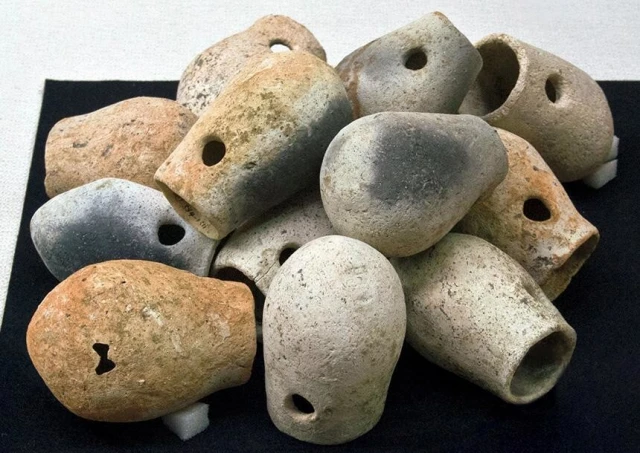
11. Two pairs of gold ornaments depicting supernatural felines. Peru, Moche civilization, 100–800 CE. 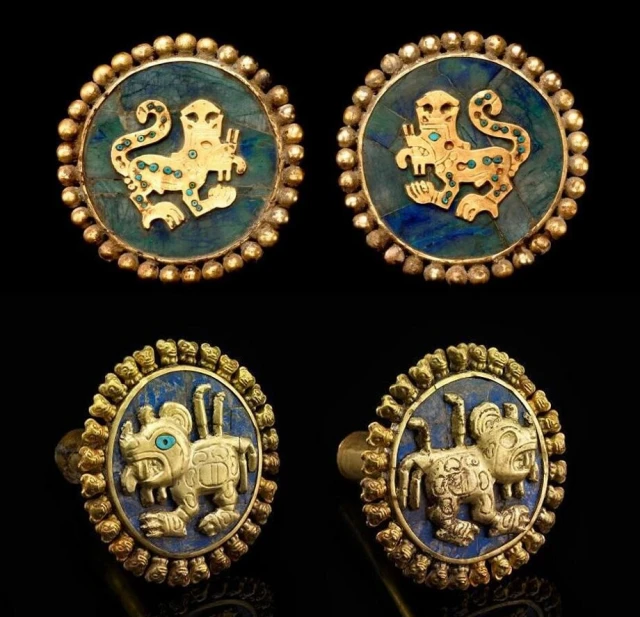
12. A Ptolemaic gold and emerald earring found in the remains of a ship in the sunken ancient Egyptian port city of Thonis-Heracleion. 305–30 BC. 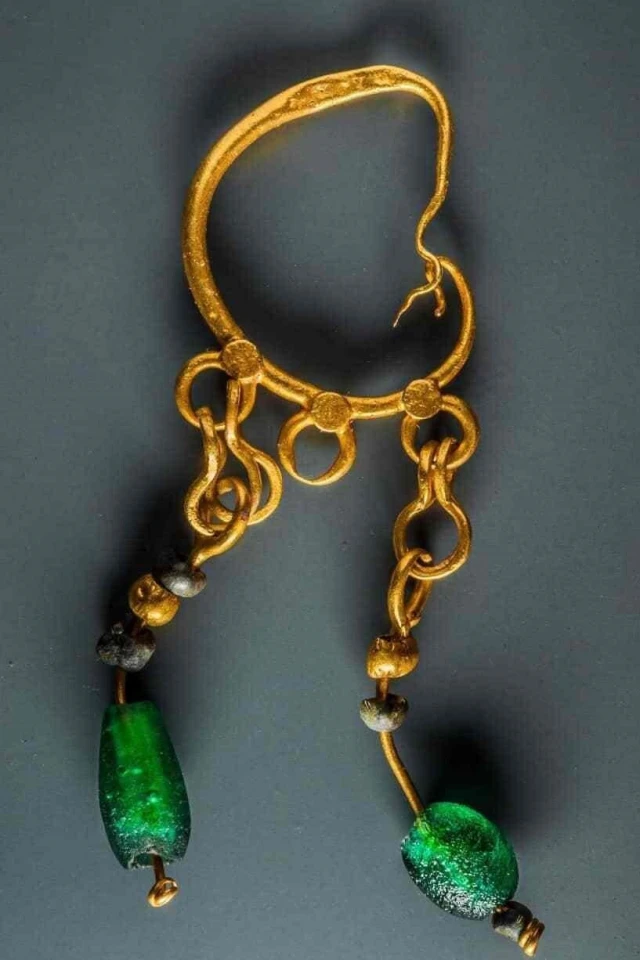
13. A small golden book was discovered by a metal detector near York, on land near an estate once owned by Richard III. 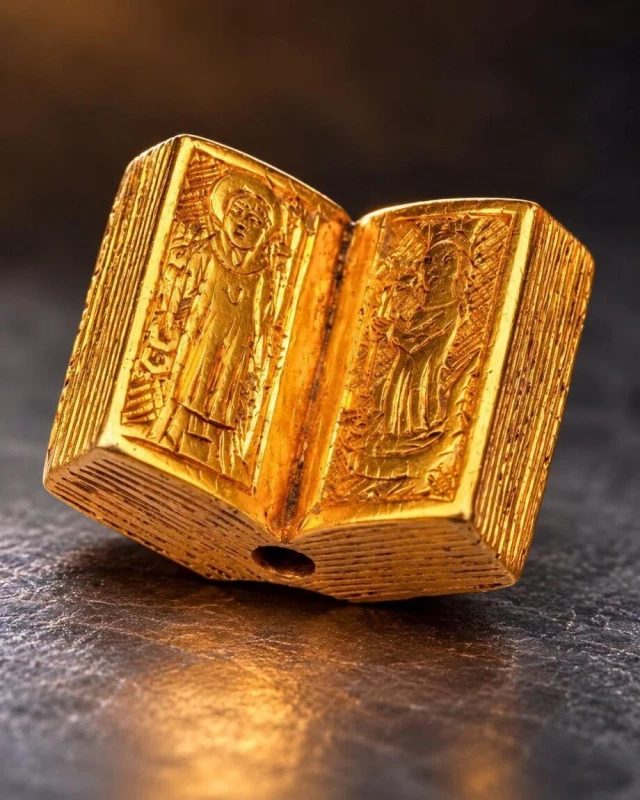
This object, just 1.5 centimeters long, was found by Buffy Bailey while metal detecting with her husband; the find is believed to date back to the late medieval period.
14. Ceramic vessel of the Paracas culture (late period) from Peru, approximately 1,000 years old 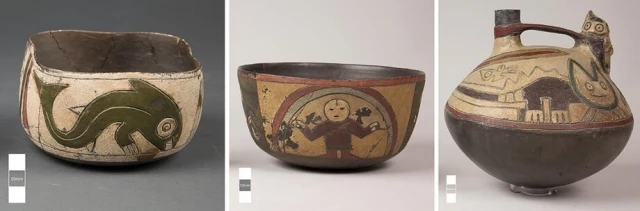
15. Apuema costume and mourning mask. New Caledonia, Grande-Terre, first half of the 19th century 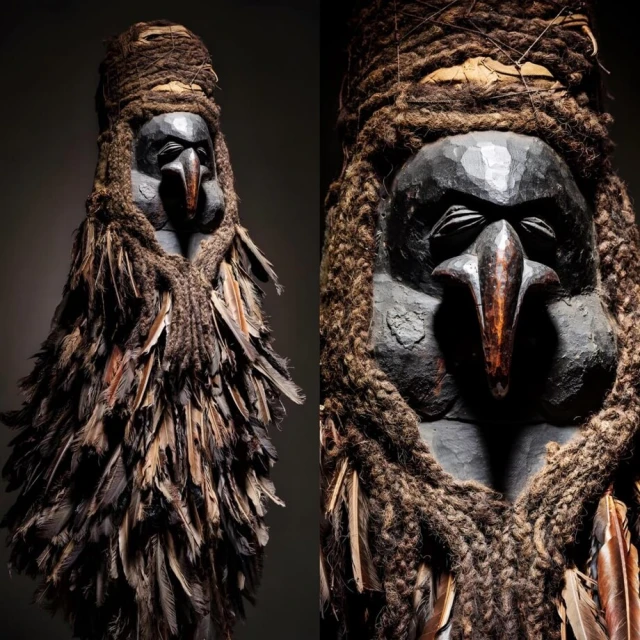
Wood, notu feathers, coconut palm leaves, human hair, tapa, flying fox hair, plant fibers.
16. Ceramic lion with a ball. Japan, Edo period, 18th century. 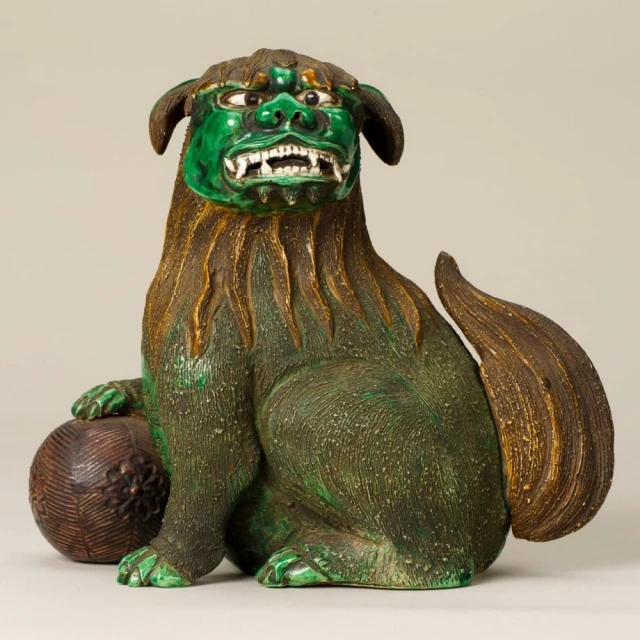
17. Head of a princess, one of the daughters of Pharaoh Akhenaten. Amarna, Egypt, 1351–1334 BC. 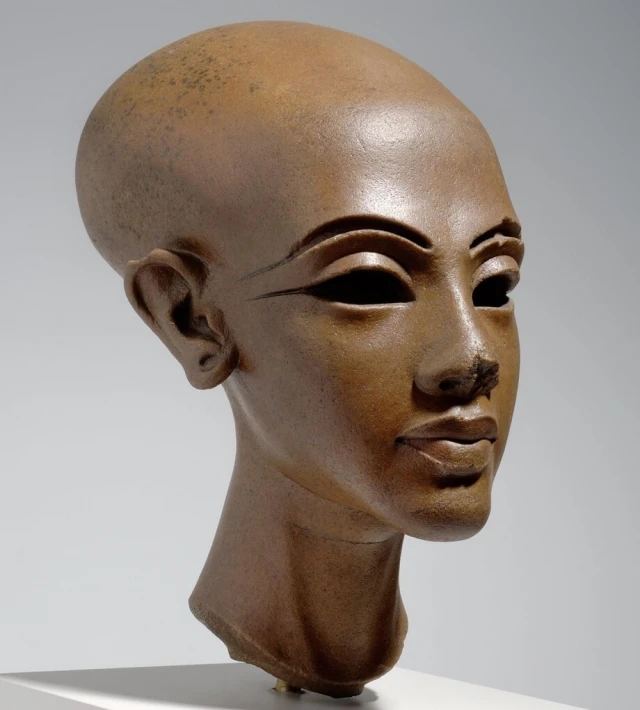
18. Scylla, late 4th century BC. National Archaeological Museum, Athens 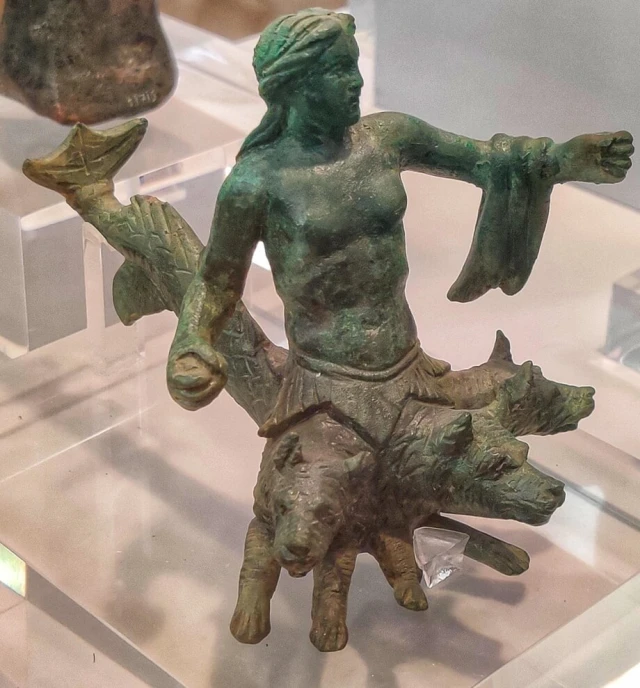
Add your comment
You might be interested in:











Ancient Human Habitats from the GeoEye Satellite (14 photos)

Ancient Mayan city found in Yucatan jungle (4 photos)

A young Ukrainian itishnik became the owner of the McLaren

A well-fed lion cub fell asleep in the arms of the

The column is not a column, the cat is stuck (19 photos)

Why eat gold? (4 photos)
A jade mask was discovered in the tomb of a Mayan ruler (5
A unique statue of a Mayan warrior was discovered in

Shocked, amazed, discouraged: how different animals can be

Persistence in achieving a goal

A biker prevented a hit-and-run driver from escaping

Not everyone is having fun on the amusement ride

Absolute perfection

17 Photos That Will Stop You in Your Tracks (18 Photos)

Young women, Dancing and George Michael: nothing superfluous

The cutest lunch delivery ever

What Would Happen to a Human on Every Planet in the Solar

Toyota Celica ST165 on a rally track
