7 unique coffee brewing methods from around the world (8 photos)
Many people can't imagine their mornings without coffee. Every day, people worldwide drink over one billion cups of coffee. Many countries have their own distinct coffee culture, with distinctive recipes and brewing methods, unique spices, and coffee bean varieties.
Here you'll find 7 types of coffee that will give you an idea of the many ways this invigorating beverage is prepared and consumed around the world. Let's embark on a coffee journey from Vietnam to Italy. 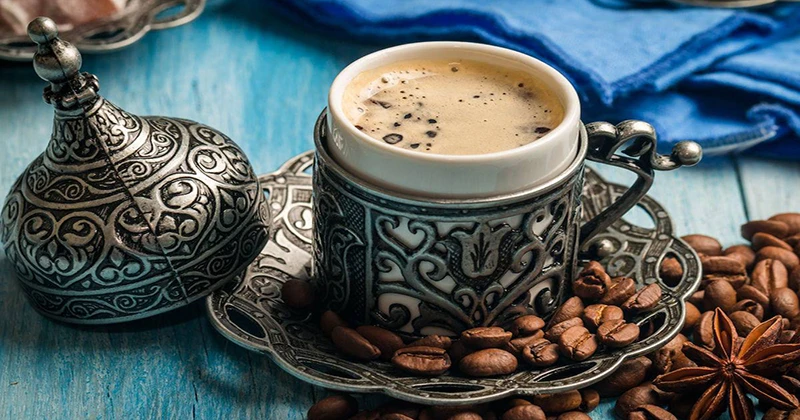
Turkish kahvesi, Turkey
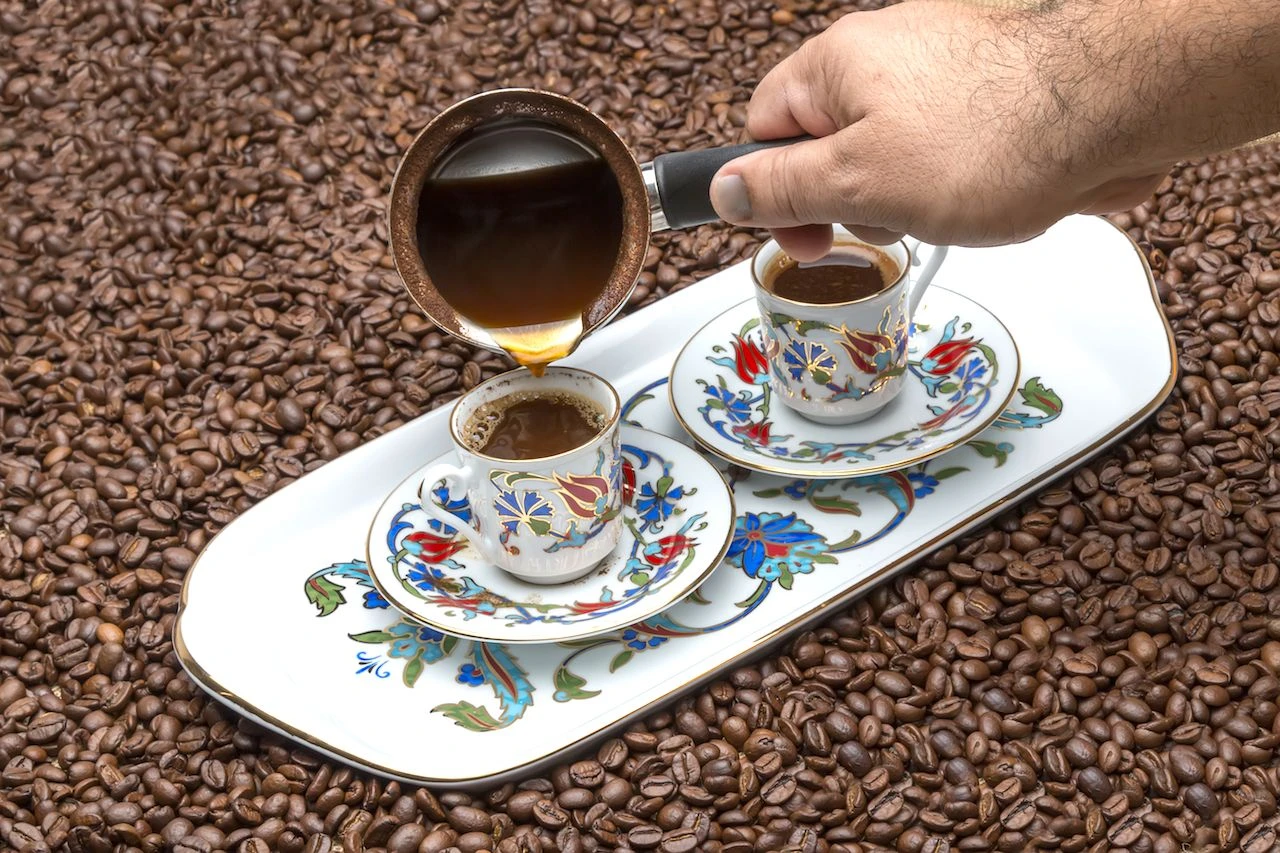
Turkish coffee is brewed in a copper or brass cezve using finely ground coffee beans and served unfiltered, poured along with the grounds into a special porcelain cup, called a kahve finjani in Turkey. Sugar is added to the cezve just before the drink boils, giving it its characteristic sweetness. Cardamom is sometimes added to Turkish coffee for additional flavor.
Coffee in Turkey is more than just a beverage; it's an important element of cultural interaction: coffee is often served as a gesture of hospitality from a host to a guest. 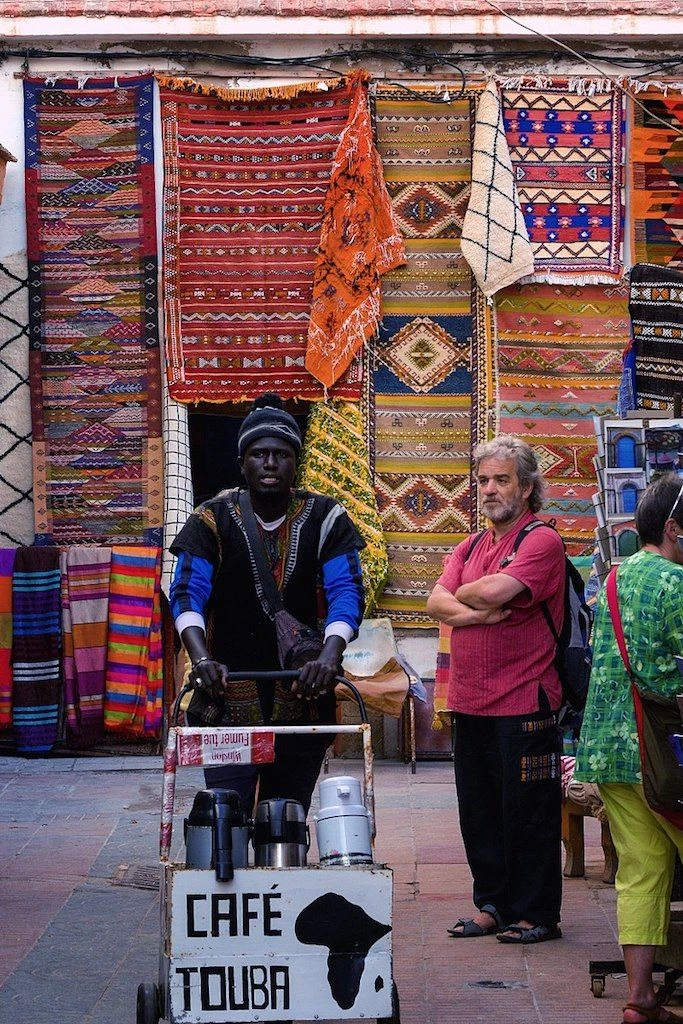
Café Touba, Senegal
Touba coffee is brewed in a regular coffee maker, but is flavored with black Guinea pepper and ground cloves. It is believed that this drink was invented by the Sufi sheikh and founder of the Islamic Muridiya order, Amadou Bamba Mbacké, in the 1880s. Since then, Touba coffee has become one of the symbols of the brotherhood and is consumed at the order's ceremonies and festive events.
Originally considered a medicinal drink, this sweet and spicy coffee is now widely consumed in Senegal simply to invigorate. Touba coffee stands can be found on every corner in Dakar, and this unique drink has now appeared in other West African countries. 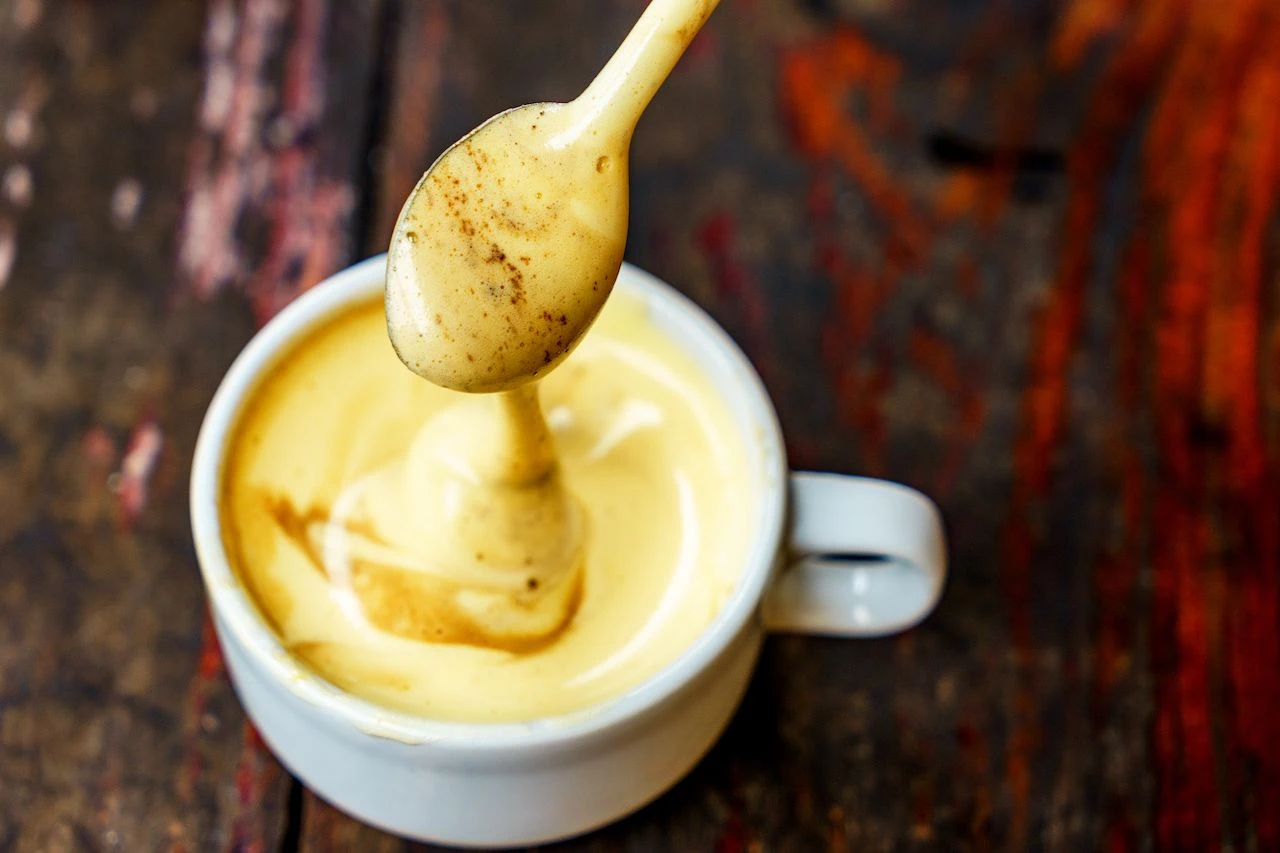
Cà Phê Trứng, Vietnam
Vietnamese egg coffee tastes more like a dessert, like custard. To prepare this drink, egg yolks are beaten with condensed milk and sugar until creamy, then freshly brewed Vietnamese coffee is poured into the foam. Egg coffee is served hot or cold, and is eaten with a spoon rather than drunk.
Now you can try this coffee in all the cafes in Hanoi and Ho Chi Minh City, although Café Giang lays claim to the title of pioneer, claiming to have invented this unusual drink. Any strong blend of black coffee can be used, although Robusta beans are best, filtered through a Vietnamese stainless steel coffee filter. 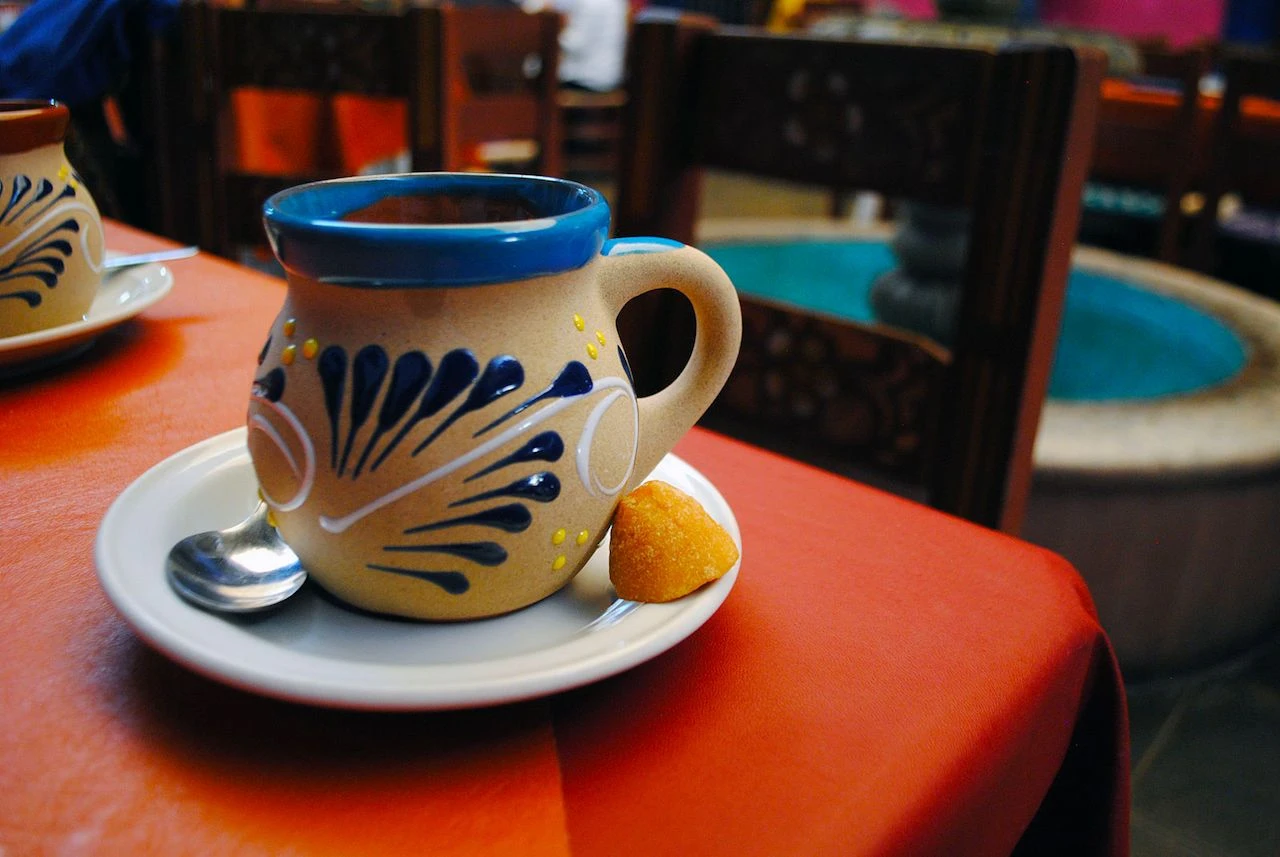
Cafe de Olla, Mexico
Sweet black Mexican coffee gets its distinctive aroma from cloves, anise, and cinnamon. To prepare this drink, you need to bring the spices, ground coffee, and piloncillo (unrefined cane sugar) to a boil in special clay pots called ollas, then strain it through a sieve. Some add chocolate or replace the piloncillo with regular brown sugar, but the unique aroma of Mexican coffee is always recognizable, as are the clay cups it's served in.
Café de Olla is now brewed in every Mexican home; it became popular during the Mexican Revolution, when both revolutionary leader Emiliano Zapata and the common soldier preferred to perk up with a cup of sweet coffee. 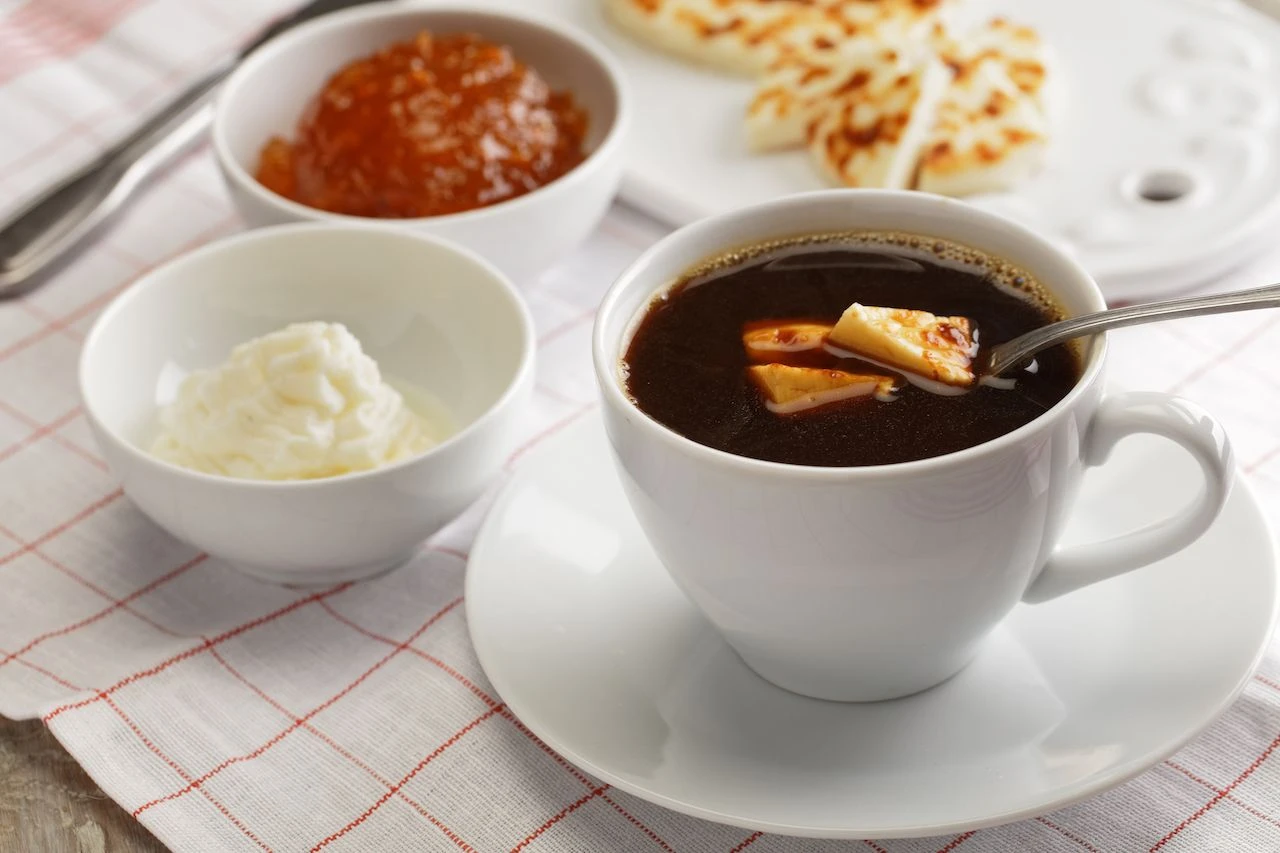
Kaffeost, Finland
Adding milk to coffee is a common practice worldwide. Most people prefer milk or cream, but in some Scandinavian regions, cheese is added. Kaffeost, or "coffee cheese," originated in Finland, but this unusual drink is now also enjoyed in northern Sweden, near the Finnish border.
This fairly hard, light cheese with a creamy consistency and sweet aroma is added to hot coffee brewed from finely ground beans. Coffee cheese is usually sold in large blocks, and leftovers can be frozen or garnished with fresh berries and served with this truly exceptional drink. 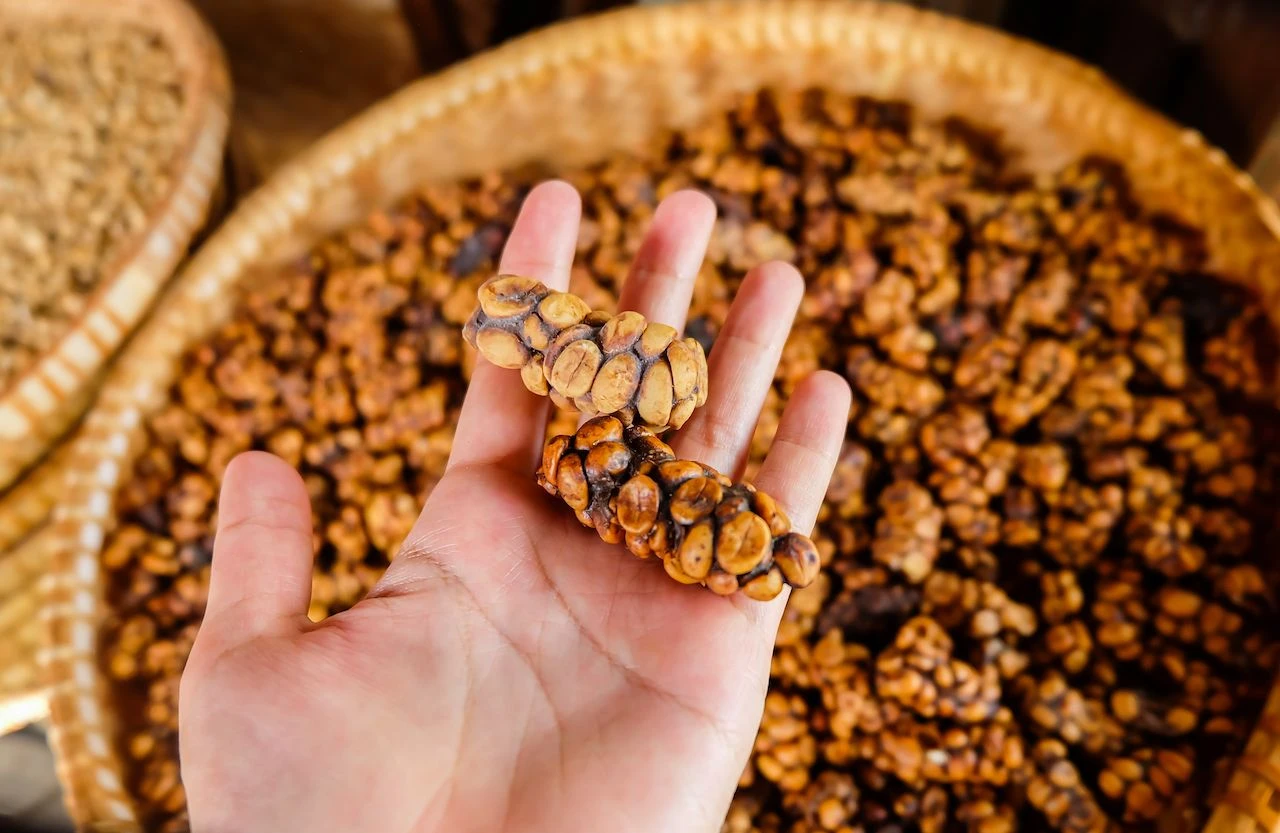
Kopi Luwak, Indonesia
Kopi luwak tops the list of the most expensive coffees on the global market, fetching several hundred dollars per pound. This beverage is brewed from coffee beans that have been digested and partially digested by civets, the Asian palm civet. Luwak coffee is brewed using a French press, a drip coffee maker, or even an espresso machine. It can be enjoyed in various parts of Indonesia, from Sumatra to Bali, and since its introduction, it has always been a prized commodity.
Recently, the mass production of kopi luwak has come under fire from conservationists, as some producers keep wild civets in cages, often in appalling conditions, to meet global demand for the unusual coffee beans. 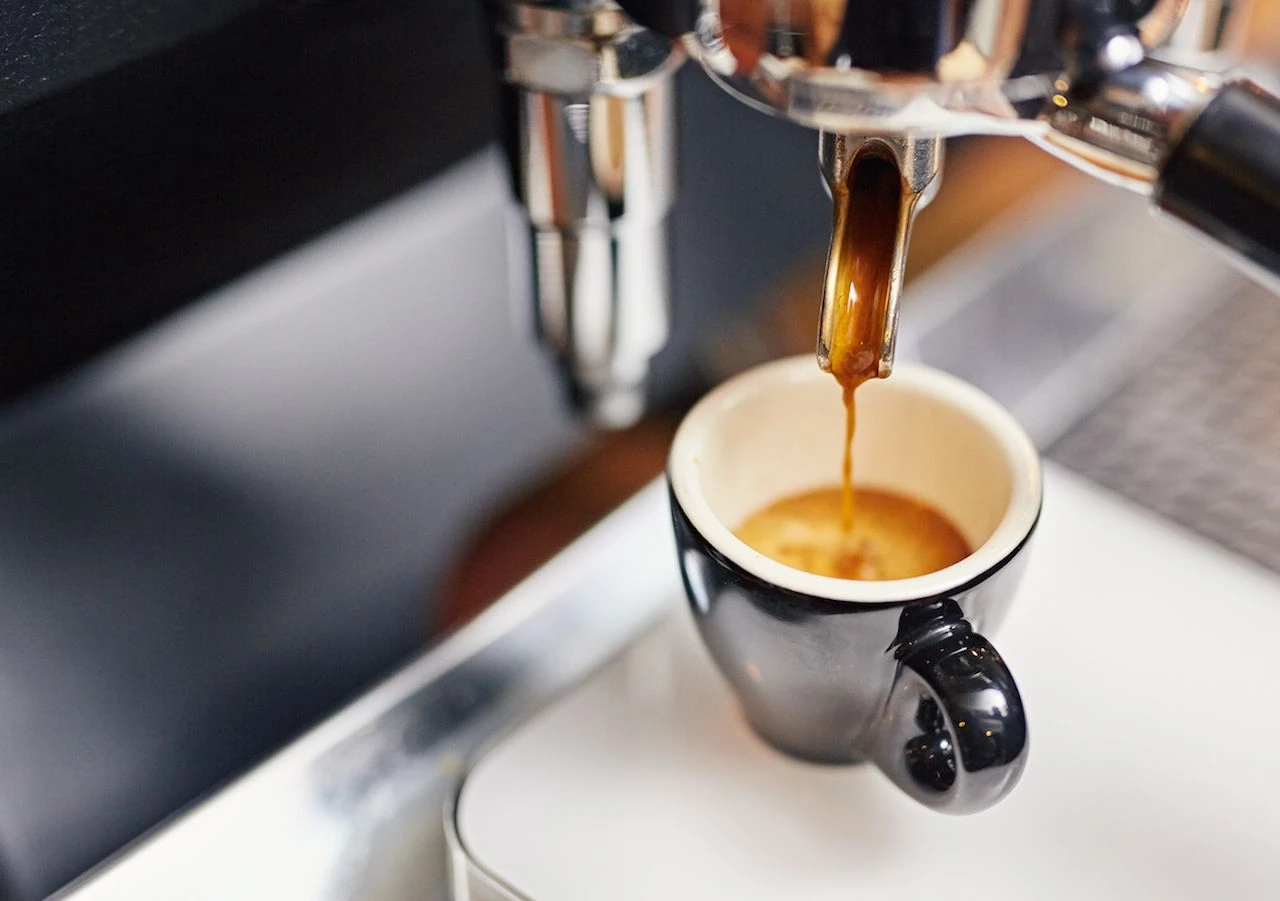
Espresso, Italy
It's virtually impossible to order coffee in a modern coffee shop without using Italian. Most coffee drinks have Italian names, and their recipes are often based on espresso. Espresso machines force pressurized water, heated to 89-96 degrees Celsius, through finely ground coffee beans, resulting in a highly concentrated coffee with a foamy topping.
The list of espresso-based drinks is quite long and includes the well-known macchiato (espresso with steamed milk), mocha (espresso with chocolate), and doppio (a double shot of espresso). Just don't order a "delicious espresso coffee."