How Western Hygiene Standards Are Viewed in Other Parts of the World (11 photos)
For people in Europe, Australia, and the Americas, using a toilet and toilet paper, as well as taking a shower, are standard sanitation procedures. But for people in many countries, all of this seems exotic and has no rational explanation. Yet, as strange as it may sound, these perplexed people are in the majority. 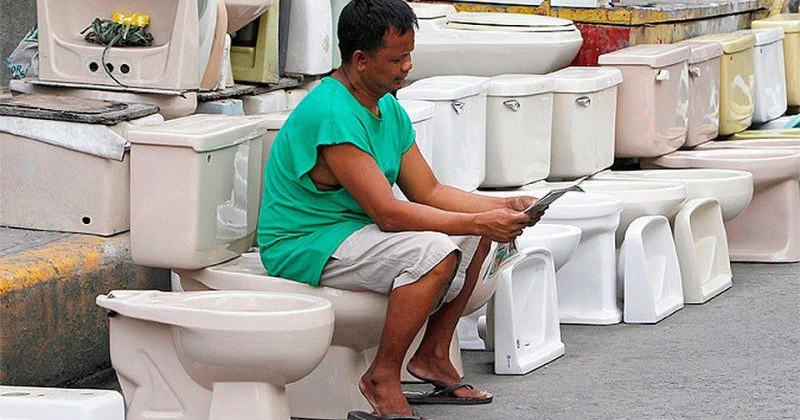
Back in 2010, scientists from the University of British Columbia, who conduct research in psychology, pointed out a serious and very old mistake to Western society. It turns out that when conducting research in the field of psychology, for example, experts at a number of major scientific centers rely primarily on data obtained in Western society, which is relatively enlightened, affluent, and relies on Christian norms.
These findings are then projected onto the entire world, which cannot reflect the real state of affairs. If we compare people living by Western standards with the rest of the planet's population, members of the Western world appear to be in a significant minority. 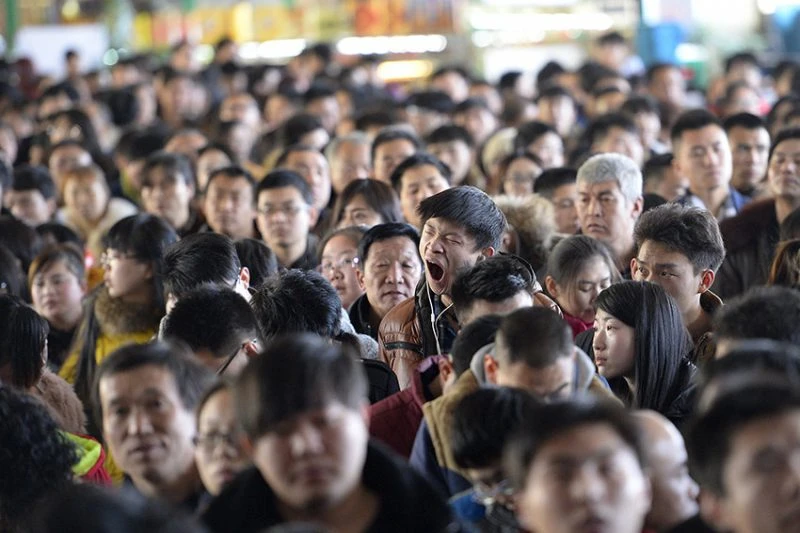
This also applies to other areas of society – we console ourselves that we live as we should and that we are in the majority, but the rest of the world views us as a bunch of lunatics and sometimes openly mocks our customs and preferences.
Paper or water?
During one of his performances in the UK, Egyptian comedian Basem Youssef joked:
When we Arabs travel, we have to make sure we always have three things with us: a passport, a thick wad of cash, and a portable bidet. I don't get it. You guys live in one of the most developed countries in the world. But when it comes to your ass, you're way behind.
The comedian waved a fake plumbing fixture called a shattaf. It's a hose with a tap that's operated by pressing a finger and is used in many Muslim countries and India for washing after using the toilet. 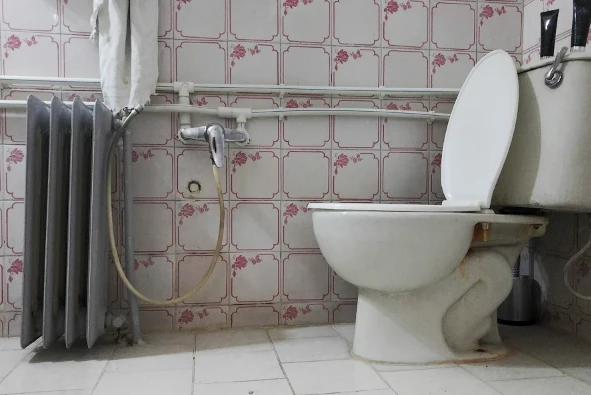
It's true that the habit of wiping with toilet paper, which is completely natural for us, has no logical explanation for the people of North Africa and the Middle East. They are rightly surprised by our hygiene standards. It's quite obvious that water cleans far better than even the highest-quality toilet paper.
Despite the obvious progress and the fact that we no longer use pottery shards like the ancient Romans or corn cobs like the Native Americans, one cannot deny that water is still more pleasant and better in terms of the end result.
Interestingly, the habit of washing oneself isn't unique to Eastern countries. Using toilet water is perfectly natural for the quite European Finns and Argentines, who live in the Western Hemisphere. But France, which gave the world the bidet and also once embraced mass washing, gradually abandoned this hygienic habit, and now it's practiced primarily by immigrants from Africa and the Middle East. 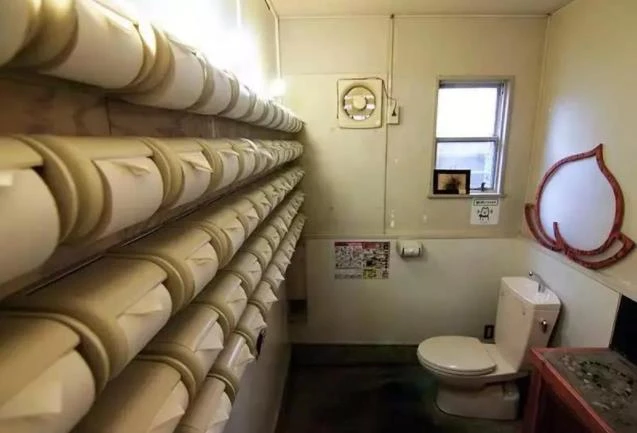
Architectural historian Barbara Penner, in her book "The Toilet Room," notes that the United States and Great Britain, home to the most ardent supporters of toilet paper, are the trendsetters in Western toilet fashion. Anglo-American toilet trends were widely adopted worldwide, and in the 1920s, the term "sanitary imperialism" even existed.
Some of the world resisted this onslaught, and Muslim countries, in particular, preserved their traditional customs. This was due to the fact that Islam prescribes cleansing with water only. However, exceptions to this rule are sometimes made.
An example is the fatwa issued in Turkey in 2015 by the Supreme Religious Council. This ruling permitted Muslims to use toilet paper, but only if water was unavailable. Japan also remained faithful to water—high-tech toilets in the Land of the Rising Sun not only clean effectively but also dry the user with heated air. 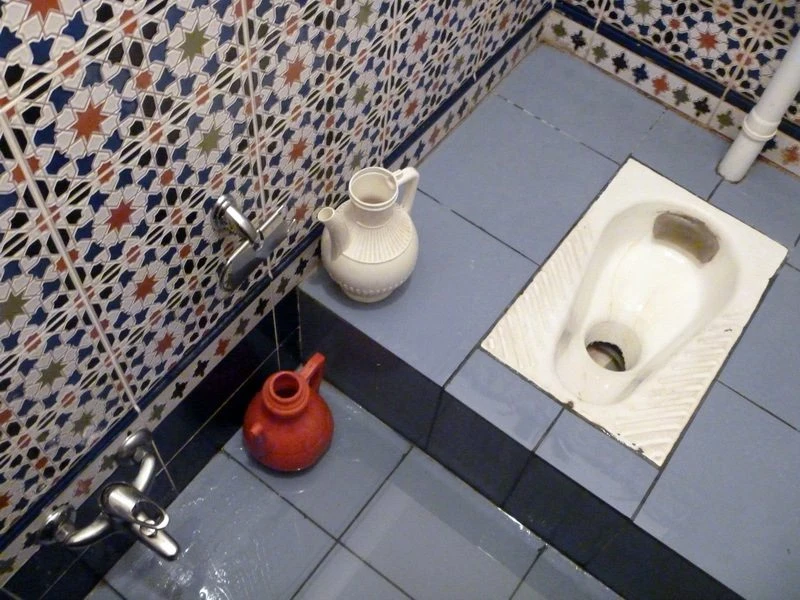
There are also special cases of reconciliation between East and West. This unusual symbiosis was precisely what Australian government official Zul Othman once described to journalists. Drawing on his own observations, the official reported that some Muslims in the country, particularly those adapted to the Western lifestyle, use toilet paper and then still wash themselves with a jug or bidet.
Sometimes, on the contrary, a surprising tenacity of views is noted. Asta Garg, a well-known Indian analyst working in San Francisco for the past several years, couldn't find the long-spouted pitchers she was accustomed to in any office, hotel, or public restroom. To purchase the necessary toiletry accessory, she had to seek out a store run by her fellow Indians, who hadn't lost their authenticity.
Some Indians have switched to toilet paper, but many of us remain committed to water whenever possible. And when I visit Indian friends here in the US, I can almost always count on finding a plastic bottle of water or a special pitcher next to the toilet in their restroom.
Australian Zul Othman recalled an instance of loyalty to principles even on the part of a Westerner. One day, an acquaintance of his from Sheffield, England, used a 20-pound note instead of toilet paper when the toilet ran out. 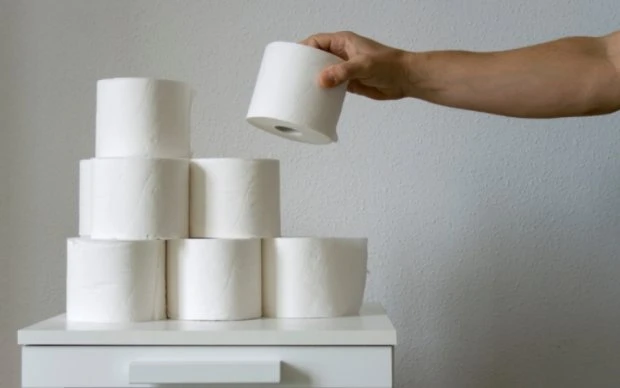
Chinese immigrants to the United States are primarily struck by the sheer volume of toilet paper used. This is not surprising, since according to statistics, Americans consume the most toilet paper per capita in the world.
Asta Garg was also struck by how much toilet paper is used in America. She also found it strange that most of the time the used paper is simply thrown into the toilet. Asta estimates that one in four toilets in the US is clogged, as it is simply dumped with this sanitary product from morning until night.
Squatting or sitting on the toilet?
In ancient China during the Han Dynasty (206 BCE - 220 CE), both methods were commonplace, but public latrines were designed for squatting use only. Currently, two-thirds of the world's population uses this ancient, tried-and-true method. Only in the West do people stubbornly climb onto porcelain pedestals, ignoring medical advice that the squatting position is more natural and effective.
The squatting position solves a significant hygiene problem. A survey found that most British women in public restrooms are forced to resort to various tricks to avoid accidentally touching the seat. The squatting position immediately solves this problem. 
From an anatomical perspective, it's also better to sit without a toilet, as sitting on your feet relieves strain on the intestines and the muscles responsible for bowel movements.
But in the US, sitting on the toilet has become more than just a way to empty your bowels; it's a genuine form of leisure. The American book market is filled with specialized literature, in the form of short stories and short stories designed for toilet reading. The Chinese wouldn't understand this, as they've been taught from an early age that prolonged sitting on the toilet causes hemorrhoids and other health problems.
But how do those accustomed to squatting cope when their home has a standard toilet? Rock musician Kaiser Kuo, who moved from China to the United States several years ago, suggested an elegant solution to the problem. 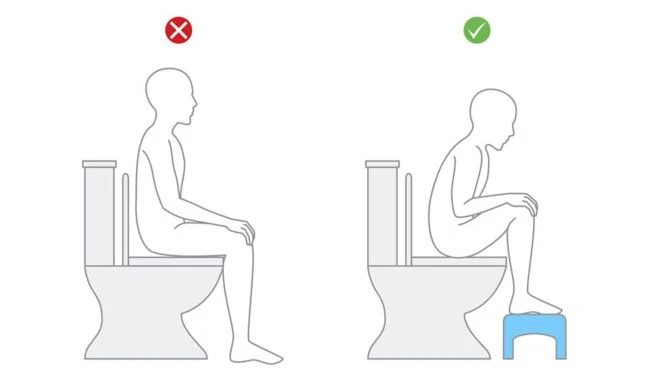
His family traditionally places a small stool next to the toilet to rest their feet on. While this position doesn't completely replace squatting, it is as close to a natural position as possible. This isn't just Kaiser's family's innovation—several companies in the United States already manufacture these toilet stools, and their business is thriving.
In some countries, such as Malaysia, it's common practice to offer toilet users a choice. There, you'll find both standard toilets and stalls for those who prefer traditional toilets. Generally, toilets are more common—about two-thirds of public restrooms are equipped with them. In this case, preference is given not to toilet paper, but to water.
Passion for Bathing
Representatives of different cultural traditions also bathe differently. The European and American habit of taking a daily shower in the morning is very strange, according to Elizabeth Shove, a sociologist at Lancaster University in the UK. 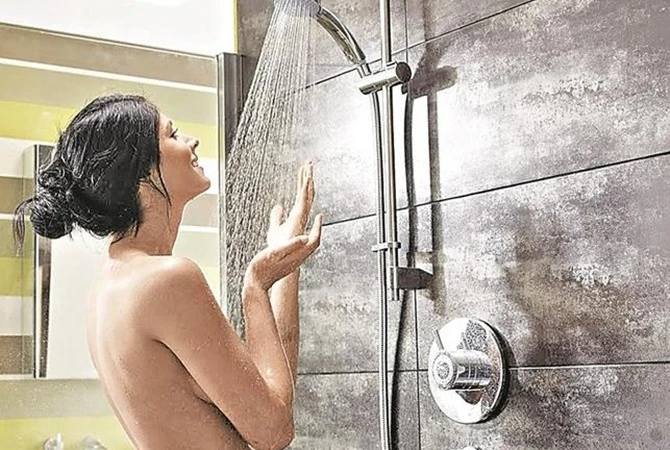
This habit was significantly influenced by the post-war soap boom, when advertisements for this hygiene product plagued people from all sides. Soap operas got their name in the 1950s, thanks to the excessive use of such advertisements.
At that time, the fashion arose for using different soaps for the face, body, and laundry. This subconsciously forced people to wash more often, whether they needed to or not.
The custom of taking a daily shower in the morning is a relatively recent development, says Elizabeth Shove. Just two or three generations ago, it was common in Britain to take a bath once a week. Back then, the water supply in most parts of England wasn't as impeccable as it is today, and this undoubtedly played a role.
Even in the 21st century, many countries face a severe shortage of water for domestic use, and people don't have the opportunity to shower more often or simply conserve the precious water. However, scientists believe that water availability isn't the only issue. 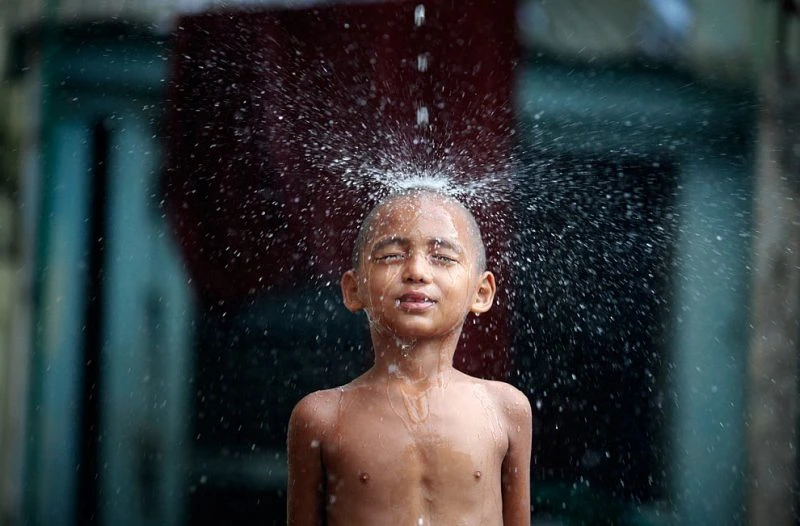
In Malawi, where water is a precious resource, it's common to douse yourself with water from a bucket or basin several times a day. Residents of Ghana, the Philippines, Colombia, and Australia—regions with relatively few water reserves—also shower several times a day. It should be noted, however, that such bathing rarely involves washing your hair.
There's one important nuance here: dousing yourself and a full shower are completely different procedures in terms of water consumption. A shower, due to its high pressure, is less efficient than pouring water over your body. Hot climates are especially conducive to frequent washing. For example, in Brazil, locals bathe several times a day, even in winter, when the heat is not at its most intense.
Scientists believe that in countries with temperate climates, a regular morning shower is not a practical necessity, but a tradition that helps structure the day. Showering is also believed to make a person more presentable. In the modern world, this is hardly relevant, as very few people work in a way that requires constant washing. 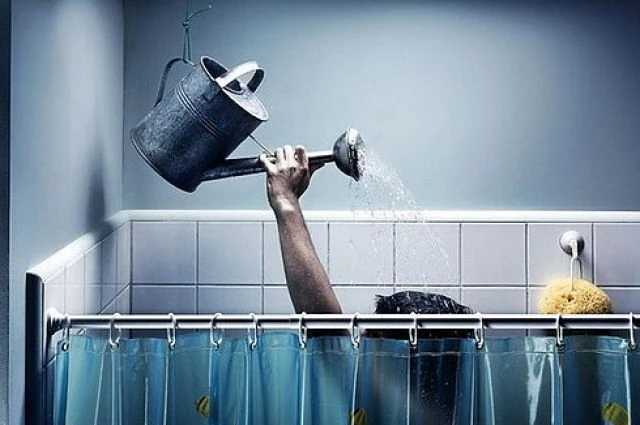
It's a completely different matter that a cool morning shower invigorates and helps you get into the work mood, while a warm evening shower, just like a hot bath, helps you relax and fall asleep faster.
Different countries have different customs, and importantly, they are constantly changing. There's no guarantee that in a decade, water conservation won't become fashionable, with weekly showers becoming more common to save money. No one is immune from the possibility that, having taken advantage of the advances of a different toilet culture while traveling abroad, they might decide to give up toilet paper upon returning home, or, conversely, throw away their toilet paper jug with a spout.