What is the Oldest Male Profession and Why Its Name Became an Offensive Word (4 photos)
Everyone knows which female profession is considered the oldest. However, not everyone knows about the oldest male profession. It's not associated with intimate services, as one might think. It was called... "parasite," and it's the origin of the well-known swear word "parasite," meaning a parasite. 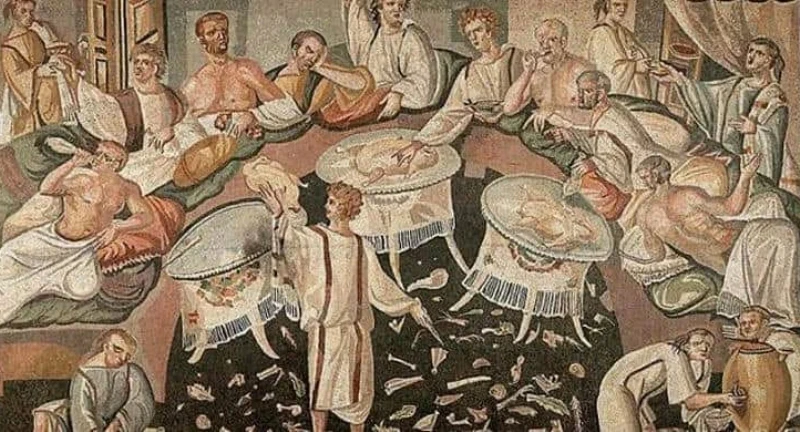
The word "parasite" is translated from Greek as "diner." In Ancient Greece, this was the name given to people who entertained guests at feasts. They were expected to be able to maintain conversations on a wide range of topics, from military matters to philosophical ones. Reclining at the table, as was customary in antiquity, a parasite could spend hours over a glass of wine discussing the meaning of life, reciting poetry, telling town gossip, fables, and jokes. 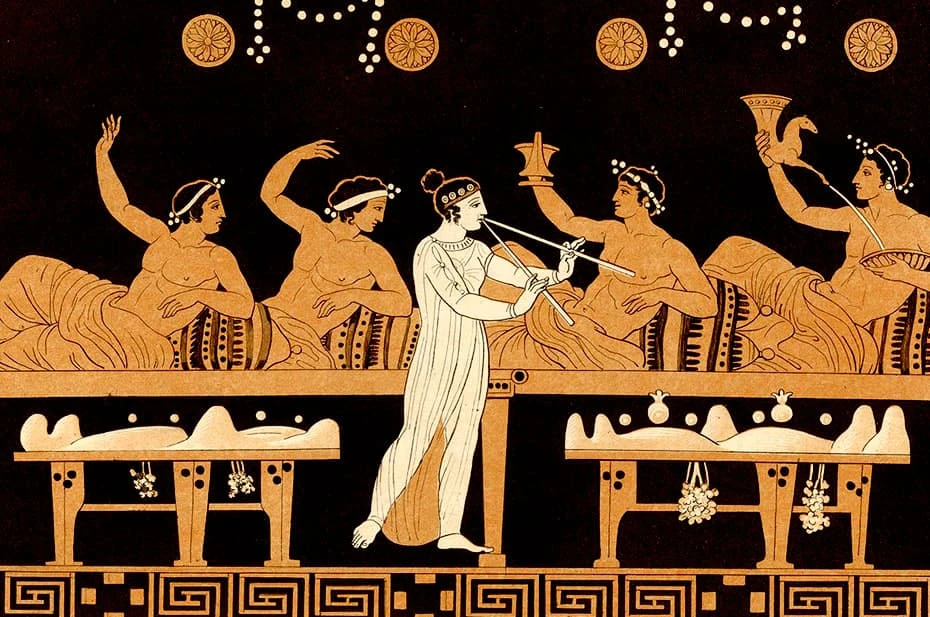
This was a difficult profession. Only a well-educated person with a gift of gab could succeed in it. Skilled parasites were in high demand. They were treated with respect, given gifts, and, of course, well-fed. Professionals had very busy schedules and were invited to share meals almost every day.
Anyone could become a parasite, not necessarily a free person. There are many known cases of slaves performing this profession. The legendary Aesop began his career as a fabulist as a parasite. Noble Greeks vied with each other to invite the lame and deformed slave to their table, delighting in his tales. 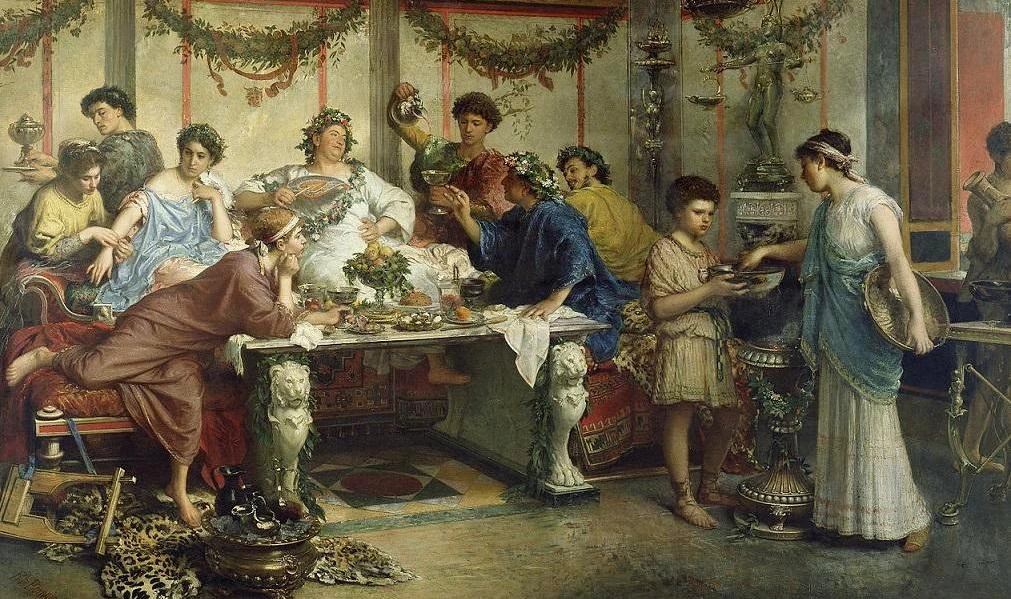
A little later, the Romans adopted this practice from the Greeks. However, their demands on the parasites were not so strict. Roman citizens had little interest in philosophical chatter. The parasites' purpose at banquets was to flatter the hosts and praise their house in every possible way. Jokes and witticisms, often vulgar, were also common.
How "parasite" became "parasite"
Thus, a once-respected profession degenerated. It was then that the word "parasite" acquired its modern negative connotation. Roman playwrights began featuring parasites in their plays as comic characters. They were annoying, greedy, and flattering, lovers of freebies. 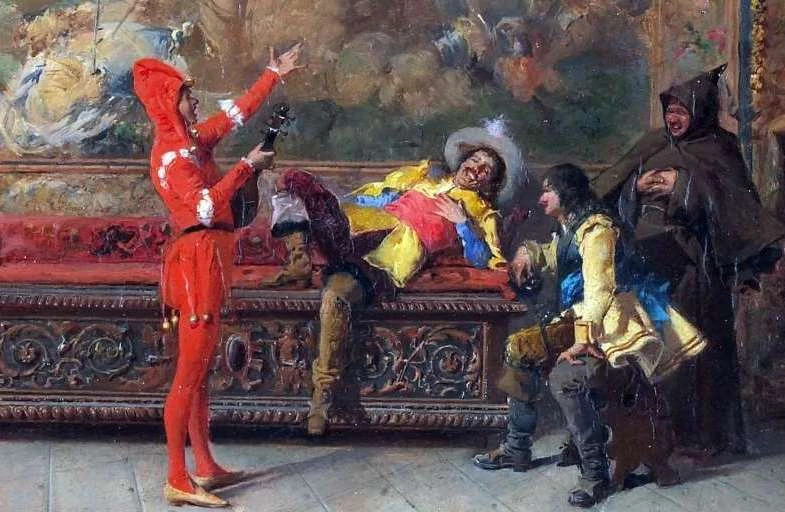
Some historians believe that parasites were the forerunners of jesters. They also lived with their masters, entertaining them and their guests with their chatter and antics, and enduring slaps and humiliation.