The White Queen Louise of Lorraine: The Story of a Real Cinderella (9 photos)
It's no secret that many famous fairy tales are based on real events. For example, Cinderella may have many prototypes, as there are numerous cases of common girls marrying princes. The story of Louise of Lorraine, Queen of France, is precisely such a story. However, it didn't quite end like a fairy tale. 
The future wife of the French monarch, Louise de Vaudemont, was born in 1553. Her parents, Nicolas Merceur of Lorraine and Marguerite de Egmont, were nobles from ancient families. The couple's first three children died at birth or in the first days of life. Therefore, the fourth, Louise, was doted upon by their parents. 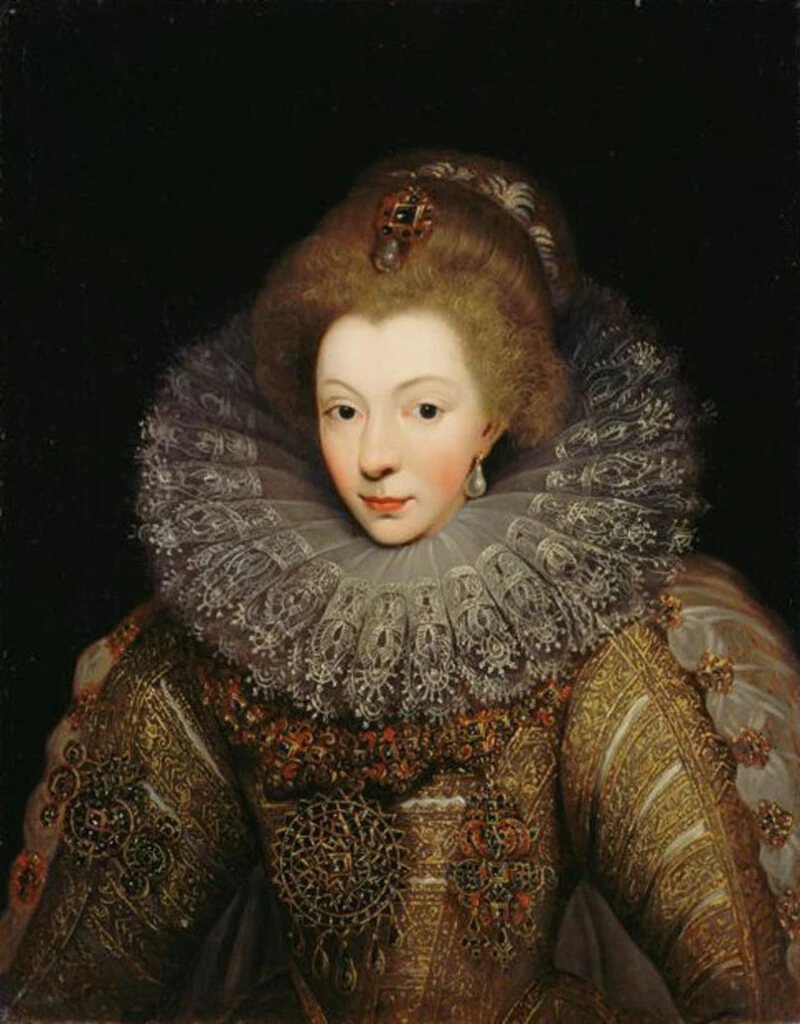
Louise of Lorraine
But just a year after her birth, her mother died, and the Count de Vaudemont remarried. His chosen one was Jeanne of Savoy, remembered by contemporaries as a kind and caring woman. Soon, four children were born to the family, one after another. However, the stepmother never divided the children into "hers" and "others" and treated her stepdaughter as her own. Louise grew up a beautiful and obedient girl, never upsetting her father or his wife.
But this time, too, the family happiness did not last long. The Count's second wife soon died. De Vaudémont's third choice was 19-year-old Catherine, only three years older than Louise. She immediately took a dislike to the Count's children from previous marriages, and dark times descended on them. Louise, as the eldest, suffered especially. Her stepmother constantly humiliated her and forced her to do housework on par with the servants.
Almost a nun
Catherine's main goal was to completely eliminate the girl. She convinced her already aging husband that Louise should be sent to a convent. Her behavior was based not only on jealousy over the old man's beloved daughter, who was stealing his attention. The young countess was also driven by self-interest. Having gotten rid of her eldest daughter, she could spend more on dresses, balls, and entertainment. Moreover, in the event of the Count's death, an adult heir could ruin all plans for the inheritance. 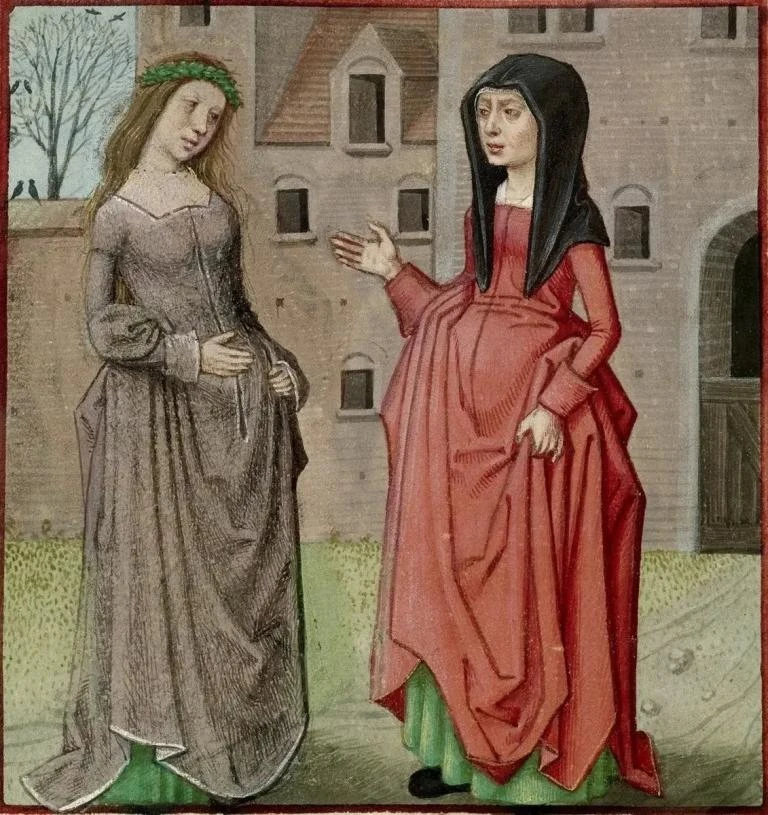
The Count resisted for a long time, but eventually gave in. The unfortunate Louise began to prepare for monastic life. She was sent on pilgrimages to holy places and even temporarily sent to live at a monastery. The only joys the girl had in life were books, which she read one after another. While her peers were enjoying themselves at balls and preparing for marriage, Louise spent her time in the monastery libraries.
When Louise turned 20, she realized she wouldn't be able to marry and would be too "old" in a couple of years. In that case, her only option would be to enter a convent, as her wicked stepmother insisted. But a true miracle occurred: a suitor himself came to the girl, and not just any girl, but one of royal blood! 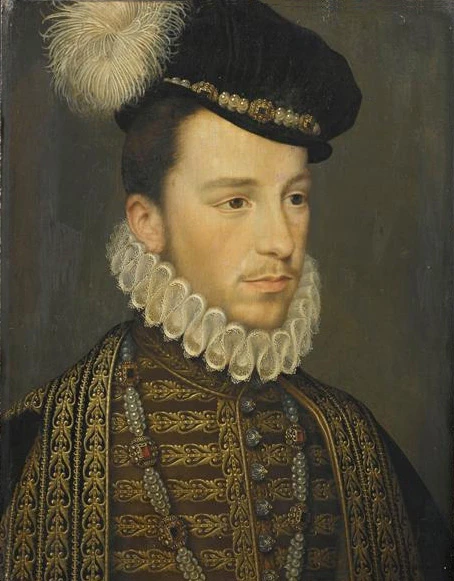
Henry III of Valois
The Prince on a White Horse
22-year-old Henry of Valois, Catherine de' Medici's favorite son, was passing by the Château de Vaudémont and stopped for the night. This was no simple pleasure trip or hunting trip. The prince was traveling to Poland, as the Sejm had elected him king. Henry was a special prince. He stood out among his Catholic family for his open sympathy for the Huguenots, at a time when France was torn apart by religious strife.
Furthermore, the young man's heart was broken by his unrequited love for Marie of Cleves. His love was betrothed to another man and then died, plunging Henry into a deep depression. But the prince forgot everything when he saw Louise de Vaudemont at the castle. It was love at first sight, and it was mutual. Henry stayed for a whole week, and then informed his mother that he had met his destiny. 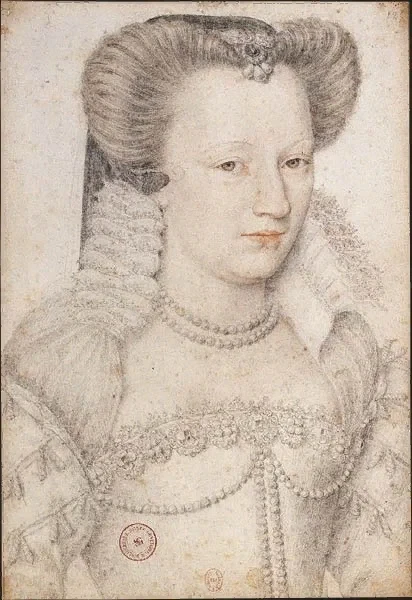
Louise de Vaudemont
The queen dismissed her son's letter. Henry, on the Polish throne, thought only of Louise. A little over a year passed, and it was time for him to return to Paris to become King of France. Upon arriving home, the heir immediately announced his desire to marry Louise de Vaudemont.
Catherine de Medici was initially opposed, as such a marriage was considered unequal. Louise, by birth, was completely unsuitable for queen. But upon reflection, the cunning woman realized that such a marriage would only benefit her. She would be able to maintain influence in the kingdom and easily manipulate her son and his wife. So Henry received the go-ahead for the wedding.
Louise's father and stepmother were the first to learn the news. One morning, she awoke to find them standing beside her bed, bowing deeply. Afterward, the Count de Vaudemont solemnly informed his daughter that the king desired to marry her. From then on, he and his wicked stepmother addressed her only as "Your Highness." 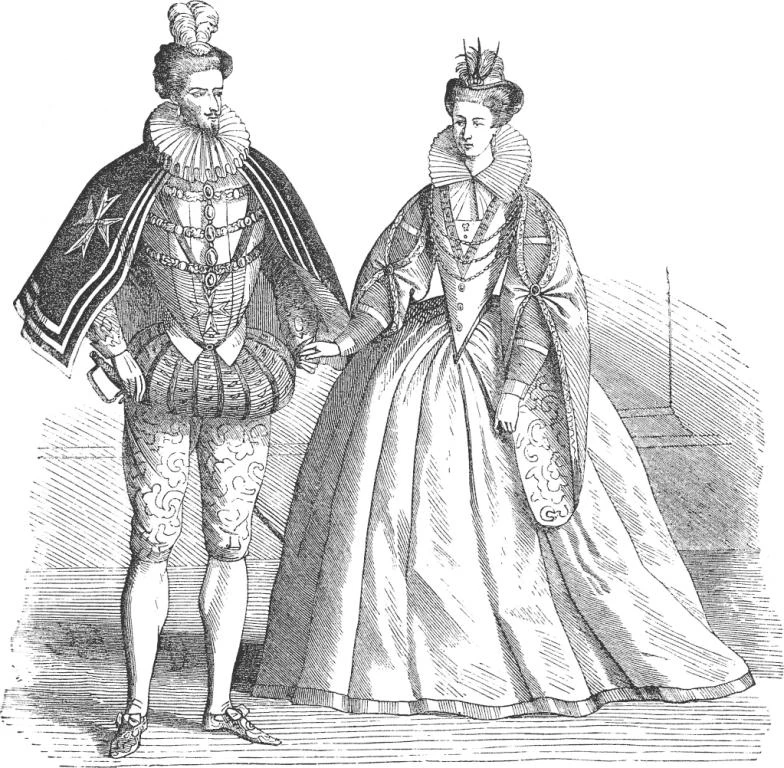
At the French court, everyone was astonished that a girl from a modest noble family would become queen. This, at a time when dozens of European royal families would have been happy to marry their daughters to the Valois family. Everyone was also surprised that the feelings between the young people were genuine, whereas such marriages were almost always arranged.
Royal Happiness
Henry and Louise's life after their wedding was happy. The king proved to be an exceptionally decent man and was faithful to his young wife. She reciprocated. It was time to end the real-life Cinderella tale. But, unfortunately, it had a sequel, and it was anything but fairytale-like. A year passed, then two, then six, and Louise was unable to bear her husband a child. Neither the potions prepared by the best doctors nor the sacred relics helped.
At court, hints began to circulate to the king that he should divorce his barren wife and seek another. But even after 11 years of marriage, the king refused to betray his love. Louise was deeply troubled by her infertility. She prayed fervently and made pilgrimages to holy sites, asking God for a child. 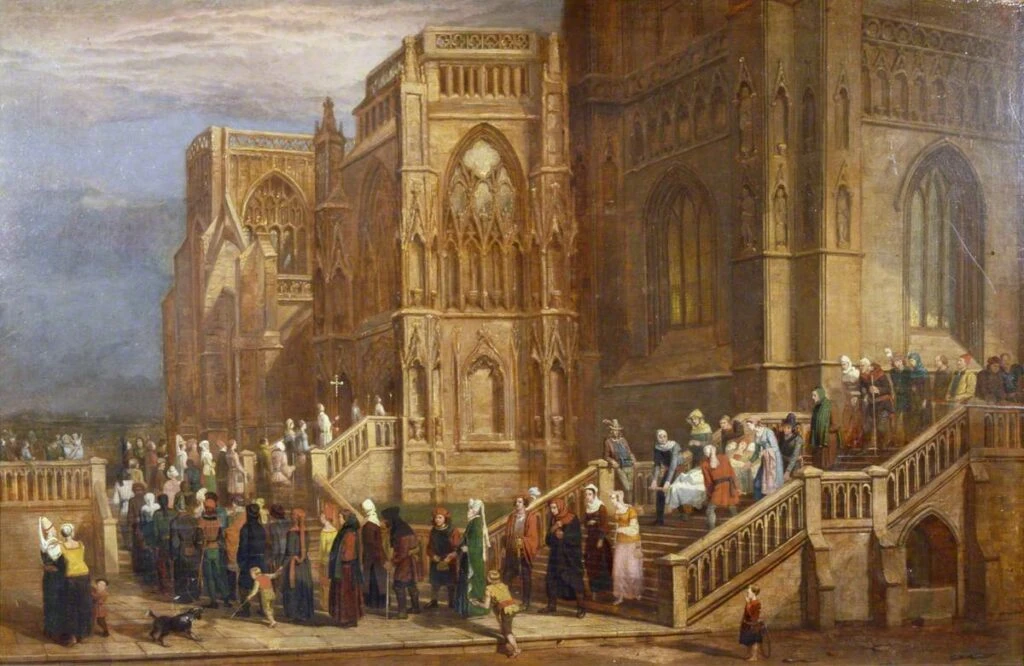
Pilgrims at the entrance to the cathedral
In 1579, she set out incognito on a barefoot pilgrimage, having taken a vow of silence. For several weeks, she walked in the autumn rains among crowds of ordinary people, her feet bleeding on the stones. The agonizing journey yielded no results, but it undermined Louise's already fragile health. After her return, she spent most of her time in bed, suffering from fever. Her loving husband tried to be by her side as often as his duties as king allowed.
But Louise's trials did not end there. Soon after, her husband was vilely murdered by a religious fanatic. We have already mentioned that Henry favored Protestants. His dream was to reconcile Catholics and Huguenots. His aspirations were met with controversy in society. Some members of the Catholic clergy considered the monarch a traitor to their faith. 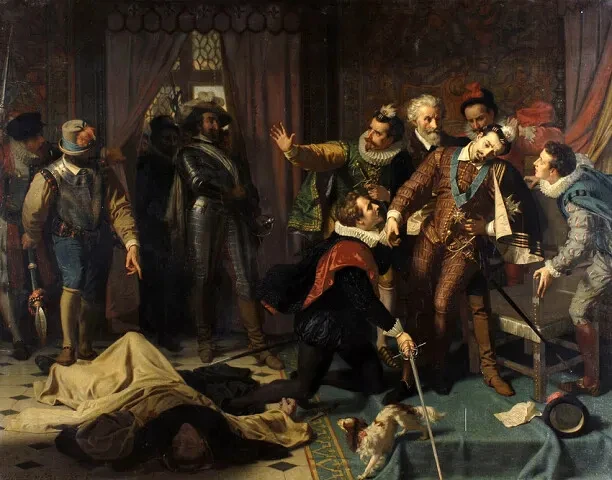
One day, the monk Jean Clement came to the king. He announced that he had an important letter for Henry. As the king began to unroll the scroll, the monk stabbed him in the stomach. The assailant was immediately killed by his guards, but the monarch's wound was also fatal. He died a day later in the arms of the inconsolable Louise.
The White Queen in the Black Castle
After her husband's death, the queen donned white mourning robes and became silent. She left Paris and went to the Château de Chenonceau, a gift from Catherine de Medici, located in the Loire Valley. There, she ordered all decorations and paintings removed, the windows hung with black cloth, and even the walls painted black. Louise removed all servants from the castle, replacing them with nuns. She spent the remaining 11 years of her life in voluntary seclusion, in constant prayer. 
The Château de Chenonceau today
The queen ceased to participate in the country's political governance. Only occasionally, on particularly important occasions, did she appear before her council of ministers to make some important decision. Thus ended the story of Cinderella, sadly, yet quite typically for the 16th century.