Many of us love sitting down to a steaming bowl of soup to satisfy our appetite. Soups are hearty, comforting, and usually made with whatever ingredients you happen to have in the fridge. But do you happen to have a bat or a tiger penis lying around? 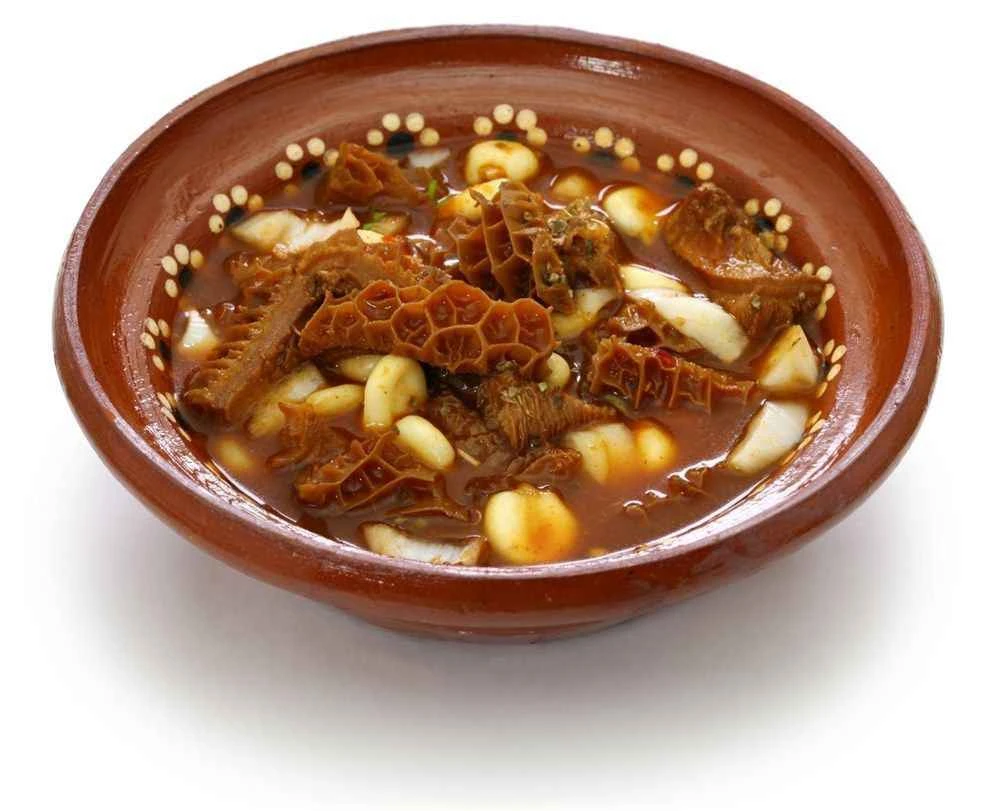
There are soups around the globe that look nothing like what you're used to making. Most of them originate from Asian cuisine, which can often seem exotic to Western palates.
Here are some of the world's most unusual soups—a few of which might just shock you.
1. Menudo (Mexico)
While beef tripe might not sound shocking to everyone, plenty of people would hesitate before giving it a try. Menudo is a traditional Mexican soup that remains immensely popular and is often served on special occasions. It is also famous as an ultimate hangover cure. 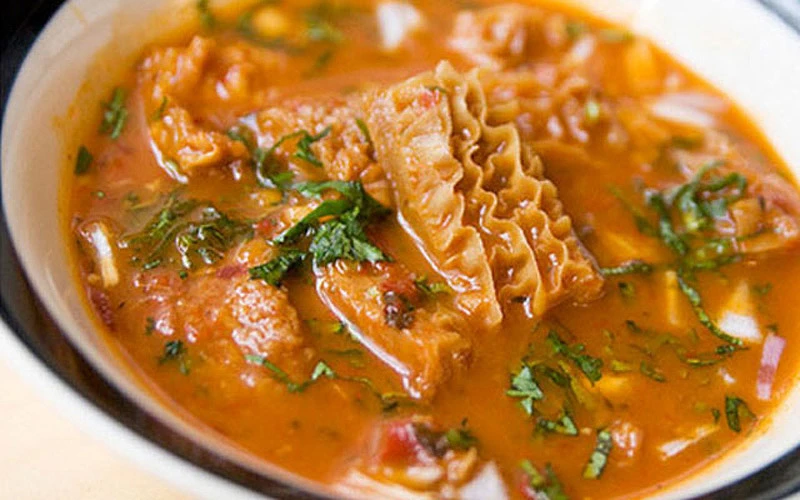
Menudo is made from cow stomach simmered with onions, cilantro, oregano, chili peppers, and hominy. Preparation takes anywhere from 7 to 10 hours because tripe requires slow cooking to become tender. You might wonder if beef stomach can actually taste good—but when slow-cooked with the right spices, the result is surprisingly delicious.
The tripe becomes melt-in-your-mouth tender, and paired with warm corn tortillas for dipping, it makes for a fantastic meal. Little is known about its exact origins, but it likely stems from a traditional nose-to-tail approach to cooking where no part of the slaughtered cattle went to waste. Today, you can find Menudo on the menu at many Mexican restaurants.
2. Kiburu (Tanzania)
This might be the simplest soup on the list. Created by the Chagga tribe living at the base of Mount Kilimanjaro in East Africa, the dish reflects their agricultural lifestyle, which centers around farming bananas and coffee. 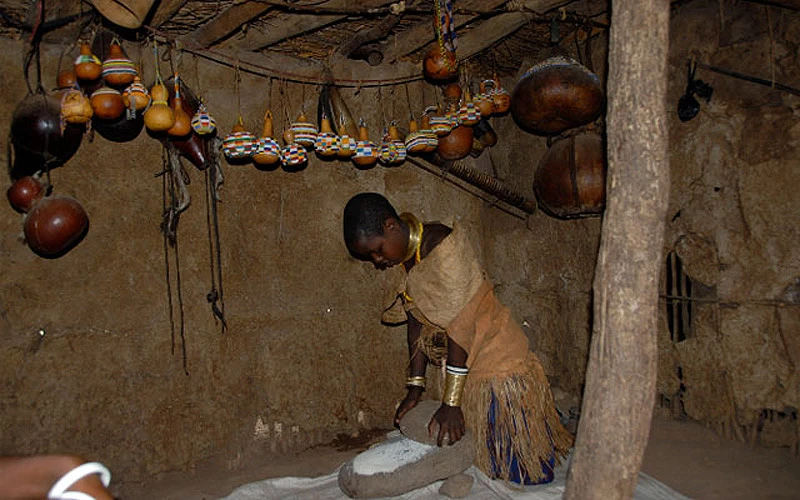
The Chagga keep things simple, and their food is no exception. Kiburu soup is made from sweet bananas, beans, and... dirt. The ingredients are mixed with water, sometimes with twigs thrown in. The dirt provides a salty seasoning and a distinctively earthy flavor.
3. Supu (Tanzania)
Much like Mexican Menudo, this dish makes good use of offal and various animal parts. Appropriately enough, "supu" simply translates to "soup." 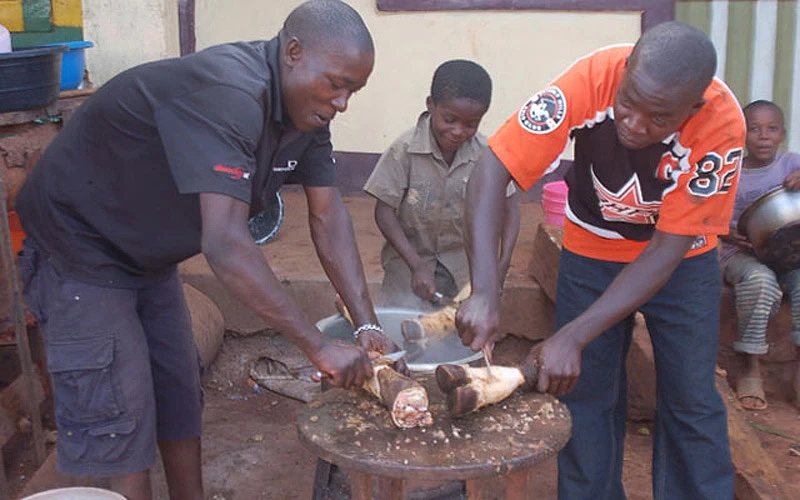
In Tanzania, this unusual soup is traditionally served for breakfast. It can contain goat lungs, heart, liver, head, cow stomach, and occasionally intestines and tongue. When made using cow trotters, it is known as "supu ya makongoro." It's a popular morning staple in Tanzania and another well-known hangover remedy.
4. Rooster Testicle Soup
At first glance, this dish looks a lot like traditional chicken noodle soup—except instead of chicken meat, it features rooster testicles. The testicles are simmered with vegetables until tender. They have a soft, creamy interior similar to tofu, enclosed in a firmer casing like a sausage skin. 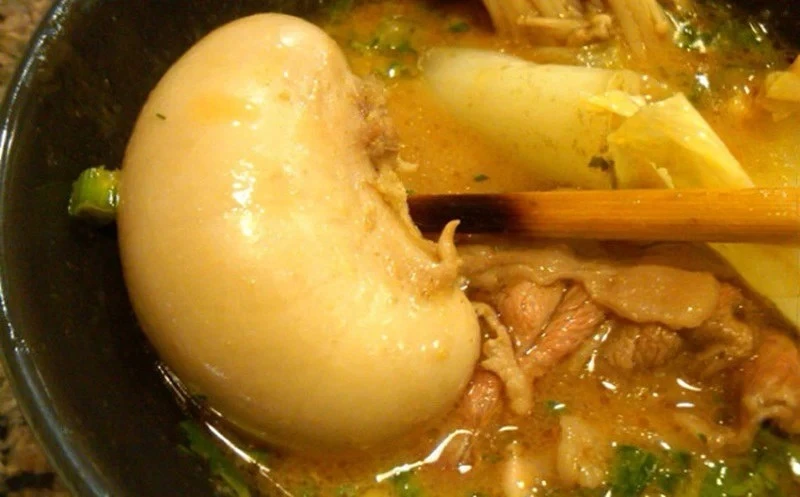
Some compare their texture to soft-boiled eggs with a custard-like center. They are also believed to carry health benefits, such as improving women's skin and boosting stamina in men.
5. Bird's Nest Soup (China)
One of the most expensive soups on this list is bird's nest soup, made from the nests of swiftlets. A prized delicacy in Chinese cuisine, a single bowl can cost anywhere from $30 to $100 in restaurants, with top-grade nests fetching up to $2,000 per kilogram. 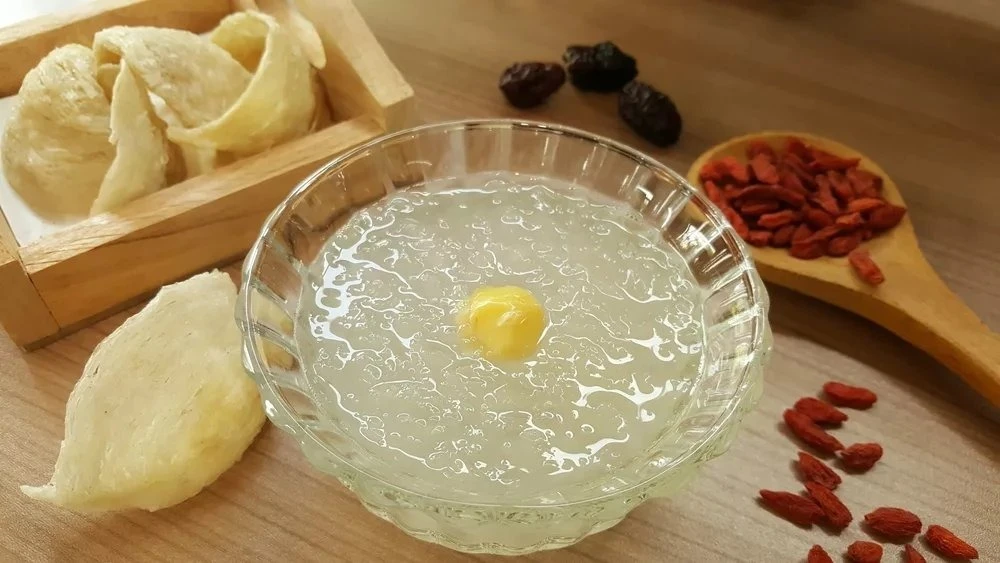
The nests are made almost entirely from the birds' hardened, sticky saliva. When cooked in broth, the nest dissolves to give the soup a gelatinous, jelly-like texture. Nests have been harvested for culinary use in China for centuries, primarily for soups.
Male swiftlets construct these cup-shaped nests on cave walls, weaving strands of their own saliva over a period of about 35 days. The soup is prized for its health benefits, traditional beliefs attributing it with relieving asthma, boosting libido, and strengthening the immune system.
6. Deer Placenta Soup (China)
In Shanghai, China, you can order deer placenta soup, which is believed to offer various health perks—from boosting vitality and skin health to aiding kidney function and male stamina. The soup includes mushrooms, edible flowers, and chicken, but the star ingredient is the deer placenta, which has a distinctly chewy texture. 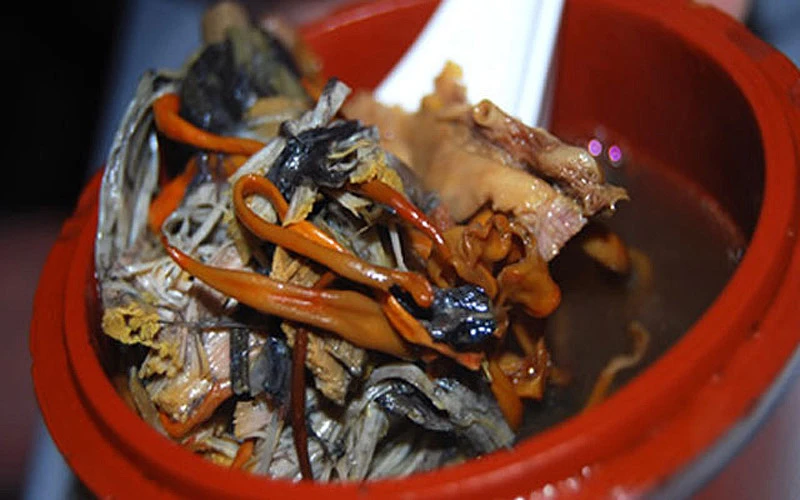
The placenta is a sac-like organ that connects a developing fetus to the uterine wall in mammals, supplying nutrients and oxygen. Once the offspring is born, the placenta is expelled from the mother's body.
7. Cod Milt Soup (Japan)
Made from the milt (sperm sacs) of male cod, this delicacy is popular in Japan, where it is known as Shirako soup. The milt is gently poached in broth until it reaches a velvety, custard-like consistency. 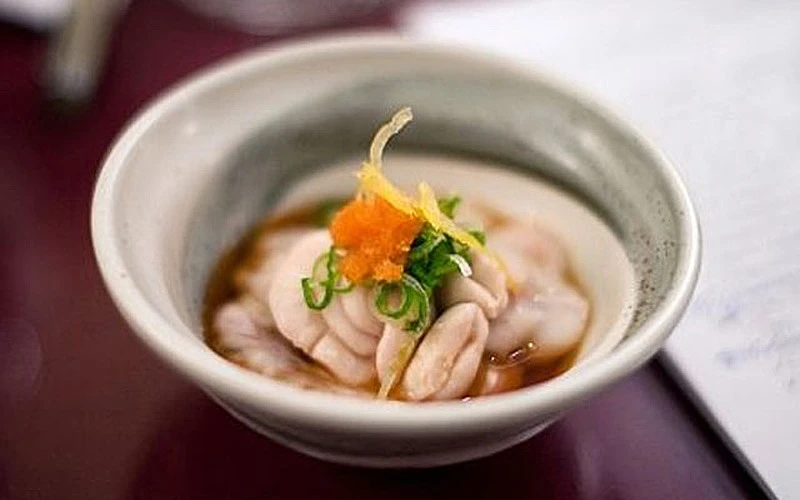
The word "Shirako" translates to "white children." Served mostly during the winter months, it is believed to boost stamina. High-end Asian restaurants often feature it as a unique specialty to intrigue adventurous diners.
8. Fruit Bat Soup (Palau)
This dish might not seem quite as shocking if its main ingredient—a whole bat—were skinned first. On the Pacific island nation of Palau, fruit bats are considered a local staple. The island is home to both insectivorous and fruit-eating bats. 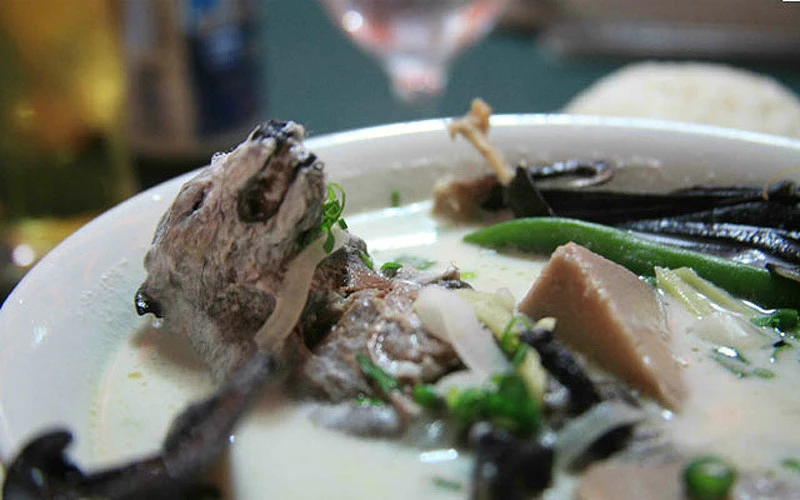
The fruit-eating variety is simmered in coconut milk with ginger and spices for several hours. In some places, diners can even choose their bat before it goes into the pot. Daring foodies who have tried it claim the taste is surprisingly good—provided you can look past the furry head staring back at you from the bowl.
9. Tiger Penis Soup (China)
While soups made from animal genitalia exist in various cultures, tiger penis soup is by far the rarest and most expensive. Harvesting the ingredient requires poaching a tiger—a crime punishable by death in China. 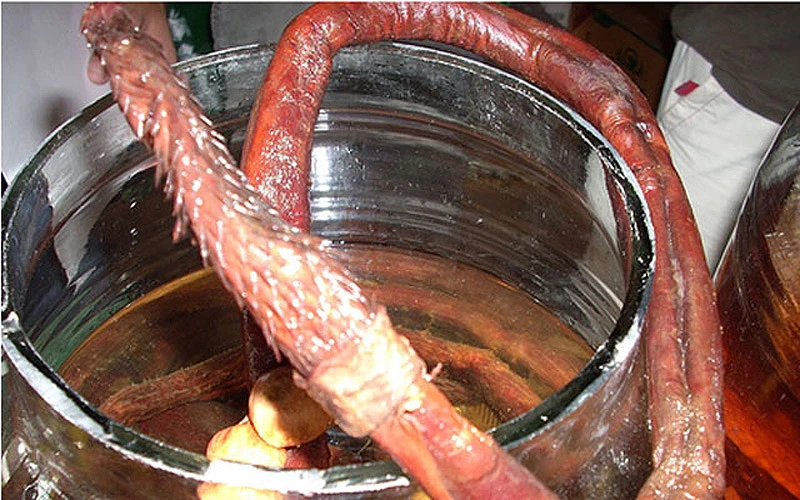
For centuries, the dish was regarded as a prized delicacy in Asian medicine and gastronomy due to the belief that tiger penis acts as a potent natural aphrodisiac.
The dried organ is soaked in water for a week, then slow-cooked for 24 hours with herbs and spices, sometimes alongside tiger bone. A single bowl can cost up to $400. Though tigers are strictly protected, black market demand persists—though most soups sold under this name are actually made from deer or bull tendons.
10. Raw Blood Soup (Vietnam)
Finally, we have a dish that barely fits the definition of a soup. Known as
Tiết canh
, this traditional Vietnamese dish is made from raw animal blood (usually duck or goose), cooked giblets, peanuts, and fresh herbs. 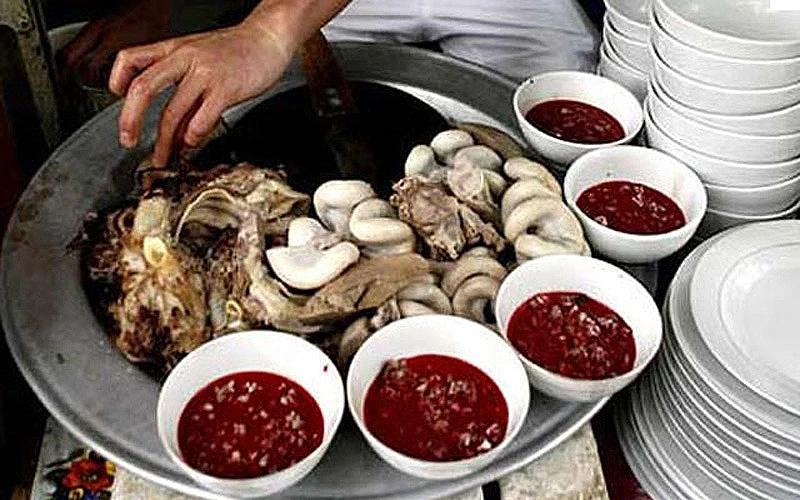
The blood is allowed to set into a jelly-like state and is served chilled before it loses its consistency. Traditionally believed to grant strength to both the cook and the diner, its popularity waned during avian flu outbreaks, though it can still be found in parts of Southeast Asia.
11. Bonus: Soup No. 5 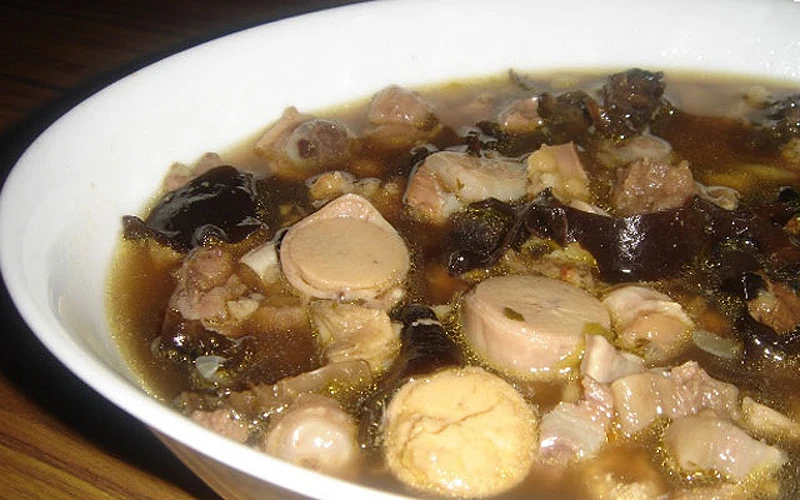
Soup No. 5 rounds out our list of the world's most unusual soups. Popular in parts of Southeast Asia, particularly the Philippines, it features bull testicles and penis cooked in a broth with onions and vegetables. Like several other soups on this list, it is widely prized for its reputed aphrodisiac qualities.
Add your comment
You might be interested in:













When Architects Are Out for Blood (19 Photos)

The head of Bugatti explained why he sees no point in

How the Daft Punk video - Around the World was filmed

The Rolling Stones vs. Everyone: A New Album as a Response

A gamer set a world record by playing a famous online game

An actor from "Stranger Things" directed a music

RHCP drummer on his first encounter with Rammstein

27 unusual photos from Google Street View (27 photos)

Trailer for the film "Joker 2: Madness for Two"

Spanish is easy, right?

Gray in the beard, a devil in the ribs (acting wild in

Techno music played on classical instruments

A sea breeze at sunset

A Chevrolet lost its rear axle while the driver was

In China, a unique method for clearing fallen leaves has

A cat falls in love with its owner’s new cactus

In Ecuador, a boy rides a llama to school every day

In the U.S., a drone delivered food to a monkey
