The tragic story of the Donner Group: mountains, cold, and cannibalism (8 photos)
By the mid-19th century, the eastern United States was densely populated. Land there was expensive, and work was low-paying. So, more and more people sought their fortunes in the western part of the continent. Vast tracts of land lay there, the climate was favorable, and gold was mined. California became a veritable promised land for those who hadn't found their place on the Atlantic coast. But the journey there was challenging. Crossing the continent took months, and the settlers' route included deserts, mountains, deep rivers, and unfriendly Native Americans. Therefore, to reduce the risk, travelers hired experienced guides for a fee. 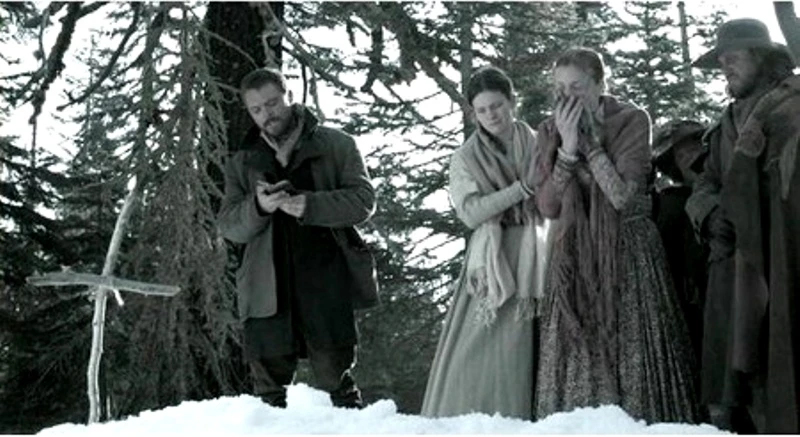
Short Route
One of those profiting from the settlers was lawyer Landsfort Hastings. He had visited California many times and was considered an experienced guide. He also knew a route that was 600 km shorter than those offered by others. Hastings's authority was significant, so three families decided to seek his services: the Donners, the Murphys, and the Reeds. 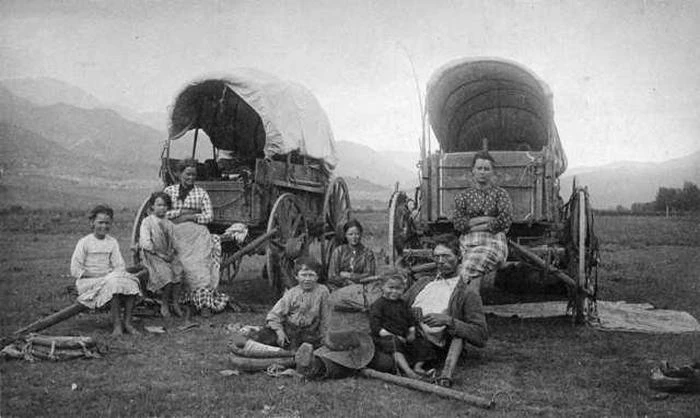
Settlers near their tents. 19th-century photo
Hastings, a gifted eloquence, managed to convince his clients that the journey would be a pleasant stroll. He also said that the mountains marked on the maps were merely hills, traversable without the slightest difficulty. In May 1946, the expedition set out, hoping to reach sunny California before the first frost.
The party was quite large. It included over 90 people, of whom no more than 30 were healthy, strong men. The rest of the travelers were women, children, and the elderly, some of whom had difficulty walking themselves. The group's leader was George Donner, a courageous and determined man. He trusted the guide completely, and, as it turned out, in vain. It later emerged that Hastings had never traveled the new route before and had no idea what difficulties awaited the travelers along the way. 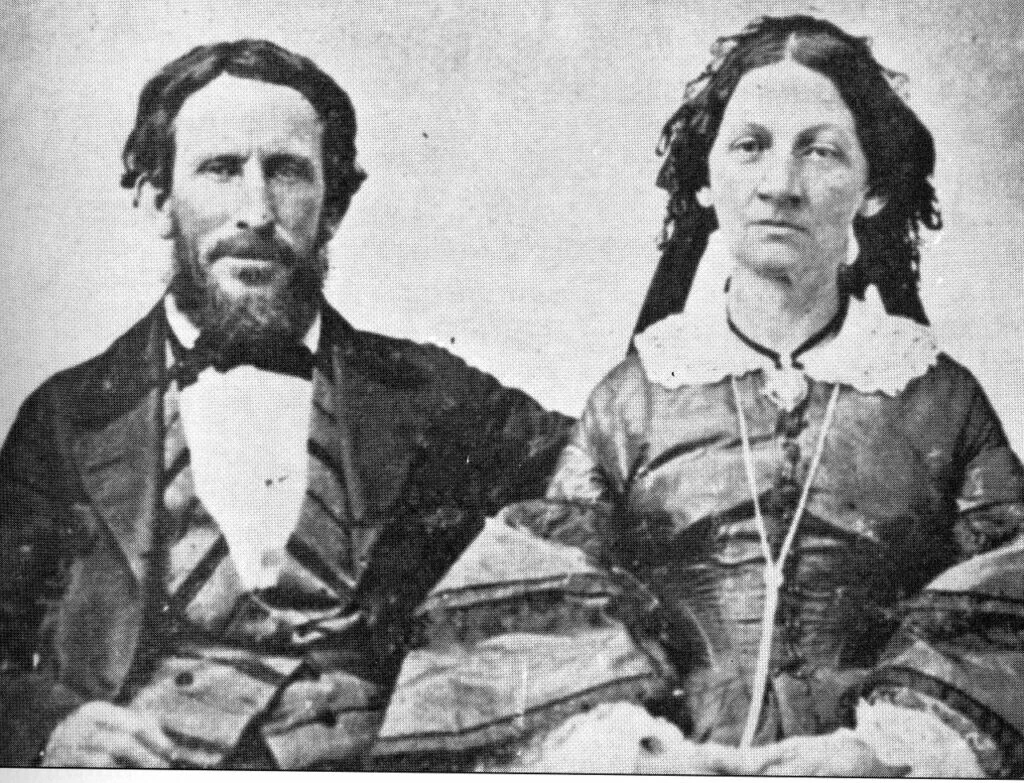
James and Margret Reed
A journalist knew that the guide was a fraud. He had already made an unsuccessful attempt to reach California by a shortcut. He left a letter addressed to Donner at the store where he bought groceries. But by an unfortunate accident, it never reached its intended recipient. Interestingly, Hastings himself promised to join the group later, but never did. The travelers had only the map he had drawn.
The Hardships of the Road
The first few weeks of the journey passed without incident. But then problems began to arise one after another. First, the wagons began to break down, unable to withstand the many days of travel on rocky roads. The settlers were forced to stop for long periods to repair their wheels. The men endured the hardships of the road without complaint, but the women, children, and the elderly found it very difficult. 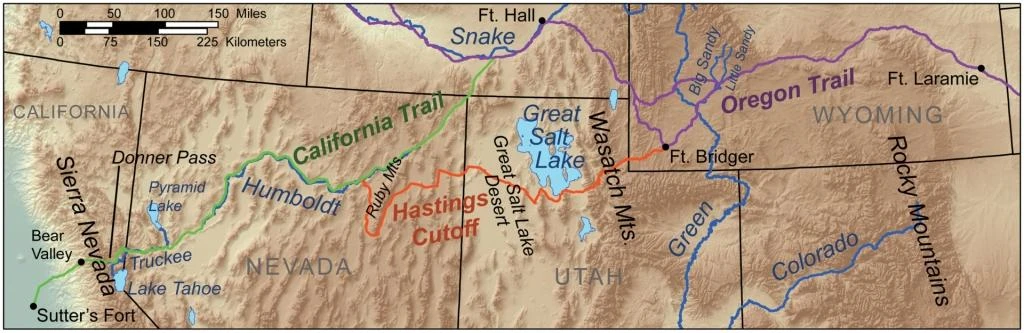
The Donner Party Route
The shortcut unexpectedly turned out to be longer than the traditional route. The Donner Party's route was filled with impenetrable forests and swampy marshes. They had to navigate around them, wasting time and energy. After one of the crossings, the travelers lost half their livestock. They were stolen by Indians who constantly circled the caravan. After this, the first quarrels began among the travelers. Members of the Reed family accused the Donners of stealing and appropriating their livestock and some of their provisions. The atmosphere gradually escalated.
Soon, the first conflict with the victim occurred. During an argument, James Reed stabbed one of his companions, John Snyder. By common consent, the killer was expelled from the group, leaving them without provisions or weapons in the wilderness. As it later turned out, this saved Reed's life. His daughter secretly left him with everything he needed to survive, and he, unlike most of his companions, did not die. 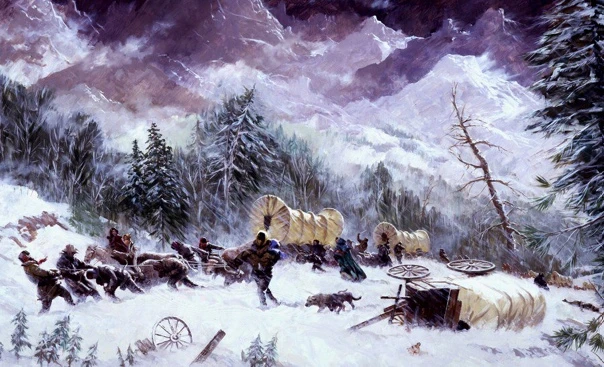
After this incident, conflicts arose between the Donners and the Murphys. The heads of the families lost trust in each other, and the once-close-knit team split into two warring camps. With each passing day, the journey became increasingly difficult for the travelers. The oxen pulling the wagons grew weaker, and provisions ran out. Soon, the weakest settlers began to fall ill and die.
Hunger and Frost
Thus the story of the Donner Party approached its tragic climax. The Wasatch Mountains, which Hastings called "hills," stood in the way of the travelers. The only way to escape was to cross the barrier before the first snowfall. But on November 4, 1846, the temperature suddenly dropped and a severe snowstorm began. Further movement was impossible, and the settlers set up camp. 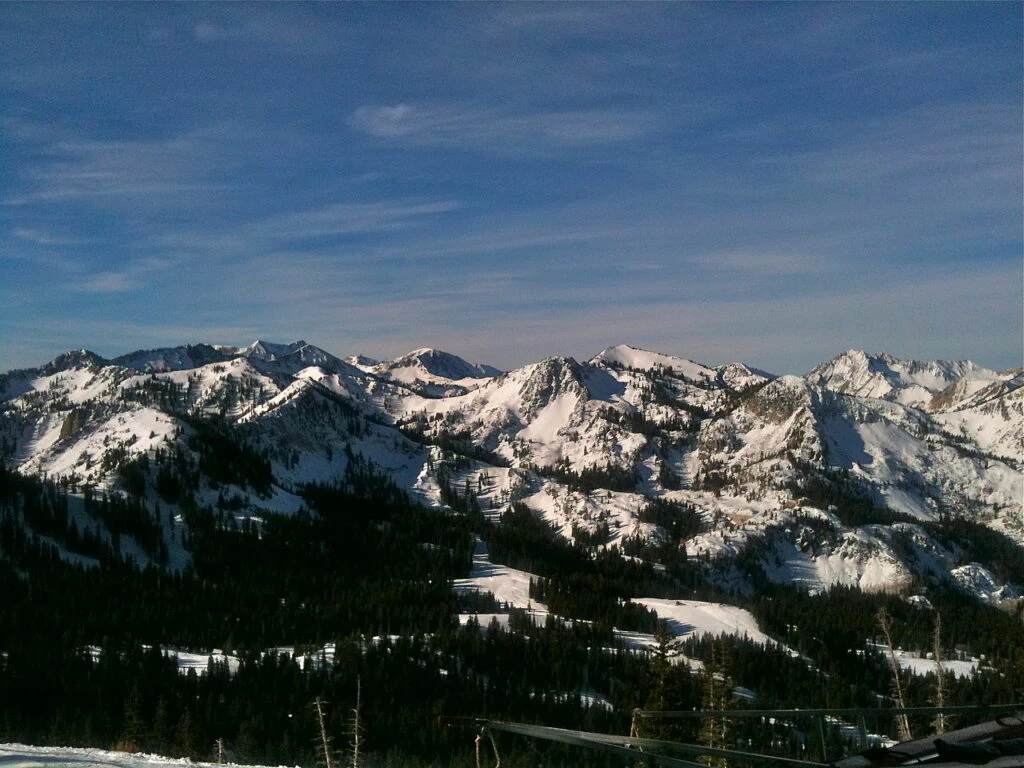
Wasatch Mountains in Utah
By this point, food had run out, and warm clothing was in short supply. People began to die one by one. To feed themselves, they slaughtered the remaining oxen. But their meat didn't last long, and soon they began hunting mice and other small rodents. They even ate the ox hides used to make shelters from the elements.
Soon, the survivors made a difficult decision: to eat the bodies of those who had succumbed to the hardships and died. People raised on Christian values greeted this idea with horror. But there was no other choice. The first to be eaten was Patrick Dolan, who went mad and then died. Later, two more corpses were consumed. The survivors claimed they ate only those who had died. But rescuers later found the bodies of a woman and a child near the camp. They had been stripped to the bones and clearly had not died of natural causes.
Rescue
The missing people were only discovered in January 1847. On February 4, a rescue expedition set out from California to search for the Donner Party. On February 18, soldiers and hunters found the camp in distress. Murphy's wife was the first to greet them. She asked the new arrivals, "Are you from California or from heaven?" 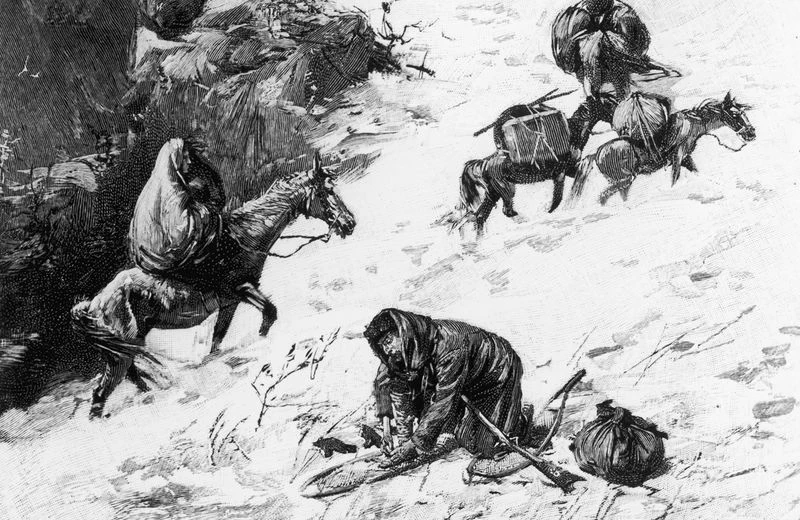
Even the seasoned soldiers were astonished by the camp's appearance. Corpses lay everywhere, lightly covered with earth and snow. Emaciated people wandered among them, some of whom had lost their minds. George Donner was dying. He had suffered an accidental injury that led to infection and gangrene. Rescuers managed to rescue 23 people from the camp. This group included the weakest and sickest.
On March 1, 1847, the rescuers returned and picked up the surviving children. Unfortunately, not all of them survived the arduous journey to California—some died en route. When the third group of soldiers arrived at the camp, cannibalism was rampant again. This time, another group of people were rescued. Sadly, this was the last raid. Weather prevented the soldiers and volunteers from reaching the camp for the fourth time, and those remaining in the mountains perished. 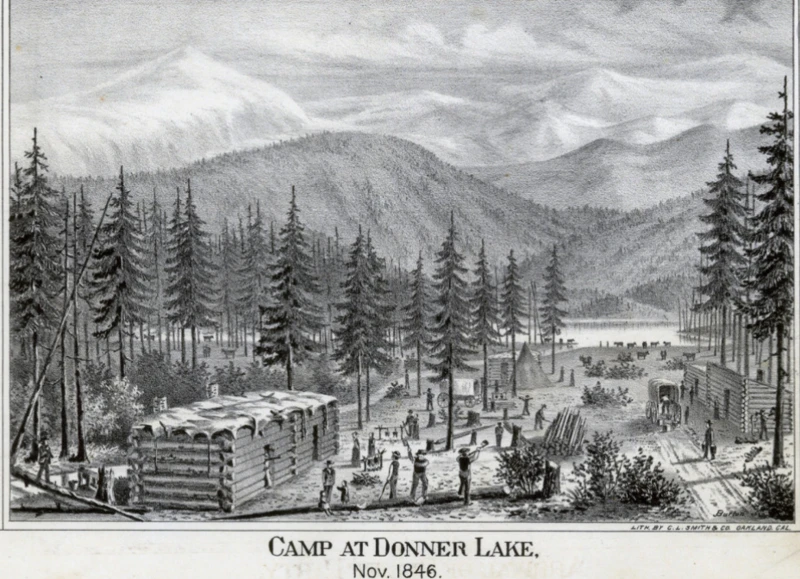
Wasatch Mountains in Utah
Among those who never saw the desired California were George Donner and his wife, and Mrs. Murphy. Of the 90 people who set out in the spring, only 48 survived. Author Alma Katsu wrote a book about this horrific journey, "Hunger," adding a mystical twist to the plot. In 2009, a film of the same name was made based on it.