Milk beer, schnapps with gold flakes, pizza-flavored beer, Inca-era spirits with strengths ranging from 3% to 50%—we'll tell you about the strangest and most unusual alcoholic drinks in existence. 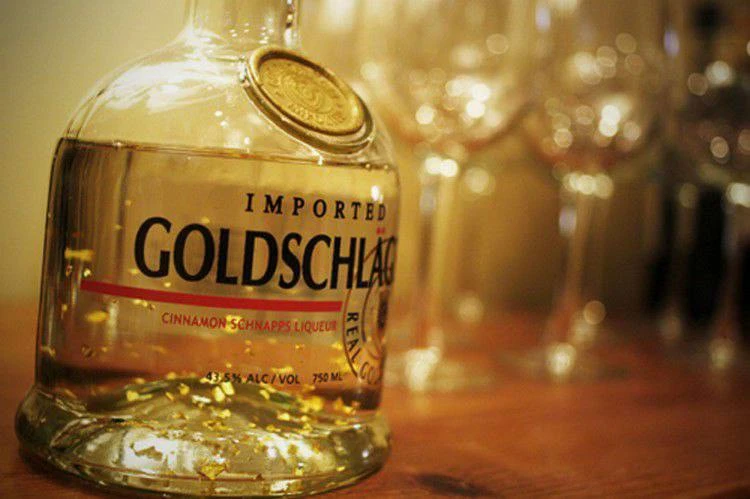
1. Tongba
Tongba isn't just a drink; it's a unique landmark of Nepal and India. It's made from grain that's boiled and then left to ferment. The resulting porridge is seasoned with herbs and left in a secluded place for several months to dry thoroughly. The resulting mixture of millet and herbs forms the basis for tongba. 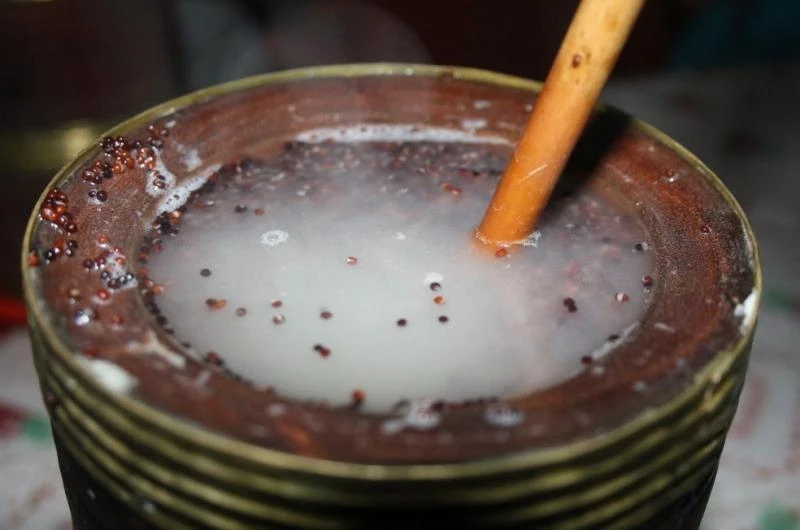
It's consumed as follows: take a special polished wooden mug, pour the mixture into it, pour boiling water over it, and slowly sip the hot drink through a straw. As the mug empties, more boiling water can be added—tongba is said to last six steepings. 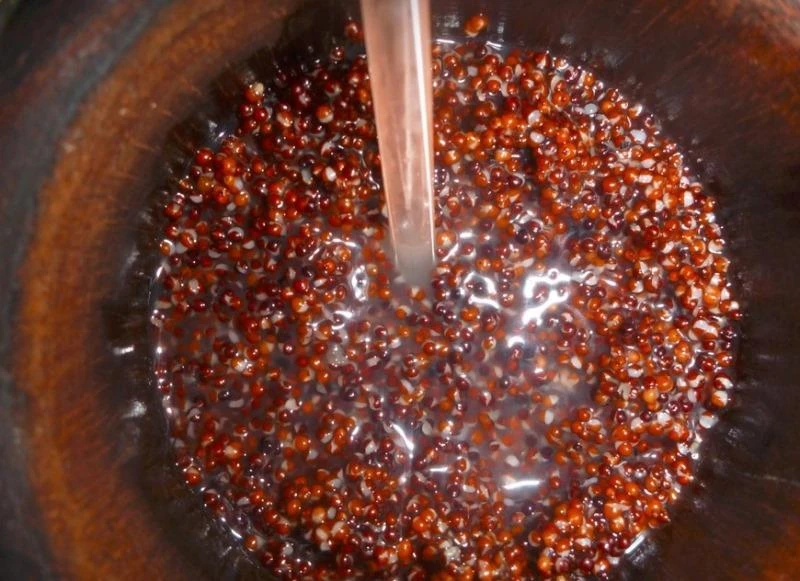
The drink's flavor and strength (6-8% alcohol) are reminiscent of ale, but tongba has a distinct, sour, bread-like flavor. The drink is brewed in villages located high in the mountains, and tongba tastes slightly different in each location. Therefore, some travelers organize tours through all the villages of Nepal to sample this drink in each one. However, caution is advised: despite the drink's relatively low strength, it can quickly become intoxicating at high altitudes.
2. Milk Beer "Bilk"
The Japanese have long been famous for their obsessive desire to combine the incompatible. It's therefore not surprising that a drink consisting of a mixture of beer and milk is popular in this country. "Bilk" emerged as a result of overproduction of milk on Hokkaido farms in 2006. 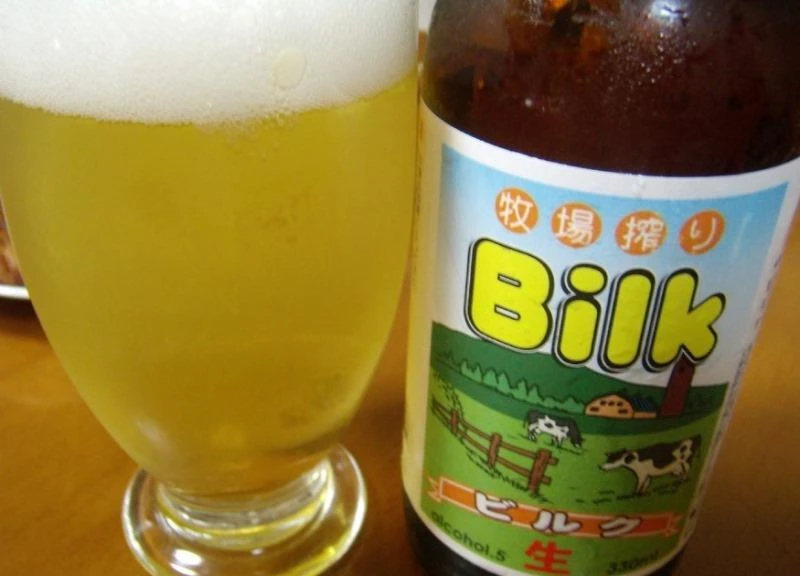
The son of the manager of one of the liquor stores on the island took the opportunity and negotiated with the renowned Abashiri Beer brewery to produce a drink consisting of beer and milk. To everyone's surprise, many people found the milk beer to their liking, describing it as "light and pleasant."
The "Bilk" brand became famous thanks to another factor: the Japanese, without thinking twice, simply combined the words "milk" and "beer" to name the new drink. However, the resulting word "bilk" is an English verb meaning "to deceive."
3. Goldenrot Schnapps
Goldenrot is a famous Swiss cinnamon schnapps with 53.5% ABV, its highlight being the presence of gold flakes in the bottle. Each liter of the drink contains 15 milligrams of real gold, broken into small pieces. To enjoy the schnapps, first strain it through a sieve. However, true connoisseurs drink unstrained Goldenrot, which, however, leads to significant suffering: gold flakes ingested can seriously damage the stomach, intestines, and esophagus. 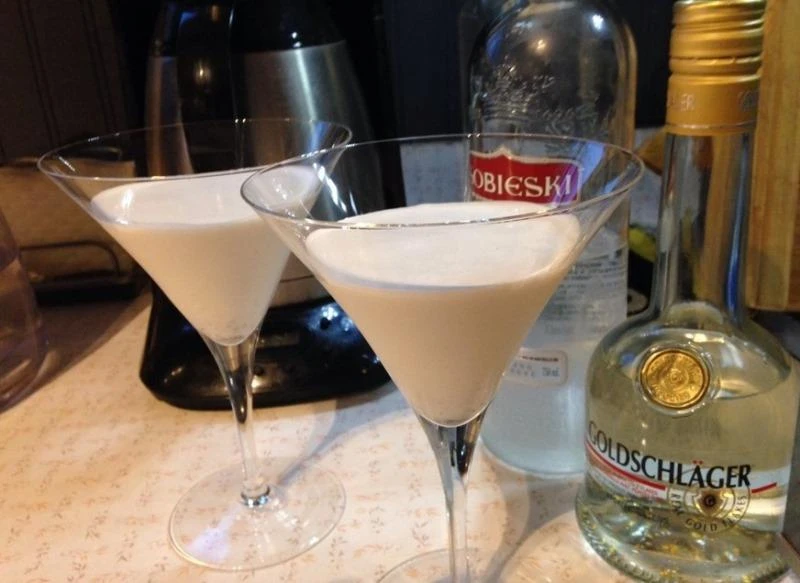
Often, the metal remains in the body for a long time, causing side effects such as vomiting and a severe burning sensation in the stomach. As the flakes travel further, they can severely damage the intestines or simply become lodged there—there have been cases where they had to be removed surgically.
4. Mamma Mia Pizza Beer
Tom and Athena Seefurth are a brewing couple from Illinois who aren't afraid to experiment. They produce a beer with a standard 4.6% ABV and... the taste of a Margherita pizza. To make it, the brewers first prepare the pizza, then grind it into a paste, place it in a linen bag, and then place it in a vat of boiling water, steeping it like a tea bag. The resulting infusion is then used to brew the ale according to the traditional recipe. The resulting drink has a vibrant pizza aroma and a finish of garlic, basil, and oregano. 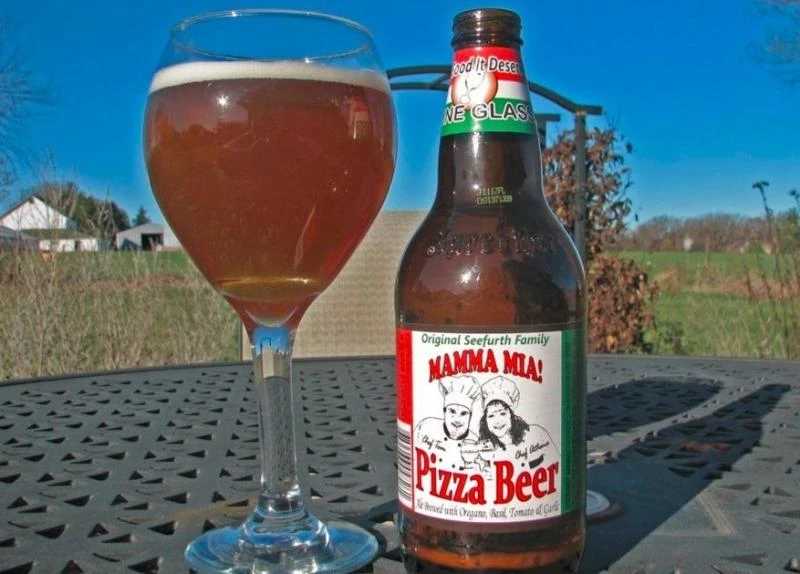
5. Gilpin Family Whisky
Designer and researcher James Gilpin invented the recipe for the collectible Gilpin Family whiskey, which is produced only to order. Those who have tried it consider it to have a stunning flavor—tart yet smooth. However, few people know what exactly is in this alcoholic drink: the main ingredient is the urine of elderly people with type 2 diabetes. 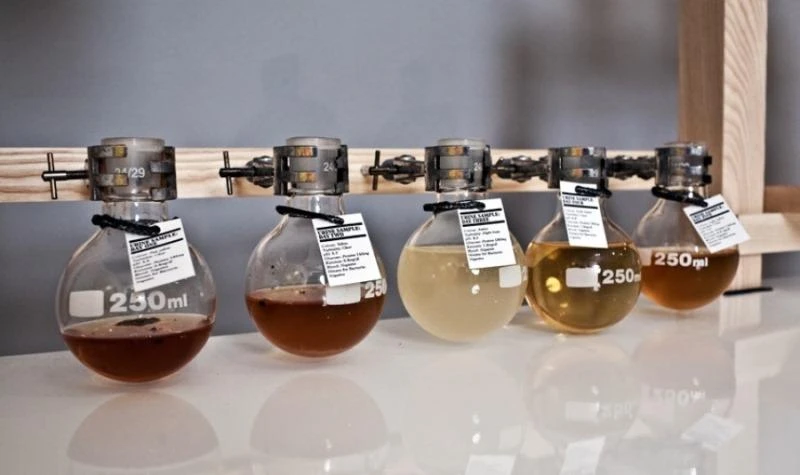
James Gilpin's grandmother, who suffered from this disease, is one of the main suppliers of this raw material. The urine undergoes the simplest processing—it's filtered through a water filter and then added to the drink. Surprisingly, Gilpin Family Whisky is popular among whiskey connoisseurs.
6. Chicha
In Latin America, you can try a drink called chicha, which can be as low as 3% ABV or as high as 50%. Chicha is such an ancient drink that the Incas drank it. Traditionally, it is prepared as follows: women thoroughly chew maize grains (cassava, amaranth, rice, pineapple, or quinoa can also be used as a base for chicha), then spit out the resulting mass, add water, and let it ferment to the desired strength. Chewing is necessary so that the enzymes in the saliva break down the cornstarch, converting it into maltose. 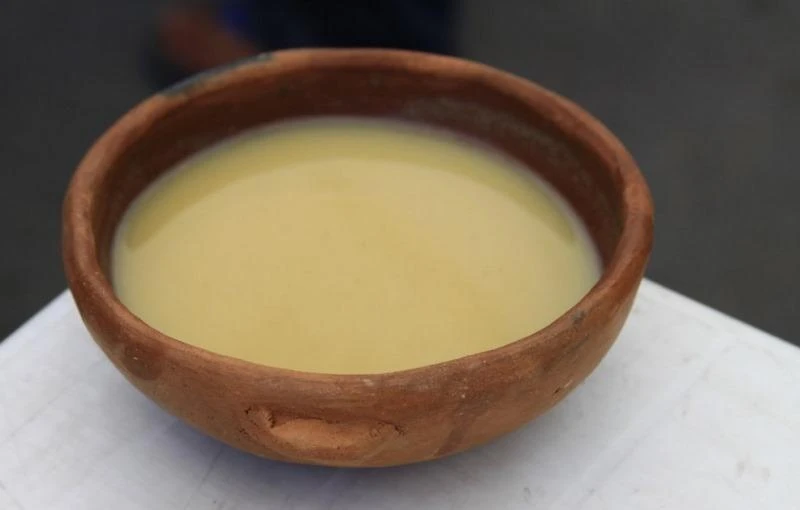
It's worth noting that in many Latin American countries, the production of this drink according to the traditional recipe is prohibited. This is justified, as saliva transmits many serious diseases. However, authentic chicha can still be found in villages in Ecuador, Bolivia, Costa Rica, and Colombia, where locals will gladly offer this ancient drink to travelers.
Add your comment
You might be interested in:











Persistence in achieving a goal

A biker prevented a hit-and-run driver from escaping

Not everyone is having fun on the amusement ride

The cutest lunch delivery ever

A book titled "A Guide to Rebuilding

Young women, Dancing and George Michael: nothing superfluous

An apology delivered with a running start
A steam locomotive for "big boys"

Bollywood never ceases to amaze
