The classic answer is: because it's easier to find food. Thanks to their size, giraffes can reach foliage that no other herbivore on the planet can. However, there's a strong counterargument to this answer. 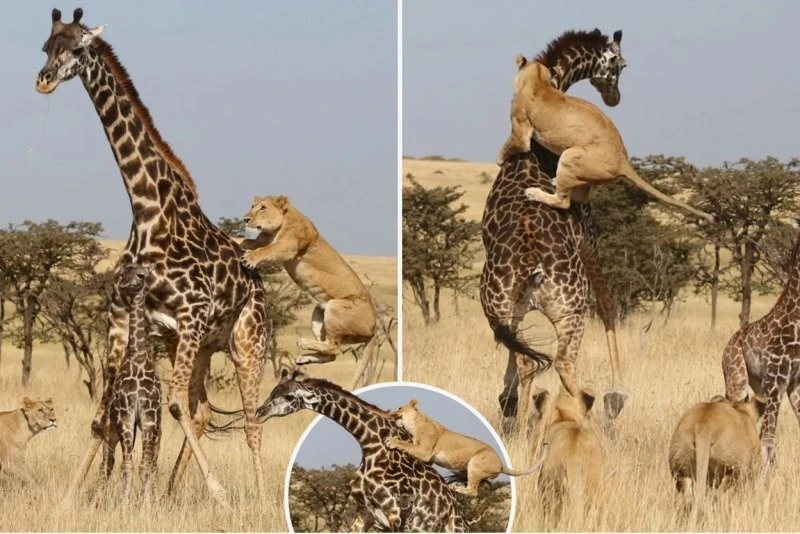
To gain a significant advantage over other herbivores, giraffes only need to be slightly taller than African elephants, which stand about 3 meters tall. But not twice as tall! Especially since their incredibly long necks make their lives full of limitations and dangers. 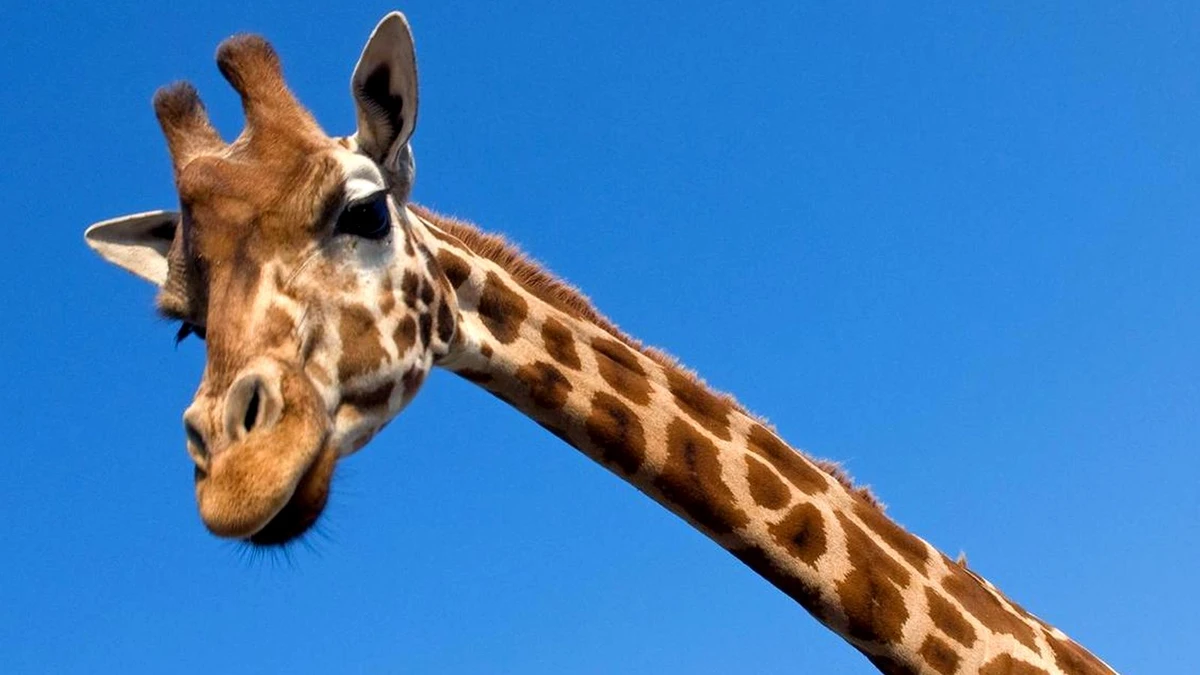
What, photographer, am I too big to fit in the frame?)))
The classic answer: because it's easier to find food. Thanks to their size, giraffes can reach foliage that no other herbivore on the planet can. However, there's a strong counterargument to this answer. To gain a significant advantage over other herbivores, giraffes only need to be slightly taller than African elephants, which stand at about 3 meters. But not twice as tall! Especially since their incredibly long necks make giraffes' lives full of limitations and dangers. 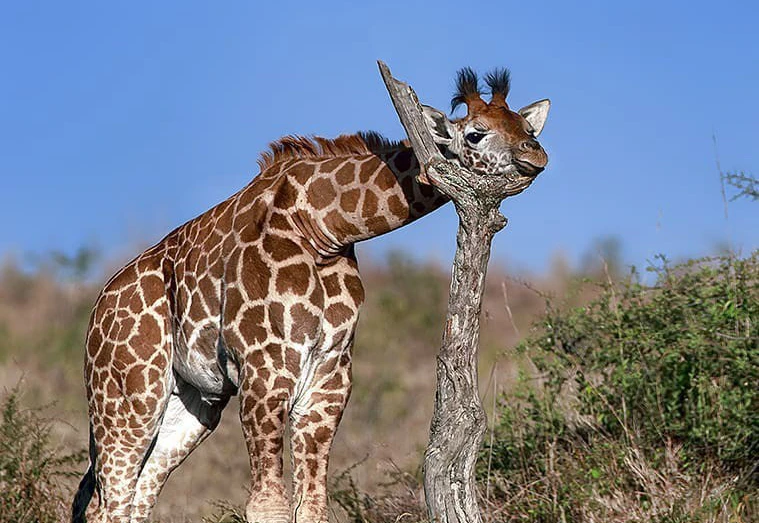
I'm kind of tired...
For example, giraffes can't swim. Just so you understand, the vast majority of mammals, even birds and bats, can swim instinctively. Currently, we know of only three vertebrate species that are incapable of swimming by default: humans, chimpanzees, and giraffes. While the first two species can learn to swim, no amount of training will help a giraffe; the front part of the body, with its massive chest and neck, weighs too much, causing the giraffe to inevitably choke. 
However, given their size and habitat, the inability to swim isn't such a problem.
Another problem is their poor relationship with lightning. Lightning usually strikes the highest point in the area, and giraffes aren't just the tallest animals on the planet—they're taller than many trees. Therefore, a giraffe caught in the open savannah during a thunderstorm often receives a life-giving jolt of electricity right to the top of its head—dozens of times more often than other large animals. 
Don't tell the lightning where I am. 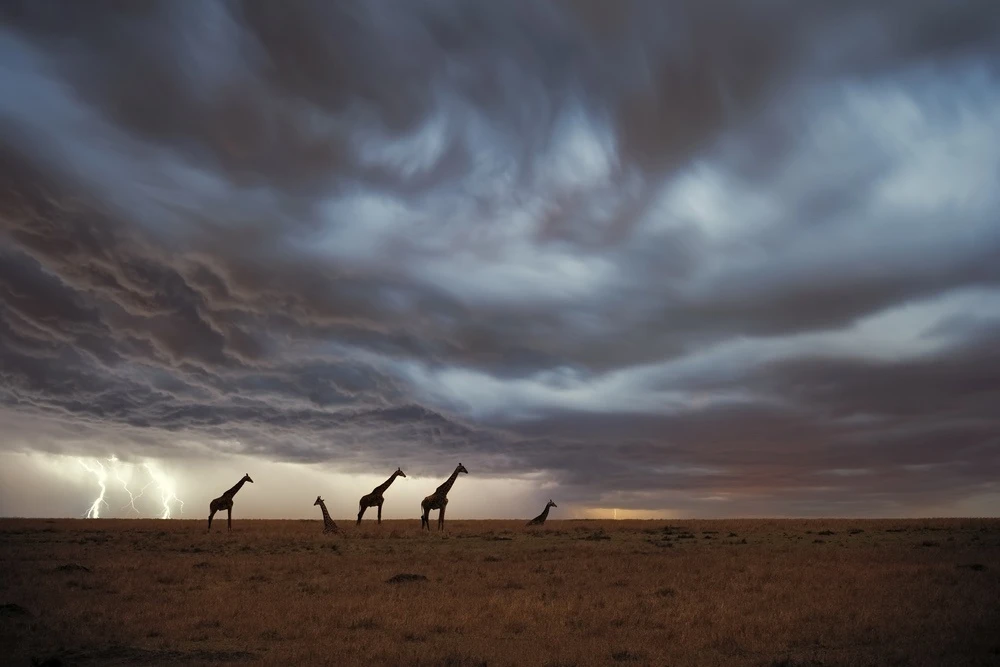
Giraffe Roulette.
And let's not forget their tense relationship with childbirth. Not only do giraffes need permission to work at heights just for the act of mating, but during birth, the newborn giraffe falls from a height of a good two meters. Weighing 50 kilograms, this can lead to fractures or, if the fall is bad, even death. And it's difficult to tuck properly, especially if you were born half a second ago. 
A life-giving boost of energy from birth.
But giraffes' biggest problem is that they can't drink properly. If a giraffe raises or lowers its head too quickly, its heart will literally burst from the monstrous rush of blood. But even a properly executed movement is only possible thanks to a complex system of valves and elastic vessels that prevent the blood from rushing backward. 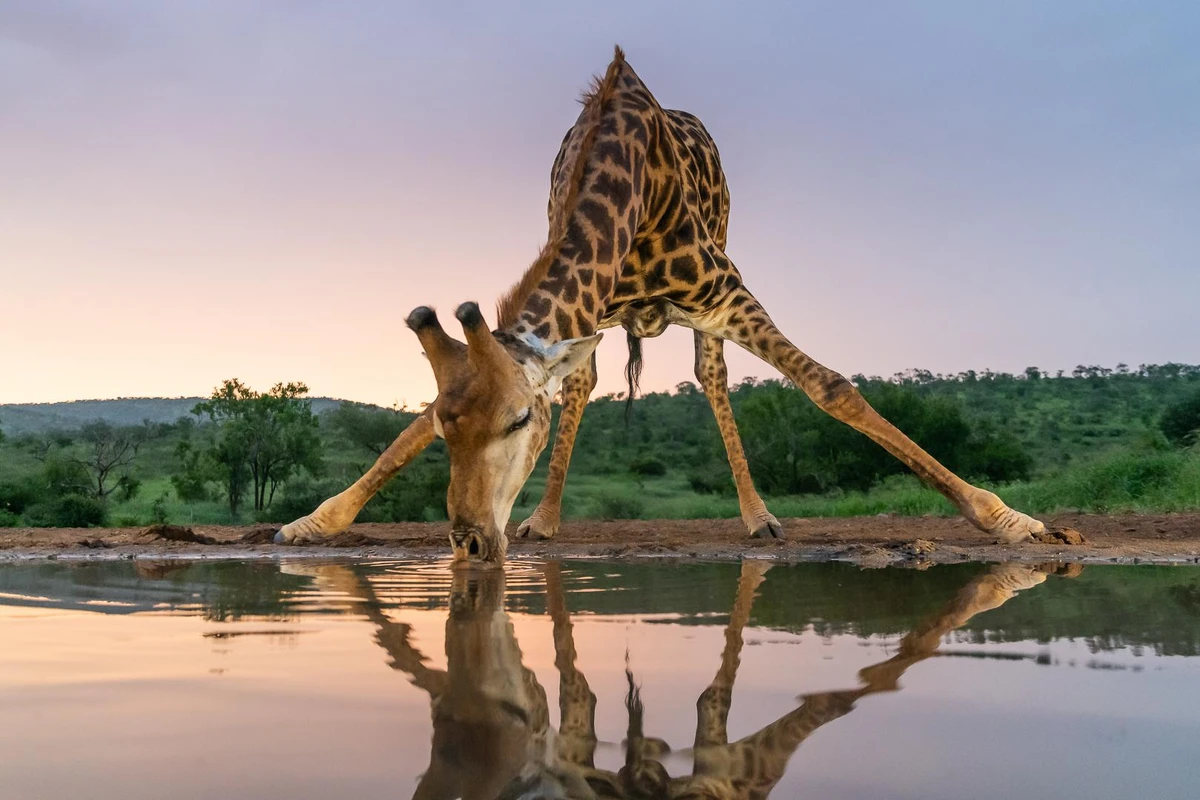
Giraffes have to assume a very specific position to drink.
Giraffes also rarely sleep. They could and would like to, but their body type takes a very long time to get ready. And in the position in which giraffes sleep, they are easy prey for predators. 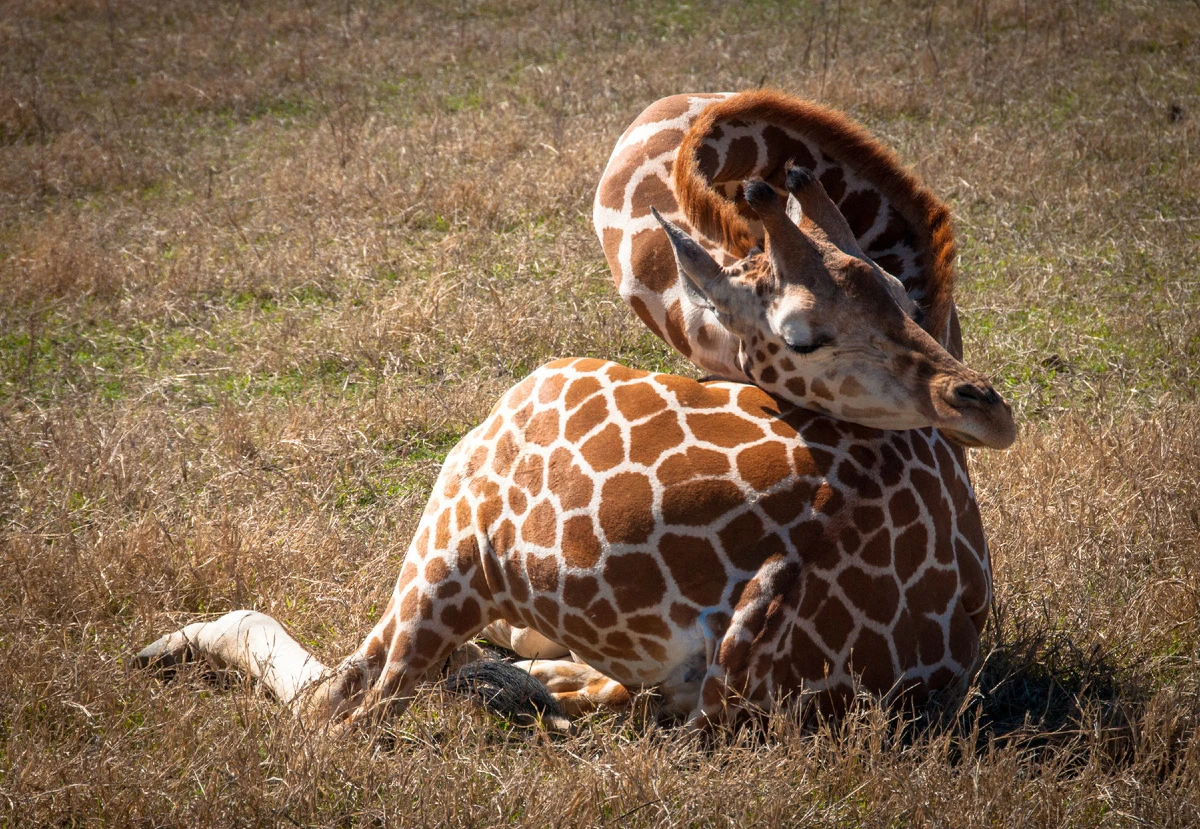
In zoos, when giraffes feel safe, they get a good night's sleep in this position. Curled up tight, they sleep for 4-5 hours. 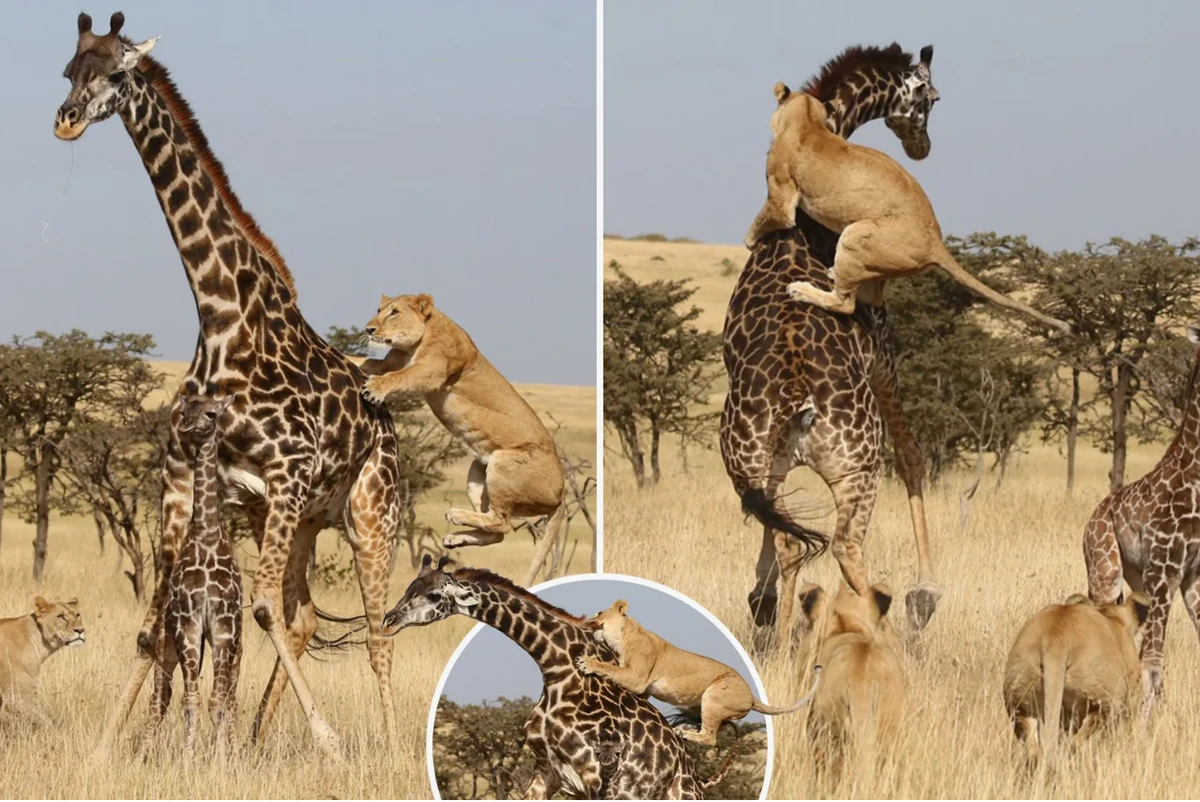
And in the wild, alas, you always have to be prepared to fend off carnivores.
It's quite clear that all these problems aren't worth simply "eating the juiciest greens" from the treetops. There's something more to it, and we have two theories as to what it is. The first possible reason for the abnormally long neck is intraspecific competition. Yes, at 3 meters tall, a giraffe outshines all other herbivores—except for another giraffe. And now its 3.10-meter-tall relative is grazing on foliage that other giraffes can't reach, thereby eating better, growing healthier, and leaving behind more numerous and larger offspring. And so, generation after generation, giraffes have evolved into railroad ties, to their own detriment. 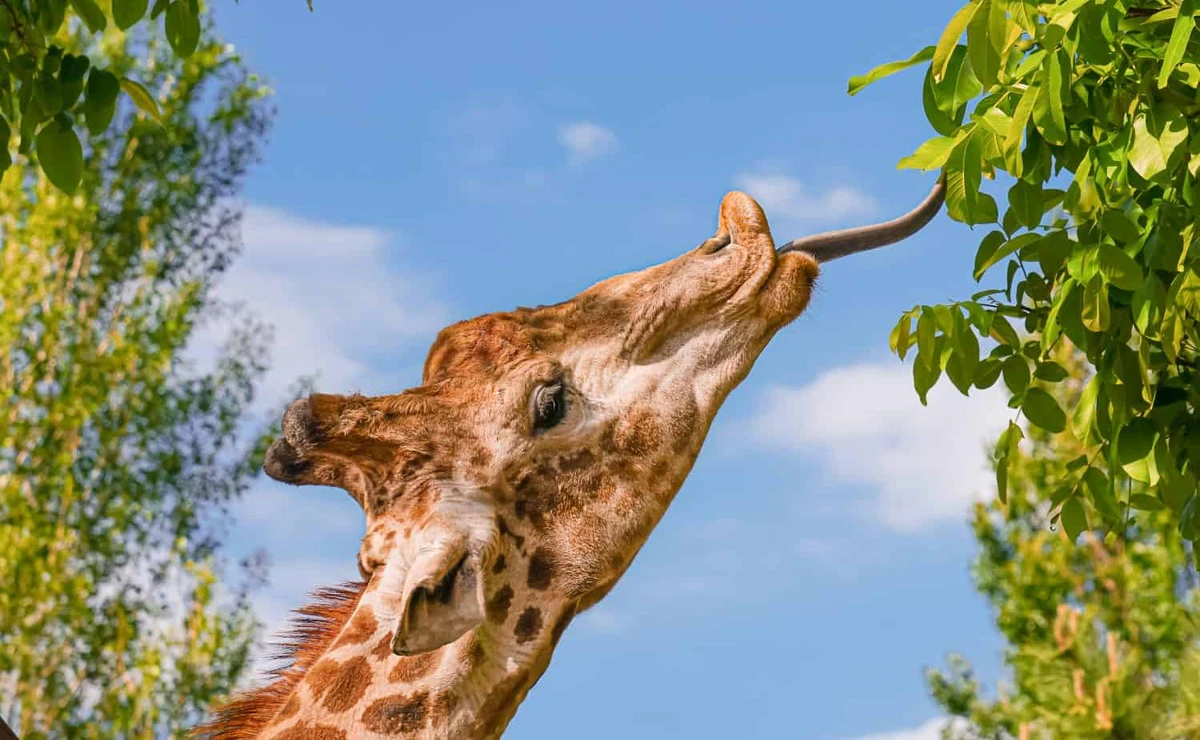
And their tongue adds another 10-15 centimeters to their height.
The second theory has to do with giraffe mating. These big spotted creatures often fight over females, and their main weapon in these fights is their head. Swing it hard enough, hit it just right, and you'll knock out your opponent. And with this fighting technique, a long neck is an advantage, because thanks to centrifugal acceleration, the head will fly faster and hit harder. Therefore, the longer-necked males invariably win these fights, leaving behind longer-necked offspring. 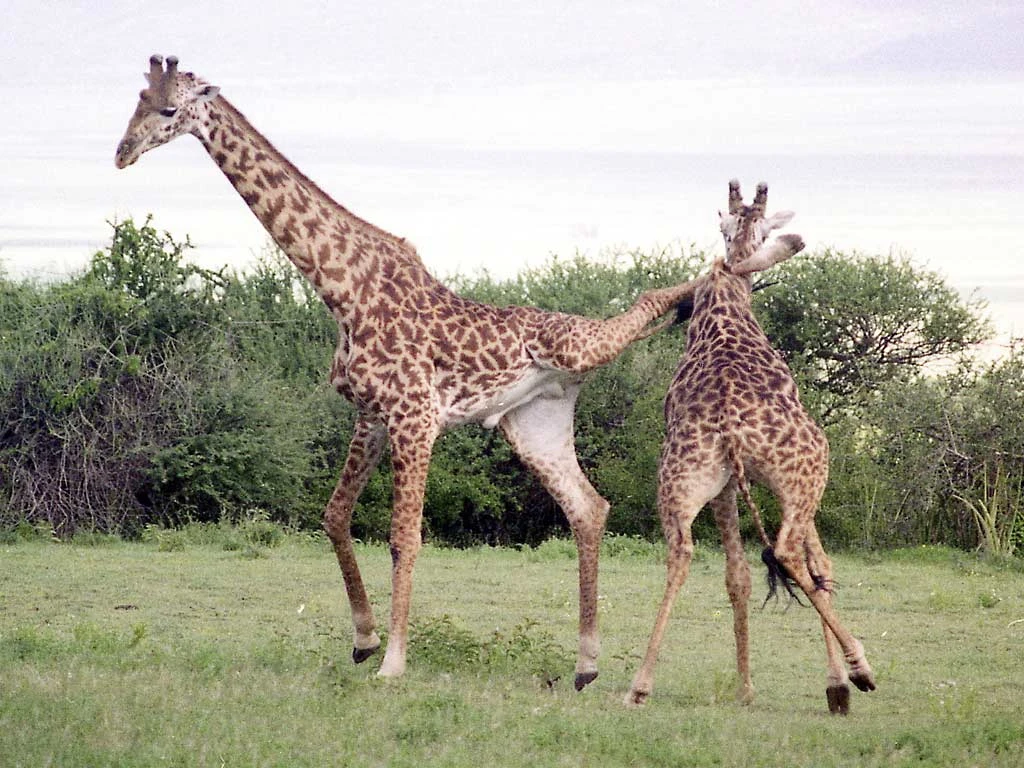
We're not all on the same page. Giraffes can still kick just fine.
Which of these theories is closer to the truth remains unknown to humanity. However, that doesn't stop us from expressing our opinions on the matter. Personally, I prefer the first theory. What about you?
Add your comment
You might be interested in:
















Persistence in achieving a goal

A biker prevented a hit-and-run driver from escaping

Not everyone is having fun on the amusement ride

Absolute perfection

17 Photos That Will Stop You in Your Tracks (18 Photos)

Young women, Dancing and George Michael: nothing superfluous

The cutest lunch delivery ever

What Would Happen to a Human on Every Planet in the Solar

Toyota Celica ST165 on a rally track
