Real People Played by Tom Hanks: How Much He Looks Like Those He Plays (12 photos)
Tom Hanks is a believable actor. Two consecutive Oscars, $9 billion in worldwide box office receipts, and four decades in film have made him a man directors call upon to play real people again and again. He was born in Concord, California, on July 9, 1956—today he turns 70. To celebrate, we explored five of his most famous "real-life" roles: which of his inspirations personally trained him, who gave him their ties, who sued him—and why almost everyone was ultimately satisfied. 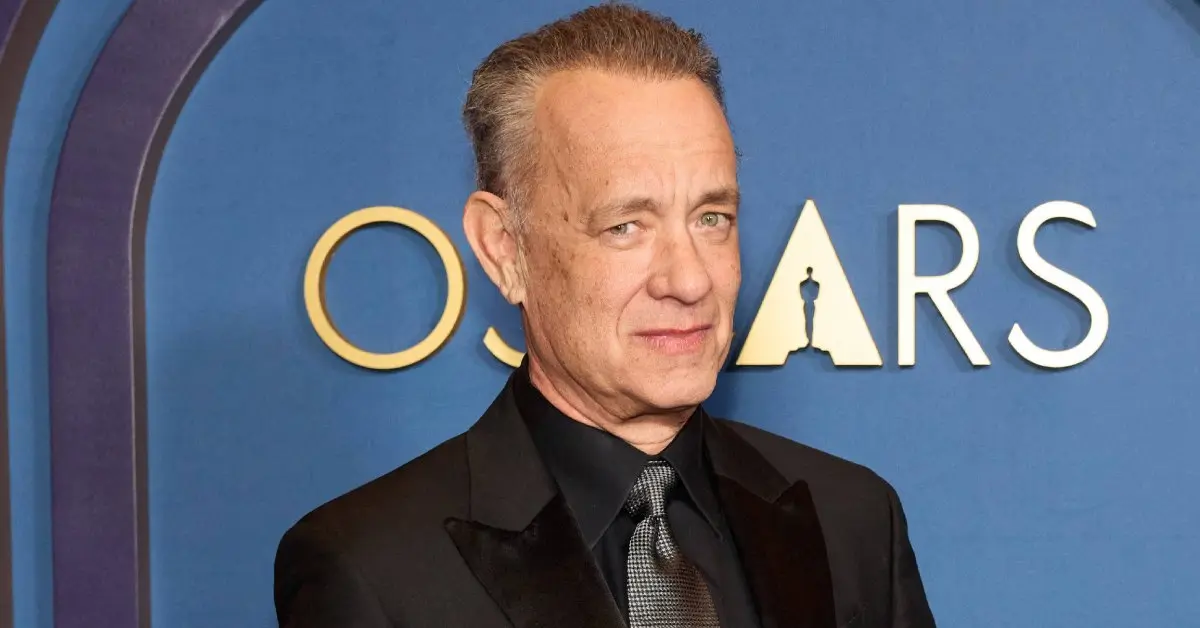
Chesley Sullenberger: The Pilot Who Asked to Redact Investigators' Names
On January 15, 2009, US Airways pilot Chesley Sullenberger landed an Airbus A320 on the Hudson River in New York City. Both engines failed after colliding with a flock of Canada geese. There were 155 people on board. All survived. The world press dubbed the incident the "Miracle on the Hudson." 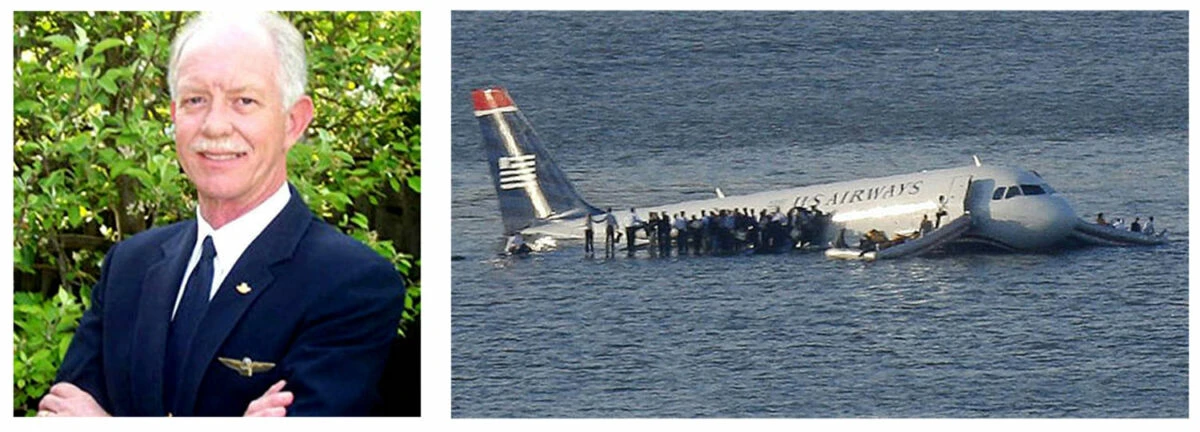
Chesley Sullenberger in 2009. He landed on the Hudson River in seconds, commanding the crew in a calm voice.
Director Clint Eastwood based Sully (2016) on Sullenberger's autobiography. Hanks played the role. Before filming began, he met with the original. According to the actor, he warned Sullenberger right away: he would say things he didn't say and end up in places he wasn't. The goal was not to recreate a biography, but to capture the man's truth. 
Tom Hanks as Chesley Sullenberger. On set, he wore a ring from the United States Air Force Academy—the same one from which the prototype graduated.
Sullenberger participated in the film as an official advisor. When the names of real-life National Transportation Safety Board investigators appeared in early drafts of the script, he requested their removal. His reasoning:
"These are people doing important work. If the script needs a prosecutor, you shouldn't label specific people."
Hanks immediately agreed.
Jim Lovell: The Astronaut Who Appeared in the Finale
In April 1970, astronaut Jim Lovell commanded the Apollo 13 lunar mission. En route to the Moon, an oxygen tank exploded. The crew spent three days returning home, suffering from severe oxygen and power shortages. They landed at the designated landing point. 
Jim Lovell. His mission was officially declared a "successful failure"—the crew returned alive, although they never made it to the Moon.
Director Ron Howard based the film on Lovell's own book, "Lost Moon." Lovell personally trained Hanks, Kevin Bacon, and Bill Paxton, working with fellow astronaut David Scott on exercises in a mock-up of the command module. The actors also flew in a KC-135 aircraft, which simulates weightlessness. 
"Apollo 13" (1995). Lovell's wife, Marilyn, noted in the DVD commentary that Hanks perfectly captured her husband's mannerisms and physicality.
Lovell himself appeared in the film's finale. When Ron Howard offered him the role of the admiral greeting the crew on the aircraft carrier USS Iwo Jima, Lovell corrected himself: "I retired as a captain. Captain I will be." In the end, the real Lovell shakes hands with Hanks, who plays his younger self.
The film allowed itself one deliberate digression: in reality, Lovell said, "Houston, we had a problem"—past tense. In the film, it's the present tense. The creators knew this in advance and deliberately retained the more familiar version.
Fred Rogers: The widow gave the actor her husband's ties
Fred Rogers hosted the children's television program Mister Rogers' Neighborhood from 1968 to 2001. In the United States, he became a symbol of humanity—a man who knew how to speak to children as equals. Rogers died in 2003 at the age of 74. 
Fred Rogers at work. His program aired for 33 years and educated several generations of Americans.
The film "A Beautiful Day in the Neighborhood" (2019) is not a biopic. Rogers plays a supporting role here: he takes over the role of the journalist, saying almost nothing. Hanks initially turned down the role when the script was first offered. Only after a personal call from director Marielle Heller did he accept. 
Hanks as Rogers. In preparation for filming, he watched hundreds of hours of archival footage of the TV host.
In preparation for the role, Hanks studied the archives of the Fred Rogers Center at St. Vincent's College. He says he spent a long time there, watching footage both on-camera and behind the scenes. Rogers' widow, Joanna, who lived with Fred for 51 years, approved of the casting and gave Hanks several of her husband's ties.
"Having a little talisman like that in your work means something," the actor said.
Joanna herself appeared in the film, in a scene in a restaurant.
"He looks charming as Fred." — Joanna Rogers, Fred Rogers' widow, on the casting of Tom Hanks for the lead role
There's a detail few people know: Tom Hanks is a distant relative of Fred Rogers on his father's side. Genealogists have discovered this. Not a close relative, of course, but still.
Richard Phillips: The Captain is Happy, the Crew Is Not
In April 2009, the container ship Maersk Alabama was attacked by Somali pirates in the Indian Ocean. Captain Richard Phillips was held hostage on a lifeboat. Five days later, he was freed by U.S. Navy SEALs. The story became the basis for Phillips's book, A Captain's Duty. 
Richard Phillips after his release from captivity in 2009. Five days in a lifeboat with armed pirates.
He was played by Hanks in the film "Captain Phillips" (2013). Hanks himself was pleased with the film. When meeting the actor, he joked:
"If you're going to play me, you'll have to gain a little weight and become a little more attractive. You've done neither." 
The final scene of "Captain Phillips" is one of the most famous of Hanks's career. It's powerful, a few minutes without dialogue, just a reaction.
But some of the crew have a different point of view. More than half of the Maersk Alabama crew filed a lawsuit, claiming the film unfairly portrayed Phillips as a hero. They claimed he ignored warnings to stay away from the coast of Somalia, where piracy had reached its peak in 2009. The lawsuit was settled out of court. Critics put it succinctly:
"Phillips has been turned into a Hanks character—a man with minor flaws, but overall, an undeniably likeable one."
Ben Bradlee: Two Actors, Two Sides of the Same Man
Ben Bradlee served as editor of the Washington Post from 1968 to 1991. In 1971, the newspaper received copies of the Pentagon Papers, a classified study on U.S. involvement in the Vietnam War. Bradlee insisted on publishing them. The Supreme Court upheld the paper by a 6-3 vote. Bradlee died in 2014 at the age of 93. 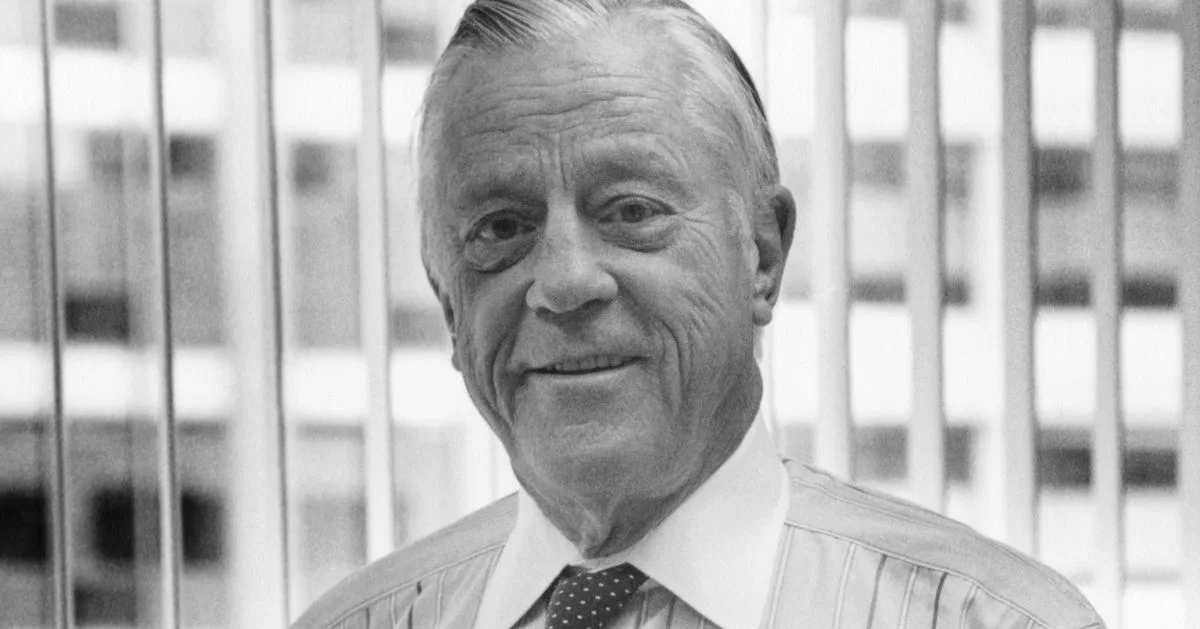
Ben Bradlee and Katharine Graham in 1971, the day the Supreme Court cleared the Washington Post to publish the Pentagon Papers.
In Steven Spielberg's The Post (2017), Hanks played Bradley, and Meryl Streep played publisher Katharine Graham. Despite their status as Hollywood heavyweights, this was their first time working together. Bradley's wife, journalist Sally Quinn, saw the film and commented, "Tom Hanks does an incredible job portraying my husband." She added, however, that Hanks conveyed Bradley's idealism about the press, while Jason Robards, in All the President's Men (1976), better captured his toughness and cynicism. 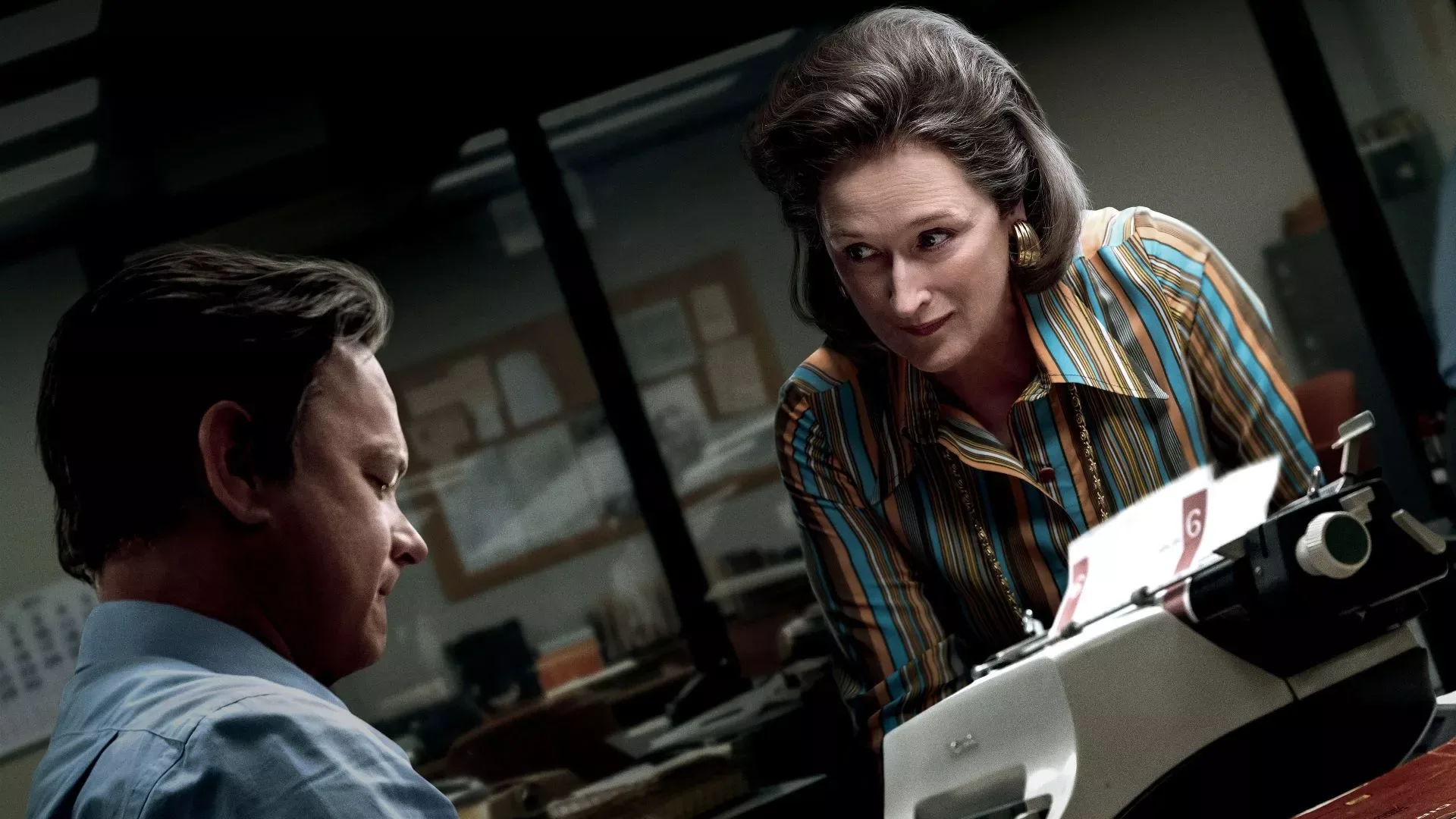
"The Post," 2017. Hanks and Streep worked together for the first time, though both had been making films for decades by then.
"Both are good," Quinn said. "They just embodied different sides of the same person." The role is a departure from the norm: Bradley isn't a classic hero. He's a schemer and a sharp-edged gambler. Hanks played him with his usual charm—which some critics considered simplistic. The real Bradley was tougher.
Why him?
What do Sullenberger, Lovell, Rogers, Phillips, and Bradley have in common? They all did the right thing when the cost of error was greatest. One was landing the plane in the water. Another pulled a crew home without engines. A third spent 33 years talking to children about feelings. A fourth sat in a boat with pirates. A fifth said "print"—even though he could have lost the newspaper. 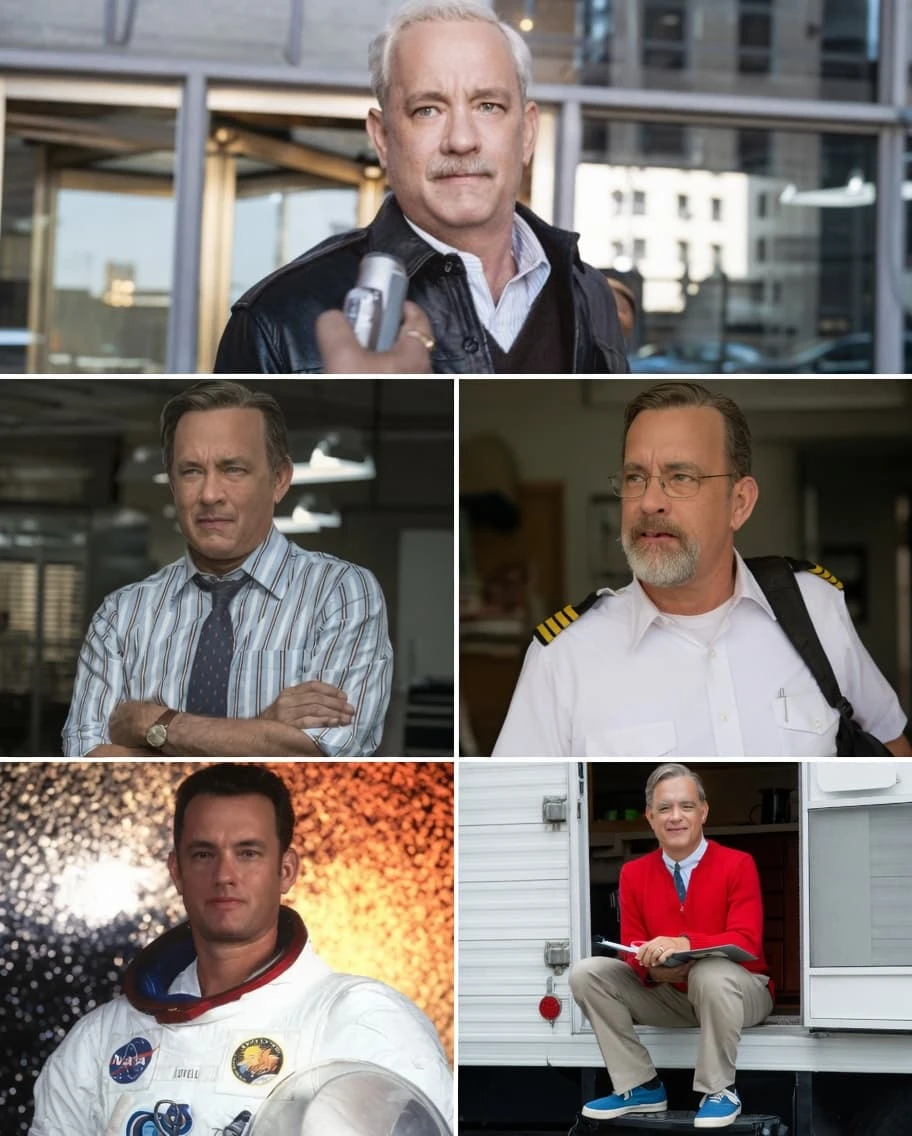
5 roles—5 real people. The physical resemblance is minimal in most cases. The main similarity lies elsewhere.
And all these people have one thing in common: they're trusted. That's why Hanks plays them. Not because he looks like them—most often, he doesn't. But because audiences have decided that if Hanks plays a person, they can trust him. That's a rare asset to an actor. And directors know how to use it.
Which of the five prototypes, in your opinion, was most accurately portrayed on screen—and why?