When buying wine, we rarely pay attention to the bottle's volume. This is not surprising, since a wine bottle is typically 0.75 liters. Most glass wine bottles in the world are of this size. Yes, there are 0.5 and 1 liter bottles, but these are the exception rather than the rule. But why did winemakers choose this option? Wouldn't it be simpler to produce wine in liter or half-liter containers? 
The 0.75 liter wine bottle standard
The wine bottle standard has been around for a long time. Although wine can be purchased in a variety of containers, in Europe, according to the December 1974 EU Council decision, the standard bottle size is 0.75 liters. Outside Europe, there are no clear restrictions, but in the US, Asia, Africa, and even as far away as Australia, this volume is preferred. 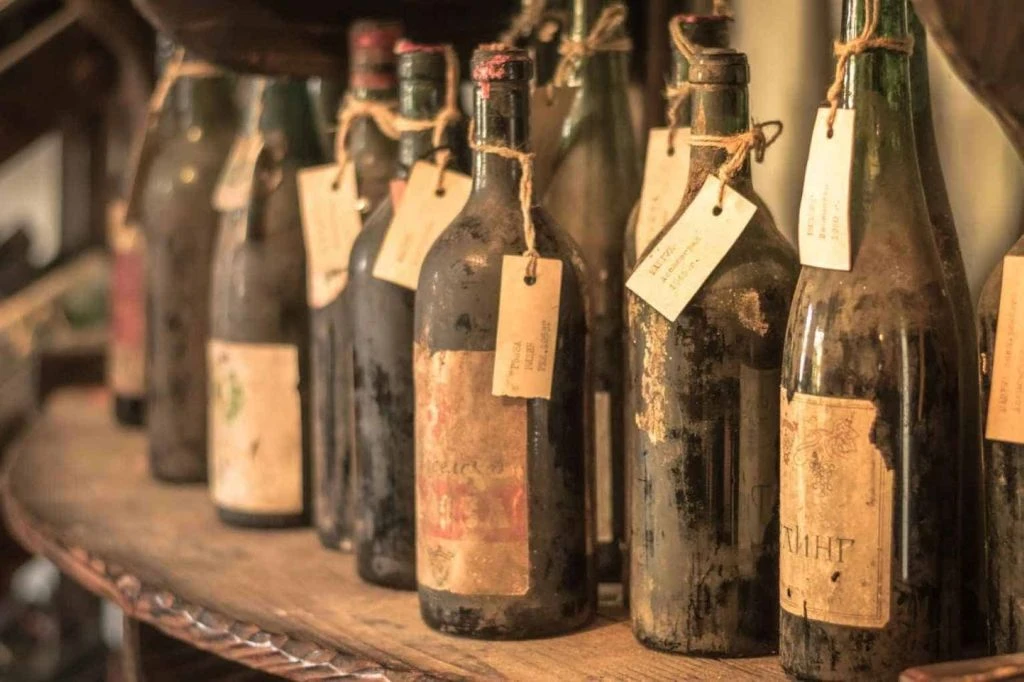
If you come across antique wine bottles 200 or 300 years old, you'll likely notice: although their shape may differ, their capacity is roughly the same as modern ones. How did this happen if there were no standards back then, and each bottle maker was free to make their own bottles? There are several theories explaining this.
The Glassblowers' Secret
The most common theory behind the origins of 0.75-liter bottles is related to their manufacturing technology. Until the first half of the 20th century, glass bottles were created by hand—blown by master glassblowers through a special tube of molten glass. 
To create a bottle, a glassblower had to use all of their lung capacity. The technology did not allow for pauses—the bottle was created in one long, even exhalation. The average winemaker's lung capacity simply didn't allow for a bottle larger than 750 ml.
Furthermore, achieving this volume precisely was virtually impossible—there was always some margin of error. Bottles were rarely perfectly smooth or identical, as they were entirely handmade. Scientists who studied medieval and modern wine containers found that their volume varied between 650 and 750 ml.
Technological Theory
The second most popular explanation concerns wine production technology. It is vigorously disputed by both historians and winemakers. Nevertheless, this theory is worth mentioning. According to it, the 0.75 liter volume is related to the average amount of wine obtained from 1 kg of ripe grapes. 
The weakness of this theory is that this type of container was used long before the advent of the metric system in 1795. Before that, winemakers simply couldn't handle kilograms and liters. Furthermore, 1 kg of grapes can yield varying amounts of wine—both larger and smaller than the bottle's volume. This depends on many factors, primarily the grape variety and the chosen technology.
Trade Version
The next theory explains the choice of bottle size by the specifics of trade and export. Long ago, England was one of the main consumers of French wines. Wines were usually exported in barrels. A Bordeaux barrel (barrique) with a capacity of 225 liters held exactly 300 bottles of 0.75 liters each. In the English system of measurement, this was equal to 50 gallons, where 1 gallon equals 4.5 liters. 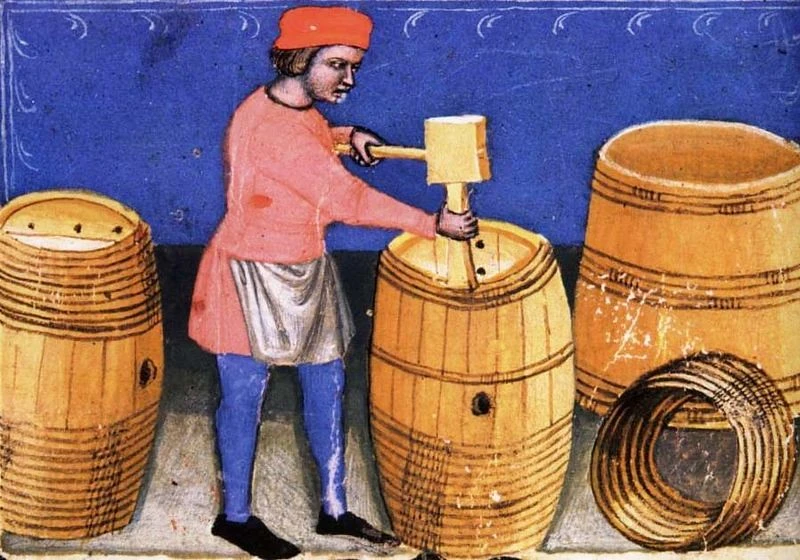
This ratio was conveniently divided into 25 boxes of 12 bottles, significantly simplifying calculations when selling wine in large quantities. At first glance, this explanation seems simple and logical. However, historians are skeptical. The fact is that 0.75-liter bottles appeared before French suppliers, together with English buyers, developed their own system of standards.
Tableware Version
The most obvious explanation for the choice of wine bottle size is related to drinking culture. Wine is traditionally drunk from glasses, and 750 ml is conveniently divided into five 150 ml servings. This has its own logic, although it was more common in the past. Today, wine is more often served in 125 ml glasses, and this arithmetic no longer applies. 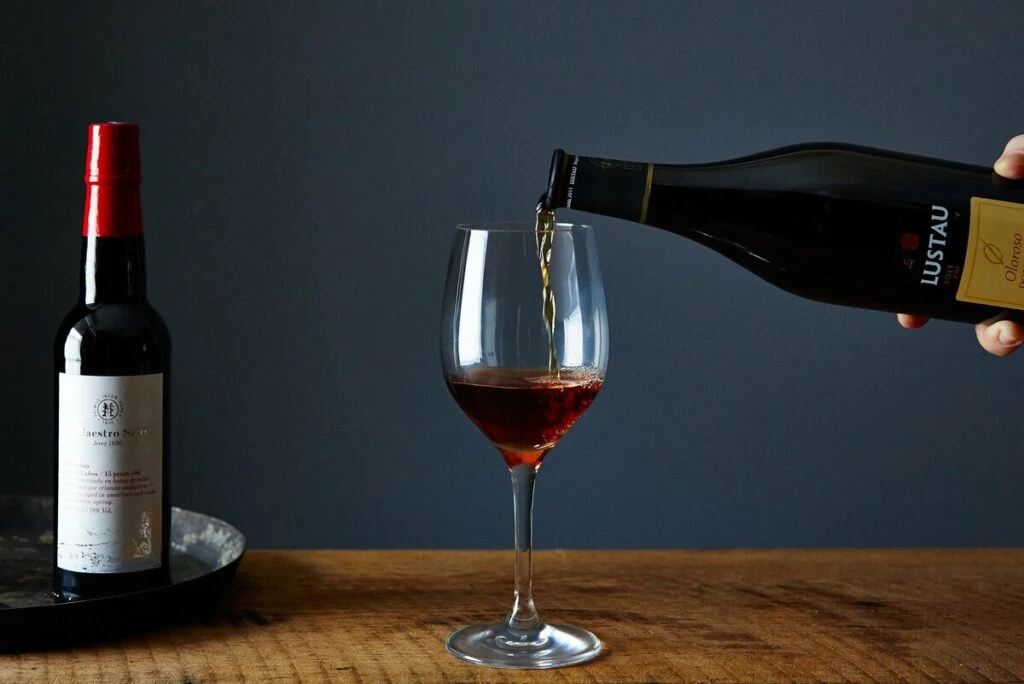
Why not use liter bottles and pour 10 100 ml glasses from them? Especially since the volume of wine in a glass can depend on the consumer's preferences. Perhaps the bottle's volume was adjusted to the needs of the service staff? Most likely, the glassblowers weren't at all concerned with the convenience of waiters measuring out portions for glasses.
Roman Version
The most controversial connection between modern bottles and the containers of Ancient Rome seems to be the one between them. In those days, a legionnaire was issued a 270 ml flask of wine per day during a campaign. Rounding this volume to 250 ml and multiplying by three yields the familiar figure of 750 ml. This amount of wine could have been enough for either one soldier for three days, or three for one. 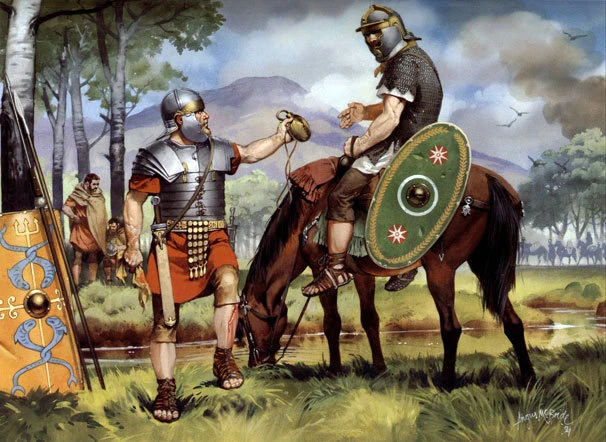
One way or another, the wine bottle standard has been chosen and approved. Despite the many theories, the true reason for the choice of the 0.75 liter bottle may remain a mystery, hidden behind centuries of cultural tradition. Which theory do you find most compelling? Or perhaps you have your own explanation for this wine standard? Share your thoughts in the comments!
Add your comment
You might be interested in:














Persistence in achieving a goal

A biker prevented a hit-and-run driver from escaping

Not everyone is having fun on the amusement ride

The cutest lunch delivery ever

A book titled "A Guide to Rebuilding

Young women, Dancing and George Michael: nothing superfluous

An apology delivered with a running start

A steam locomotive for "big boys"

Bollywood never ceases to amaze
