12 Strange Myths About Japan That Turned Out to Be True (12 photos)
What is Japan famous for? Safety, politeness, conservatism... And also sushi, sumo, and green tea. Are we forgetting anything? There are many myths and legends about Japan, but the most amazing thing is that the most outlandish ones often turn out to be true! 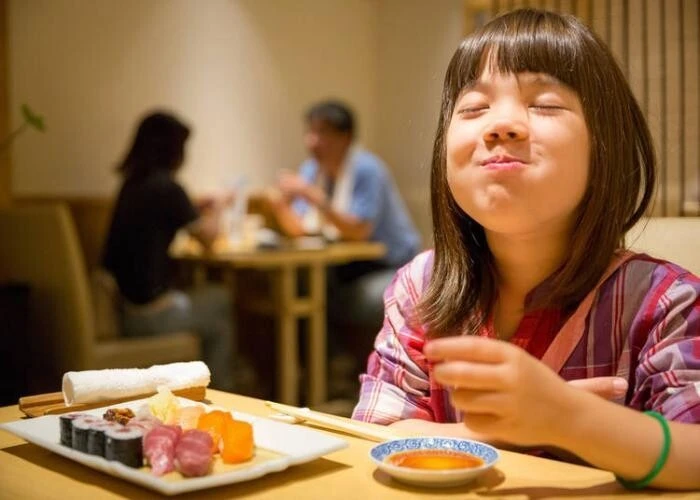
Trains are never late 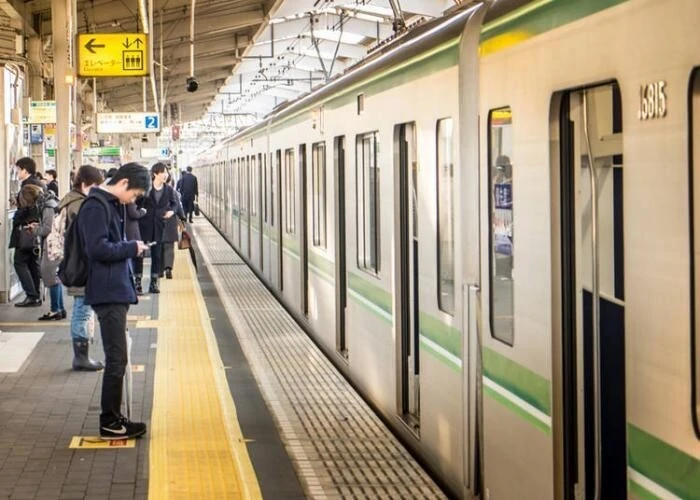
Trains, subways, and buses in Japan run on strict schedules, with times marked down to the second. They are never late. If something out of the ordinary happens (such as a power outage or a delay due to an accident), the railway sends all passengers letters of apology, which can be presented at their place of work.
The Japanese love queues 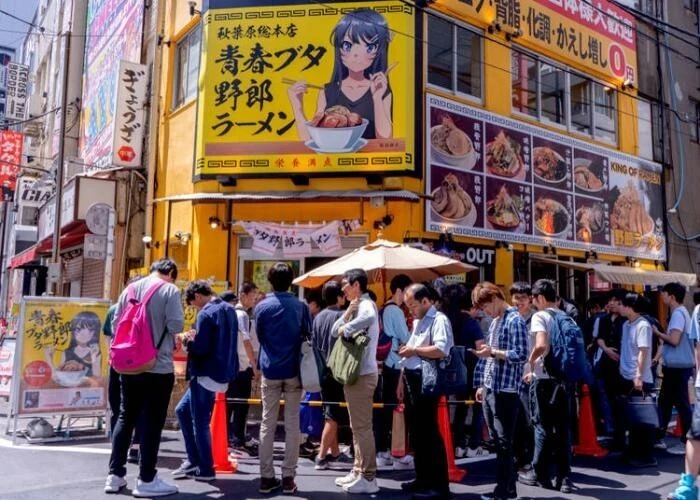
The Japanese can't help but line up: at a bus stop, at a tourist attraction, or at a popular restaurant. The longer the line at a store or café, the more people there are: it's a kind of sign of quality. Many establishments specifically hold promotions (such as limited-quantity sales) to create a queue.
Waste separation is a science in itself 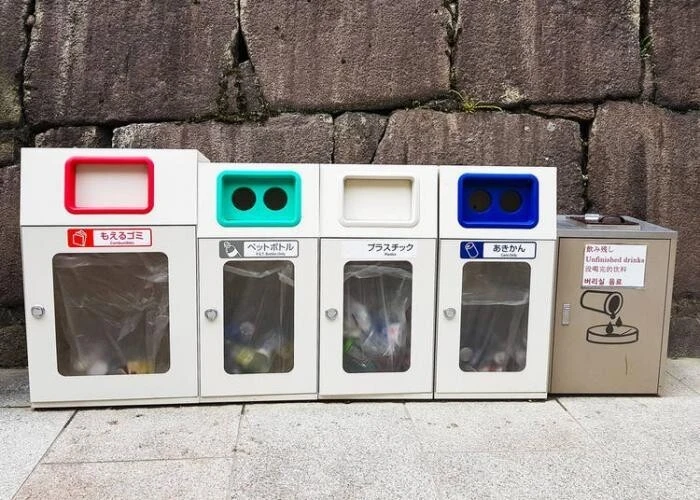
Waste separation in Japan is such a complex system that each city issues specific instructions. All waste is separated into combustible and non-combustible; different types of containers are disposed of separately; books, magazines, and cardboard are collected on specific days; Etc., etc.
People sleep on trains 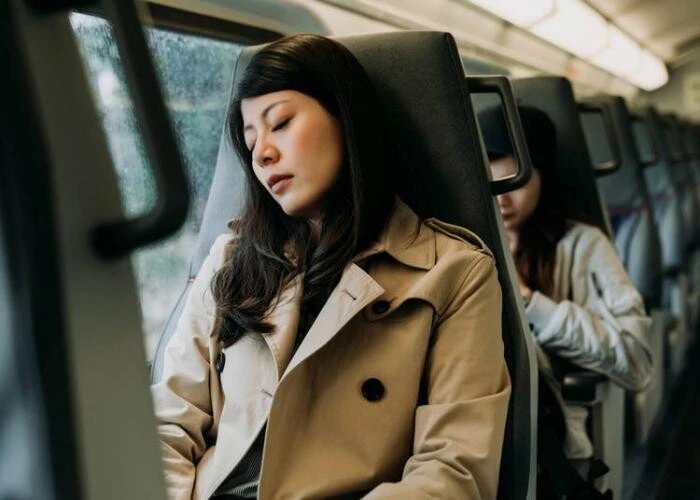
The Japanese work very hard and are constantly sleep-deprived. So sleeping on the train on the way to work or home is common. Even the subway seats have cushions and are heated in the winter.
The Japanese actually eat sushi!
Sushi is indeed a common food in Japan, but it's not a restaurant food at all. It's street food, like our pies or hot dogs. Therefore, all those fancy, colorful sushi with tons of ingredients is an American invention; traditional Japanese sushi is very simple and definitely doesn't include avocado!
People often wear masks in public places. 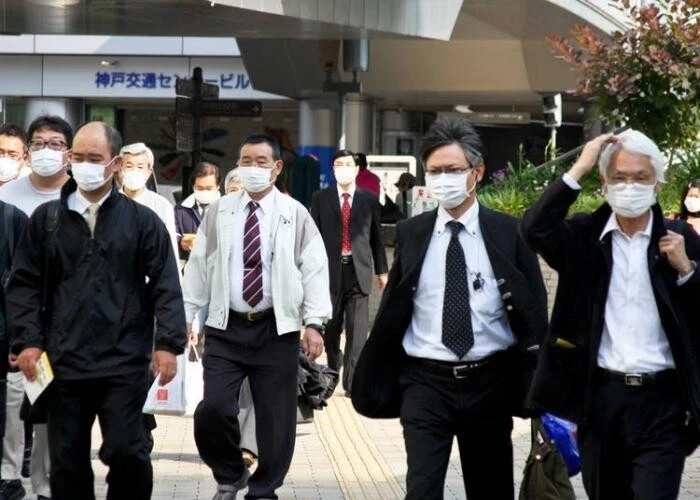
Every Japanese person has a surgical mask—they're sold everywhere. They're worn everywhere: in winter to prevent infection, and in summer and spring to protect against dust and pollen. Recently, it's become fashionable among young people.
Vending machines are found all over Japan. 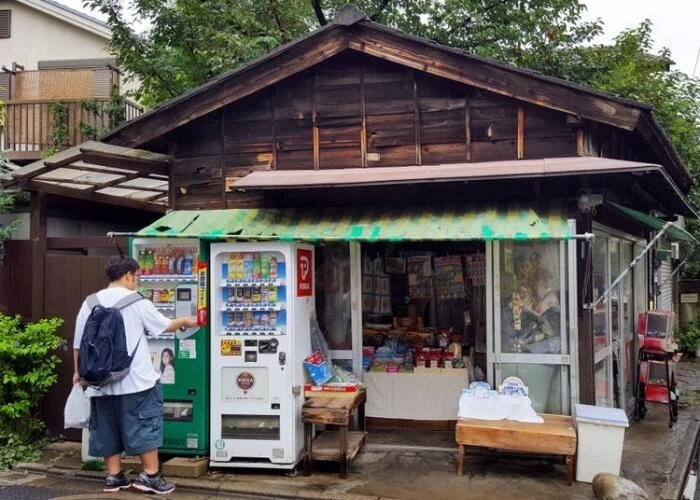
From central Tokyo to the most remote fishing village, amidst fields and forests, there's no place in Japan without a vending machine. There are over 5 million vending machines in the country, selling drinks, food, stationery, cosmetics, cigarettes, alcohol, books, and even underwear 24/7.
They accept smartphone and credit card payments, but you'll need to present a proof of age card to purchase alcohol and cigarettes.
Lost items are always returned 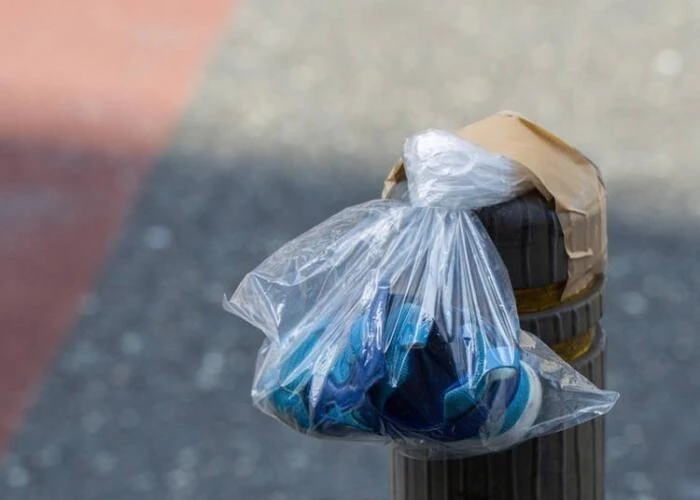
You've probably heard stories of people in Japan losing a wallet, phone, jewelry, or other valuables, and having them quickly returned. Wallets are always returned with money, and even money found on the street is usually turned in to the police. And things like keys, clothes, or umbrellas are generally left alone—if you forget them, just come back and get them!
The Japanese are prone to workaholism 
The culture of hard work in Japan is so developed that there's even a Japanese word for death from overwork: karoshi. Work stress in this country is unimaginable: people arrive early and work overtime. Working from home on weekends and holidays is considered appropriate.
Japanese schoolchildren clean and serve lunch in the cafeteria themselves 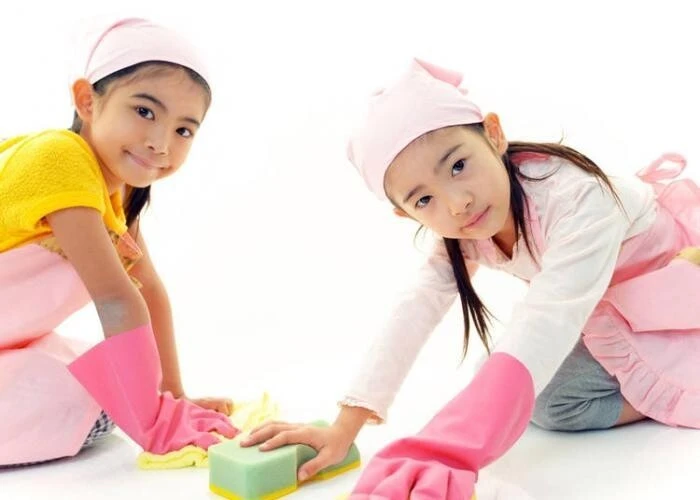
In Japanese schools, children are taught not only math and physics, but also cleaning, laundry, cooking, and more. From the first grade, children sweep and clean the school, set the cafeteria table, take out the trash, and wash the windows and toilets. The duty roster is designed to ensure no one is left idle.
Many ATMs are only open during the day.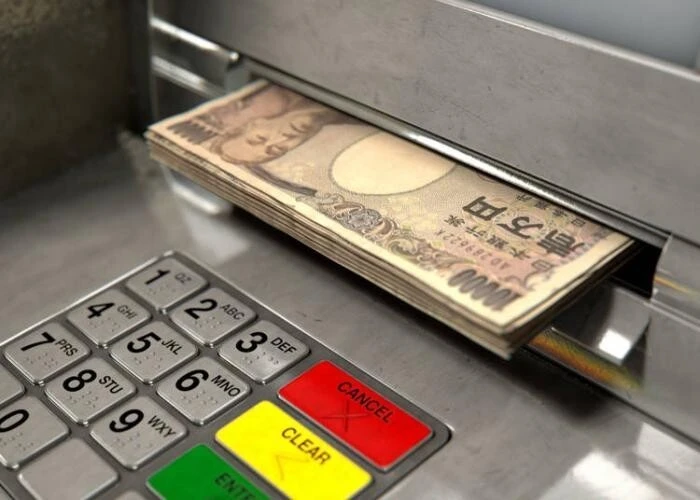
Unlike other countries, many Japanese ATMs shut down when banks close. And on holidays, banks are closed altogether, so you can't access your bank account during these hours! ATMs may also not accept cards from other banks... In short, it's best to always carry cash in Japan.
There are no trash cans on the streets. 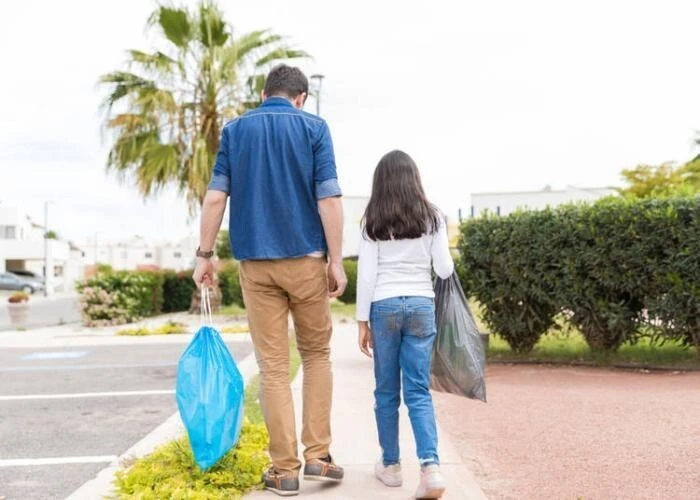
As mentioned, Japan has separate waste collection, but finding a trash can is not easy. Aside from special containers for plastic bottles, trash cans are only found in supermarkets and train stations. It's common practice to bring your trash with you and sort it at home.