20 amazing animals that experience their best emotions (21 photos)
If you thought emotions were considered an exclusively human privilege, this collection will make you doubt it. 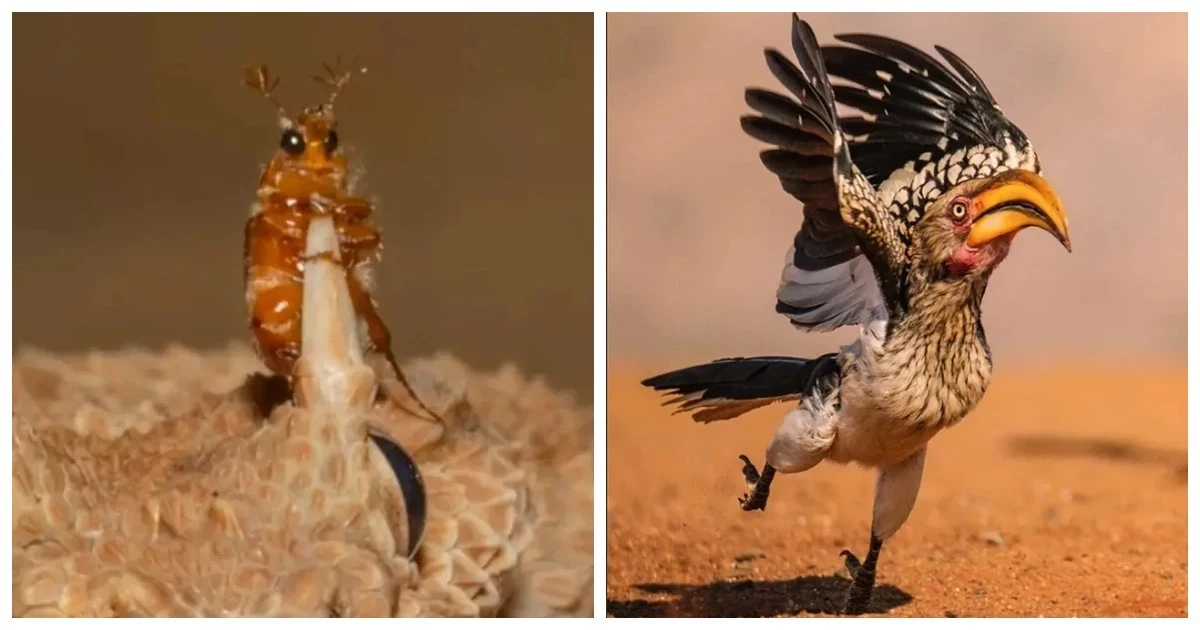
Here's a baby otter caught by her mother being naughty, here are bee-eaters loudly squabbling right on a branch, and here's a pair of squirrels cuddled up by the window. And that's just the beginning. This post features the most expressive and atmospheric shots of wildlife, from rare mutations to funny everyday moments. Look, smile, and be amazed that animals are capable of feeling just as deeply as humans.
1. The Green Broadbill is a bright green bird native to Indonesia, the Malay Peninsula, Sumatra, and Borneo. 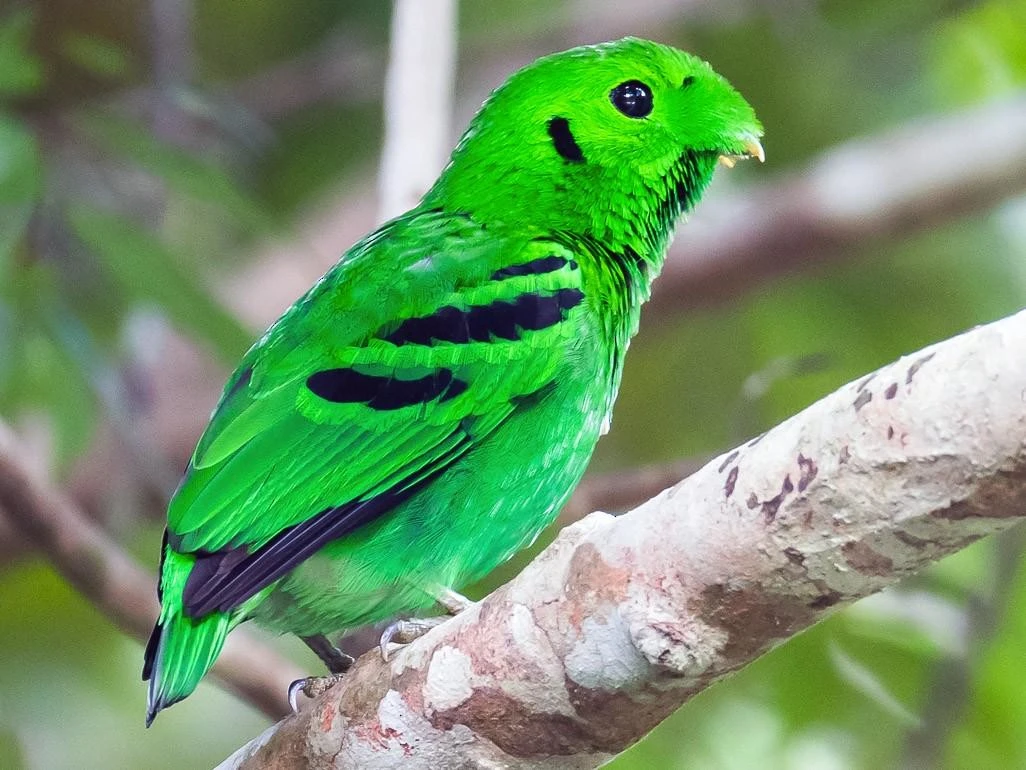
2. A Brave Beetle Riding a Horned Viper 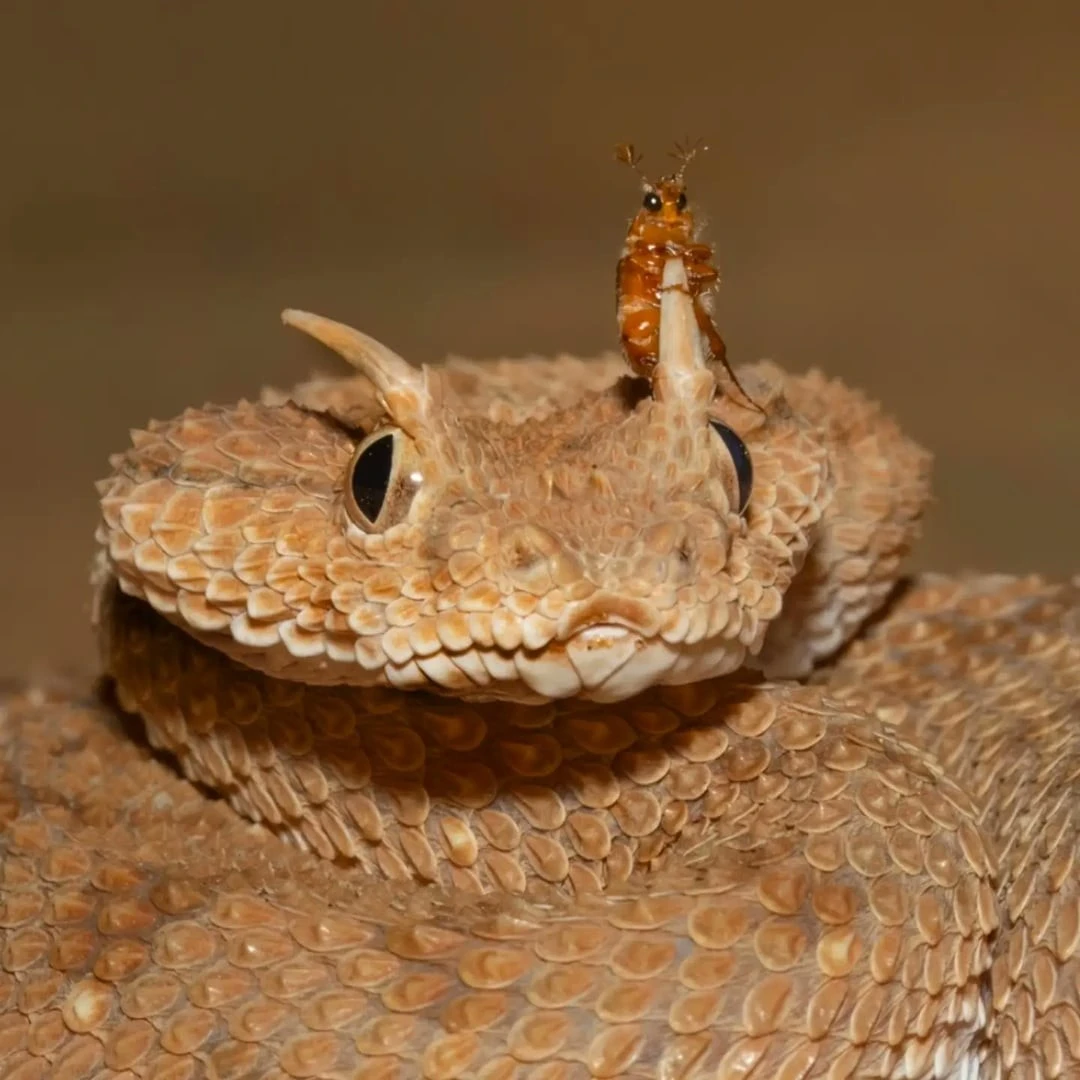
3. A Curious Reindeer Stalking tourist 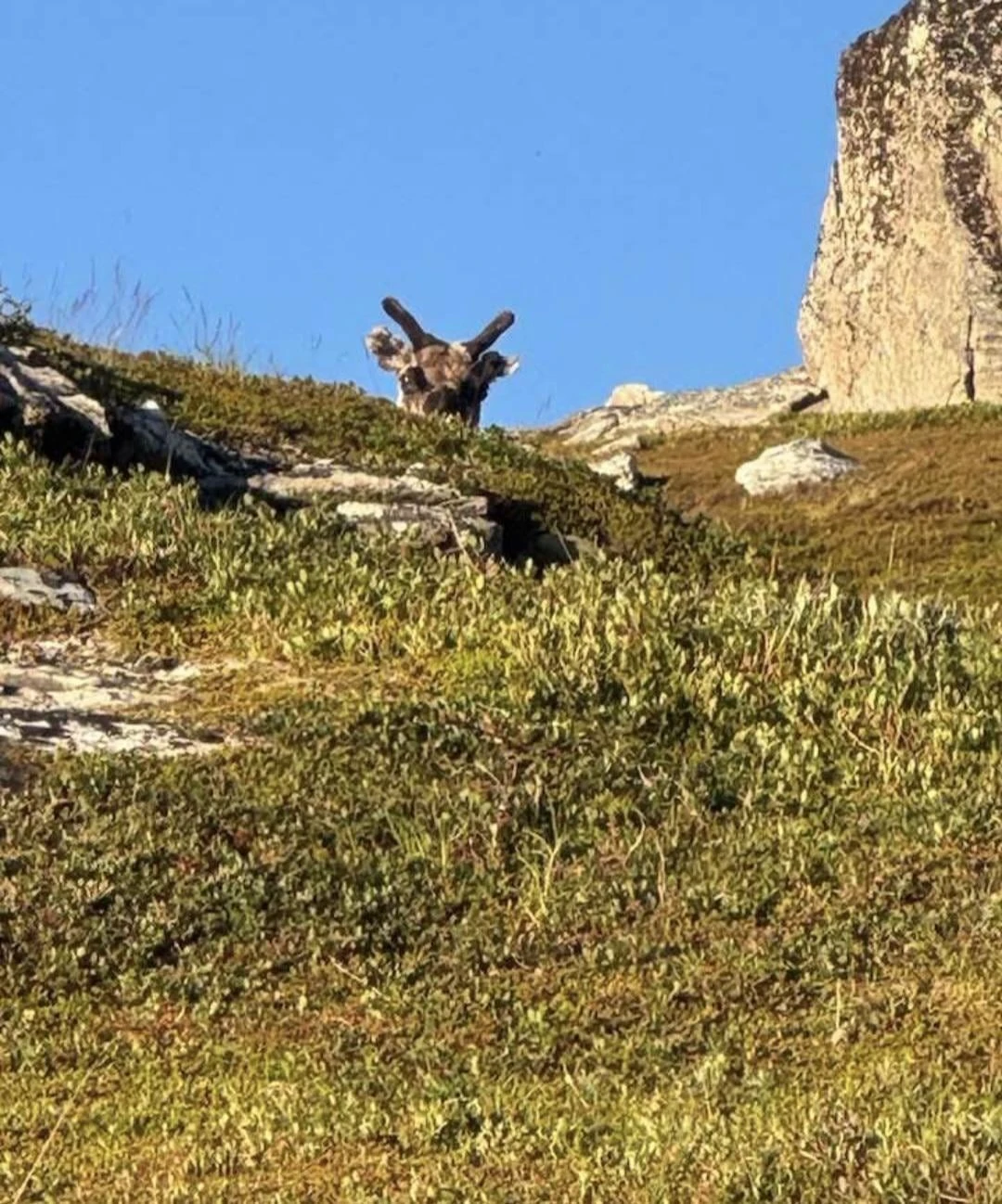
4. Juan Fernandez Fire-capped Hummingbird: Male and Female, Fire and Ice 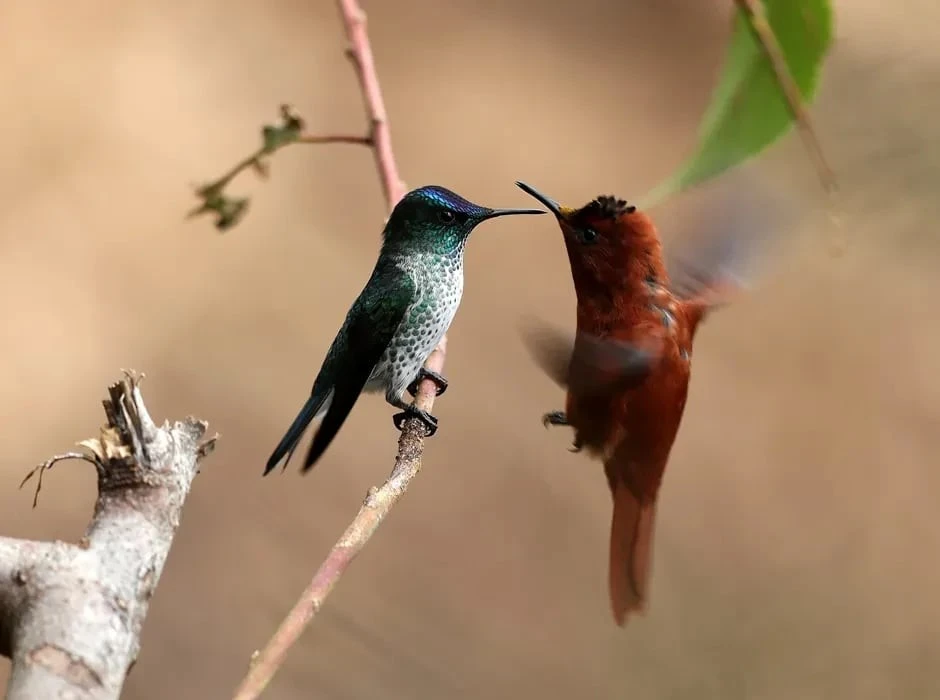
5. The cicada immediately after molting is a soft green, with transparent wings, resembling fragile glass Creation 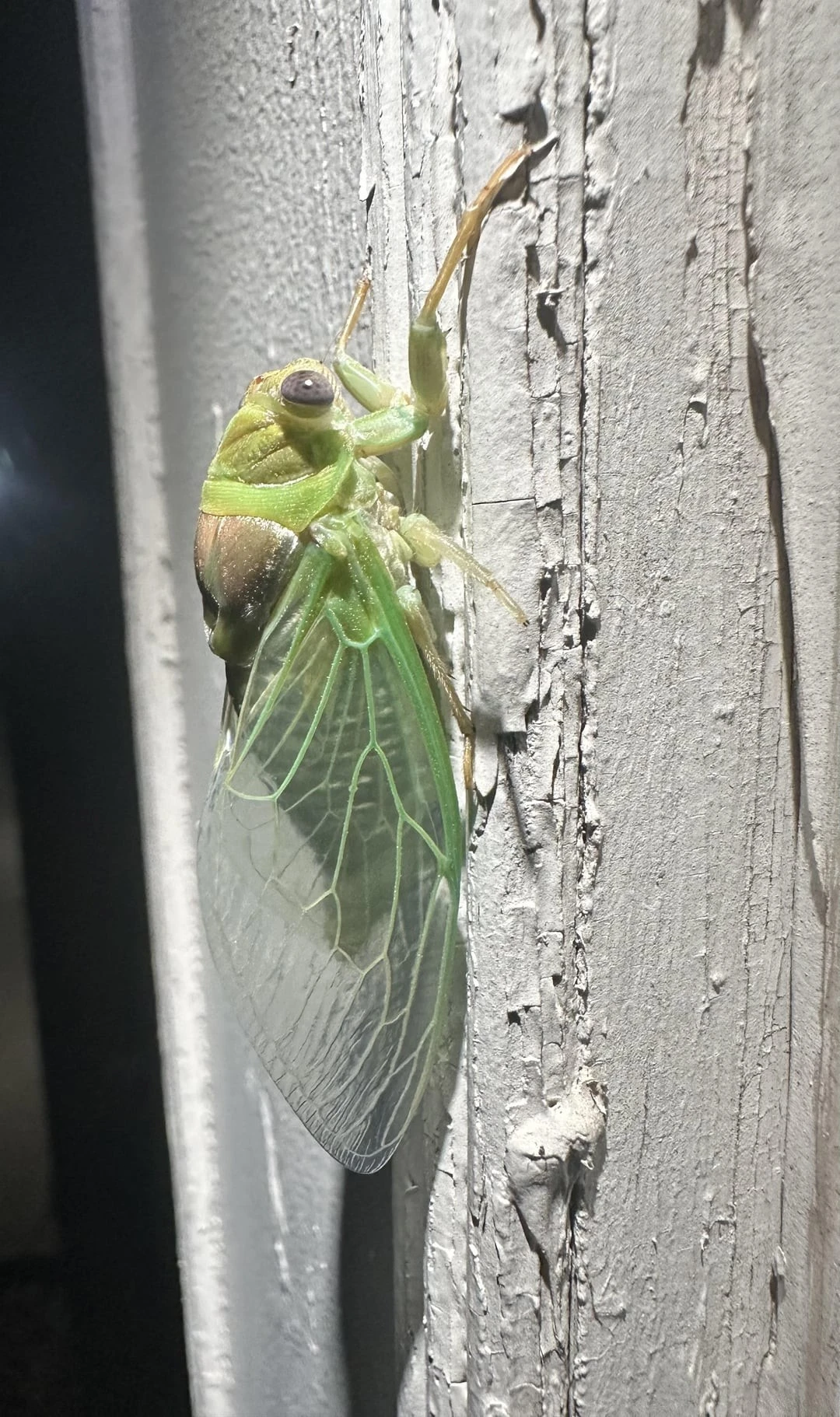
6. Southern White Rhinoceros with Friends 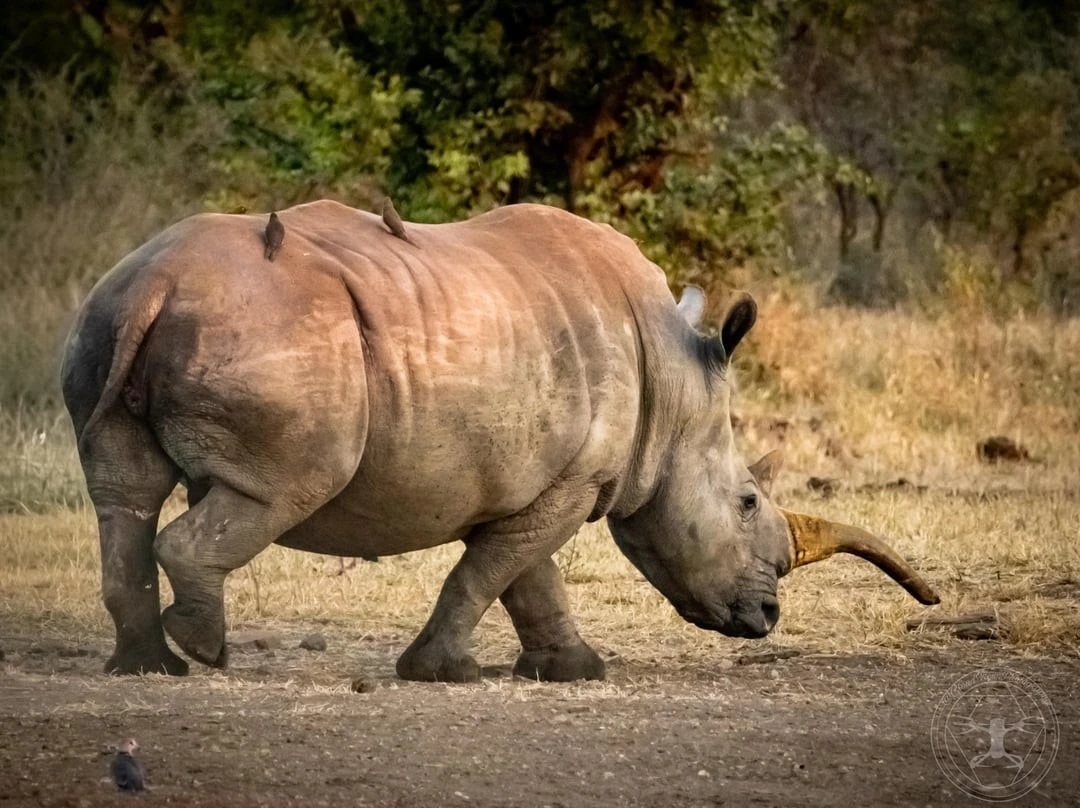
Horn deformities sometimes occur in nature. The causes can vary: the consequences of poaching (when the horn grows in the wrong direction), a genetic anomaly, or weakening of the horn base under its own weight.
7. The Monarch - King of Butterflies 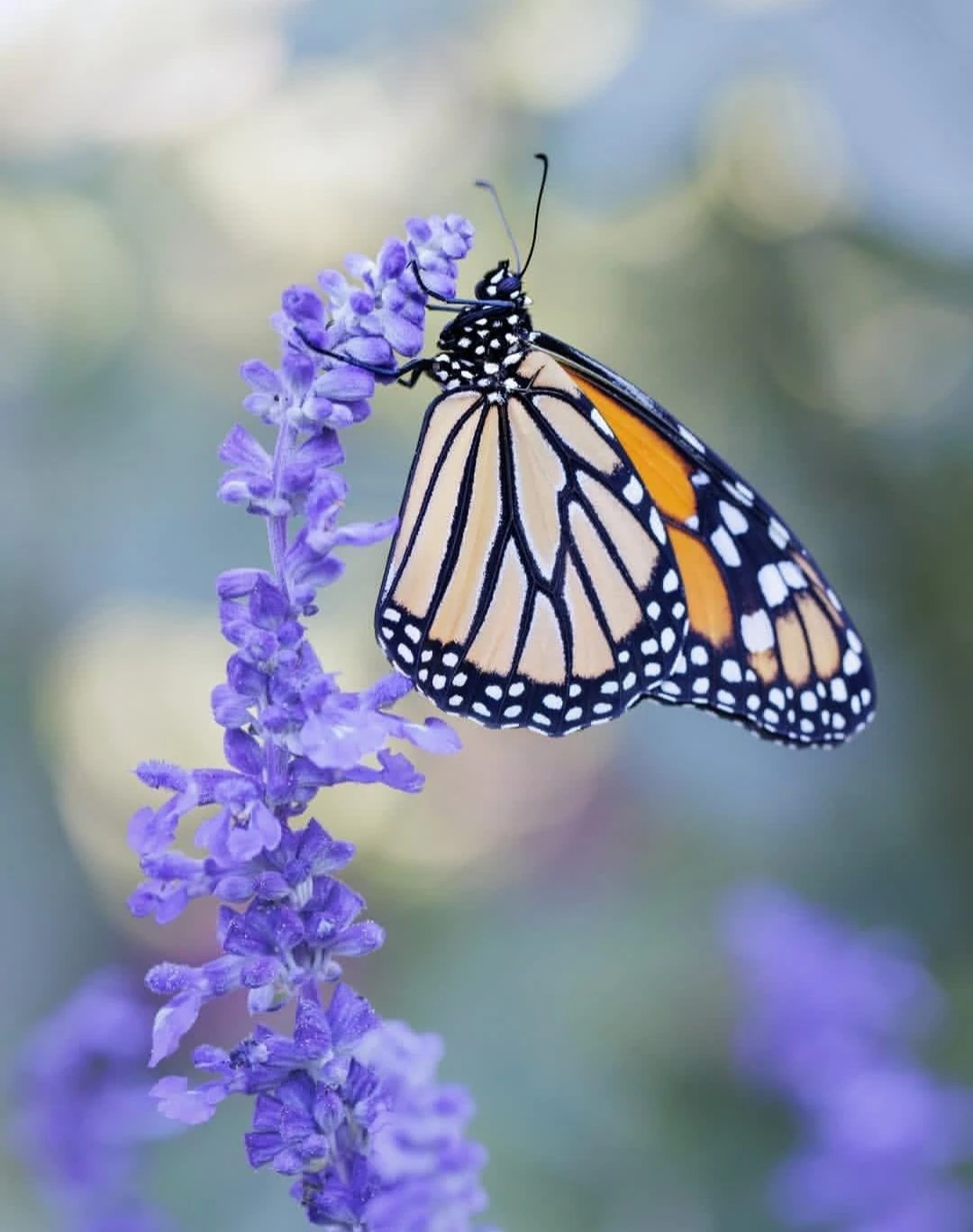
8. The Southern Yellow-billed Hornbill rushes about business 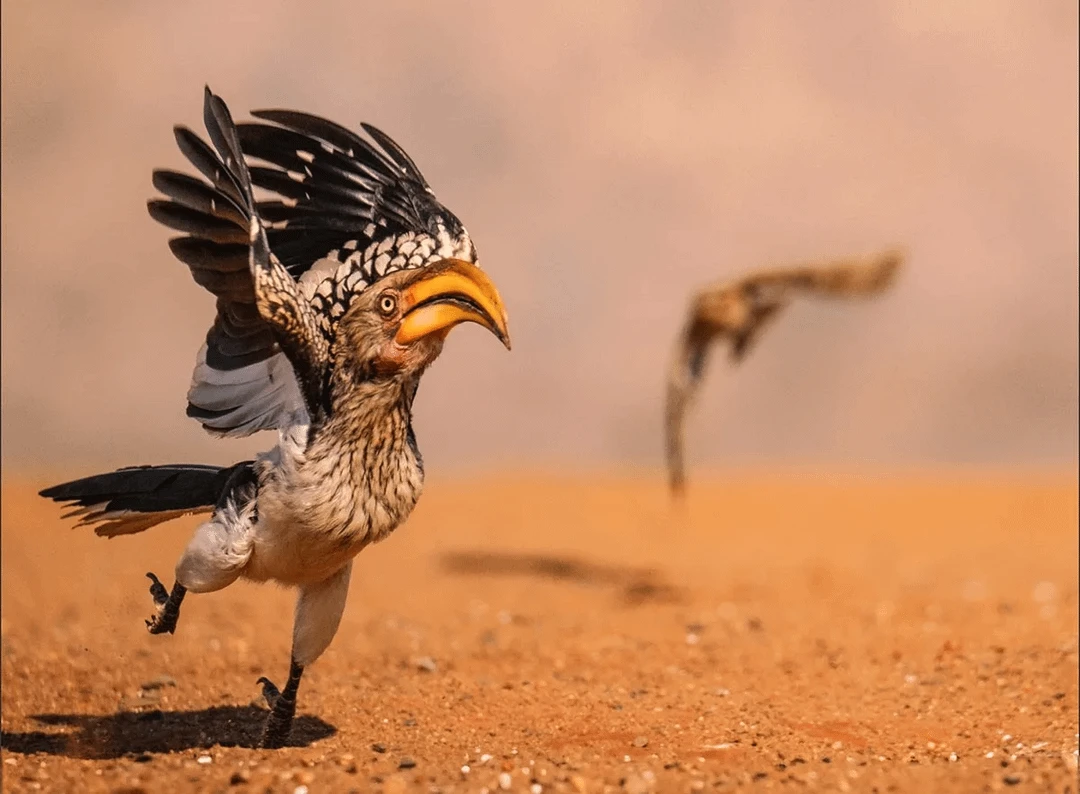
Contrary to popular belief, lekies are not related to toucans, although they are often confused due to their large beaks. Toucans live in Central and South America, while lekies live in Africa and Asia. They belong to different families, but share a similar ecological niche.
9. The Indian Kankrej is one of the most massive breeds, a true giant among livestock. 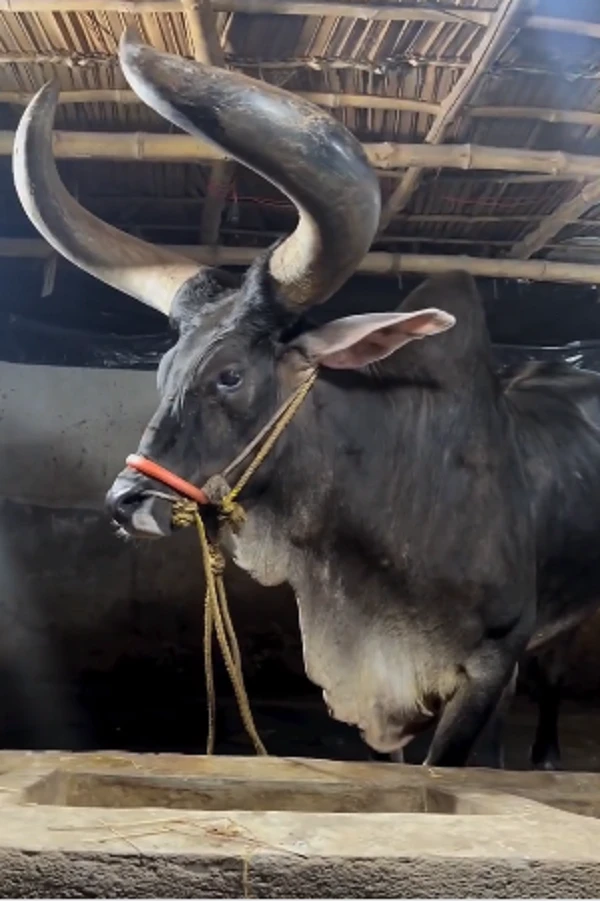
The breed is known for its resistance to tick fever and tuberculosis. Kankrej bulls are highly valued as draft animals in agriculture – they are fast and hardy.
10. Eurasian Oystercatcher: A Bird That "Hears" Food with Its Beak 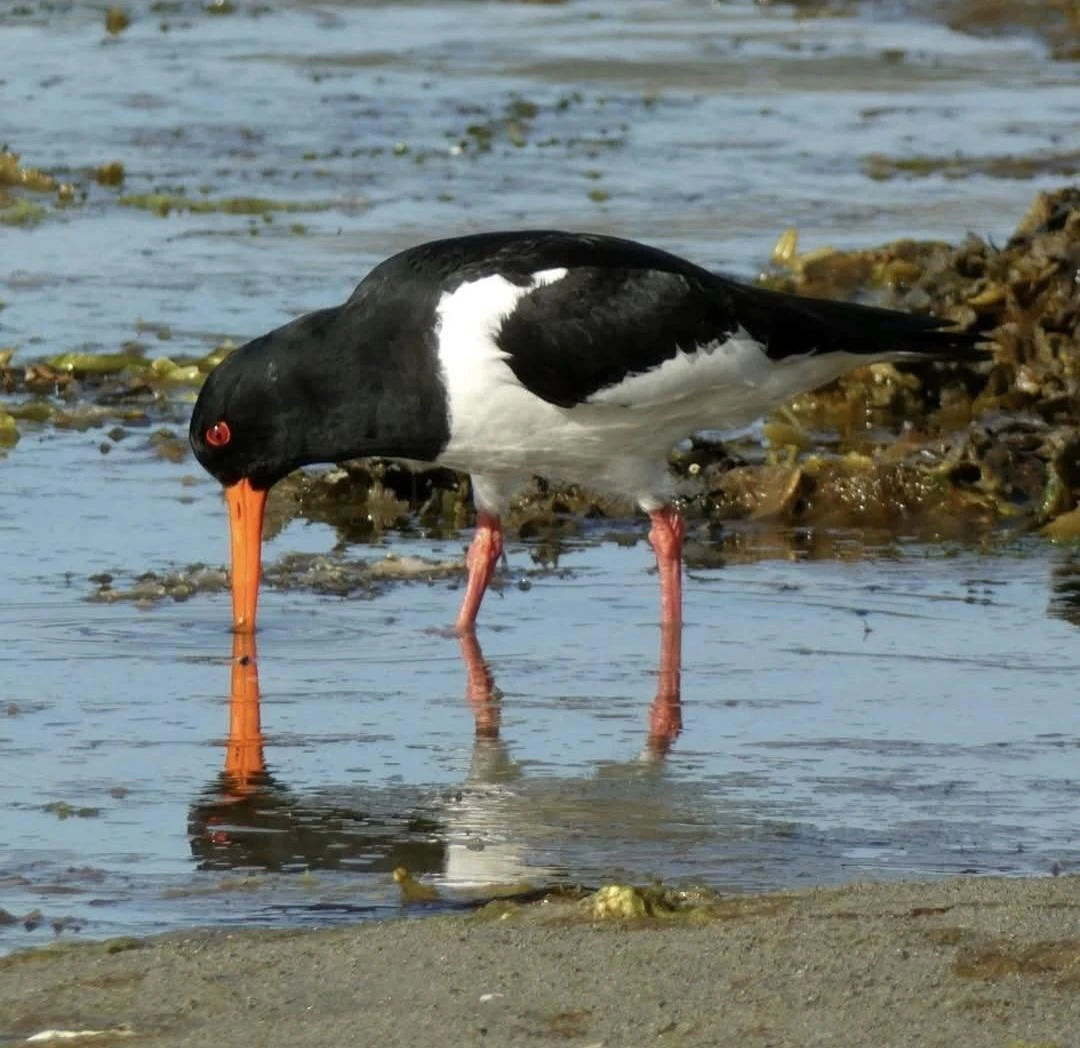
The Eurasian Oystercatcher (Haematopus ostralegus) feeds on mollusks. It has a long, orange bill that it uses to crack open shells or feel for prey. The bird's bill is sensitive—it "feels" through sand or mud to find hidden mollusks.
Each oystercatcher has its own shell-cracking technique—either by striking or by twisting its bill. Oystercatchers are one of the few birds that pass on their foraging method to their offspring. Chicks learn the technique of opening shellfish by observing their parents, not just instinctively. Some individuals even specialize in only one type of prey and method of extracting it.
11. A rare fawn named Dragon 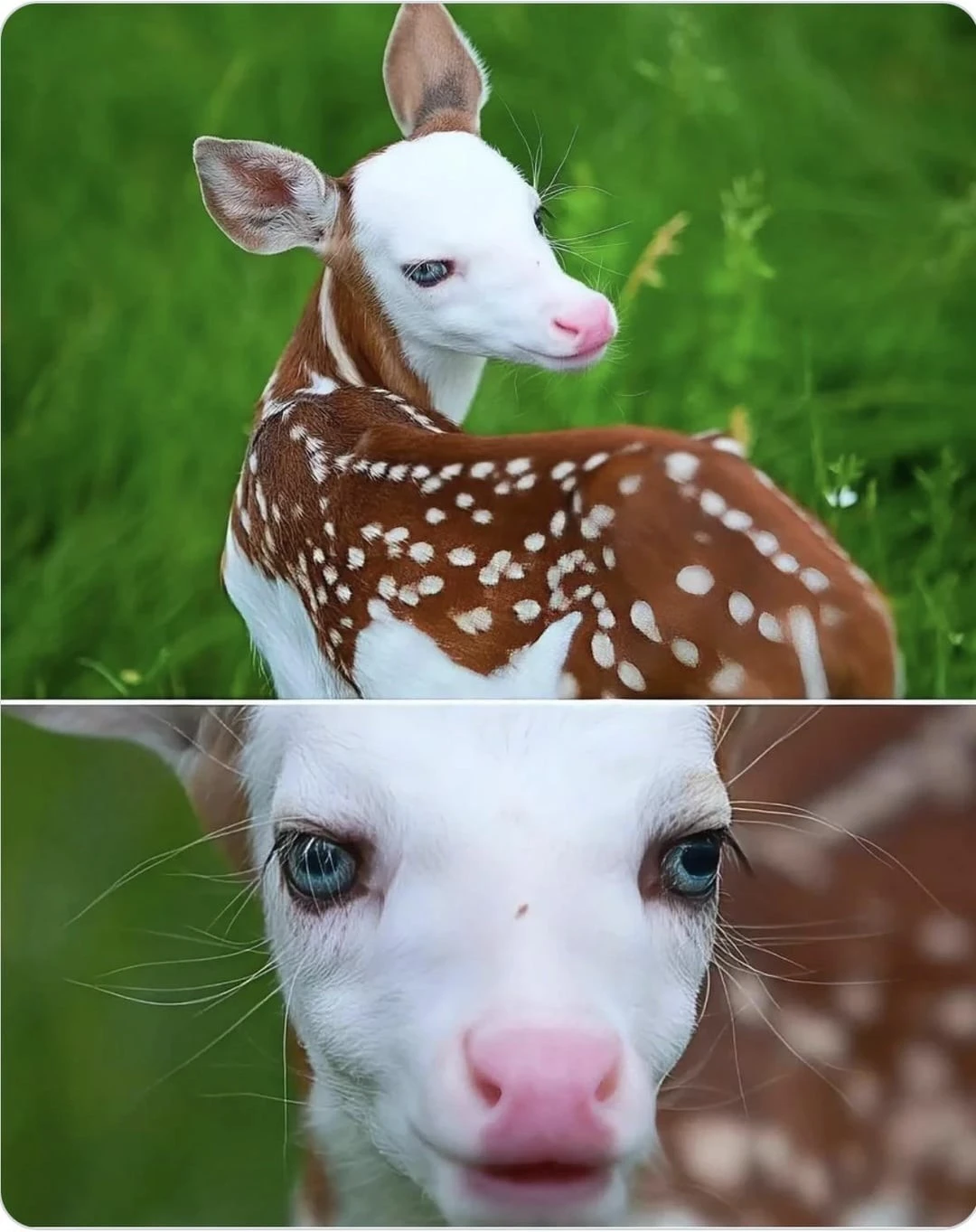
He has an unusual coloring: a white muzzle, blue eyes, and a pink nose. This is a rare genetic trait—a piebald coloration with large patches of white fur. His mother rejected him because of his unusual appearance. White-tailed deer instinctively reject fawns that stand out and cannot hide from predators. He was raised by the owner of the farm where the Dragon grew up and became a celebrity.
12. Racka - an ancient Hungarian sheep breed 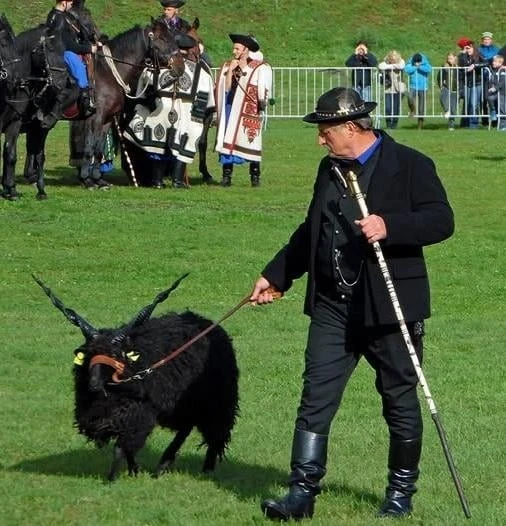
The rams' horns reach 60 centimeters in length. They are twisted in a corkscrew or cone shape. Racka sheep were on the brink of extinction in the 20th century. In the 1960s, their population dropped to critical levels, but by 2012 they had recovered to a few thousand. In 2025, the population in Hungary exceeded 10,000 heads.
Racka horns are more than just decoration. Their shape helps the sheep shed heat, acting as a natural radiator. Blood vessels inside the horn cool the blood, which is especially important during the hot summer months. This is one of the rare breeds whose horns grow vertically upward, rather than laterally.
13. Great Bustard – King of the Australian Plains 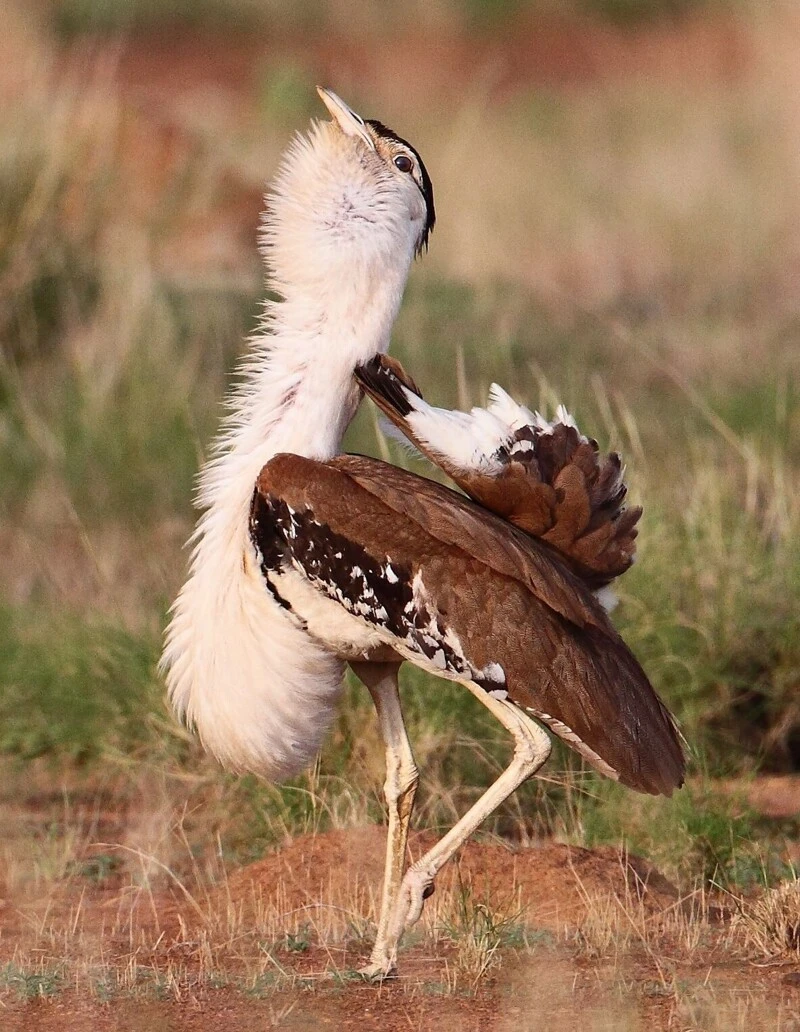
The Great Bustard (Ardeotis australis) is Australia's largest flying land bird. Males can weigh up to 14.5 kg, with a wingspan of up to 2.3 m.
Greater bustards prefer running to flying, taking off only when necessary. They feed on insects, lizards, small mammals, and seeds. The Great Bustard is nicknamed the "grass ostrich" for its appearance and preference for a terrestrial lifestyle.
Males have a mating ritual: they inflate their throat pouch, producing a low hum, and fan out their feathers to appear larger. Despite their large size, the Great Blue Heron is adept at camouflaging itself in tall grass, freezing when threatened.
14. Great Blue Heron and the Moon: A Perfect Balance of Nature in One Frame 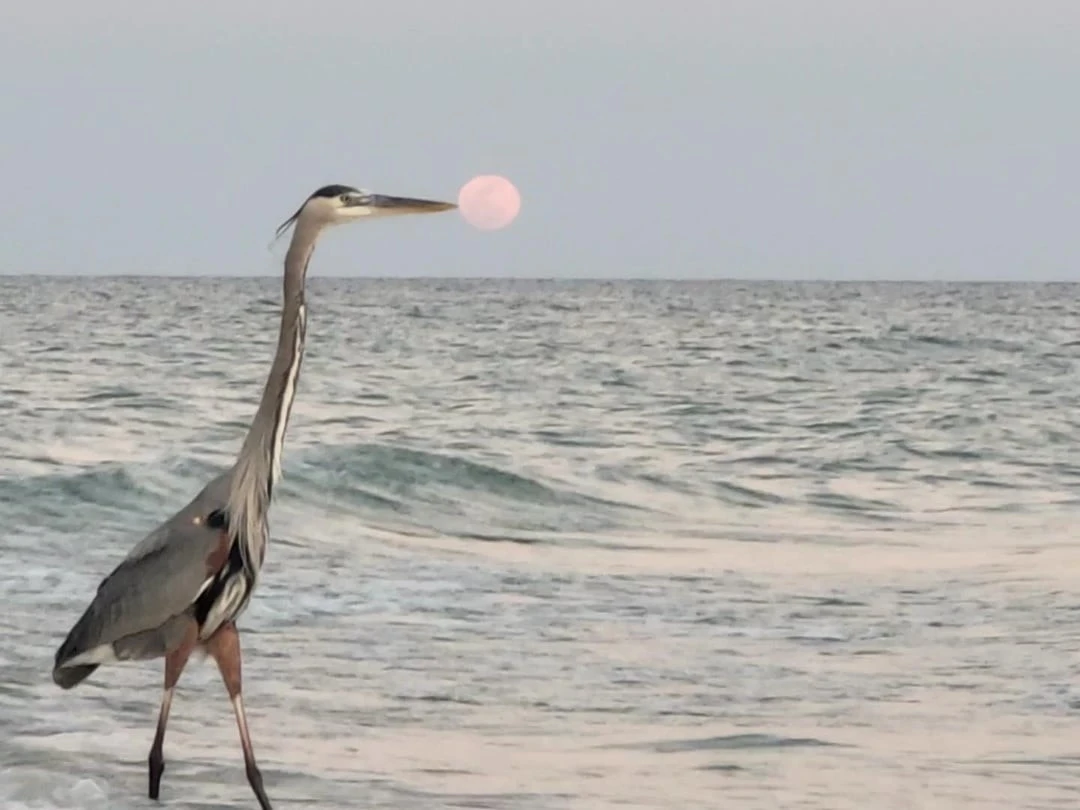
The Great Blue Heron is one of the most patient hunters. It can stand motionless for up to 30 minutes, waiting for prey, and then strikes with a lightning-fast beak. Its neck is S-shaped, allowing it to thrust its head forward with incredible speed. These herons often nest in colonies in trees, where their nests can reach 1.2 meters in diameter.
15. Wet Leopard 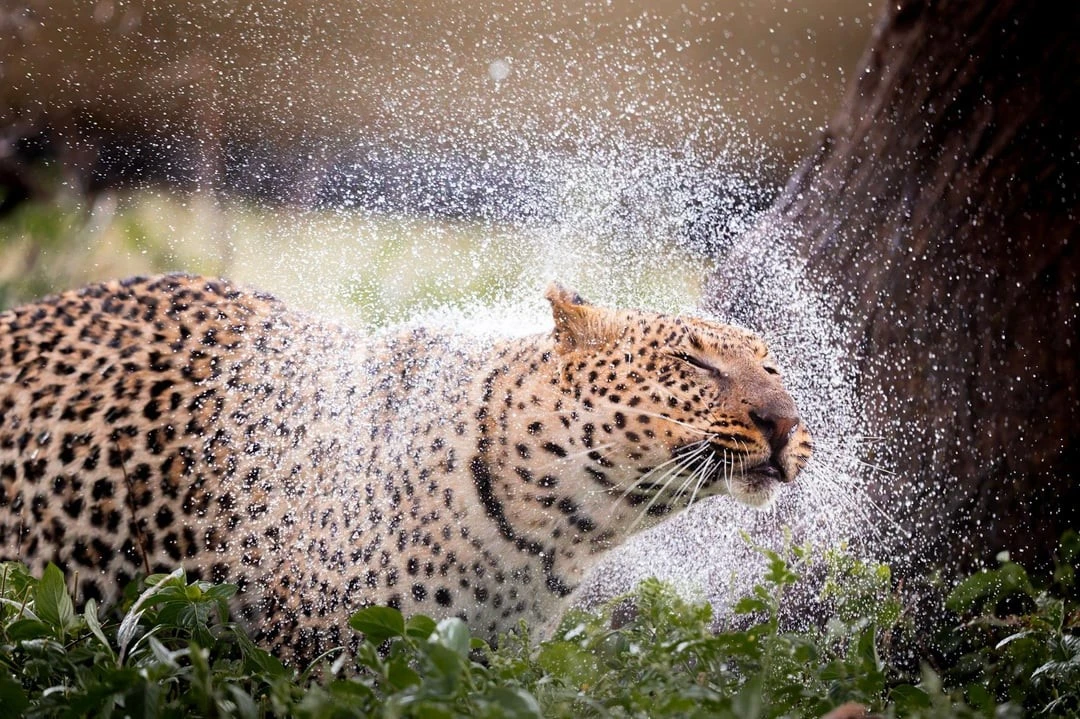
16. Rare Light-Coated Fur Seal Pup 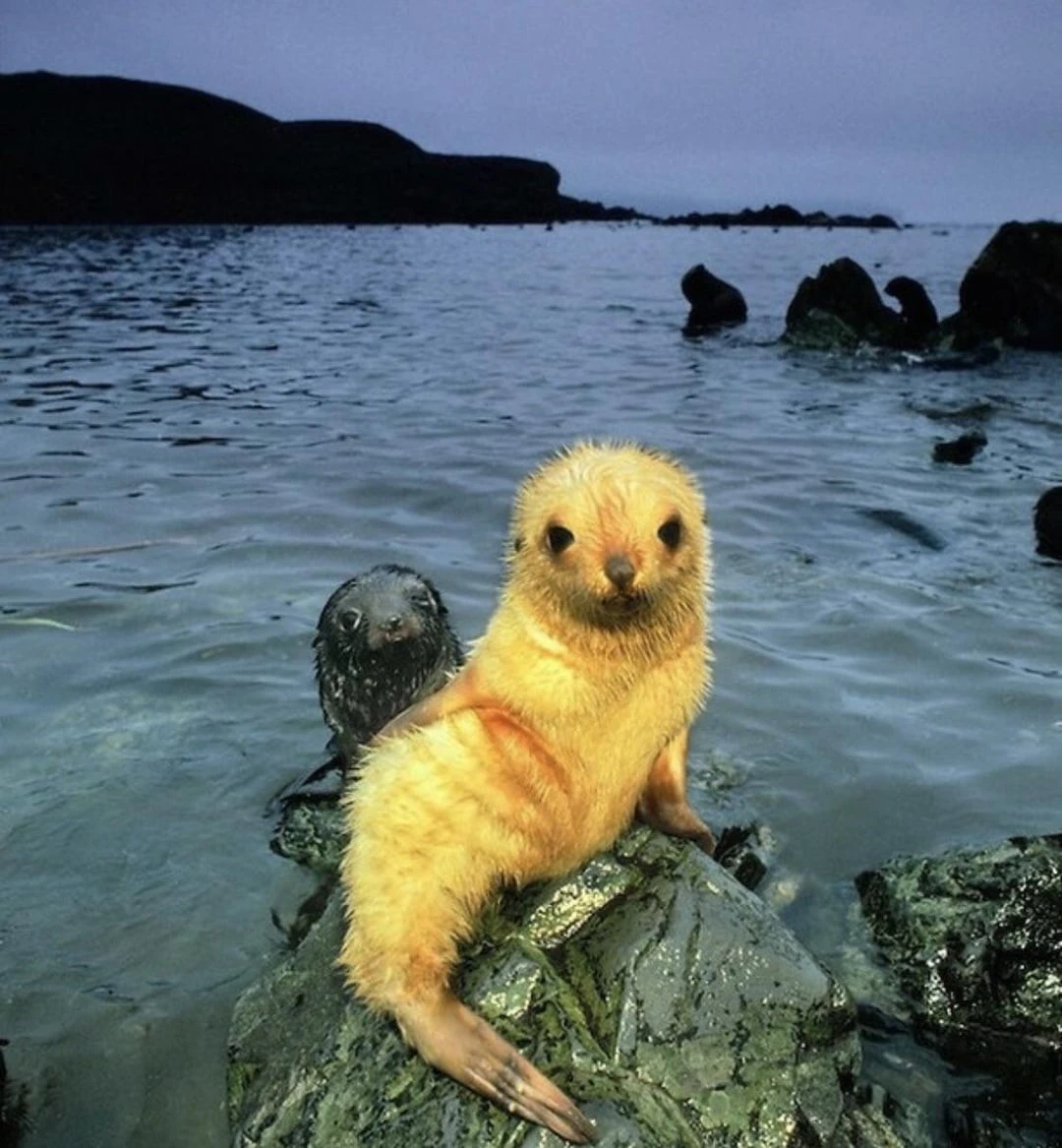
Light-coated Antarctic fur seal pups are rare. These pups lack pigment in their outer guard hairs, but their eyes and skin are pigmented.
The cause is a recessive mutation in the melanocortin-1 receptor gene (MC1R). Most Antarctic fur seal pups are born black. The light coloration is not a disease, but a rare genetic trait similar to leucism in other animals.
17. A small black drongo perches on the head of a barred forest owl mid-flight. 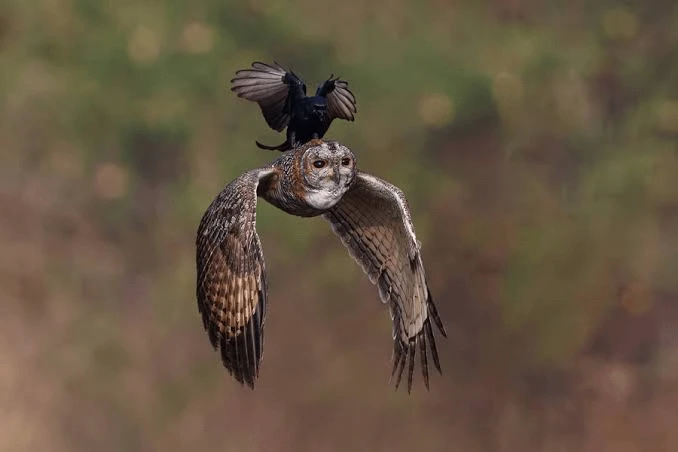
The black drongo (Dicrurus macrocercus) is a small bird known for its fearless behavior. Drongos often perch on the backs or heads of larger birds, using them as lookout points to search for insects.
18. A sweet couple: squirrels fell asleep cuddling by the window 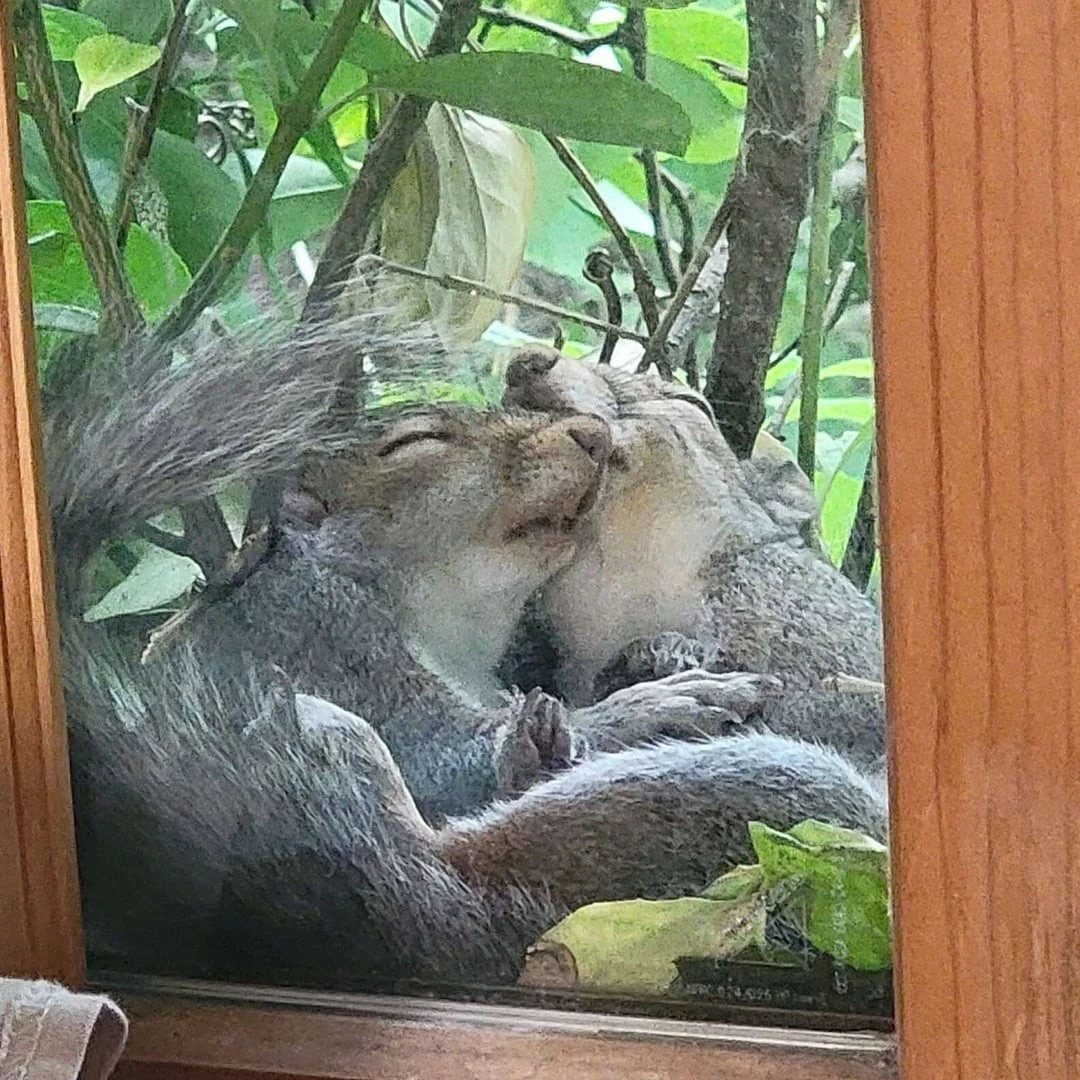
Squirrels are one of the few rodents that can sleep cuddling. In winter, they gather in nests of several individuals to conserve heat. Their fluffy tails serve not only for beauty but also as a blanket. When sleeping, the squirrel covers its face and paws with its tail.
19. This baby otter looks like her mother caught her doing something naughty. 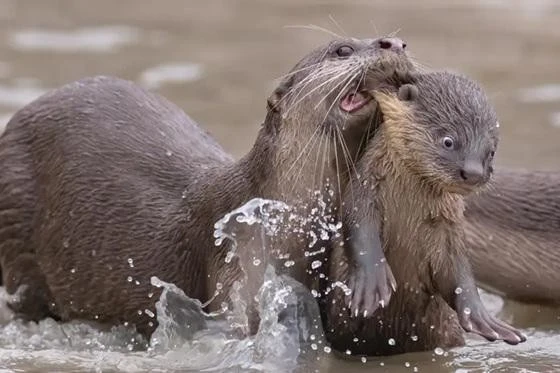
Otters are one of the few animals that exhibit behavior similar to shame or embarrassment. When caught misbehaving, they may freeze with a characteristic facial expression, as if realizing they've been caught. This isn't actually shame, but a reaction to a sudden stimulus. They assess the situation and prepare to either run away or continue playing.
20. Two European Bee-eaters squabbled. 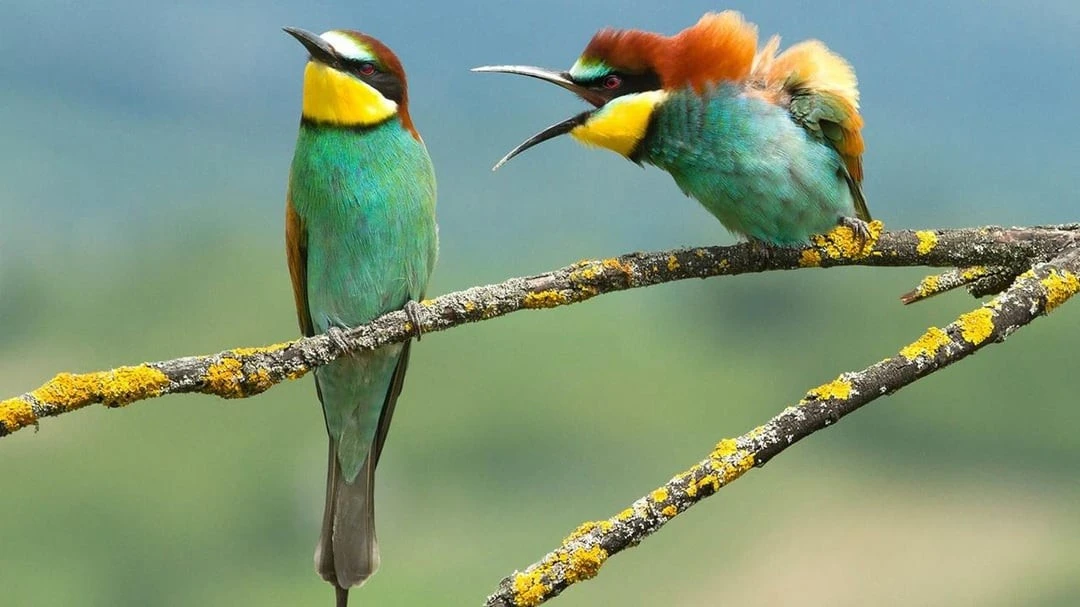
European Bee-eaters (European Bee-eaters) are among the most colorful birds in Europe. Their plumage resembles an artist's palette: a golden head, chestnut back, and turquoise and green feathers. Before eating a bee, they deftly remove the stinger by striking the insect against a branch. These birds are also known for their caring for their young. Not only the parents but also other members of the colony participate in raising the chicks.