This isn't peace. In 20 years, the horror will return: predictions no one believed, yet they came true (8 photos)
No one believed these predictions, but they came true, because human history is not only a chronicle of accomplished facts, but also an astonishing chronicle of unfulfilled hopes, bold fantasies, and brilliant insights. 
We're used to taking the modern world for granted: we pay in stores by tapping our cards on a terminal, instantly send messages to the other side of the world, or entrust our lives to complex surgery. But just recently, such things seemed not just science fiction, but downright madness. If one of the great visionaries of the past were to look into our present, they might smile and say:
"I told you so!"
The Connected World of Nikola Tesla
When it comes to people who saw the future better than others, Nikola Tesla stands apart. This eccentric Serbian inventor was a true visionary of the early 20th century. While his contemporaries debated the advantages of direct current over alternating current, Tesla was already envisioning a global information field. 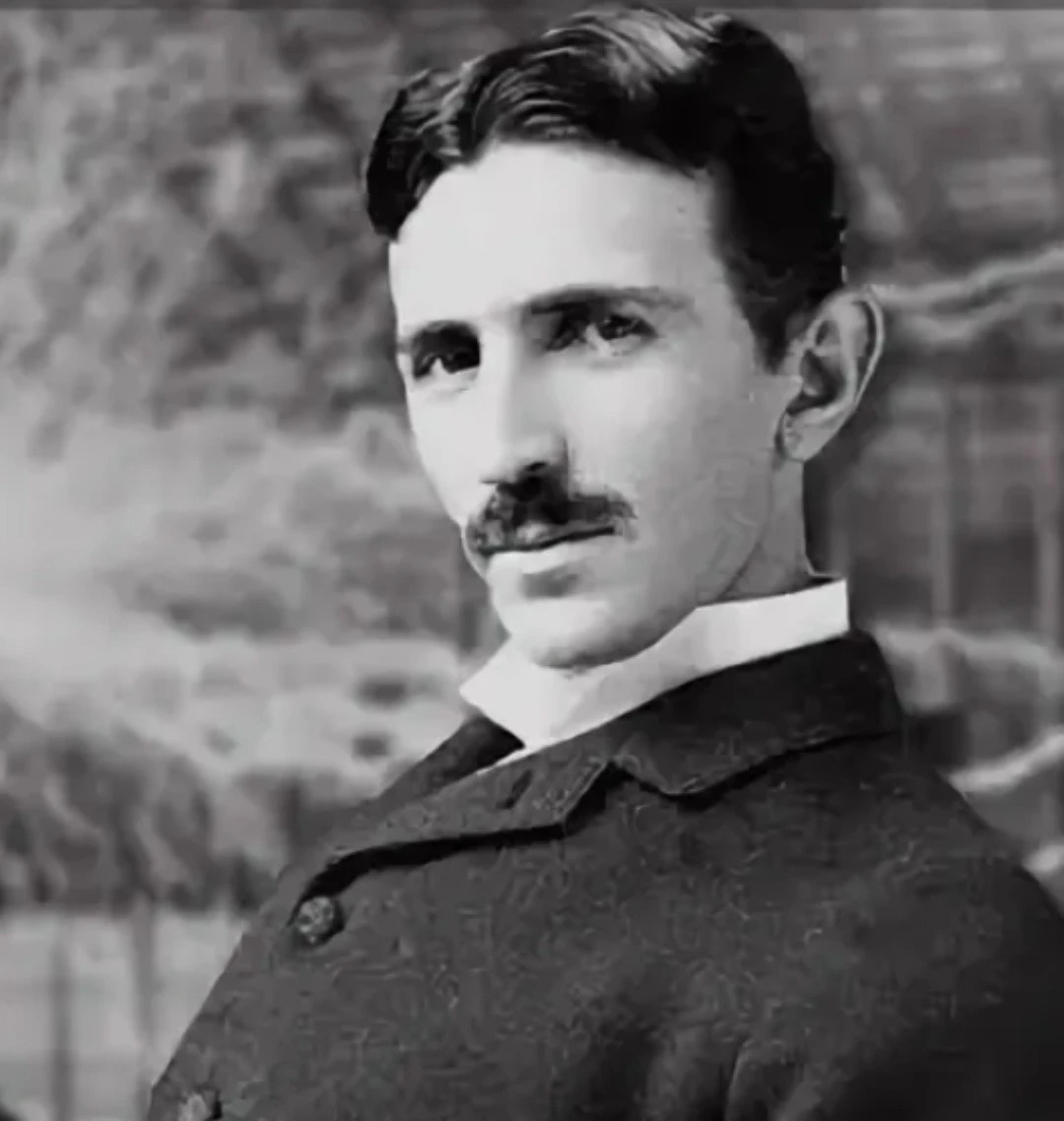
In a 1929 interview, he made a prediction that seems self-evident today: "When wireless technology reaches perfection, the entire Earth will become a single brain... People will be able to communicate with each other instantly, regardless of distance." At the time, radio was a technological marvel, and telephone communication required cables spanning oceans.
Tesla, however, envisioned a world without wires. He imagined pocket-sized devices (he called them "pocket instruments") that would allow a person to hear and see a person thousands of miles away as easily as if they were standing right next to him. Today, these words sound less like the fantasy of H.G. Wells or Jules Verne (although they, too, foresaw much), and more like an accurate description of our digital reality. The smartphone in your pocket is Tesla's "pocket instrument." Social media has transformed the planet into a "single brain," where information spreads at the speed of light.
A 19th-Century Debit Card
The financial revolution occurred so smoothly that we didn't even notice the transition from paper money to numbers on a screen. But the American writer Edward Bellamy was at the origins of this cashless economy. In 1888, he published the utopian novel "Looking Backward 2000–1887."
The book's plot revolves around a man from the 19th century who magically falls asleep and wakes up in the America of the future—the year 2000. And the world there is completely different: no poverty, no crime, and... no cash! According to Bellamy's description, every citizen received an equal share of the national income on special cards (or "credit cards"). These cards could be used to purchase any goods in stores across the country. 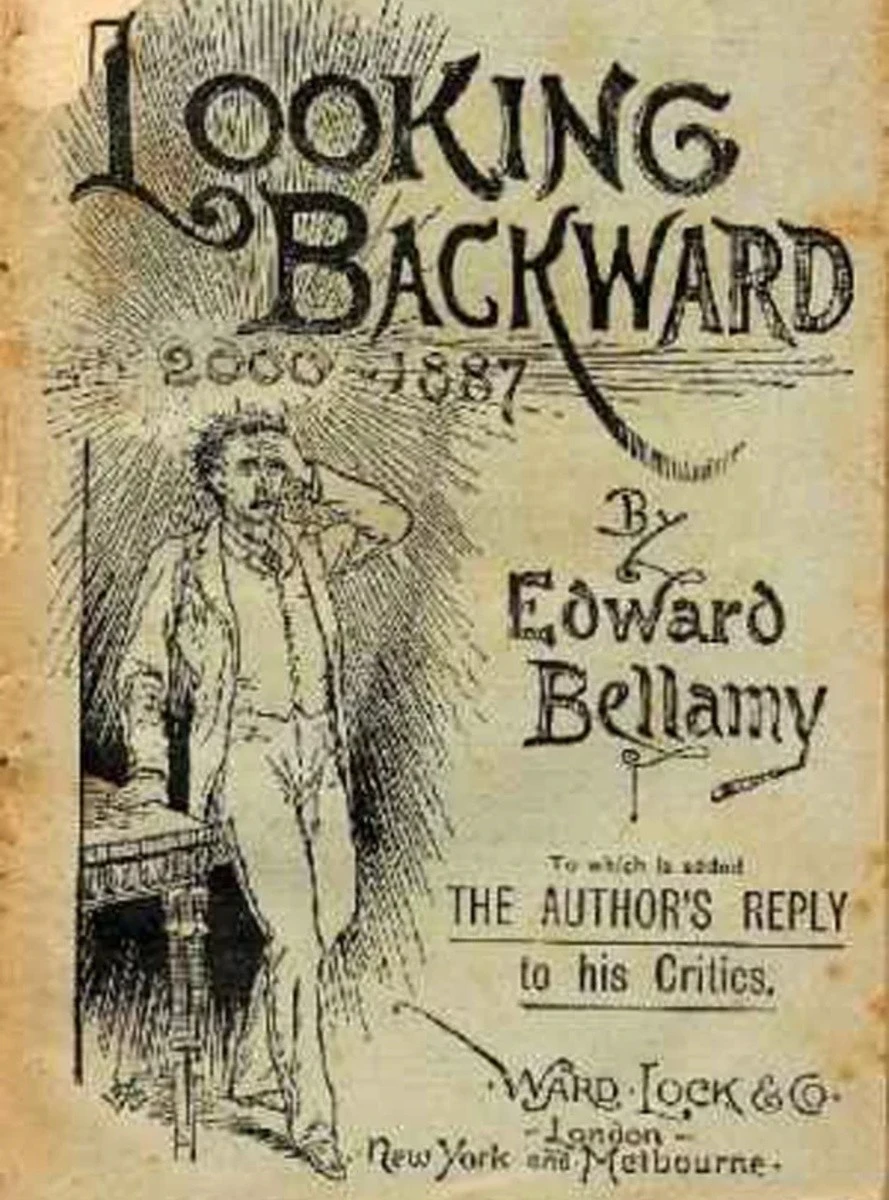
In 1888, this sounded like a social fairy tale. How could one give up hard cash? How could one control one's spending? But Bellamy predicted the very essence of the modern banking system. He described the infrastructure for cashless payments a hundred years before it became a reality. Today, billions of people around the world have debit and credit cards, while cash is gradually becoming a thing of the past, becoming an anachronism for tourists and collectors.
The End of Mark Twain's Life: Halley's Comet
Not all predictions concern global technologies or wars. Some are deeply personal, almost mystical. Mark Twain, one of America's wittiest writers, was also a man with an amazing sense of destiny. 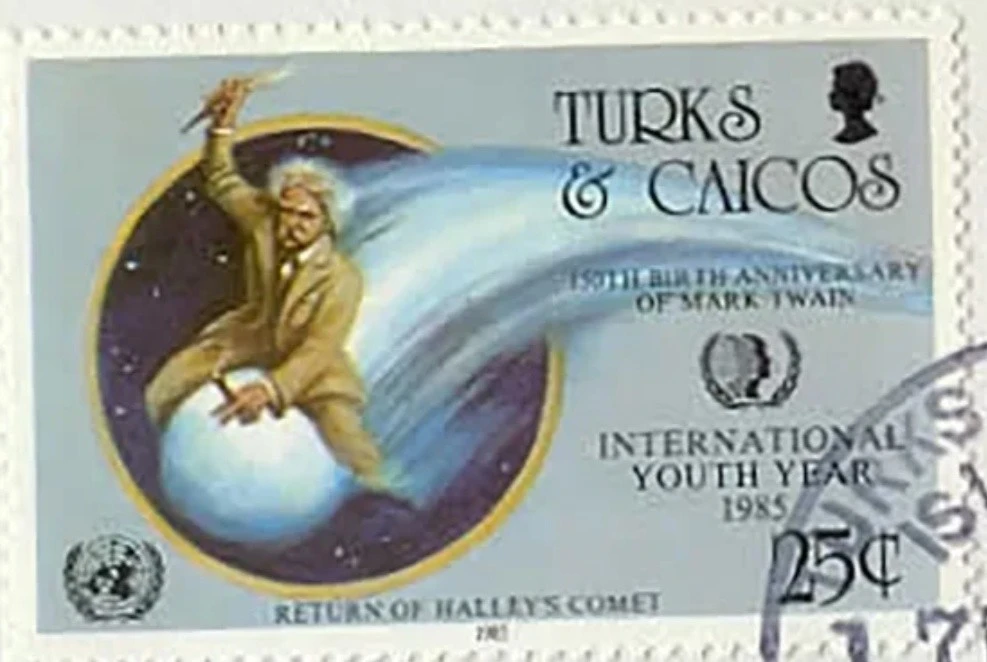
He was born on November 30, 1835. That year, Halley's Comet—a bright, tailed visitor from the depths of space that appears once every 75–76 years—passed close to Earth. The writer lived a vibrant life, full of adventures and literary triumphs. But a year before the comet's next appearance, he made a strange statement:
"I came into this world with Halley's Comet in 1835. It will come again next year, and I expect to leave with it."
This was said with Twain's characteristic humor and self-irony. He joked that the two of them—a rare natural phenomenon—should depart together. No one took these words seriously until the very end. However, on April 21, 1910, when Halley's Comet again made its closest approach to Earth, Mark Twain died of a heart attack at the age of 74. The coincidence was so precise and eerie that the writer's biographers still recall this episode as one of the most enigmatic prophecies in literary history.
Arthur C. Clarke and Satellite Communications
If Marshal Foch predicted war based on geopolitics, then British science fiction writer Arthur C. Clarke peered into the future using science and imagination. In 1945, his article "Extraterrestrial Relays" was published in Wireless World magazine. In it, Clarke proposed a revolutionary idea: satellites launched into geostationary orbit (meaning orbiting at the same speed as the Earth) could be used to create a global communications network. 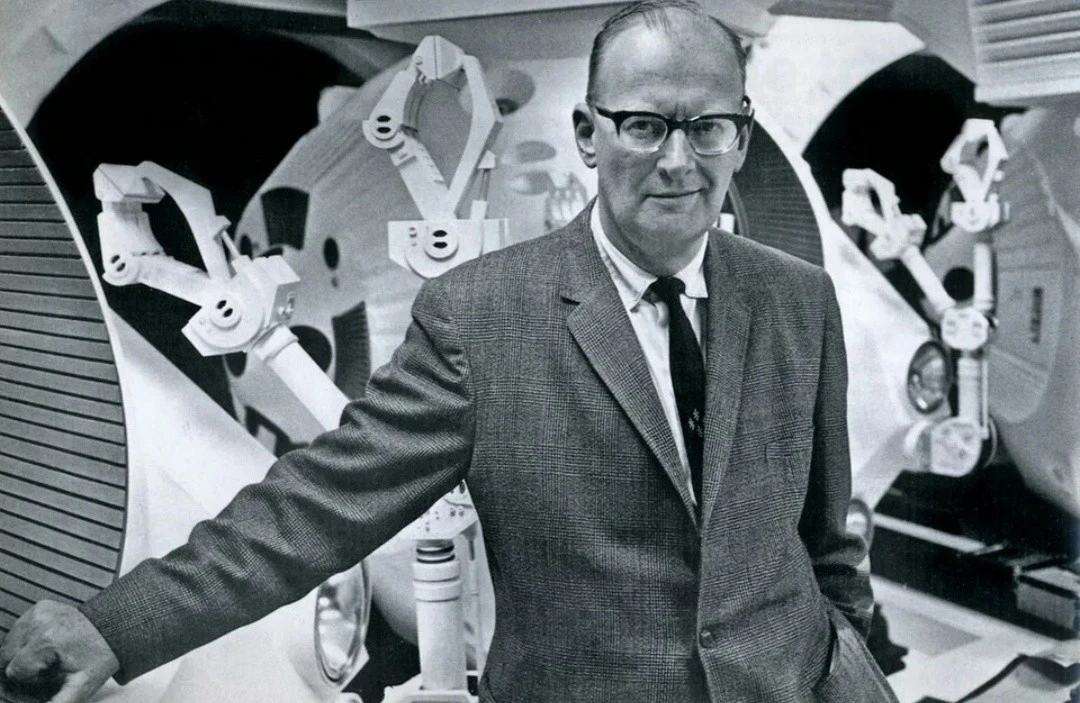
At first glance, this seemed like pure science fiction. Rockets of the time could barely ascend a few kilometers, and the idea of launching a heavy vehicle into space and having it "hover" there seemed absurd. However, Clarke was an engineer by training and understood the physics of the process perfectly. He described the operating principles of satellite television and communications long before humanity learned to launch anything into space.
As time has shown, his words proved prophetic. The first communications satellites (such as Telstar) were launched as early as the 1960s, and geostationary orbit has since been officially called the "Clarke orbit." In 1982, the writer received the prestigious Marconi Prize for his contributions to the development of communications technology. Today, we benefit from his prediction every time we watch satellite TV or use a GPS navigator.
"This is not peace. It is a twenty-year truce."
Sometimes the most accurate predictions are born not from scientific calculations, but from bitter experience and a sober view of reality. On June 28, 1919, the peace treaty was signed in the Hall of Mirrors at the Palace of Versailles, formally ending World War I. Among the signatories was French Marshal Ferdinand Foch—a man with an iron will and a pessimistic view of the future. 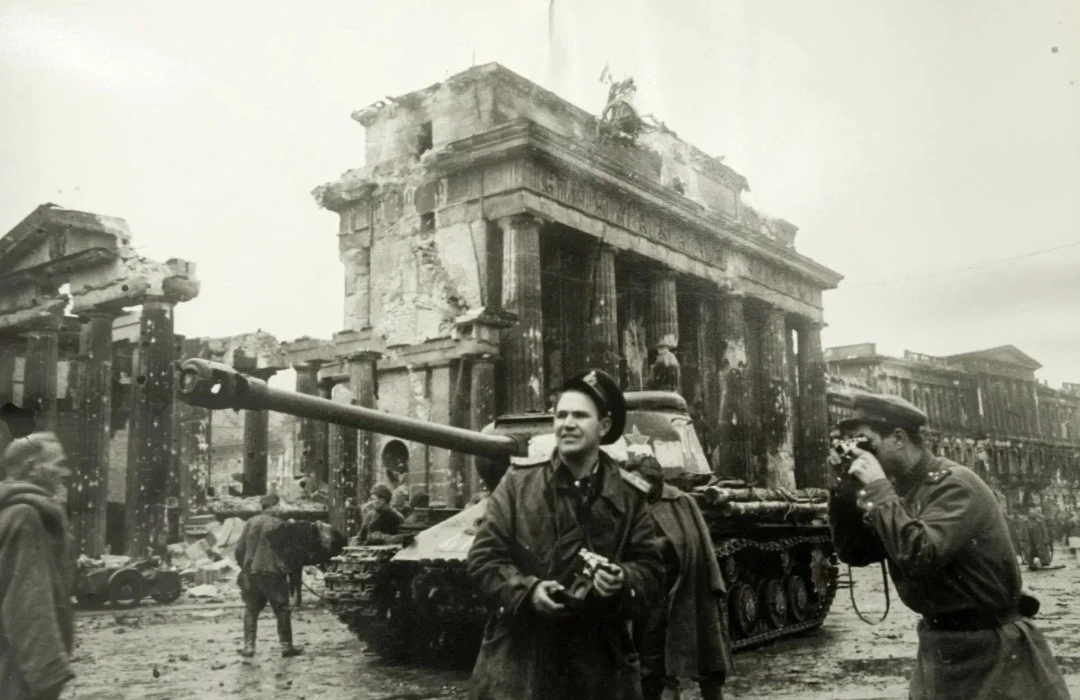
During the signing of the document, he uttered a phrase that many then considered a political exaggeration or an attempt to negotiate more favorable terms for France. "This is not peace. In 20 years, all this horror will be repeated. This is an armistice...," the Marshal said. He insisted on the complete occupation of the Rhineland, arguing that without it, Germany would regain its strength and once again become a threat to Europe. The politicians did not listen. For them, it was too radical, too grim.
But history proved Foch right with frightening accuracy. Exactly twenty years and two months later, on September 1, 1939, Nazi Germany invaded Poland. World War II had begun—the most terrible conflict in human history. The marshal's prediction came true to the day, transforming from a political slogan into a historical prophecy.
Organ Transplantation
Imagine England in the mid-17th century. The air smells of dampness, fireplace smoke, and the gunpowder of recent revolutions. Science was just beginning to separate itself from alchemy and magic. It was at this time that Robert Boyle, one of the founders of the Royal Society of London, kept his personal diaries. In them, he recorded not only chemical experiments but also incredibly bold hypotheses about the future of humanity. 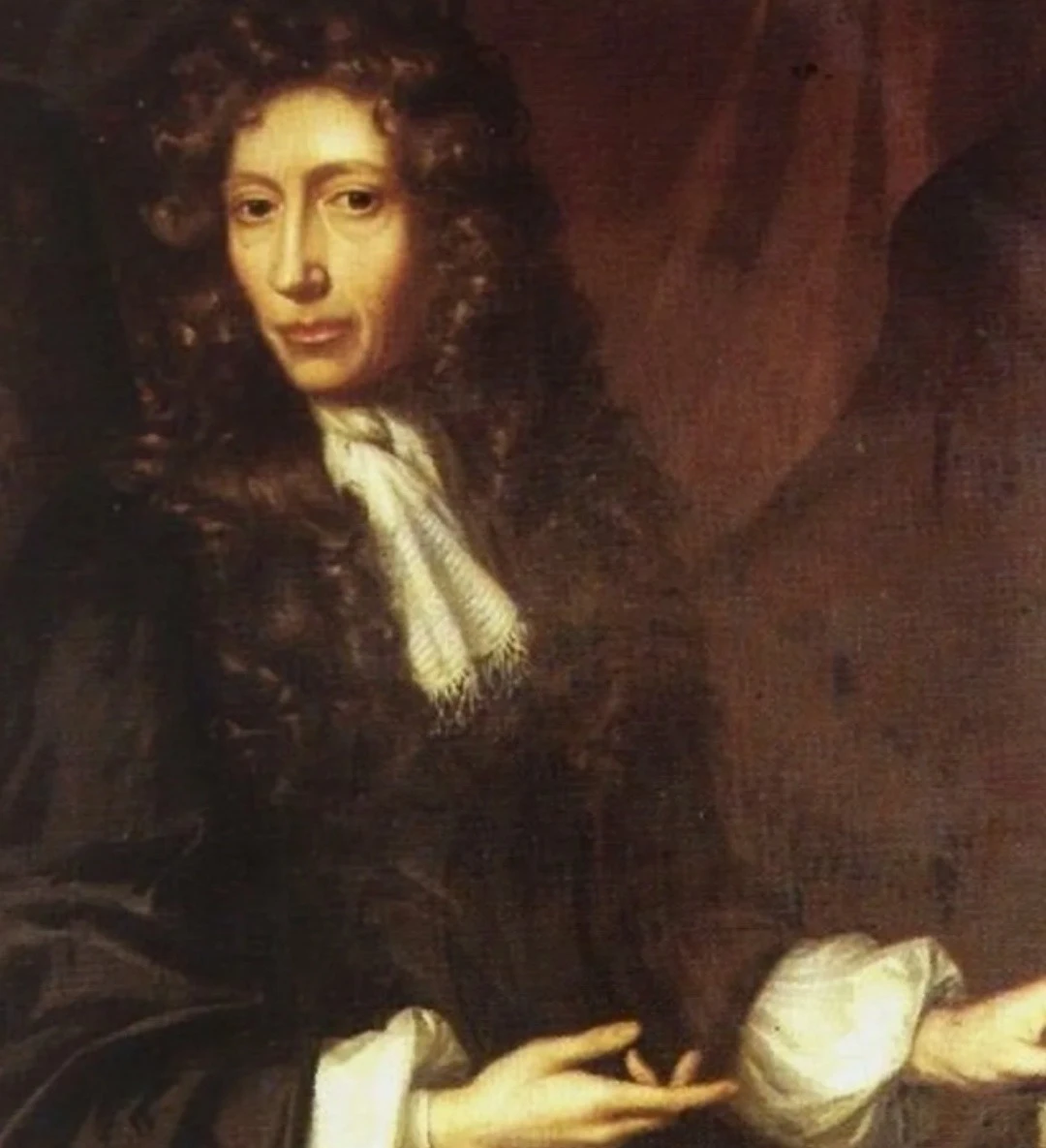
In an era when bloodletting was considered a panacea and dissecting rooms evoked superstitious horror, Boyle dared to suggest that medicine could use organ transplants to save lives. It sounded like the ravings of a madman. How could one take a part of one person and make it work in another? The body would reject the foreign object! However, Robert Boyle was thinking centuries ahead. His notes, in addition to transplantation, included ideas for creating antidepressants and devices for prolonged underwater use. While scuba diving had to wait until Cousteau, humankind sooner mastered organ transplants.
Almost three centuries after Boyle's notes, in 1954, the first successful kidney transplant from an identical twin was performed. This ushered in a new era of medicine. Today, transplantation saves hundreds of thousands of lives annually, and the idea that this was once considered impossible is only mildly perplexing. 
Why don't we believe the prophets?
Looking at these examples from the past—from Boyle to Tesla—a logical question arises: why does humanity so stubbornly distrust those who see beyond their time? The answer lies in psychology and conservatism of thought.
Any new knowledge disrupts the familiar worldview. When Robert Boyle spoke of organ transplants, he was attacking something sacred—the integrity of the human body and divine providence (as understood by the people of his time). Bellamy's idea of abolishing money seemed a threat to the very foundations of capitalism and private property. And Tesla's talk of wireless communication seemed to violate the laws of physics (as known at the time). Our brains are designed to conserve energy: it's easier to reject a crazy idea outright than to expend resources on understanding and testing it.
Furthermore, many visionaries were extraordinary people: eccentrics (like Tesla), science fiction writers, or military pessimists (like Foch). We tend to trust respectable scientists in suits more than bright-eyed dreamers or writers with pen in hand.
But history teaches us one important lesson: the line between madness and genius is incredibly thin. What seems impossible today—whether it's colonizing Mars or reading minds using neural interfaces—may become an everyday reality for our children or grandchildren tomorrow. And when that happens, someone will surely remember the words of a modern dreamer and say:
"But he was right."