What Is Biodiesel and Why Didn't It Save the World From Oil? (8 photos)
August 10 marks International Biodiesel Day. The date is no coincidence: on that day in 1893, Rudolf Diesel’s engine ran under its own power for the very first time. Thus began humanity's journey toward a fuel that could be grown in a field. Seven years later, at the Paris World's Fair, the same engineer demonstrated an engine running on peanut oil and predicted that plant-based fuel would one day replace petroleum. Oil won. But biodiesel never vanished—and today we explore why it ultimately failed to free the world from oil dependency. And why, by all accounts, it never will. 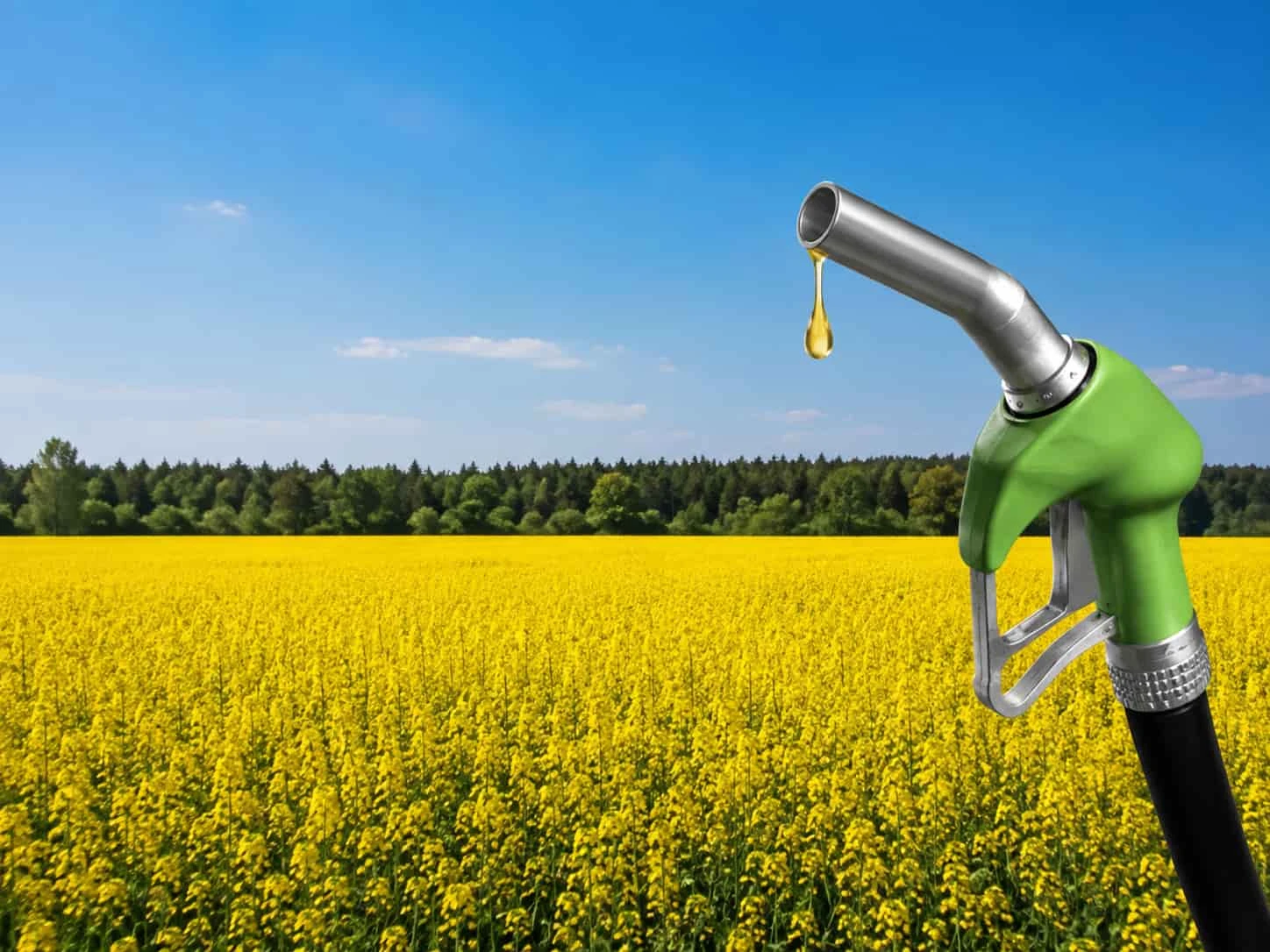
Peanuts, Coal, and One Big Idea
The story of biodiesel begins with a paradox. Rudolf Diesel didn't design his engine specifically for petroleum—he wanted to build a machine that could run on almost anything. The first 1893 prototype was tested on coal dust before switching to liquid fuel. Then, in 1900, the French government asked Diesel to showcase his machine at the Paris Exhibition—and for that demonstration, the engine was run specifically on peanut oil. 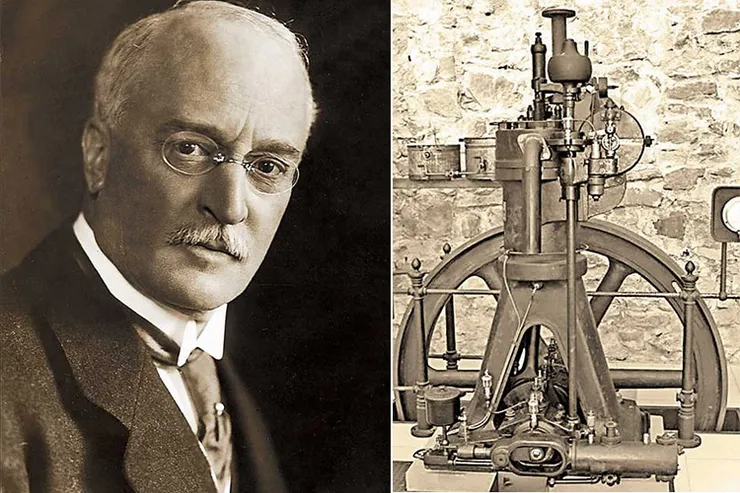
Rudolf Diesel (1858–1913) dreamed of a world where every farmer produced fuel from their own crops. In 1913, his body was found in the North Sea under circumstances that were never fully explained.
The French had a specific problem to solve: finding a fuel for their African colonies that didn't need to be shipped from Europe. Peanuts grew locally, while petroleum was scarce. The engine worked, and Diesel was thrilled, publicly declaring that farmers could produce fuel from what they grew—without relying on oil companies or pipelines. It was a revolutionary vision: decentralized energy harvested from the fields.
The dream was short-lived. By then, the oil industry was scaling up at full steam. Kerosene and petroleum-based diesel proved cheaper, more stable, and easier to transport. Peanut oil couldn't compete, and plant-based fuels were largely forgotten for decades.
What Is Biodiesel and How Is It Made?
Biodiesel isn't just vegetable oil poured straight into a tank. Pure oil is far too viscous for modern engines with high-precision fuel injectors. Turning it into a proper fuel requires a chemical reaction called transesterification: oil is mixed with methanol in the presence of a catalyst, reorganizing fatty acid molecules to produce biodiesel along with glycerin as a byproduct.
Almost any fat-bearing substance can serve as feedstock. Europe relies heavily on rapeseed and recycled cooking oil from restaurants. The U.S. and Argentina favor soybeans, while Indonesia and Malaysia use palm oil. Sunflowers, animal fats, algae—the list goes on. This flexibility makes biodiesel attractive, allowing each region to use whatever is cheapest and most abundant locally. 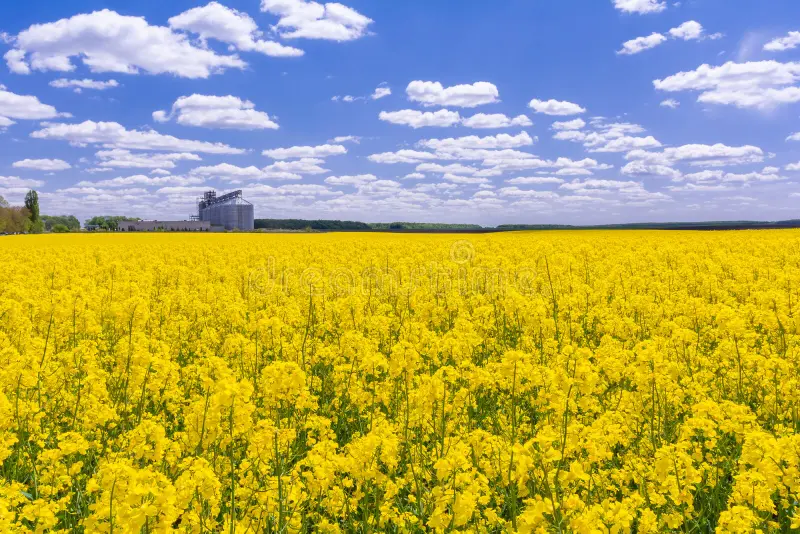
Rapeseed is the primary feedstock for European biodiesel. Germany, France, and Poland plant hundreds of thousands of hectares specifically for fuel production.
A key advantage of biodiesel is its compatibility with existing engines. A blend containing up to 20% biodiesel (labeled B20) can be used in most modern diesel vehicles without any engine modifications. This sets it apart from hydrogen or electricity, which require a complete overhaul of fueling infrastructure.
The Global Market: Record Highs, Tiny Market Share
The figures are both impressive and sobering. In 2023, global biodiesel production hit a record 71.5 million metric tons—an 11% increase from the previous year. According to International Grains Council forecasts, production rose further in 2024 to 76.3 million tons. The U.S., Brazil, and Indonesia collectively account for around 60% of global output—double their share from a decade ago.
Yet biodiesel covers just 2–3% of total global diesel consumption. Set against the massive oil market, these record production numbers amount to a drop in the bucket. It's a paradox of growth without displacement: the industry is expanding, but its market share remains marginal because petroleum diesel demand continues to rise as well. 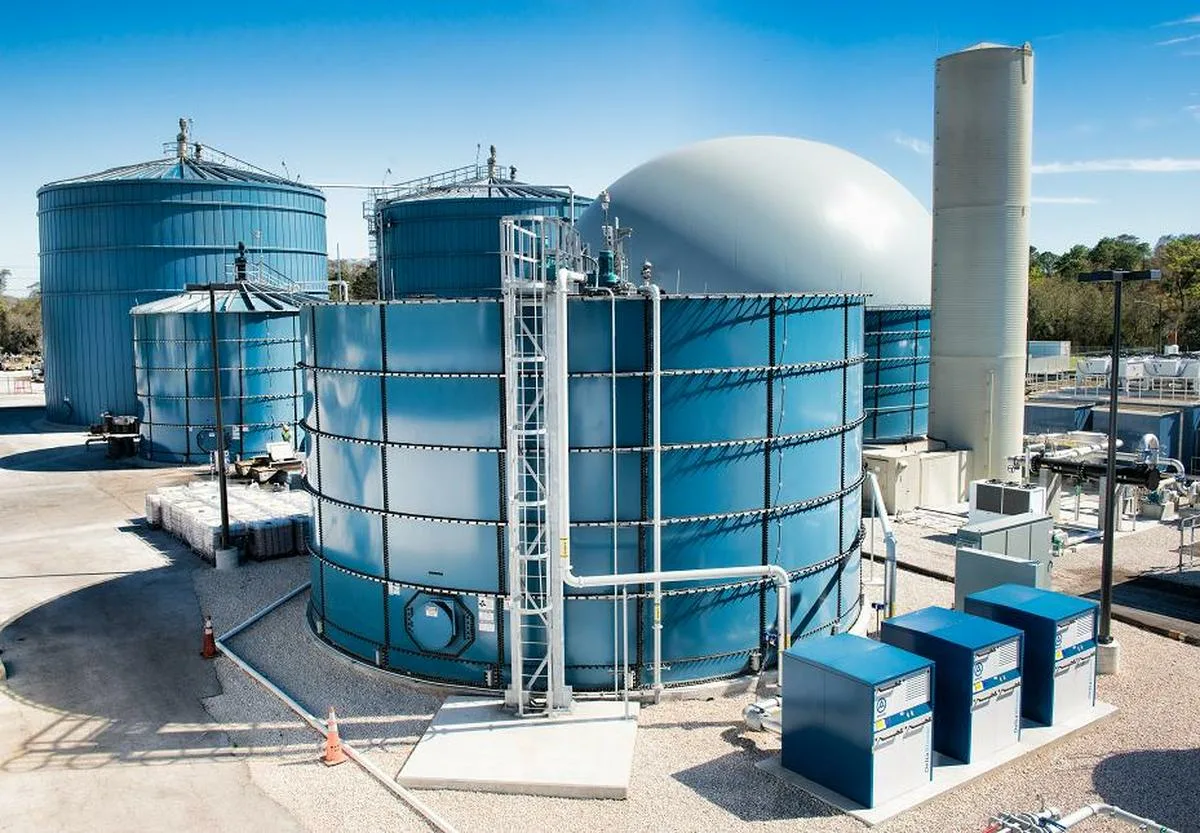
A modern biodiesel plant can process thousands of tons of vegetable oil per month. The largest facilities are located in the United States, Germany, and Indonesia.
Europe is the largest consumer, accounting for roughly 40% of global biodiesel demand. This is driven in part by government mandates: all fuel stations in the EU sell B7 diesel, which contains up to 7% biodiesel. Most drivers are completely unaware—the label is on the pump, but few notice it. In practice, every European diesel car has been running on a biofuel blend for years.
Why Biodiesel Hasn't Replaced Petroleum
Biodiesel has faced three major hurdles for decades, none of which have been fully overcome. The first is cost. Without government subsidies, biodiesel is more expensive than conventional diesel. Plant oils cost more per unit of energy than crude oil, and the refining process is more complex. Wherever subsidies are stripped away, the market shrinks.
The second hurdle is land availability. Even partially replacing petroleum diesel requires vast amounts of agricultural land. This creates direct competition with food production: land dedicated to growing rapeseed or soybeans for fuel isn't producing food. It’s a politically and socially sensitive issue, especially when food prices spike. 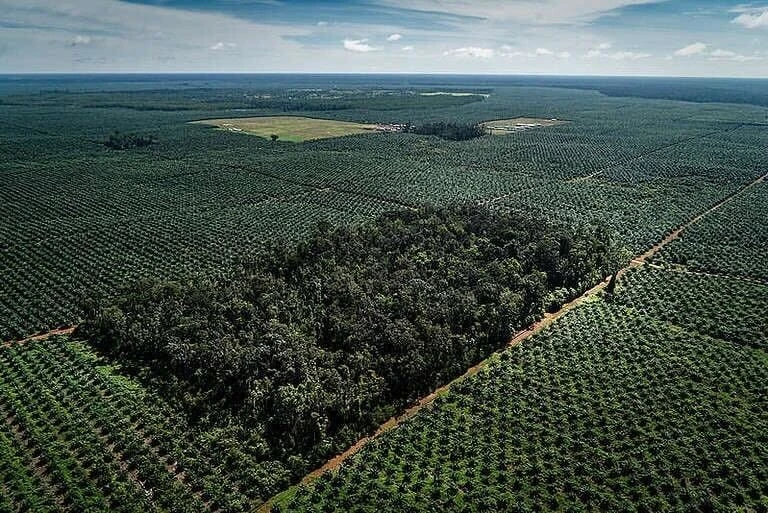
Oil palm plantations in Indonesia are often carved out of tropical rainforests. This makes palm-based biodiesel environmentally contentious, despite its "green fuel" status.
The third hurdle is climate. Biodiesel thickens in cold weather far more than conventional diesel. At temperatures below -10°C (14°F), it begins to crystallize and clog fuel filters. For places like Scandinavia, Canada, or Siberia, this is a major practical drawback that technical fixes have mitigated, but not solved.
The Green Paradox: When "Eco-Friendly" Is Worse Than Oil
The thorniest issue surrounding biodiesel is its actual carbon footprint. On paper, it sounds ideal: plants absorb CO₂ as they grow, and burning the fuel releases it back into the atmosphere in a closed cycle. Reality is far more complicated. Clearing tropical rainforests for palm plantations in Indonesia and Malaysia releases vast amounts of carbon stored over centuries. Draining peatlands for palm cultivation releases even more.
Research shows that palm-based biodiesel grown on cleared forest land generates up to three times more greenhouse gas emissions than conventional diesel. The European Commission acknowledged this in its reports, leading the EU to gradually phase out palm oil feedstocks starting in 2023. Between 2001 and 2016, over two million hectares of Indonesian forest were cleared for oil palm production. 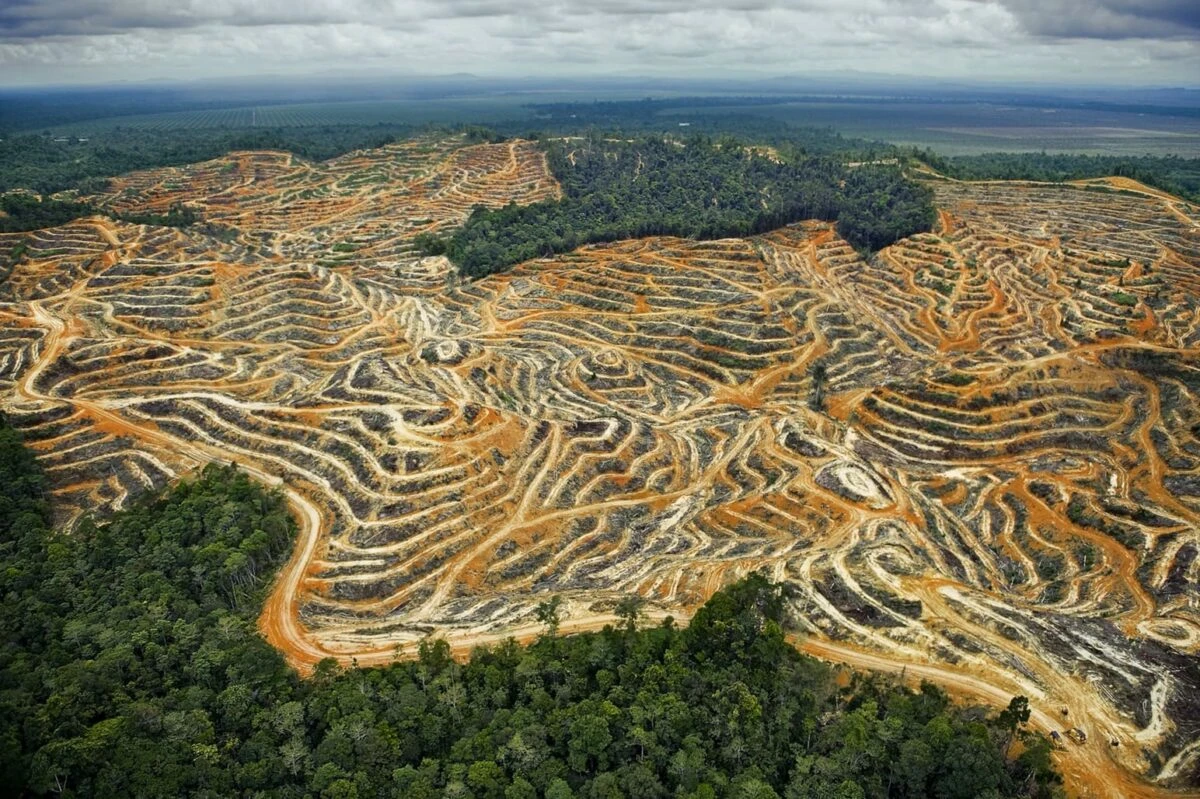
In Borneo, half of all deforestation between 2005 and 2015 was linked to palm oil expansion. Biofuel made from such sources can hardly be called eco-friendly.
The picture is better for rapeseed and soy, but still imperfect: emissions from fertilizer production, machinery operation, and transportation must be factored in. Ultimately, actual emission reductions compared to fossil diesel vary wildly depending on the feedstock and production methods—ranging from significant savings to no benefit at all.
Where Things Stand Today: HVO and the Next Generation
While traditional biodiesel has stalled, a more advanced successor is gaining momentum: Hydrotreated Vegetable Oil, or HVO. Traditional biodiesel is produced via transesterification, whereas HVO relies on high-pressure hydrogenation. The result is a fuel chemically almost identical to petroleum diesel.
The advantages are significant. HVO doesn't gel in cold weather—it performs reliably down to -30°C (-22°F) and below, making it ideal for northern climates. It can also be blended in any proportion without engine restrictions. The world’s largest producer of HVO, Finnish firm Neste, already supplies it as sustainable aviation fuel (SAF). European airports are increasingly refueling aircraft with HVO blends. 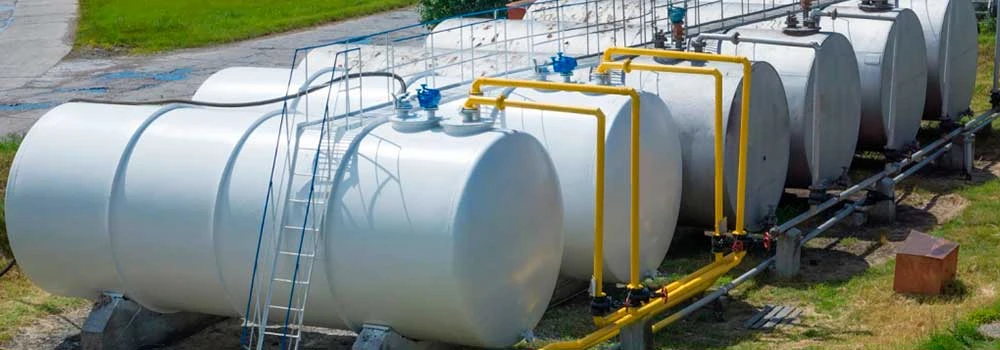
Finland's Neste is the global leader in HVO production. The company processes food waste and animal fats into fuel for trucks, ships, and aircraft.
Aviation represents a new frontier for biofuels. Electric long-haul flights remain science fiction, and hydrogen requires entirely new aircraft fleets. HVO-based biofuels offer an immediate way to cut emissions using existing aircraft. By 2030, the EU requires airlines to use at least 2% sustainable aviation fuel—and HVO plays a central role in meeting that mandate.
A Niche Market, Not a Revolution
Biodiesel hasn't failed, but it hasn't conquered the market either. Over more than a century, it has carved out a distinct niche rather than driving a global revolution. Its primary market consists of long-haul freight trucks, tractors, commercial shipping, and municipal bus fleets backed by government mandates. Where electrification is not yet viable, biodiesel steps in to reduce emissions compared to pure petroleum.
The future likely belongs to second-generation feedstocks: used cooking oil, food processing waste, and algae. These sources don't compete with food crops or drive deforestation. However, supply remains constrained—there simply isn't enough leftover fryer grease in the world to fuel global transport. 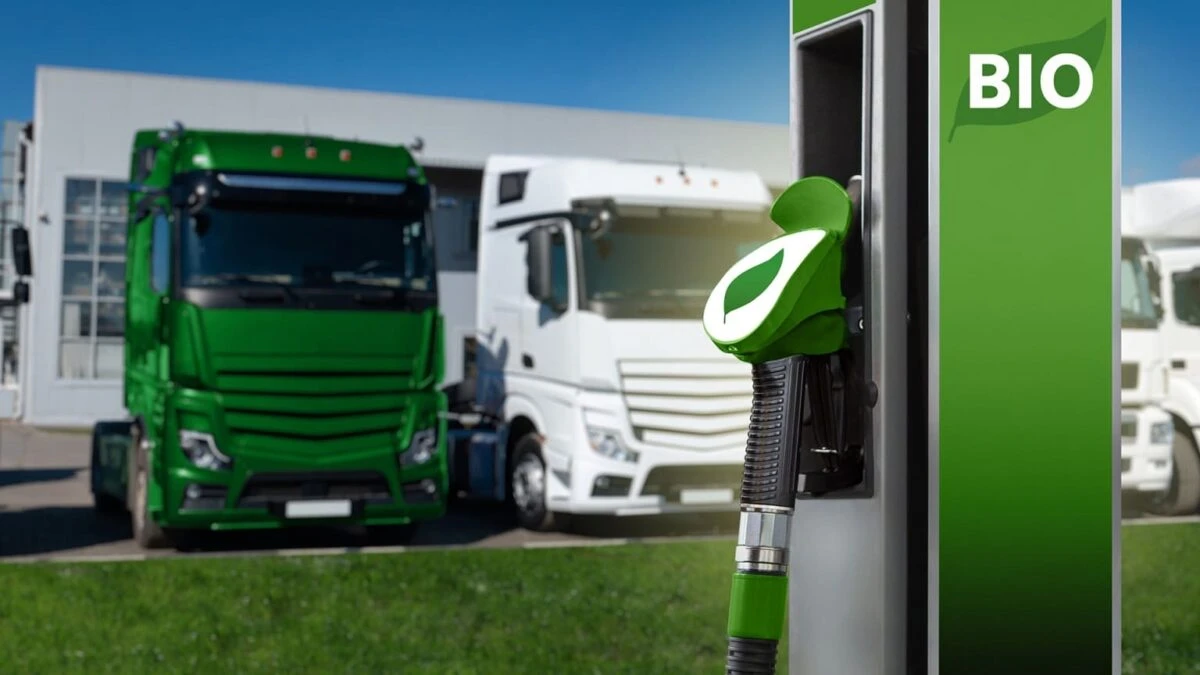
Long-haul trucks remain the main consumers of biodiesel. With heavy transport electrification still facing technical hurdles, biodiesel helps bridge the gap.
Rudolf Diesel dreamed of a world where farmers fueled tractors with oil harvested from their own fields. That dream has partially come true—in Brazil, for example, soy-based biodiesel is used in just this way. But biodiesel never broke humanity's dependence on oil. Instead, it sits alongside fossil fuels as a reminder that alternatives exist. It's just far more complex than it seemed at the Paris Exhibition in 1900.
Did you know that standard diesel at European gas stations already contains biofuel? Let us know in the comments if that surprised you!