Who owns Volvo? The history of the sale and the current owner (4 photos)
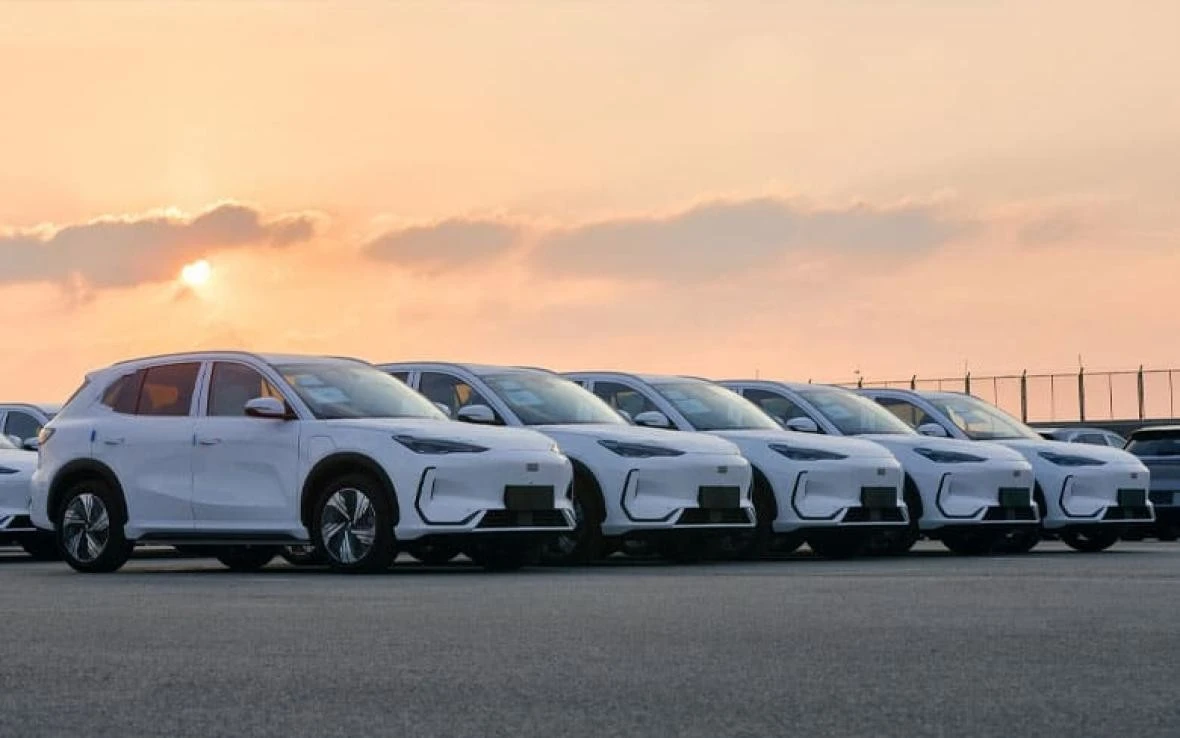
Since 2010, Volvo Cars has been owned by the Chinese automobile holding company Zhejiang Geely Holding Group. This acquisition marked a turning point in the history of the Chinese brand.
Until 2010, Volvo had been going through difficult times under the management of the American carmaker Ford. Under Geely's wing, Volvo not only retained its Scandinavian identity and technical independence but also received a powerful boost for further development. 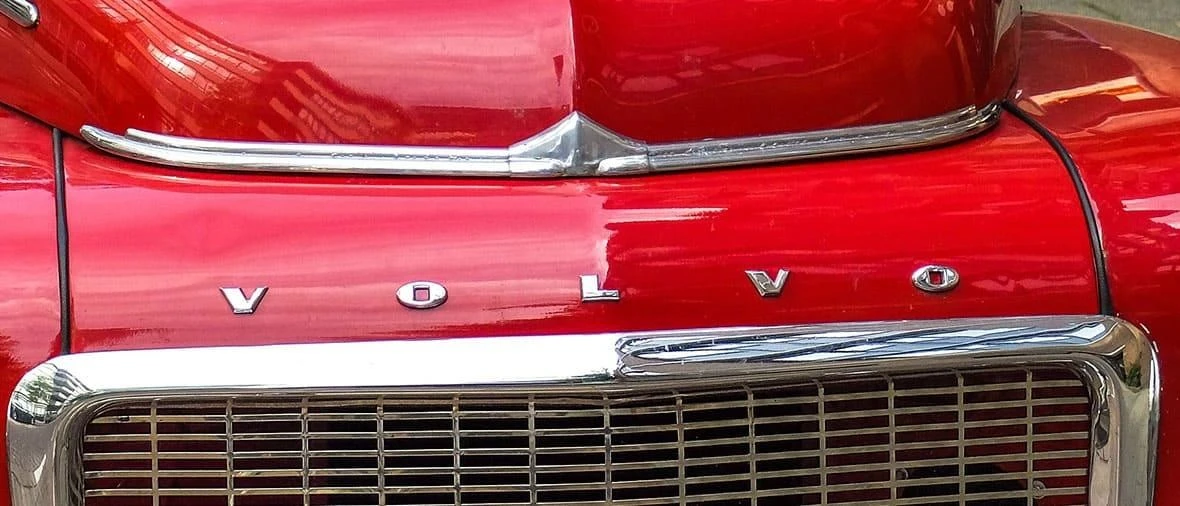
Who bought Volvo?
Volvo Cars' history as an independent brand ended in the late 1990s. In 2010, a Chinese automaker became the new owner of the Swedish brand, but the road to this point was long.
First it was Ford
In 1999, American auto giant Ford Motor Company acquired Volvo Cars for $6.45 billion. The goal was to strengthen Ford's premium portfolio within the Premier Automotive Group. This also included Jaguar, Land Rover, and Aston Martin.
However, expectations were not met: Volvo suffered from underinvestment, and its sales were declining. The global financial crisis of 2008 forced Ford to divest unprofitable assets, and the Swedish brand was put up for sale.
Where Geely Came From
The buyer was Li Shufu, the founder of the Chinese company Geely, who made what seemed like a gamble. In 2010, Geely acquired 100% of Volvo Cars for approximately $1.8 billion. This amount was a third of what Ford had paid for the company.
At the time, Geely, which had started out manufacturing refrigerators and motorcycles, was associated with the budget segment and lacked international recognition. Many skeptics predicted the collapse of the Swedish legend, but their predictions were not fulfilled. 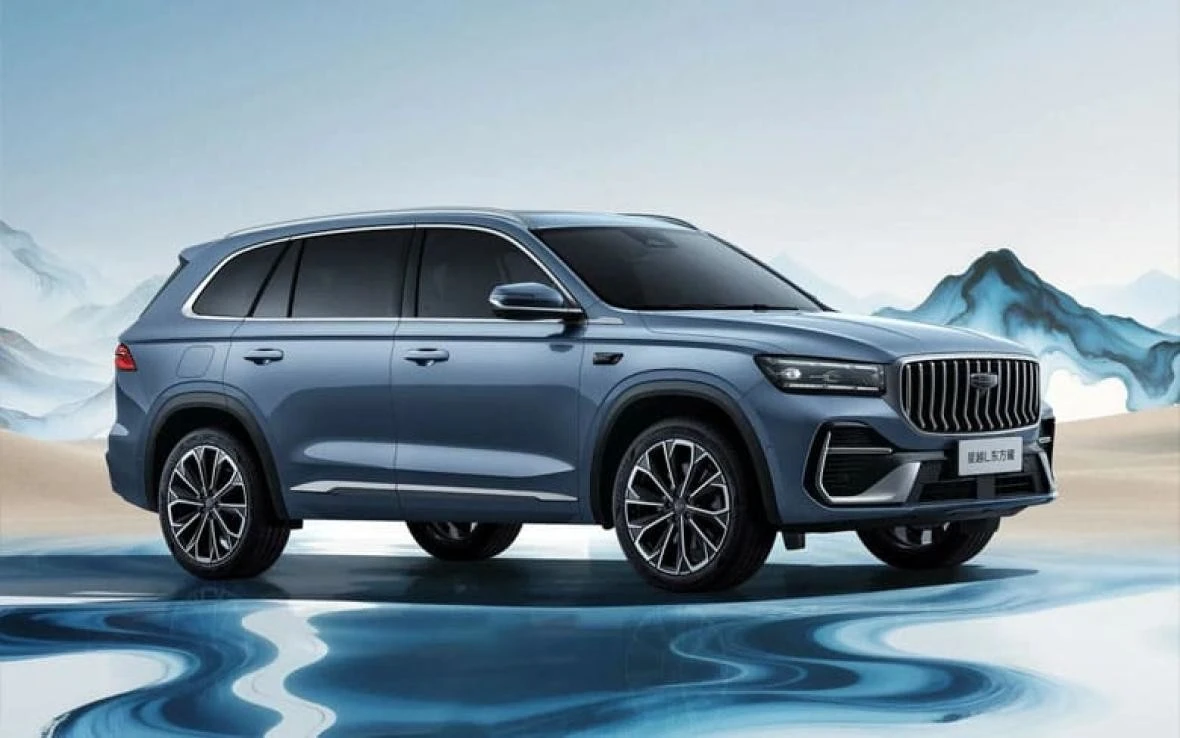
Is Volvo a Swedish or Chinese brand?
Legally, the Volvo Cars brand is owned by Geely. However, it is important to distinguish between the two entities:
Volvo Cars — a passenger car manufacturer
Volvo Group — a manufacturer of trucks, buses, and special-purpose vehicles.
Volvo Group remains an independent Swedish company with shares in free float. The question of who bought Volvo often arises due to Geely becoming a major shareholder in the brand in 2018.
However, from a production, engineering, and cultural perspective, Volvo remains a deeply Swedish brand. After the acquisition, Geely granted the Swedish company significant autonomy. Volvo owns its headquarters, main research and development centers, and key design decisions remain in Sweden.
The company's Chinese owner ensured financial stability and access to a huge market, but did not interfere or alter the brand's long-standing values: safety, reliability, and Scandinavian minimalism.
Where are Volvo cars manufactured today? 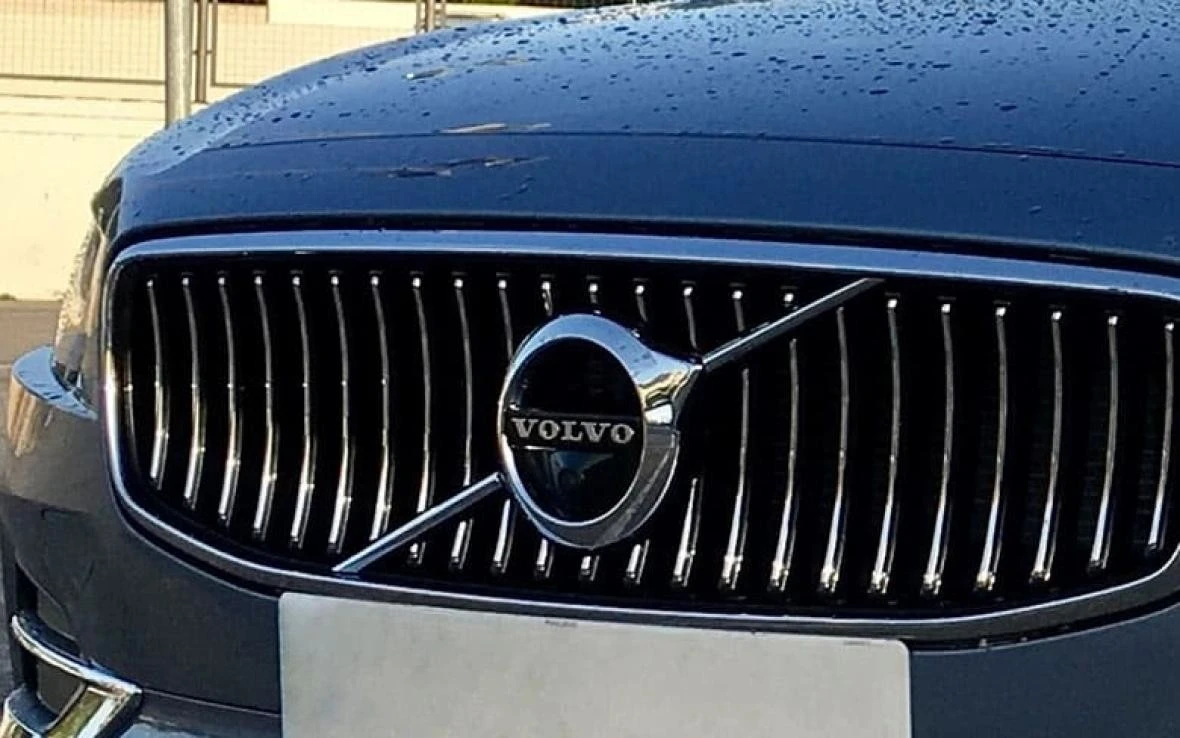
When Geely acquired Volvo, the Swedes' manufacturing footprint expanded significantly. Plants located on multiple continents strengthened the company's global status and allowed them to effectively serve key automotive markets worldwide.
Volvo's manufacturing facilities are located in:
Sweden (Gothenburg, Torslanda). This is the main plant and the "heart" of the brand. All flagship models are produced there.
Belgium (Ghent). One of the largest factories by production volume in all of Europe.
China (plants in Chengdu, Daqing, and Luqiao). Three sites serve not only the Chinese market but also supply vehicles worldwide. China has become Volvo's largest market.
USA (Ridgeville, South Carolina). The plant was specifically opened to localize production and strengthen its position in the American market.
This production geography has significantly reduced the company's risks and logistics costs, and significantly expanded its customer base.
What Volvo and Geely have achieved together
Who currently owns Volvo became clear in March 2010, when all of the company's assets and intellectual property came under Geely's control. After the deal closed, the Chinese company began to act with a strategic acumen rare in the auto industry. Instead of simply pumping out technology, Geely launched a massive process of mutual integration. This process affected all levels of production—from design to engineering platforms and the creation of new brands.
The first changes after Volvo's acquisition by the Chinese were immediately visible. By 2011, Volvo designer Peter Horbury, the brainchild of iconic models like the XC90, had taken over Geely's design department. He was later joined by Steve Harper, who had established an electric vehicle studio in Shanghai. Their work quickly bore fruit: in 2014, the Geely Emgrand GT debuted, its design clearly revealing Swedish influence. Thus, the perception of the Chinese brand radically shifted from "budget" to "premium."
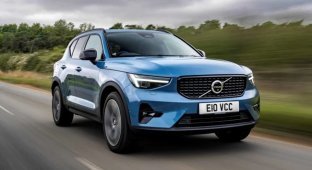
At the same time, deep technical integration was underway: the companies merged their engine divisions and began jointly developing powertrains. The culmination of this engineering symbiosis was the joint Compact Modular Architecture (CMA) platform. It was on this platform that the first model of the new-generation Volvo XC40 was built, followed by other key Geely models, such as the Tugella and Monjaro.
But the main result of Geely and Volvo's collaboration is the launch of new brands. Together, the companies have created two key brands:
Polestar. Previously a model from Volvo's "sports" division, Polestar, along with Geely, has evolved into an independent brand producing exclusively high-end electric vehicles.
Lynk & Co. is a digital brand for a younger audience, offering electric and hybrid vehicles.
Geely's extensive experience and financial strength have allowed it to grow into a true global empire. Now, in addition to Volvo and its joint ventures, the Chinese concern's family includes:
British Lotus
German Smart
Malaysian Proton
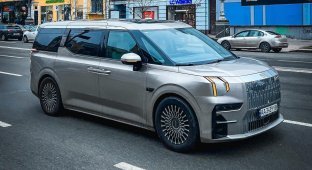
its own premium Chinese brands, such as Zeekr.
For Volvo, the partnership with Geely has also borne fruit. While Volvo sold around 370,000 cars annually in 2010, by 2025, sales had exceeded 700,000.