Fascinating Historical Photos from Across Asia (21 Photos)
From candid scenes of daily life to changing cityscapes, these archival photographs capture what life in Asia was really like throughout the 20th century. 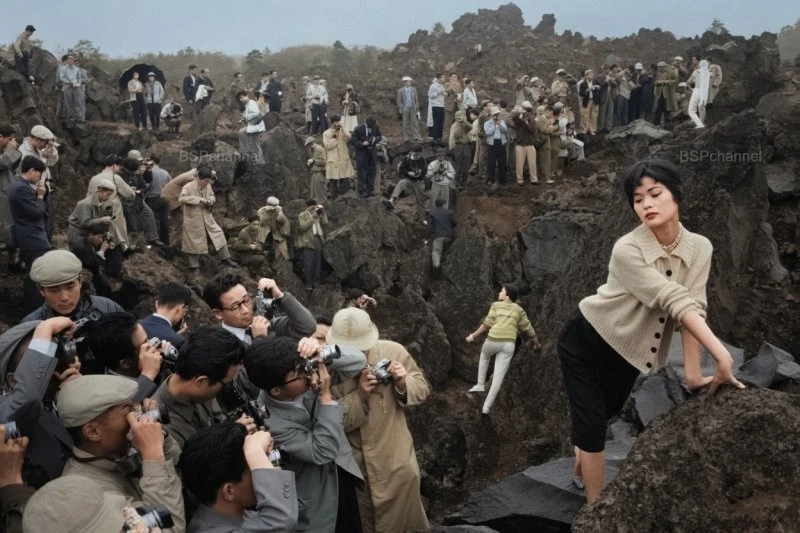
A street eatery in Bangkok, 1987. 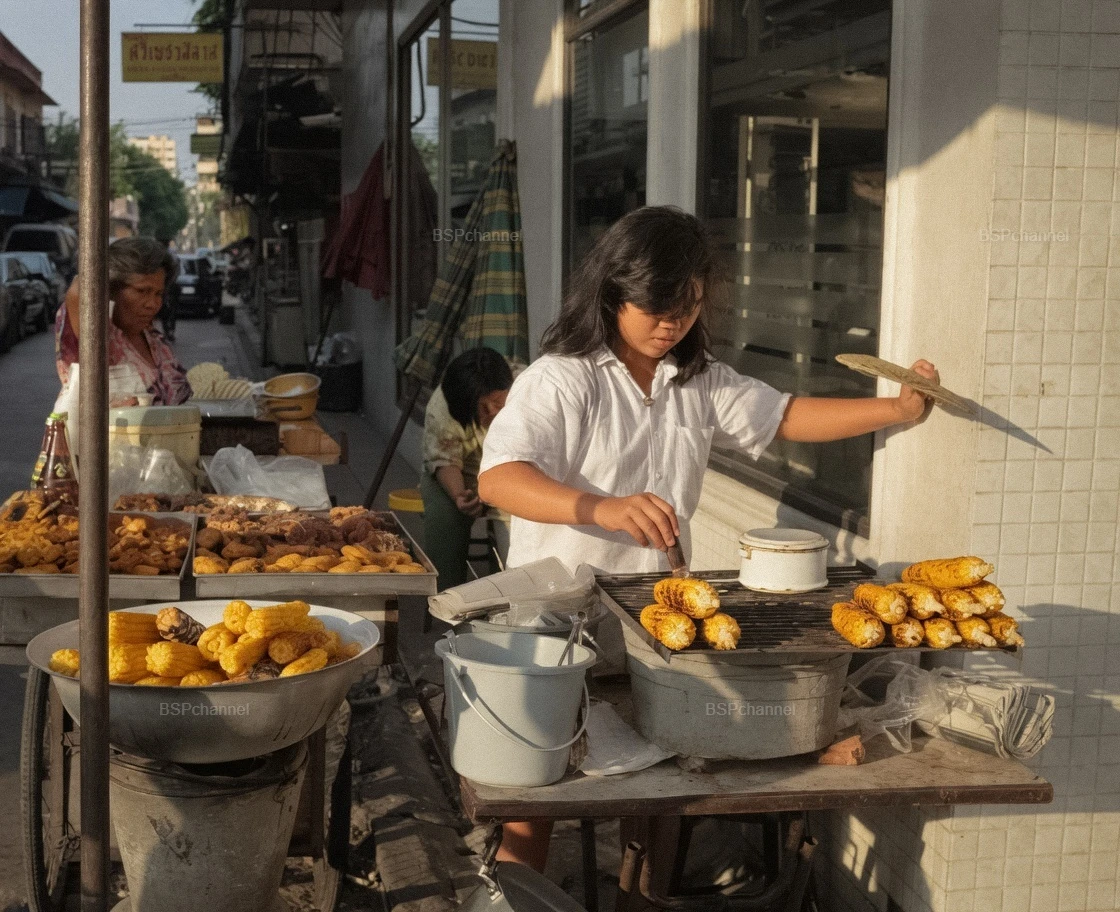
Cyclists navigating the streets of Beijing, 1987. 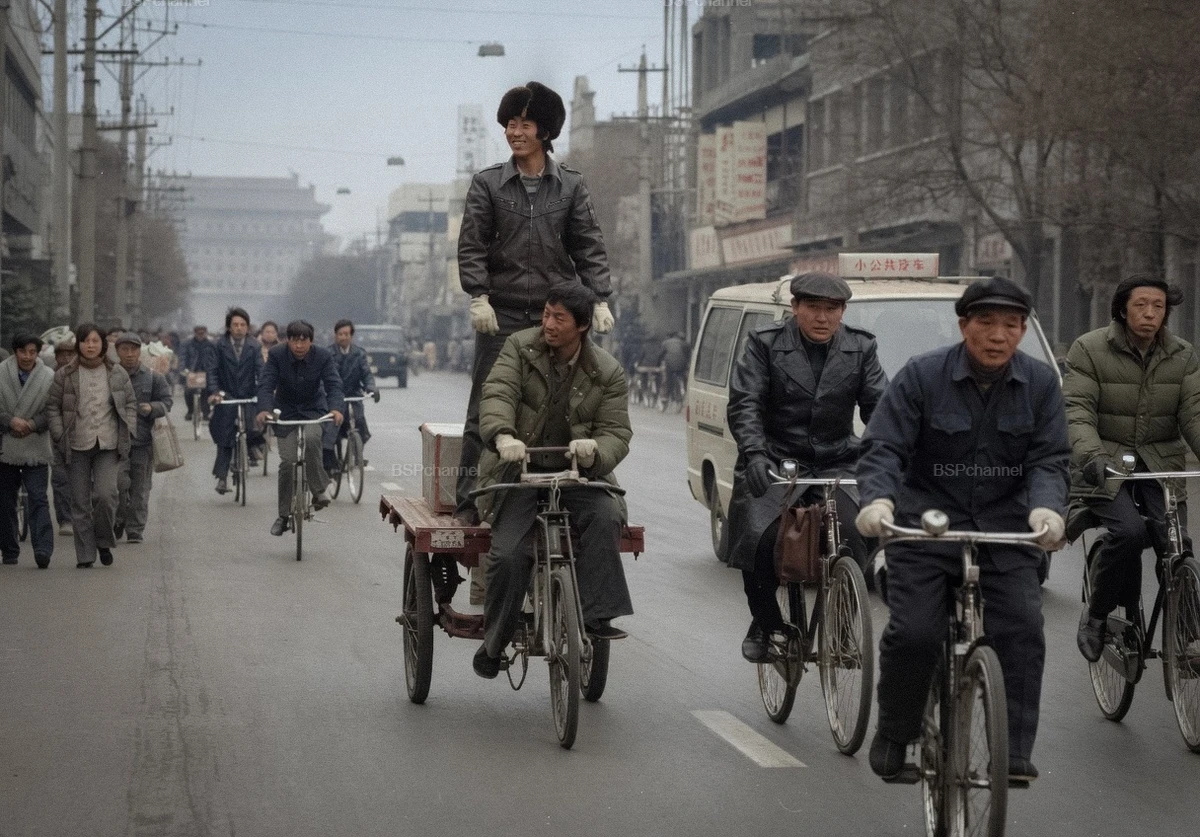
Photo: Vladimir Vyatkin
Thousands of cyclists filling city streets became one of the defining visual symbols of Beijing in the second half of the 20th century. At the time, the Chinese capital earned its reputation as the "Bicycle Kingdom," where two-wheelers overwhelmingly outnumbered cars and served as the primary mode of transport for millions of workers, students, and commuters.
A highway interchange in Singapore, 1987. 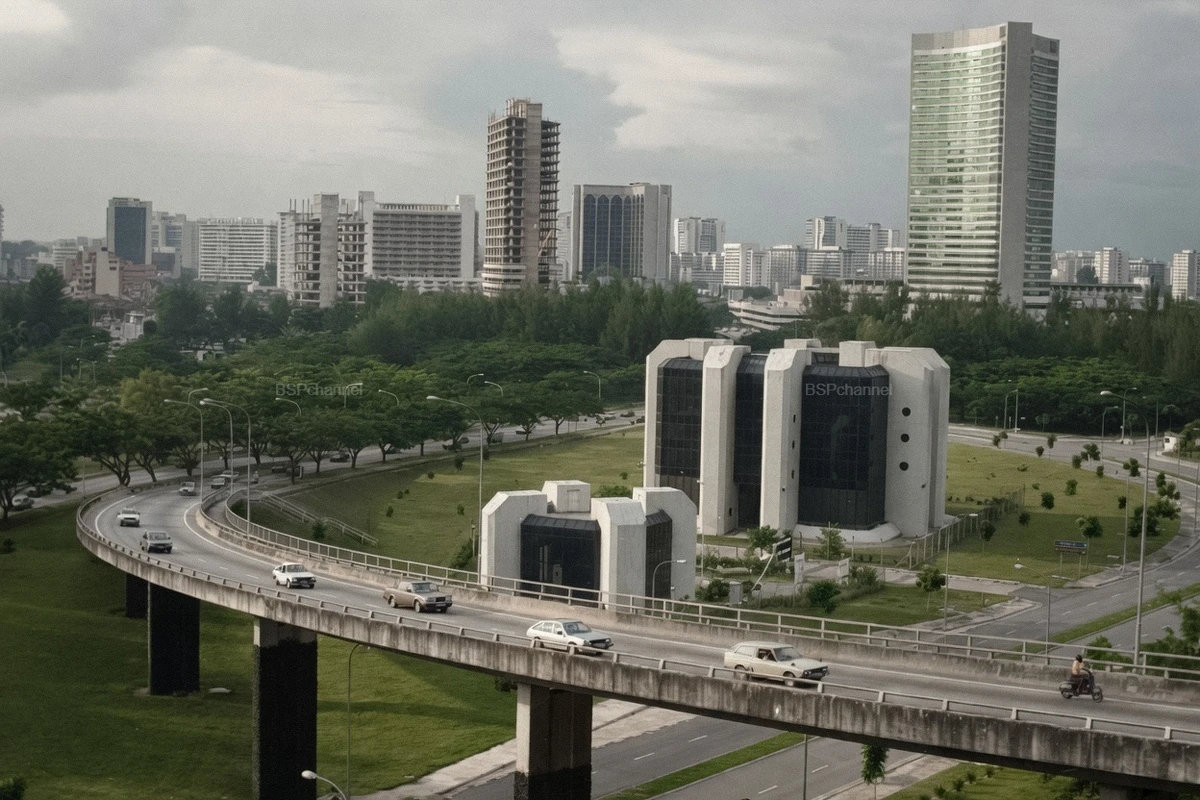
During the 1980s, Singapore made a massive economic and infrastructural leap, transforming from a developing port city into an ultra-modern Asian metropolis. The decade marked an era of monumental construction, digital transformation, a new urban culture, and a final departure from its colonial past. On November 7, 1987, the first MRT stations opened—a milestone locals viewed as the decade's greatest technological marvel, with air-conditioned trains revolutionizing daily commutes. Opened in 1981, Changi Airport's Terminal 1 set new global standards for civil aviation, instantly becoming Southeast Asia’s primary international hub. Meanwhile, the Housing & Development Board (HDB) systematically cleared old slums and traditional kampongs, rehousing residents in new high-rise estates across Bishan, Ang Mo Kio, and Tampines. Solidifying its status as one of the four "Asian Tigers," Singapore aggressively courted foreign investment in high tech, computing, and banking, fueling a rapid boom in the Central Business District (CBD) that permanently altered the city's skyline.
A restaurant in Tokyo, 1958. 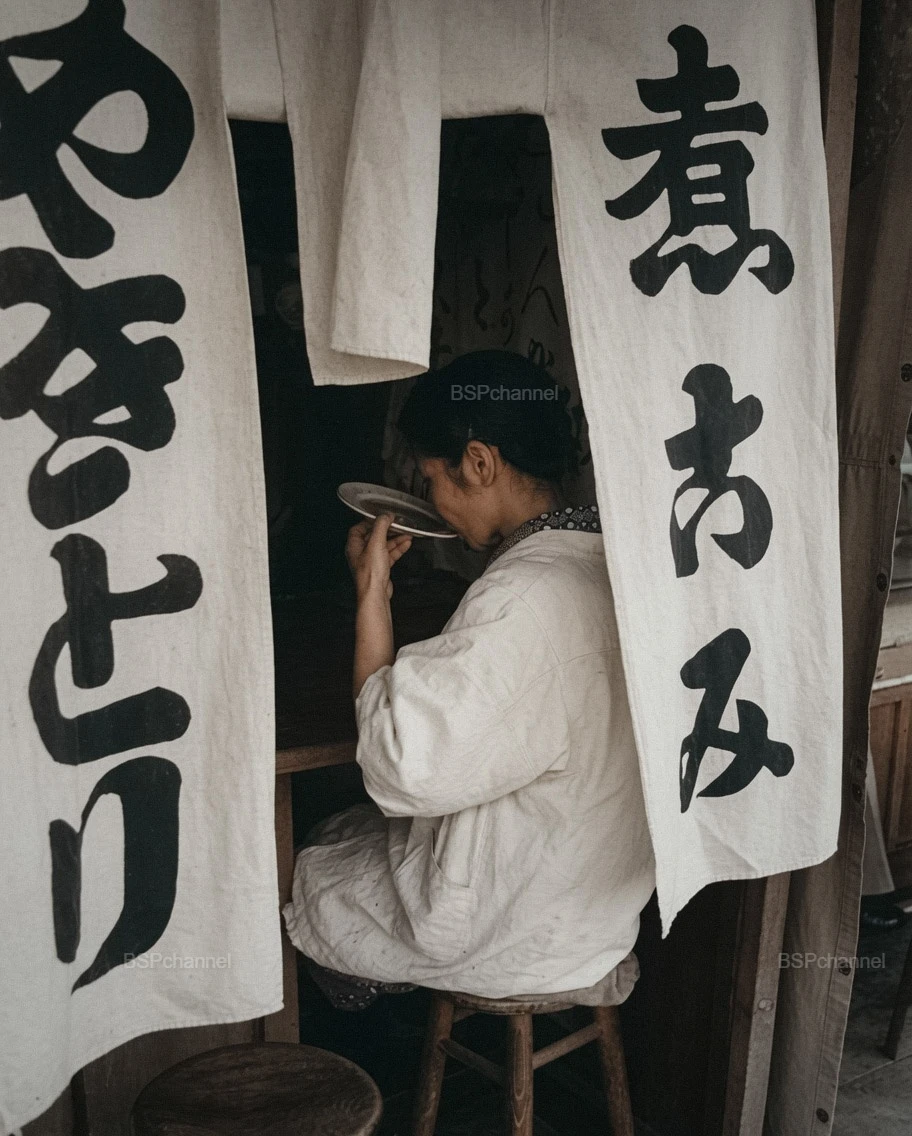
Photo: Marc Riboud
Darjeeling, India, 1956. 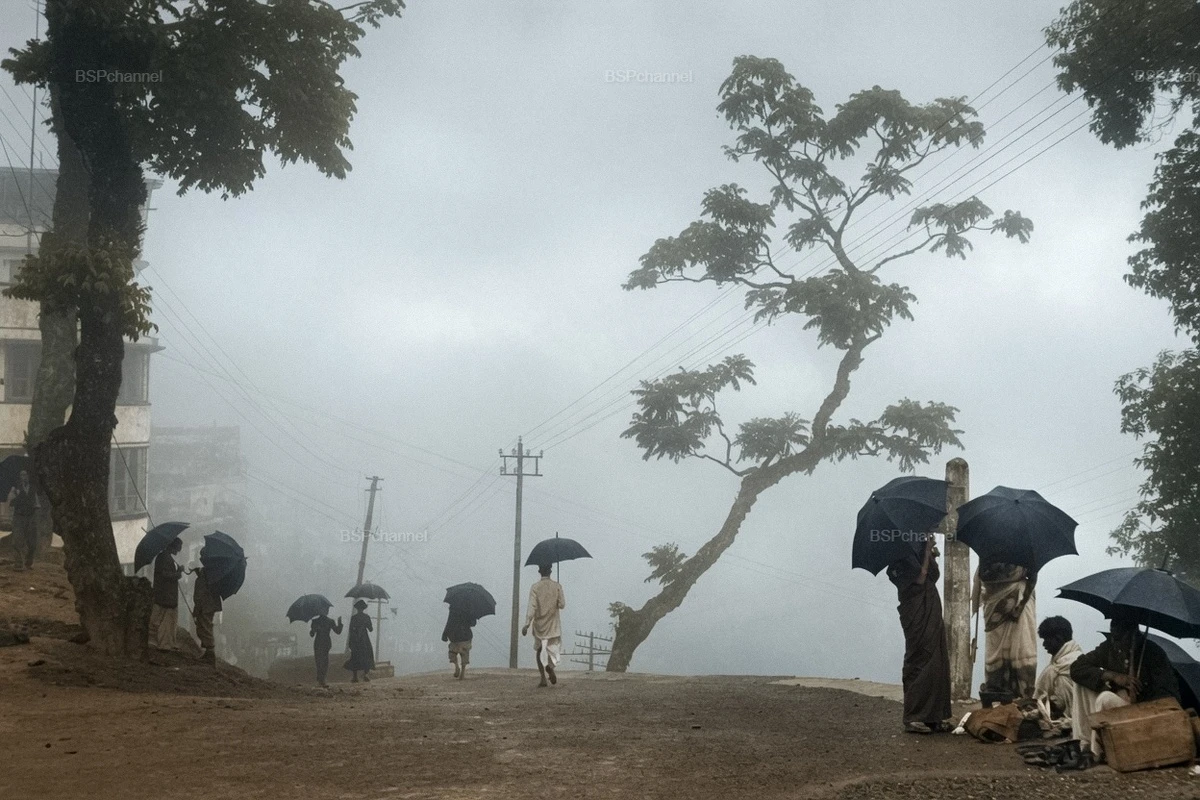
Photo: Marc Riboud
Darjeeling is a famous hill station in the Indian state of West Bengal, perched at an elevation of over 2,000 meters in the Himalayan foothills. It is globally renowned for its high-grade tea, breathtaking views of snow-capped Mount Kangchenjunga, and iconic narrow-gauge heritage railway.
A dockworker in Shanghai, 1957. 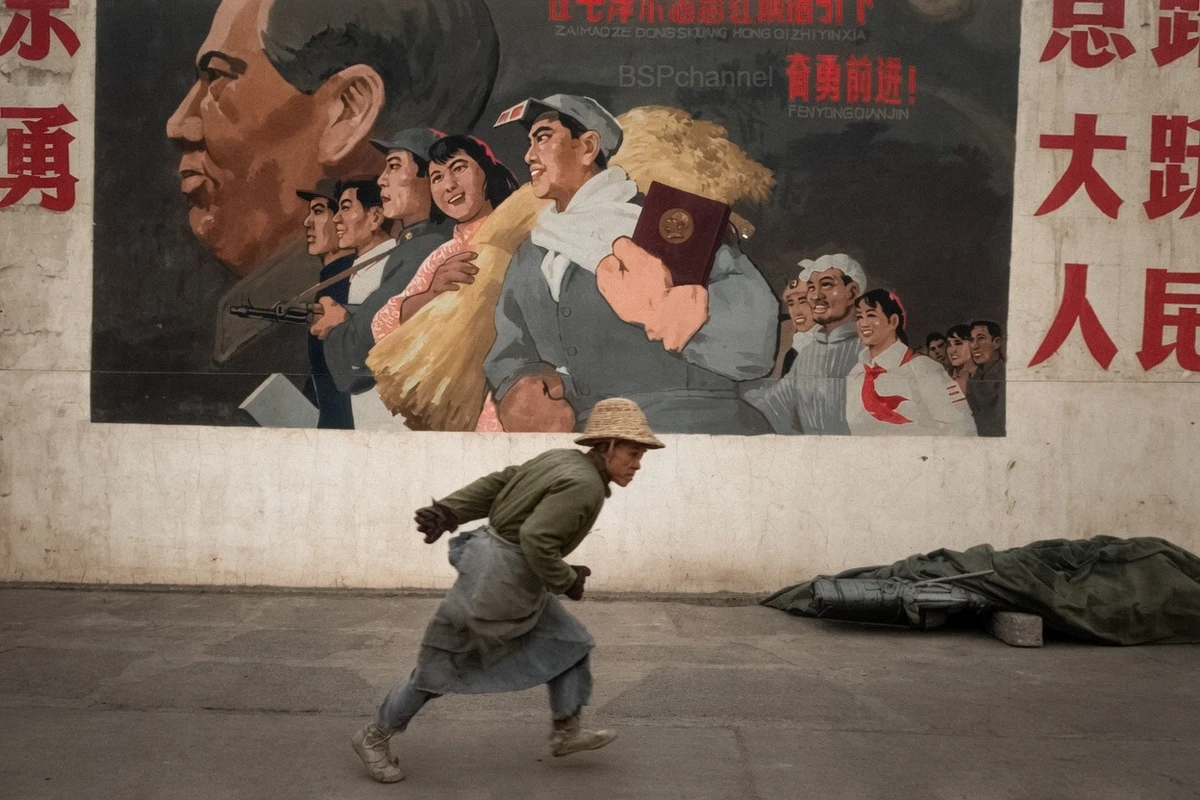
Photo: Marc Riboud
A dockworker (or docker) is a harbor laborer responsible for loading, unloading, and stowing cargo aboard ships and throughout port facilities.
An elevated expressway with Tokyo Tower in the background. Japan, 1981. 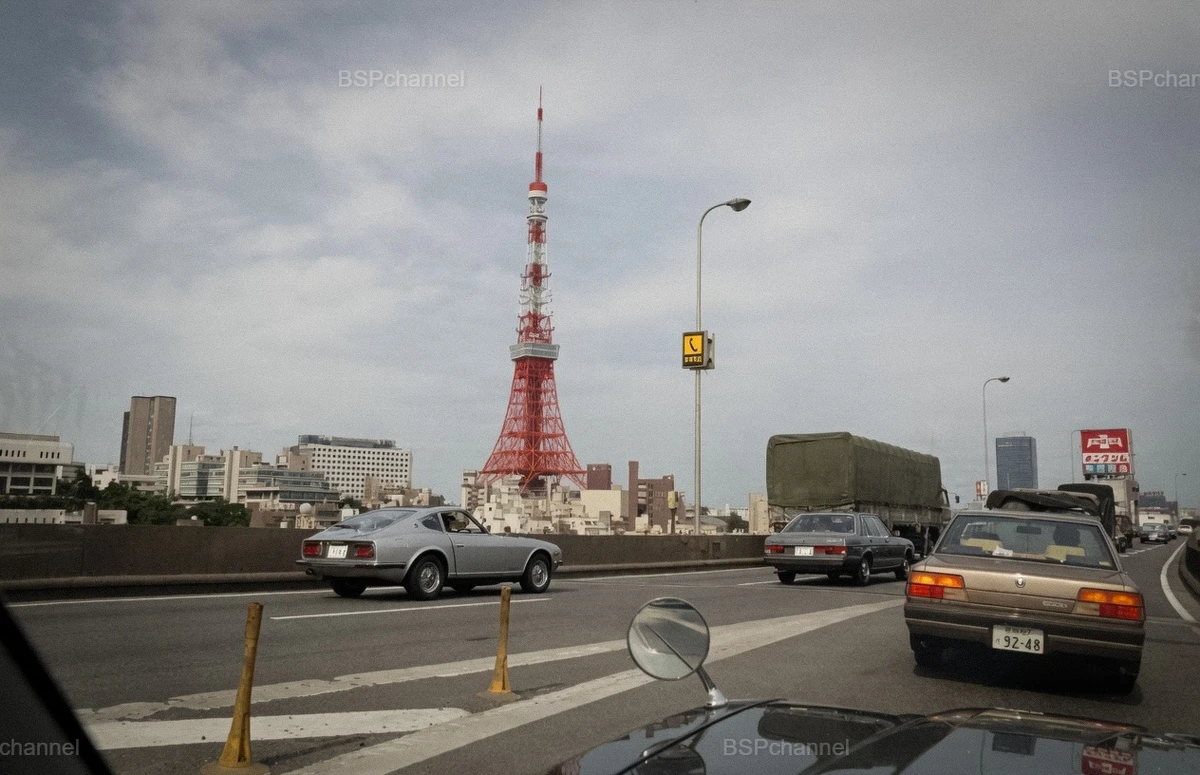
Photo: Yan Tikhonov
Erected in 1958 in Shiba Park (Minato Ward), Tokyo Tower stands as one of the Japanese capital's defining landmarks. Reaching a height of 333 meters, it was the world's tallest self-supporting steel tower at the time of its completion and remains a major tourist attraction today. Architect Tachū Naitō modeled the structure on the Eiffel Tower, though the Tokyo version weighs nearly half as much (around 4,000 metric tons compared to the French original's 7,300). Painted in alternating bands of white and international orange to comply with aviation safety laws, the tower features seasonal illumination: warm orange light in winter and cool white in summer, with special neon displays on holidays. Built as a symbol of Japan's post-WWII rebirth and economic miracle, it served for decades as the main broadcast antenna for the Greater Tokyo Area until surrounding skyscrapers prompted the construction of the 634-meter Tokyo Skytree in the digital era.
State of Cambodia. Street scene in Phnom Penh, 1989. 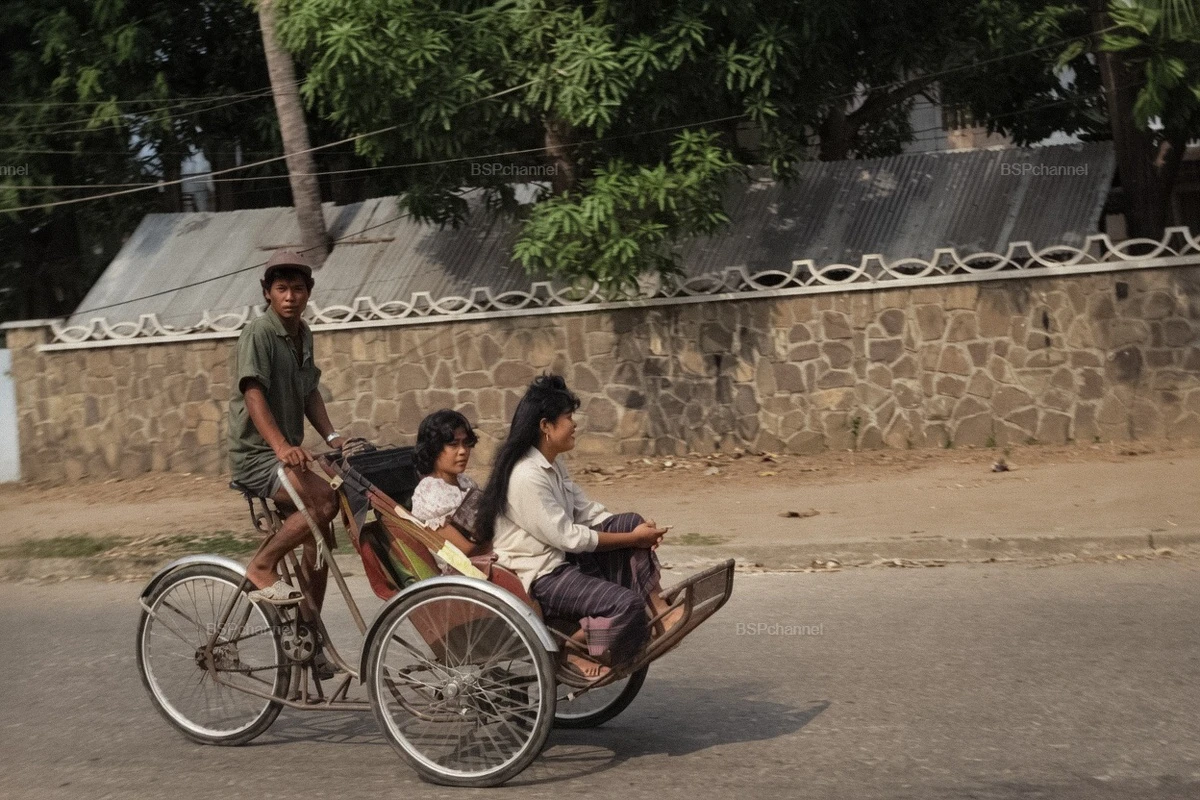
Photo: V. Mikhailov
A farmer working at a farm in Suratgarh, Rajasthan. India, 1972. 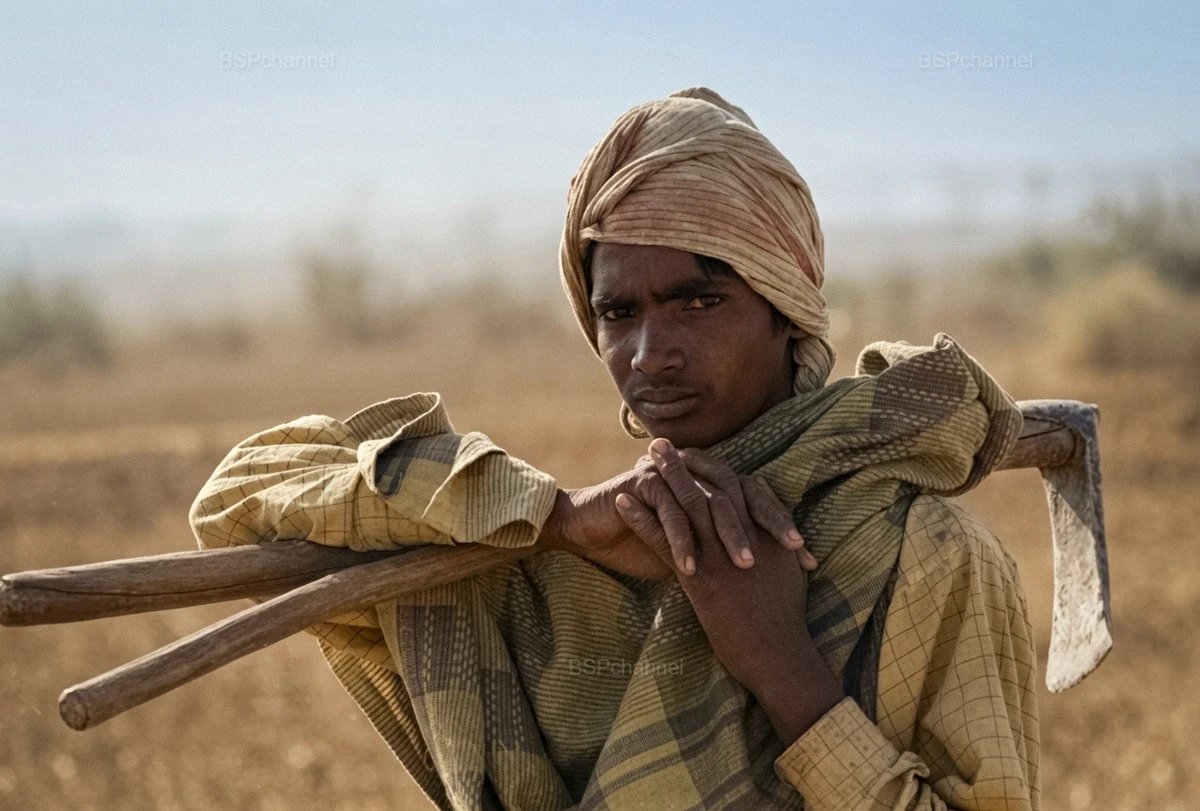
Photo: Valery Shustov
A satellite earth station for the Intersputnik system, built near Vientiane in the Lao People's Democratic Republic with Soviet assistance, 1988. 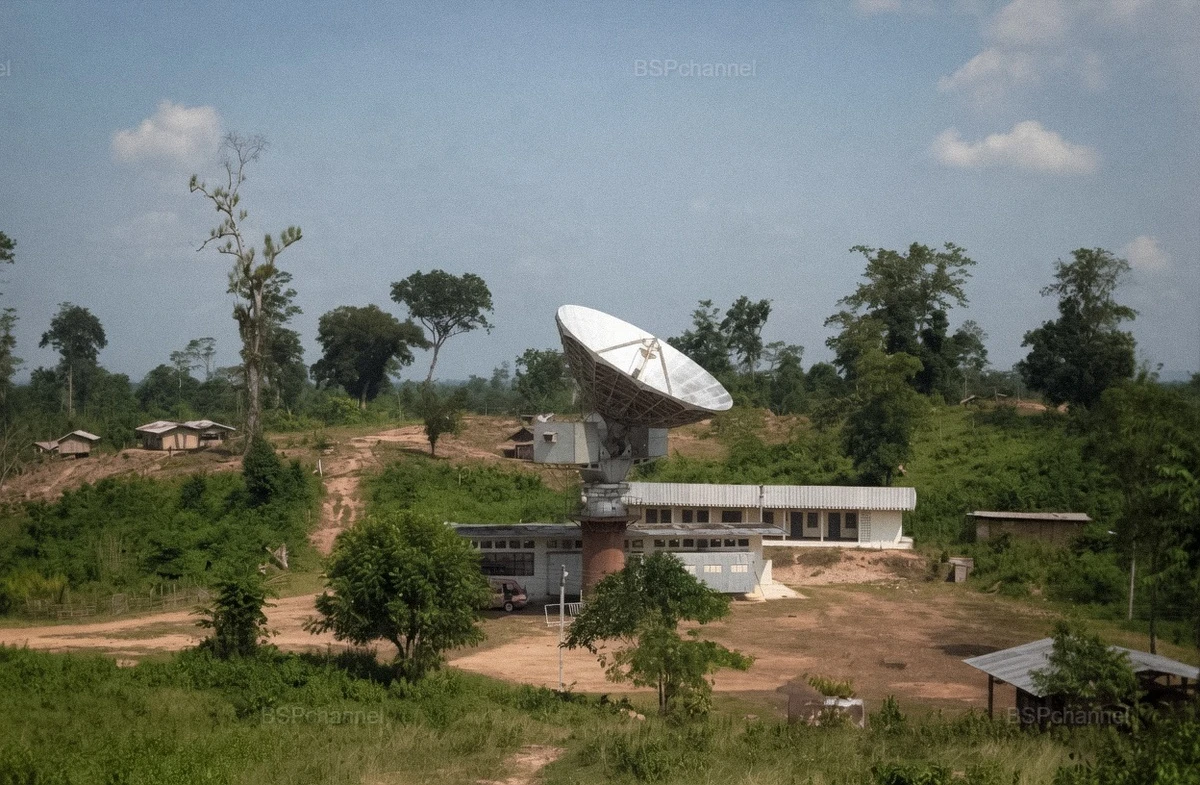
Photo: M. Yurchenko
Laos officially joined the Intersputnik International Organization of Space Communications on November 11, 1981, becoming a full member of the satellite network created by the Soviet Union and its allies as an alternative to the Western Intelsat system. The construction of this high-tech ground station was part of a major Soviet aid initiative; between 1976 and the late 1980s, Soviet engineers built over 50 key infrastructure projects across the Lao PDR, including bridges, hospitals, oil storage depots, and highways.
Socialist Republic of Vietnam. Opening of vehicular traffic on the Thăng Long Bridge over the Red River, built with Soviet technical assistance, 1983. 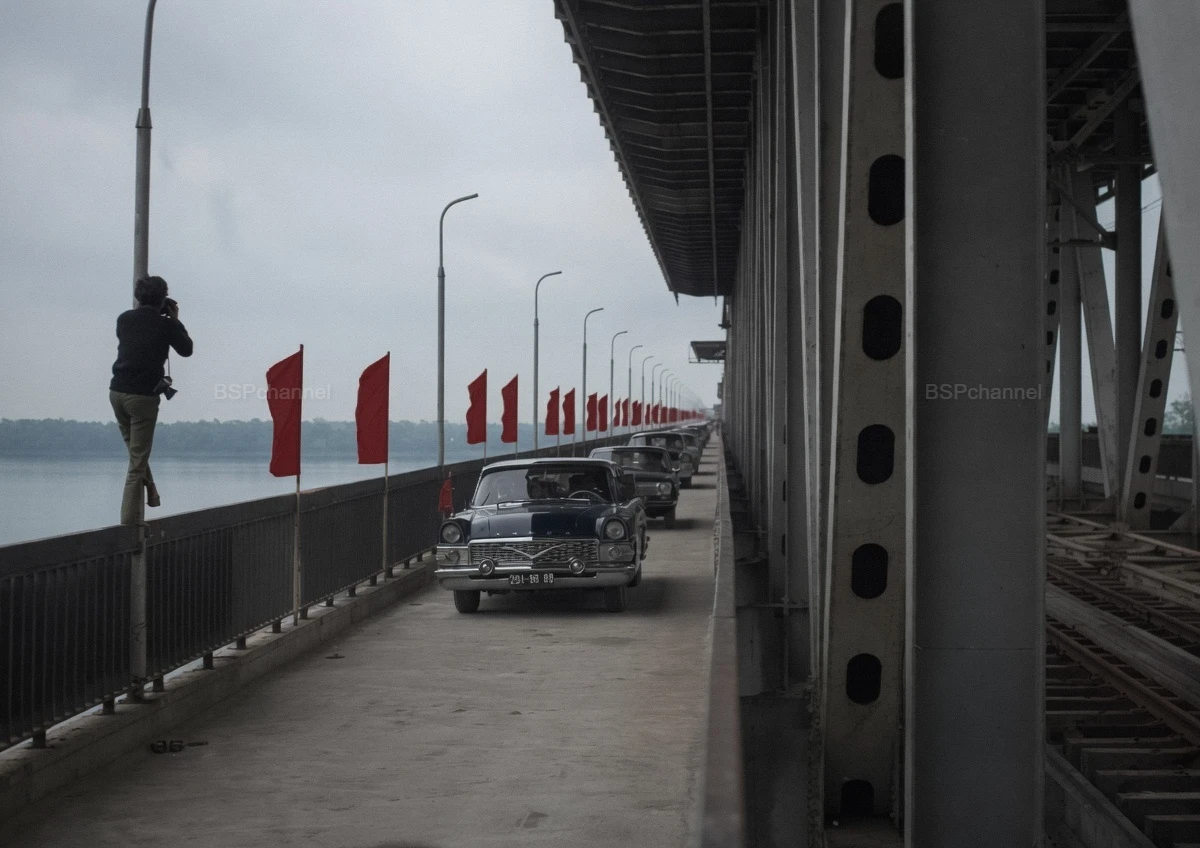
The opening of vehicular traffic across the Thăng Long Bridge over the Red River in Hanoi was a major milestone for Vietnam's transportation network and a key symbol of 20th-century Soviet-Vietnamese friendship. Translating to "Soaring Dragon," this massive double-deck bridge transformed the capital's logistics, connecting central Hanoi directly to northern provinces and Noi Bai International Airport.
A herd of water buffalo on the outskirts of Vientiane. Laos, 1969. 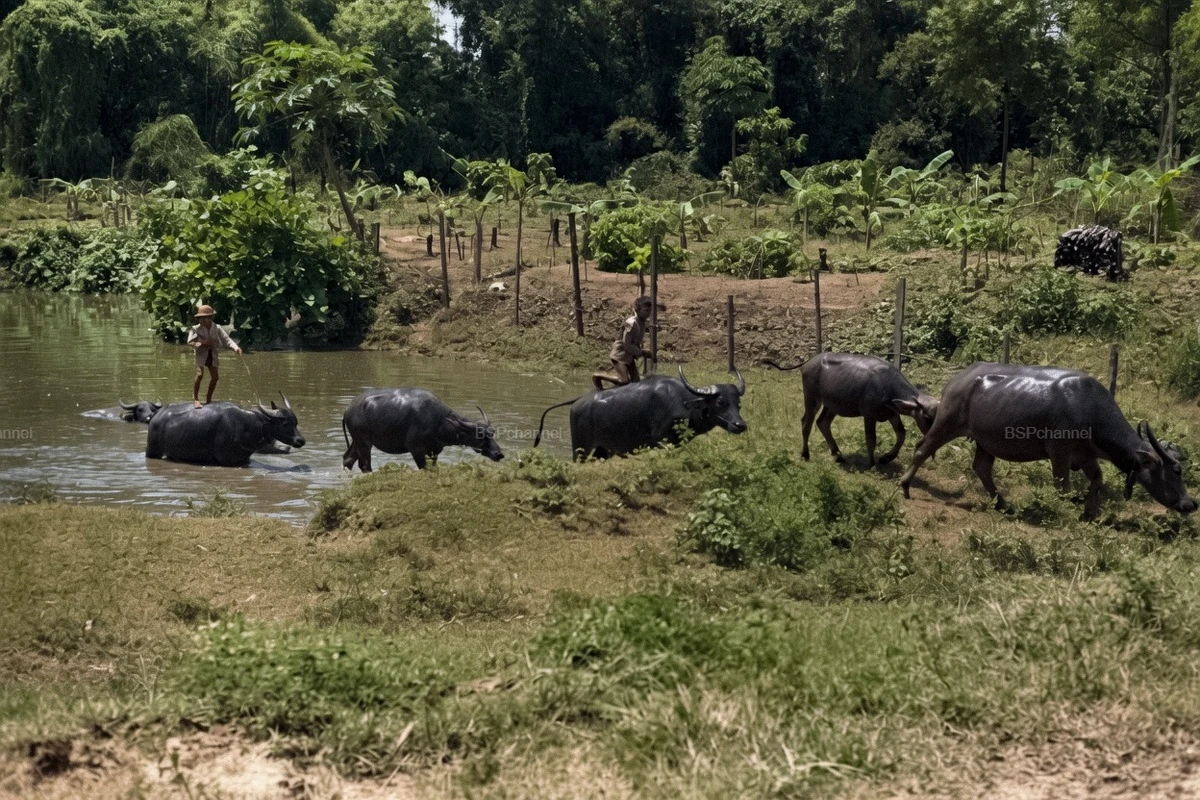
Photo: Yu. Kosinsky
A photographers' meetup. Japan, 1958. 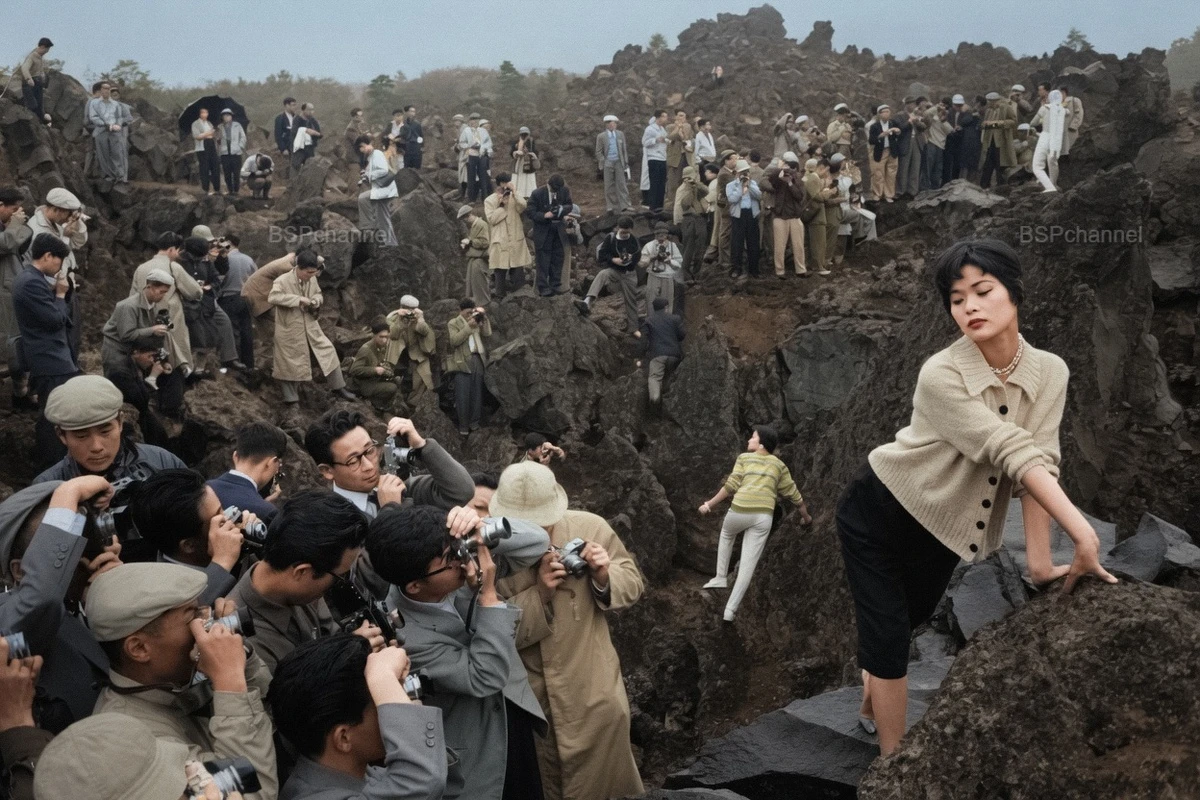
Photo: Marc Riboud
Japan's first photography festival. Models hired by Fuji pose against the volcanic rock formations in Karuizawa, much to the delight of amateur and professional photographers alike.
Wuhan. China, 1971. 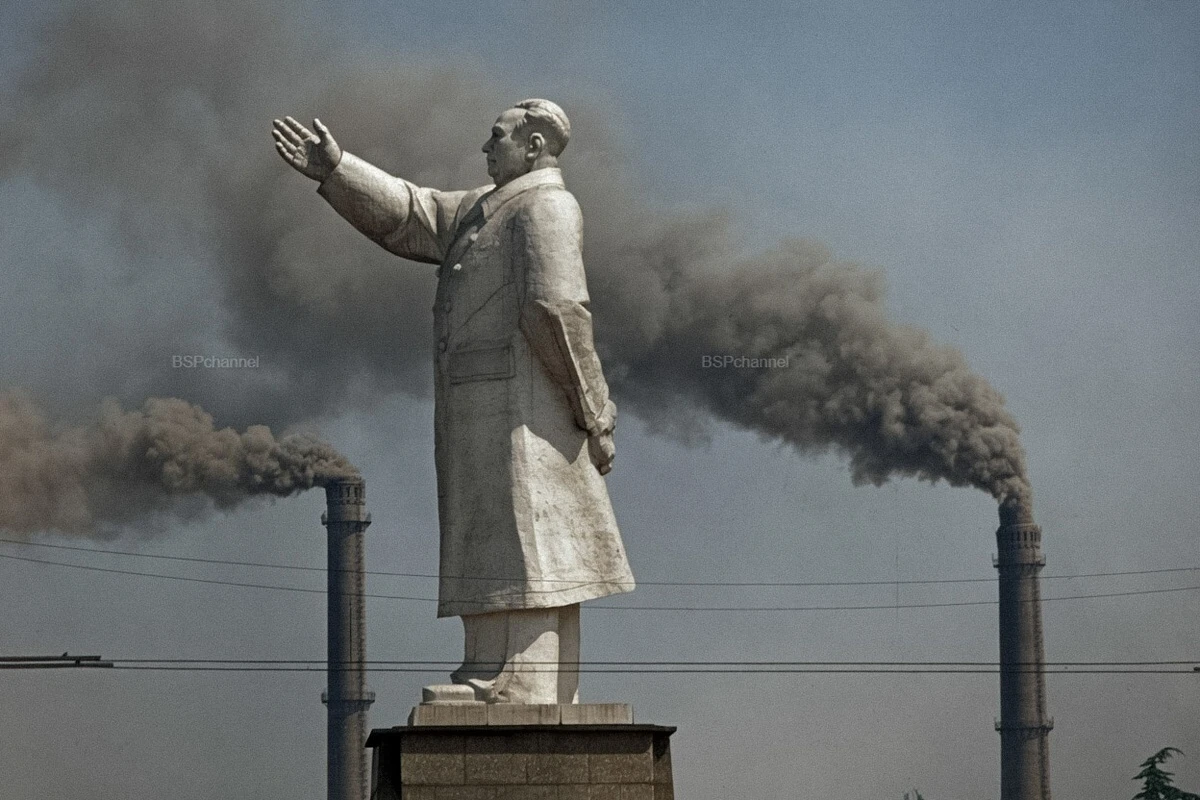
Photo: Marc Riboud
A woman doing laundry in Ratchaburi Province, Thailand, 1987. 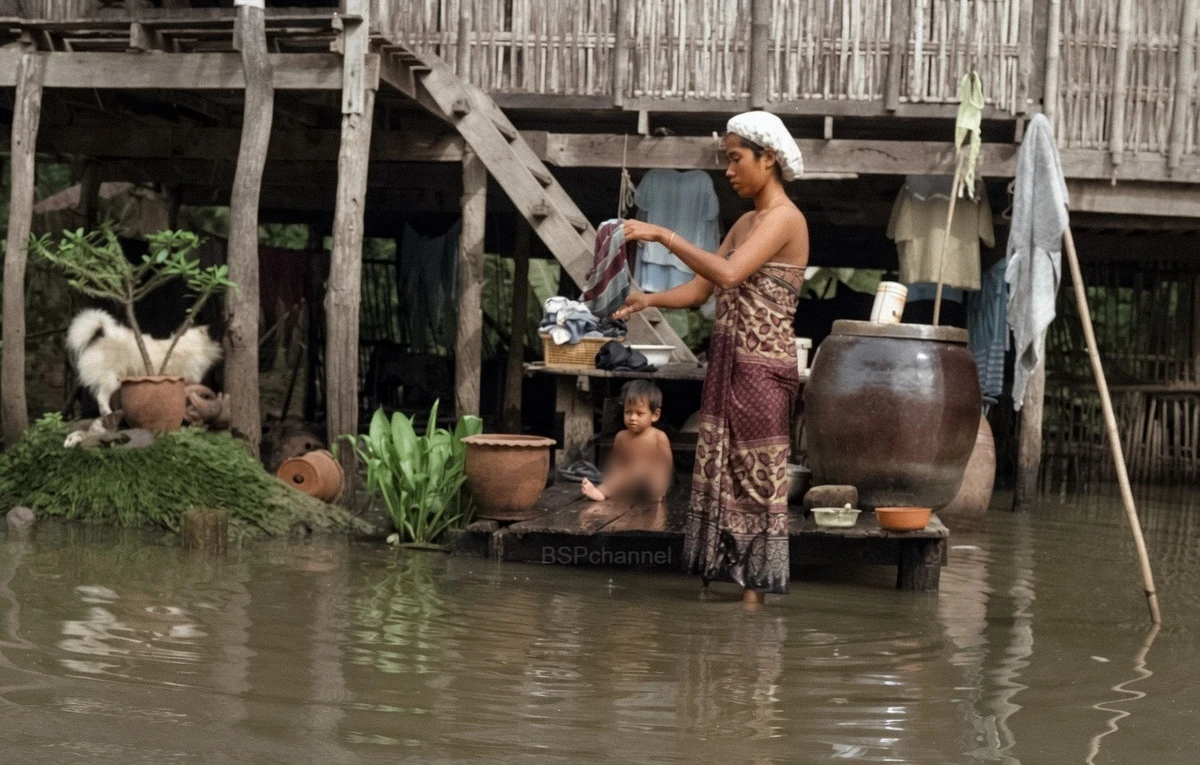
Soviet Foreign Minister Andrei Gromyko with geishas during his first official visit to Japan at the invitation of the Japanese government, 1962. 
From July 24 to 31, 1962, Soviet Foreign Minister Andrei Gromyko visited Japan on his first official trip at the invitation of the Japanese government. It was a crucial step toward normalizing bilateral ties, which had been severely strained following the signing of the US-Japan Security Treaty in 1960. As part of the cultural itinerary, his hosts held a diplomatic dinner at a traditional ryokan, where high-ranking guests were entertained by professional geishas.
China, 1986. 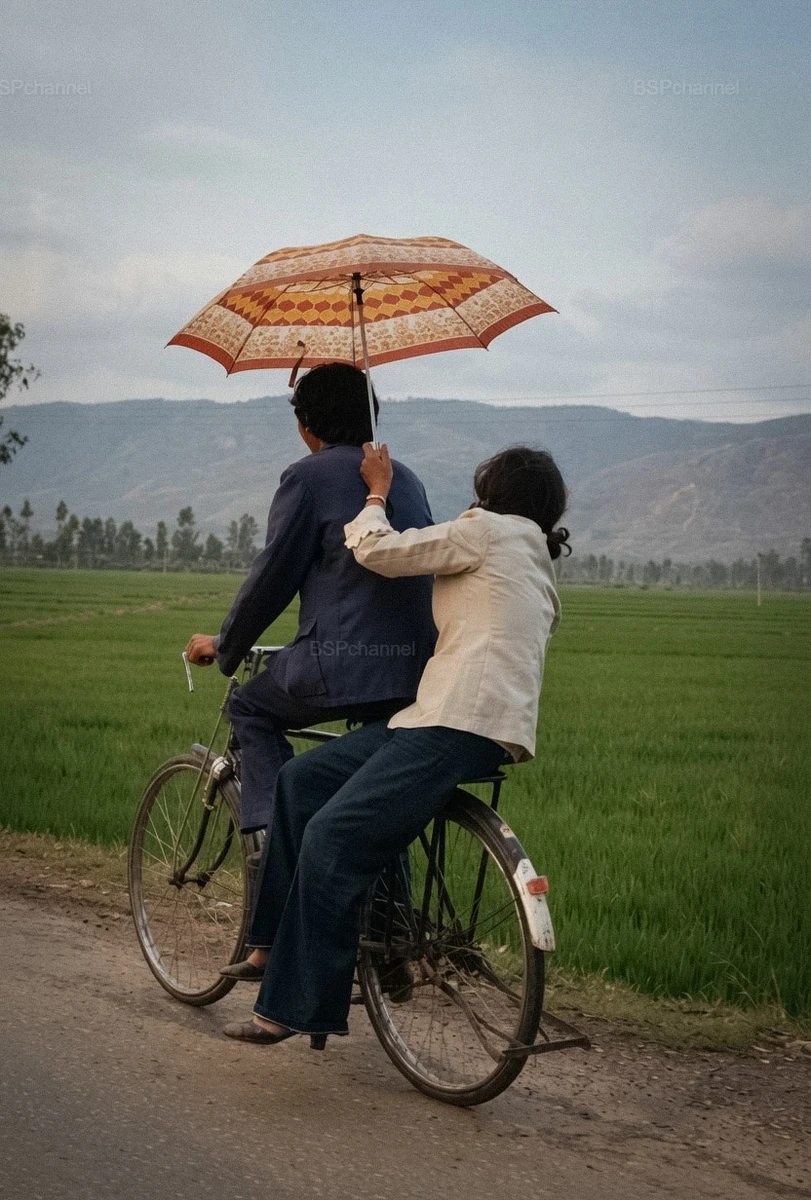
Photo: Elliott Erwitt
Rickshaws awaiting passengers in Hong Kong, 1975. 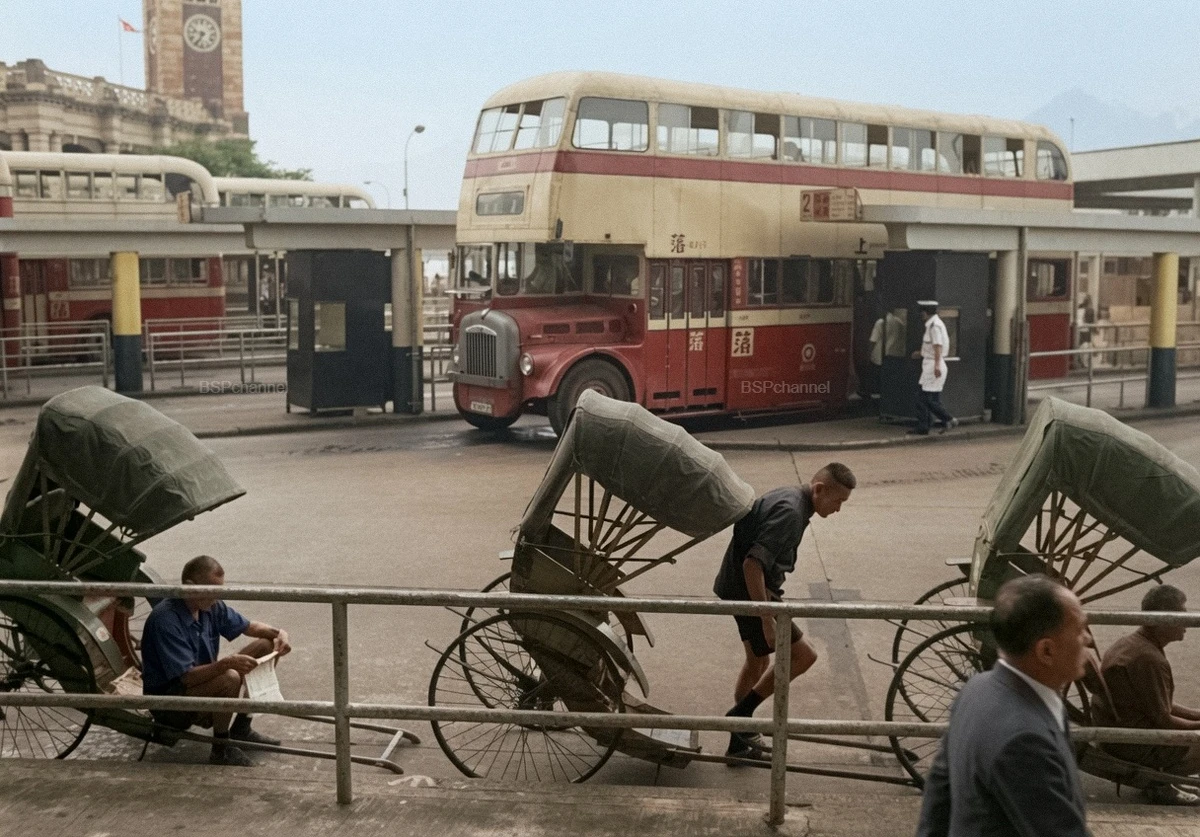
Photo: Vsevolod Tarasevich
A food vendor on a beach in Thailand, 1988. 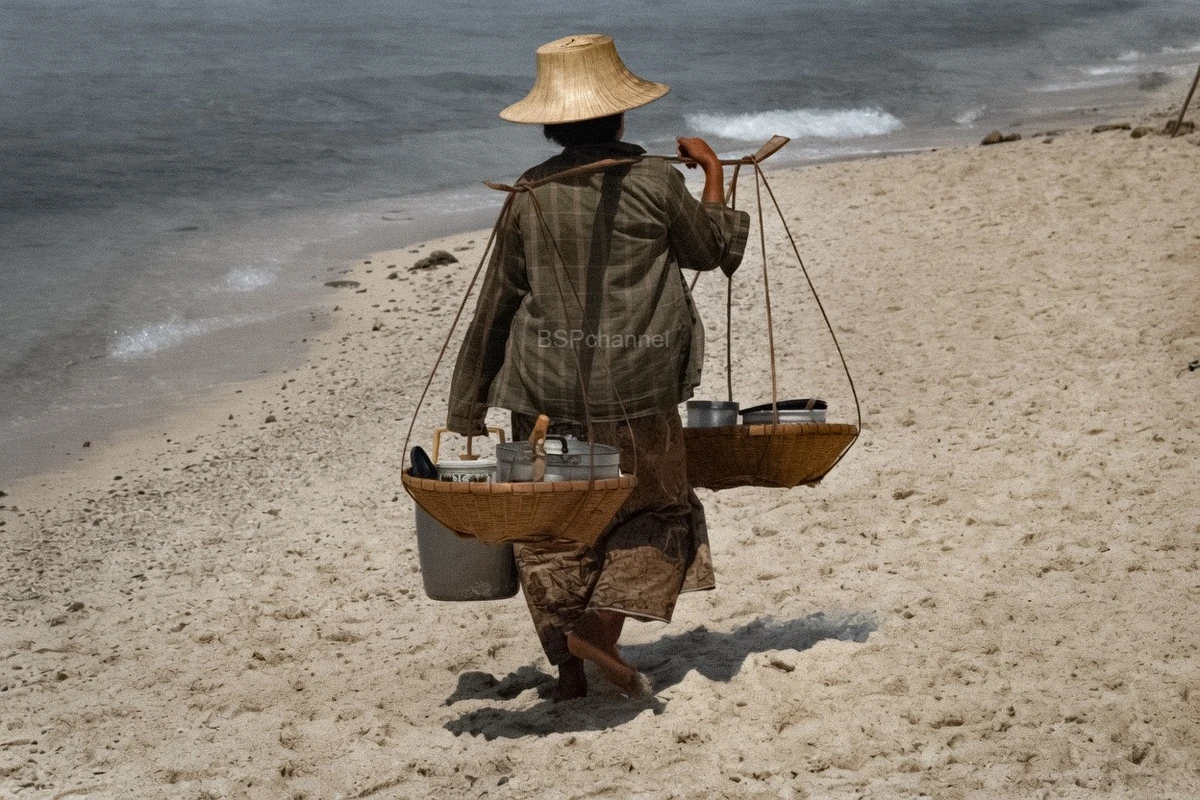
Photo: Yan Tikhonov
Outdoor advertising billboards in Shenzhen, 1992. 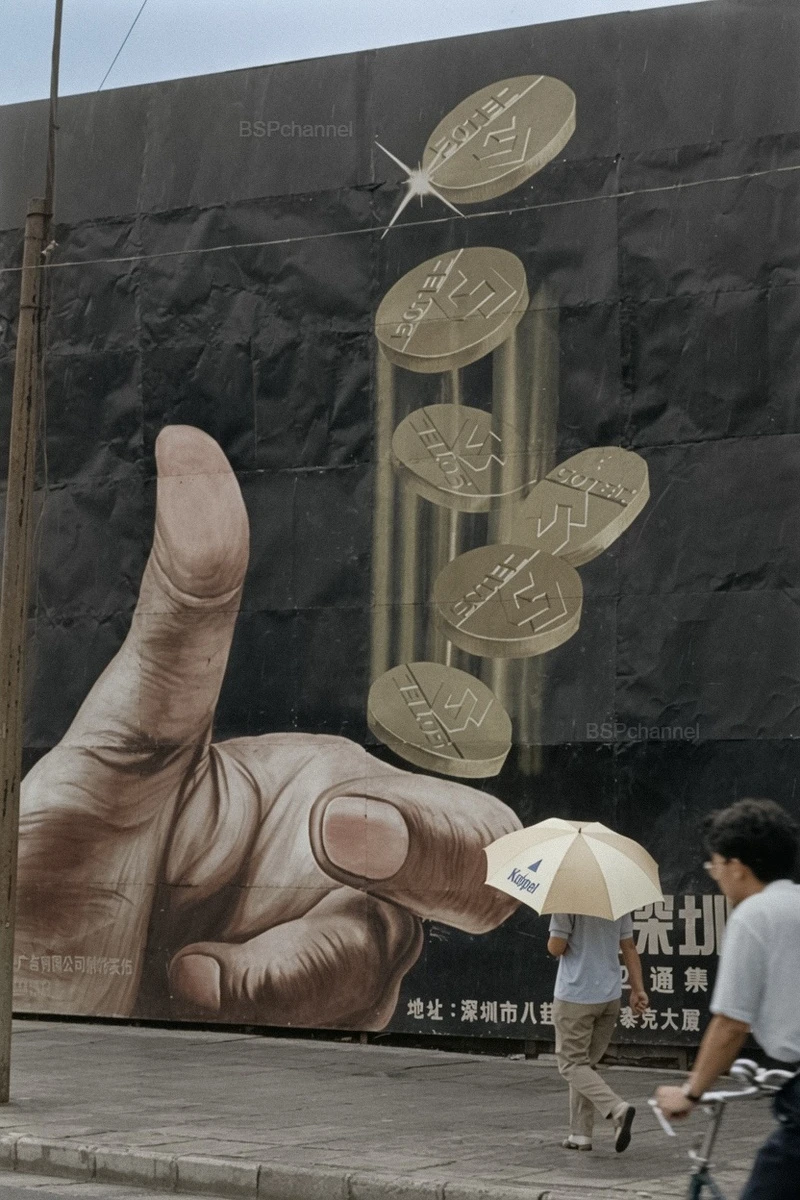
Photo: Marc Riboud