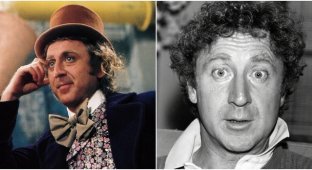
He learned English from a dictionary—and rewrote the rules of Hollywood (10 photos)
An Austrian from the Galician backwater became one of Hollywood's sharpest minds. He taught himself English from a dictionary as an adult. On June 22, 1906, Samuel Wilder was born in the small town of Sucha—a boy his mother named Billy, after Buffalo Bill. On the 120th anniversary of Billy Wilder's birth, we're looking at eight of his films, each of which broke or invented something. Not a list of the best, but a list of the breakthroughs. 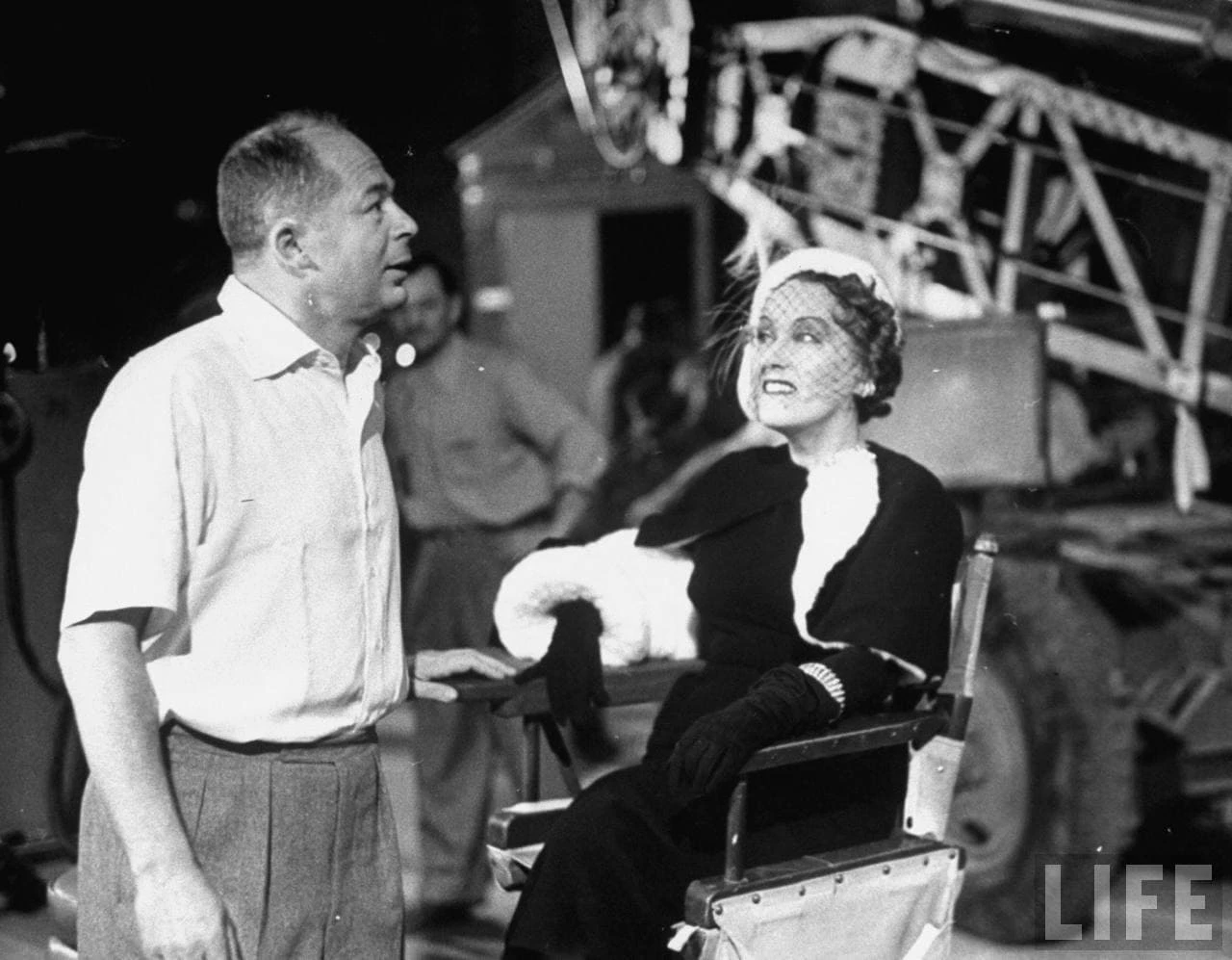
"Double Indemnity" (1944): Villains Take Center Stage
Until 1944, Hollywood lived by the rule that the protagonist had to have at least a modicum of virtue. Wilder abolished that. The hero of "Double Indemnity" is insurance agent Walter Neff. He and a married client murder her husband for the insurance payout. No remorse in the ending. No moral correction. 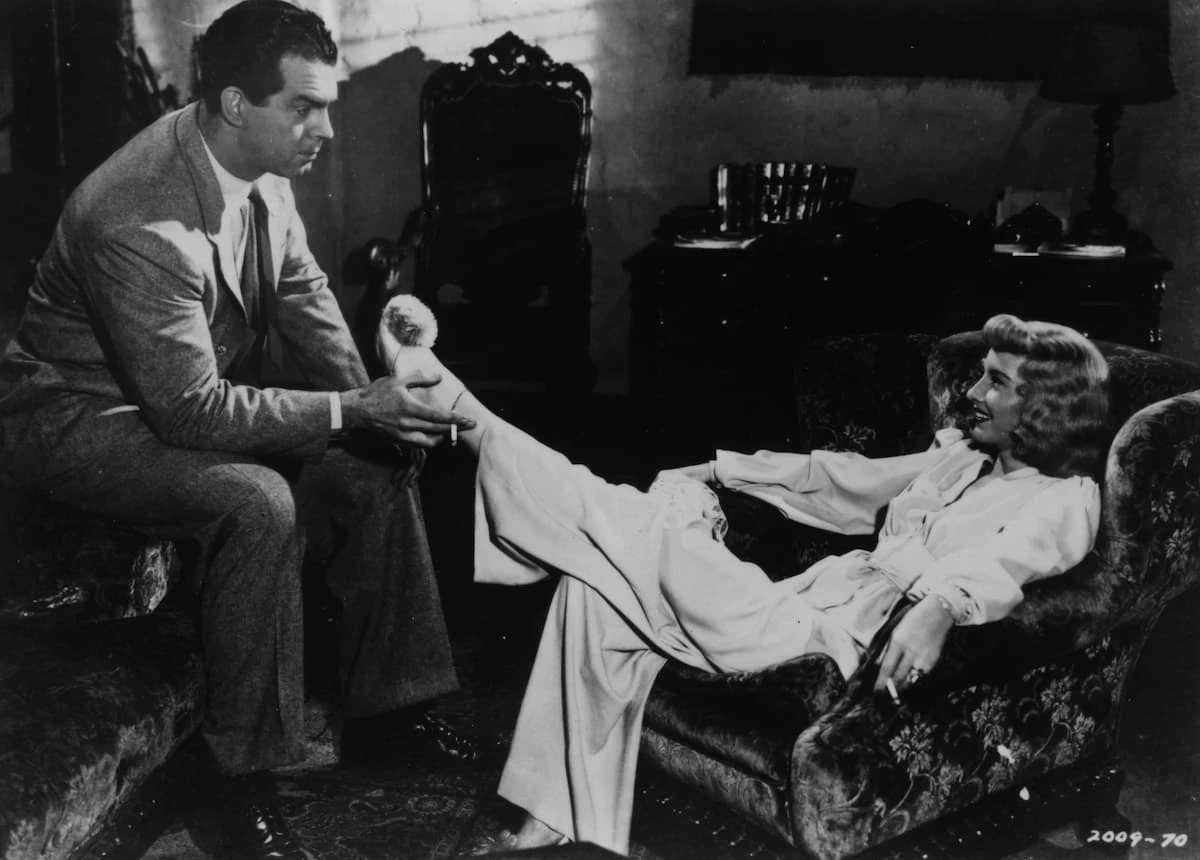
Barbara Stanwyck and Fred MacMurray in "Double Indemnity," a film noir classic that received seven Oscar nominations.
The screenplay was written by Wilder and Raymond Chandler. Two men who couldn't stand each other. Wilder later admitted that Chandler had the best lines. At the premiere, critics hailed the film as a benchmark for film noir, a genre that didn't yet have a name. At the 1945 Oscars, the film received seven nominations and won none. Legend has it that Wilder was so enraged that he tripped winner Leo McCarey as he walked toward the statuette.
"The Lost Weekend" (1945): The First Honest Conversation About Alcoholism
Hollywood knew how to portray drunks—funny and charming, like Charlie Chaplin. No one dared to show how alcoholism destroys a person from the inside. Wilder bought a Charles Jackson novel at a Chicago train station. He read it one stop before Los Angeles. By the final stop, the plan was ready. 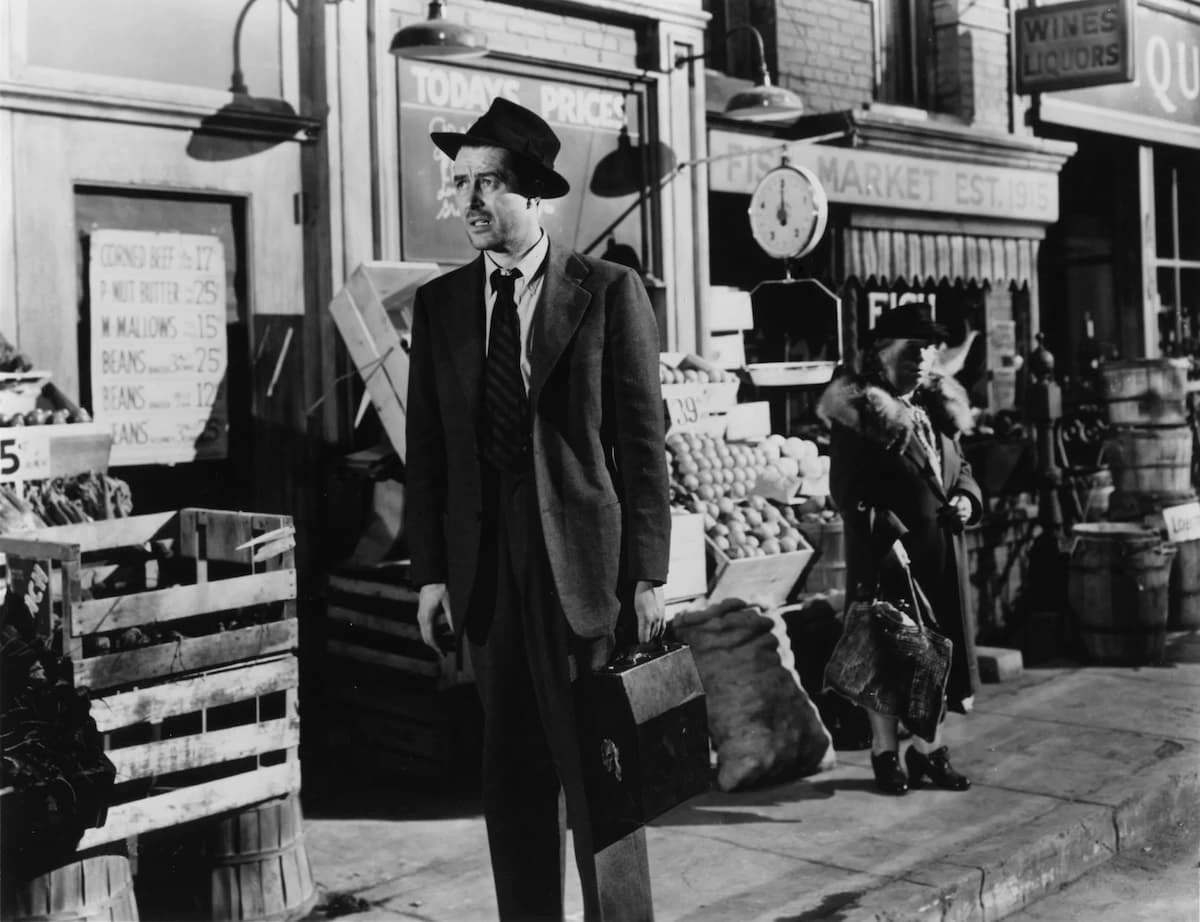
Ray Milland as Don Birnam: Five Million Dollars from Alcohol Manufacturers Didn't Help Kill the Film
The studio was hesitant. Major alcohol manufacturers offered the studio five million to stop the film from being released. Wilder later joked that he would have accepted the money had he been offered it personally. The film was released anyway. It won four Oscars: for Best Picture, Best Director, Best Actor (for Ray Milland), and Best Screenplay. The New York street scenes were shot without studio sets. This created an almost documentary-like look—a rarity at the time.
"Sunset Boulevard" (1950): Hollywood Makes a Movie About Its Decay
The opening shot is of a corpse face down in a swimming pool. The voiceover belongs to the corpse. He tells the entire story. The narrator is already dead from the very first scene—and can't hide anything. It was a radical move. In the original version, the corpse spoke to its neighbors in the morgue. Test audiences laughed the wrong way. The scene was cut. 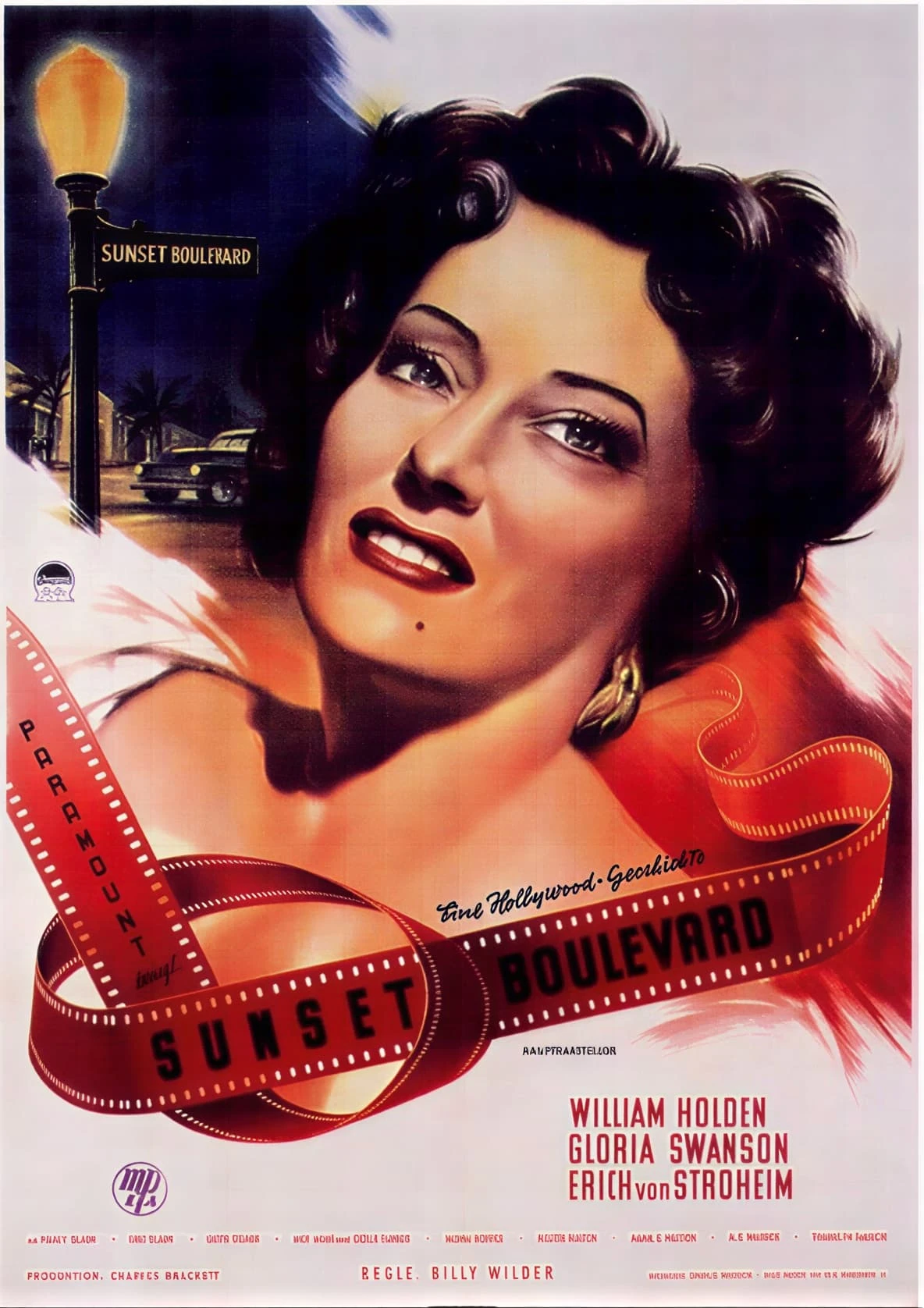
Gloria Swanson as Norma Desmond – a real silent film star plays a fictional silent film star
Gloria Swanson's Norma Desmond is a former silent film star. She lives in a mansion with the curtains drawn and believes in a comeback. It was a meta-story – long before "meta" was a common term. The film received 11 Oscar nominations and won three. In 1989, the Library of Congress added it to the first list of films to be preserved as cultural heritage.
"Ace in the Hole" (1951): Media Criticism Misunderstood in Life
This is Wilder's most vicious film. And the only one that not only disliked audiences, but insulted them. Journalist Chuck Tatum (Kirk Douglas) learns of a man trapped in a cave. He deliberately delays the rescue. He makes a deal with the sheriff. He creates a news story. He sells the sensation. While the victim slowly dies, a fair with food and rides springs up around him. 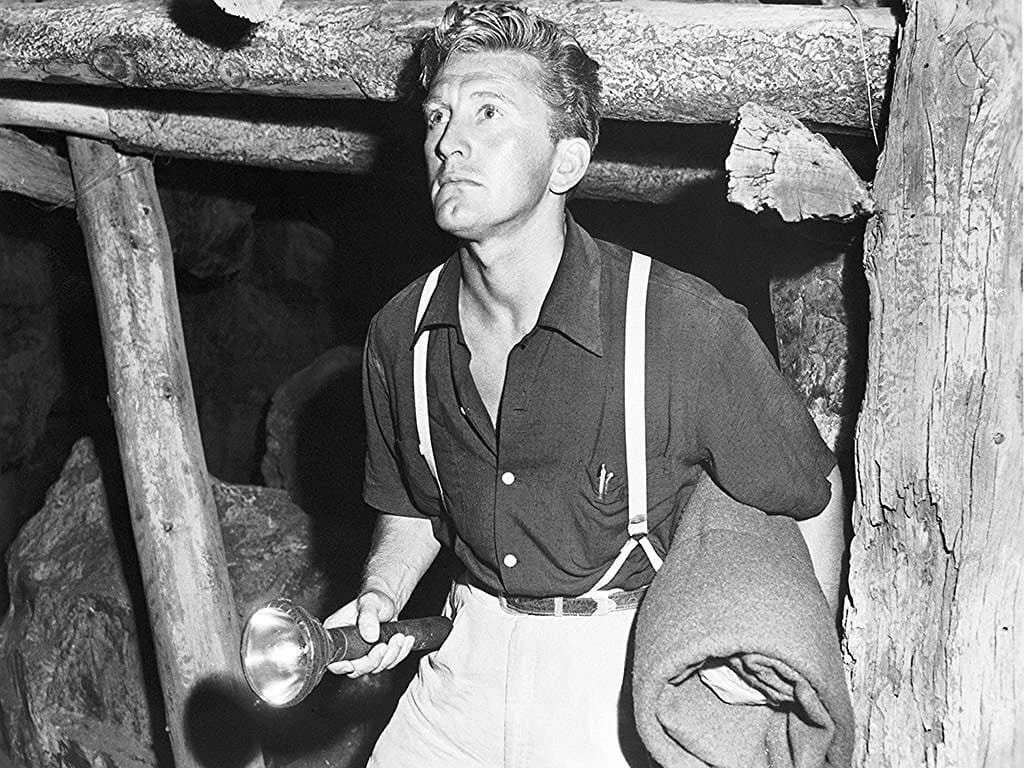
Kirk Douglas as Chuck Tatum, a journalist who turns someone else's death into a media event and a carnival.
In 1951, critics called the film "too cynical" and "almost un-American." With a budget of $1.8 million, it grossed $1.3 million. Paramount, without Wilder's knowledge, renamed it "The Big Carnival." It didn't help. Today, "Ace in the Hole" is one of the leading films about media manipulation. It predated the age of cable television and viral news by about half a century.
"Sabrina" (1954): A Fairy Tale Where Money Doesn't Improve People's Lives
On the surface, it's a story about a chauffeur's daughter falling in love with a wealthy heir. Beneath it, it's a dissection of class inequality. Sabrina (Audrey Hepburn) returns from Paris a changed person. But it's not she who changes—it's the way she's seen. She needs the wealthy Larrabee brothers for various reasons. And none of them, at first, have anything to do with love. 
Audrey Hepburn in "Sabrina"—Hubert de Givenchy accepted the commission, thinking it was about Katharine Hepburn.
Wilder didn't preach. The class divide exists—it's a fact the characters don't discuss out loud, but simply confront. The costumes were designed by Hubert de Givenchy. Legend has it that he accepted the commission thinking it was for Katharine Hepburn—he hadn't heard of Audrey at the time. The film won an Oscar for its costumes and a Best Actress nomination for Hepburn.
"Some Like It Hot" (1959): A Comedy Without Censorship
The Hays Code prohibited depictions of transsexuality and homosexuality. "Some Like It Hot" systematically violated these rules. Two musicians (Tony Curtis and Jack Lemmon) hide from gangsters by disguising themselves as women. One falls in love with Sweetie (Marilyn Monroe). The other receives a marriage proposal from a wealthy widower. 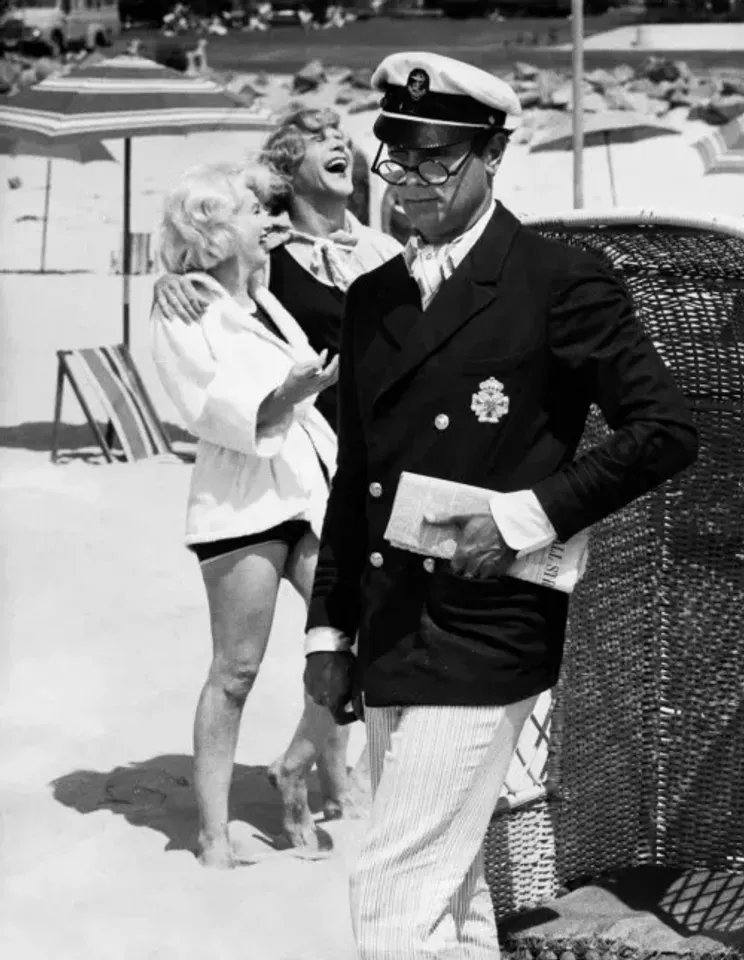
Tony Curtis, Jack Lemmon, and Marilyn Monroe: one scene with Monroe took over 80 takes.
The film was released without censorship approval. In Kansas, it was banned for being "too disturbing." The final line, "Everyone has their faults," was a working draft—until Wilder could come up with something better. Nothing better came along. Wilder later engraved this line on his tombstone. The American Film Institute named Some Like It Hot the best comedy of all time.
"The Apartment" (1960): A Career for a Key
Accountant Baxter (Jack Lemmon) works for a New York insurance company. He doesn't stand out among the 31,258 employees in any way—except for one. Several of his superiors know he has an apartment on the Upper West Side. They write him positive testimonials for the privilege of bringing his mistresses there. That's how he climbs the corporate ladder. 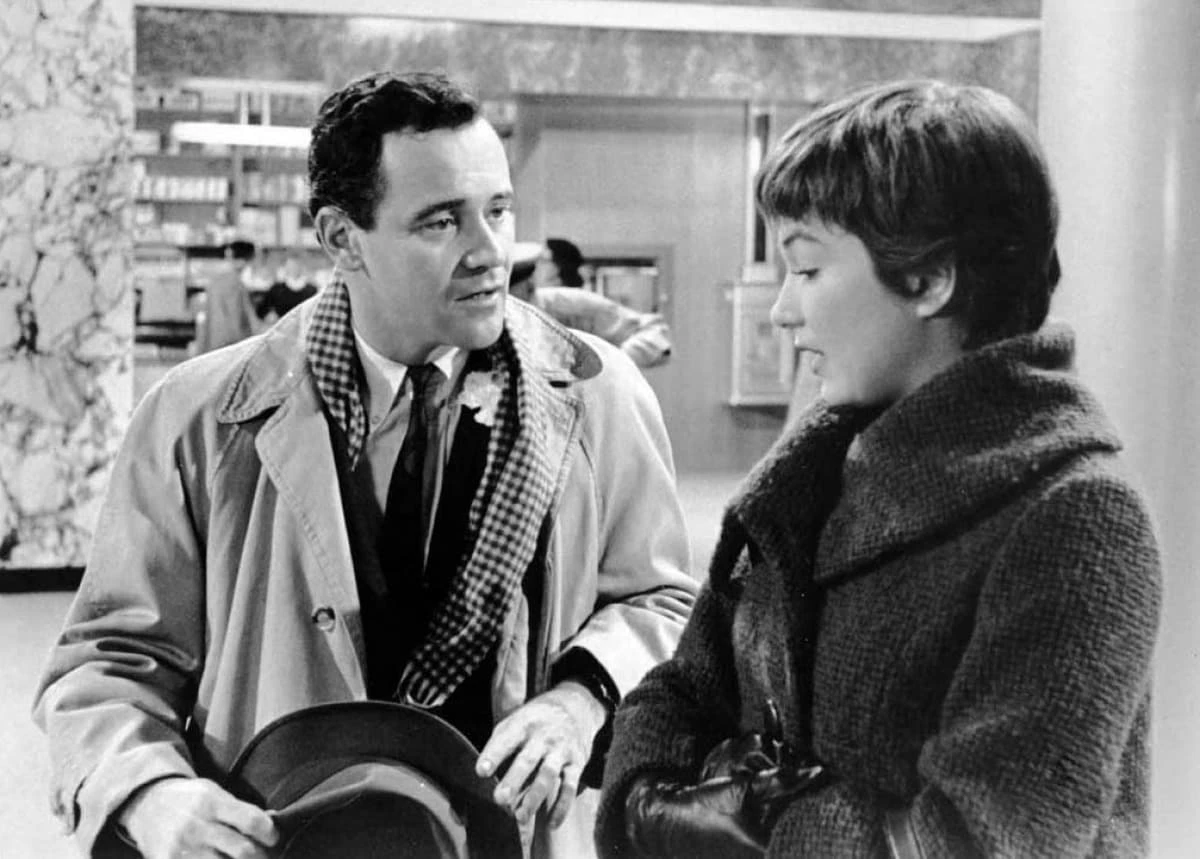
Jack Lemmon and Shirley MacLaine in "The Apartment"—a story about human dignity without a single tear-jerking scene.
This is a story about the dignity of the little man—without moralizing or tears. Wilder and co-screenwriter I.E.L. Diamond wrote it so that the funny and the bitter are side by side from the first to the last frame. "The Apartment" won five Oscars in 1961. Wilder became the first person in history to receive the producer, director, and screenwriter awards for the same film.
"The Private Life of Sherlock Holmes" (1970): An Underrated Masterpiece
Wilder shot this film for six months. The rough cut lasted three hours and 20 minutes. United Artists lost money on several flops and demanded a standard running time. The prologue, a flashback to Holmes's college years, and two full-length scenes were cut from the film. That left two hours. Wilder, he said, watched the finished product with tears in his eyes. 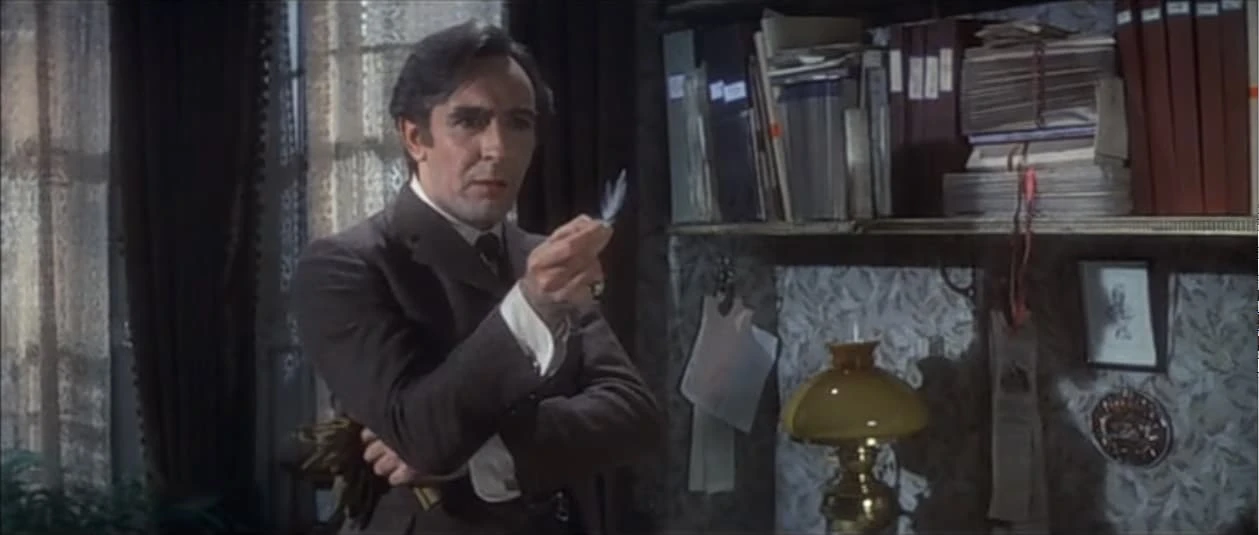
Robert Stevens as Holmes: the studio cut more than a third of the film, which Wilder considered the most elegant of his career
What remained was unlike any detective story before. Holmes here is not a machine of deduction. He is a melancholic, closed man with his own pain. Wilder reimagined Conan Doyle—with respect and melancholy. The film was a box office failure. Over time, it has come to be regarded as one of the underrated masterpieces of late Hollywood.
Restrictions as Fuel for Wit
Almost all of these films were released during the Hays Code era. This censorship code forbade showing crime without punishment and vice without consequences. Wilder worked within these constraints—and that's precisely why he invented. If you can't show it, you have to hint. If you can't say it outright, you need a line the audience will understand. Pressure bred wit. 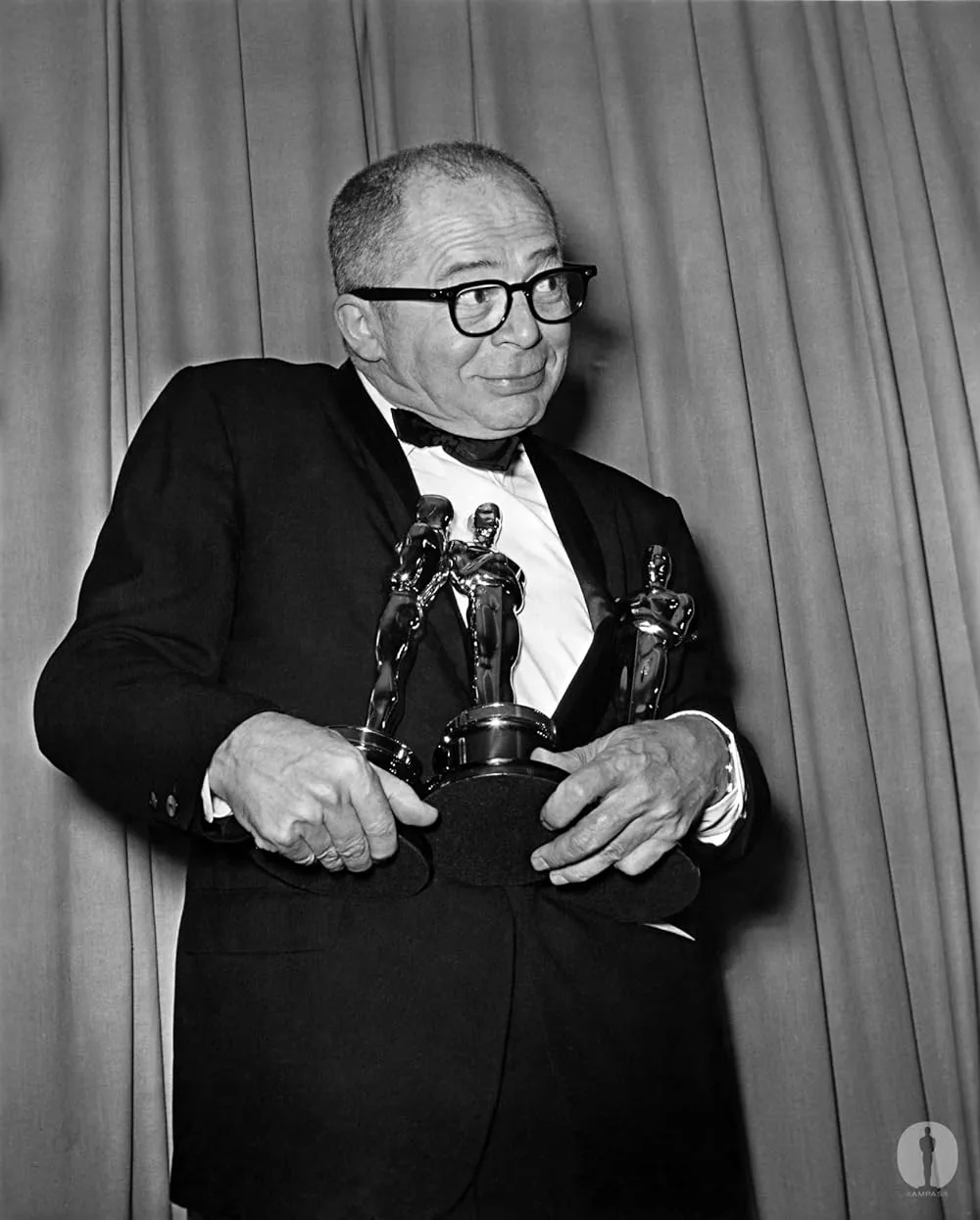
The man who coined the phrase "Well, everyone has their faults"—and engraved it on his own tombstone
That's precisely why his films haven't dated. They're free of unnecessary elements. Nothing was forced into them by inertia. Every decision was forced—and therefore precise.
Which of these eight films, in your opinion, has changed cinema the most?