Smoky Mangabey: The Very Primates That Started the HIV and AIDS Epidemic (8 photos)
The pandemic began in the 1980s, and "patient zero" was... the sooty mangabey. If not for their notorious reputation as natural carriers of the immunodeficiency virus, only a small group of primate biologists and residents of West Africa, where these primates live, would have known about the sooty mangabey. 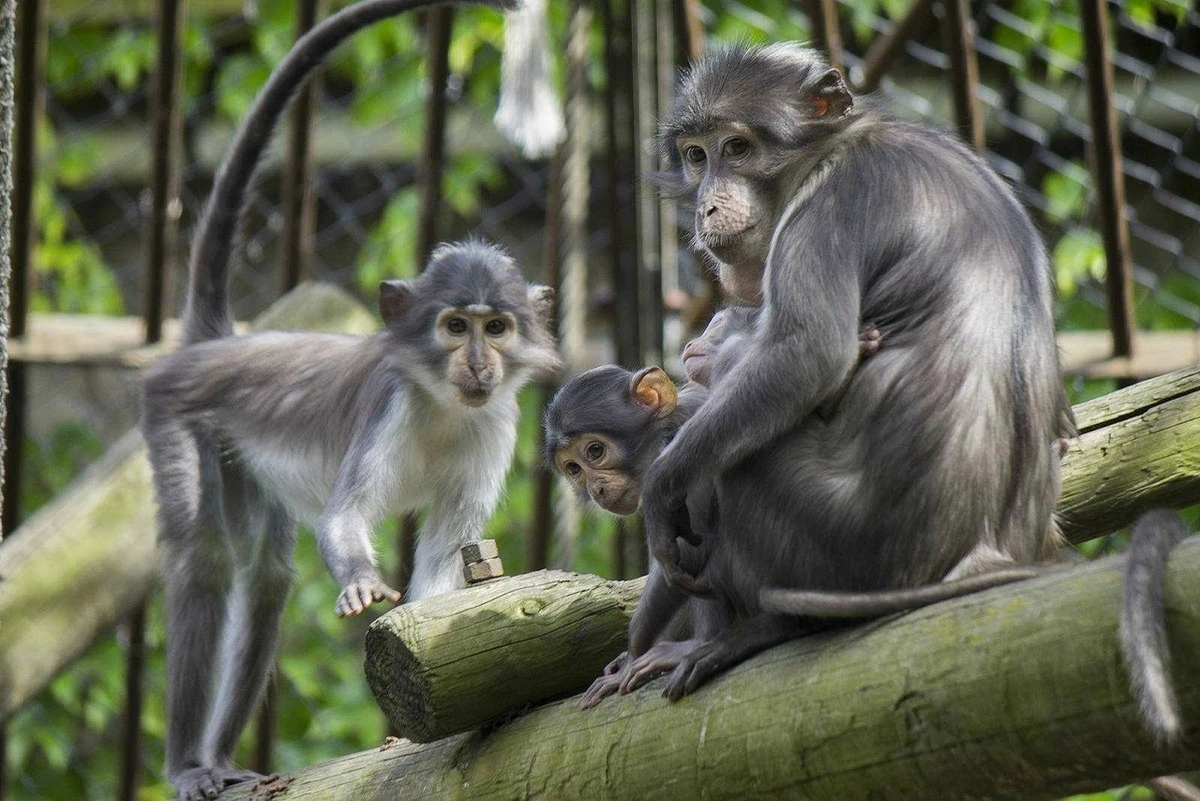
We don't have any secret laboratory in this cage; go where you're going, man!
In the case of HIV, for example, whose pandemic began in the 1980s, "patient zero" was... the sooty mangabey. If not for their notorious reputation as natural carriers of the immunodeficiency virus, sooty (or clouded) mangabeys would be known only to a small group of primate biologists and residents of West Africa, where these very primates live. 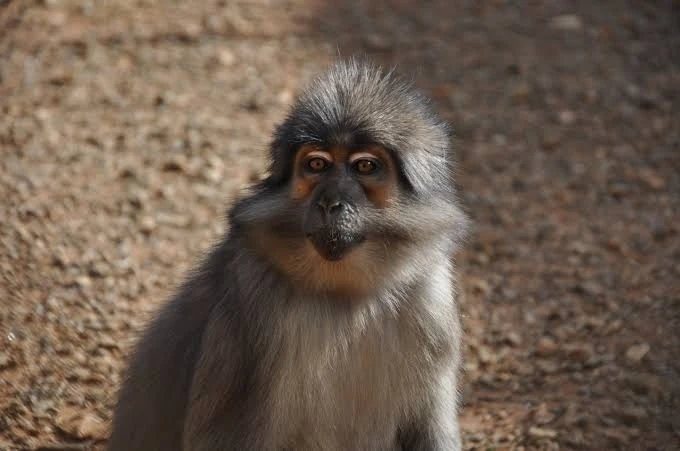
Don't judge him, he's just a monkey...
Let's start with the fact that the clouded mangabey doesn't possess any outstanding qualities. It looks like a typical monkey, with all the usual attributes of a long tail, prehensile limbs, and an expressive face, but is only the size and weight of a small dog. As befits its family, mangabeys spend half their time in the canopies of mangrove trees, descending to the ground to find food or drink water. Even their diet is typical of monkeys: fruits, nuts, flower heads, roots, and sometimes organic protein in the form of insects or tadpoles accidentally plucked from a puddle. 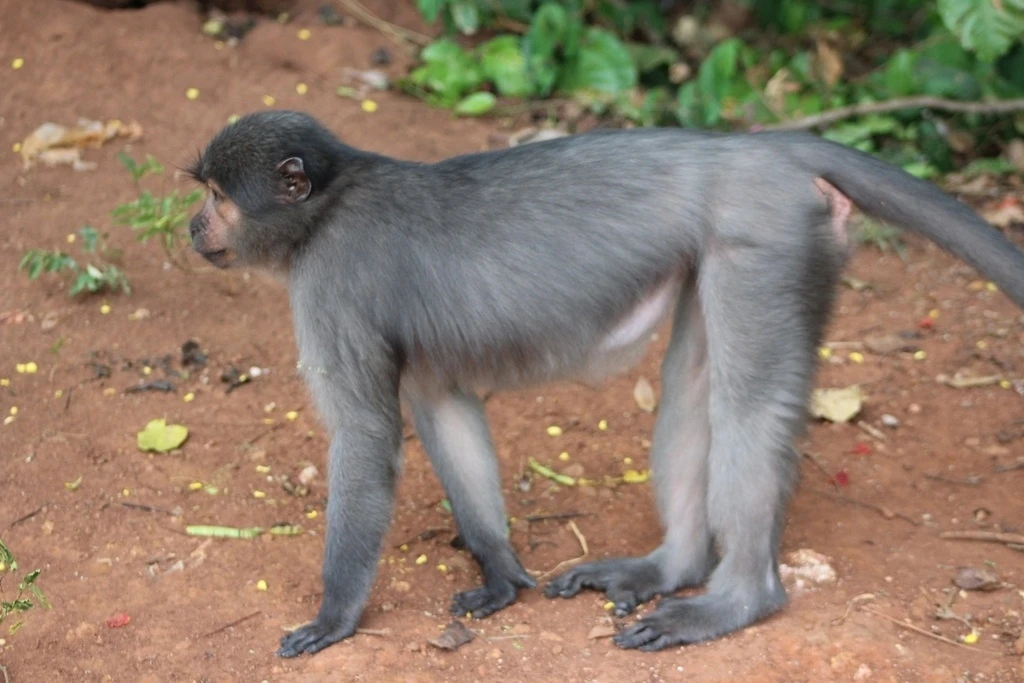
Not smoked enough yet.
With such initial data, mangabeys could only hope to be forgotten by pop biology. The most that could interest the average person was their unusual name and social behavior. Incidentally, the monkeys' name has nothing to do with mangoes. Mangabe is the port in Madagascar from which these primates were first brought to Europe. And no one smoked them—their gray fur simply looks very much like soot. But their interactions with their relatives are far more interesting. 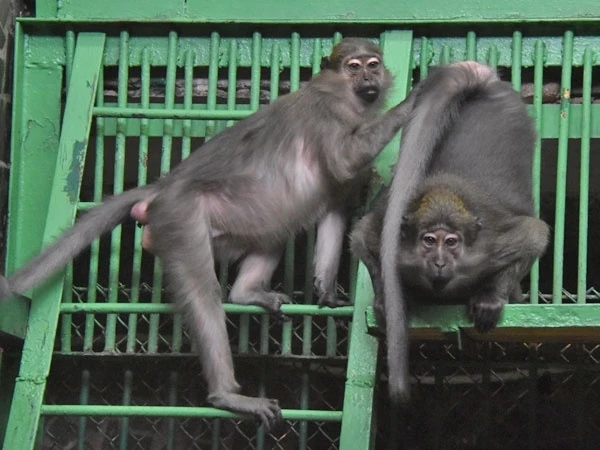
That same unreleased Vogue cover.
As we've already established, the mangabey is a small and defenseless monkey. It's not even particularly aggressive, unlike, for example, baboons, which could easily punch a leopard in the face. It's not the fastest or most agile – even capuchins and howler monkeys would give the mangabey a head start and still manage to leap up a tree before the predator could reach them. And there are plenty of predators in the tropical forests, and they've long recognized mangabeys as a healthy and readily available meal. Primates had to grow extra brain cells, form large packs, and develop social bonds—all just to survive. 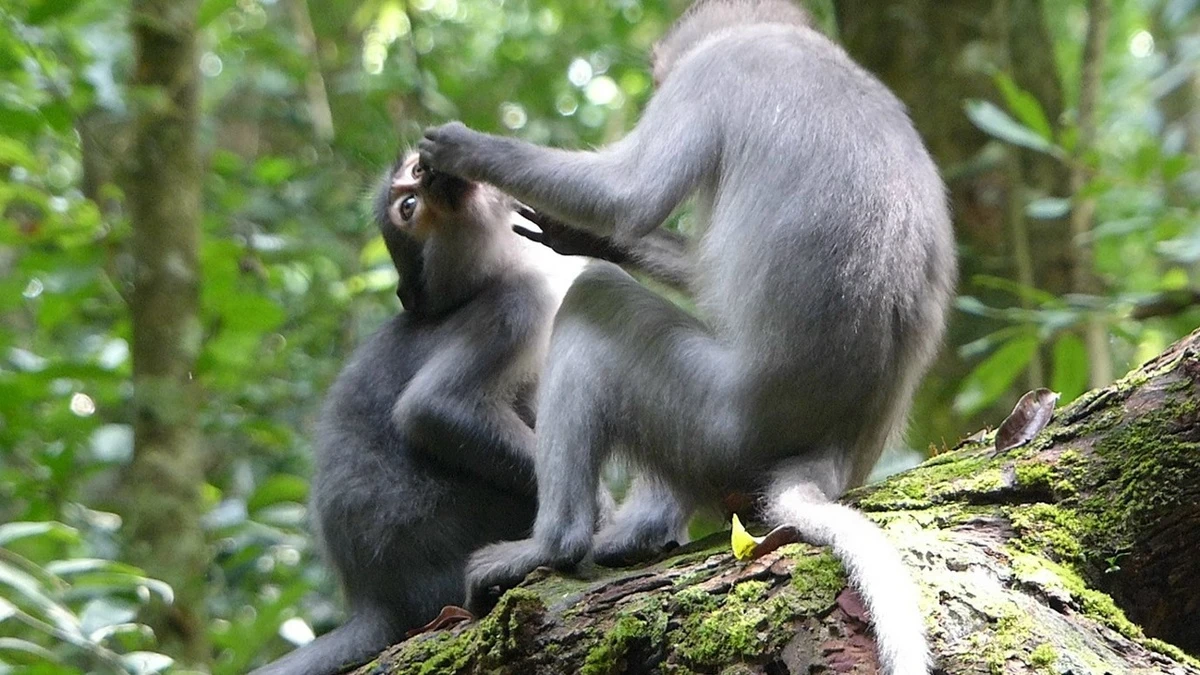
— Right now... We'll fix the A's, remove the C's, and leave the 7's... That'll be ten bananas.
In a mangabey pack, everything is the same as in a human one: there are divisions by gender and interests, "alphas" and "outcasts." There are friendships outside the family circle, fierce battles, and their own language. The latter, incidentally, is the key reason why mangabeys still survive and thrive as a species. Judge for yourself, which is faster: running up to a fellow monkey and dragging him up a tree to escape a predator's clutches, or shouting from a distant branch that a viper is approaching from behind? Or which is better: getting into a fight with a neighbor for a higher rank and getting a broken bone, or arguing without violence and securing a new place in the pack solely through unprintable monkey words? The savings in time and energy are colossal. And the mangabeys spend the saved time on heated passions just as much as humans. The monkey Santa Barbara show usually revolves around adultery and illegitimate offspring. 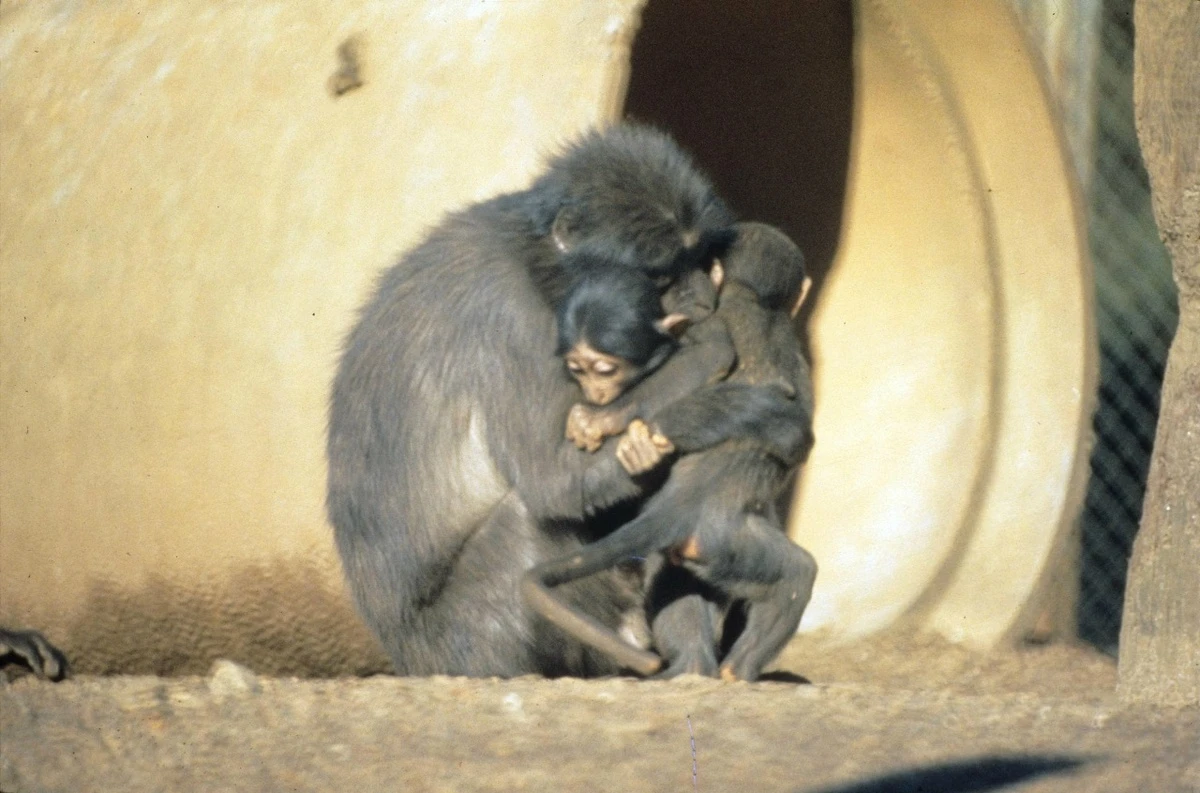
African Bun.
With all this "humanized" behavior, it seems hardly surprising that mangabeys transmitted a virus specific only to humans. Disease pathogens mutate constantly and rapidly, and it's much easier for them to latch onto and establish themselves in cells that are even vaguely similar. 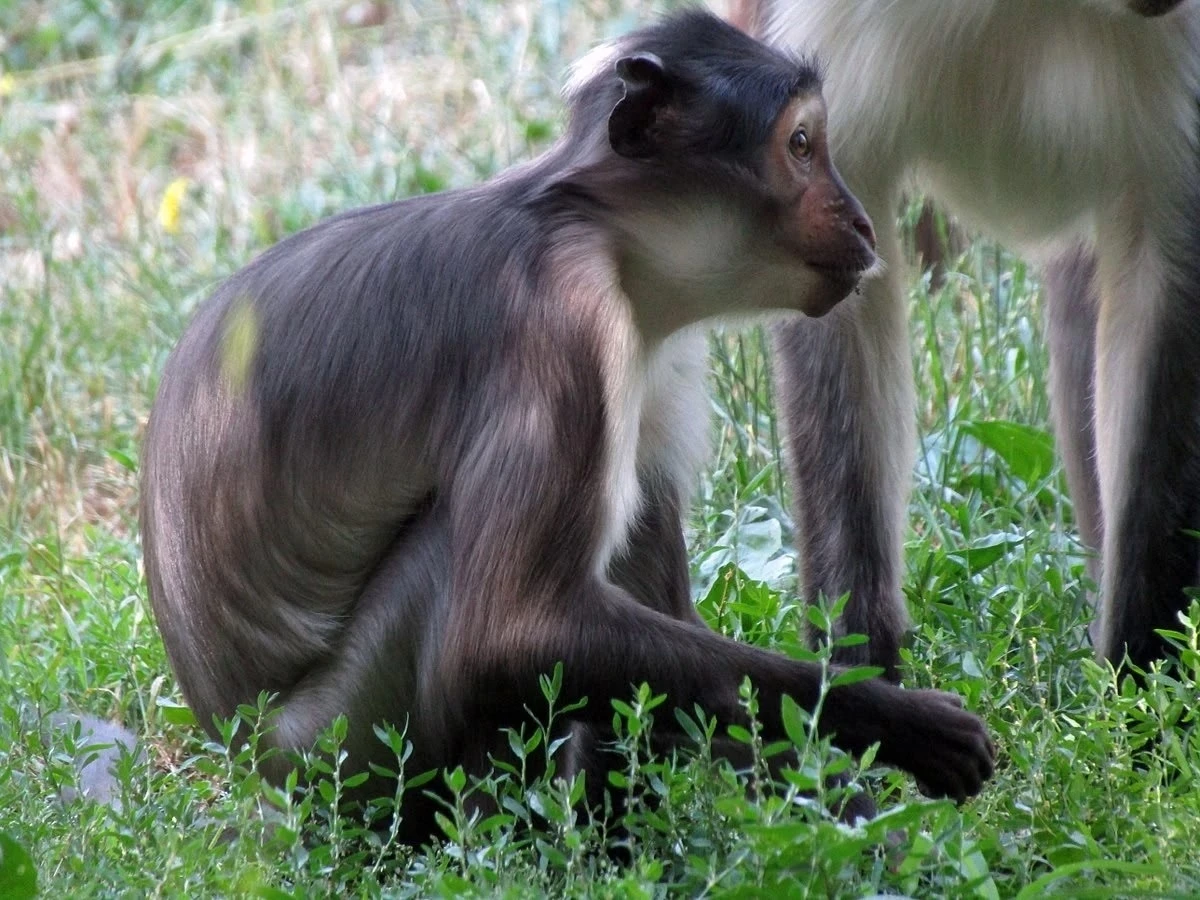
Yes, they're ready to sit at a computer all day!
Primates have their own HIV, called simian immunodeficiency virus (SIV). It affects not only mangabeys, but also their fellow apes—chimpanzees, gorillas, and other simians. It's even transmitted in the same ways as the human virus, and it also causes AIDS—though not in all apes and not always. But if the body can't fight the disease, immunity weakens, and other pathogens can take hold. A sick animal, especially one as harmless as a mangabey, is a lucky break for any predator, including humans. Unfortunately, life for many people in Africa isn't easy—food isn't always available to everyone. In conditions of hunger and poverty, monkey meat becomes a cheap and efficient source of protein, and its butchering and sale are unlikely to be monitored by health inspectors. It only took one sick mangabey, in whose body the pathogen mutated, for HIV to spread across the planet. Then, all it took was one hunter who carelessly butchered or poorly cooked their prey. After that, the virus was unstoppable. 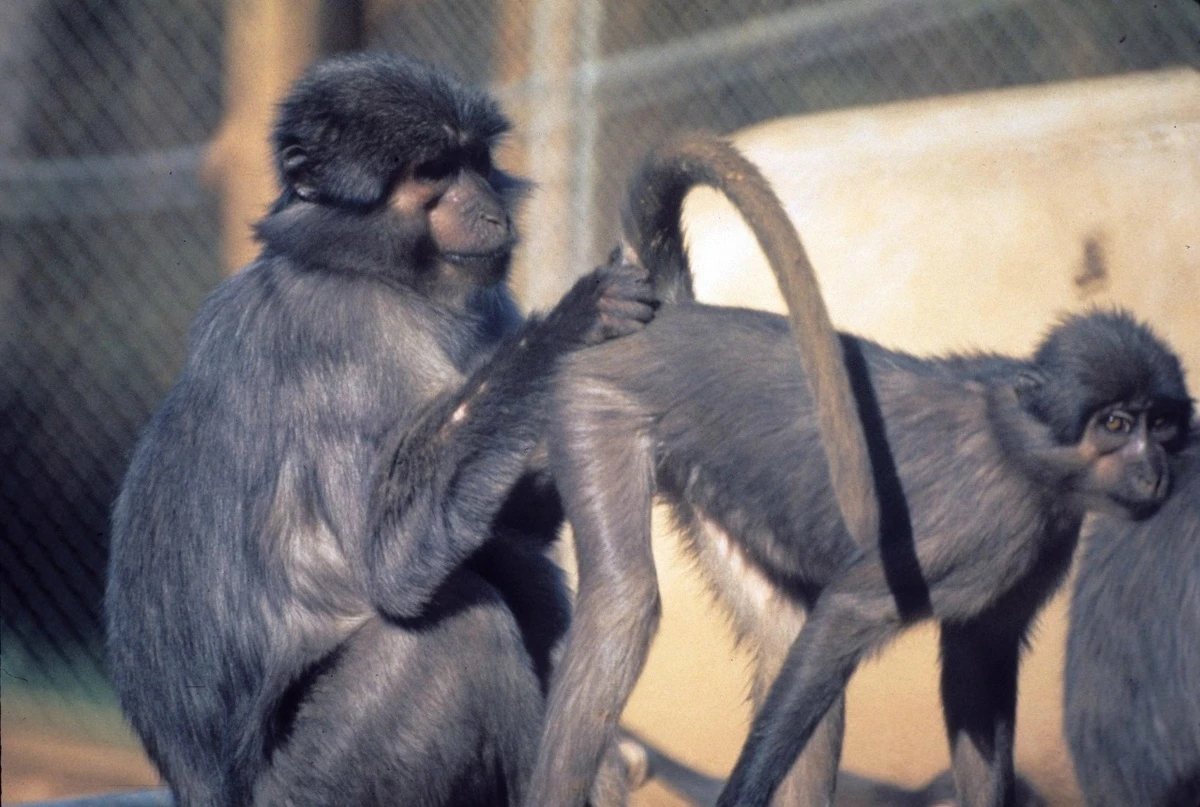
— Okay, so I didn't find any immunodeficiency virus in you. Next!
When humanity finally realized the scale of the problem and found the culprit, it was too late. Since then, mangabeys, which had previously attracted little attention, have acquired a bad reputation, and entirely undeservedly so. Many mangabeys show no signs of infection, so scientists not only use them as experimental models but also investigate the reasons for their strong natural immunity. So let's thank these monkeys for their contribution to science and not be afraid of them. And of course, let's be careful about buying meat from questionable sources. You never know, maybe the bovine leukemia virus or the infectious bronchitis virus might mutate someday.