The taste of permafrost: biologists have grown sourdough on the remains of ancient humans (4 photos)
While ordinary bakers and brewers search for secret ingredients in craft beer shops, Austrian scientists have decided to take a different approach. 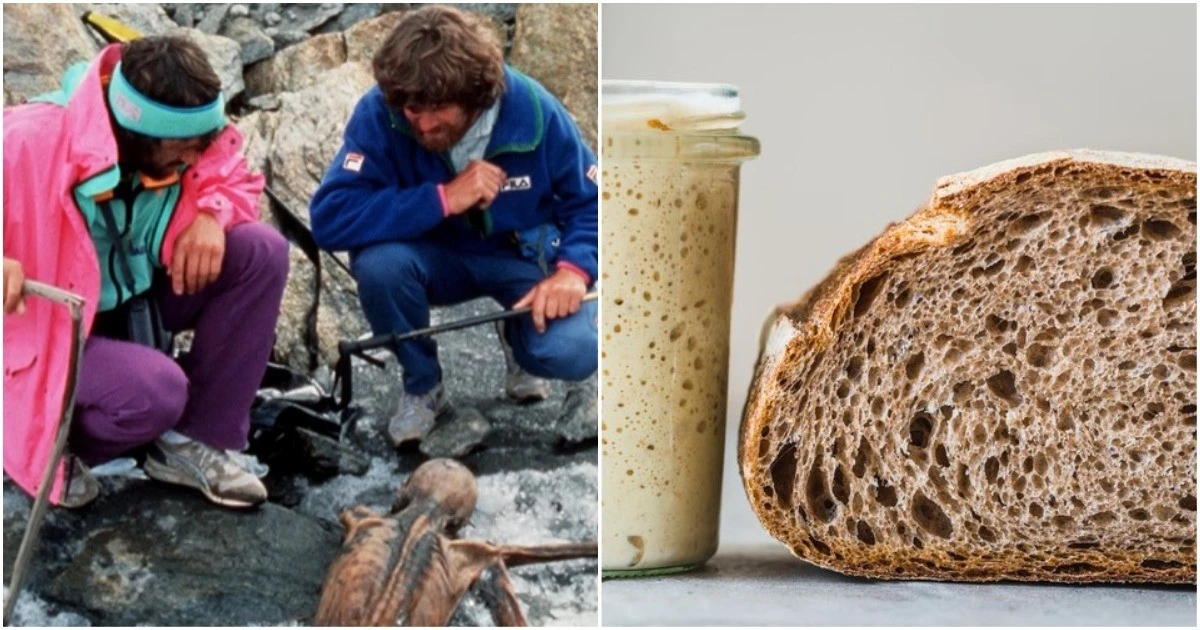
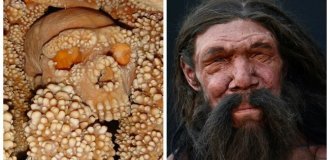
They decided to study the stomach contents of the legendary Alpine mummy. Oetzi himself, who is over 5,300 years old and died in a glacier in the Tyrolean Alps during the Chalcolithic period, has long been a gold mine for science. But this time, biologists decided to look deep into his microbiome. It turned out that the ancient hunter's tissues contained a perfectly preserved microbiological zoo, including unique cold-loving yeasts. These microorganisms lay dormant for thousands of years in subzero temperatures, awaiting their moment of glory. 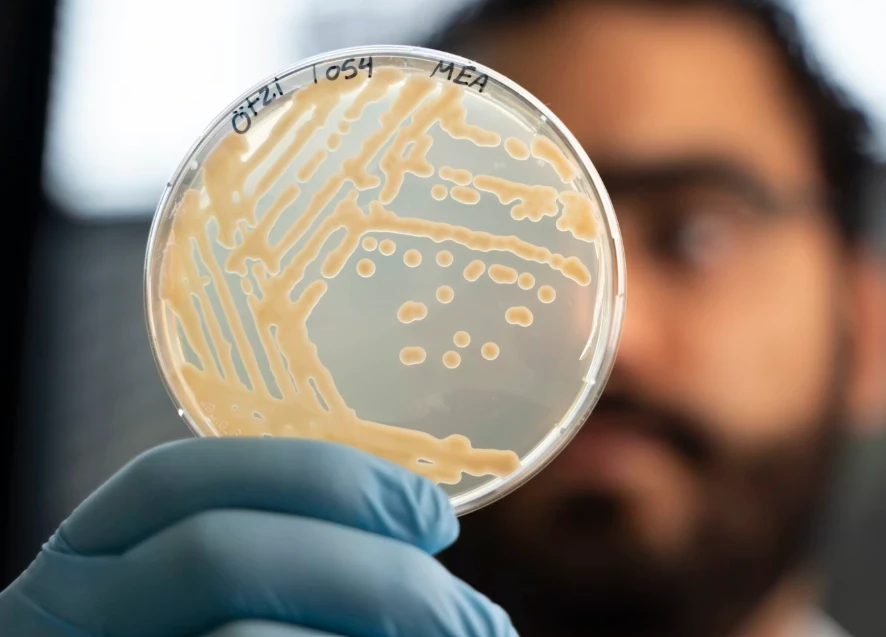
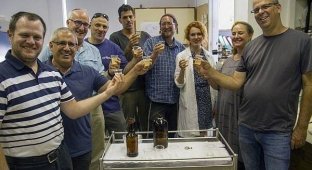
A researcher studies yeast colonies taken from a sample of Ötzi's stomach.
The "resurrection" in the lab required some effort. At first, the ancient fungi didn't understand what was being asked of them, so the scientists spent months gently and gradually acclimating them to a regular flour environment. Ultimately, the evolutionary barrier was broken: the microorganisms woke up, figured out what to do, and began to behave exactly like modern baker's yeast. 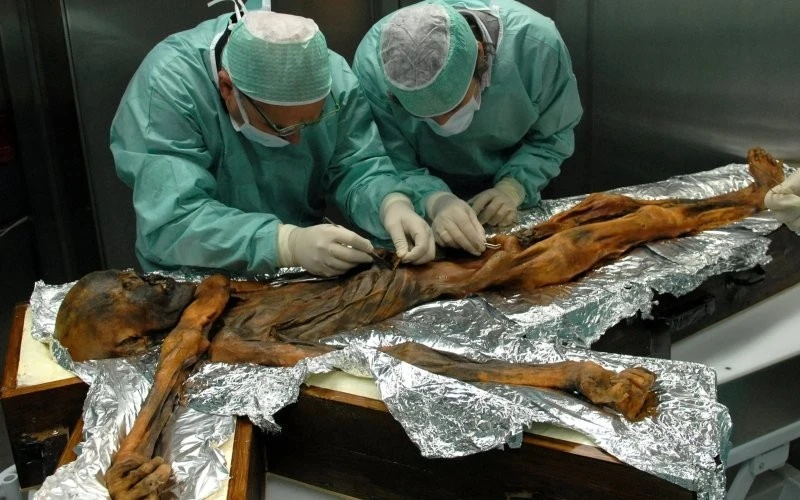
A standard dough was mixed with this sourdough, which rose successfully within 24 hours. The experimenters who were the first to try the resulting bread declared it incredibly fluffy and delicious. 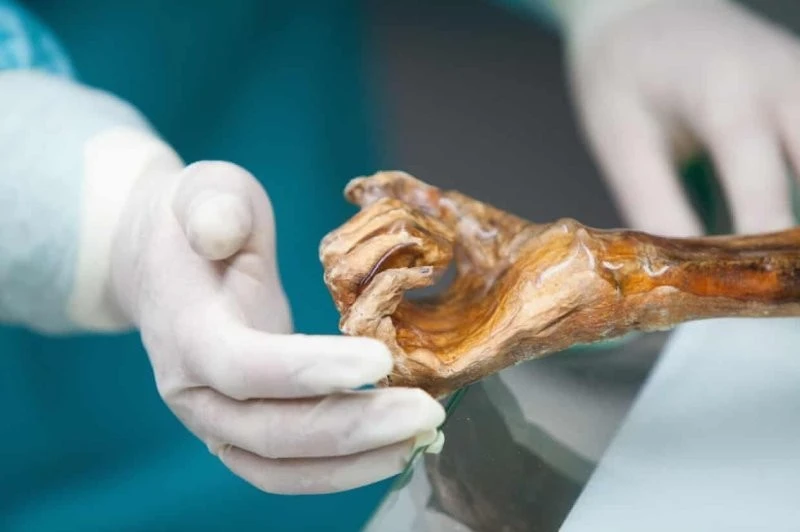
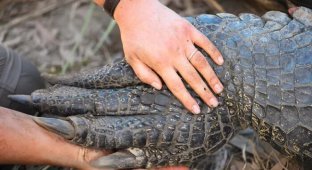
A researcher examines the hand of Ötzi's naturally mummified remains
But the scientists don't plan to stop at sandwiches. The team is now busily preparing for the next logical step: brewing an exclusive beer using Ötzi's yeast. Considering the wild and authentic microbiological profile of these fungi, the beer promises to have a brutal flavor.
So you die somewhere in the mountains, and your descendants will brew beer and bake bread from you.