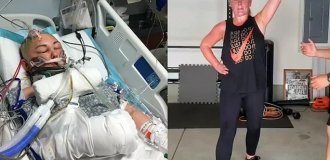
They Removed Her Uterus and Breasts at the Age of 7 Ashley X's Story, Which Is Impossible to Evaluate (12 photos)
Where is the line between caring and a violation of human rights? The story of Ashley X has sparked debate around the world. A Seattle girl with severe brain damage has never been able to speak, move, or understand her surroundings. When the 6-year-old "angel on a pillow" began puberty, her parents made a radical decision. They asked doctors to permanently stunt their daughter's physical growth so they could continue caring for her at home, rather than in a specialized facility. This precedent raised complex questions of bioethics. 
The Girl They Called an Angel
Ashley was born in 1997 in Seattle. At first, everything was going well. But soon doctors realized the child was seriously ill. She was diagnosed with static encephalopathy—an irreversible brain disorder. Ashley couldn't hold her head up, roll over, speak, or pick up a toy. Her mental development was permanently halted at the level of a three-month-old infant. The cause of the illness was long sought. It wasn't until 2016, 18 years later, that scientists found the answer: Ashley had a single mutation in the GRIN1 gene, which is responsible for transmitting nerve impulses. The mutation arose spontaneously—it wasn't inherited. 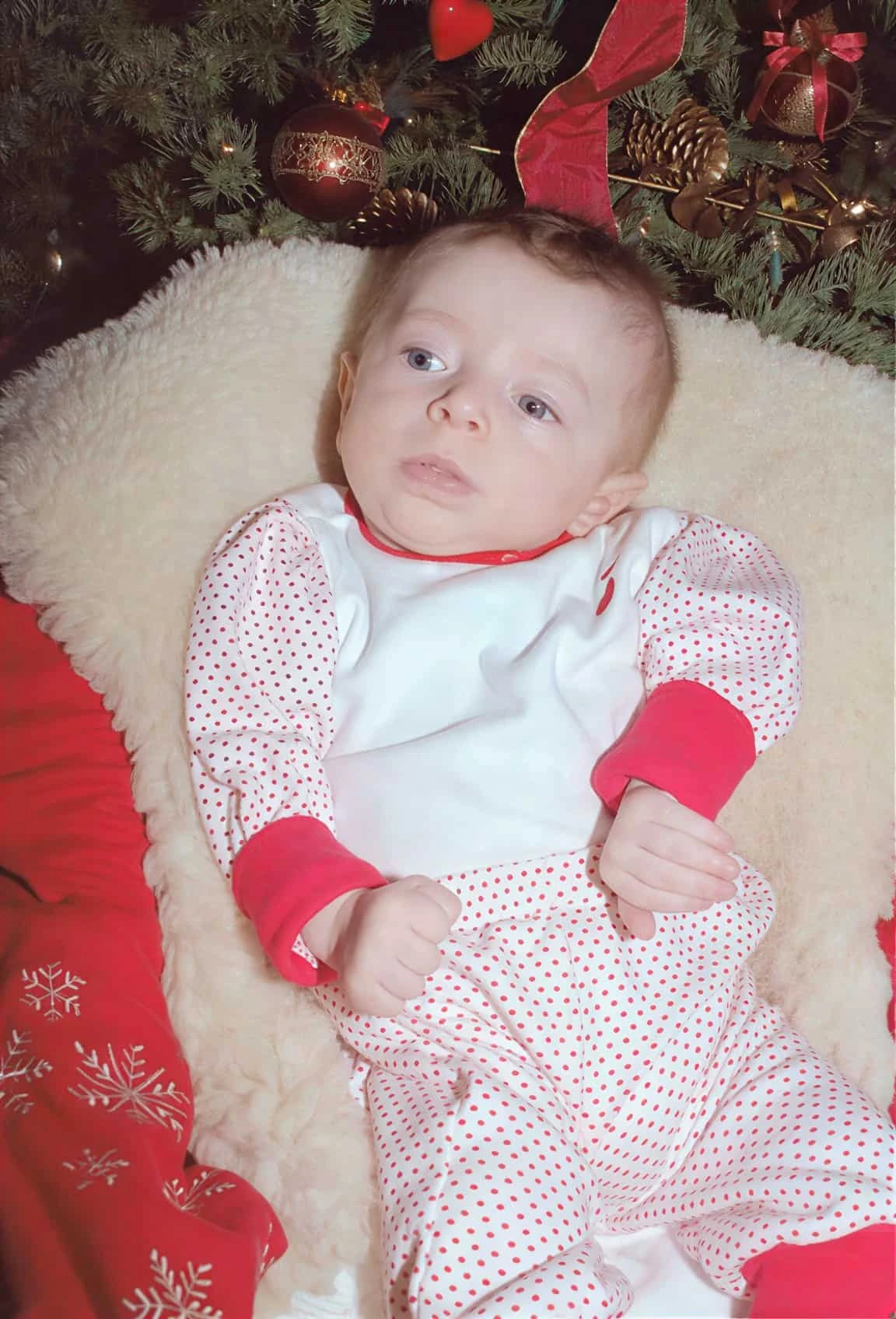
Ashley X in 1997
Despite her difficult diagnosis, she was a lively child. She responded to the voices of loved ones. She especially loved the music of Italian tenor Andrea Bocelli. She was fed through a tube but breathed on her own. Her parents affectionately called their daughter "our angel on the pillow." The nickname arose because Ashley always stayed where she was placed. Most often, on the pillow. Her family surrounded her with care: walks, music, and their constant presence. 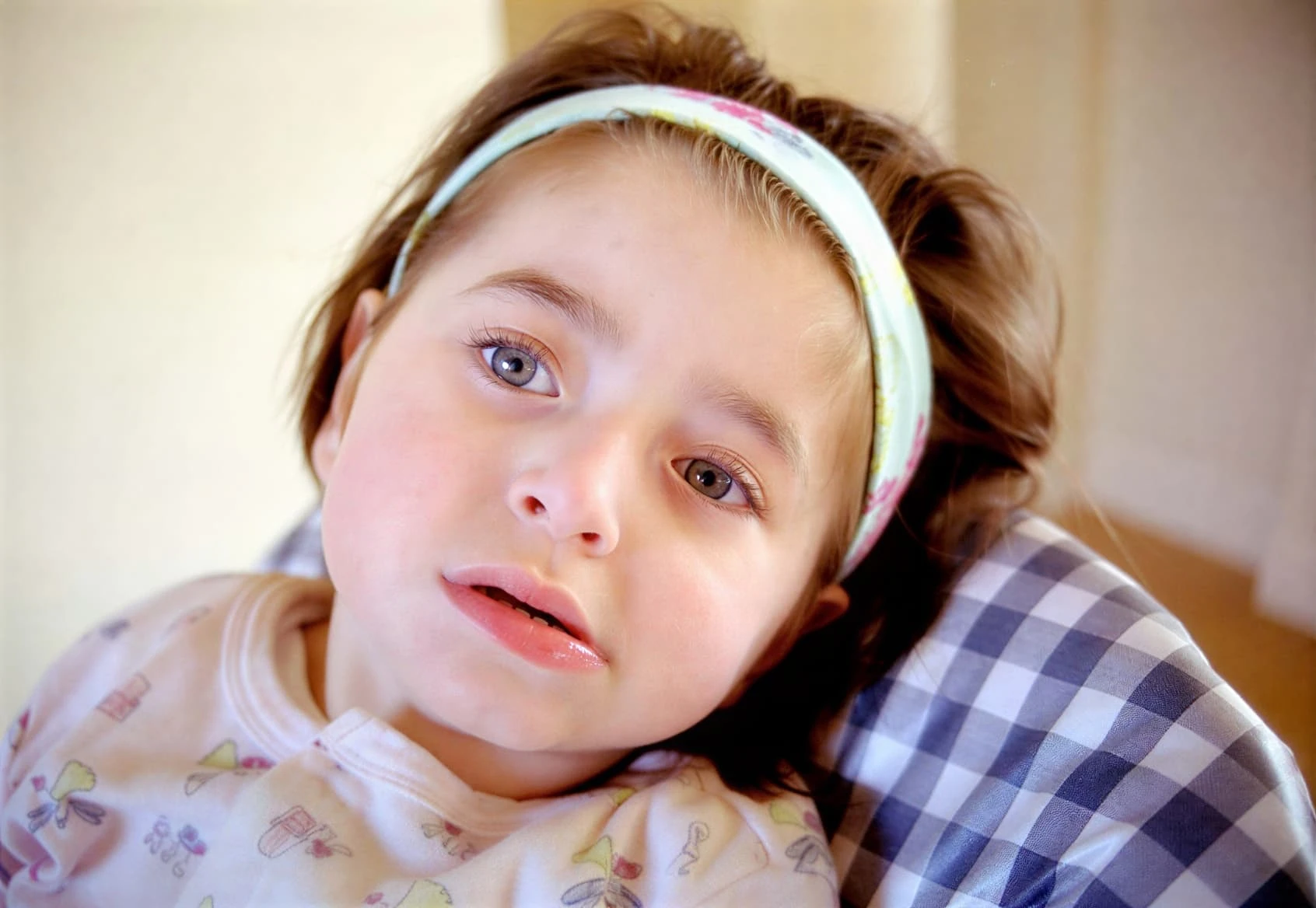
Ashley X in 2002
The threat of growing up
In 2004, Ashley was six and a half years old. She showed the first signs of puberty. Doctors warned that without intervention, she would grow to 175 centimeters and weigh about 55 kilograms. For the family, this meant the end of home care. Lifting, bathing, and taking her for walks would have become physically impossible. The risk of bedsores from prolonged lying down increased dramatically. The parents were faced with a choice: a specialized facility or something completely different. 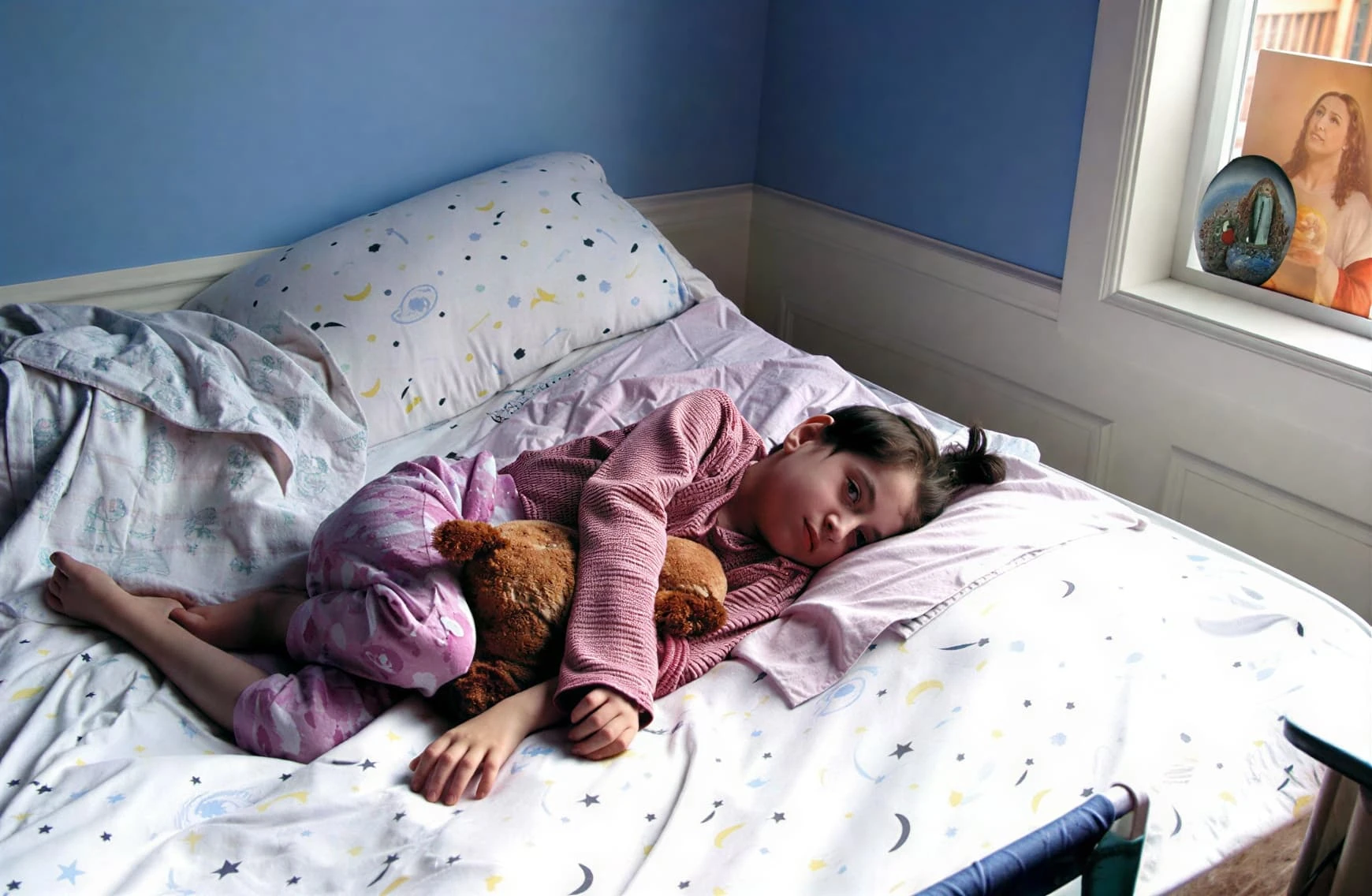
This was precisely the kind of home care the parents wanted to maintain, stunting their daughter's development.
Early puberty in children with severe brain damage is not uncommon. It is especially difficult for the parents of such children. Menstruation, breast growth, body changes—all of this happens to a girl who doesn't understand what's happening to her. This was the starting point for the decision that shocked the world.
Medical Precedent: What is "Ashley Therapy"?
The parents approached Seattle Children's Hospital with an unprecedented request: to artificially stop their daughter's growth and maturation. The doctors—pediatric endocrinologist Daniel Gunther and pediatric bioethicist Douglas Diekema—developed a special strategy. The hospital's ethics committee approved all interventions. 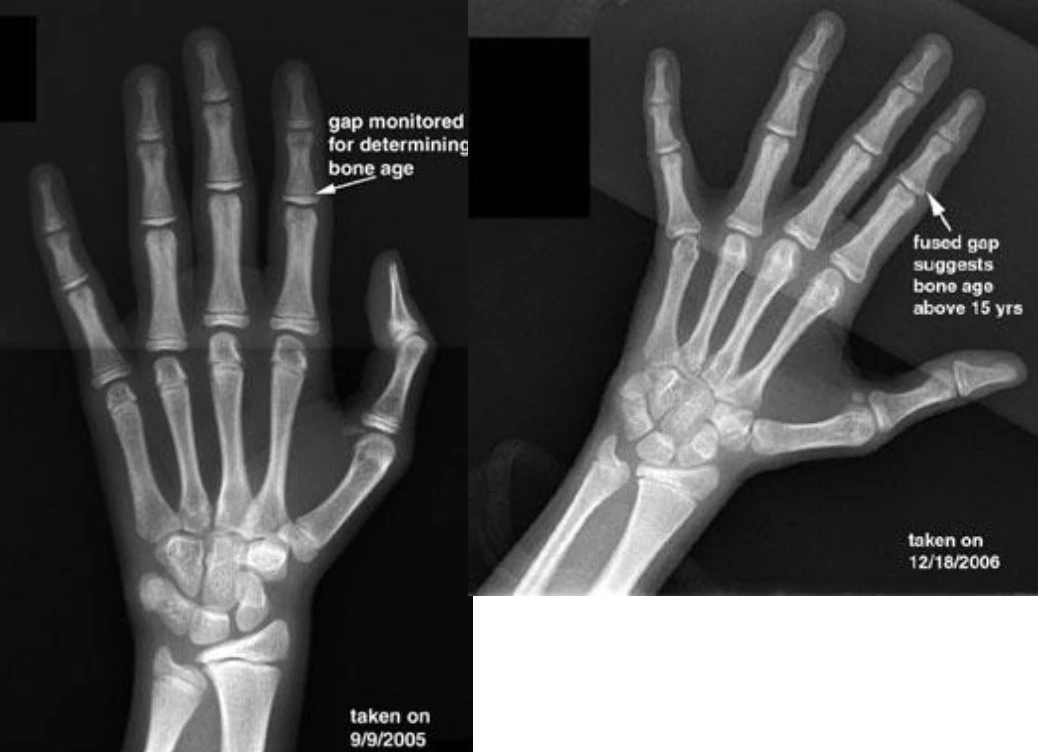
X-rays of Ashley's hands. In 2005 and 2006—after the growth plates were closed with hormone therapy.
The surgery was performed in July 2004. Ashley had her uterus removed to stop menstruating. Her breast buds were removed to prevent their development and reduce the risk of cancer. An appendectomy was also performed, meaning her appendix was removed. The rationale for this decision was simple: Ashley would never have been able to report abdominal pain, and appendicitis occurs in five percent of people. In December 2006, she completed a course of estrogen therapy via skin patches. High doses of the hormone accelerated the closure of growth plates in her bones.
As a result, Ashley's height plateaued at 135 centimeters. Her weight was around 30 kilograms—about half of what was predicted. The family was able to continue full-time care for their daughter at home.
How the story went public
The story first broke outside the hospital in October 2006. A scientific article by Gunther and Diekema describing the case was published in the journal Archives of Pediatrics and Adolescent Medicine. 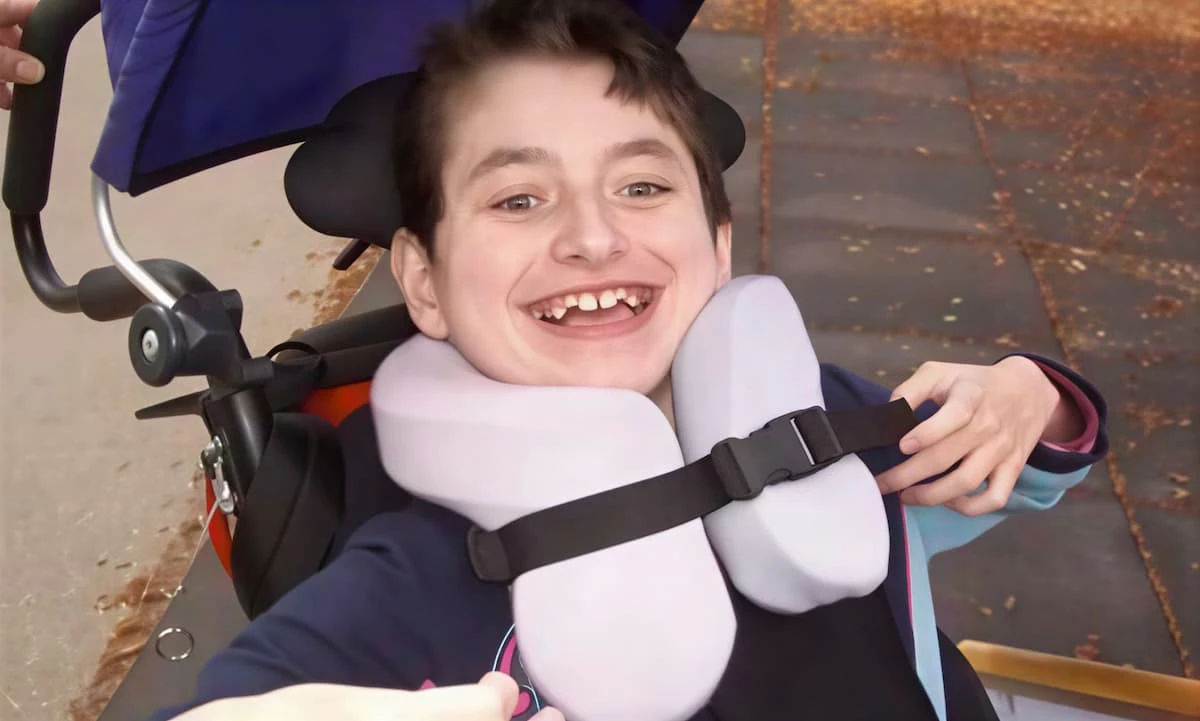
Ashley X on a walk
In January 2007, the parents started a blog. They wanted to explain their decision themselves—and help other families in a similar situation. The blog immediately attracted international attention. Major publications, from Time to The Guardian, devoted extensive articles to Ashley's case. A scandal erupted.
The parents' position: a manifesto of love
The parents explained their decision openly and thoroughly. For Ashley, the most important things were comfort, the attention of loved ones, and the opportunity to be part of a family, not confined to a social care facility. An adult woman's body would only bring her suffering. Her large breasts would cause discomfort lying down and in a wheelchair. Menstruation would become a source of monthly pain—without any understanding of what was happening.
"We modified Ashley's body to adapt it to her capabilities, not her capabilities to her body." 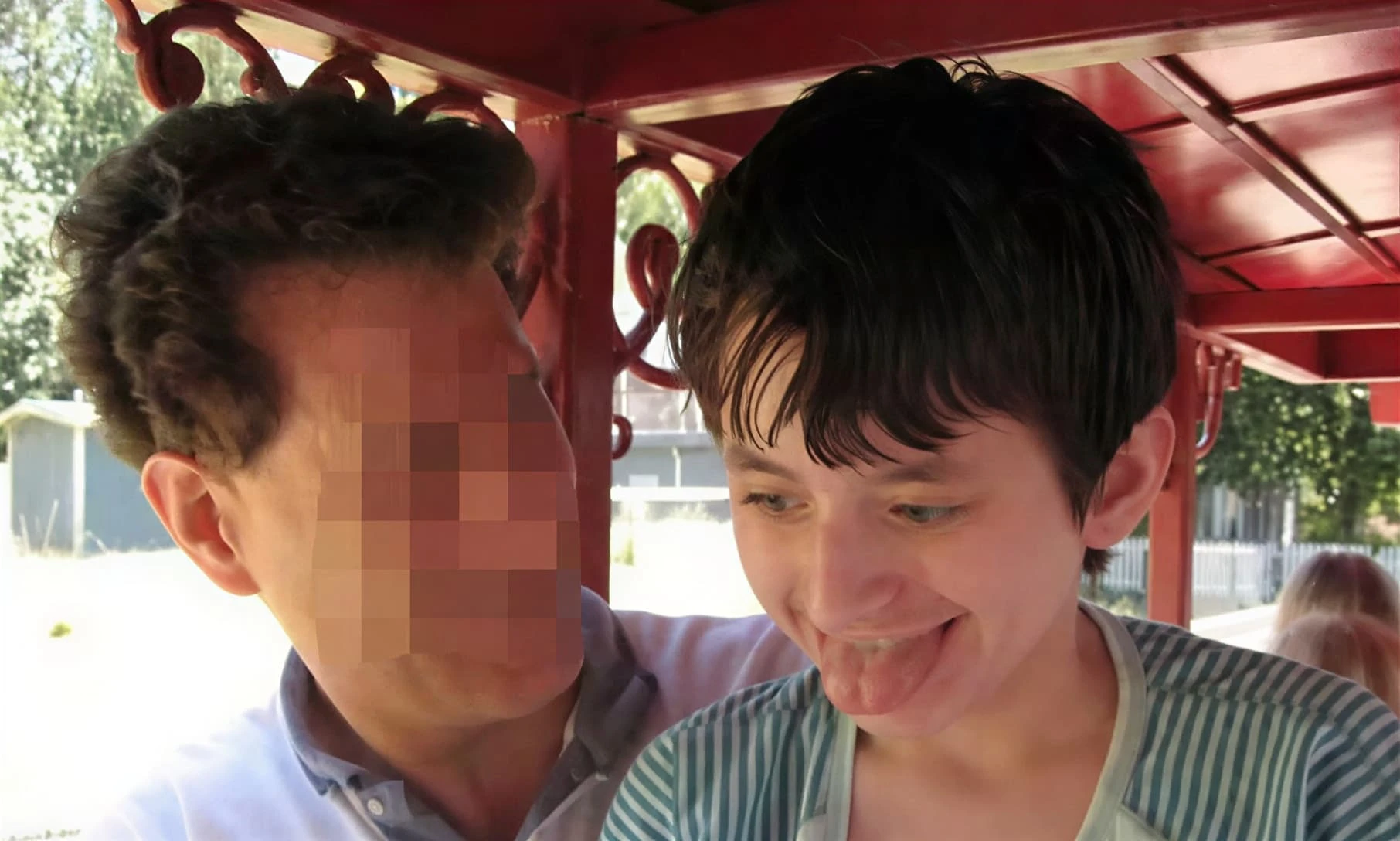
Ashley with her father. 2007
The parents also cited practical considerations. Without secondary sexual characteristics, Ashley would be less vulnerable to abuse by future guardians—when they could no longer care for her. An appendectomy protected her from risks Ashley could never have warned about. Removing the breast buds reduced her cancer risk: breast cancer and fibrocystic breast disease ran in the family.
Of the 5,000 letters the family received after the blog was published, 95 percent were words of support. Parents of children with similar diagnoses were especially enthusiastic.
Critics' Position: Eugenics or Not?
The publication sparked a wave of protests around the world. Human rights organizations Not Dead Yet and FRIDA (Feminist Response in Disability Activism) called the treatment invasive medical experimentation, mutilation, and desexualization. FRIDA demanded that the American Medical Association publicly condemn the therapy. 
Ashley's case was reviewed by hospital ethics committees and sparked widespread debate in the medical community.
The Disability Rights Education and Defense Fund (DREDF) stated bluntly: the physical and personal autonomy of people with disabilities is inviolable and non-negotiable. Critics asked a stark question: where is the guarantee that tomorrow other parents won't start mass sterilizing children with disabilities for their own convenience? Society should adapt to the needs of people with disabilities—providing lifts, caregivers, and an accessible environment. Not remodeling their bodies.
Bioethicists' Position: An Unanswered Question
Bioethicist Arthur Caplan of the University of Pennsylvania summarized the critics' position succinctly: Ashley's therapy is a pharmacological solution to a social failure. American society simply isn't doing what it should for families with seriously ill children. 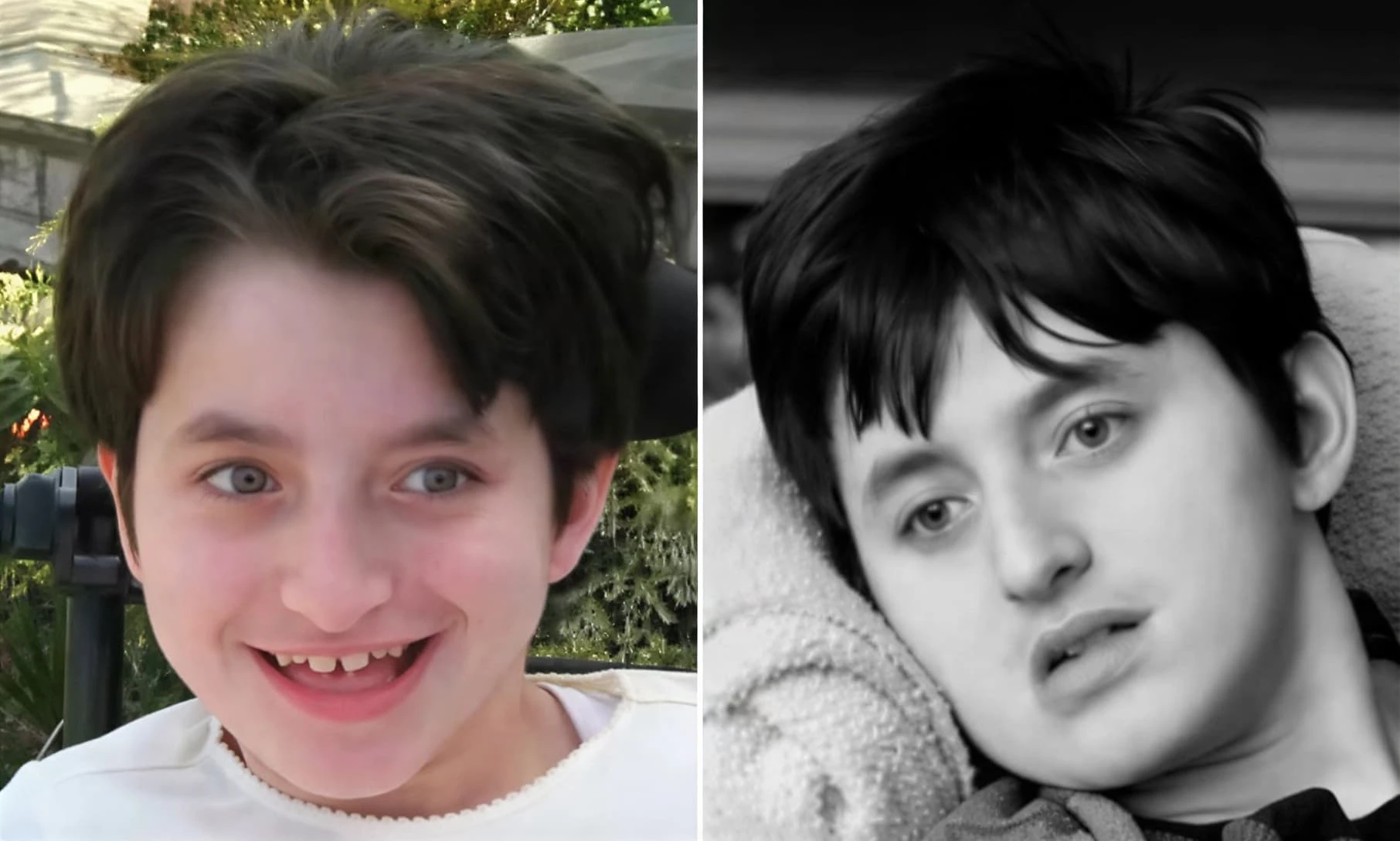
Ashley in 2007 and 2011. Her developmental level has forever remained that of a 3-month-old infant.
Bioethicists viewed Ashley's case as a model case—a problem without a ready-made solution. It confronts two fundamental principles of medicine. The first is "do no harm": respect for the integrity of the human body. The second is "do good": improve quality of life. Ashley couldn't consent to the surgery. Her right to bodily integrity was violated. But inaction also had a price: isolation, bedsores, infections. 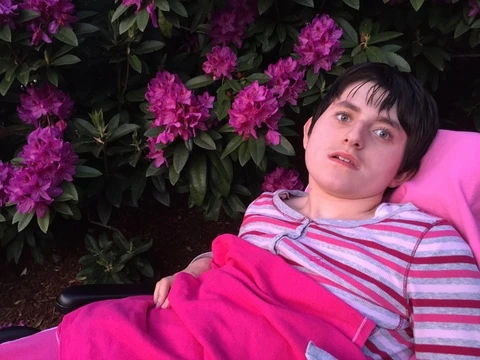
This is what Ashley looked like in May 2015
In 2009, two pediatric endocrinologists and two bioethicists published a joint analysis. The conclusion: growth retardation is a relatively safe therapy. It can improve the lives of children with profound cognitive disabilities. In 2010, Gunther and Diekema reviewed 25 arguments against the therapy and concluded that none of them outweighed its potential benefits. 
Pediatric bioethicist Douglas Diekema is one of two doctors who developed the "Ashley Therapy."
The British Medical Association took a cautious stance: in the UK, a similar case would have been referred to a court, which would have decided in the child's best interests. Professor of pediatric endocrinology Peter Hindmarsh of Great Ormond Street Hospital posed a different question: was the hospital's ethics committee the right place to make such a decision? And who exactly represented Ashley's interests?
A precedent that was not unique
Ashley's case was not the last. Since 2007, other families in the United States and abroad, including New Zealand, have sought similar treatment. In 2015, a survey of pediatric endocrinologists revealed that growth retardation therapy was becoming increasingly discussed in the professional community. In March 2008, Ashley's parents gave their first written interview to CNN Health. In March 2012, they gave a second, to the British newspaper The Guardian. 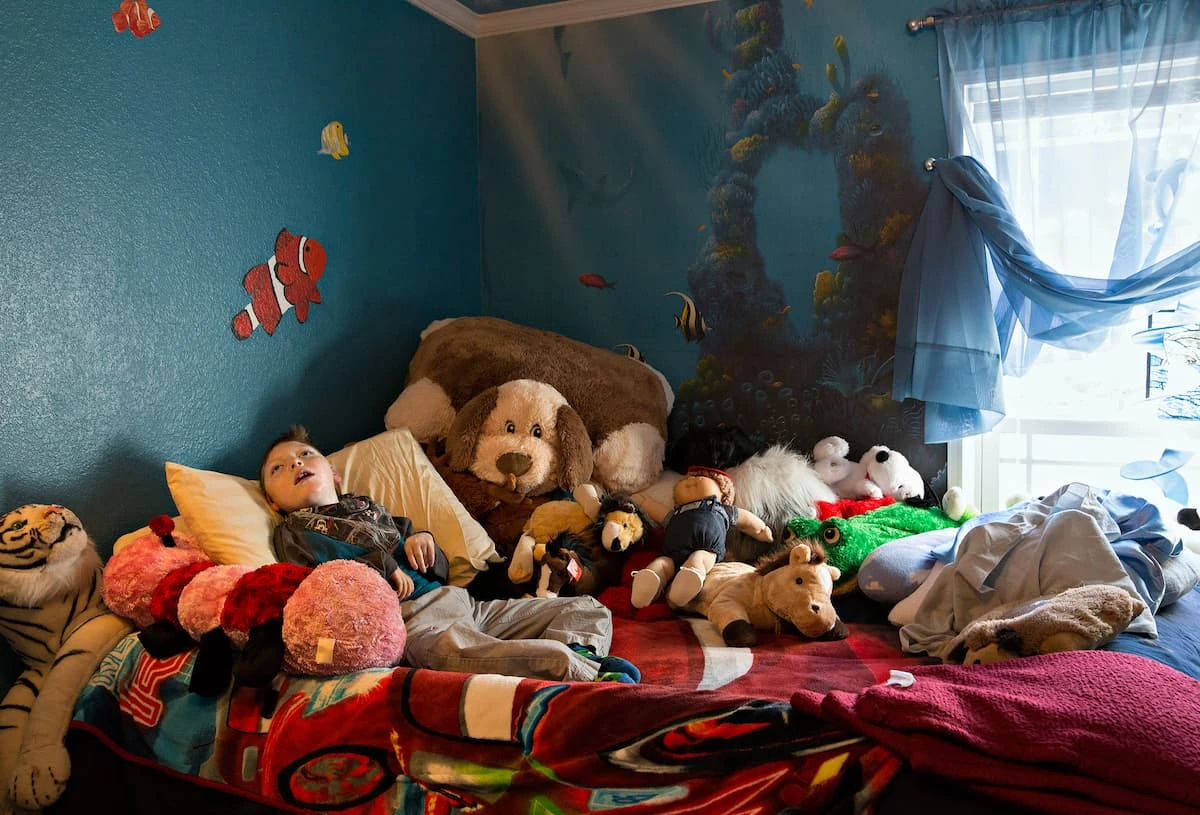
Ricky Presley is another child whose family chose growth retardation therapy to maintain home care.
There is still no consensus on the admissibility of such interventions. Each new case is considered individually. Medical communities continue to debate, and families are forced to make decisions from which there is no easy way back.
The Ashley X case exposed the gap between what real life demands with a seriously ill child and what the state is willing to offer. The parents acted out of love—few would dispute that. But love was forced into a choice that should not have existed.
What do you think: did parents have the right to interfere with their child's biology for their own good? Or do such surgeries violate basic human rights and are indefensible? Share your opinion in the comments.